
June 5, 2026, 3:30 PM - Partying through the Gulf Islands
Calm seas and mild weather lay ahead as our smei-covered boat, Kula, set off from the dock and out of the Nanaimo Harbour. On this evening, passengers and crew headed south towards the pristine waters of the Southern Gulf Islands. Before venturing through Dodd Narrows to enter the Gulf Islands, some fuzzy friends were spotted hanging out on the nearby log booms. It was some California Sea Lions!
These sea lions reach a maximum weight of around 700 pounds and a length of over 220 centimetres (⁓7 feet). California Sea Lions spend their winters in our polar waters, staying for two very important seasonal migration events, being the Herring spawn in early spring and the salmon run in the fall. California sea lions will arrive here in the fall, just in time for the salmon run, spending their winter as far north as Alaska. Beginning in early spring, the Herring will spawn and provide one more big gorge in food before heading south for the summer. By mid to late spring, these sea lions will start migrating south to sandy, warm beaches to breed from June to early August. The California Sea Lions this day are among the last remaining individuals for the season, resting up before migrating southward.
After a brief visit with the sea lions, Captain Rodrigo expertly guided us through the swirling waters of Dodd Narrows. Here, powerful tidal currents surge through a narrow 60-metre-wide passage, creating a constant exchange of nutrient-rich, oxygenated water that supports the local marine environment. As one of the primary gateways to and from the Southern Gulf Islands, boaters require careful planning of their transit around the tides to avoid the strongest flows. Fortunately, Kula is equipped with a pair of powerful engines, allowing us to navigate the narrows comfortably and confidently, regardless of the current conditions.
After passing through the narrows, passengers and crew aboard Kula entered the water of the Southern Gulf Islands. The surrounding islands protect the area from gusting winds and building swells, making it the perfect spot to start off the search. All members aboard Kula scanned the waterline with keen eyes, looking out for tail flukes, dorsal fins, or whale blows. Upon reaching the outer coastline of Saltair on Vancouver Island, some distant dorsal fins were spotted. It was Orcas! Marine Naturalist Aly quickly snapped some photos of the orca’s dorsal fins for photo identification. One fascinating thing about orcas is that each individual has a unique combination of dorsal fin shape, saddle patch pigmentation, and markings. These features act almost like fingerprints when investigating a whale’s identity. By photographing the tall male's dorsal fin and observing the pattern of scars and notches on it, Aly had identified T100C, Laurel, meaning that the T100 pod was present! In addition to these three whales, some smaller dorsal fins were seen intermingling amongst the T100’s. It was members of the T086A pod!
T086A Eider ♀ (1988)
T086A4 Akia ♀ (2016)
T086A5 Siku ♂ (2024)
T100 Hutchins ♀ (~1979)
T100C Laurel ♂ (2002)
T100F Estrella (2014)
This group of whales was displaying incredible behaviour, including breaching, tail-lobbing, and pectoral-fin slapping!
As time wrapped up with the T100’s and the T086A’s, Captain Rodrigo slowly departed the scene. Once a sufficient distance had been established from the orcas, the search continued! The next stop on the tour was at a rocky outcrop off the shoreline of Valdes Island. The collection of rocks is locally known as “Sealion Rock” because of the abundance of sea lions that call it home.
The sea lion species that frequents this rock is the Steller Sea Lion, the world's largest sea lion species! Mature males reach the largest size, maxing out at around 2,500 pounds and measuring over 11 feet long! Female Steller sea lions reach only one-third of this weight, maxing out at 800 pounds and measuring 8 feet long when mature. The size difference is a crucial advantage for the males during the breeding season, which has just begun and runs through mid-July. During this time, dominant males claim and defend harems of females on rocky haul-outs. Incredibly, these males will fast and remain on land, without entering the water to feed, for the entire two-month period. When they get the chance to feed, they’re feeding on schooling fish, squid and octopus.
Spotted on a nearby rock were some Harbour Seals! These little pinnipeds are tiny compared to their sea lion counterparts, weighing up to 275 pounds. The smaller size of the harbour seal makes them the perfect target for transient orcas. Although sea lions are a crucial part of a transient orca's diet, harbour seals make up 50% of their diet. Their smaller size makes them easier for orcas to handle and toss about, allowing the whales to engage in these behaviours with a lower risk of injury to themselves.
Shortly after departing the seals and sea lions, another tall dorsal fin was spotted off in the distance! The dorsal fin was definitely a mature male, with a unique notch at the base. It was Noah!
T049A1 Noah ♂ (2001)
The remaining members of his pod, the T049A’s, were nowhere in sight. He was travelling alone. It’s not uncommon for mature transient orcas to travel separately from the rest of their family. We often see lone orcas rejoin their matriarchy and travel together at some point. We don’t know why some individuals leave their pods to travel alone, but it appears this trend is becoming more common in this ecotype.
Noah was taking it easy, with consistent, slow travel through the islands off Gabriola Island. After some time with Noah, Captain Rodrigo slowly departed the scene to search for some more wildlife! Vessel Kula set off into the Strait of Georgia and followed the outer coastline of Gabriola island, searching the horizon.
In the distance, an unfamiliar blow was spotted. It appeared much larger and bushier than the orcas from earlier in the tour. It was a humpback whale! Aly got some photos of the small dorsal fin and of the underside of the tail fluke. Using the underside of the tail, the humpback whale was identified as Pyramid/Monarch/Kraken (BCZ0180). This humpback has just returned from its winter migration from Mexico! During Kraken’s time down south, they actually won’t be feeding until they return to our polar feeding grounds here in the Pacific Northwest. This means Kraken could have gone for upwards of 6 months without feeding! The only thing on their mind is food! Kraken were diving down deep to feed on small schooling fish or krill.
Passengers and crew aboard Kula left Kraken alone to feed and made their way back through the Strait of Georgia, heading towards Nanaimo.
Please enjoy the photos below, taken by Marine Naturalist Aly Kohlman.
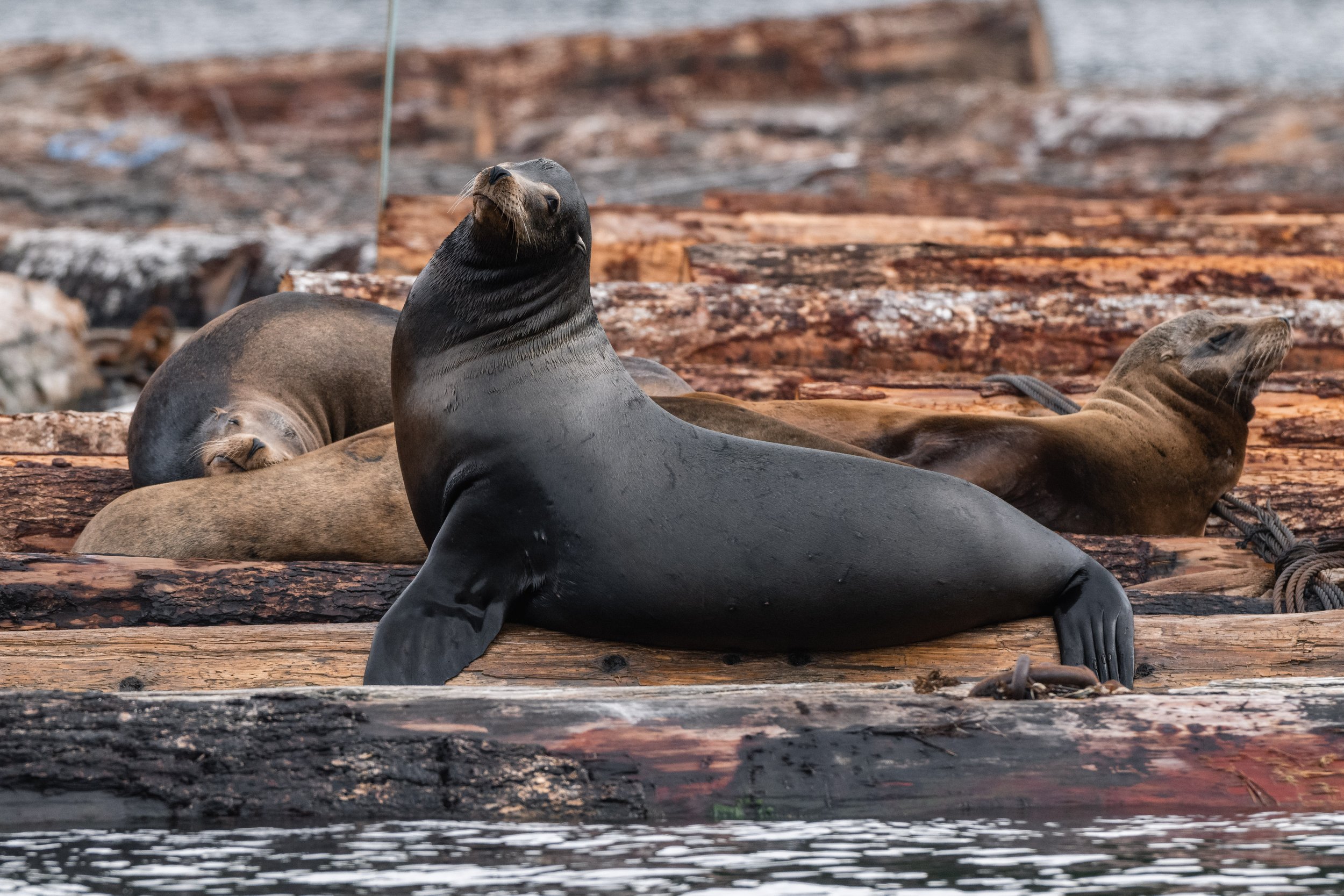
A California Sea Lion posing beautifully on the log booms.
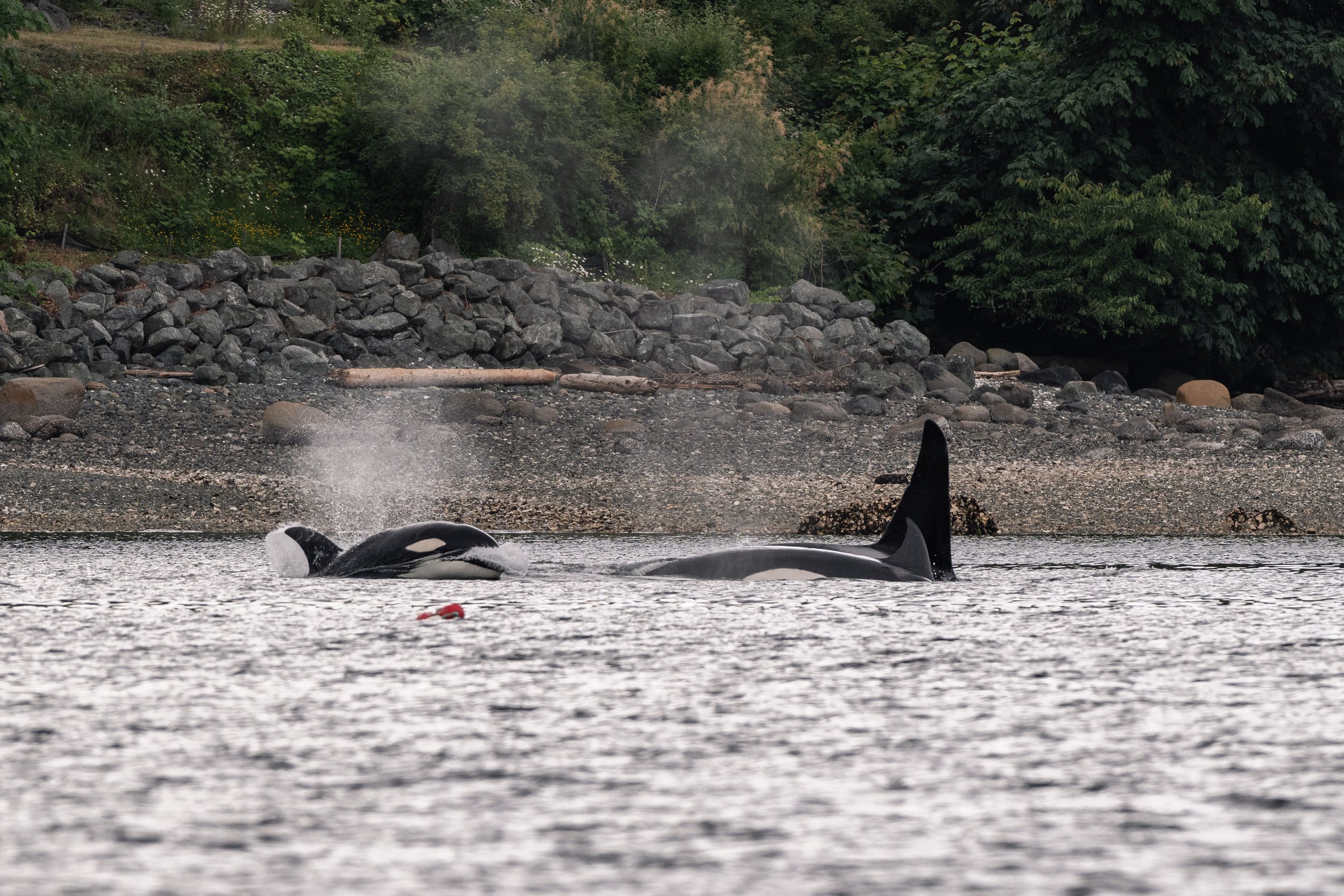
T100F Estrella, T100C Laurel, and T100 Hutchins travelling together.
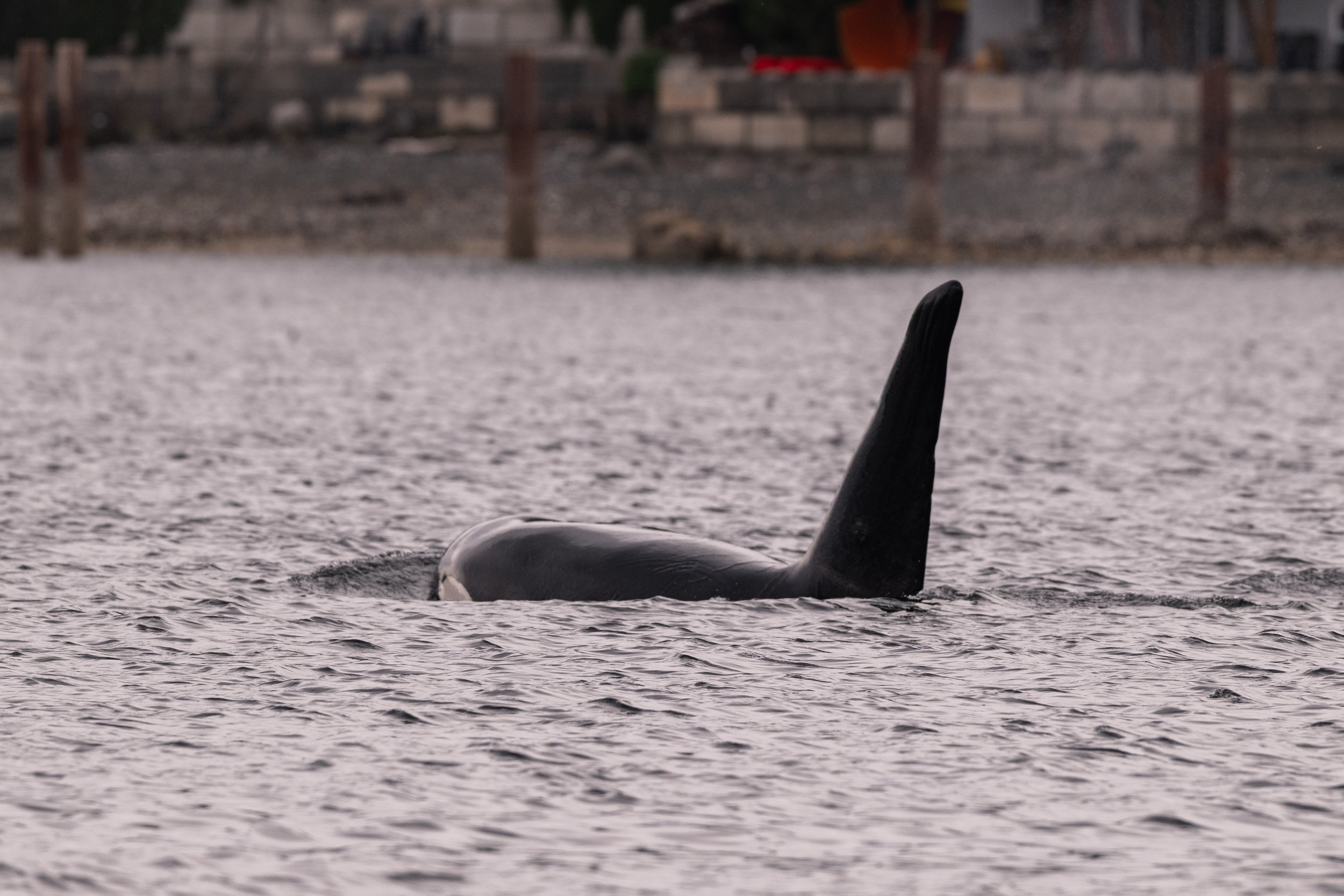
T100C Laurel with his distinct dorsal visible.
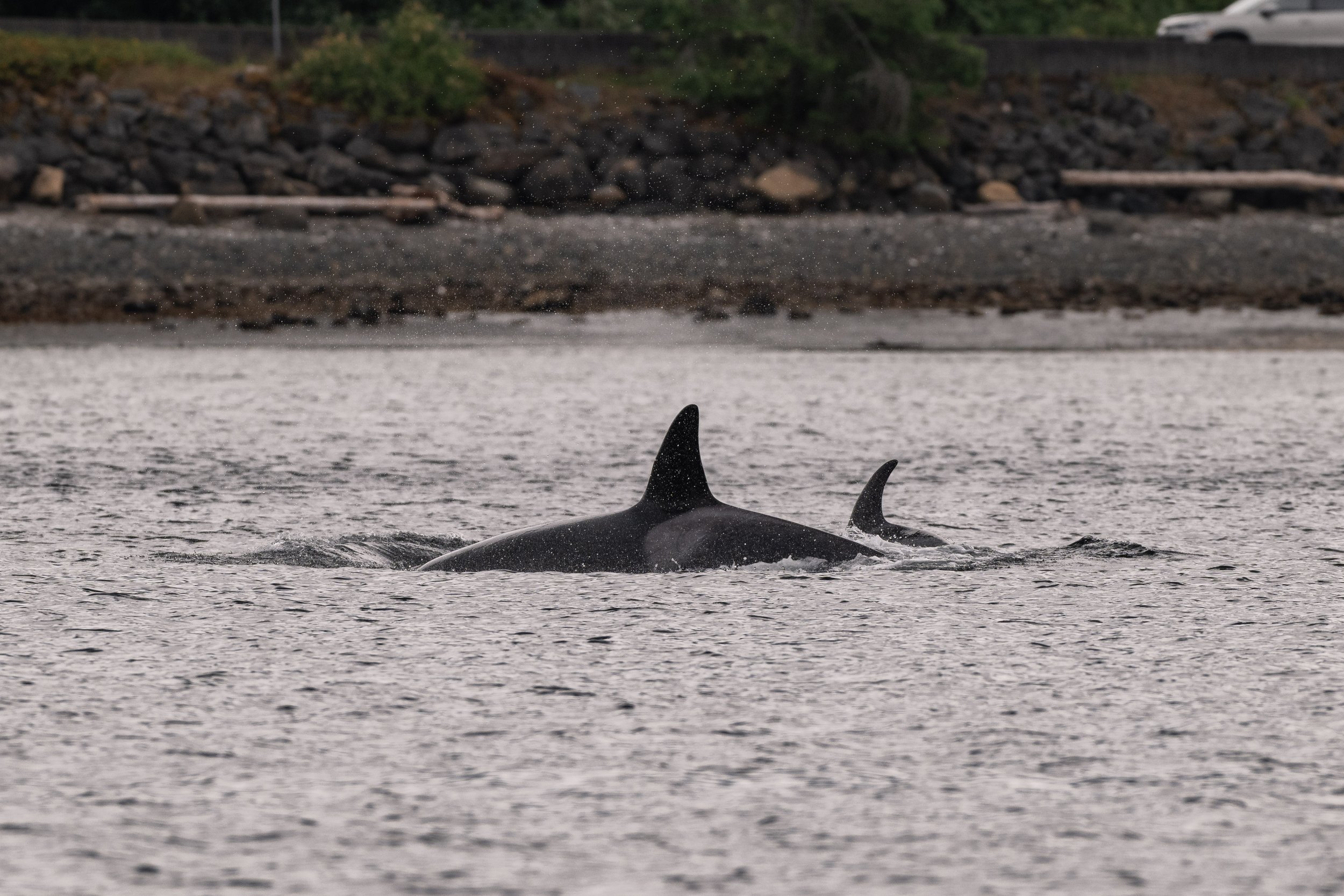
T086A4 Akia and T086A5 Siku.
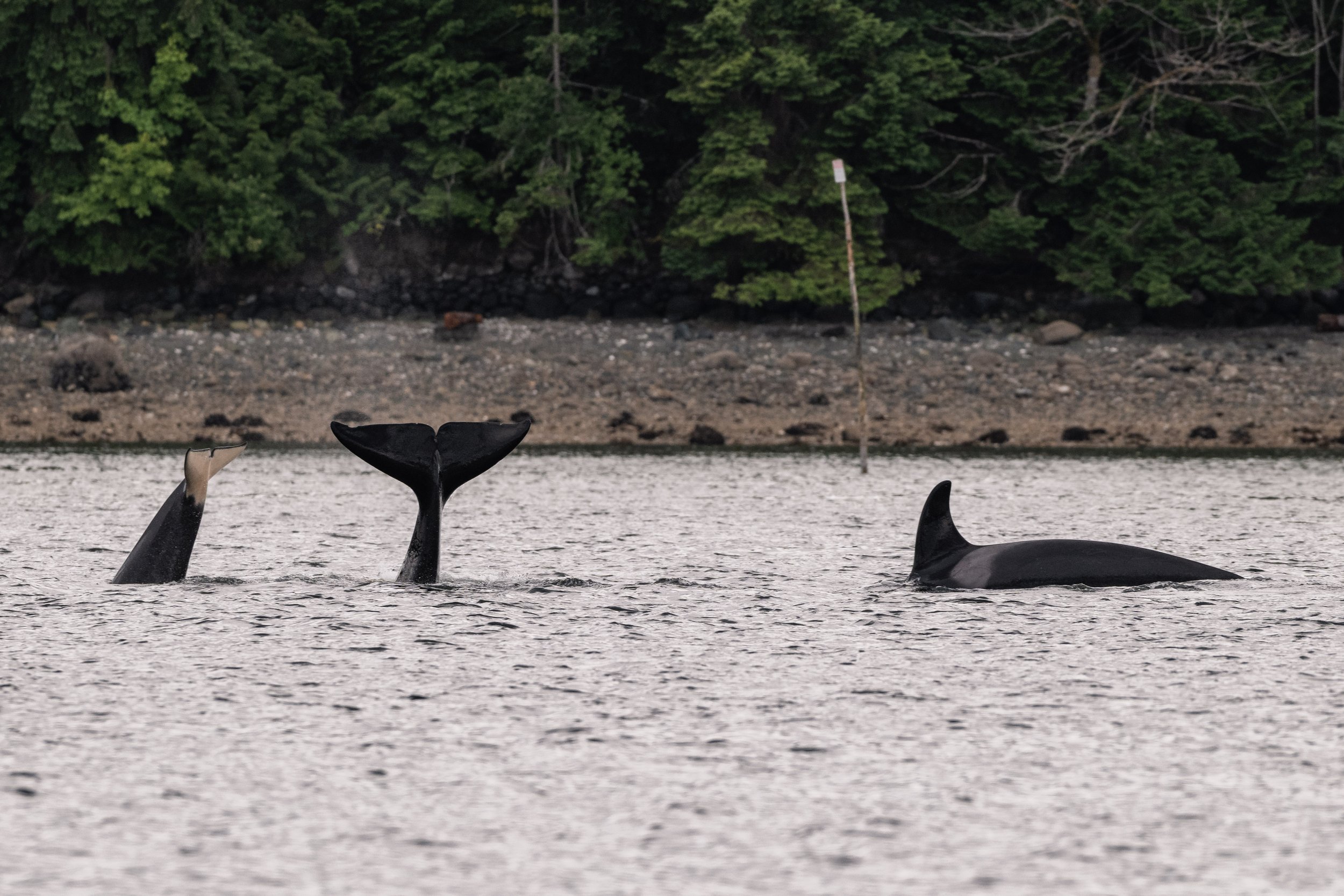
Flukes up! T100F Estrella going for a dive.
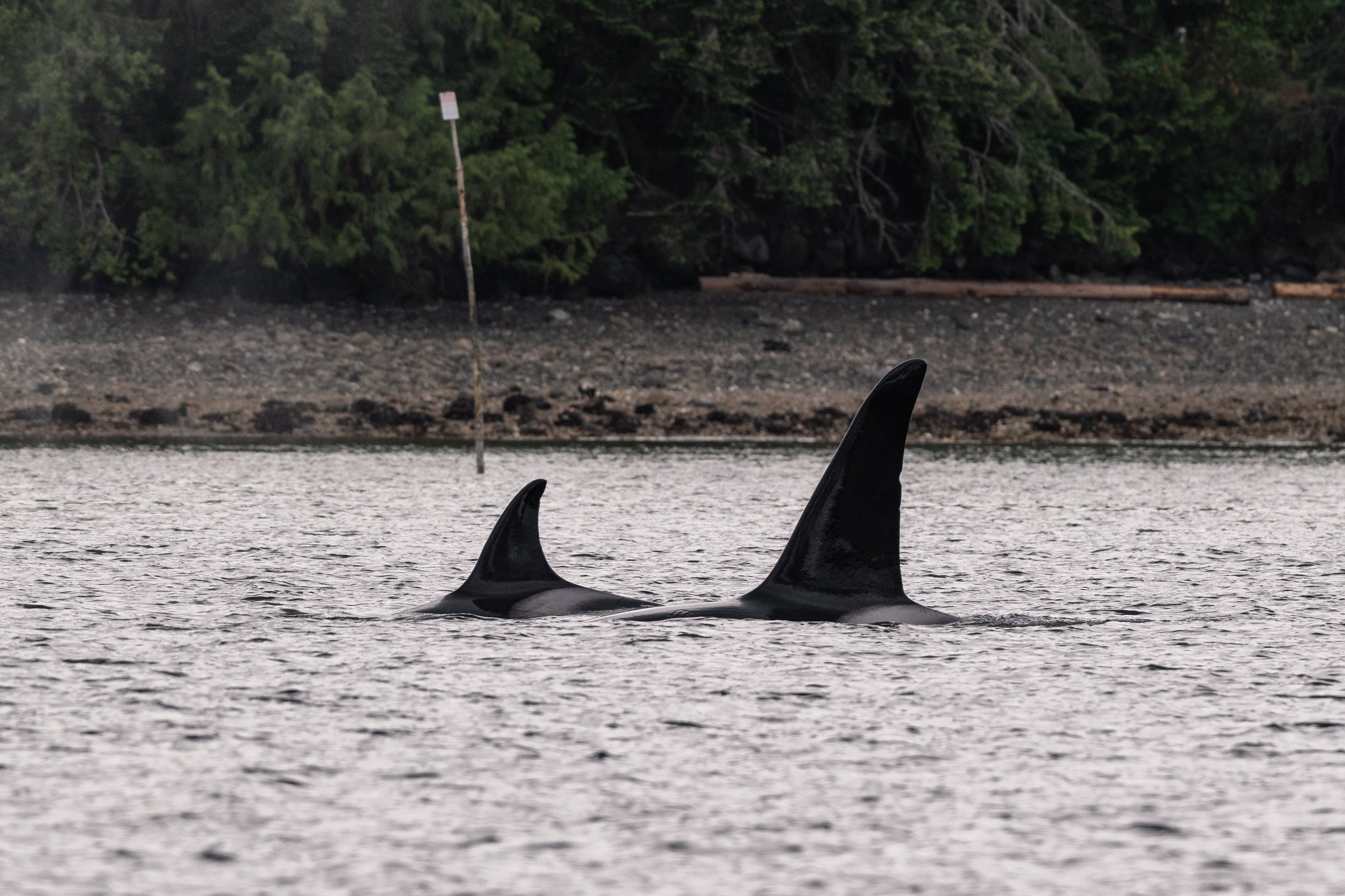
T100 Hutchins with her eldest son T100C Laurel.
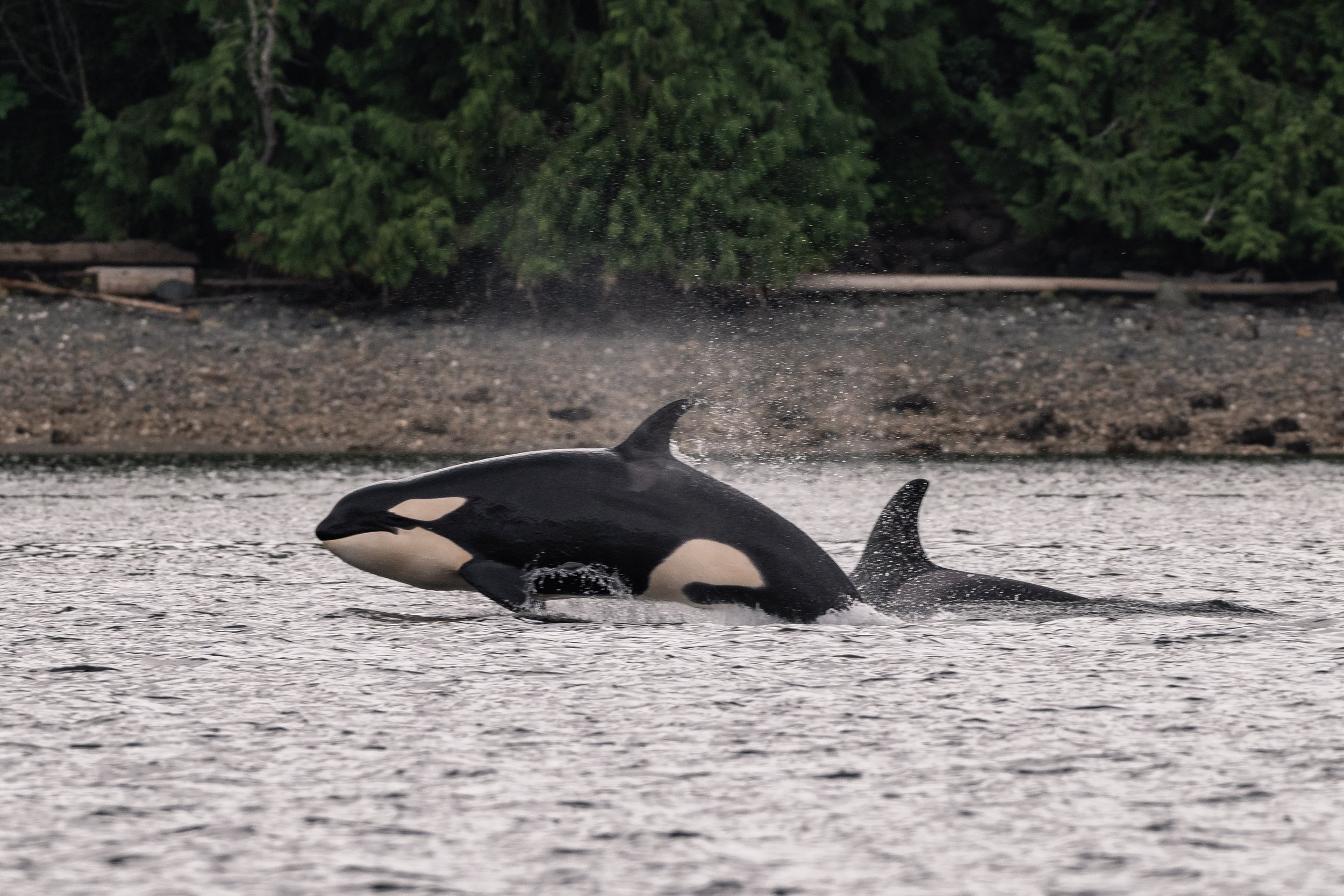
T086A5 Siku catching air beside T100F Estrella.
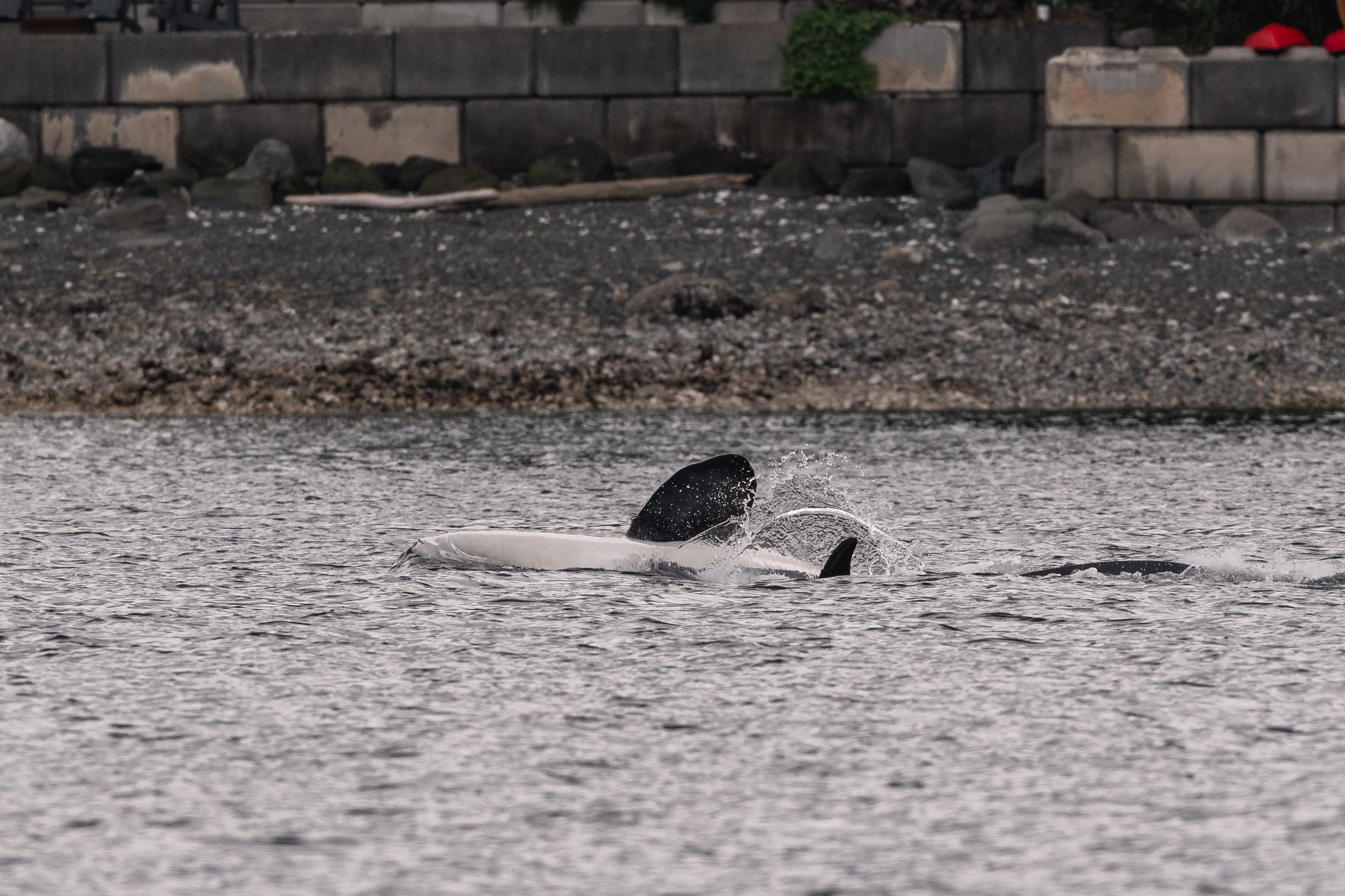
One of the whales upside down, pectoral fin out of the water, while T086A5 Siku travels beside them.
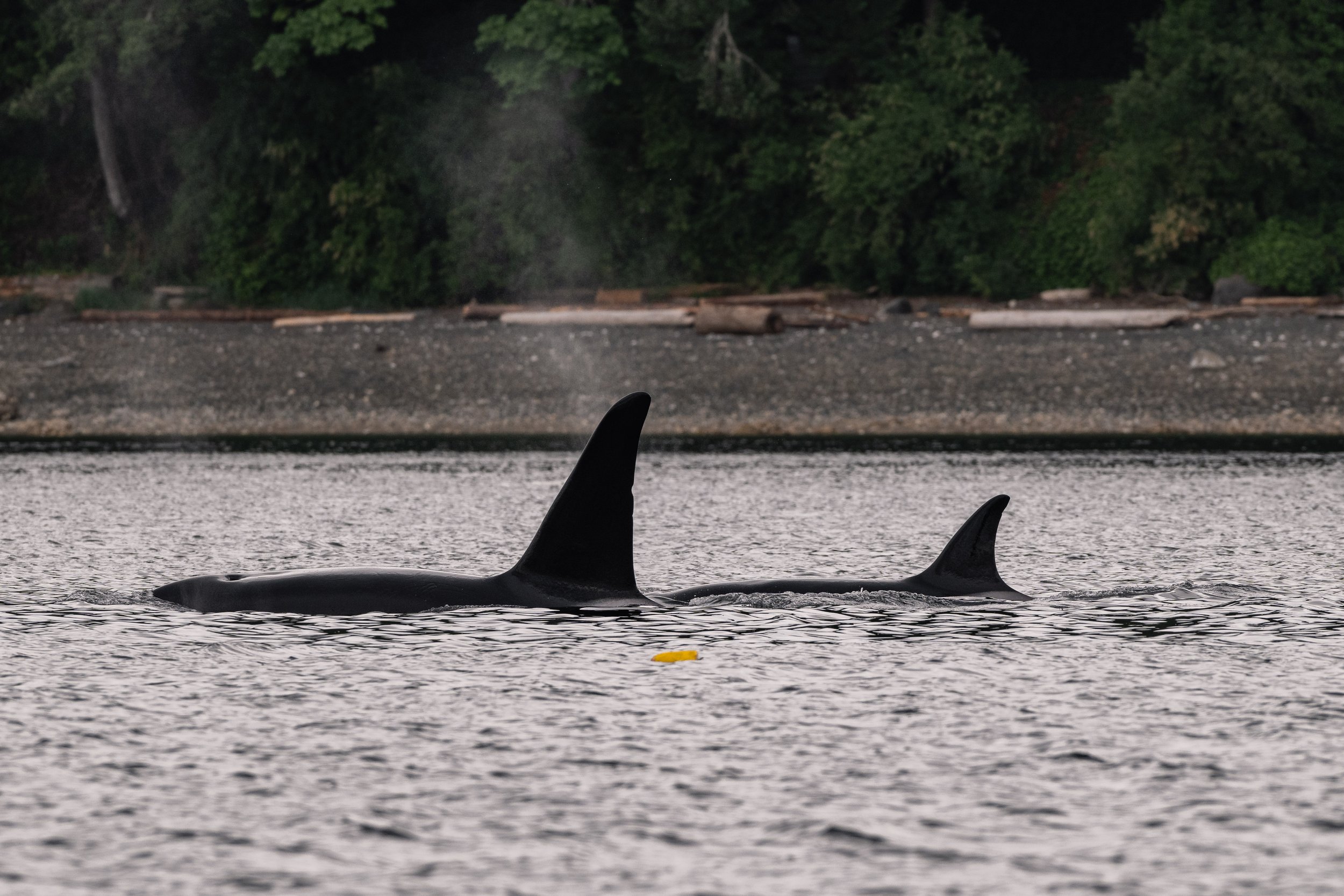
T100C Laurel and T100 Hutchins.
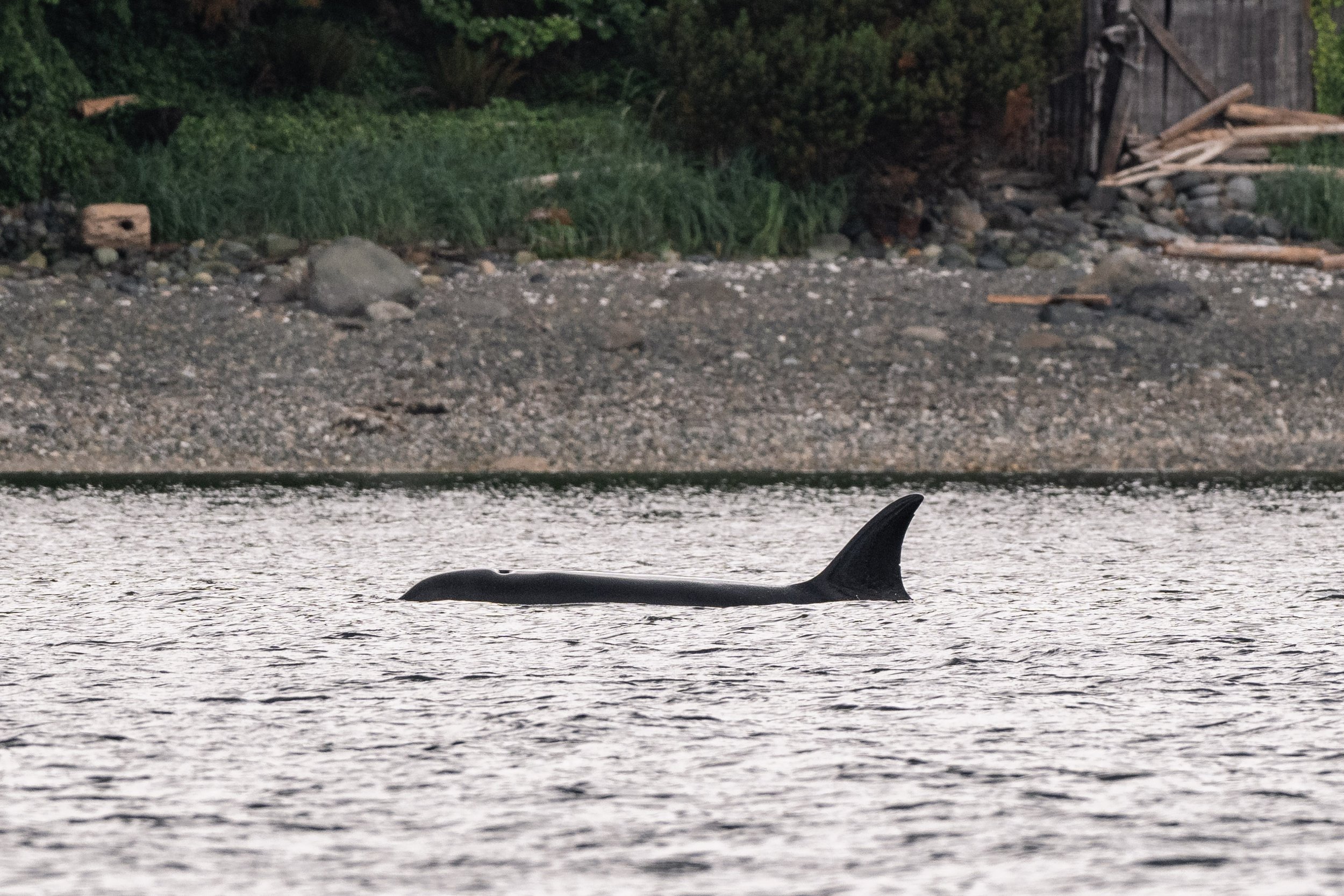
T086A Eider, one of the matriarchs.
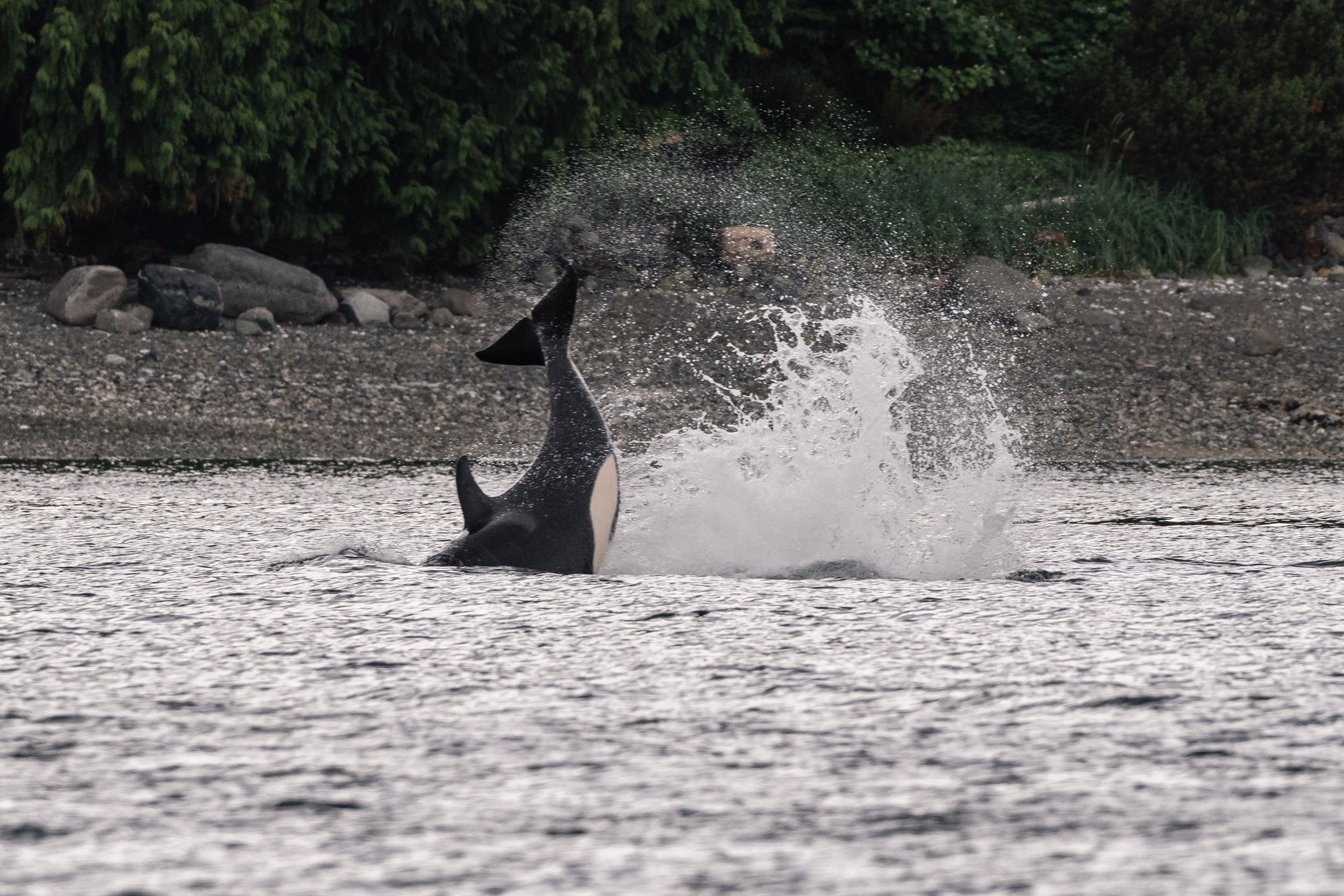
T086A5 Siku throwing their weight around.
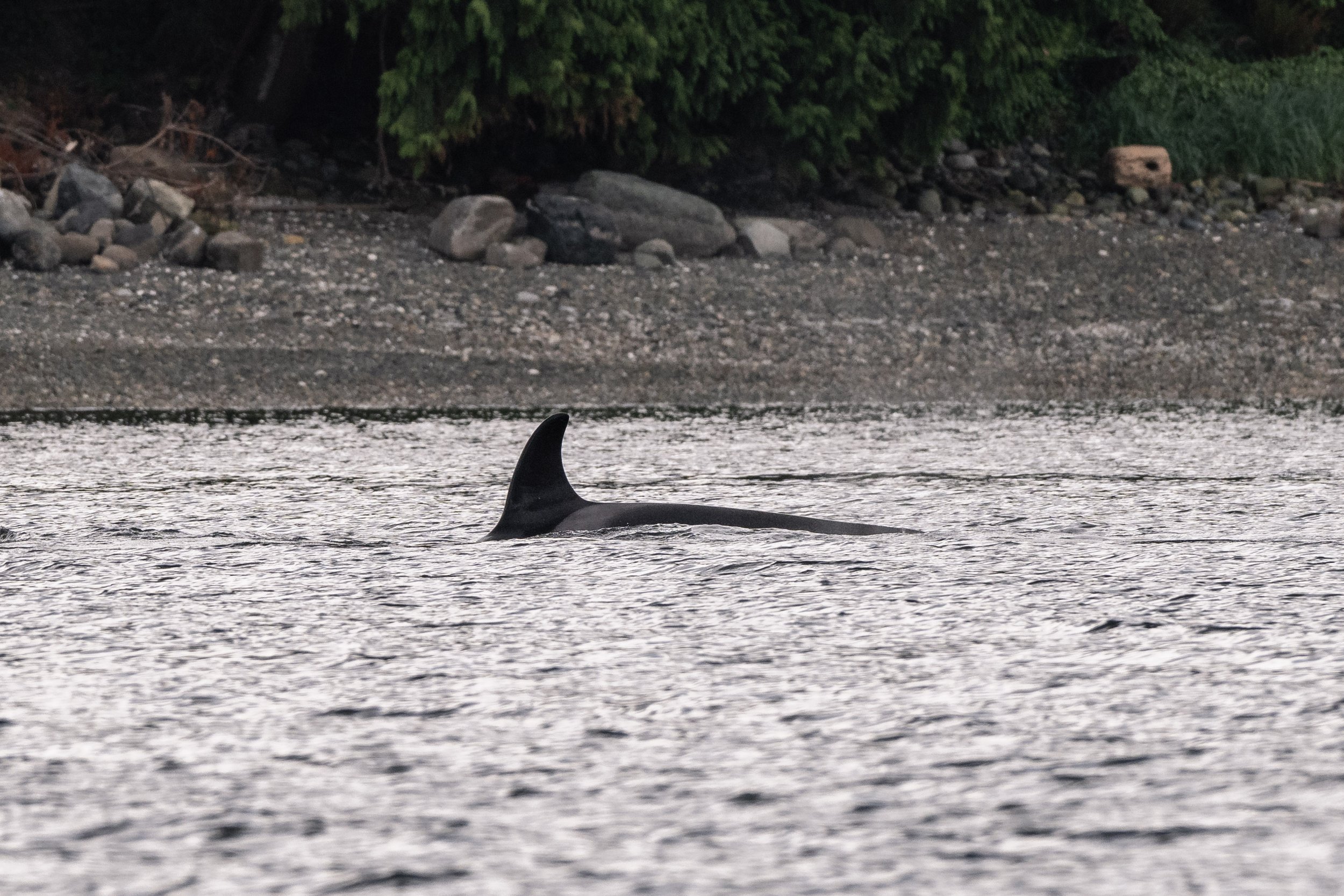
T100F Estrella beginning to dive.
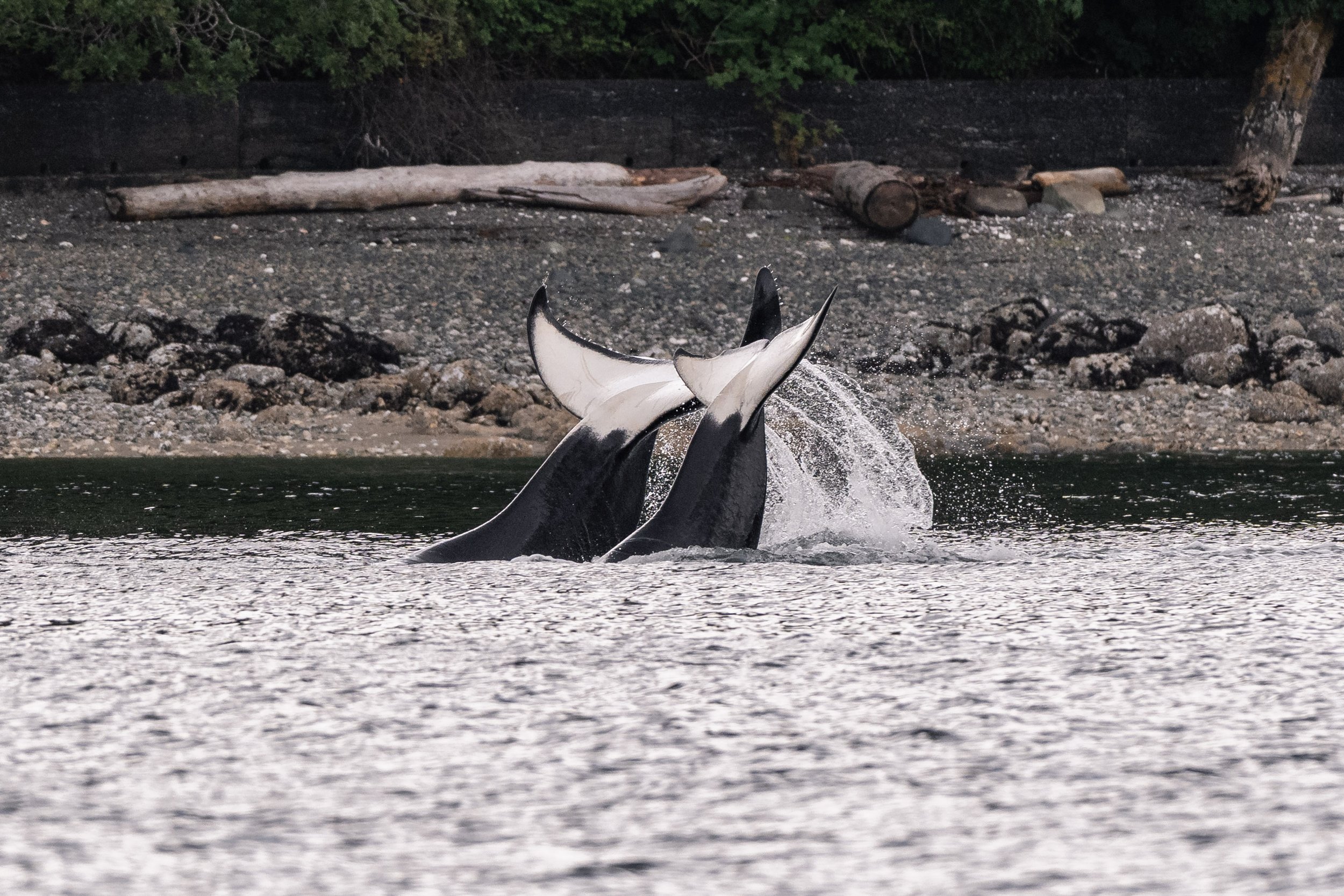
Flukes up! T100C Laurel and one of the others tail lobbing together.
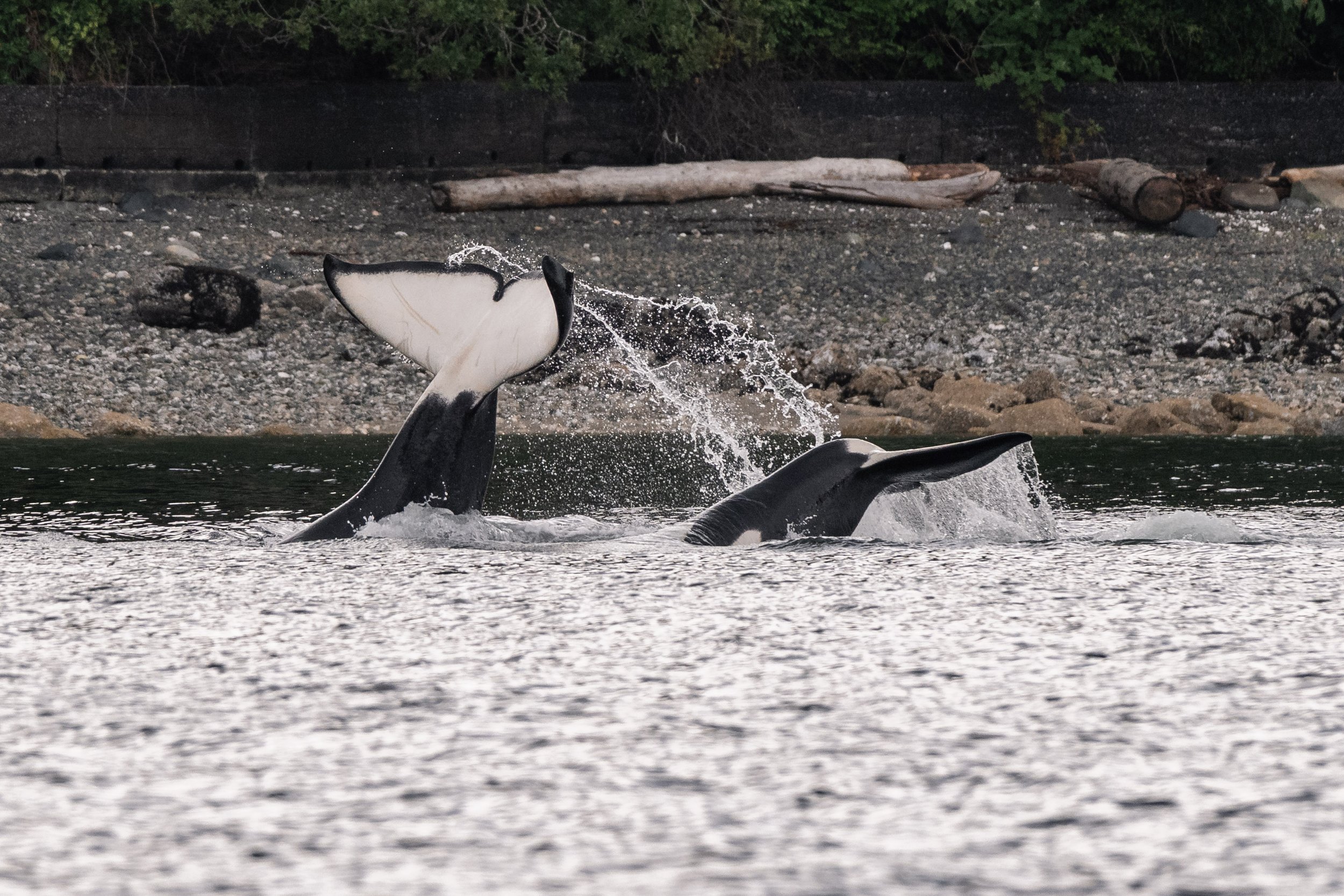
Splashing away!
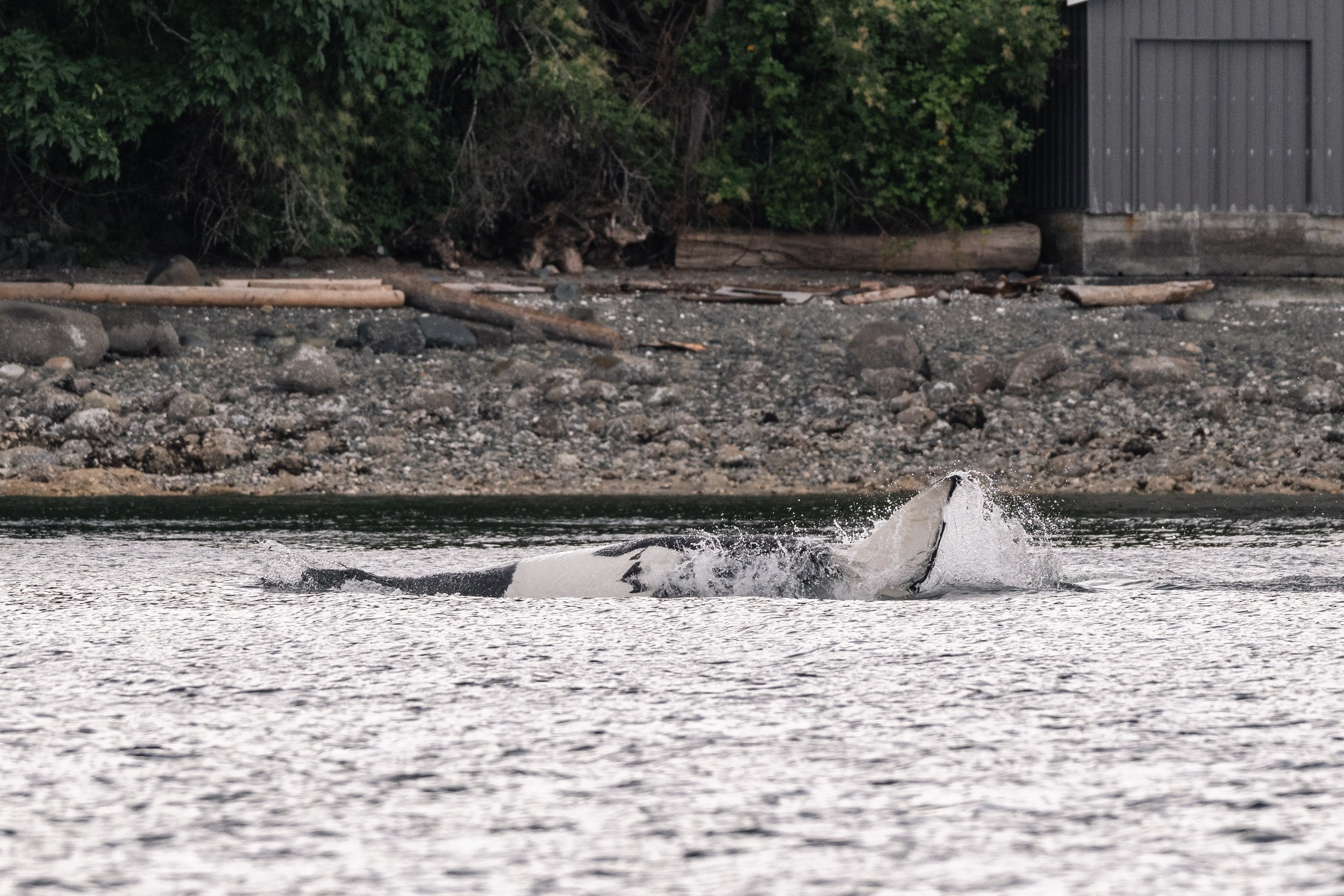
Travelling upside down, with their belly skirting the surface.
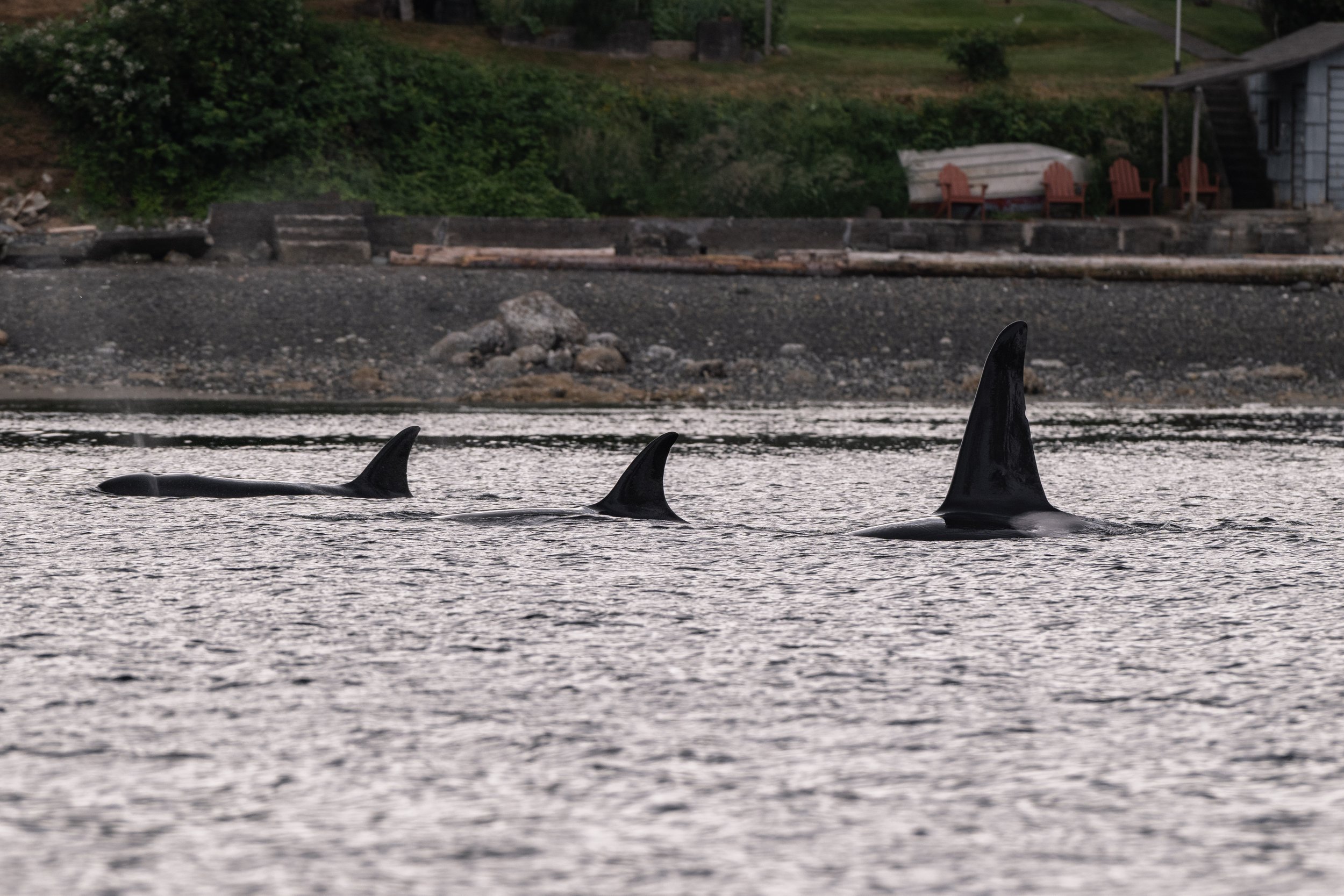
T086A Eider, T100 Hutchins, and T100C Laurel.
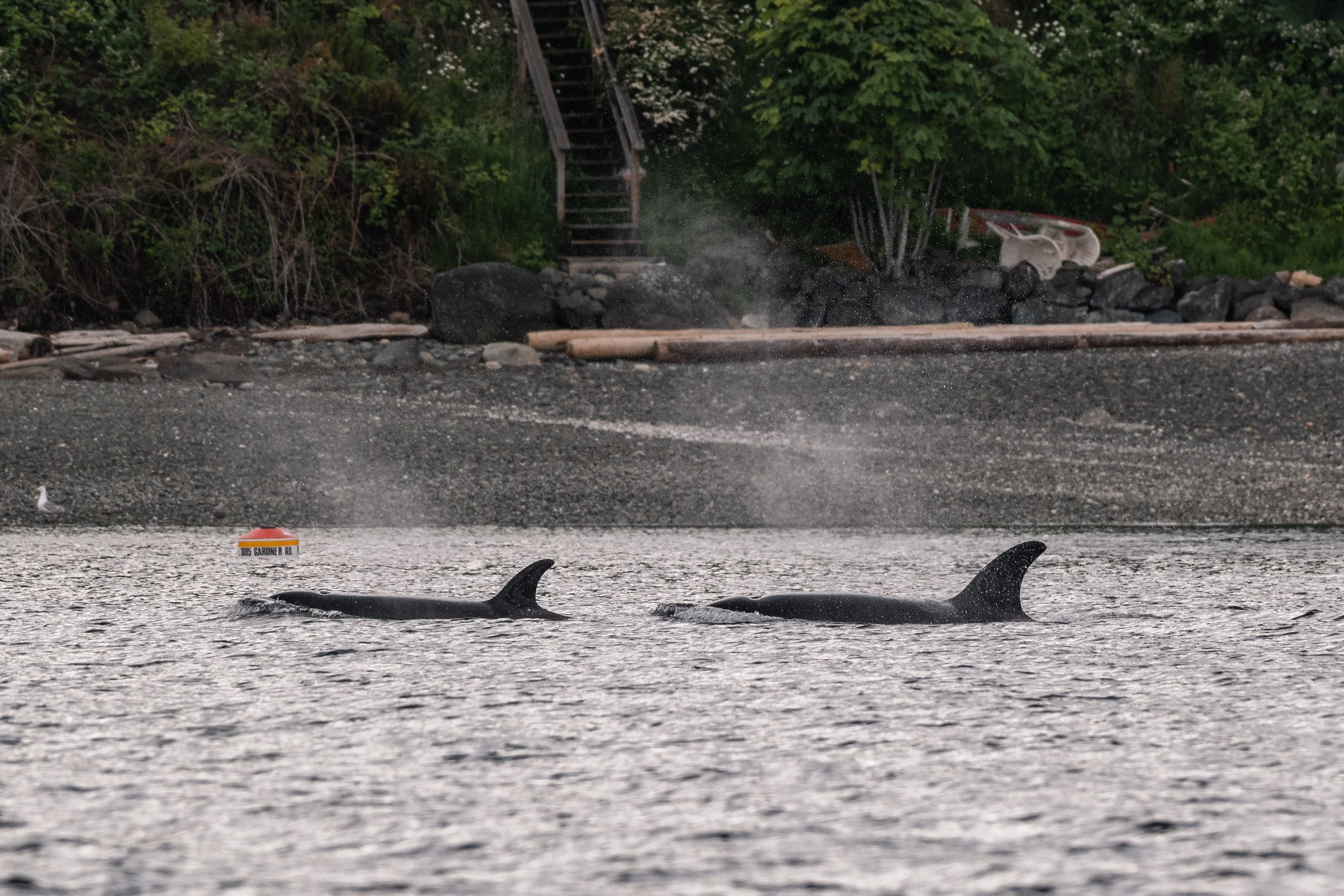
T086A5 Siku and T100F Estrella.
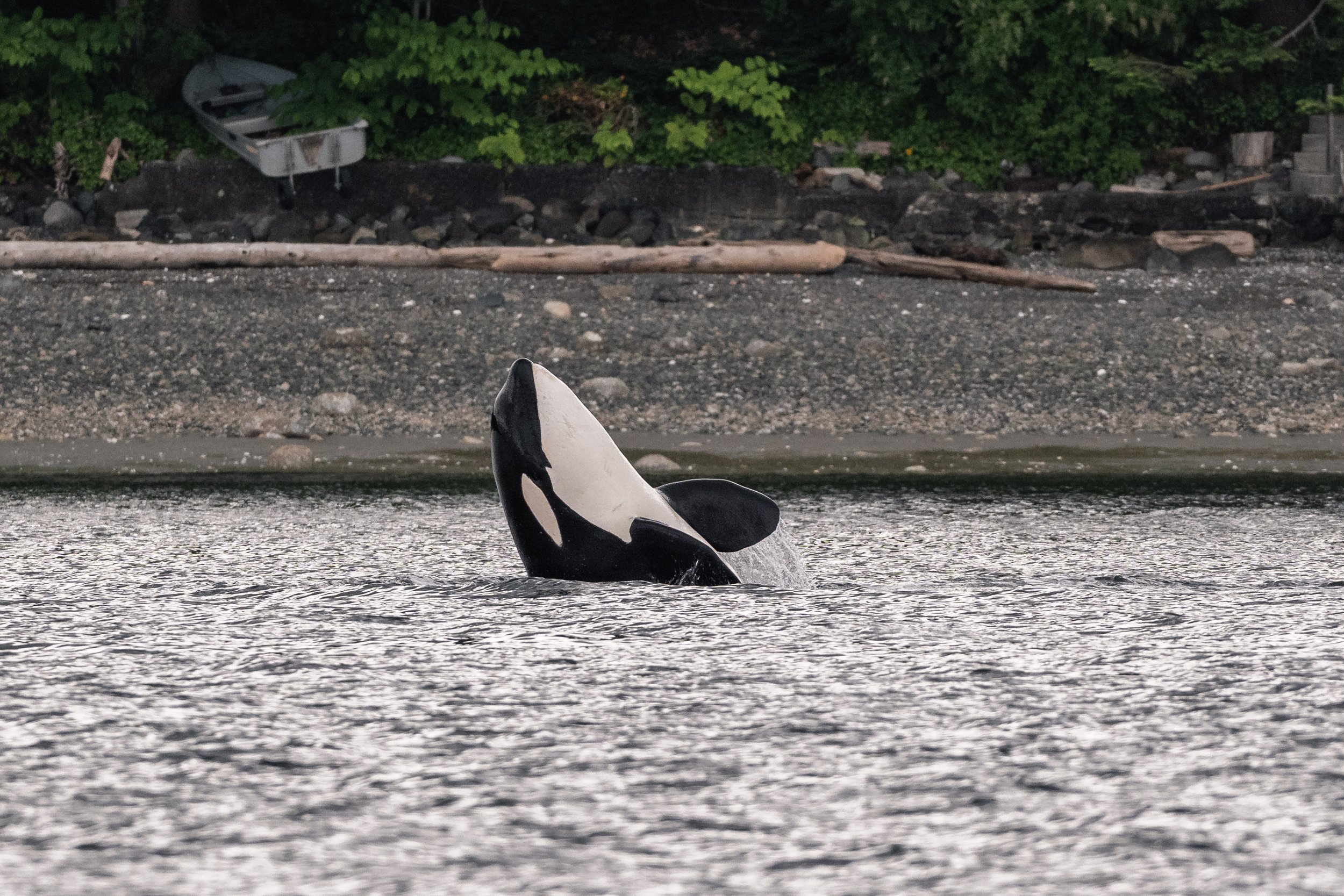
T100F Estrella backdiving.
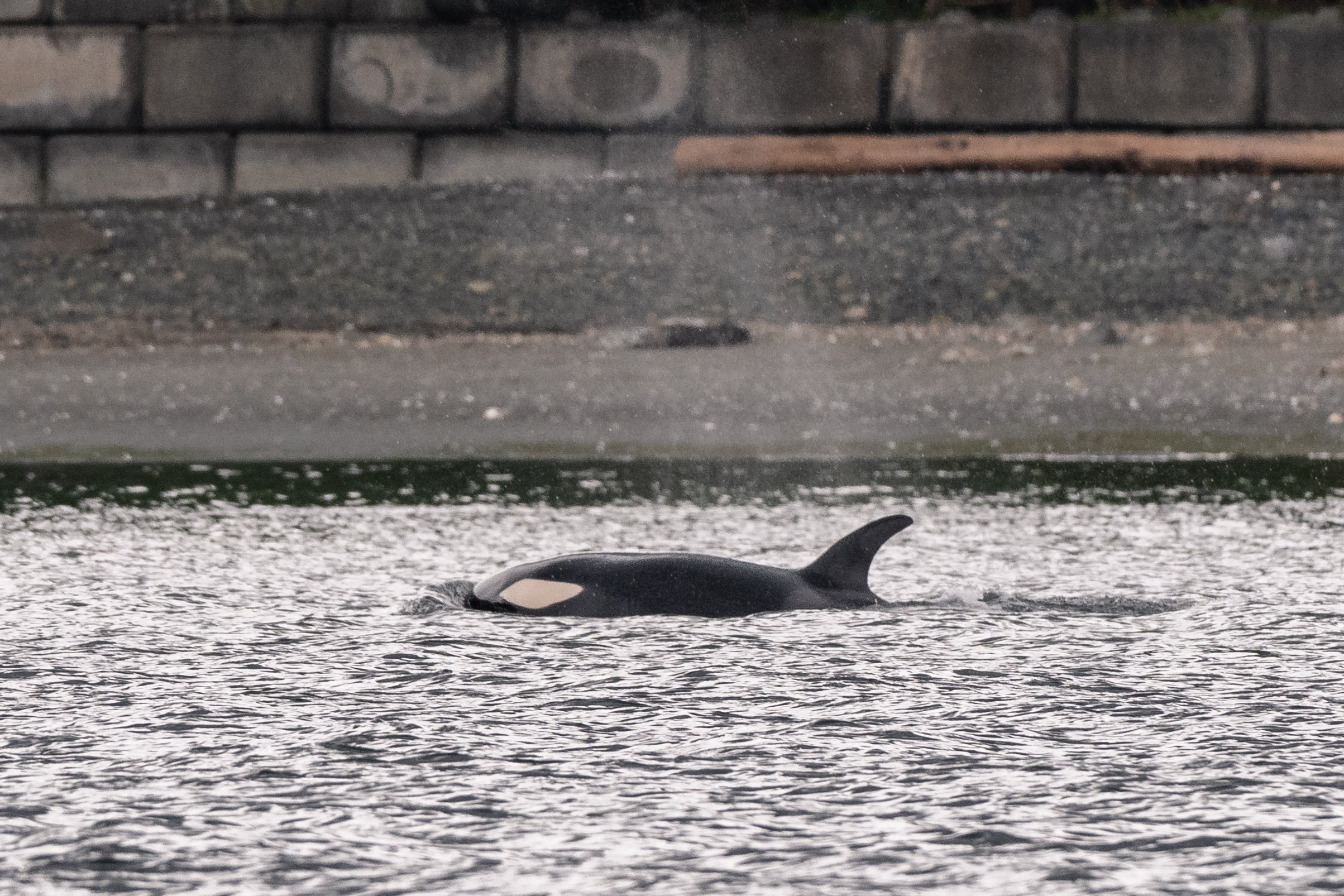
T086A5 Siku with his eyepatch visible above the surface.
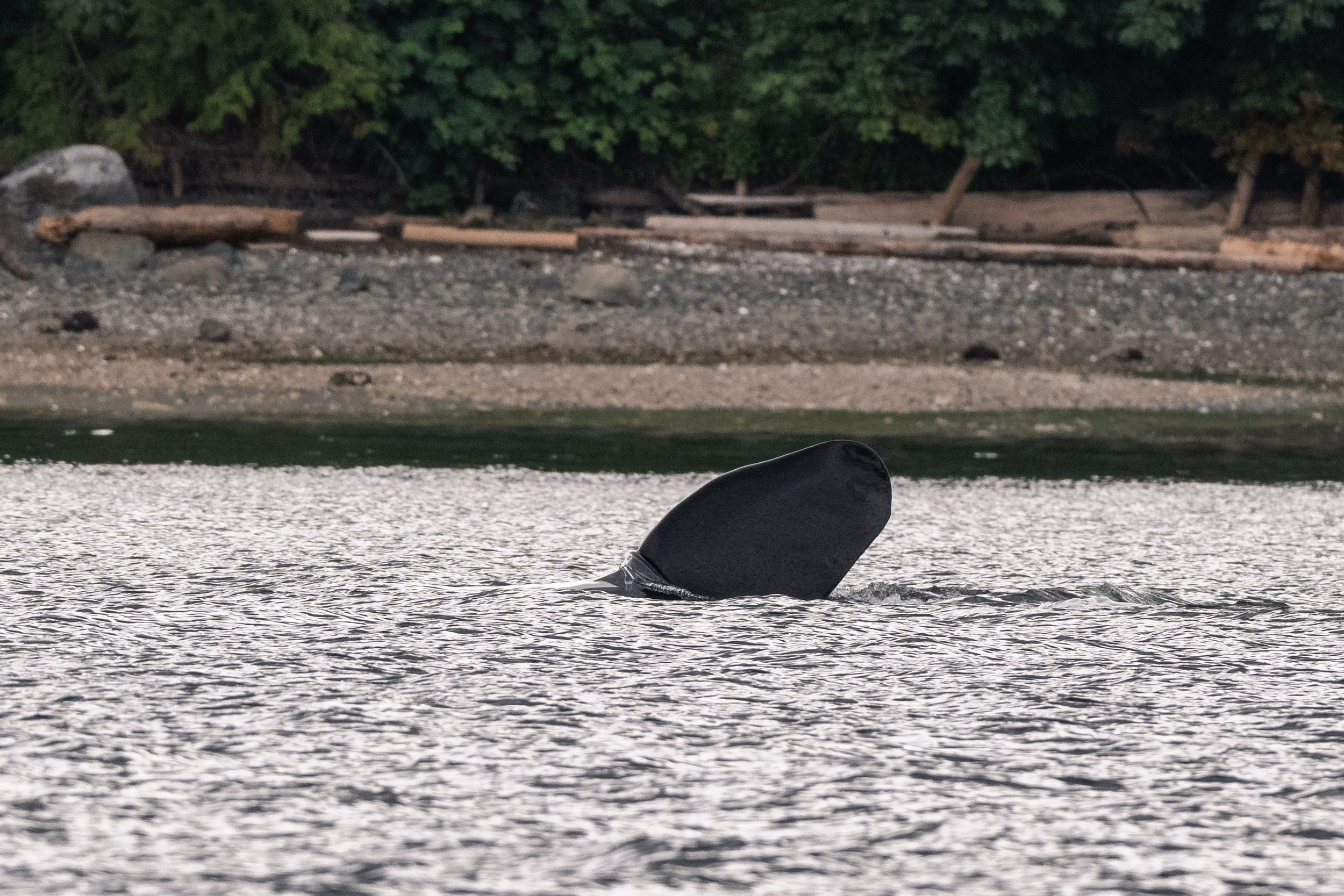
A little pectoral wave from T100C Laurel.
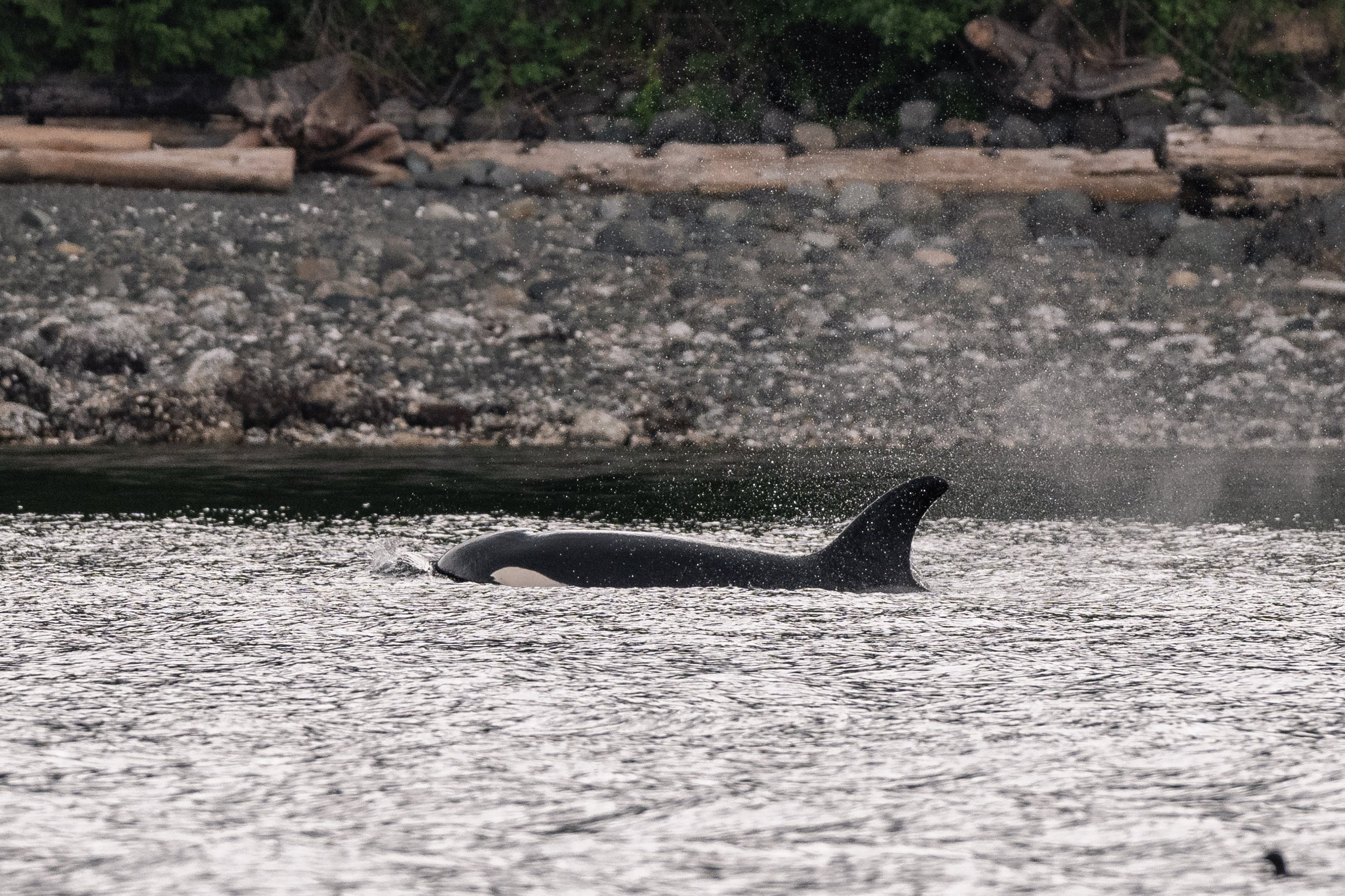
T100F Estrella with their eyepatch just barely peeking out.
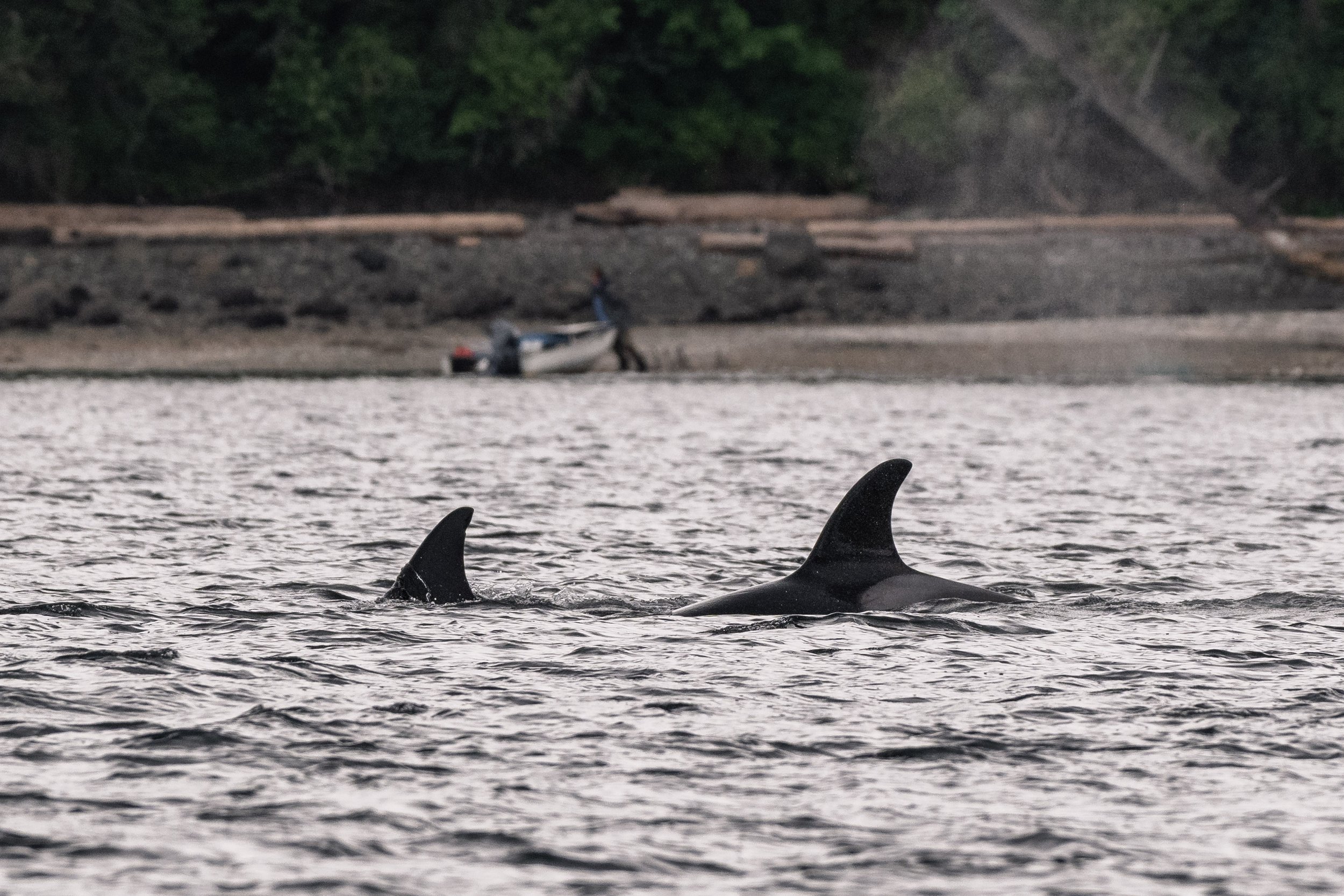
T100 Hutchins with their youngest calf T100F Estrella.
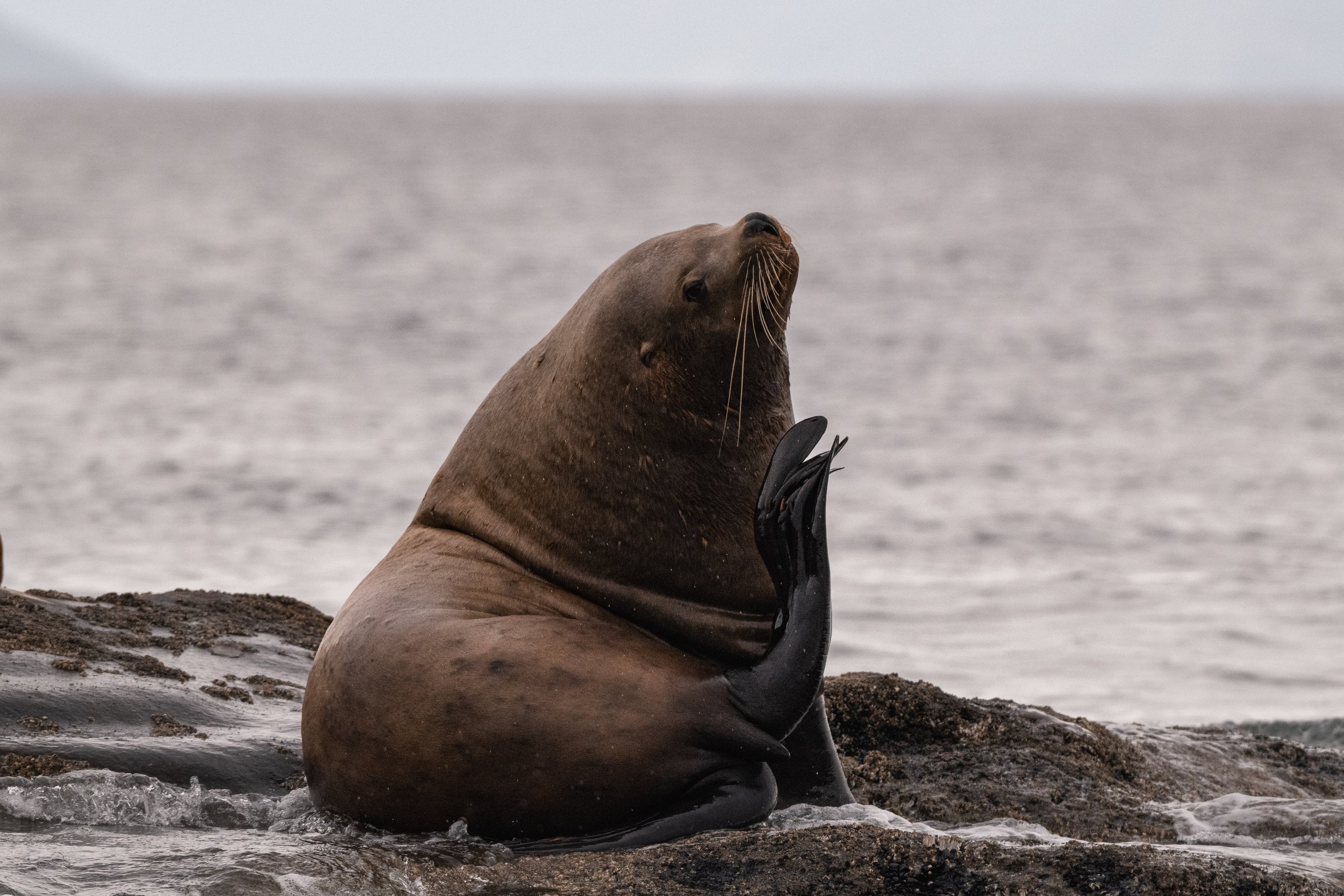
A chunky Steller Sea Lion scratching an itch.
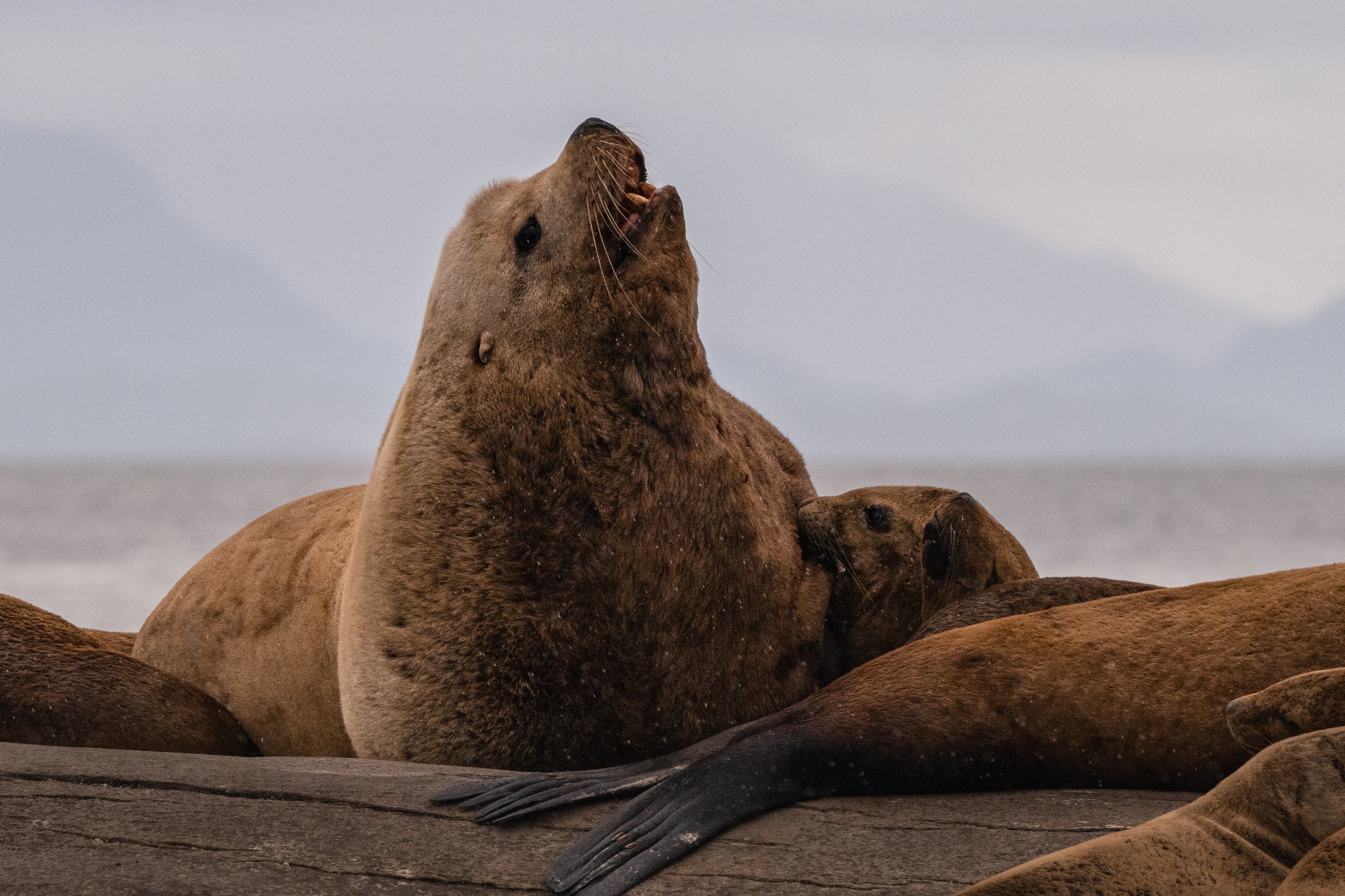
A big fluffy Steller Sea Lion male sitting high up on the rocks.
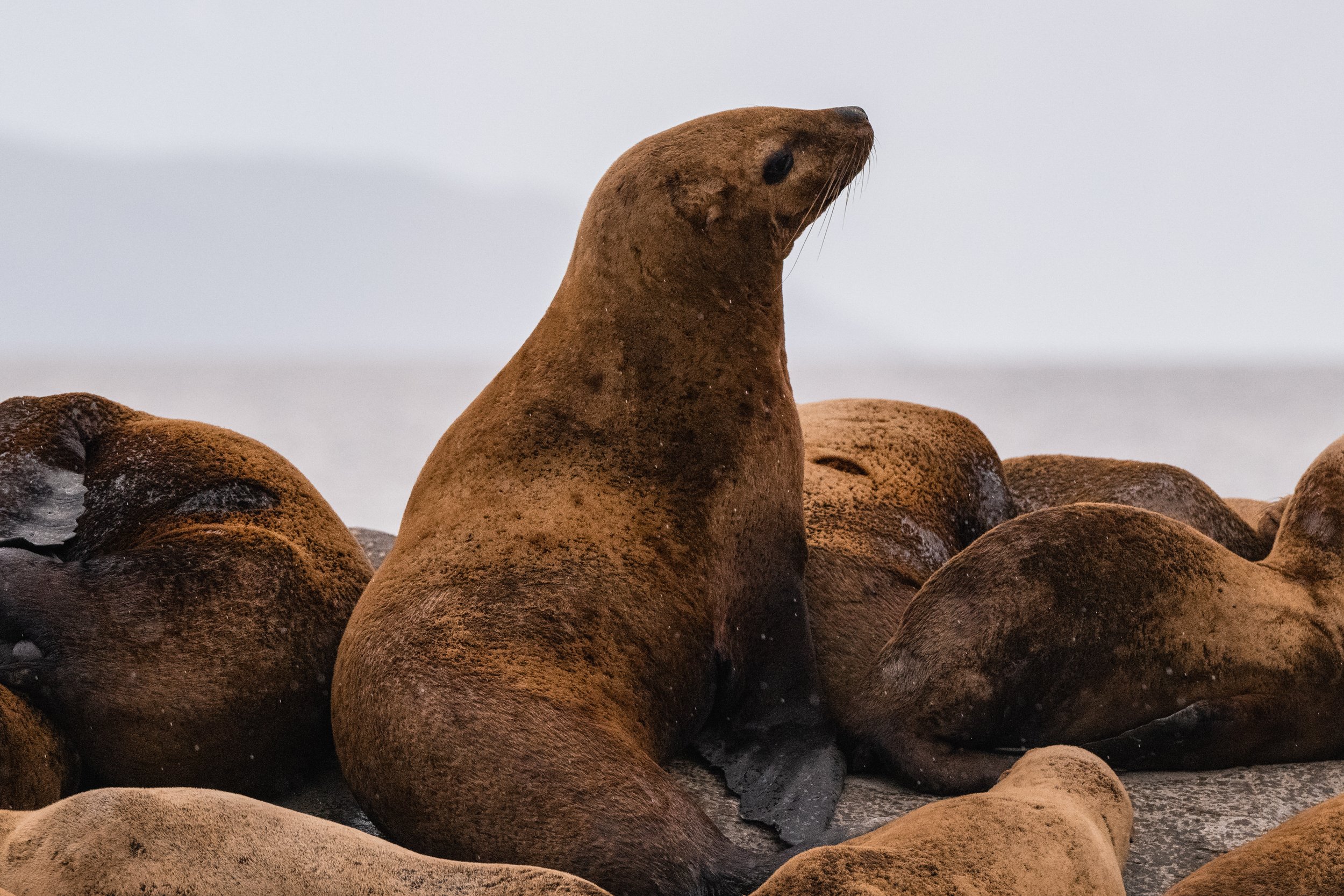
Sea lions lounging together.
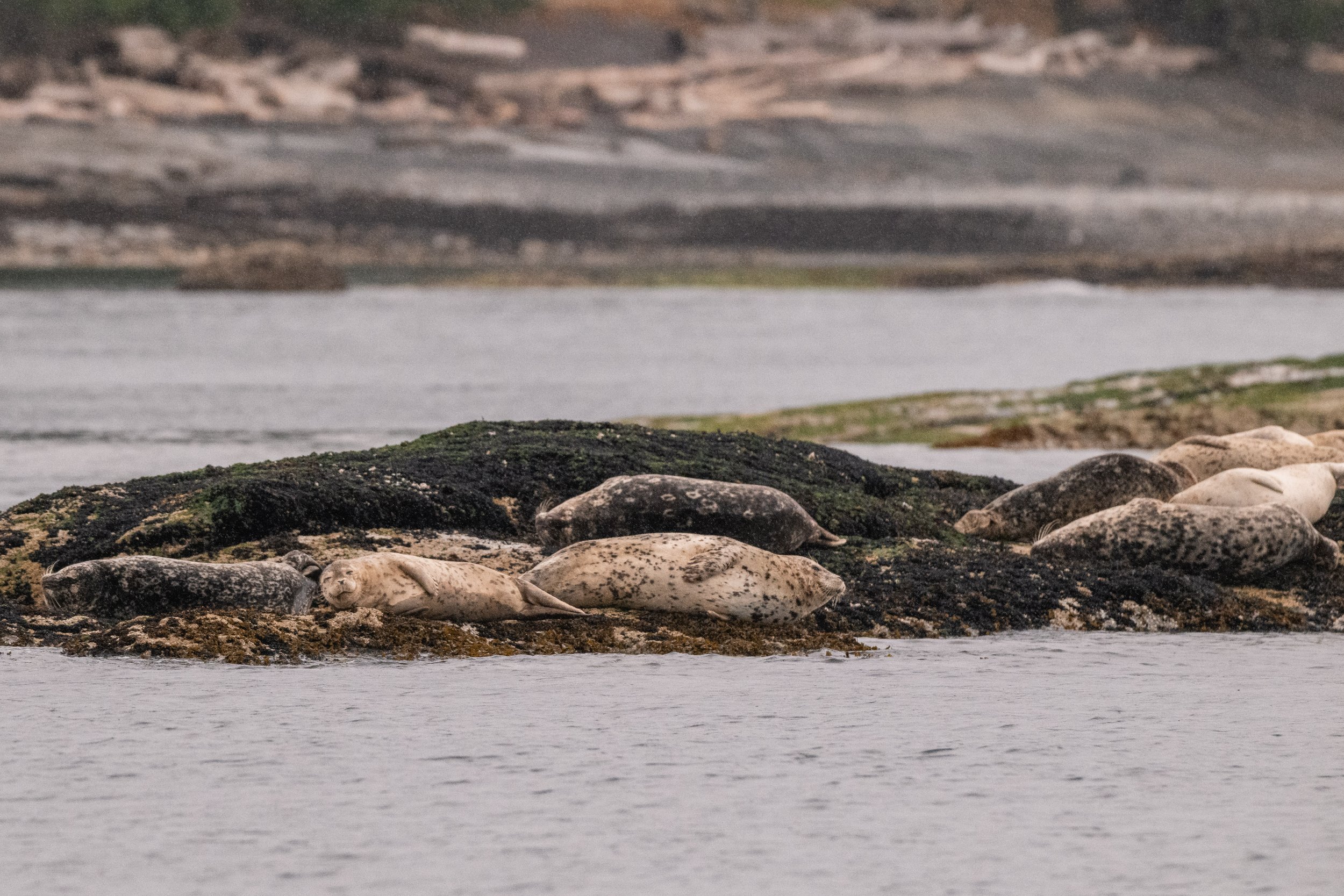
Drowsy Harbour Seals resting together on the rocks.
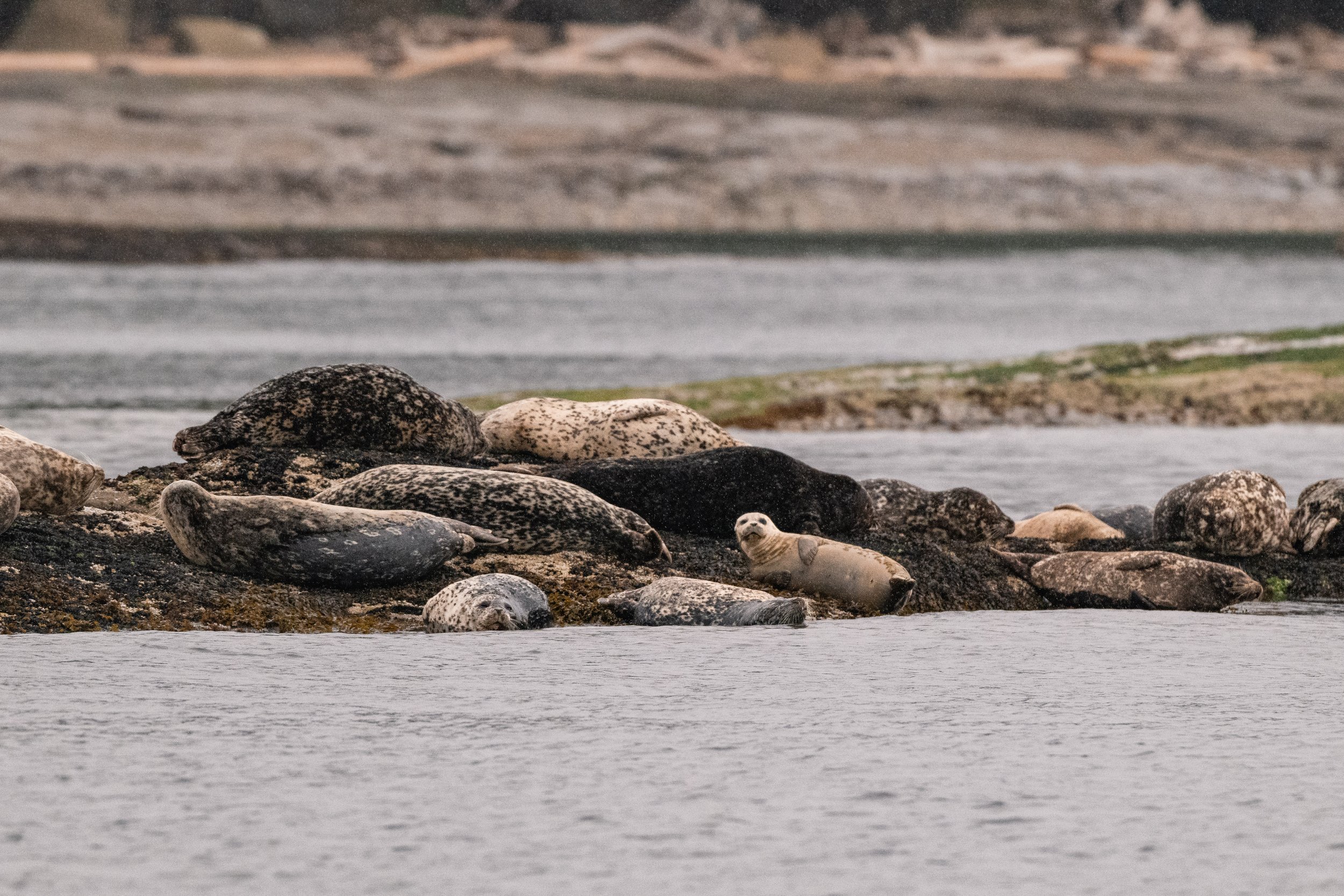
Harbour Seals come in a rainbow of colours from, very dark to very bright!
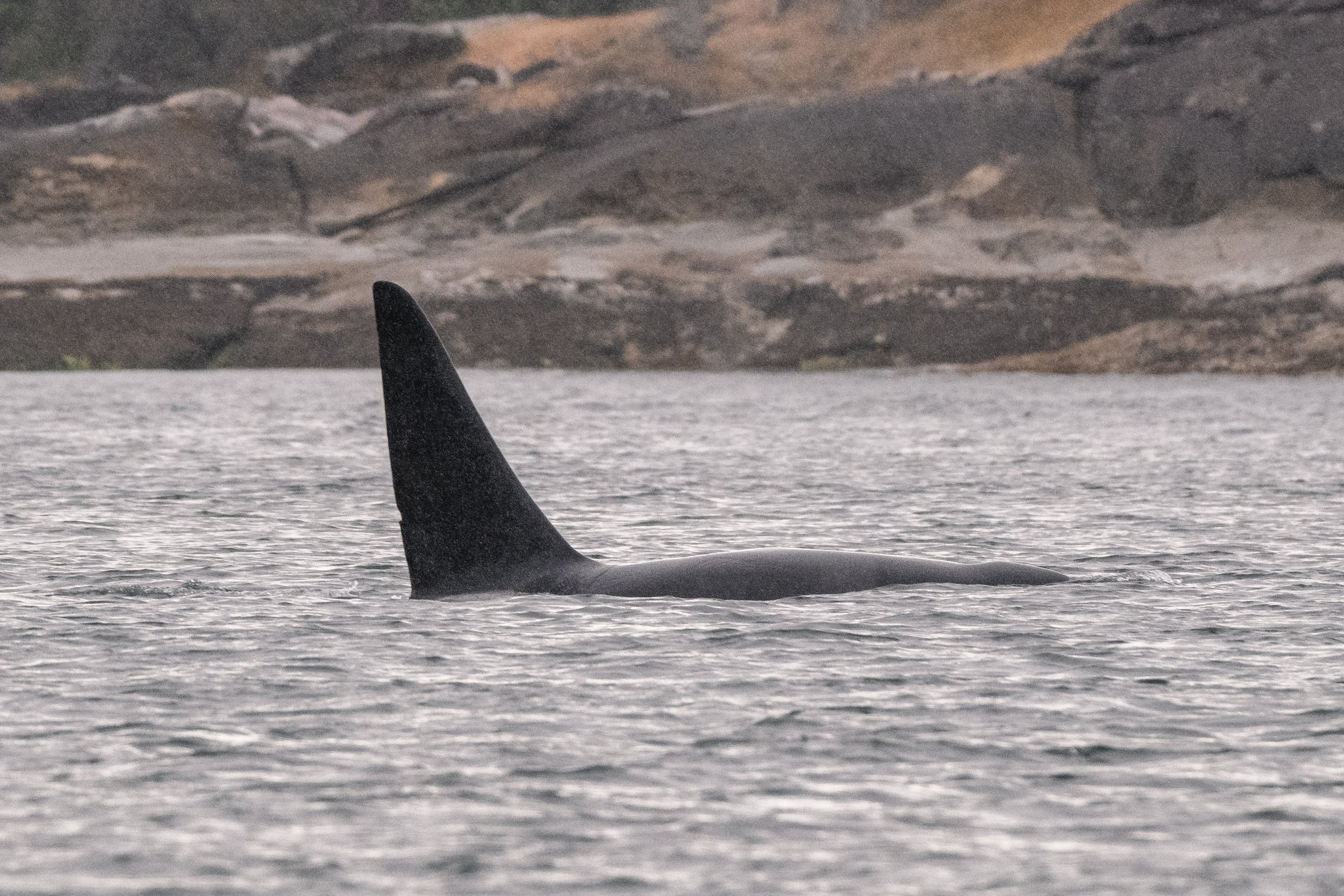
T049A1 Noah travelling solo.
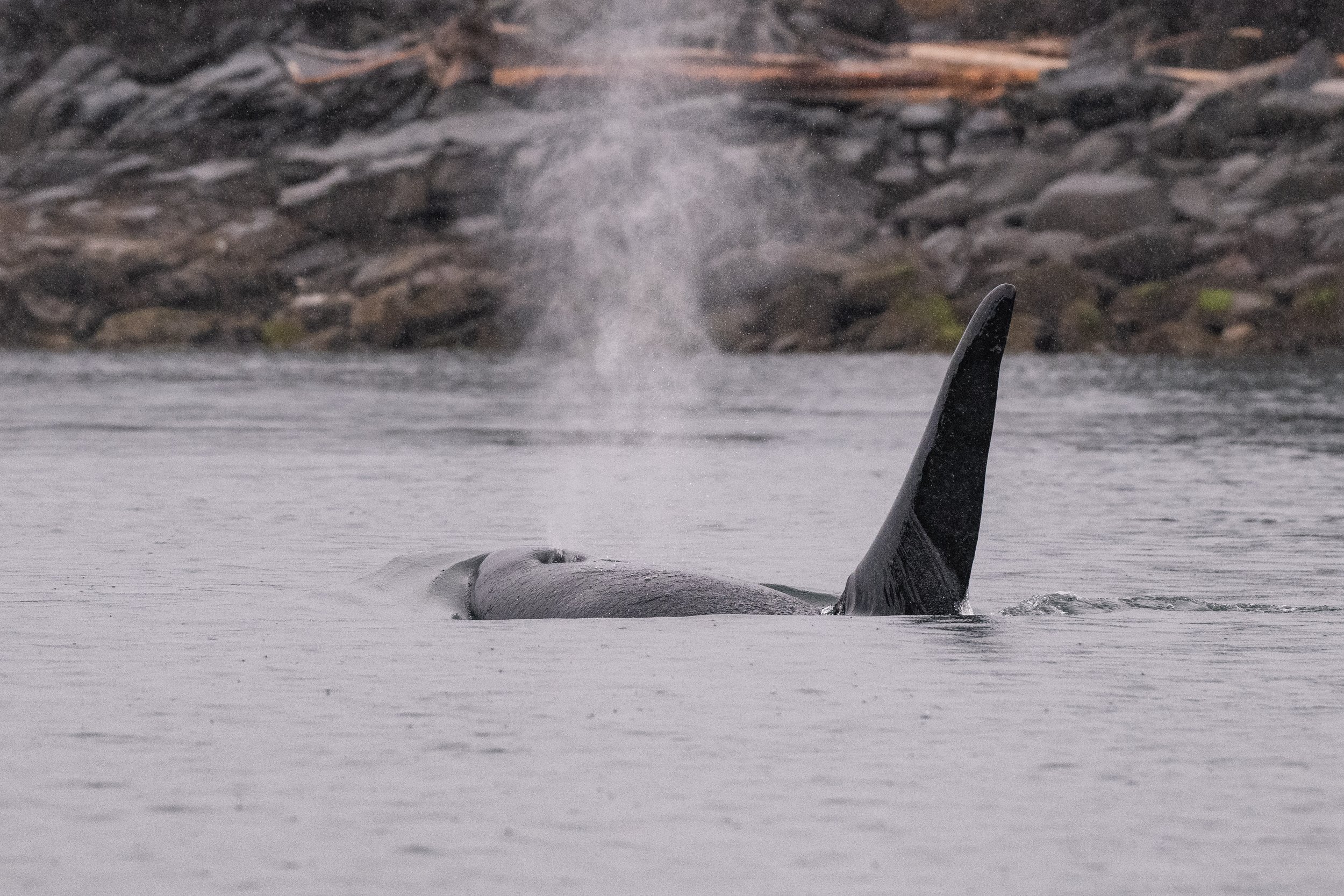
T049A1 Noah in the rain.
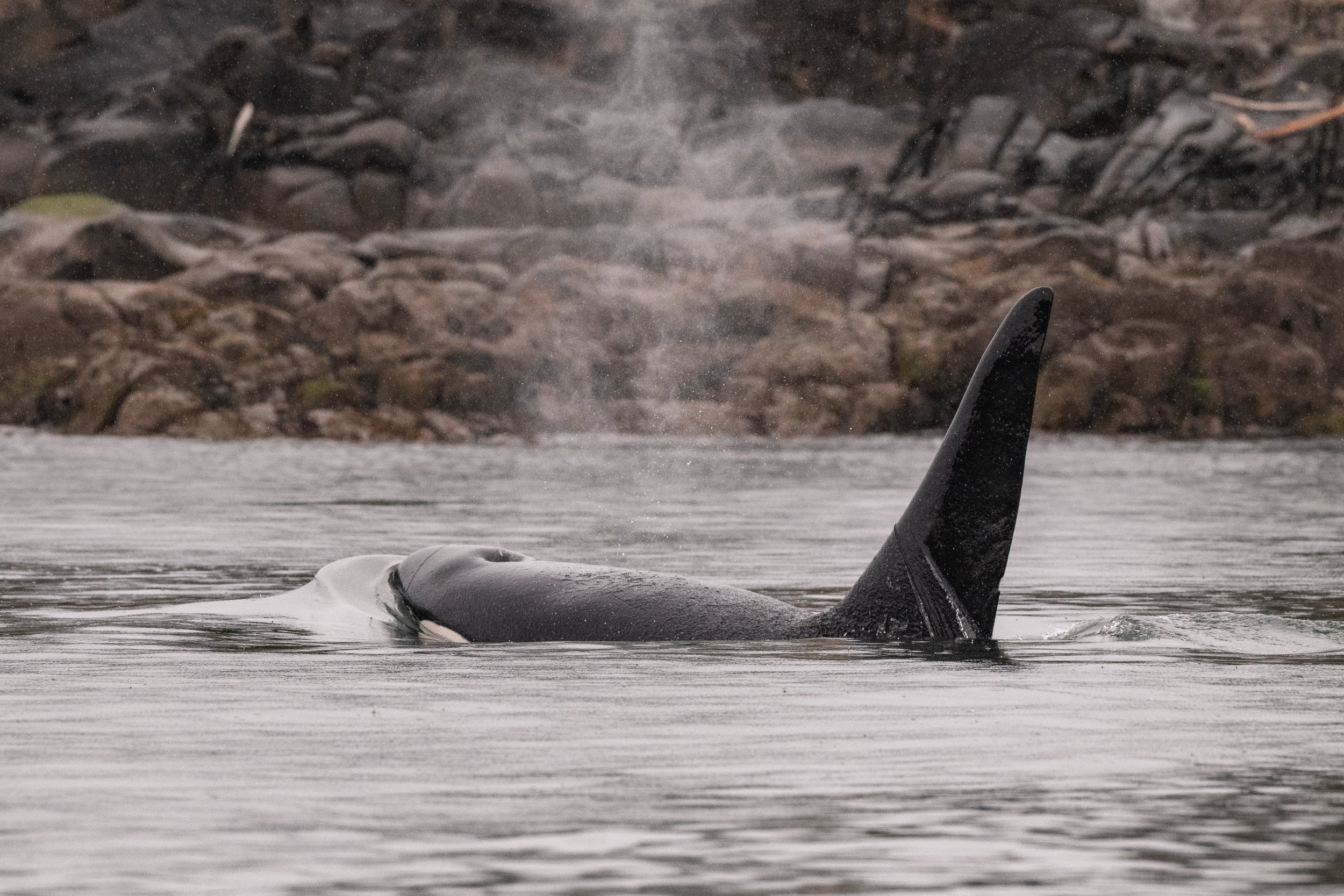
A backlit blow by T049A1 Noah.
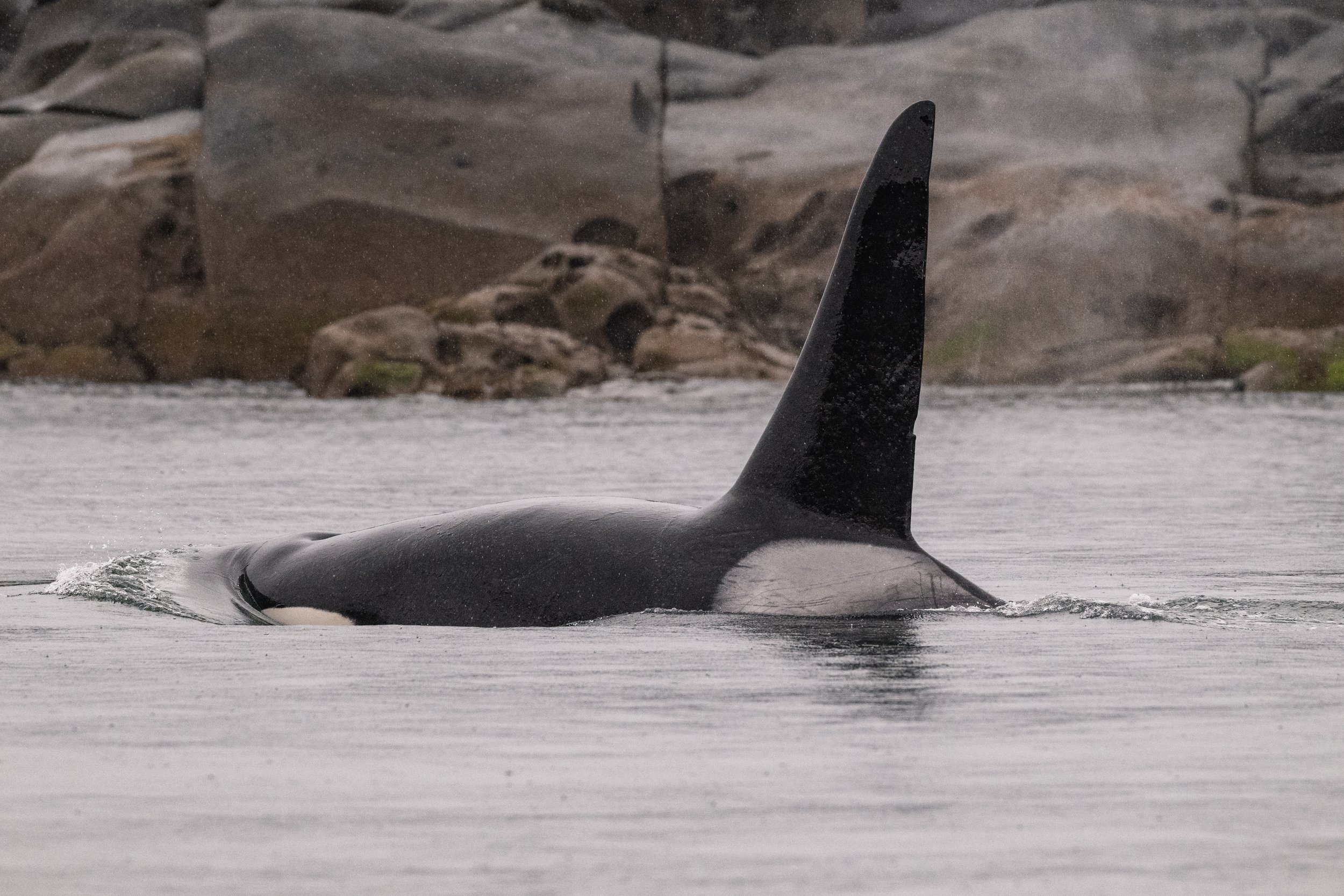
T049A Noah with his scarred saddlepatch visible.
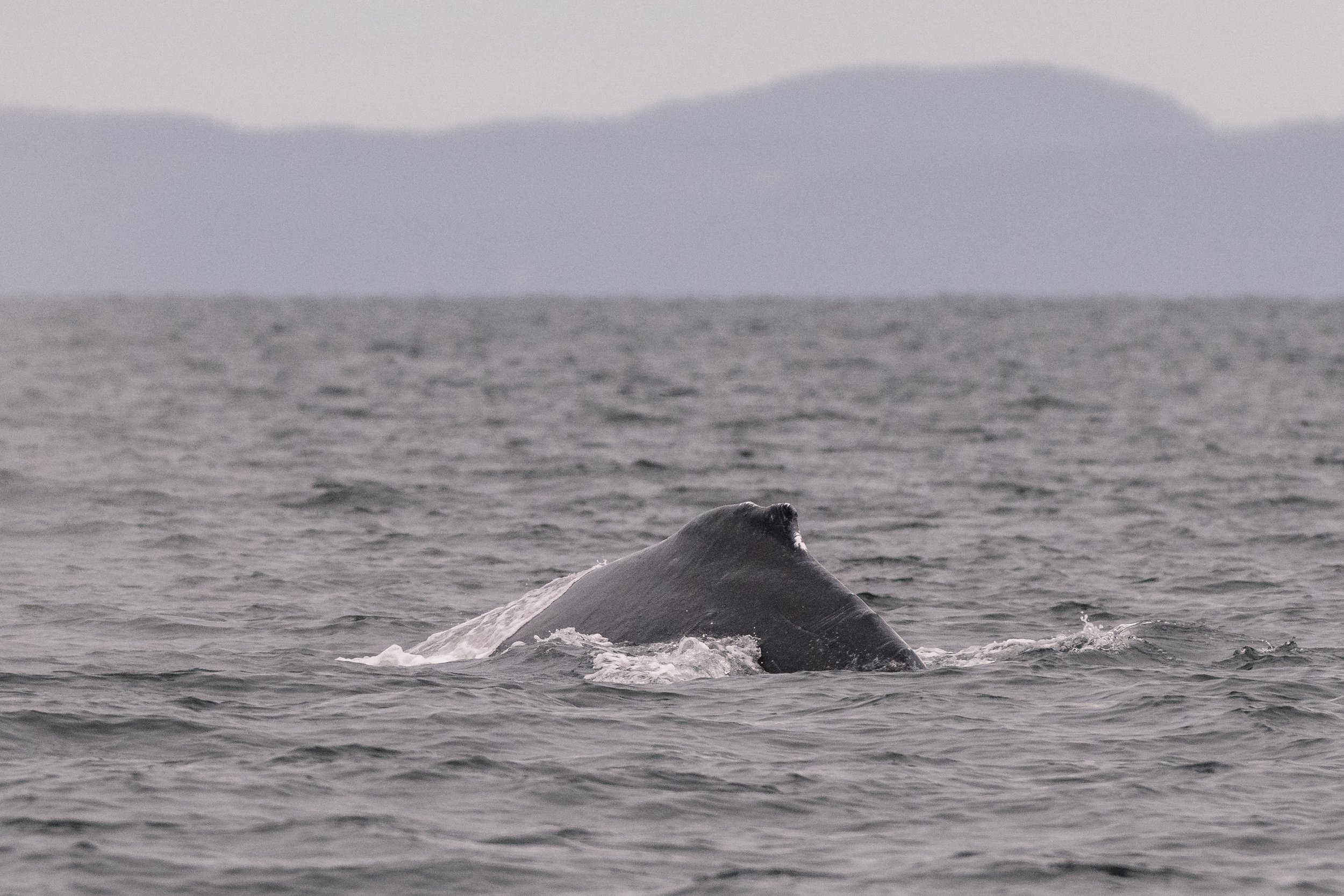
Pyramid/Kraken/Monarch travelling.
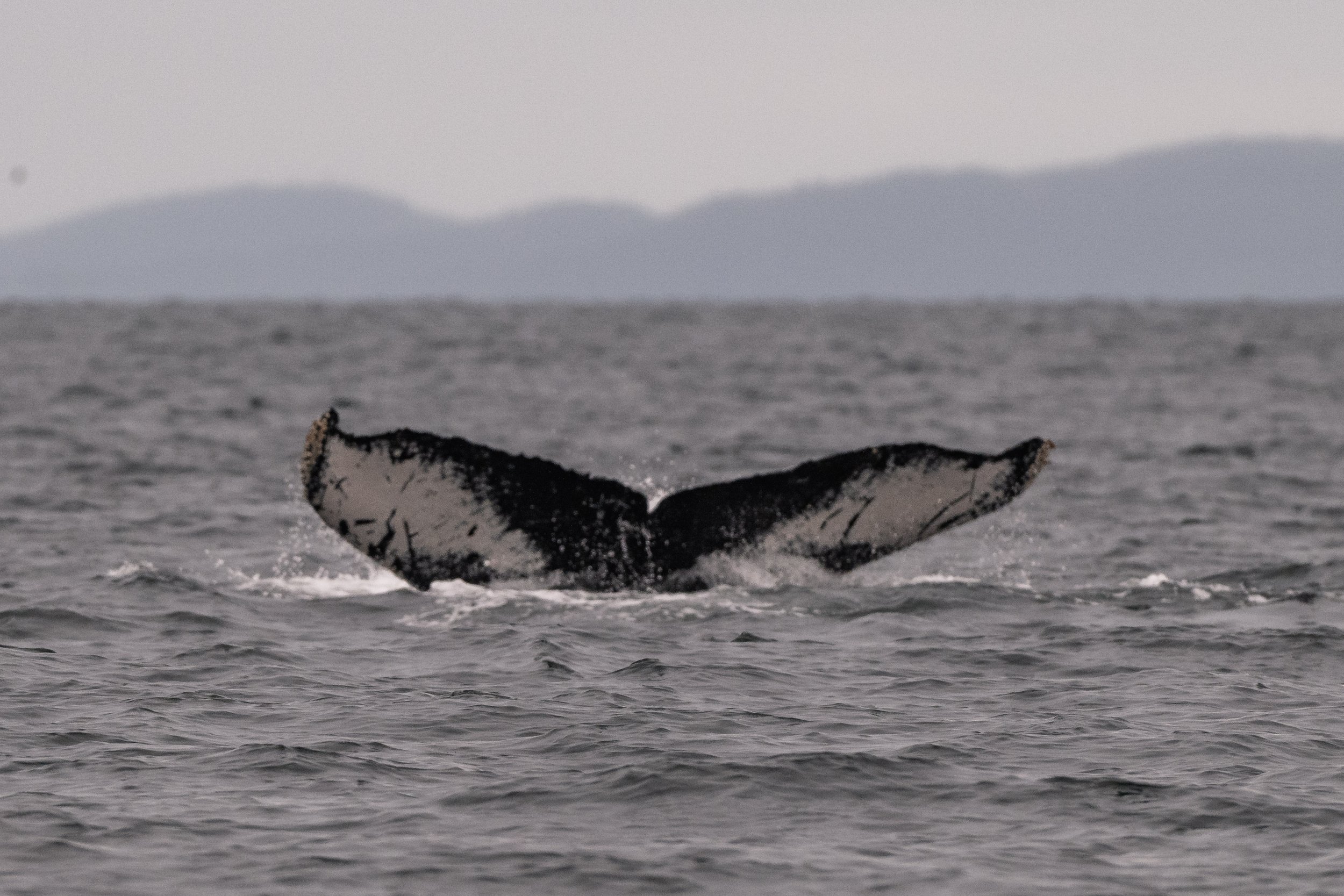
Pyramid/Kraken/Monarch’s fluke as they go down for a dive.
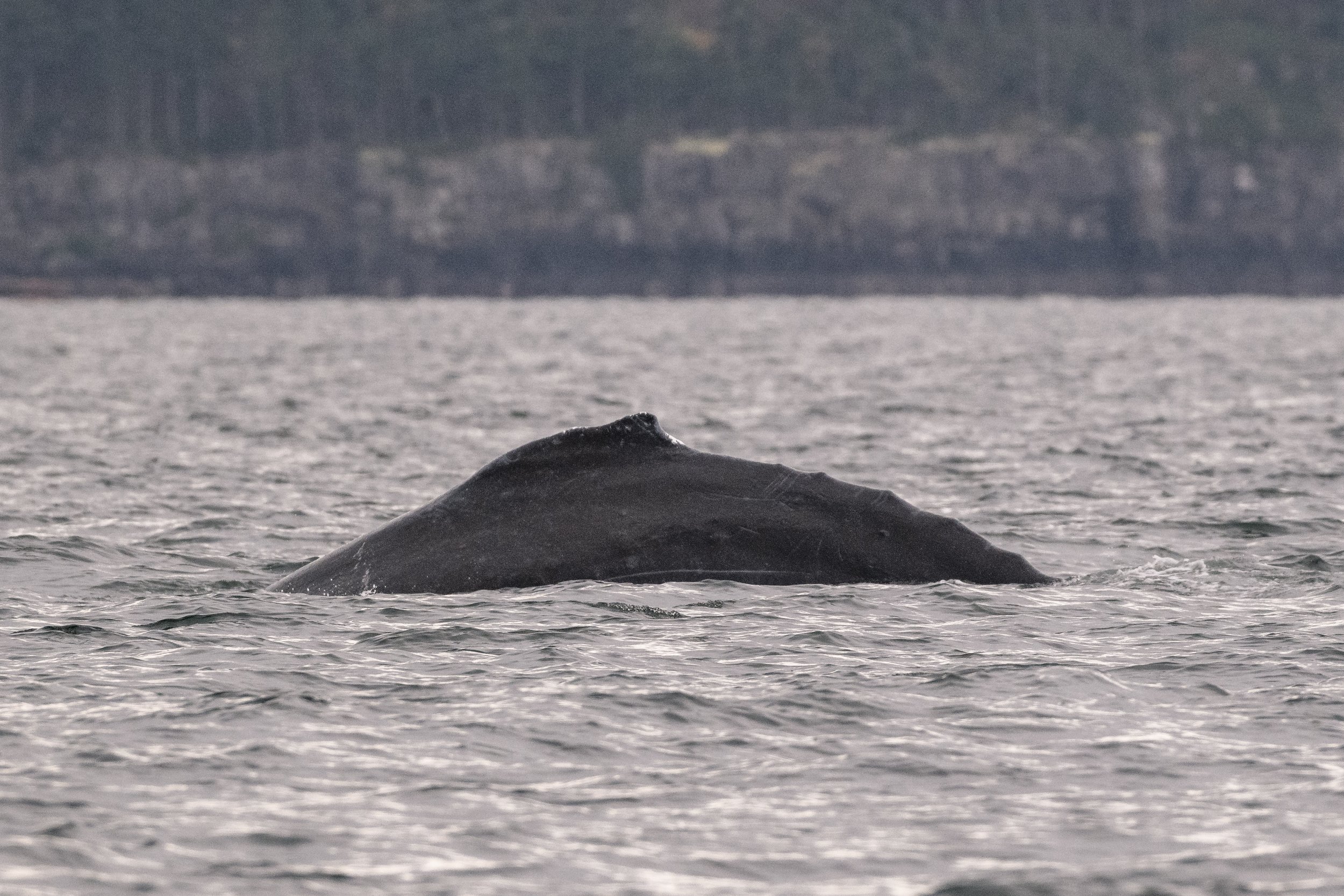
Pyramid/Kraken/Monarch’s dorsal fin.