
June 30, 2026, 10:30 AM - Sister, sister.
It’s been a particularly wavy summer so far, but that hasn’t stopped us from having the time of our lives, and today was no exception. We set off on our grand adventure this morning, heading into the always-lovely Southern Gulf Islands. We cruised through the islands, enjoying calm water as we searched for whales, when all of a sudden our crew got a report of a potential orca heading into the bumpy waters of the Georgia Strait. It was go time! Our open boat made its way to the reported area; the Strait was quite wavy, which can make spotting orca tricky. Luckily, our expert naturalist quickly spotted fins on the horizon! As we got closer to the orcas, it was apparent that we had a good ol’ fashion T-party going on!
T075B Pebbles ♀ (1995)
T075B2 Jasper ♀ (2015)
T075B3 Rubble ♂ (2017)
T075B4 Petra ♀ (2021)
T128 Flotsam ♂ (1988)
T125A Jetsam ♂ (1998)
T077 Asja ♀ (~1981)
T077D Alycon ♀ (2009)
A T-party is when multiple families of Transient Killer whales come together to socialize. Within their own ecotypes, orcas are not territorial, and when they come across other members of their population, it’s often cause for celebration. Not only are these T-Parties a fantastic excuse to hang out with old friends, but this is also when breeding can occur. These events can last several hours, several days or even more! In this case, the orcas that were in attendance had been spotted the previous day together as well, and it’s probably a safe bet that the brothers, affectionately known as the Alaska boys, were trying their luck with the eligible females in attendance. In fact, this has become somewhat of a tradition for the Alaska boys. As the name suggests, the Alaska boys spend much of their time in Alaska, but each spring, like clockwork, they return to the Salish Sea and are often seen socializing with other families.
What’s particularly interesting about the Alaska boys is that they don’t necessarily follow the typical Transient Killer whale familial trend where we see males stay with mom their entire lives while females have more of a tendency to disperse in adulthood. Instead, the Alaska boys have actively dispersed from their own mom, who still travels with their oldest brother, Hacksaw, and they operate as a duo. Female orcas have a tendency to dote on their oldest sons, and this could have a genetic payoff. With mate selection in orcas, it’s ladies' choice, and past studies have shown that female orcas tend to prefer older and larger males. So, if mom pours most of her energy into her oldest son, chances are he will grow big and strong enough to pass on his genes to the next generation! Unfortunately for the family's younger brothers, this could seriously reduce their chances with the ladies. This could explain why the Alaska boys have chosen to disperse from their mom and older brother and venture further south as well.
While it’s always incredible to see the impressive Alaska boy dorsal fins cutting through the water, they weren’t the only siblings at the party because Pebbles and Asja are sisters! Pebbles and Asja’s mother is a whale named Kidney, and, in true transient form, she travels with her son Stone while her 3 daughters have dispersed and started their own families. This means that when you see these girls together, you are seeing a little family reunion! So cute!!
Well, it was incredible to see orcas today; the fun didn’t stop there! We were also fortunate enough to see Steller Sea Lions, Harbour Seals, Bald Eagles and more!! You can see the pictures from today’s adventure below!
Photos by marine naturalists Aly Kohlman and Hayleigh Hilbert.
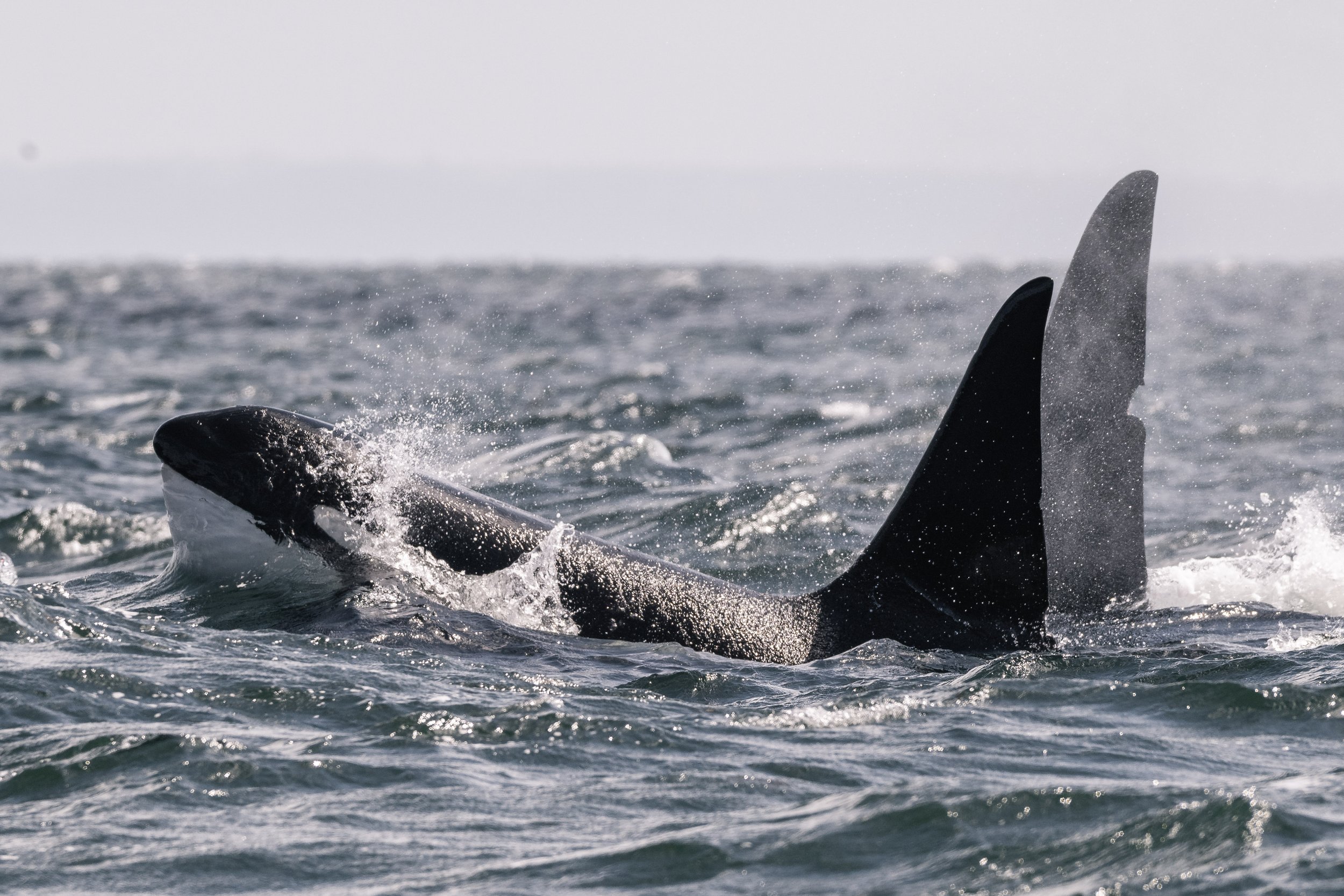
Flotsam trying to get his head over the waves for a breath! Photo by Aly Kohlman
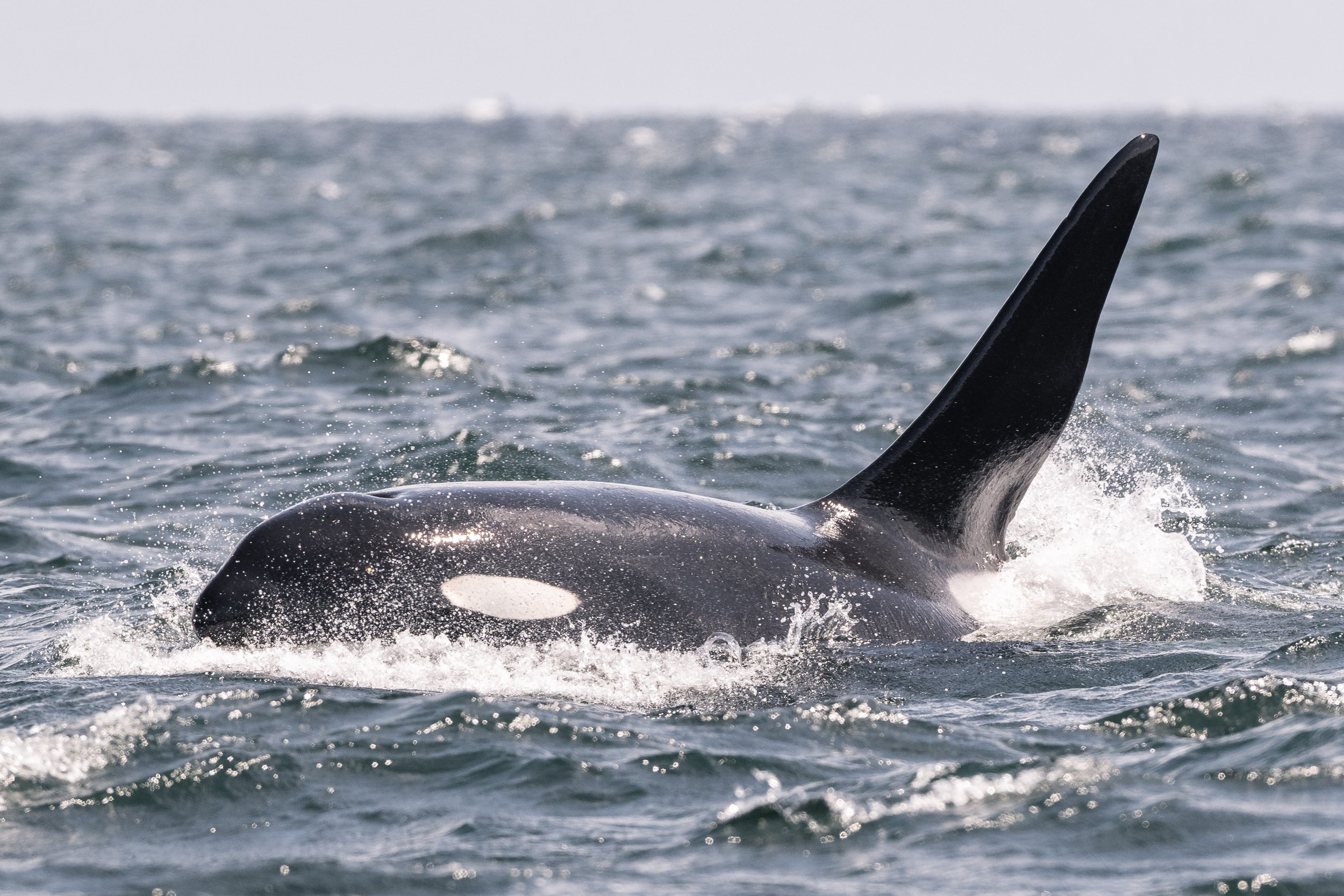
Flotsam showing off his small eyepatch. Photo by Aly Kohlman
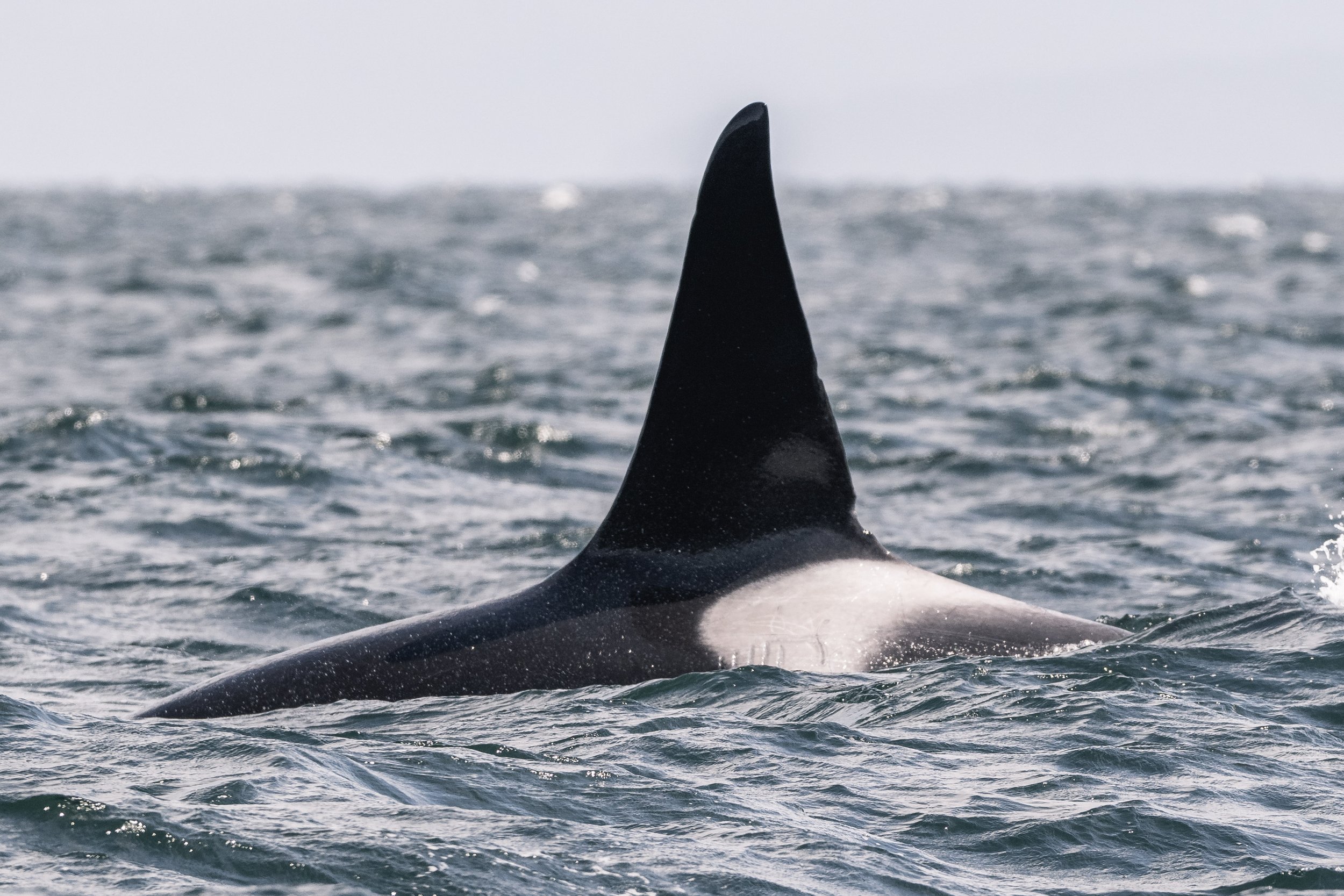
Did you know that this whale is 38 years old?!! Photo by Aly Kohlman
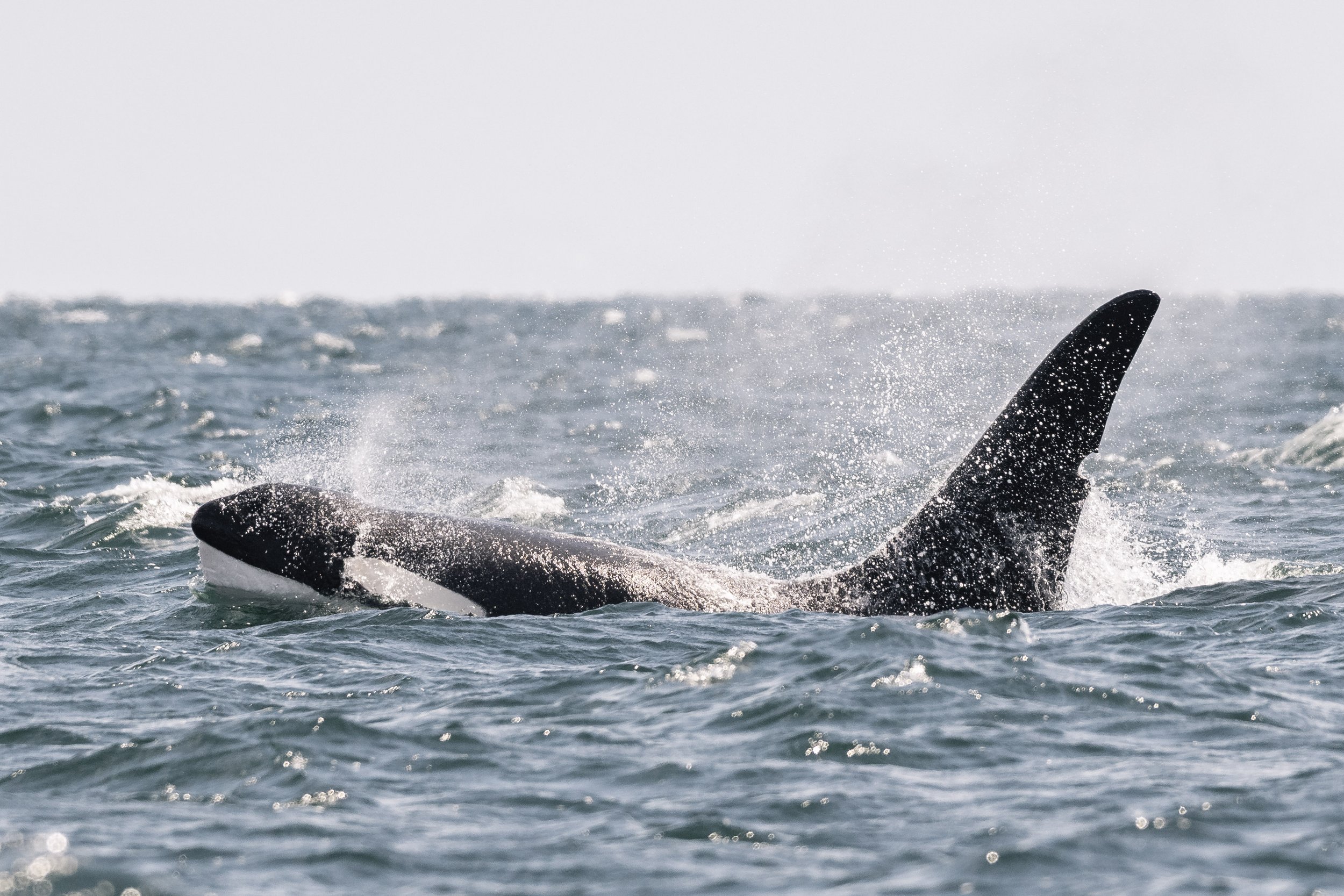
Jetsam crashin through the waves. Photo by Aly Kohlman
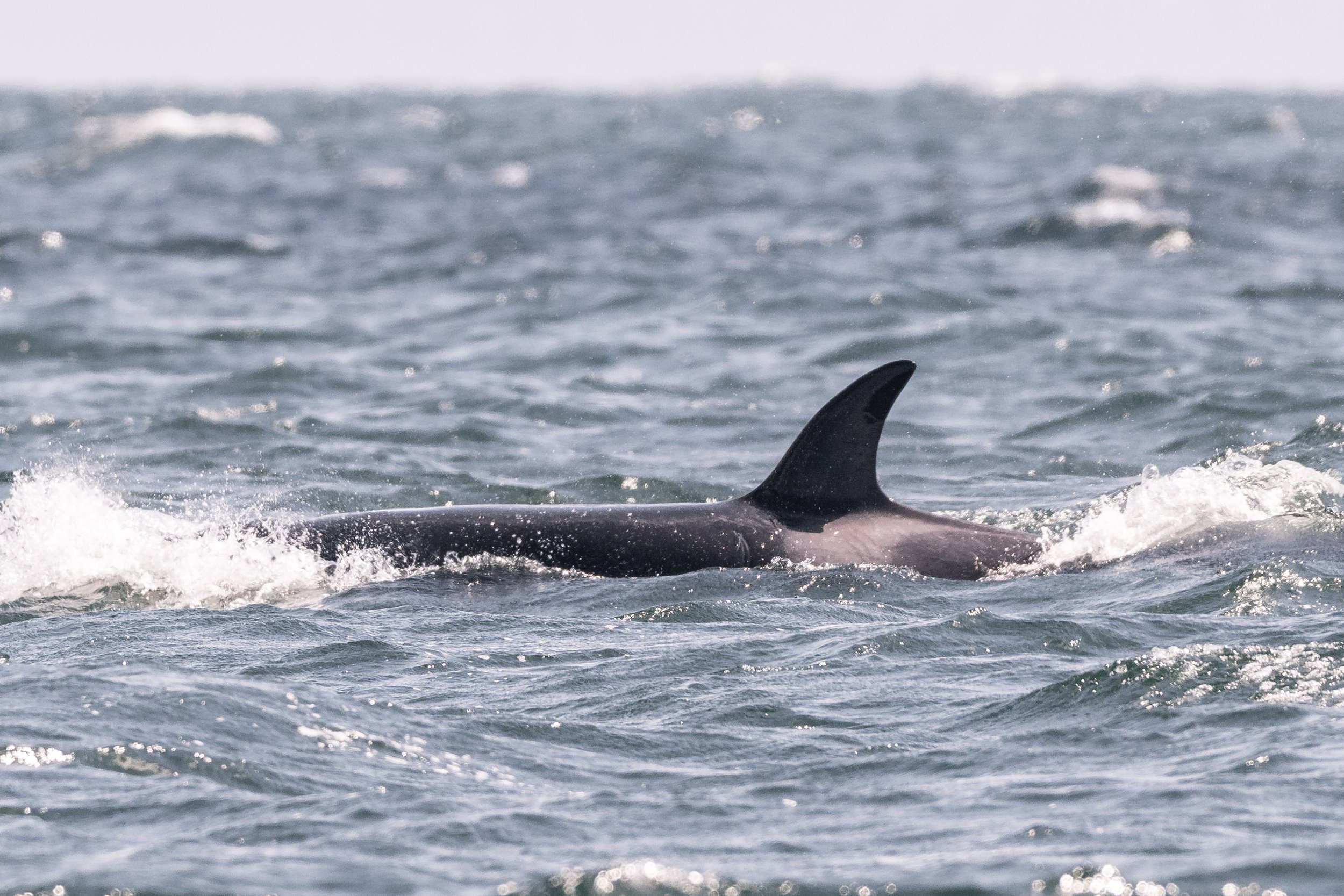
Petra was th youngest whale there today at 5 years old! Photo by Aly Kohlman
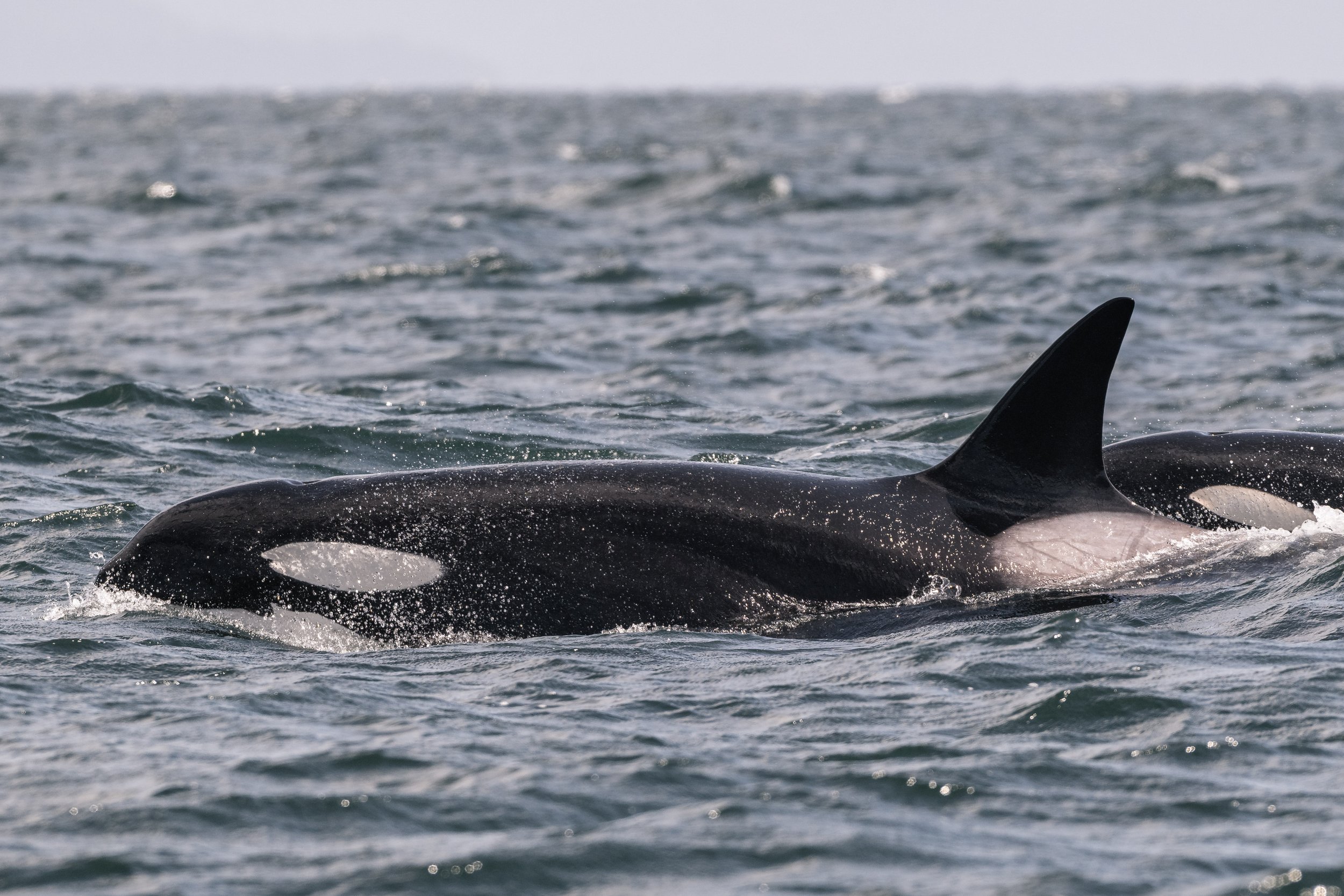
Asja has had some family drama over the past few years. Hopefully some sister time has been healing for her. Photo by Aly Kohlman
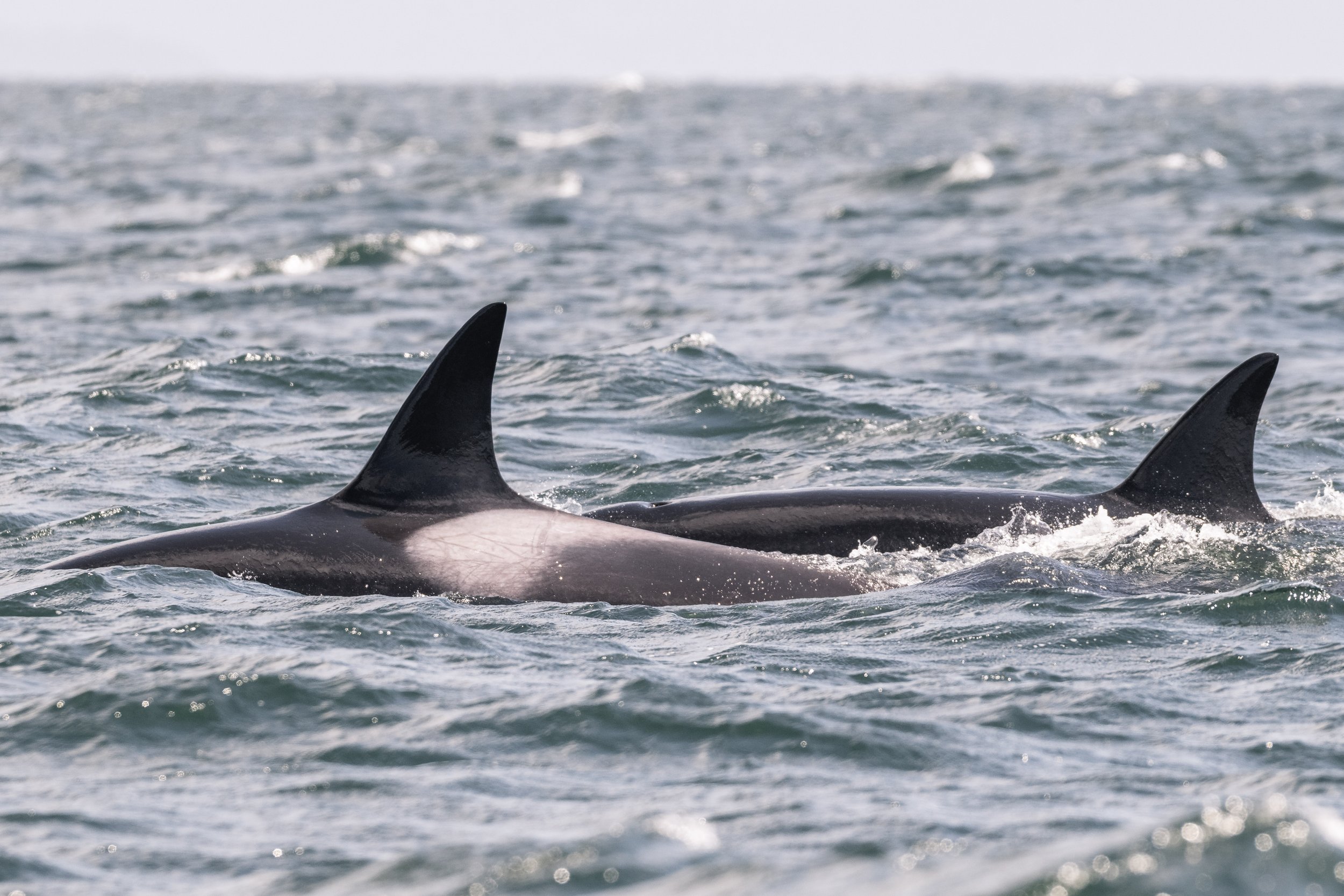
Asja in front of her niece Jasper. Photo by Aly Kohlman
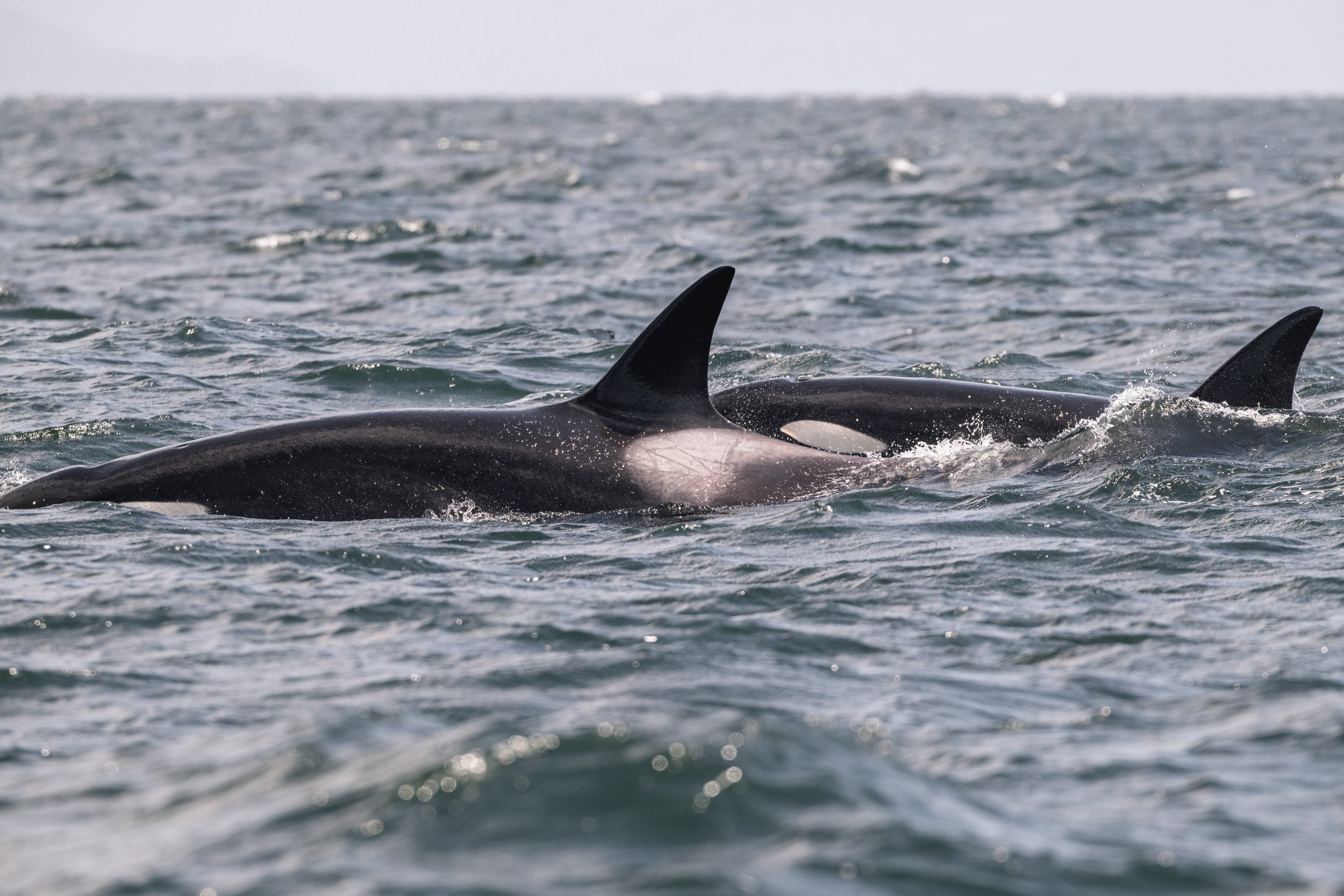
Jasper following her aunt. Jasper is the youngest known orca to have a calf. Unfortunately the calf did not survive. Photo by Aly Kohlman
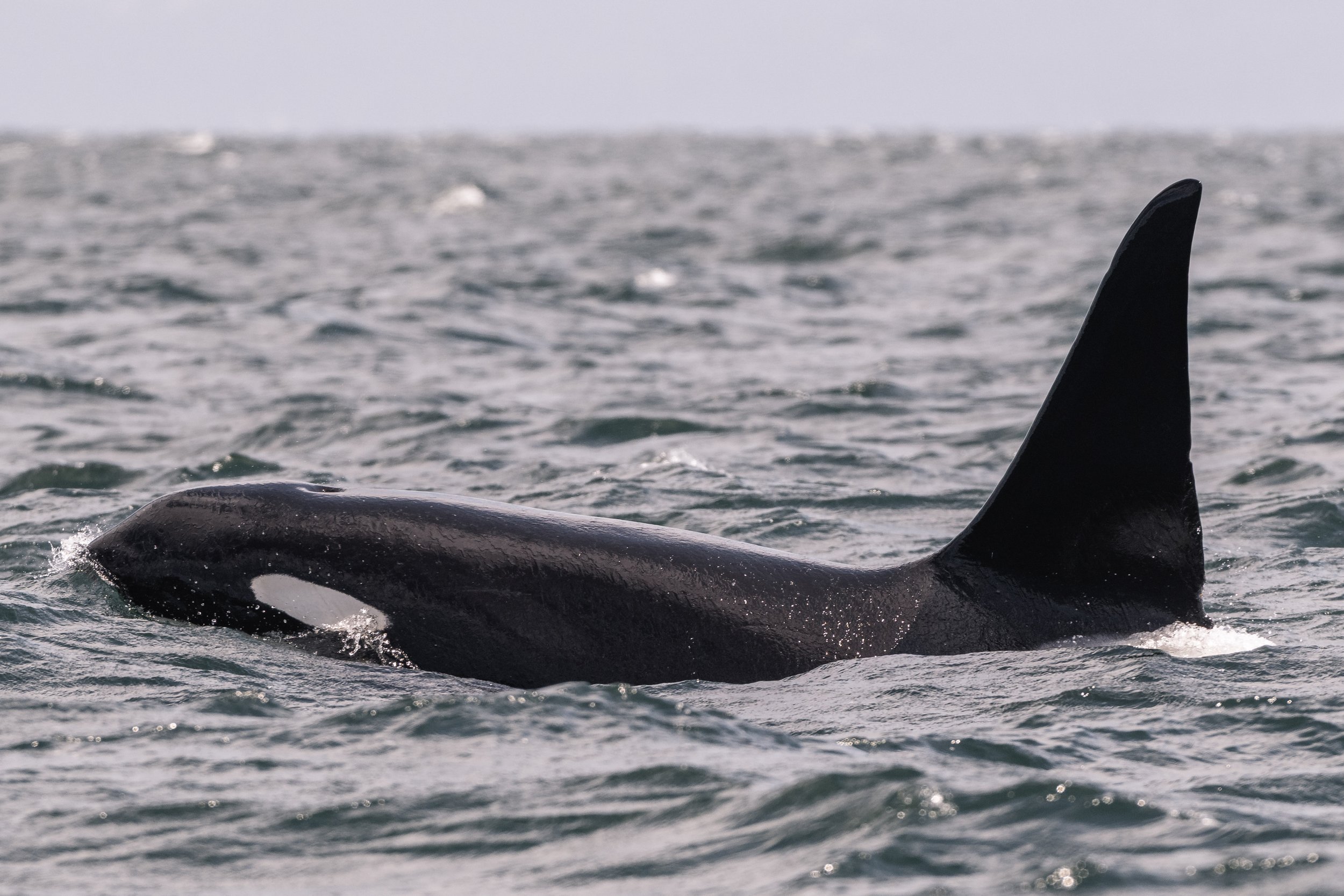
Did you know that we can identify the orca by their unique eye patches? This is Flotsam. Photo by Aly Kohlman
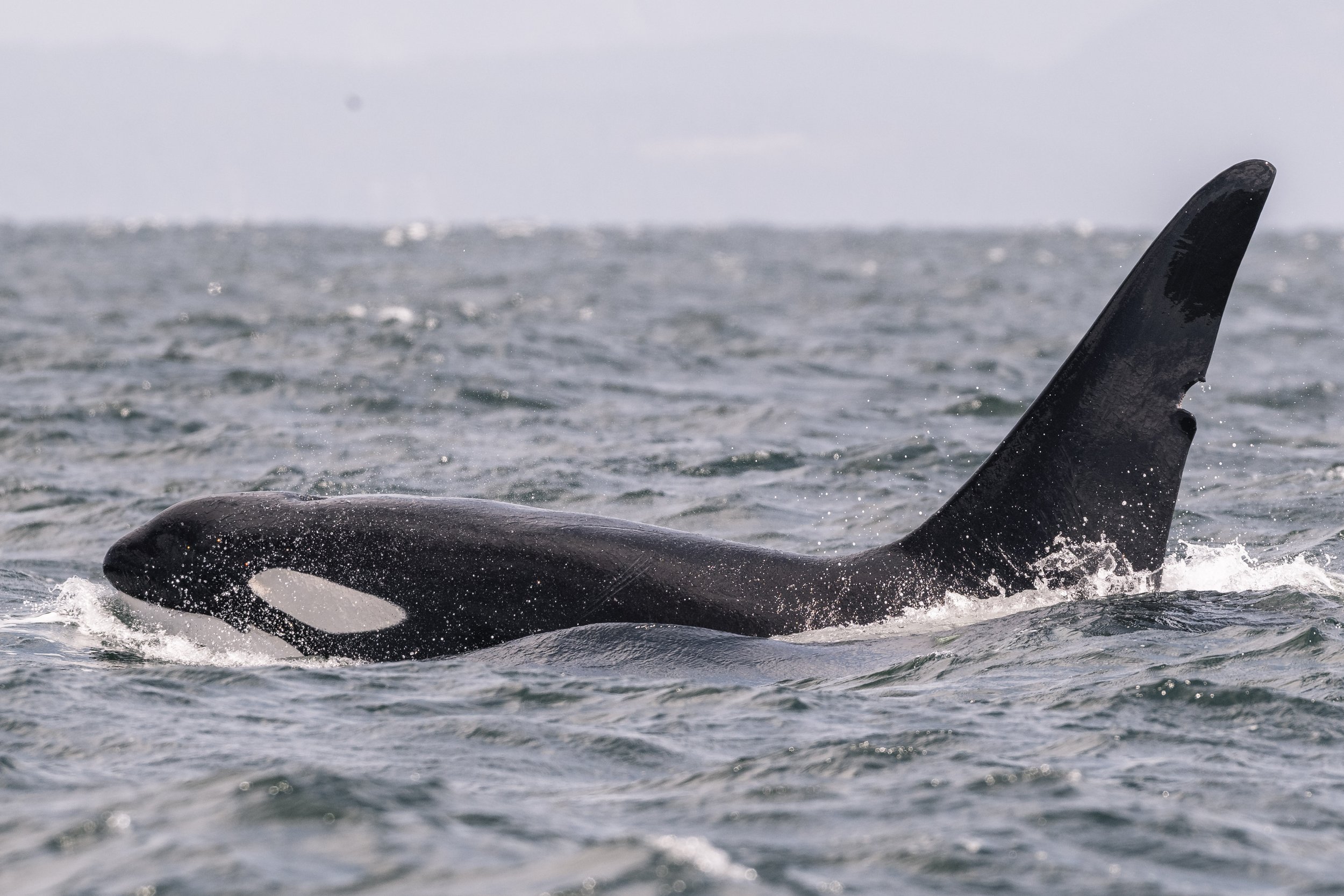
We can ID each orca by their unique eyepatches. This one belongs to Jetsam! Photo by Aly Kohlman
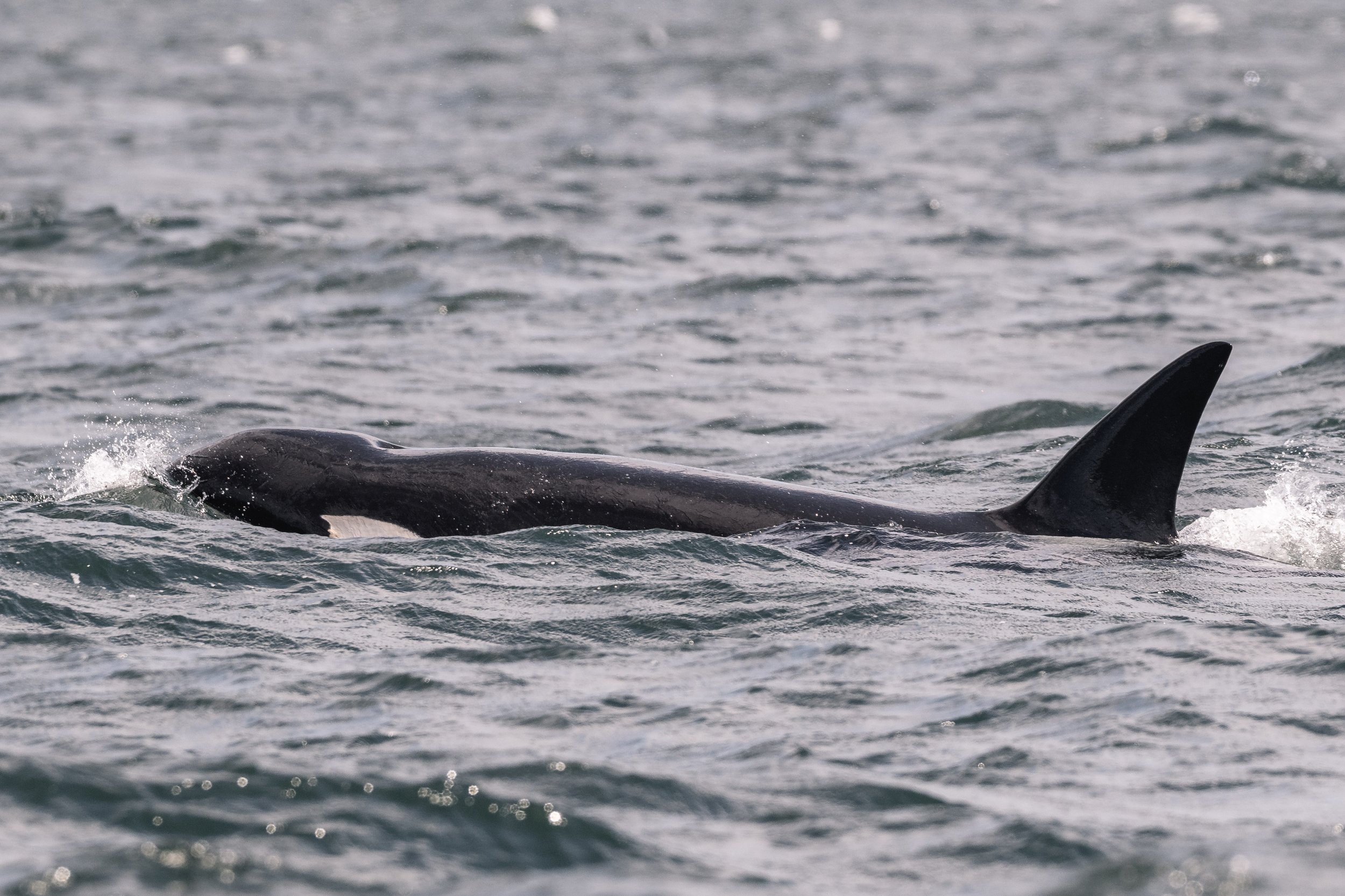
Pebbles coming up for a breath. Photo by Aly Kohlman
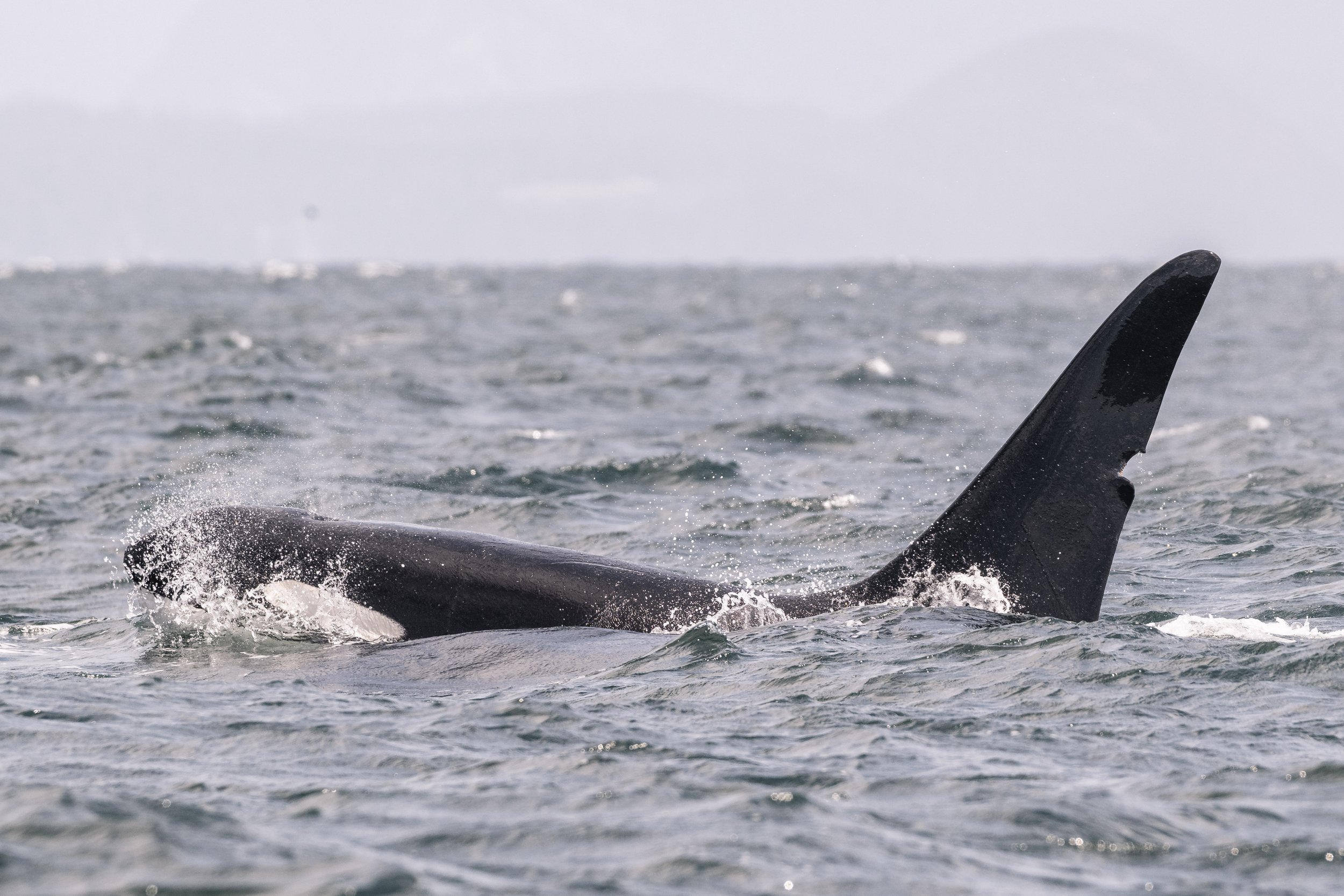
Jetsam and his brother Flotsam are named after Ursala’s eel henchmen. Photo by Aly Kohlman
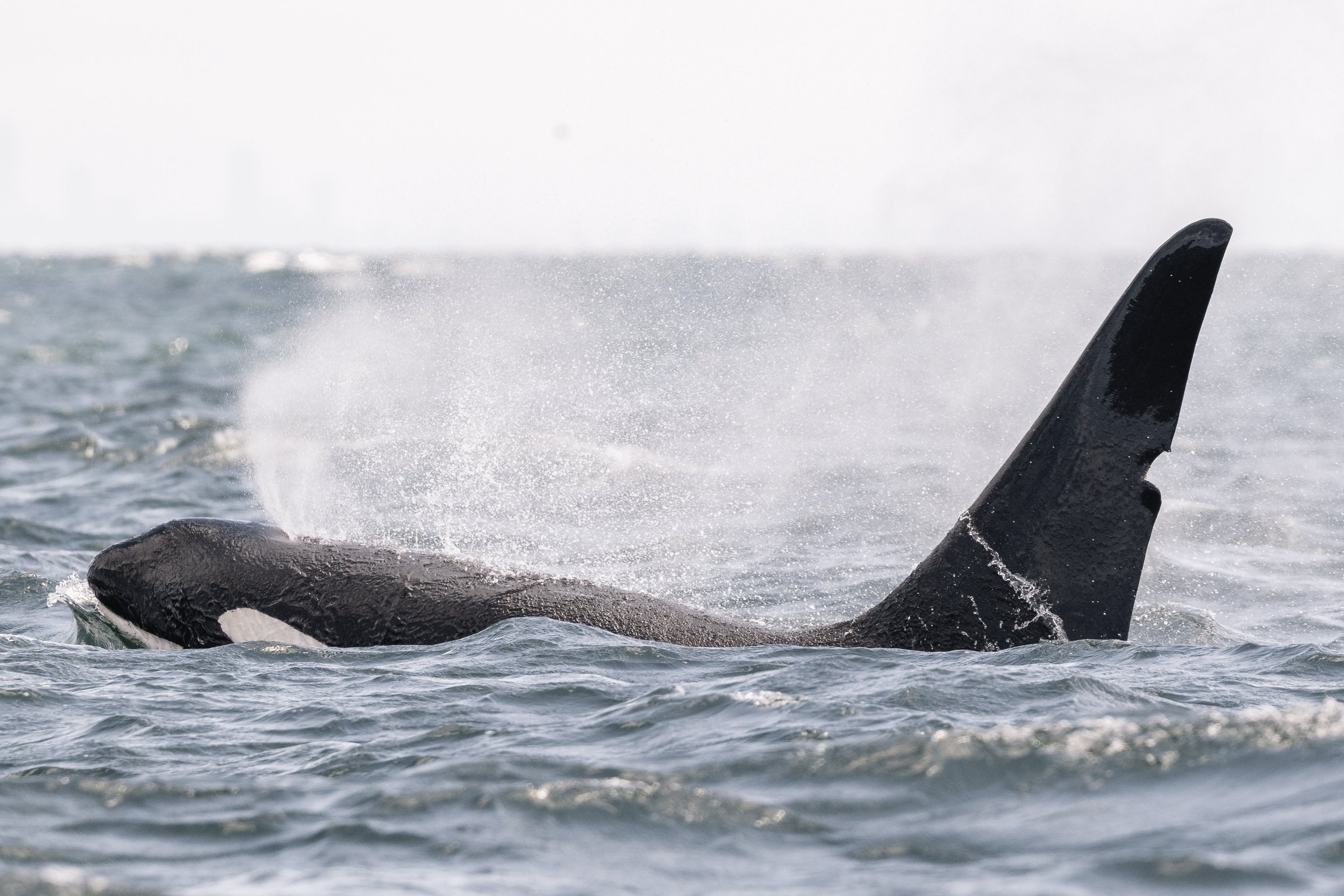
Thar she blows! Photo by Aly Kohlman
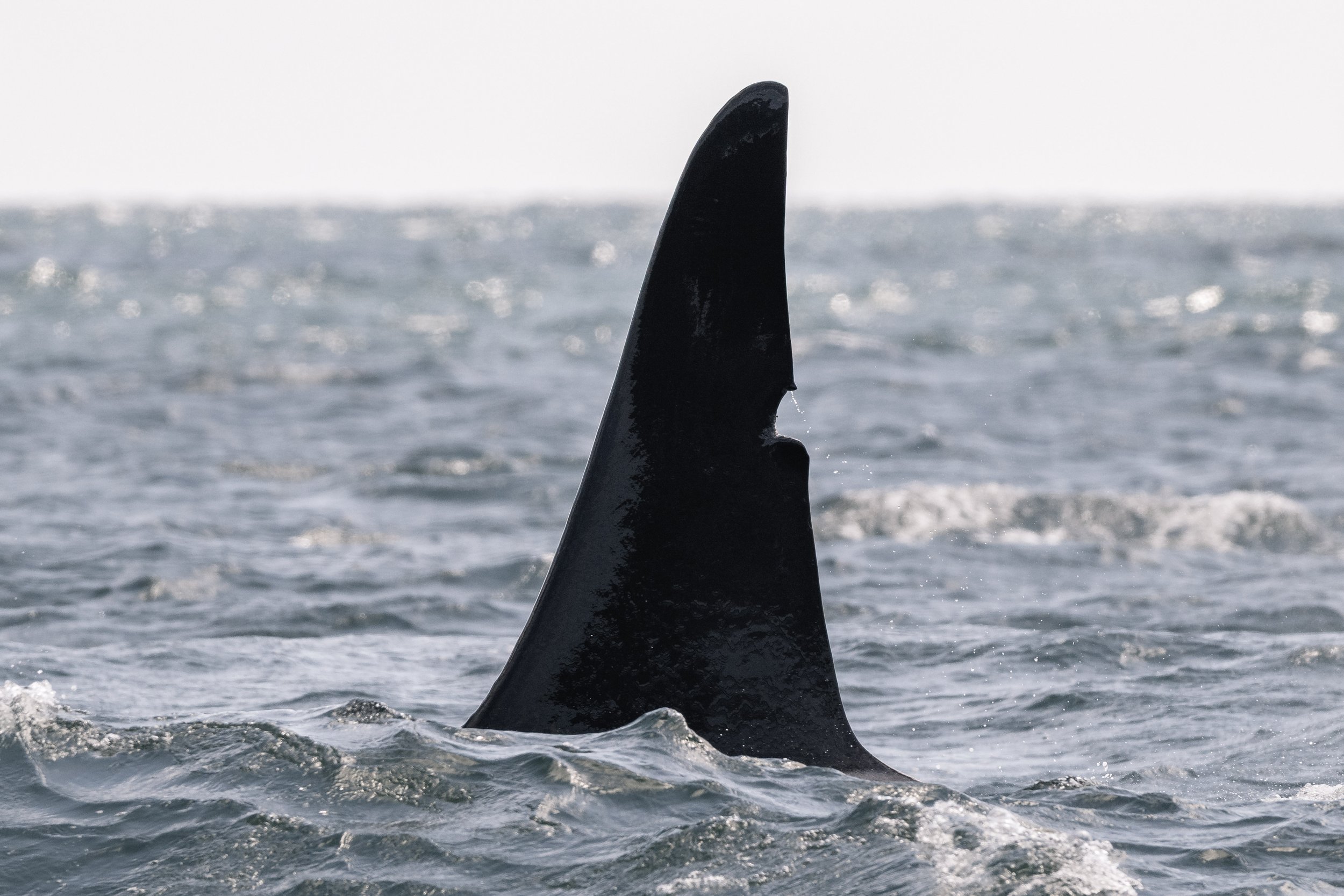
Jetsam doing his best shark impression. Photo by Aly Kohlman
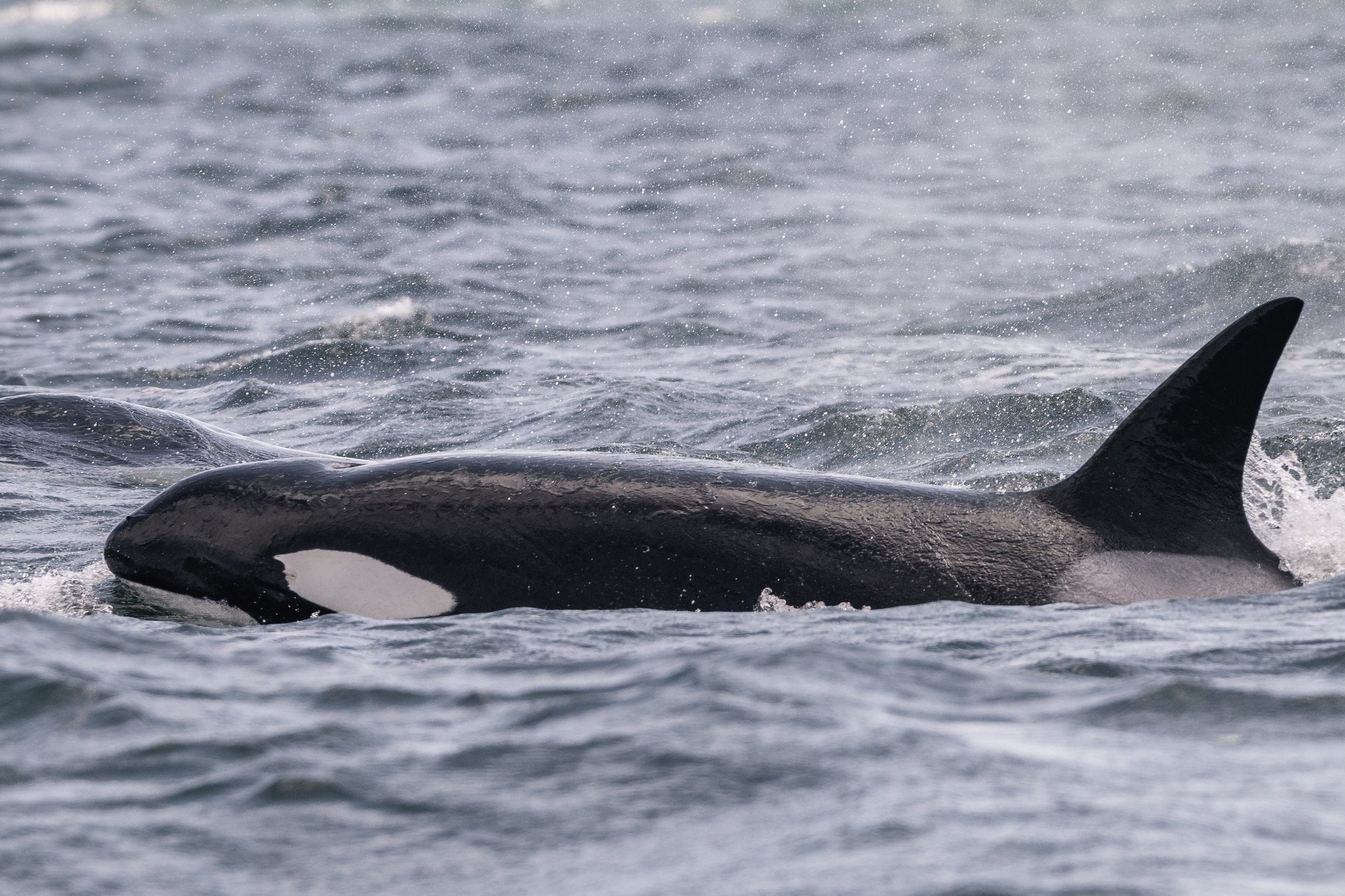
Pebbles had a calf year which unfortunately did not survive. :( Photo by Aly Kohlman
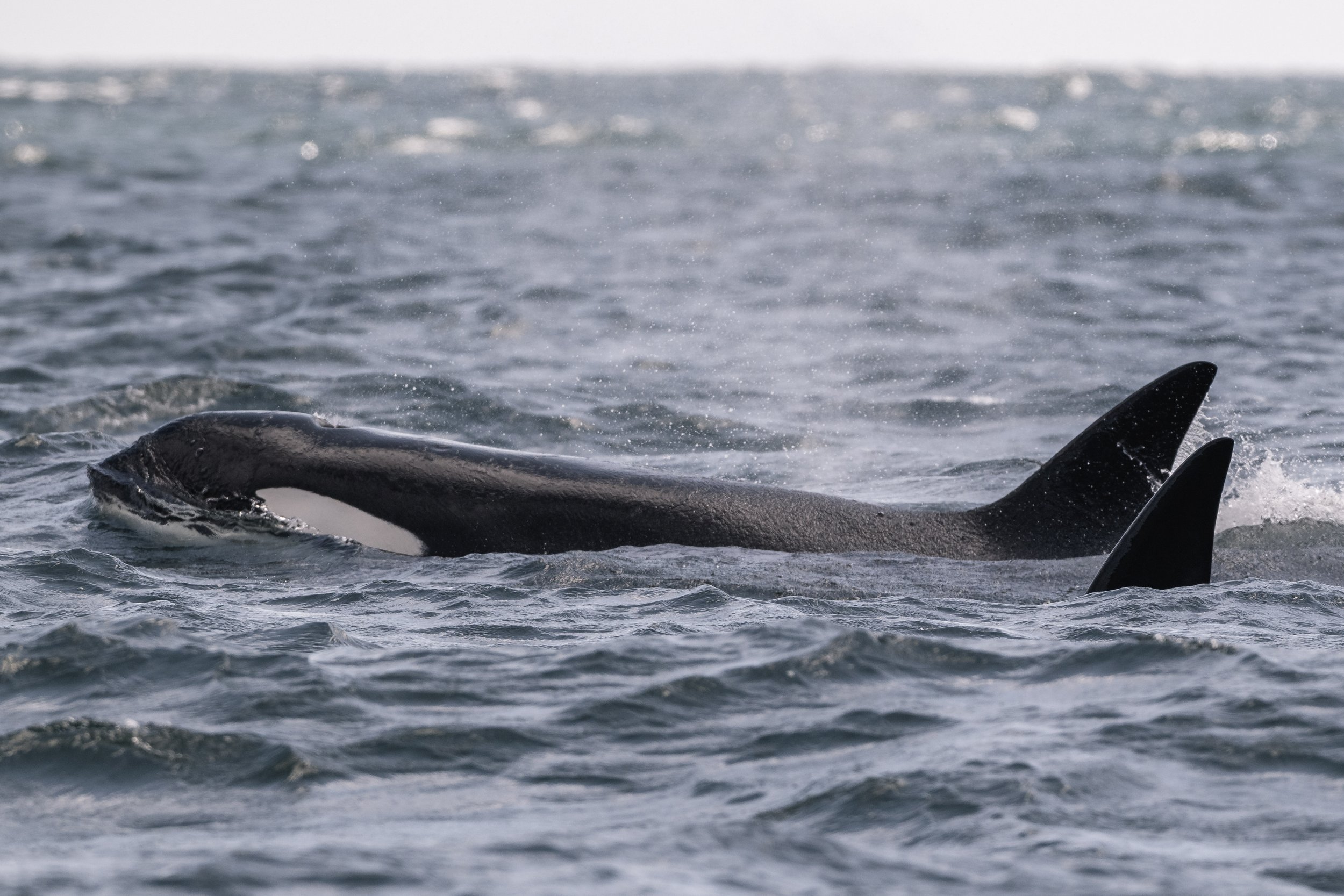
Asja enjoying some family time. Photo by Aly Kohlman
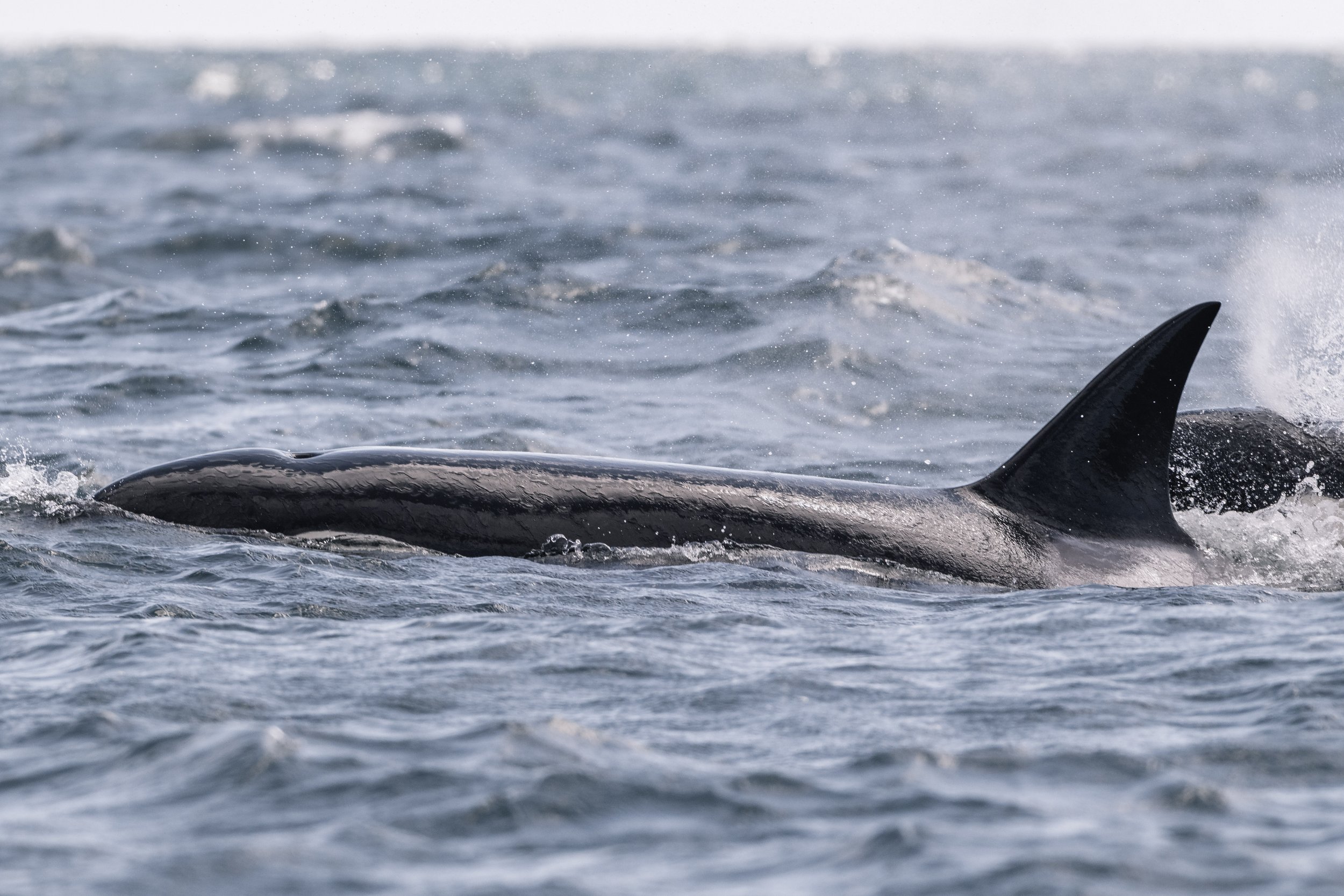
Alycon is Asja only confirmed daughter. Photo by Aly Kohlman
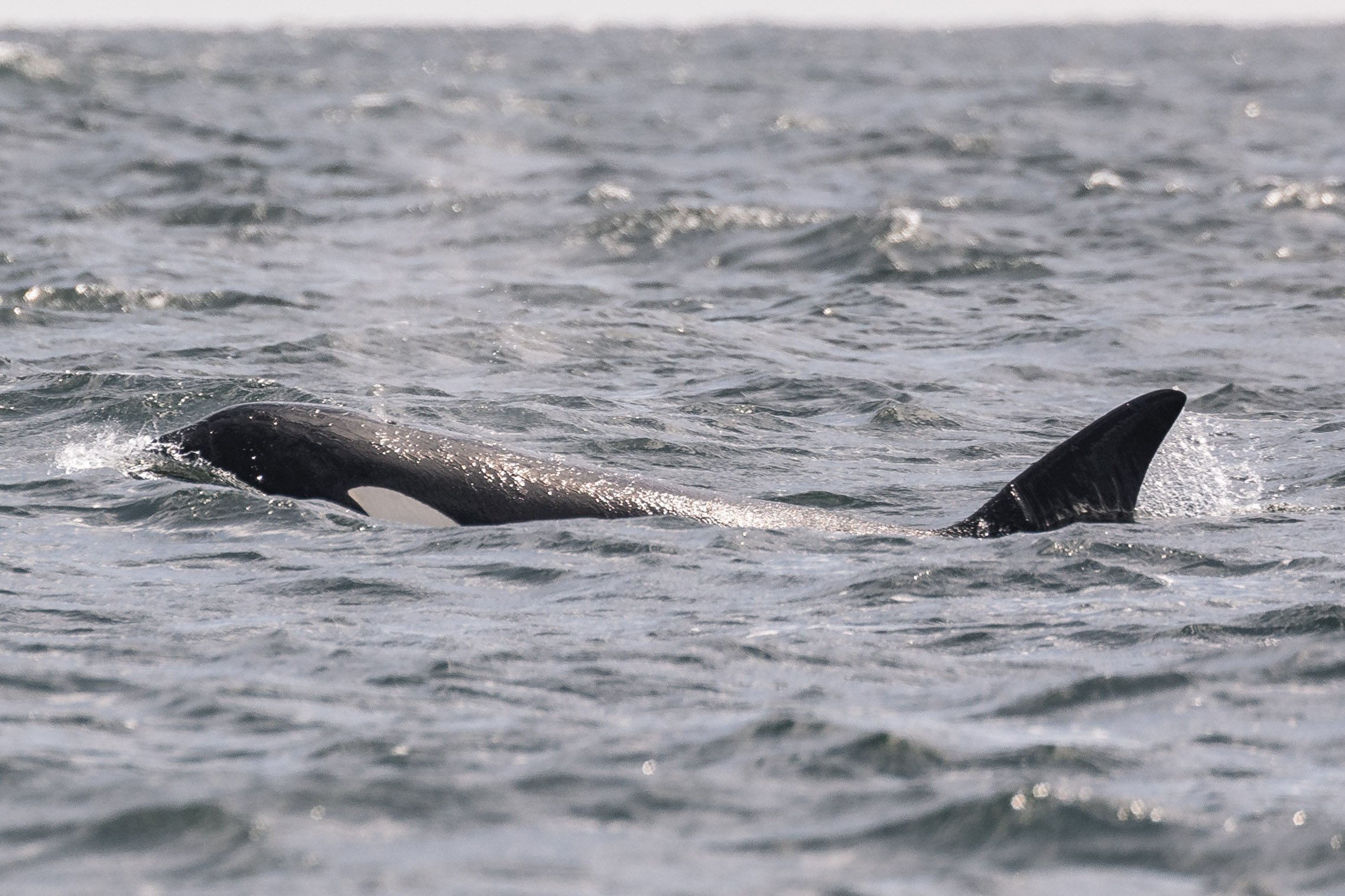
Jasper enjoying the waves. Photo by Hayleigh Hilbert.
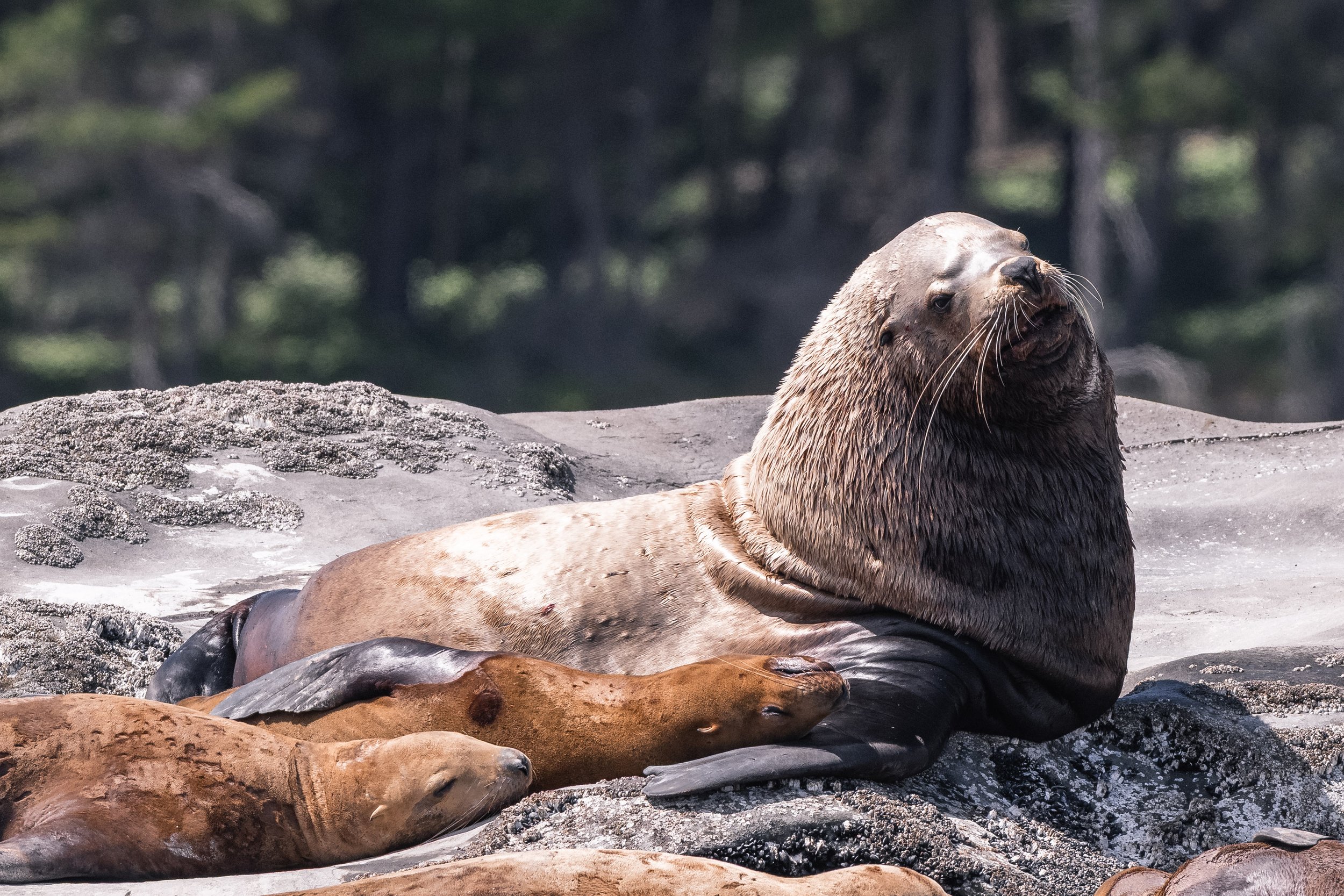
A large male Steller Sea Lion. Photo by Aly Kohlman
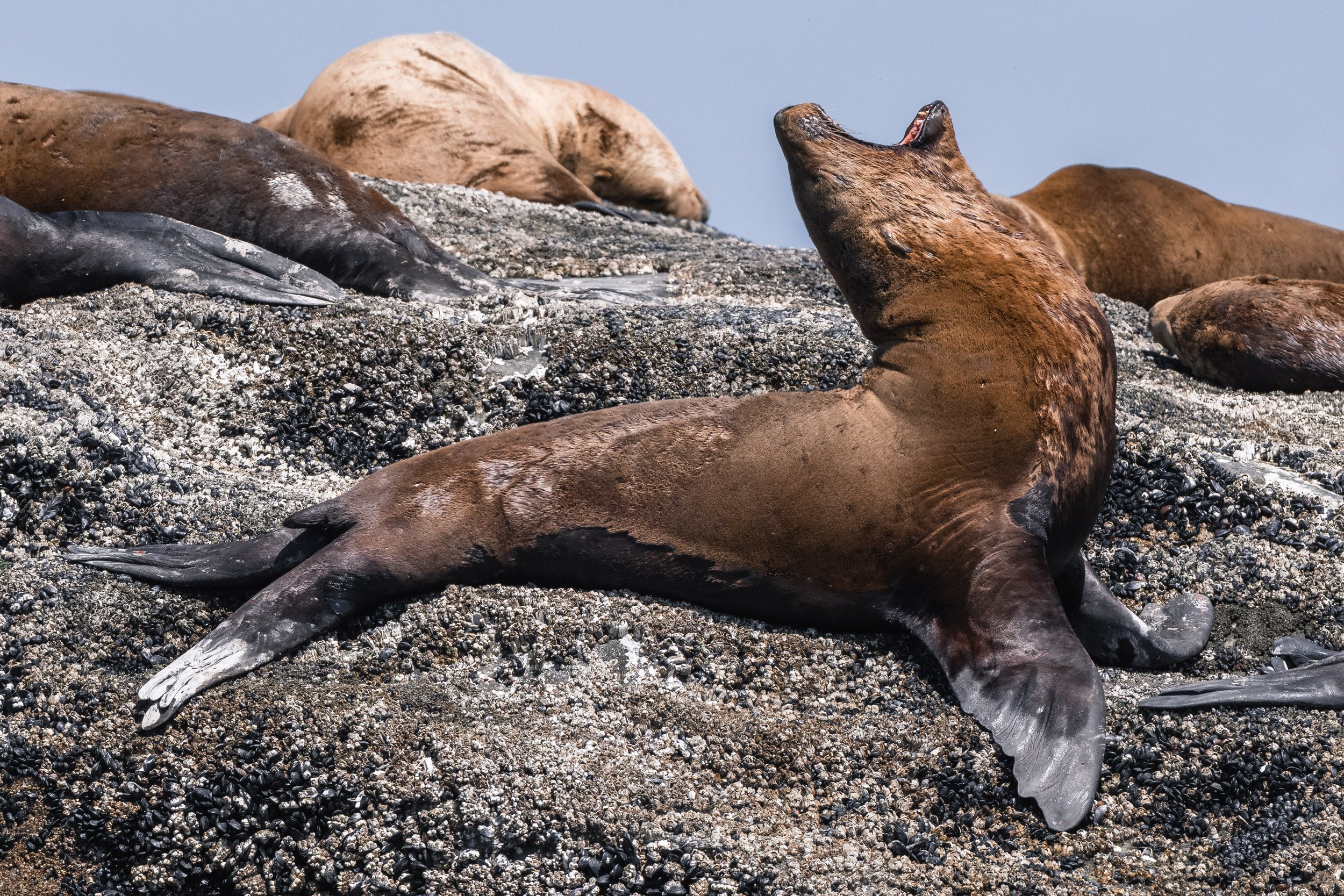
Big yawn! Photo by Aly Kohlman
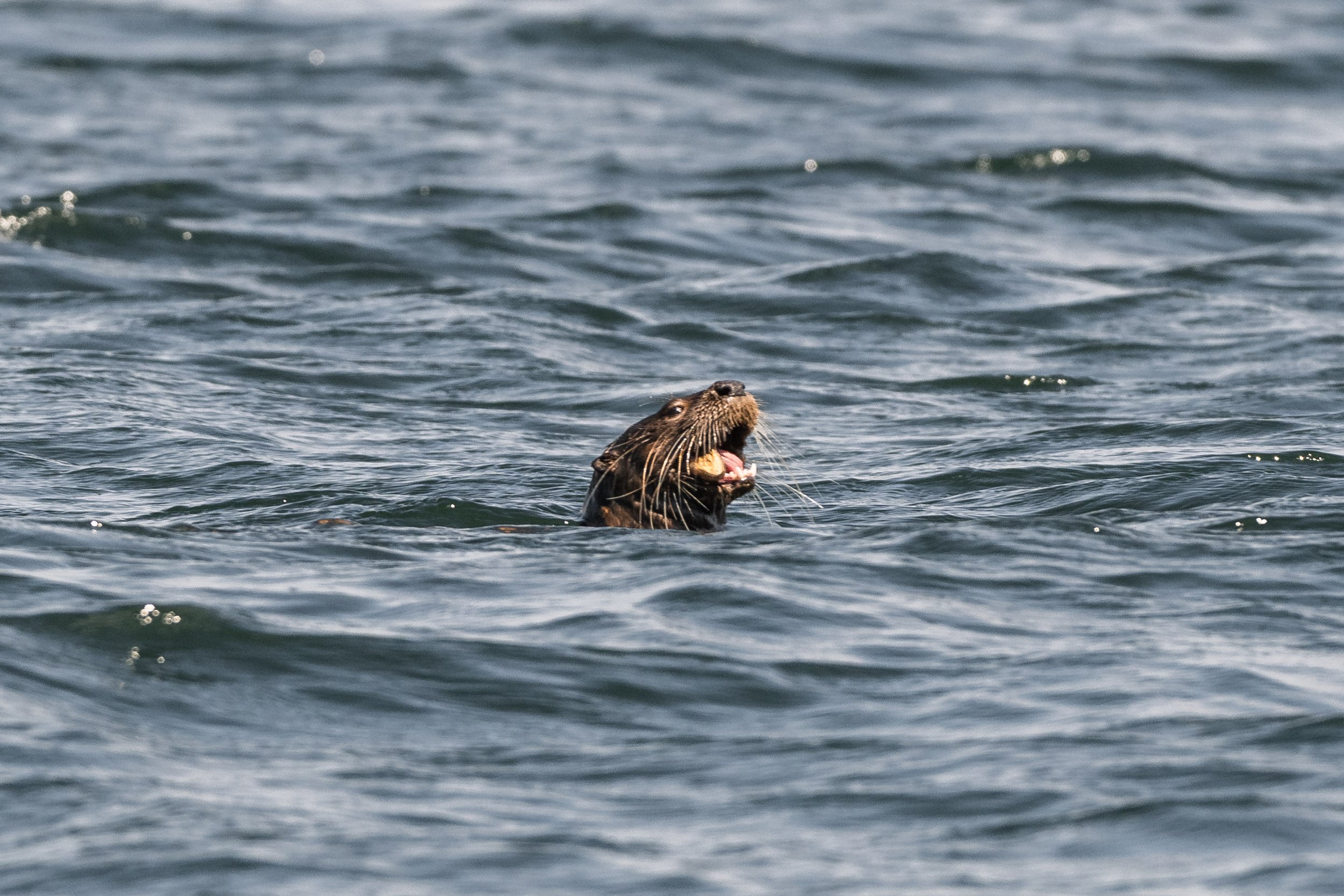
A river otter munching on some lunch. Photo by Aly Kohlman
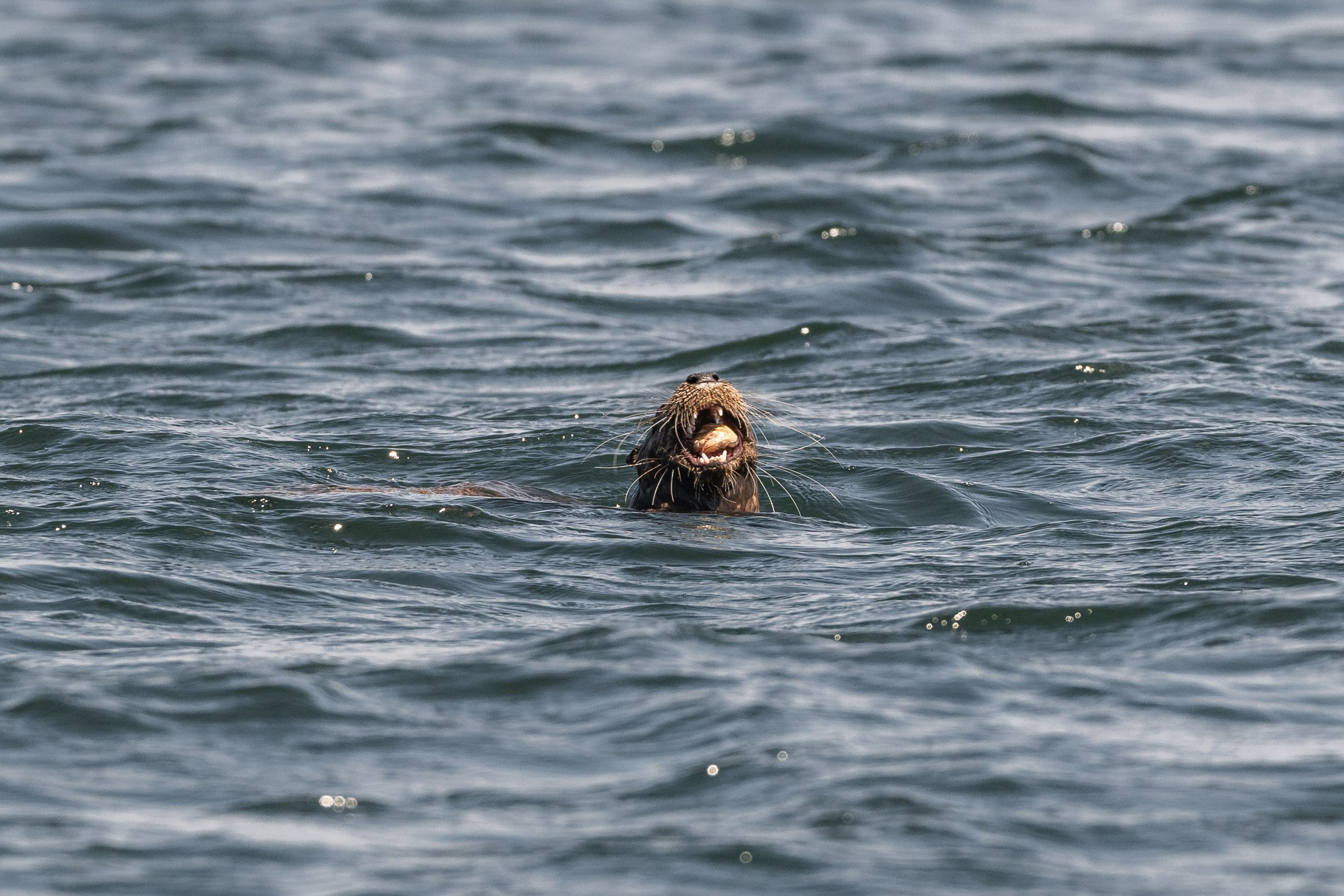
Nom Nom. Photo by Aly Kohlman
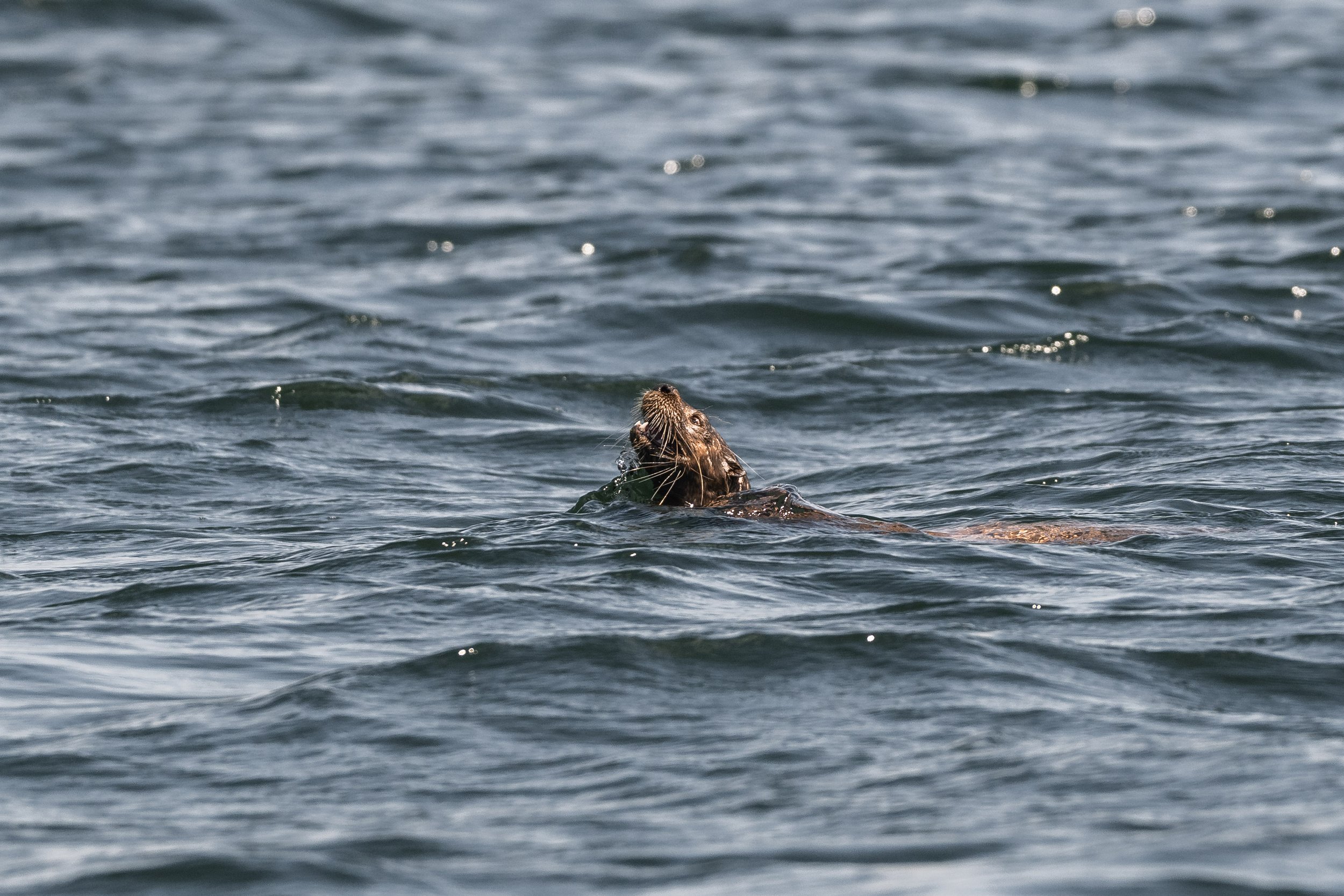
Did you know you can see river otters in the sea? Photo by Aly Kohlman
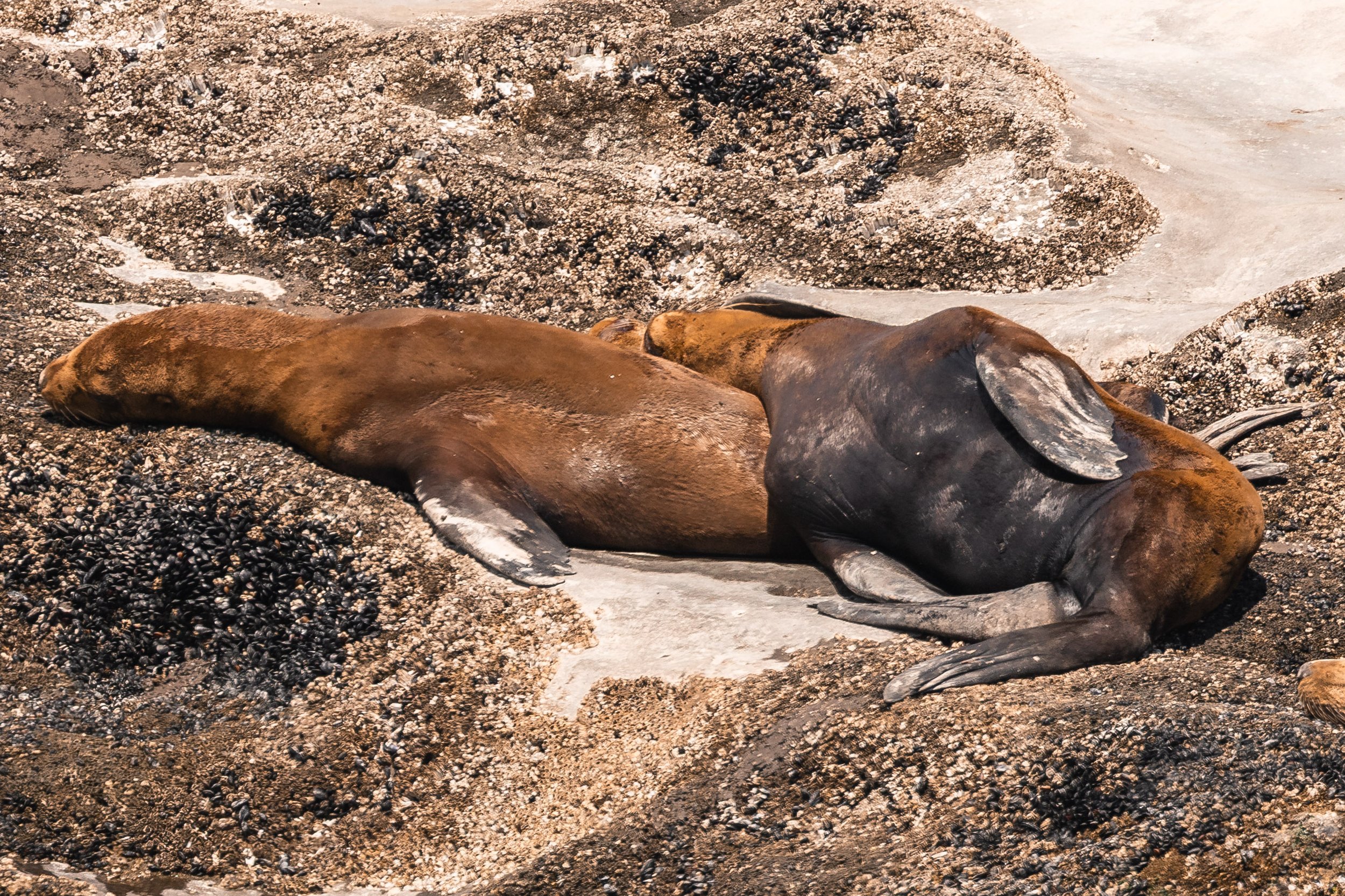
Sea lions make great pillows, or so I’ve heard. Photo by Hayleigh Hilbert.
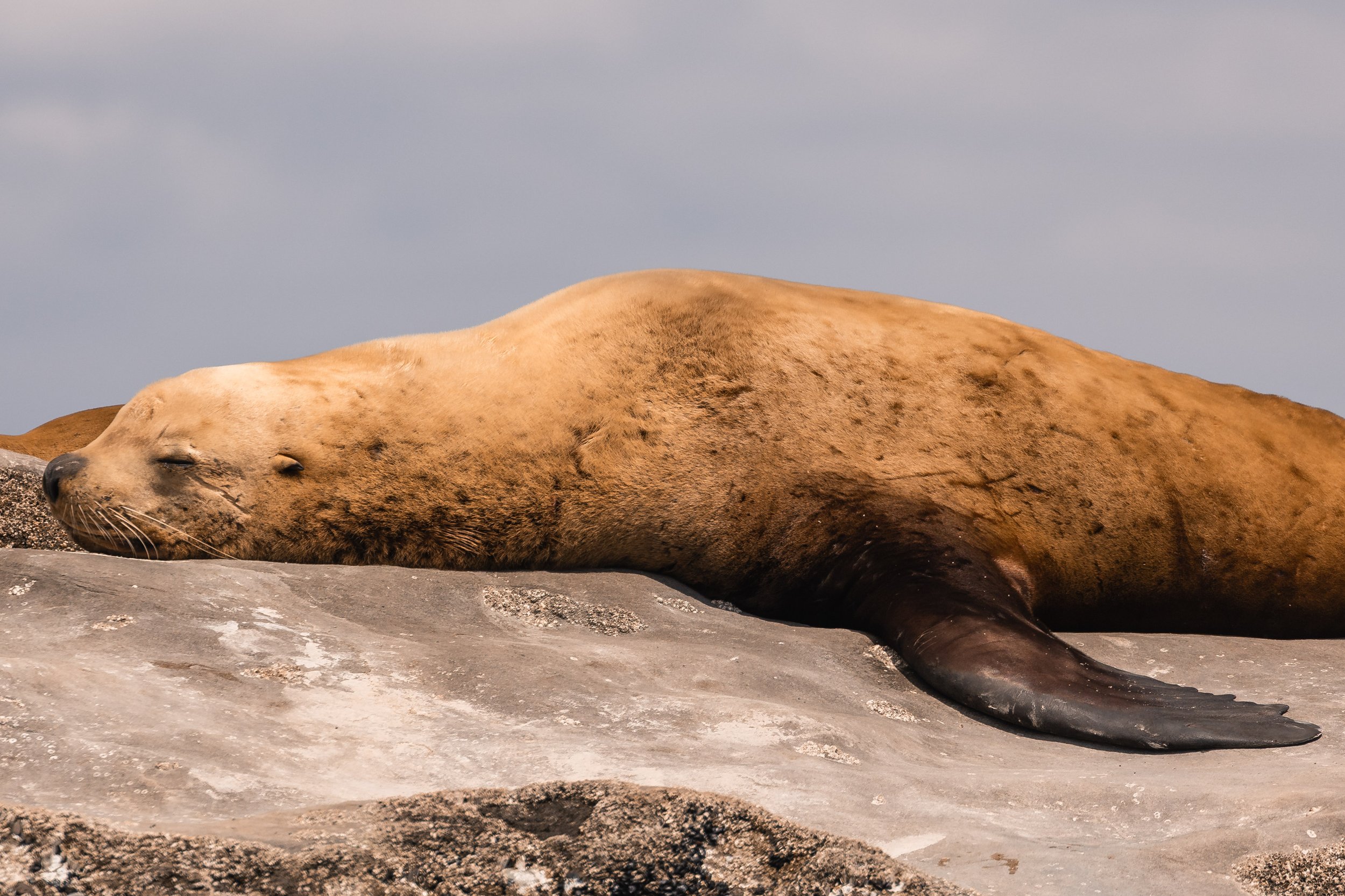
A sleepy, young male. Photo by Hayleigh Hilbert.
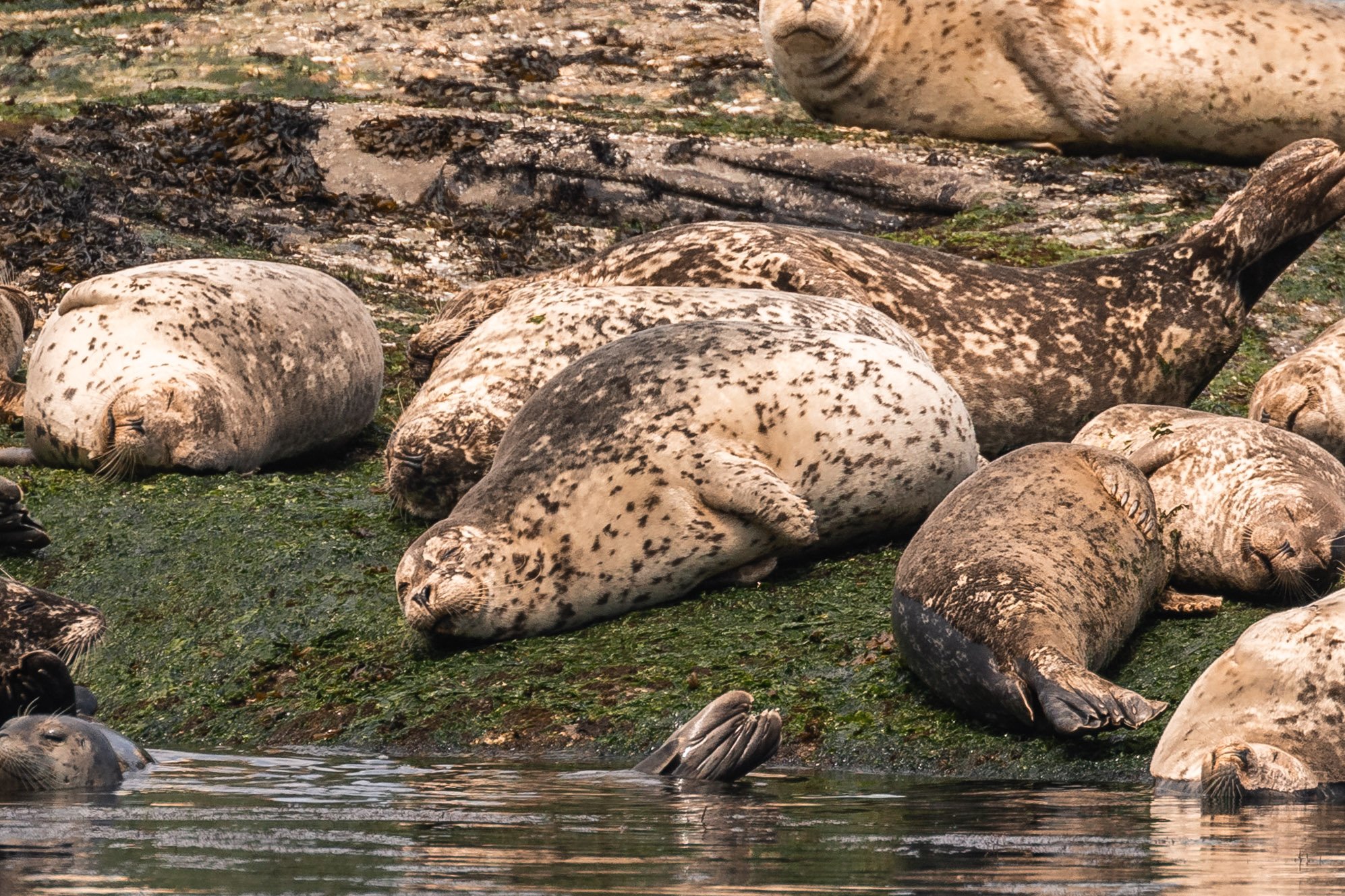
Pregnant or just chunky? It’s almost pupping season! Photo by Hayleigh Hilbert.
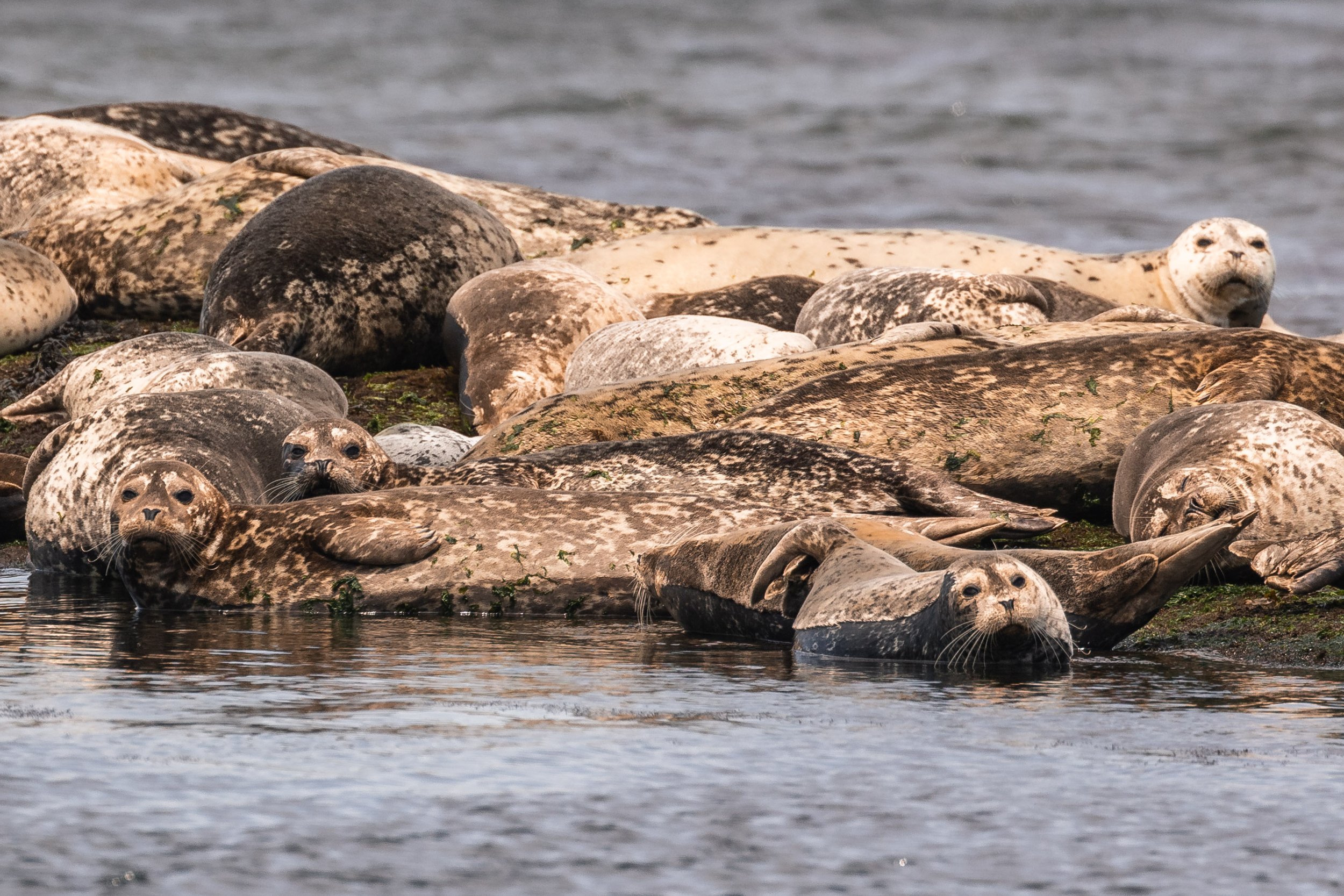
Watching us watching them. Photo by Hayleigh Hilbert.
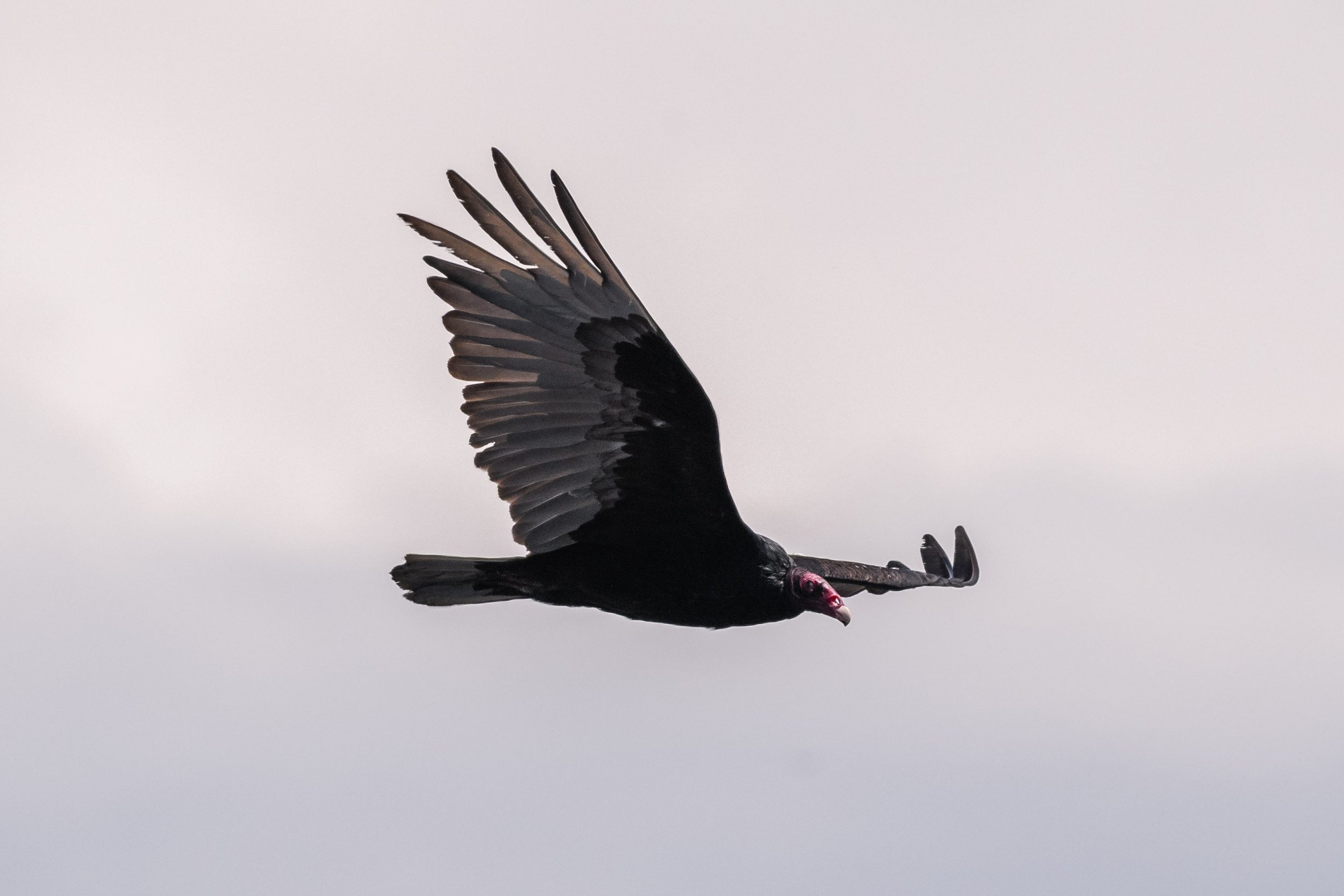
Majestic Turkey Vulture soaring over the land. Photo by Aly Kohlman
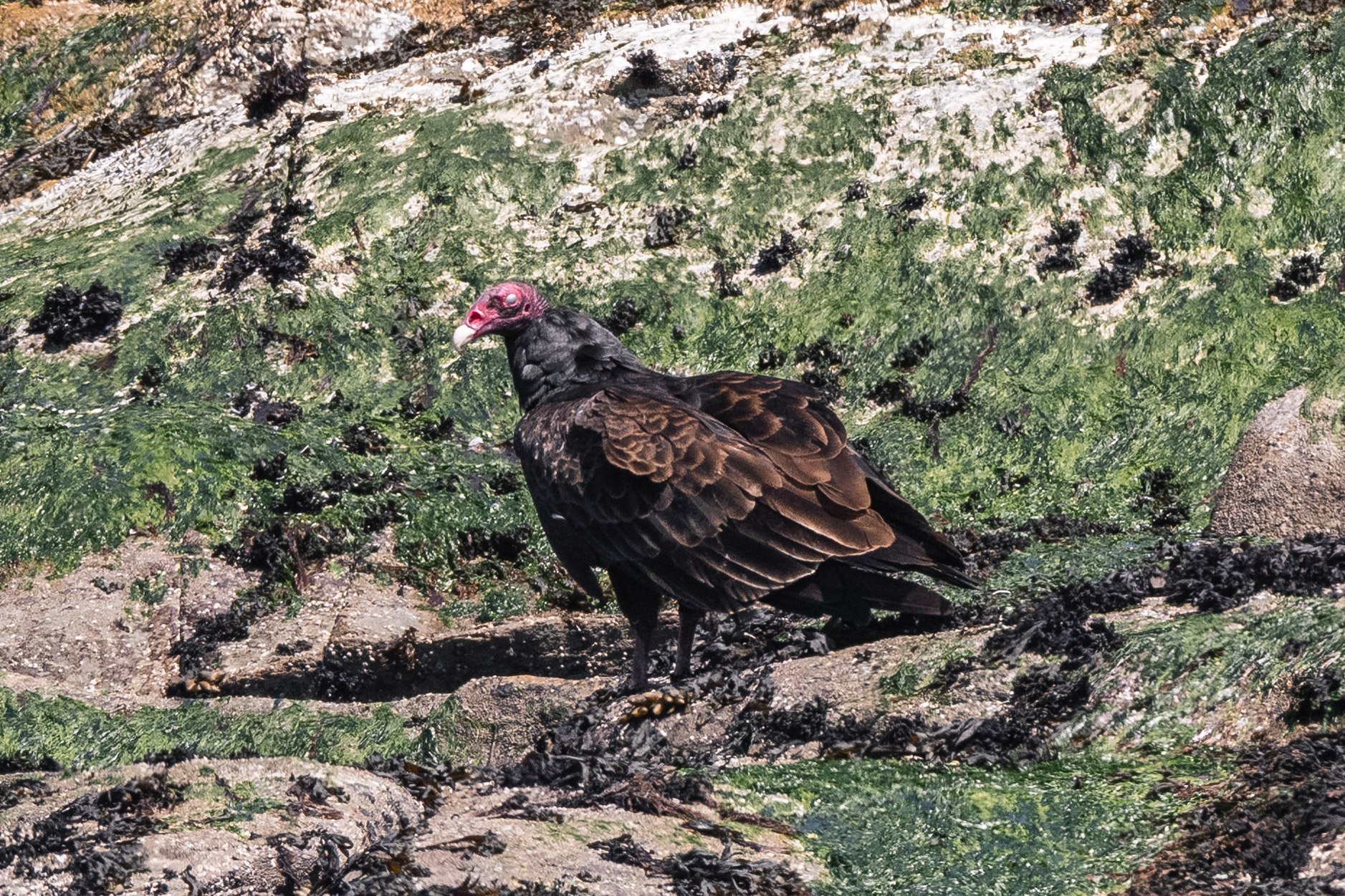
Nothing is wrong with this Turkey Vultures eye, what you are seeing is the nictitating membrane which is their third eyelid! Photo by Aly Kohlman
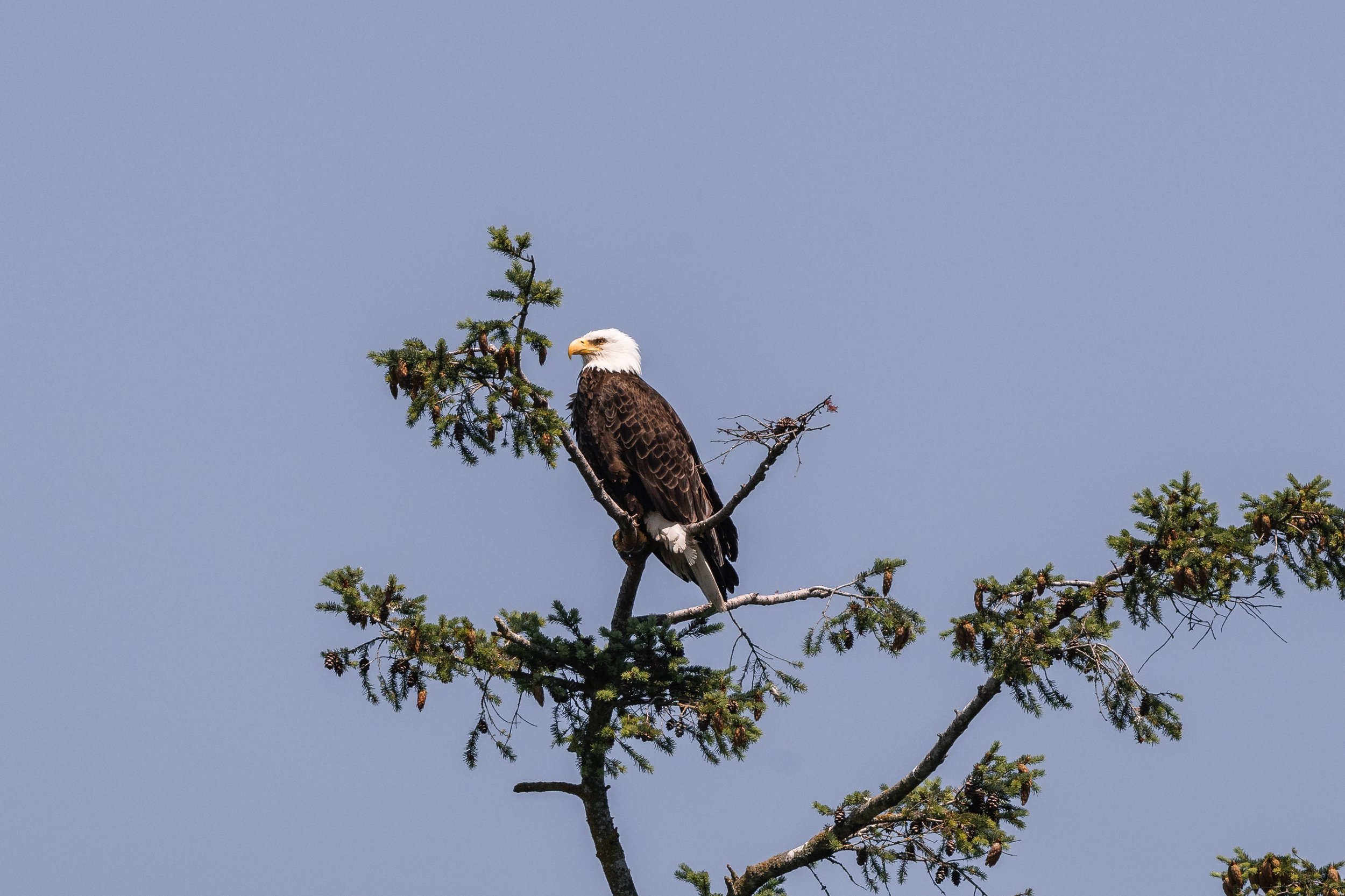
An adult bald eagle watching over a nest. Photo by Aly Kohlman
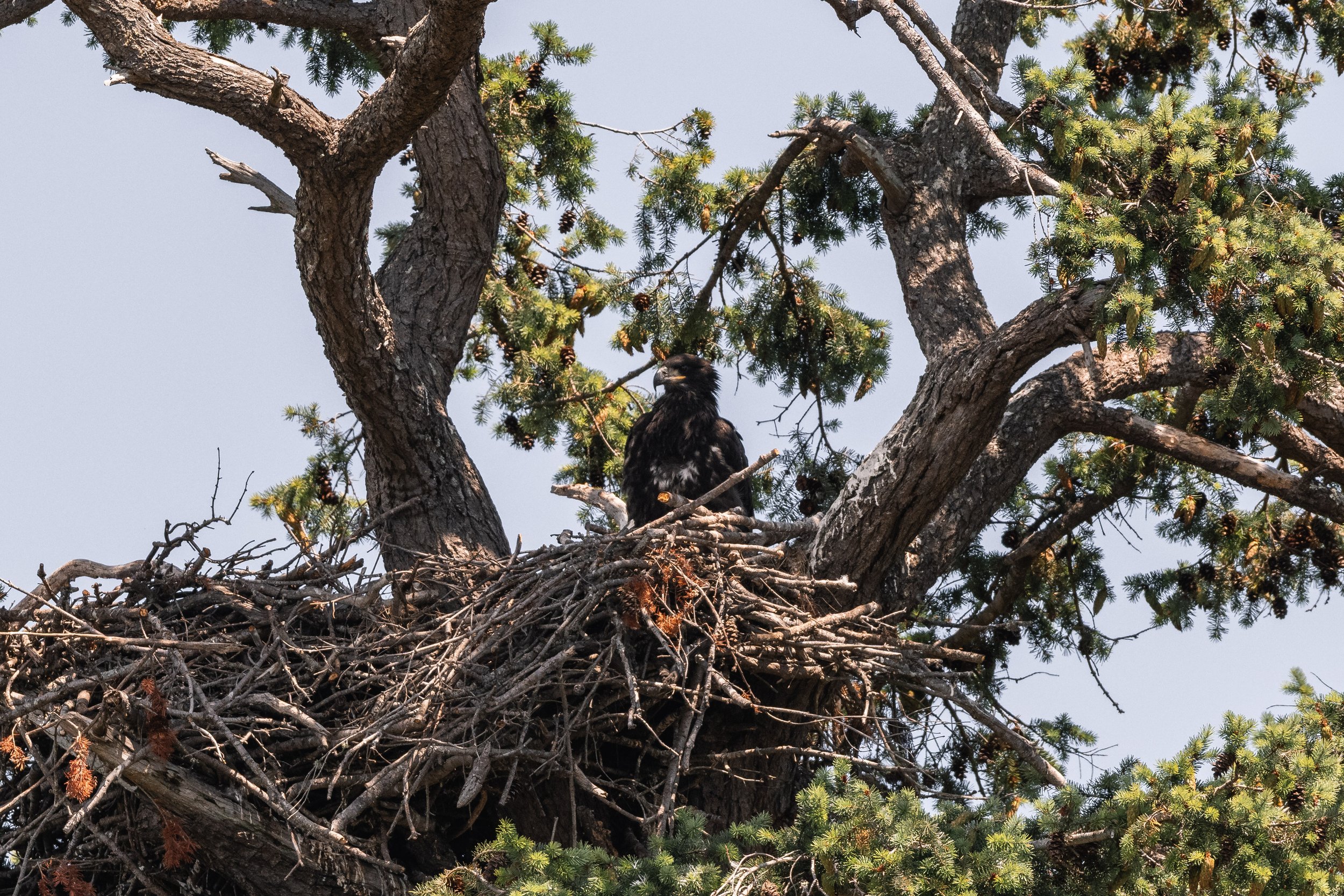
Lulu the eaglet happily sitting in the nest. Photo by Aly Kohlman
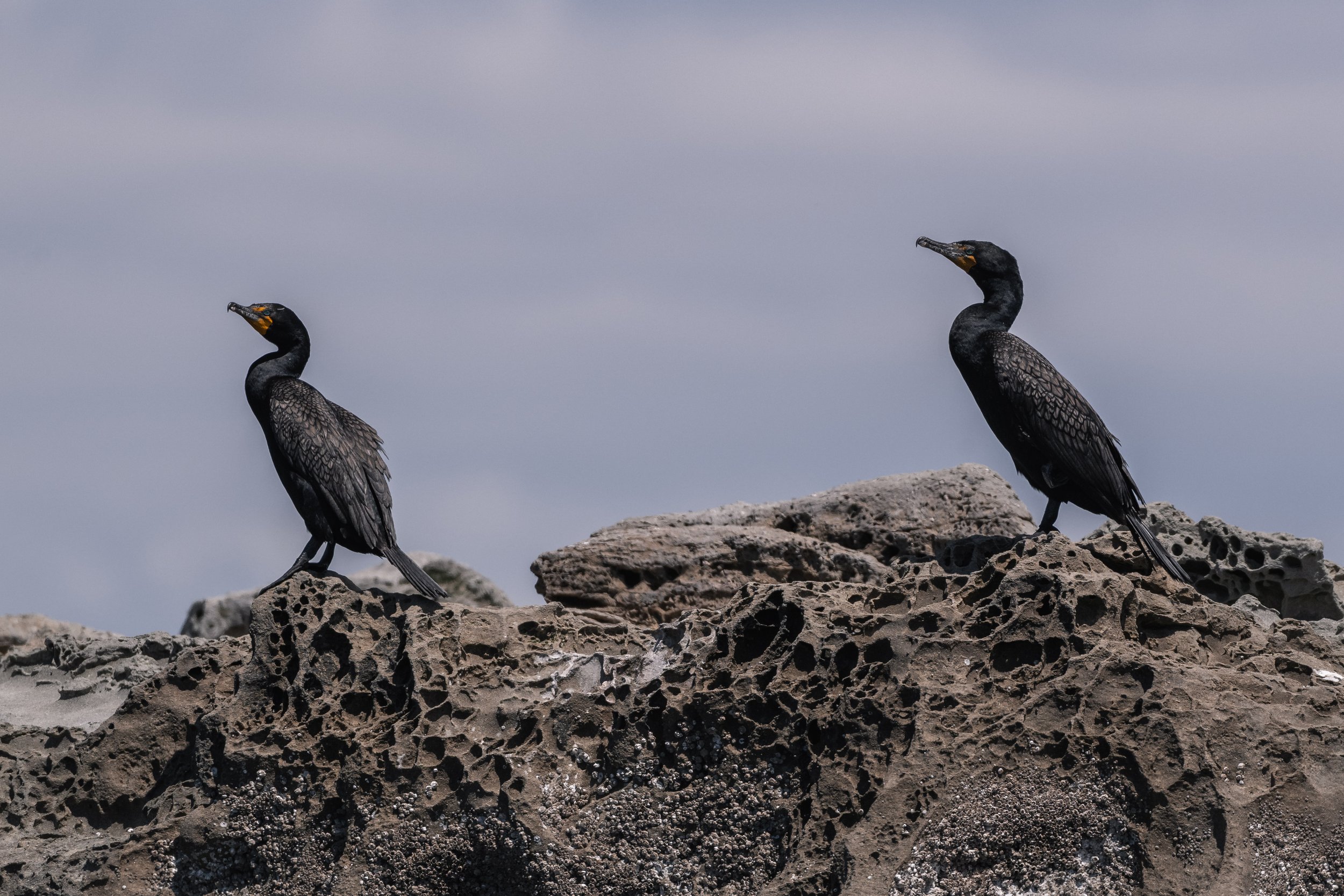
Cormorants sitting on the rock. Photo by Aly Kohlman