
June 30, 2026, 3:30 PM - The Secret Lives of Salish Sea Whales
The cloudy Pacific Northwest atmosphere had burned away as the sun came out in full force as we set out on our afternoon adventure. Before we had even made our way out of the harbour, we got a surprise report of orcas close to home and started heading that way to see what we could find. Luckily, it wasn’t long before we saw those big black dorsal fins cresting over the water, and it didn’t take long for us to realize it was one of our favourite families, the T101’s!
T101 Reef ♀ (≤1969)
T101A Rush ♂ (1993)
T101B Lagoon ♂ (1997)
The T101’s are a Transient Killer whale family of 3 orcas led by matriarch Reef. Reef is one of the oldest known females in the population. In fact, she’s so old, we don’t even know her actual age! This means that when she was first spotted, she was already an adult female, and her age is a conservative estimate based on her calves' ages. While her estimated age puts her at 57 or older, it’s possible that she’s actually significantly older. Female orcas typically start producing calves between the ages of 12 and 15, and, like humans, they enter menopause in their 40s. Because Reef’s youngest son, Lagoon, is 29 years old this year, there’s a real possibility that she could be in her late 60’s or even older.
Despite Reef’s advanced age, she travels with and cares for her adult sons. Females doting on their sons is common in the orca world, and in Transient Killer whale society, we tend to see adult males spend their entire lives with their mothers, while adult females disperse from their mothers. For this reason, our transients tend to travel in small matrilineal groups. Reef, for example, currently has 3 surviving calves, but her daughter Hutchins dispersed a long time ago and travels with her own calves. But Reef isn’t just a grandma; she’s even a great grandma! So while Reef only travels with her sons, she has quite a successful lineage, and her family is now spread across three matrilines!
Even though Transient orca daughters disperse from their mothers, the bond is never broken, and Reef can often be spotted hanging out with her daughter, grand-calves and great-grandcalves!
While tight family groups with familial bonds that typically last a lifetime are the norm for orcas, this doesn’t seem to be the case for humpbacks. Instead, to our knowledge, humpback calves stay with their mom’s for up to a year before permanently dispersing. Despite not staying in family groups, humpbacks are still a social species, and we often see them associating with other humpbacks. What’s more is that studies have shown that female humpbacks in the feeding grounds have a tendency to form long-lasting friendships, and what’s even more is that females that were able to form friendships were also able to produce more calves. In theory, this means that friendship has long-term benefits for female humpbacks, likely in terms of how much food they are procuring.
While we don’t know if any of our humpbacks today were BFF’s, we did see Europa (BCX0854), Malachite (BCY1463), and Helen (BCX2494) hanging out and feeding, and we were also fortunate enough to stumble on Yakima (BCX2182)! Between the orcas and humpbacks today, we got to see a variety of different social dynamics that are at play in the wonderful world of whales! If you would like to see the photos from today's trip, check them out below!
Photos by Hayleigh Hilbert
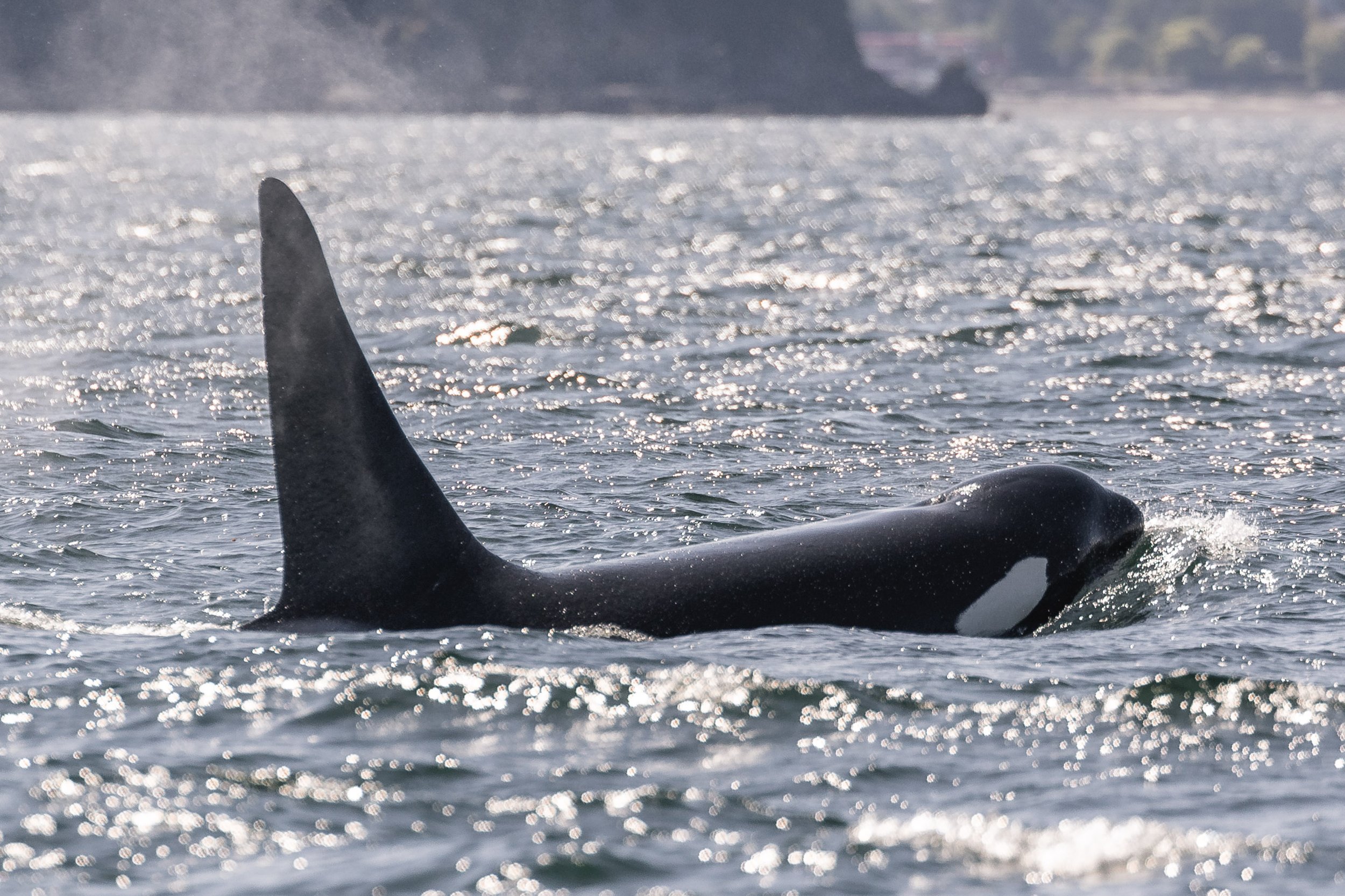
T101B Lagoon surfacing in the sunshine.
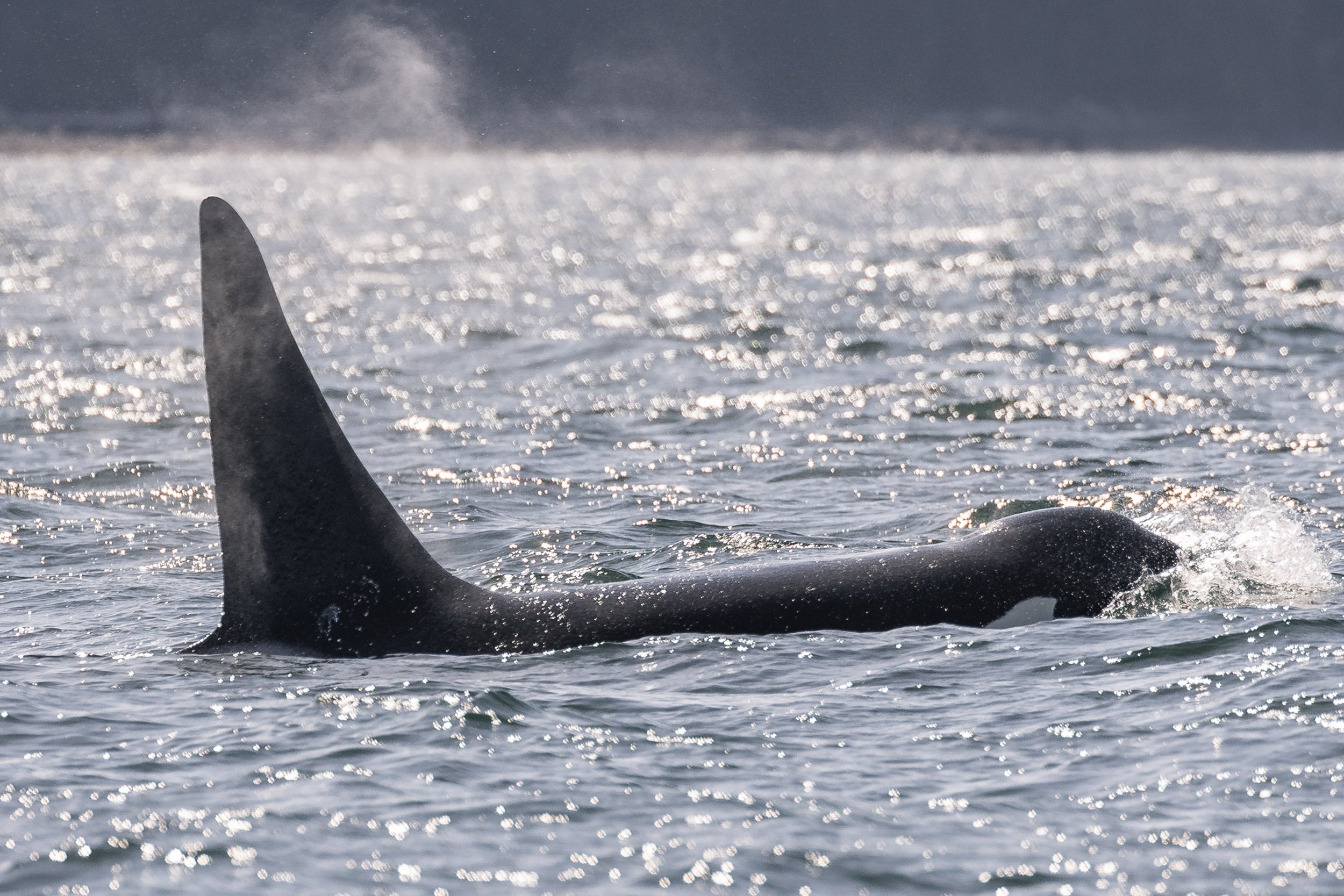
A great look at T101B Lagoon with his blow backlit by the sun.
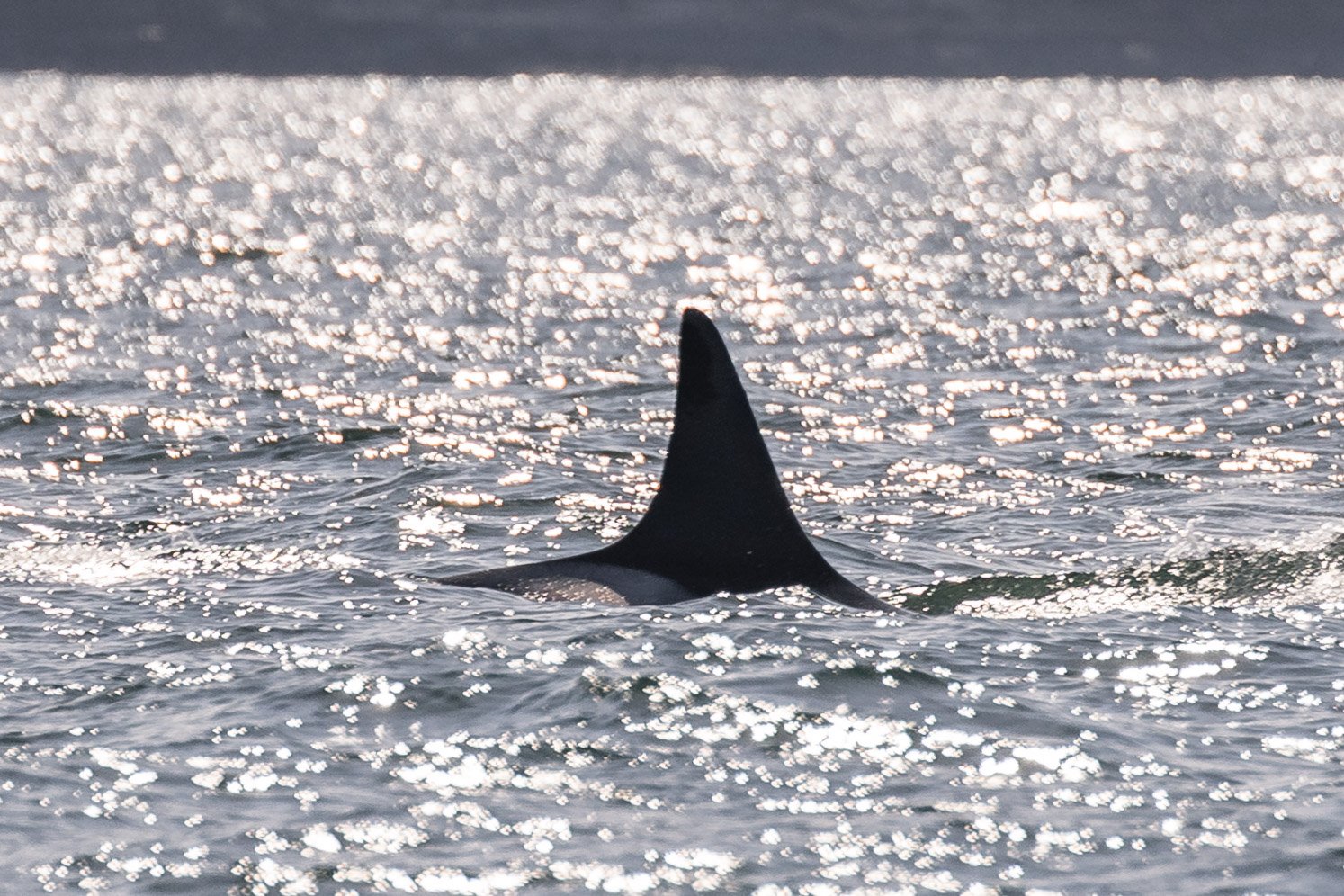
T101 Reef herself, the matriarch of this family.
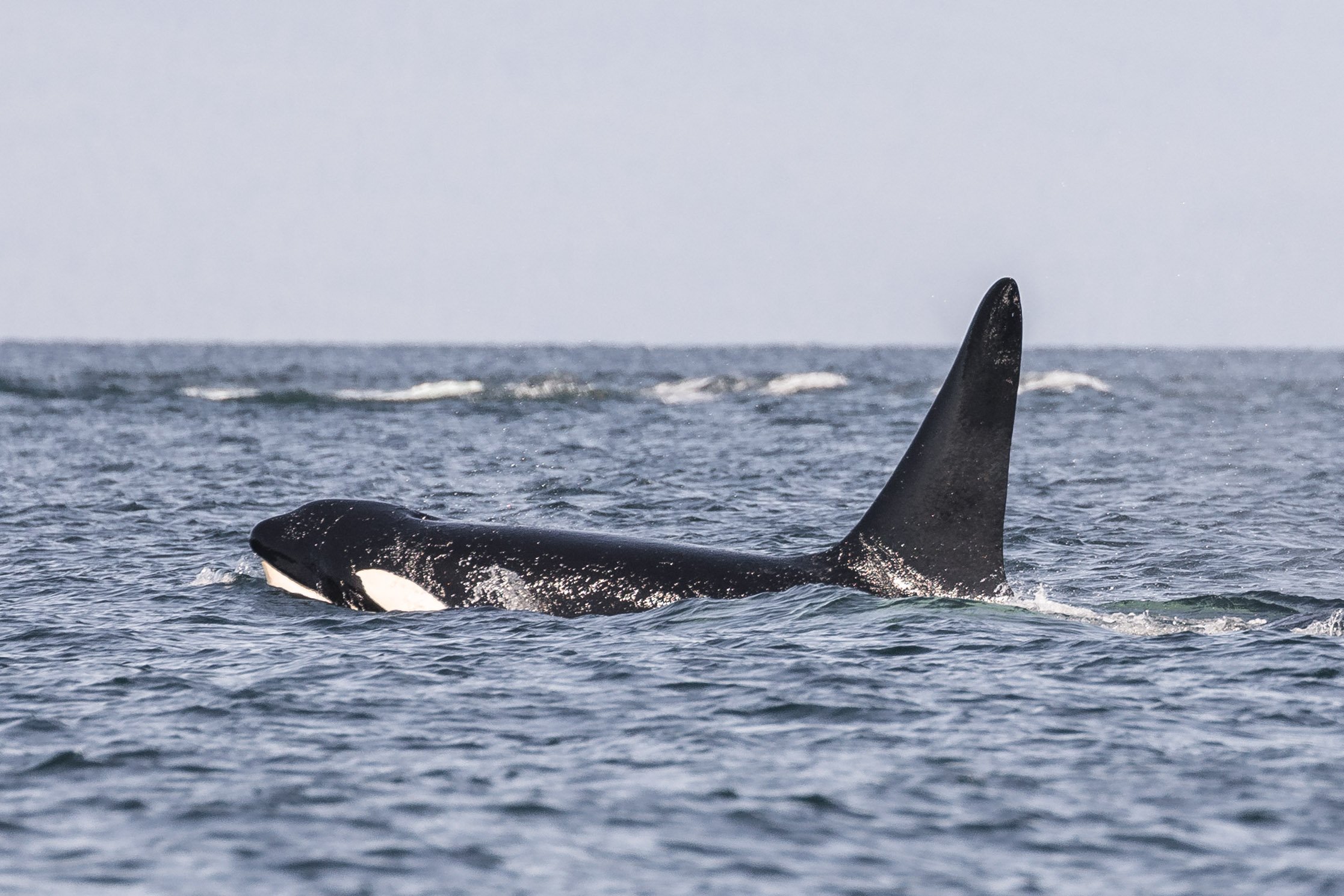
T101A Rush lifting his rostrum as he surfaces.
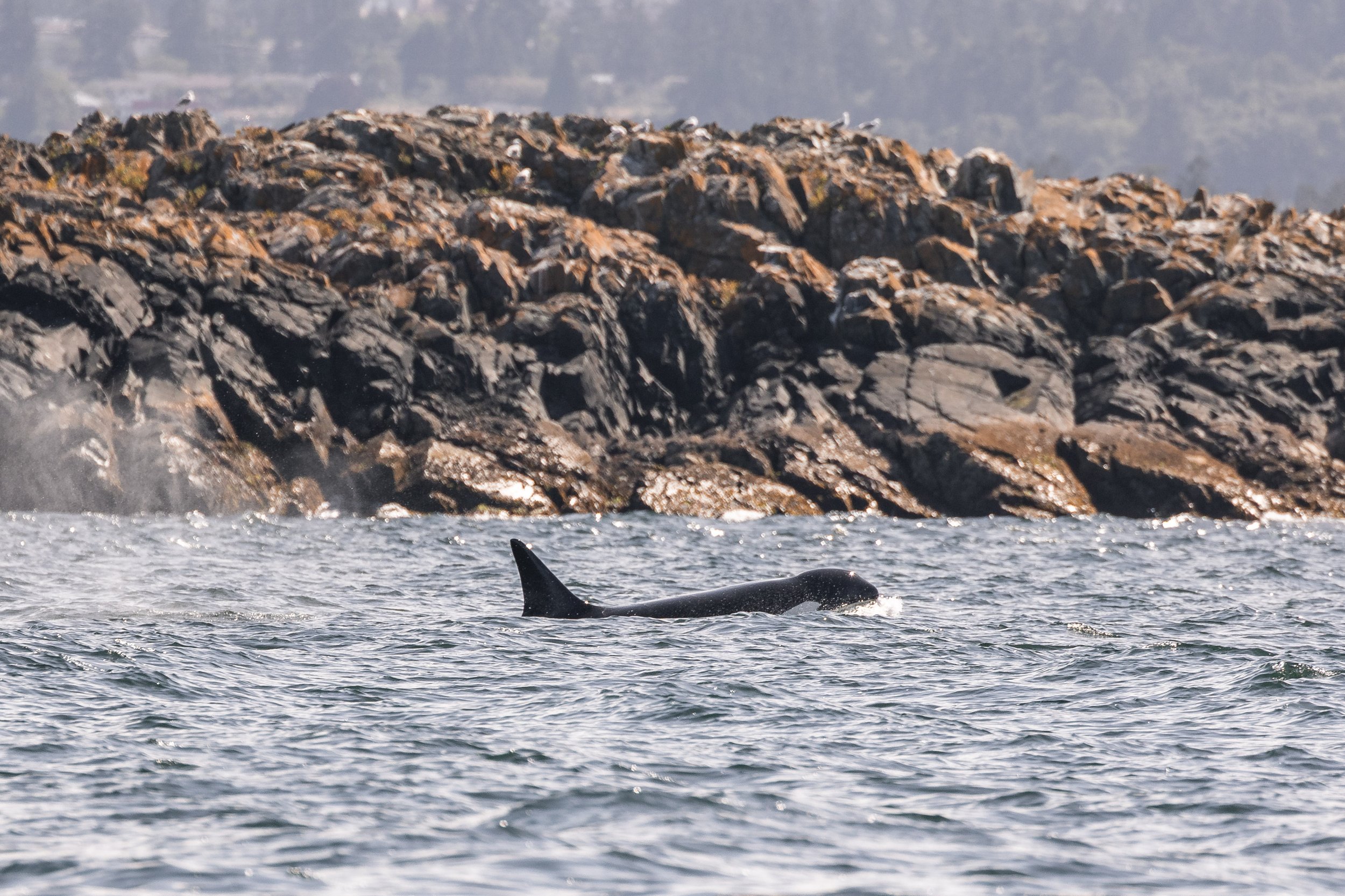
T101 Reef surfacing with Five Finger Islands as the backdrop.
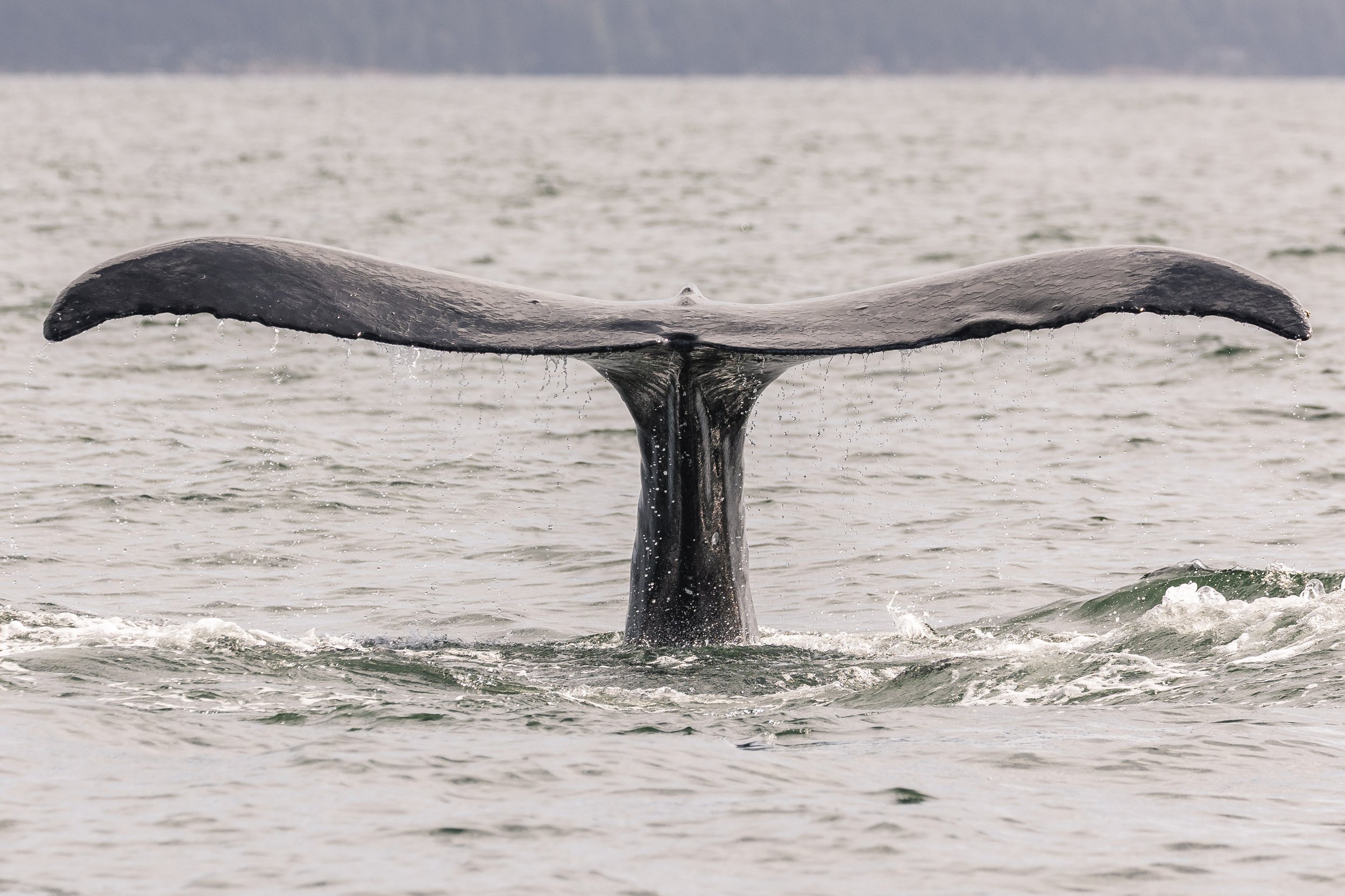
A lovely high fluke from Yakima.
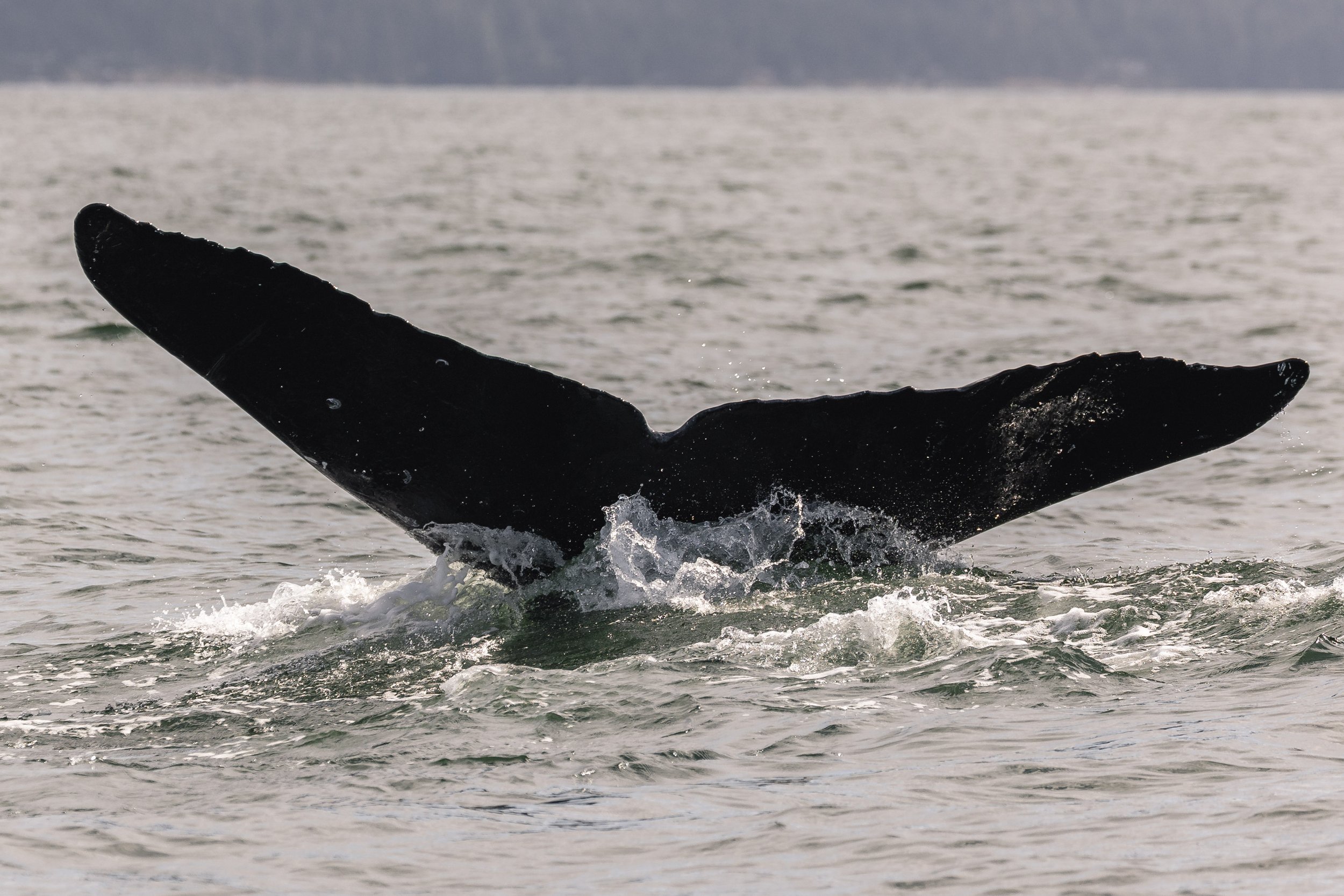
The underside of Yakima’s tail. Not much going on here, but the trailing edge tells us who it is!
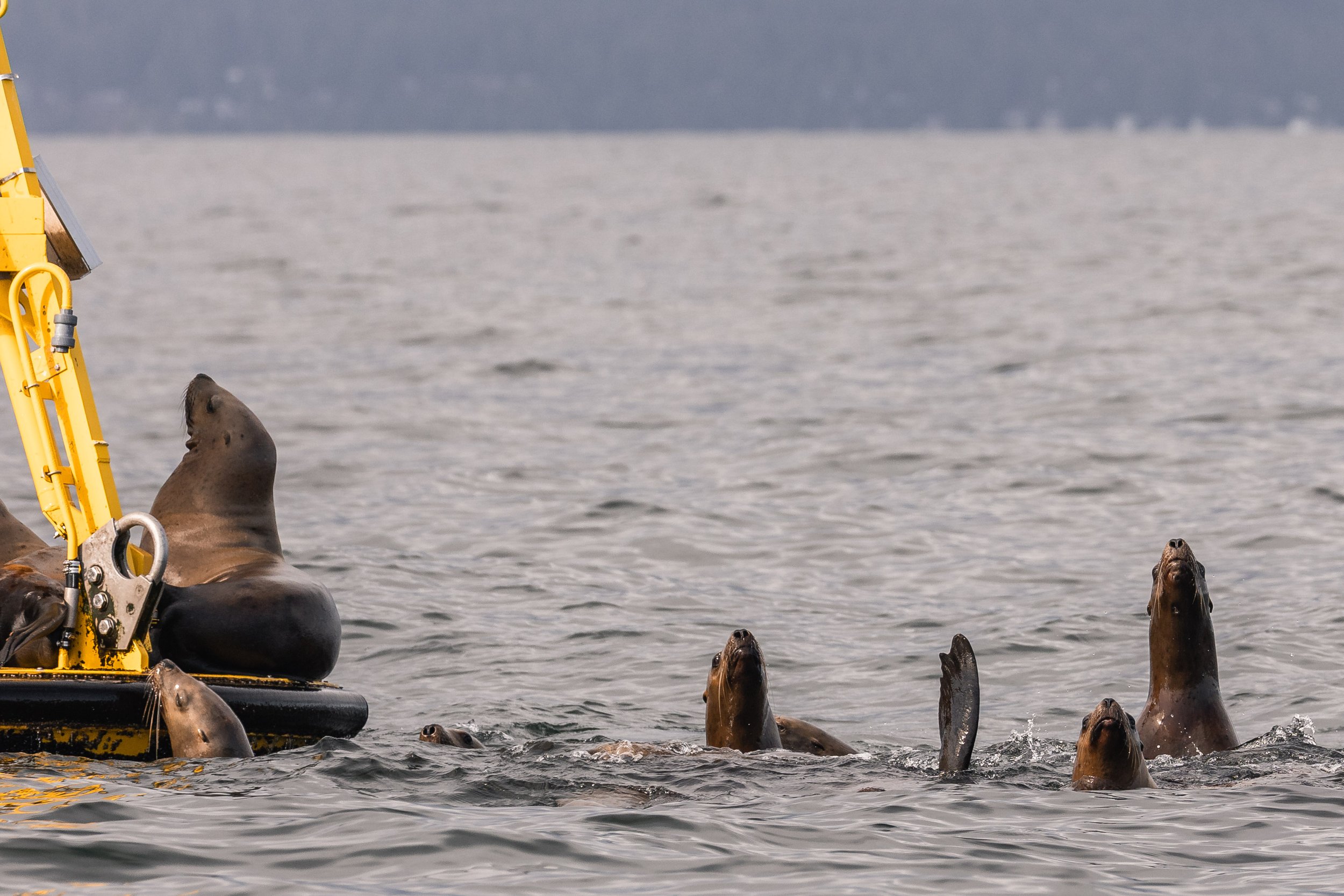
Steller Sea Lions looking at us floating by.
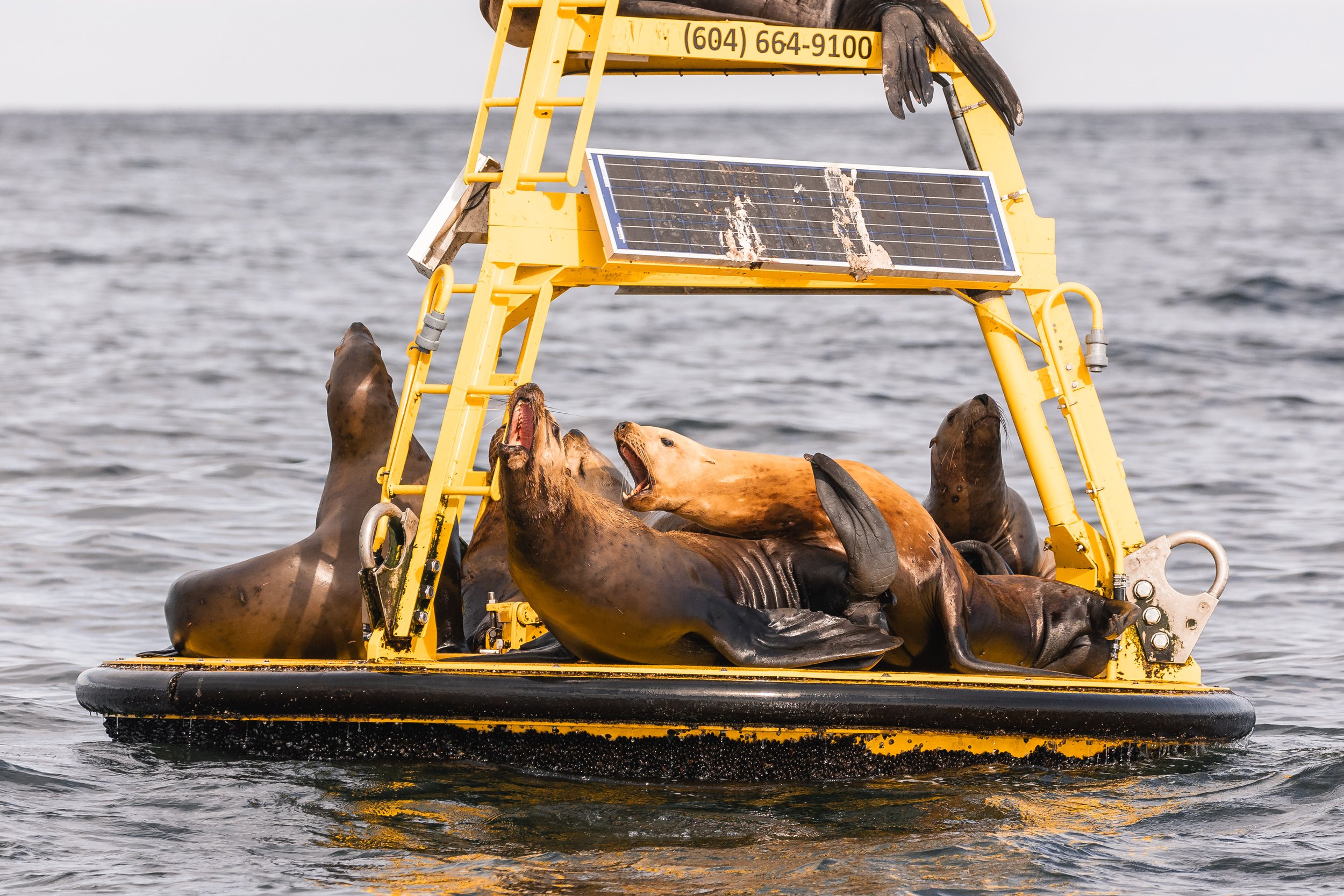
Fights often break out here with the limited space.
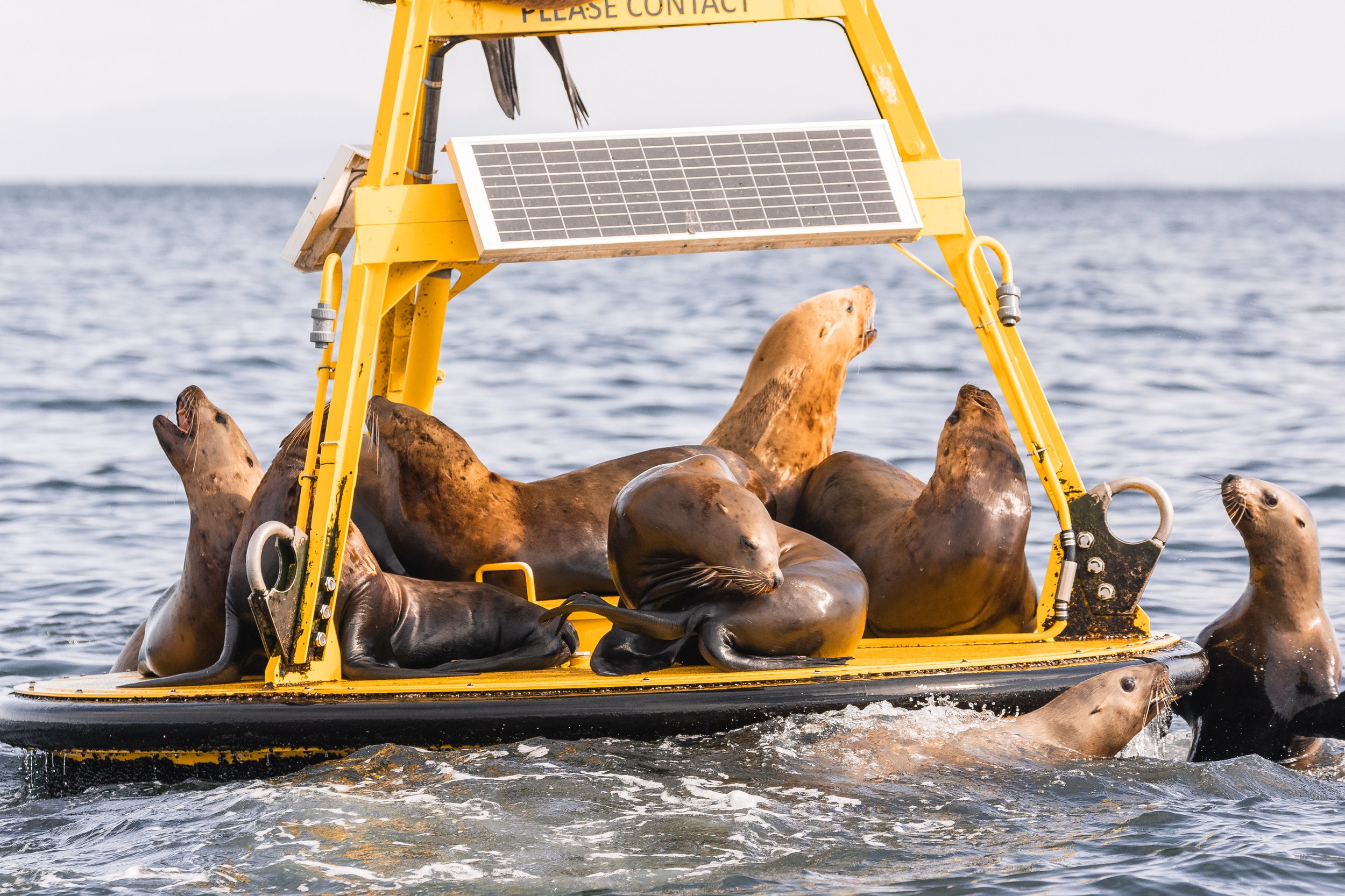
Looks like more space just opened up for the other steller’s eyeing it up from the water.
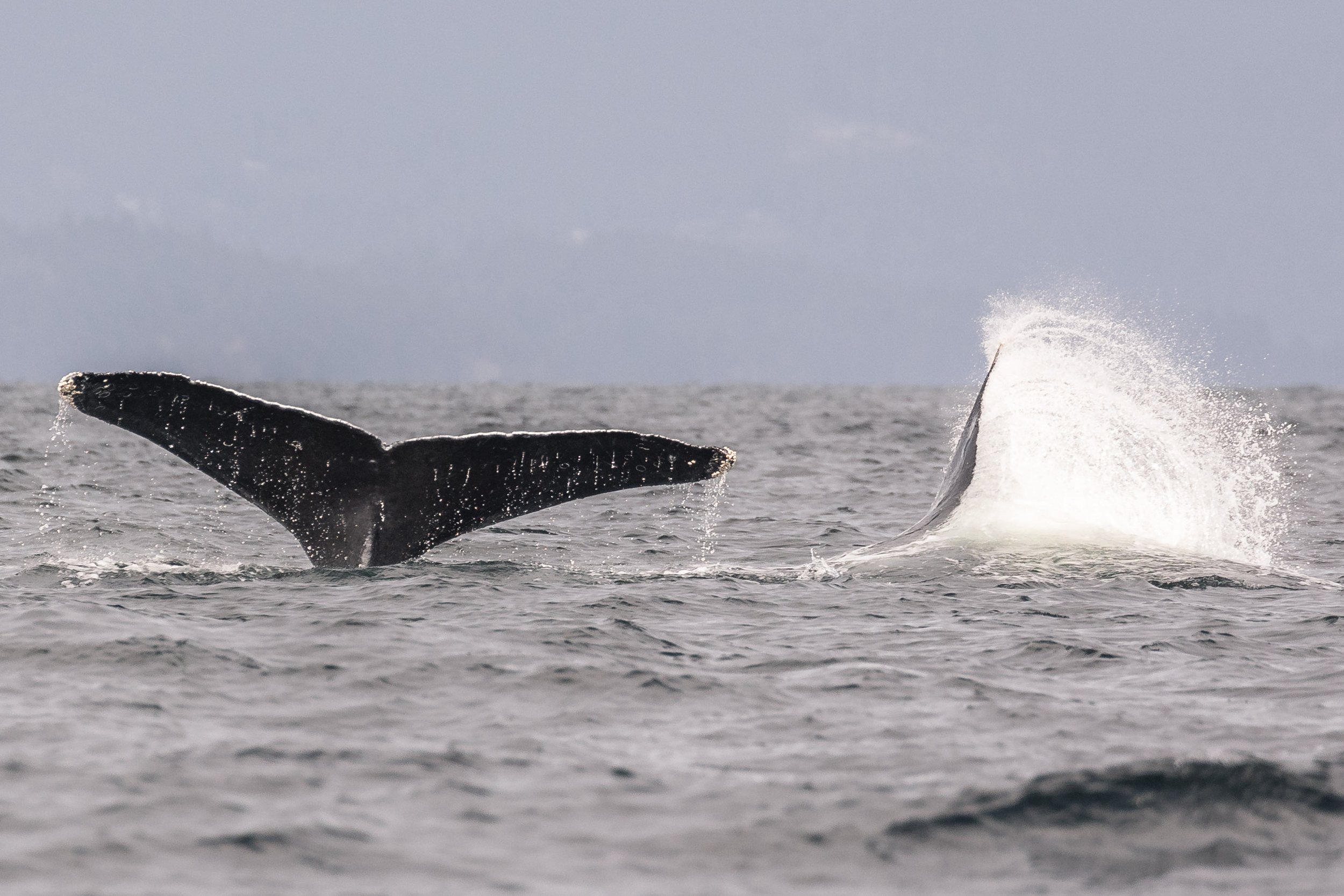
Europa lifting her tail tp dive with another flicking their tail beside her.
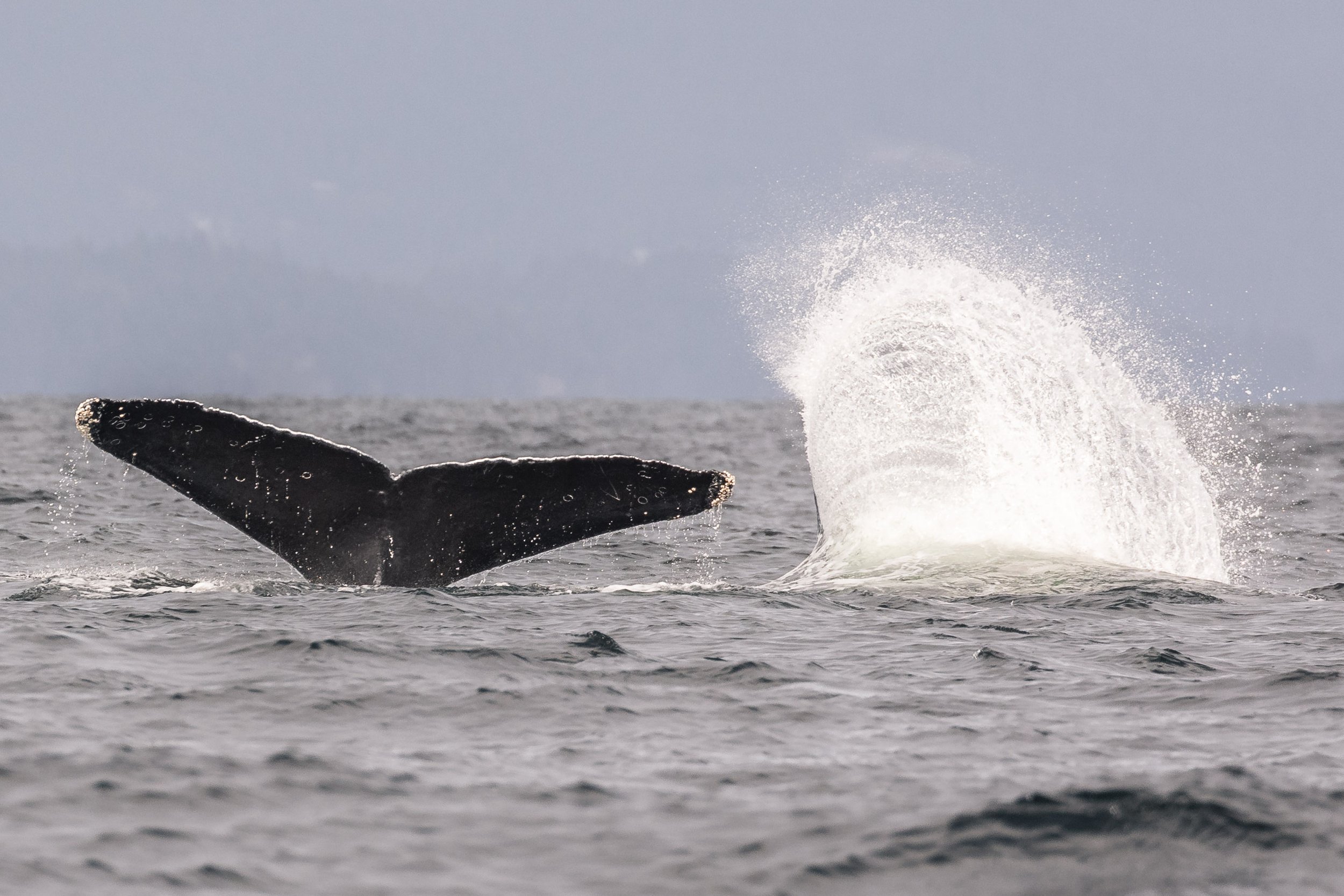
You can see how much power is there with all the water flung in the air!
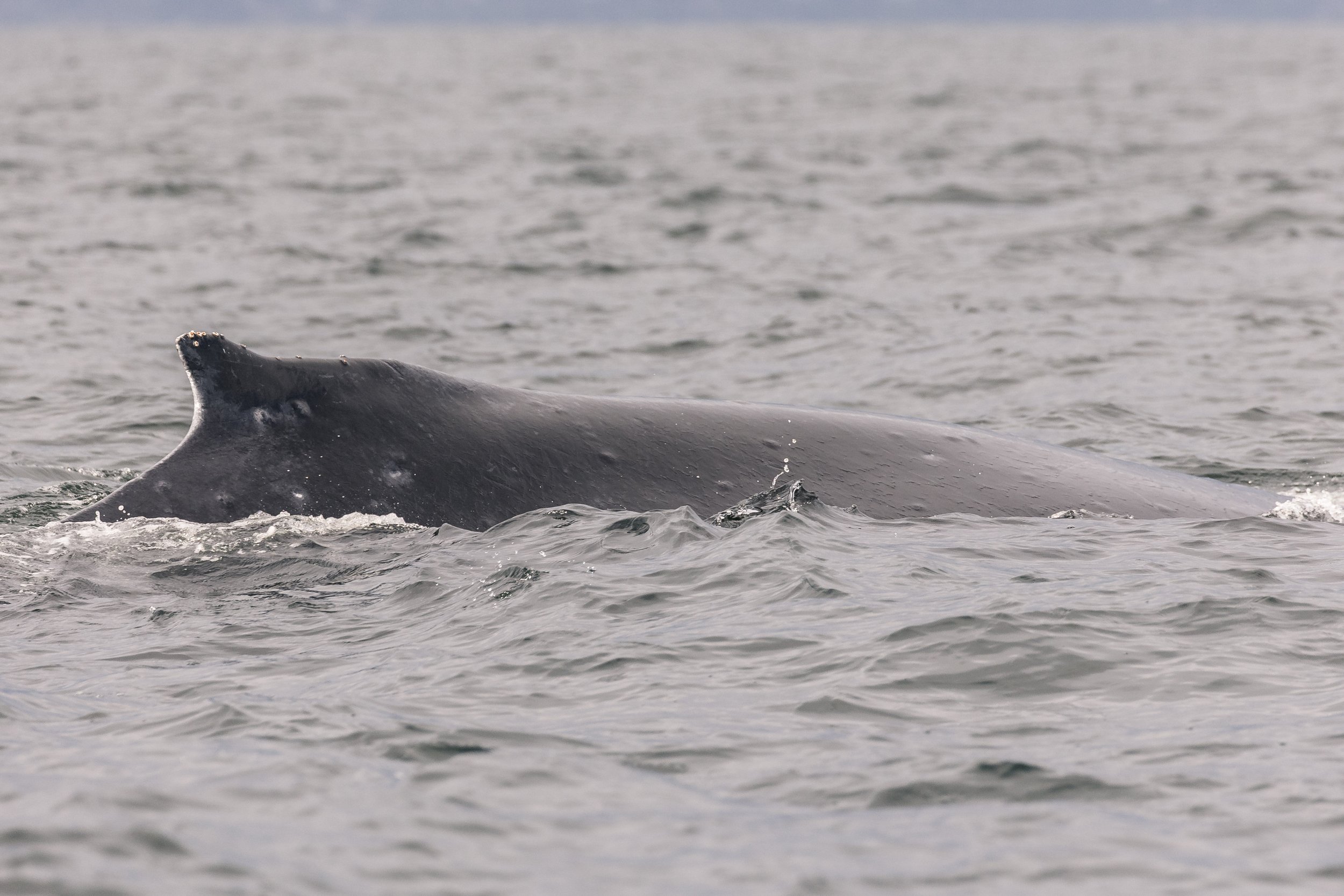
Corona/Phi’s dorsal fin as she surfaces.
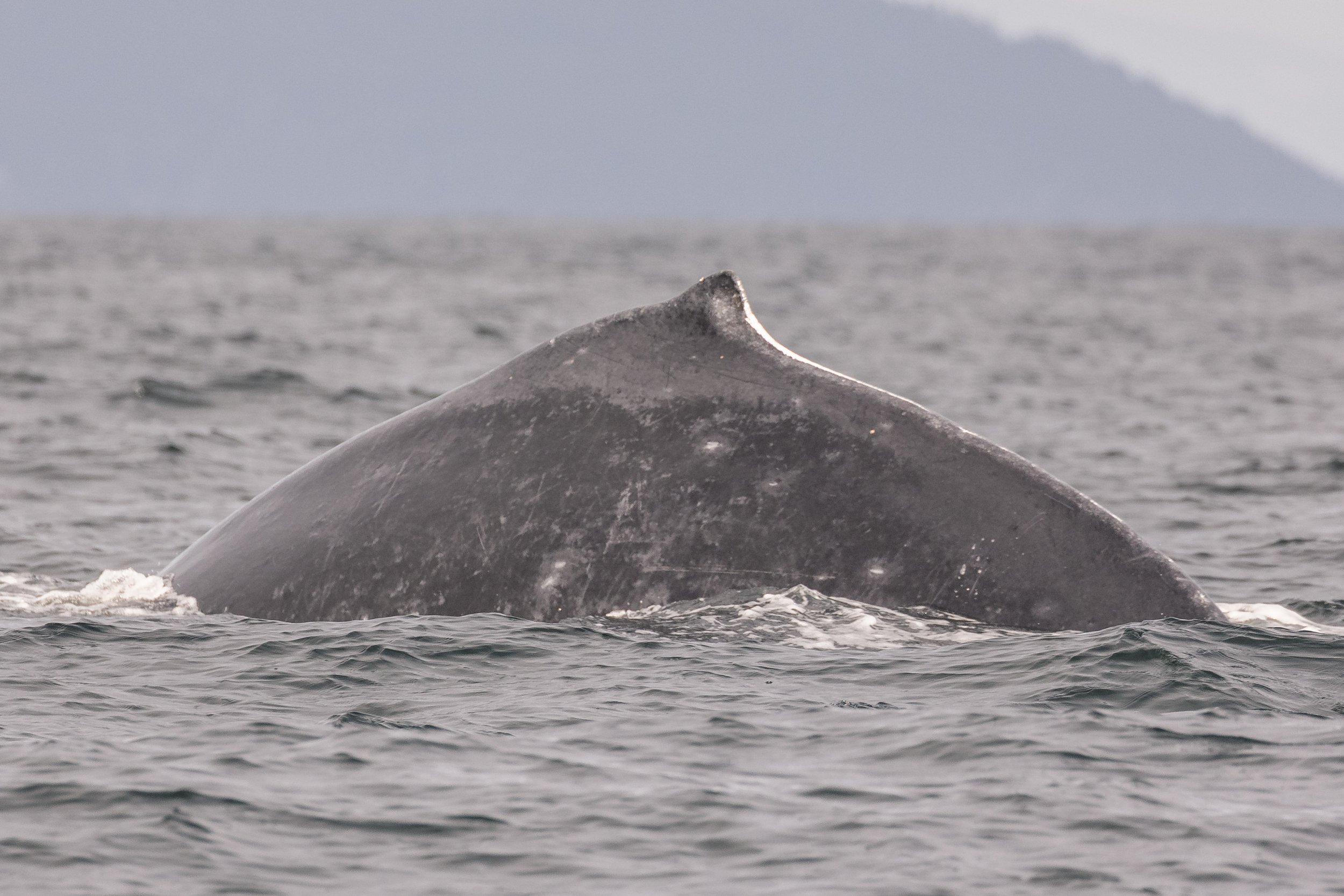
Europa arching for a dive.
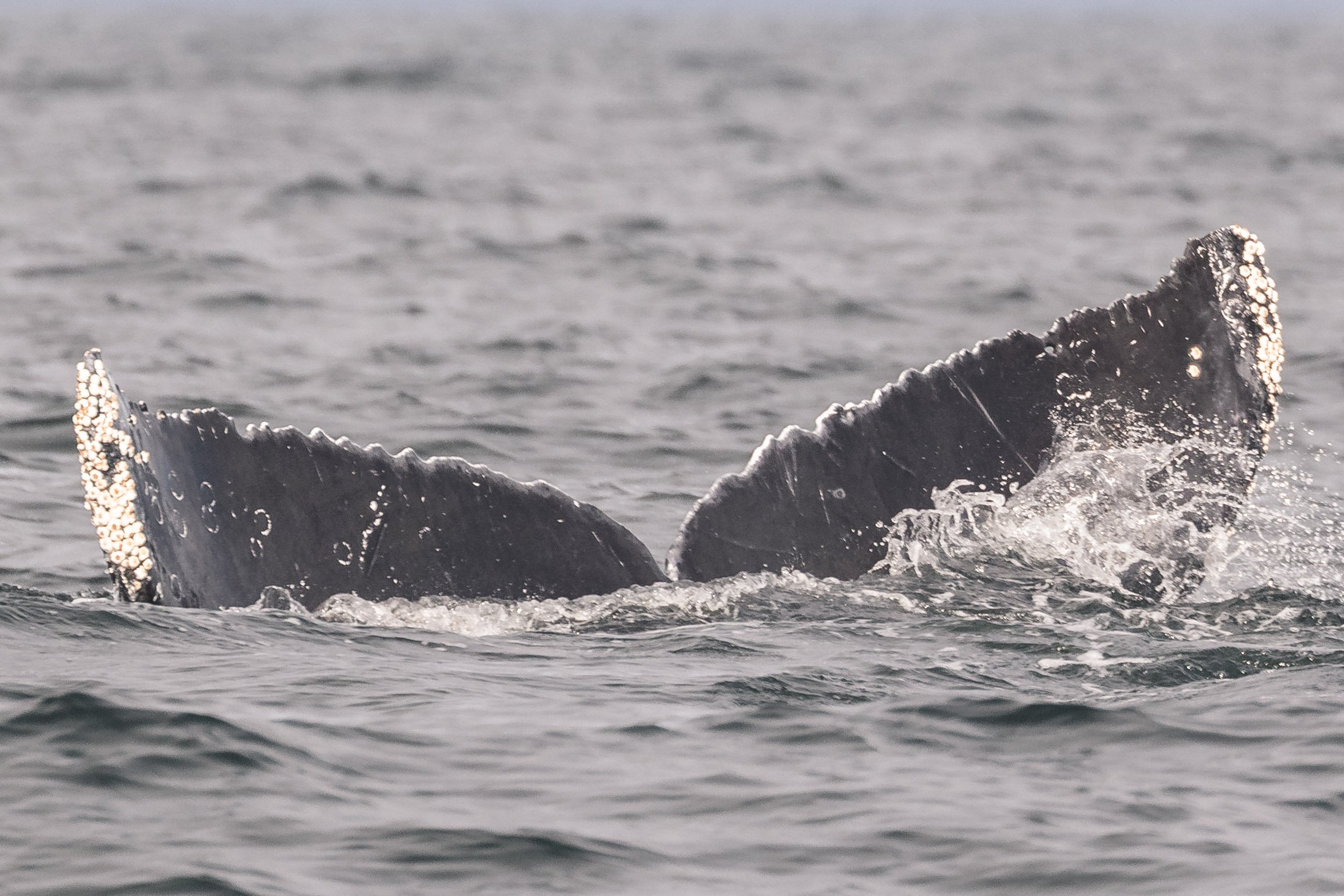
Those barnacle scars (the circular ones) are what gave Europa her name, like craters on a moon.
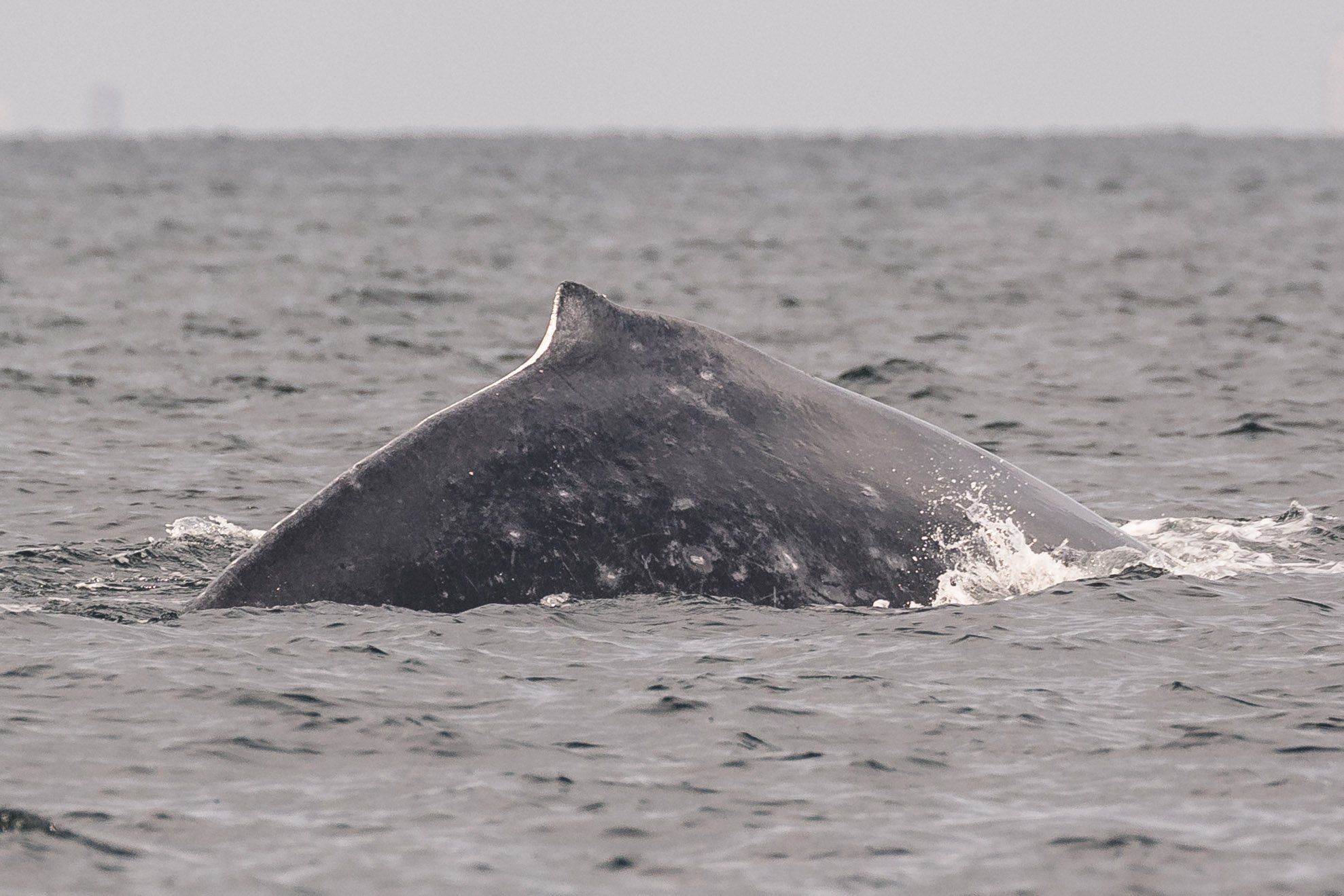
Europa’s dorsal fin as she prepares to dive.
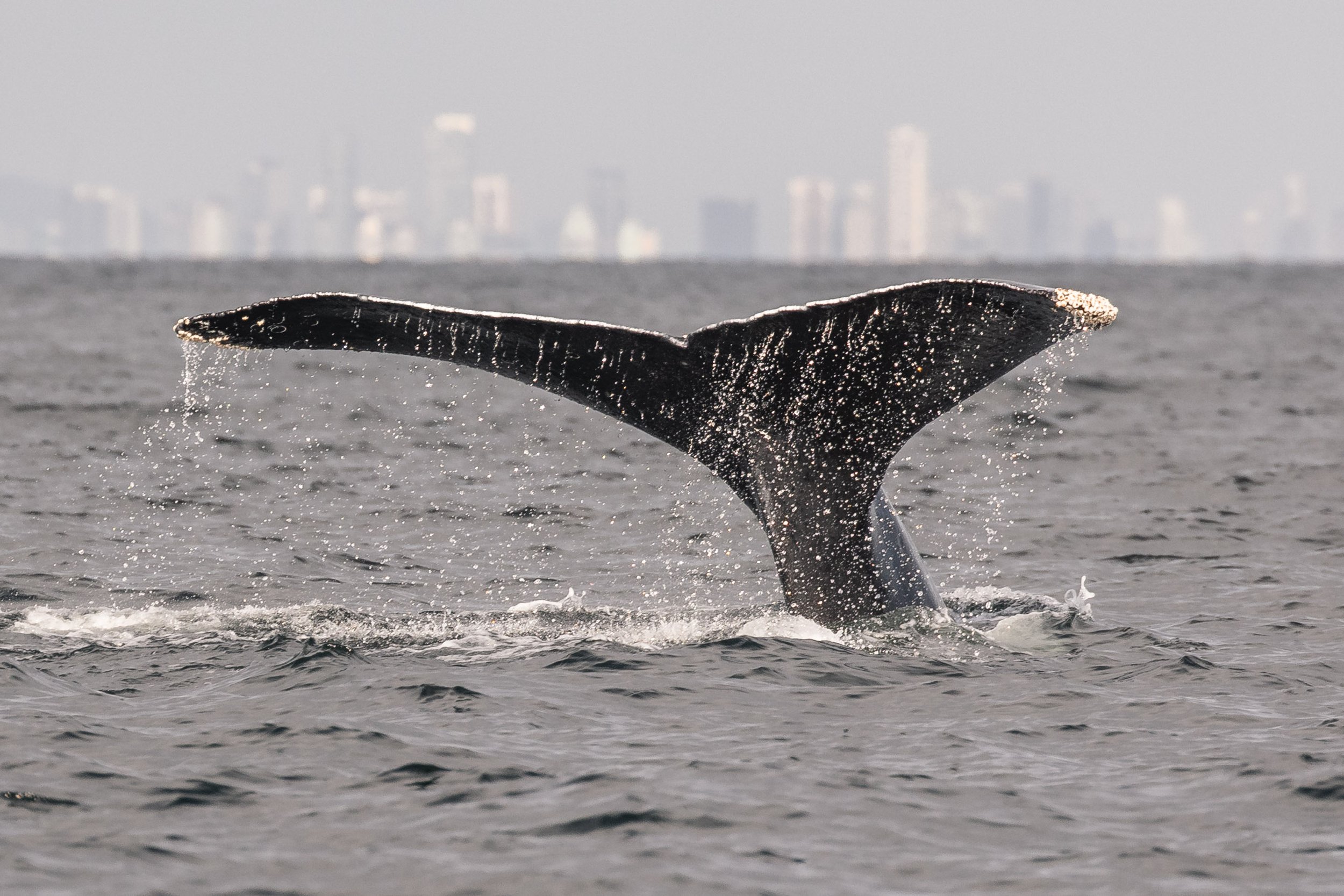
A beautiful fluke waterfall from Europa.
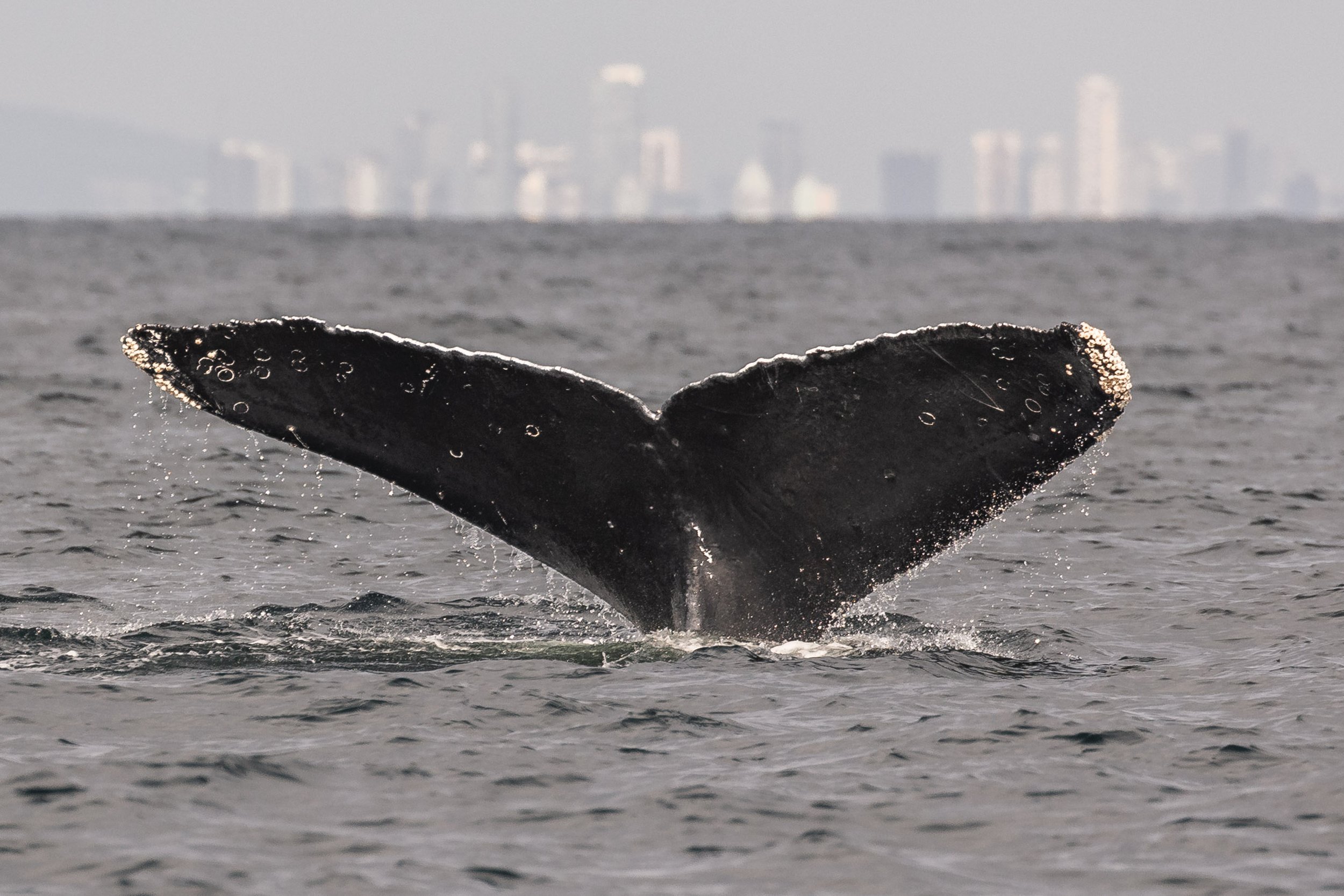
Another look at the underside of Europa’s tail.
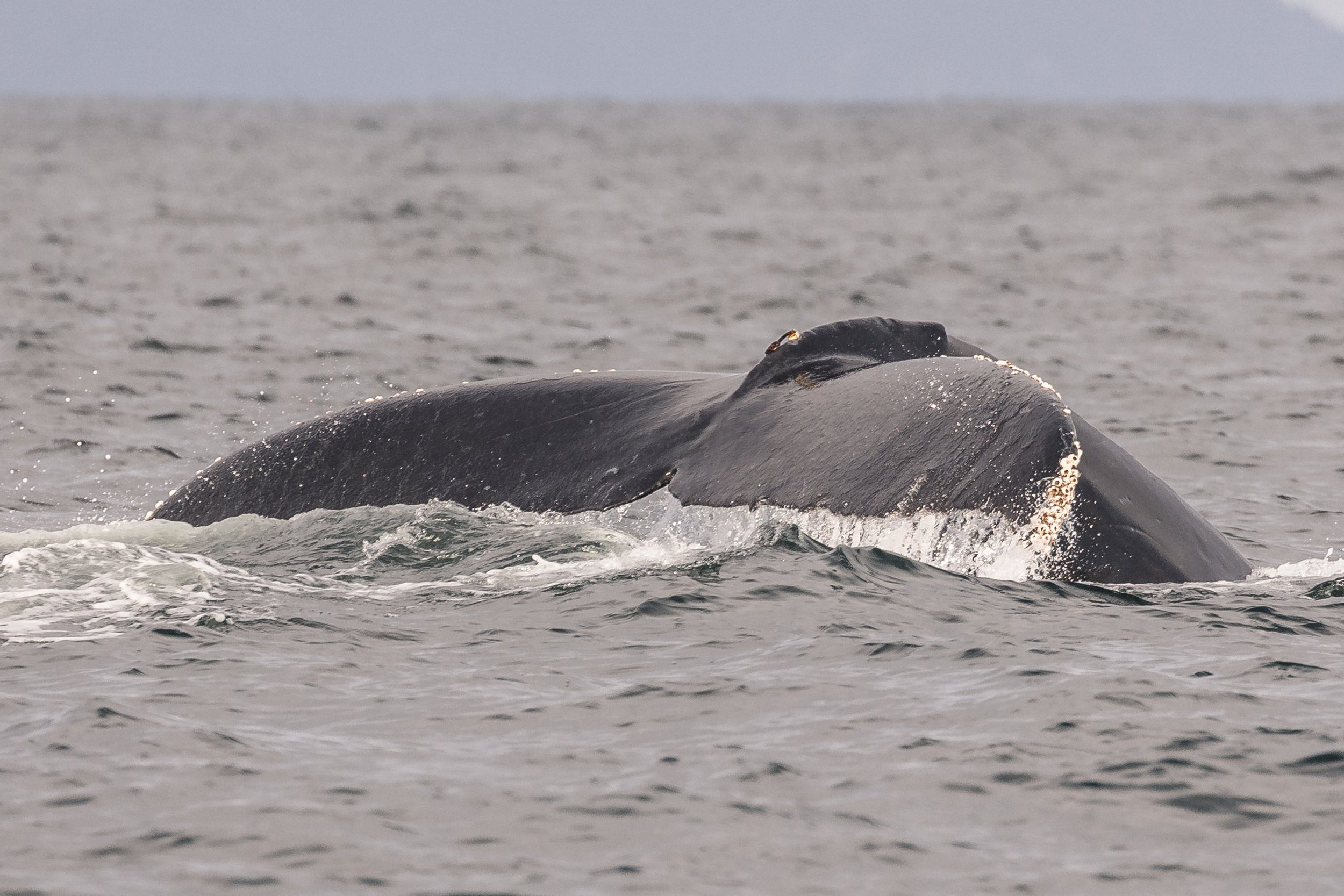
Malachite lifting his tail for a dive.
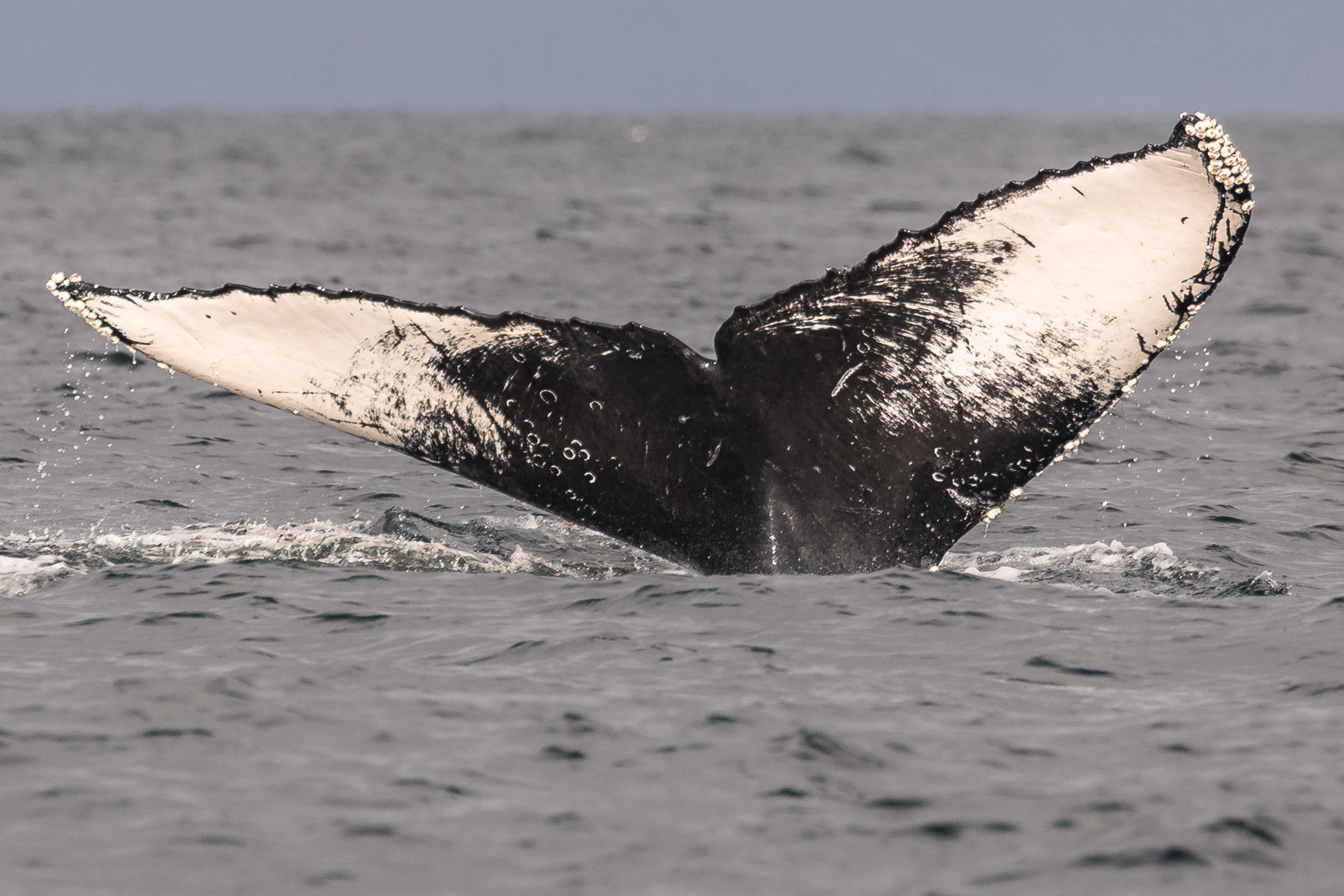
You’ll notice a lot more white on the underside of Malachite’s tail!
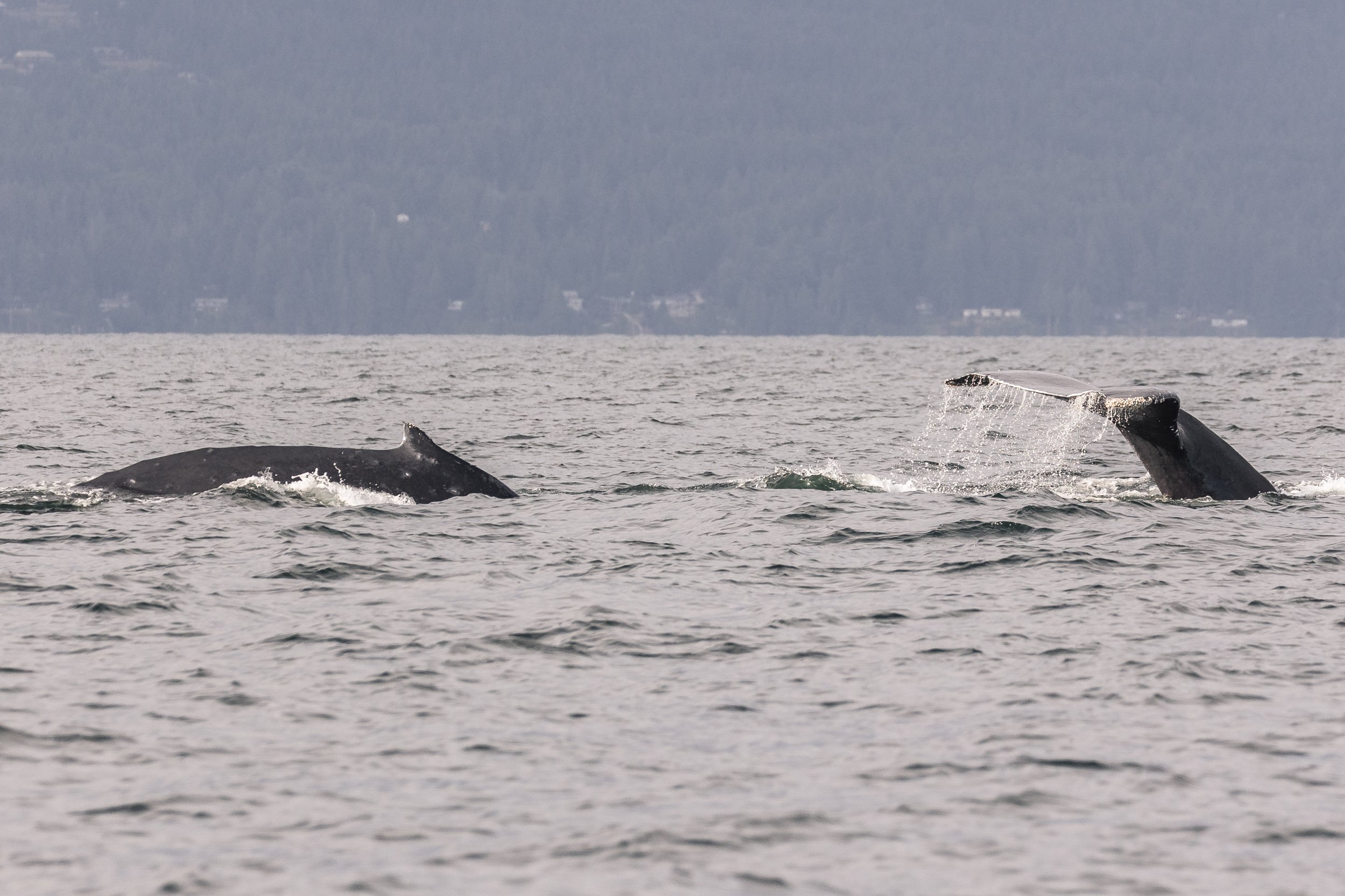
Corona/Phi arching for a dive with Europa fluking ahead of her.