
July 23, 2026, 10:30 AM - The T030 siblings continue their adventures near Nanaimo
Dark skies loomed overhead as we gathered onto our respective boats. Getting situated in our seats, the full fleet pushed off and started to depart from the harbour. The Naturalists on board discussed what to look out for (blows, fins, or flukes), and after a brief introduction, the search was on. None of our whales are equipped with trackers or tags, meaning every trip is a new adventure to find out where they are travelling that day.
Luckily for us, we didn’t have to go far at all today. Just off of Neck Point Park, a pair of black dorsal fins was spotted travelling together. After snapping a few photos and comparing them to our ID guides, we concluded that this was T030A and T030C, a sibling duo uncommon to our area:
T030A Sequoia ♂ (1986)
T030C Salix ♀ (2005)
The taller fin of the pair, Sequoia, has a unique bend to the tip of his dorsal fin. This, paired with photos of his eyepatch and saddlepatch scarring, can be used in conjunction to confirm individual identities. The siblings are spotted a few times every couple of years, so every sighting we have of them feels extra special!
Salix and Sequoia have been travelling alone since 2023, when their mother, T030 Elwah, is believed to have passed away. Matriarchs are vital to orca society, as they teach their descendants important information, such as the best places to hunt and dangerous areas to avoid. When they pass on, typically males will disperse and begin travelling as lone males. However, these siblings seem to have decided to travel together and keep their familial bond strong. They have also been spotted travelling with their sister, T030B Lyra, and her calves during mini family get-togethers over the past year.
The pair were seemingly having the ultimate low-energy day as we viewed them - drifting along, occasionally letting blows break the surface of the water before continuing to bob. It appeared that they were resting near the surface. Resting is a bit different for cetaceans than for us, as they are conscious breathers, meaning they must think about each and every breath they take throughout their entire lives. Because of this, sleeping happens in a partially awake state, known as Unihemispherical Rest. Half of the brain slows down, while the other half stays active and alert, raising the body to the surface to breathe, and scanning the area for any signs of danger.
After some time with the duo, we began to depart and once more went into search mode. The day had only just begun, and there were many other wildlife spots to check out!
Spreading out and searching, we made our way along the coast. The landscape was dotted with small islets, which are perfect habitats for many of our bird and pinniped species. One of these spots, lovingly dubbed “Stinky Rocks”, was our destination. Rotund spotted Harbour Seals lazily yawned and stretched high up on the rocks, trying their best to dodge the surf as the waves lapped at the rocks. These small seals are the most prevalent pinniped species in the Pacific Northwest, and can be found on our shoreline year-round. Right now we are in the heart of pupping season, and many tiny faces could be seen beside the adults.
Nearby, boisterous Steller Sea Lions galloped over the rocks. Significantly more agile on land than the seals, they often can be seen expertly moving along as they fight for the best areas of rock to relax on. The number of sightings we have of Steller Sea Lions on our trips is starting to decline as more and more of them depart for the breeding grounds, but at this time there are still a few sassy individuals who would rather live the comfortable life of snacking and snoozing in our waters before they start their epic journey.
Pinnipeds and whales aren’t the only wildlife we spotted, though. Many different birds were seen across the Salish Sea. Parcels of Black Oystercatchers were chittering together, resting on the shores. A couple of Pigeon Guillemots (identifiable from their bright red feet) were paddling along, contemplating their next meal. Overhead, large Bald Eagles perched high up in the trees, scanning the waters below. What was once a critically endangered species has now bounced back with amazing success, with their population now reaching several thousands.
After an adventurous afternoon, we began heading back towards Nanaimo. We had had a fantastic time learning and seeing so many different species that call the Salish Sea their home.
Photos by Marine Naturalists Aly Kohlman, Evan Hessels, and Vanessa Vereschahen - please enjoy!
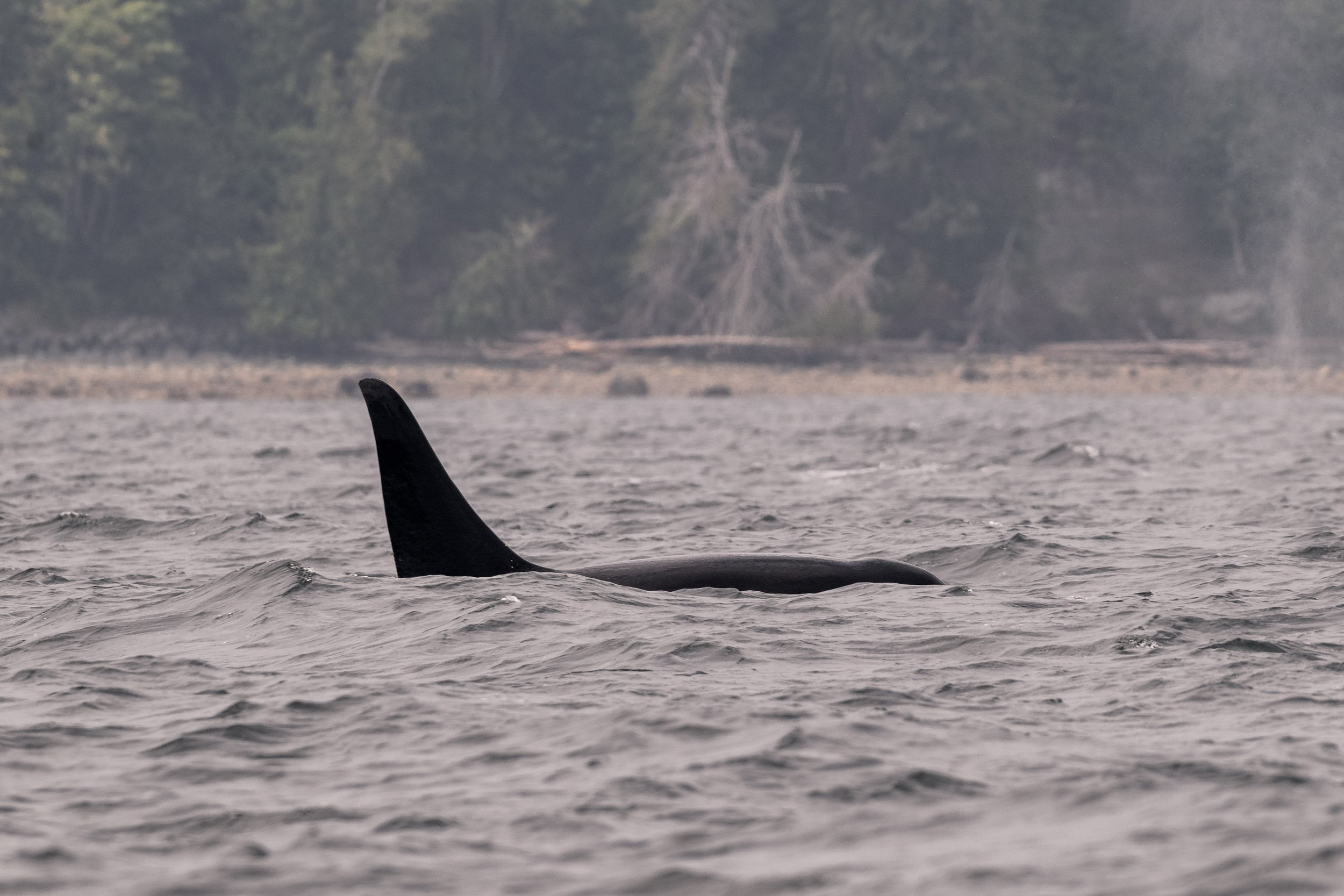
T030A Sequoia travelling. Photo by Aly Kohlman.
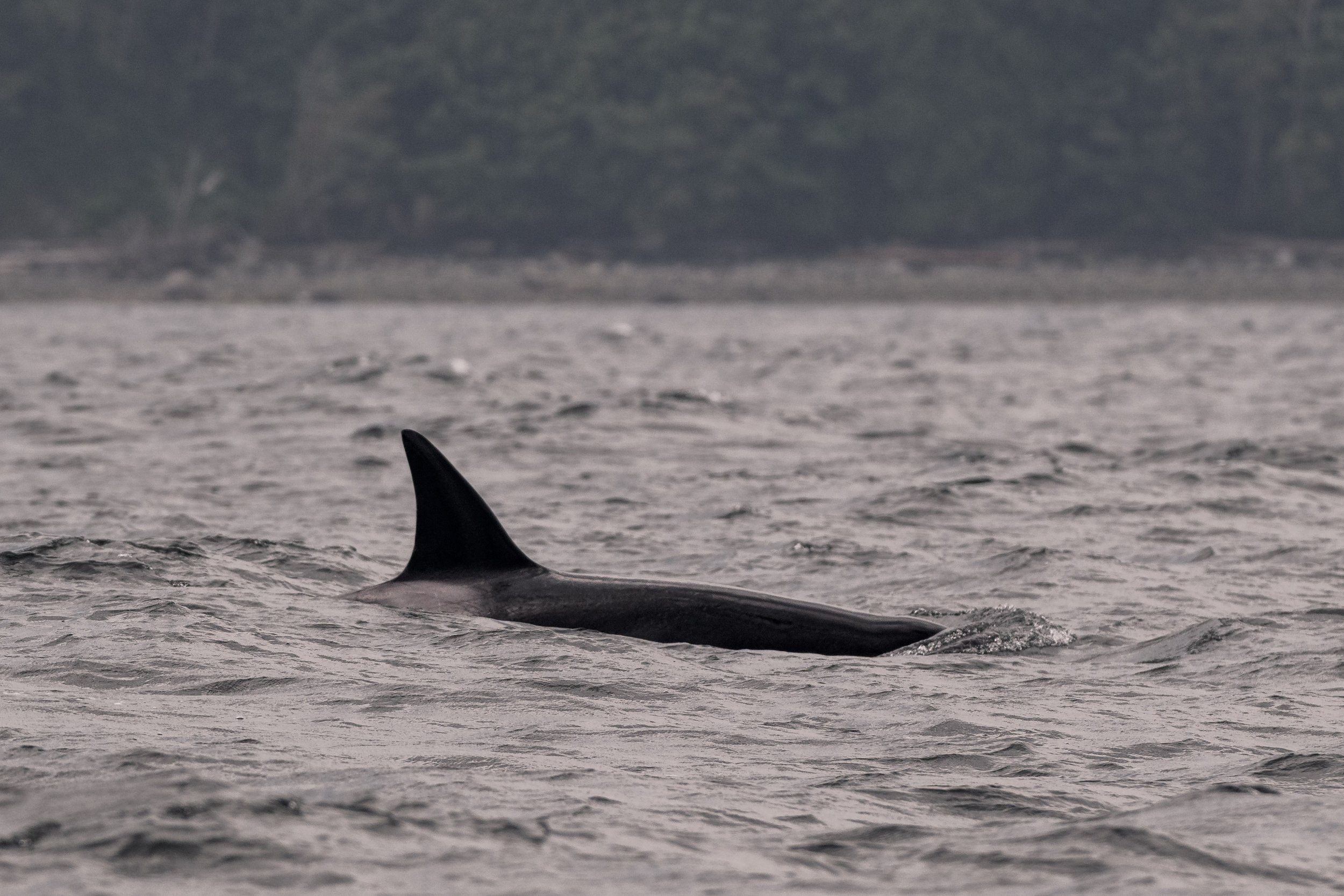
T030C Salix, the smaller whale of the pair. Photo by Aly Kohlman.
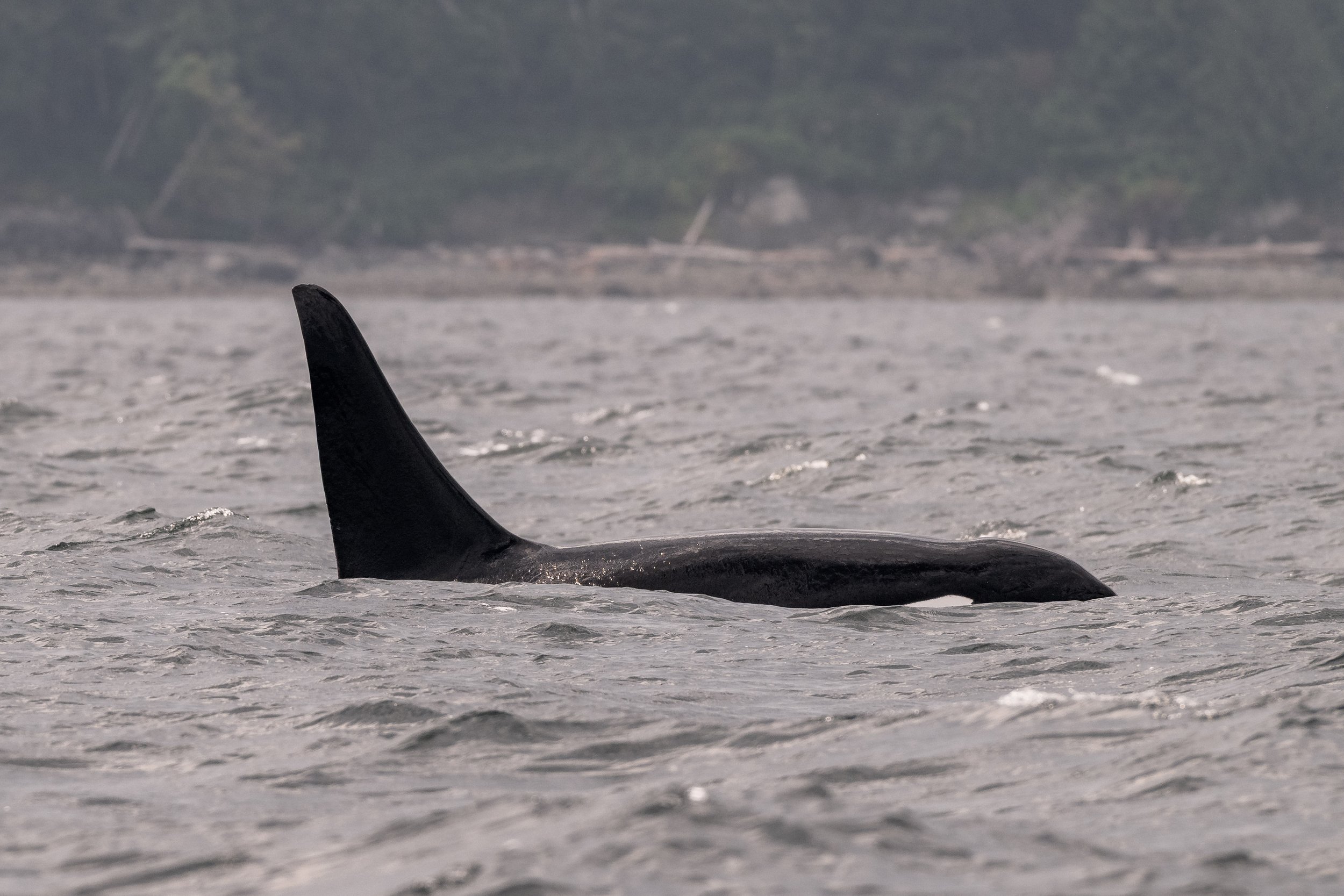
T030A Sequoia has a bit of a lean to the tip of his dorsal fin. Photo by Aly Kohlman.
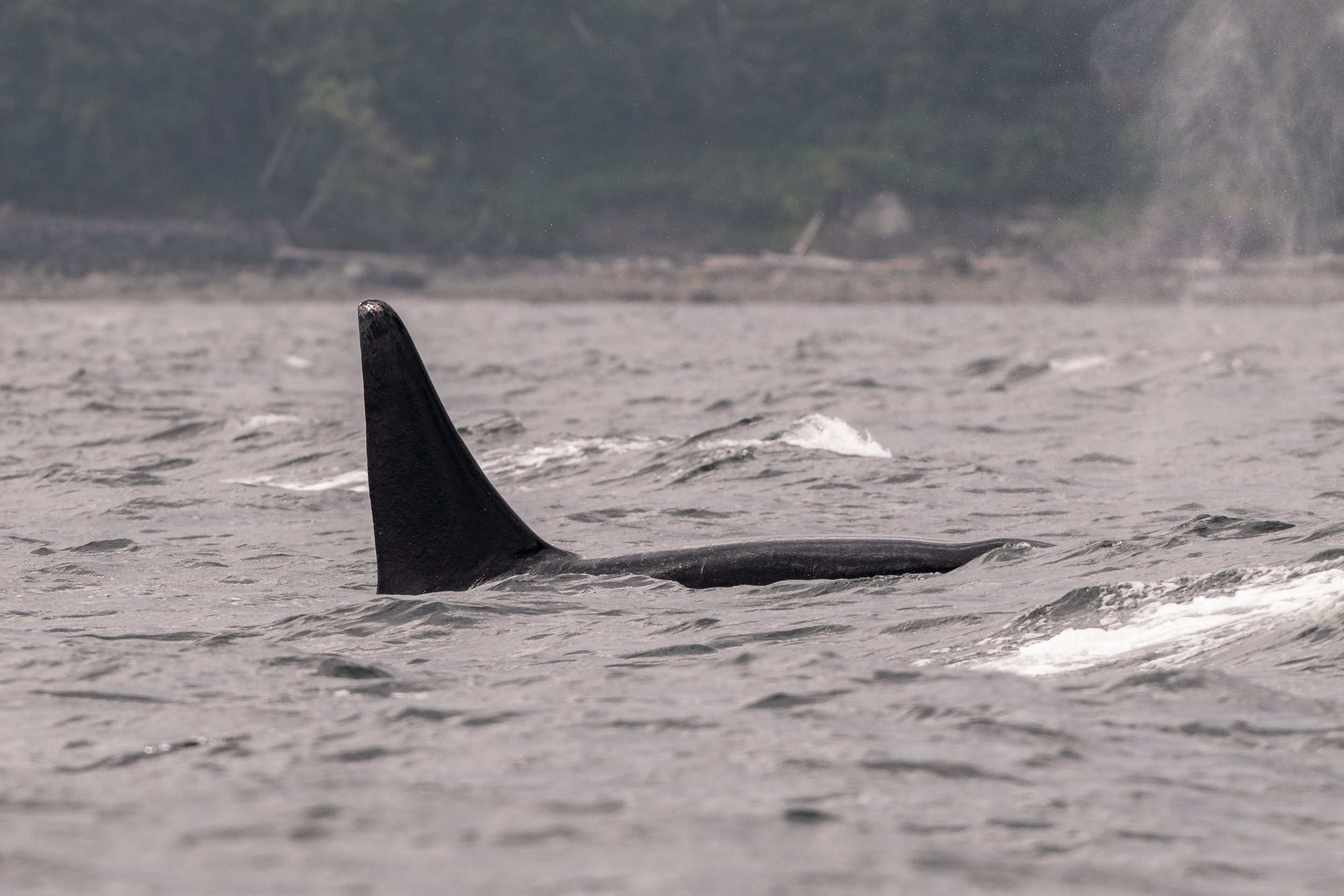
T030A Sequoia’s giant dorsal fin. Photo by Aly Kohlman.
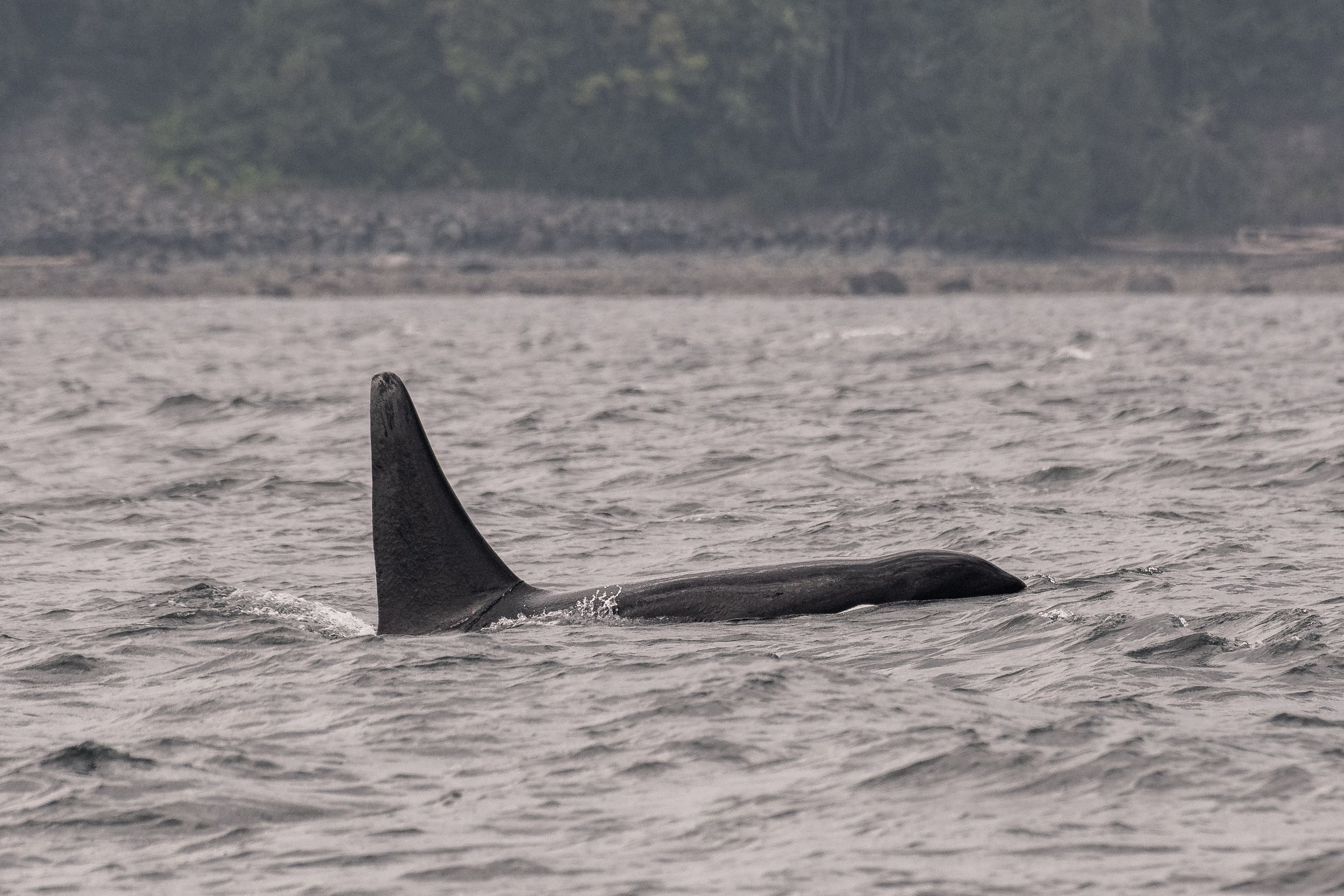
T030A Sequoia charging through the surf. Photo by Evan Hessels.
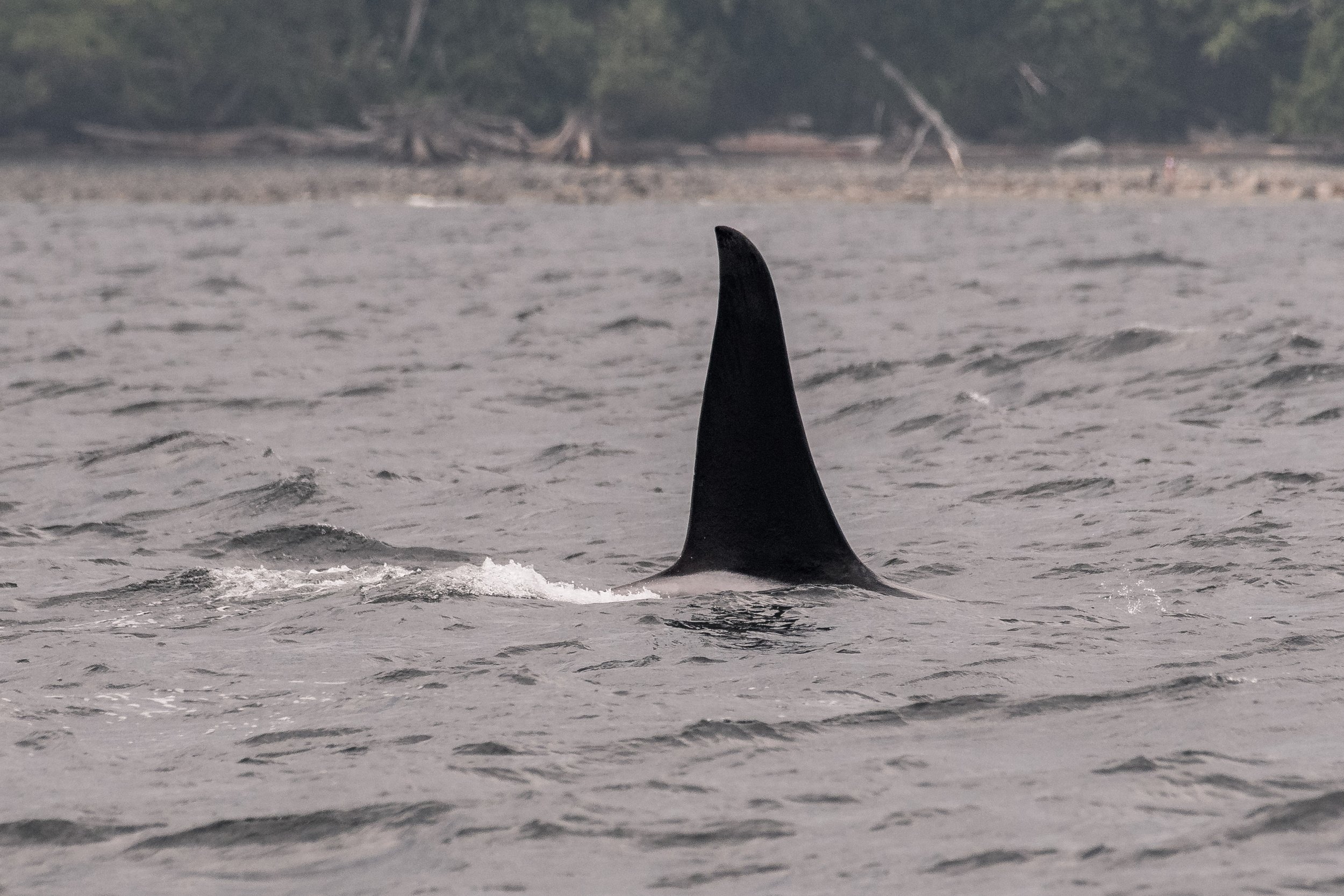
Can you spot T030A Sequoia’s bend in this shot? Photo by Evan Hessels.
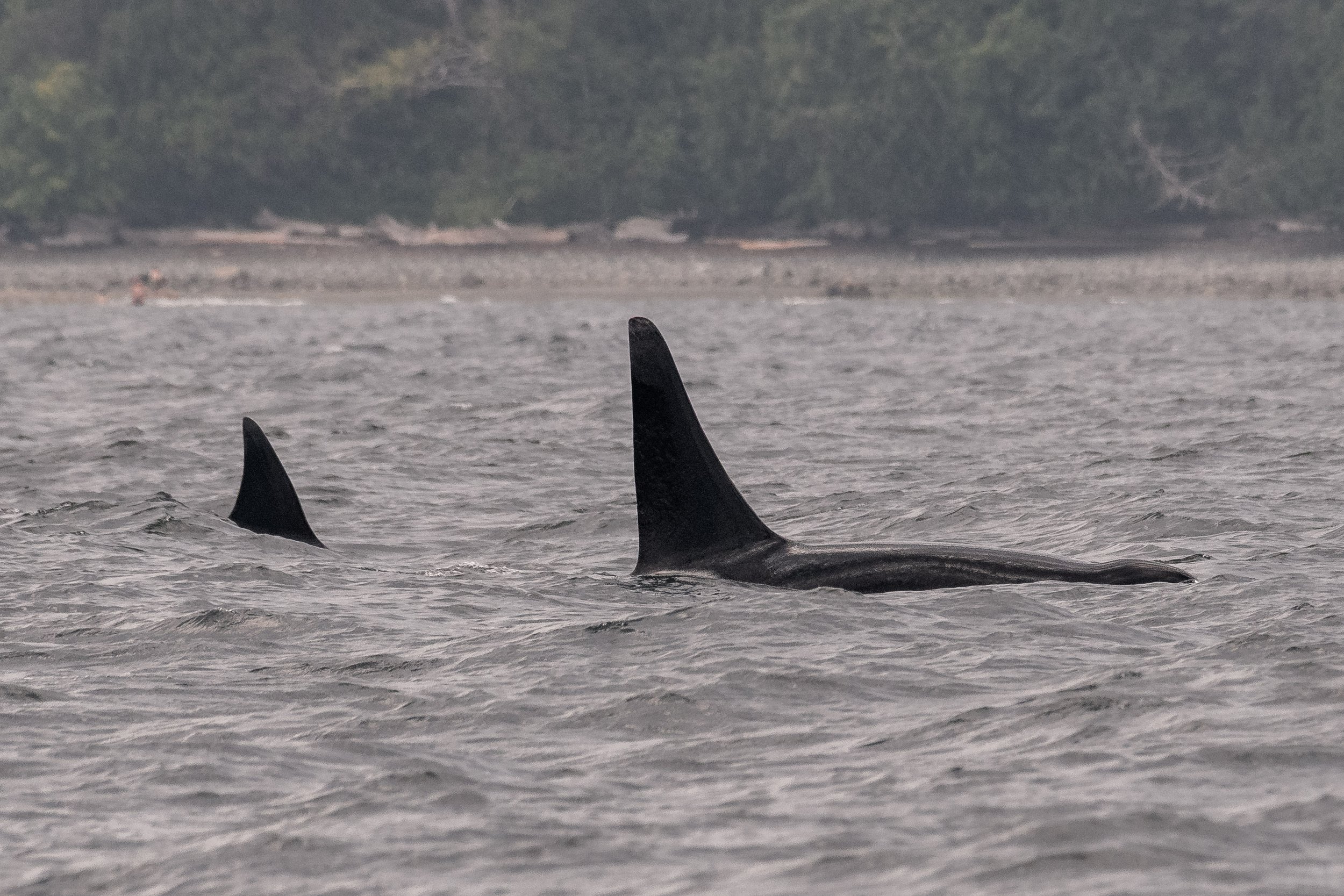
T030C Salix and T030A Sequoia. Photo by Evan Hessels.
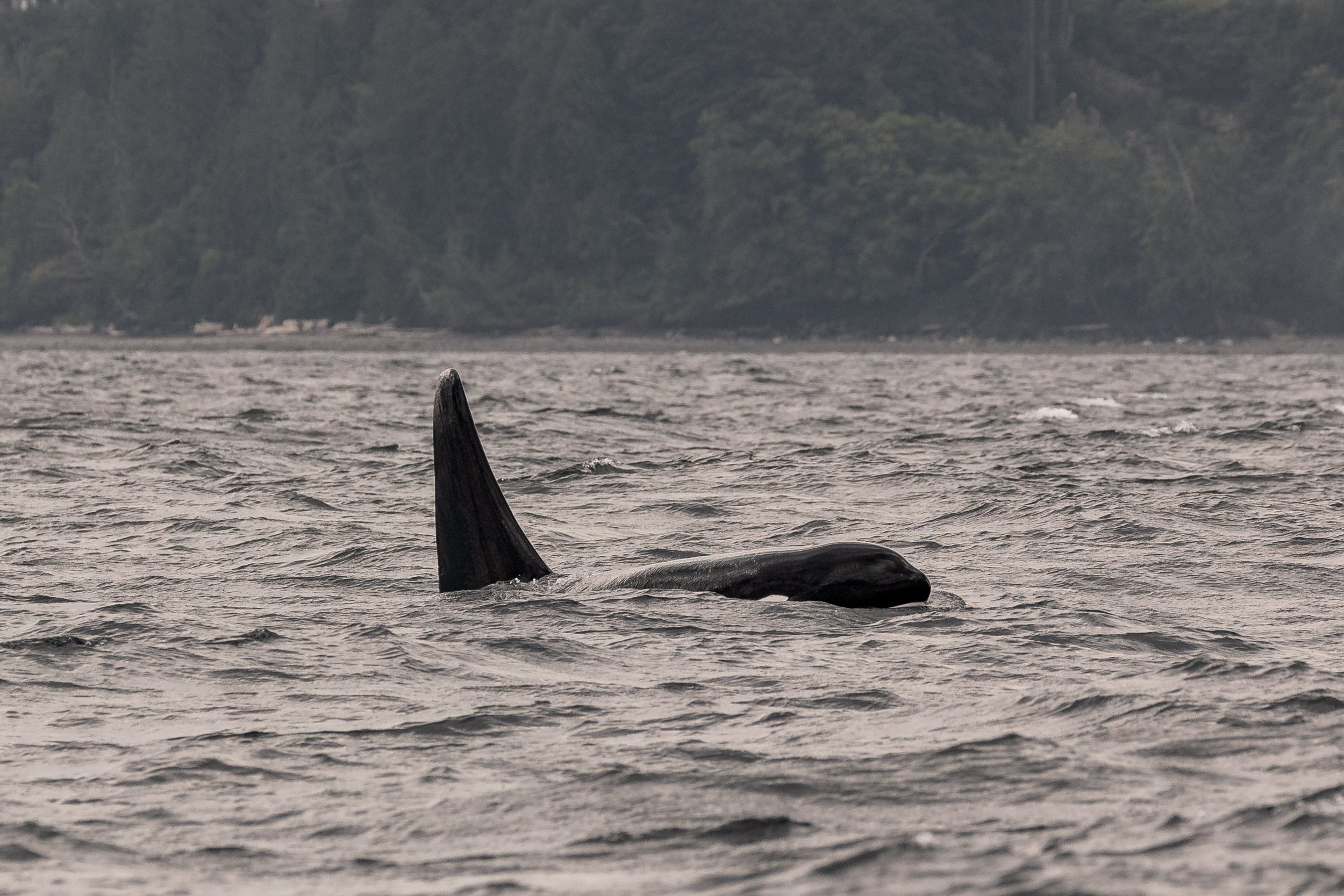
T030A Sequoia with his rostrum out of the water. Photo by Vanessa Vereschahen.
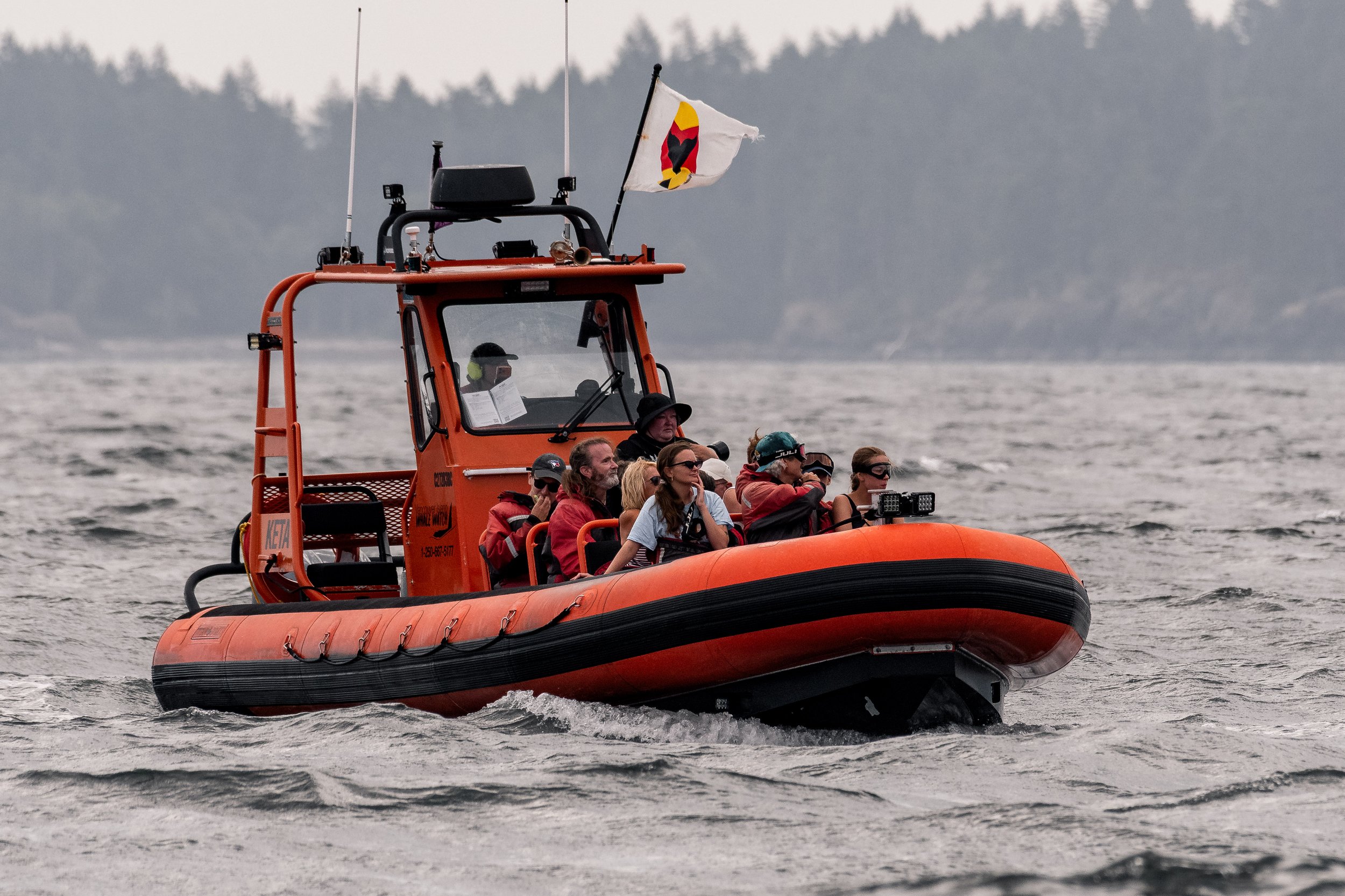
Crew and guests aboard Keta watching the whales. Photo by Evan Hessels.
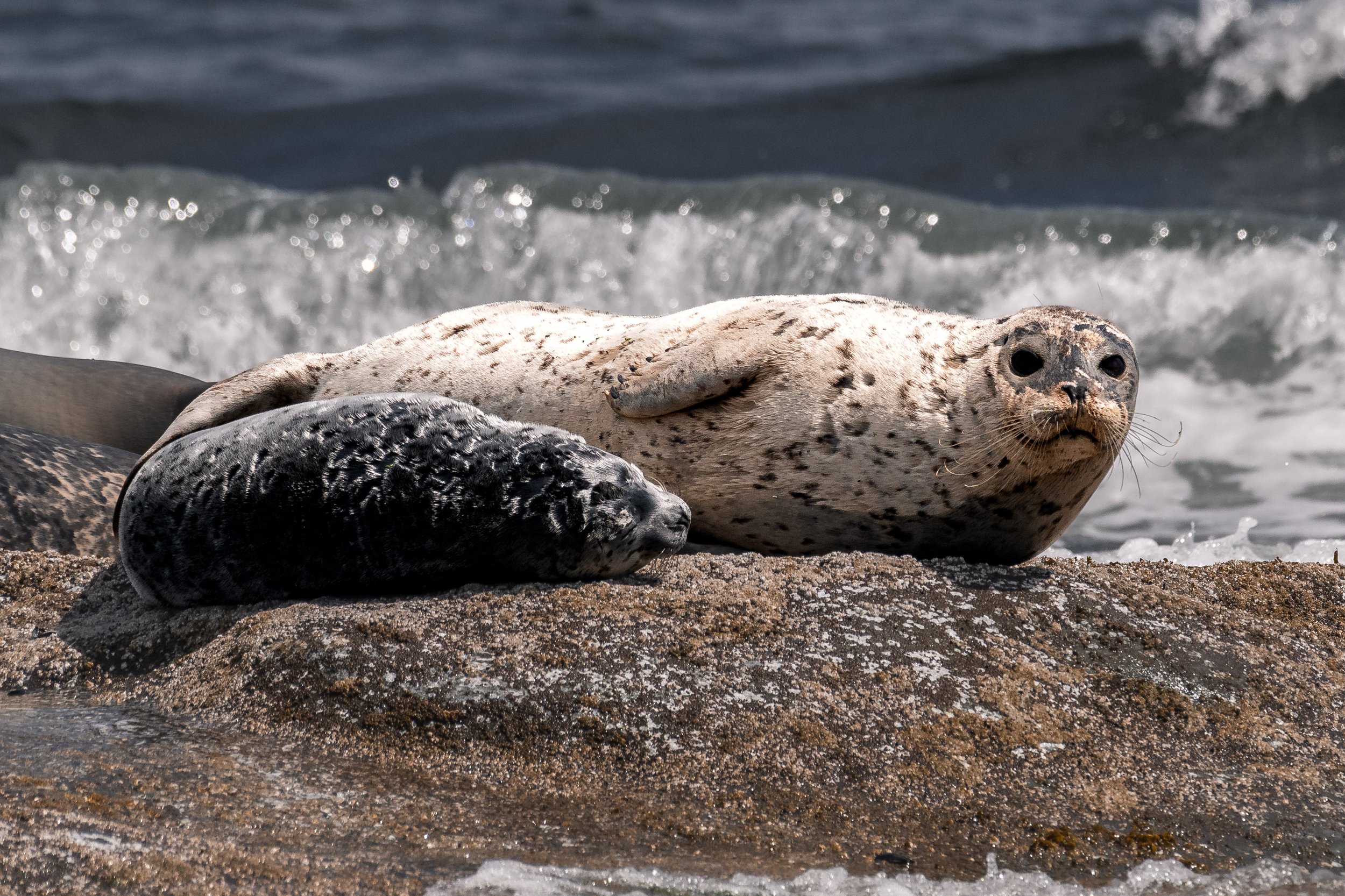
A Harbour Seal taking a curious peek at us. Photo by Evan Hessels.
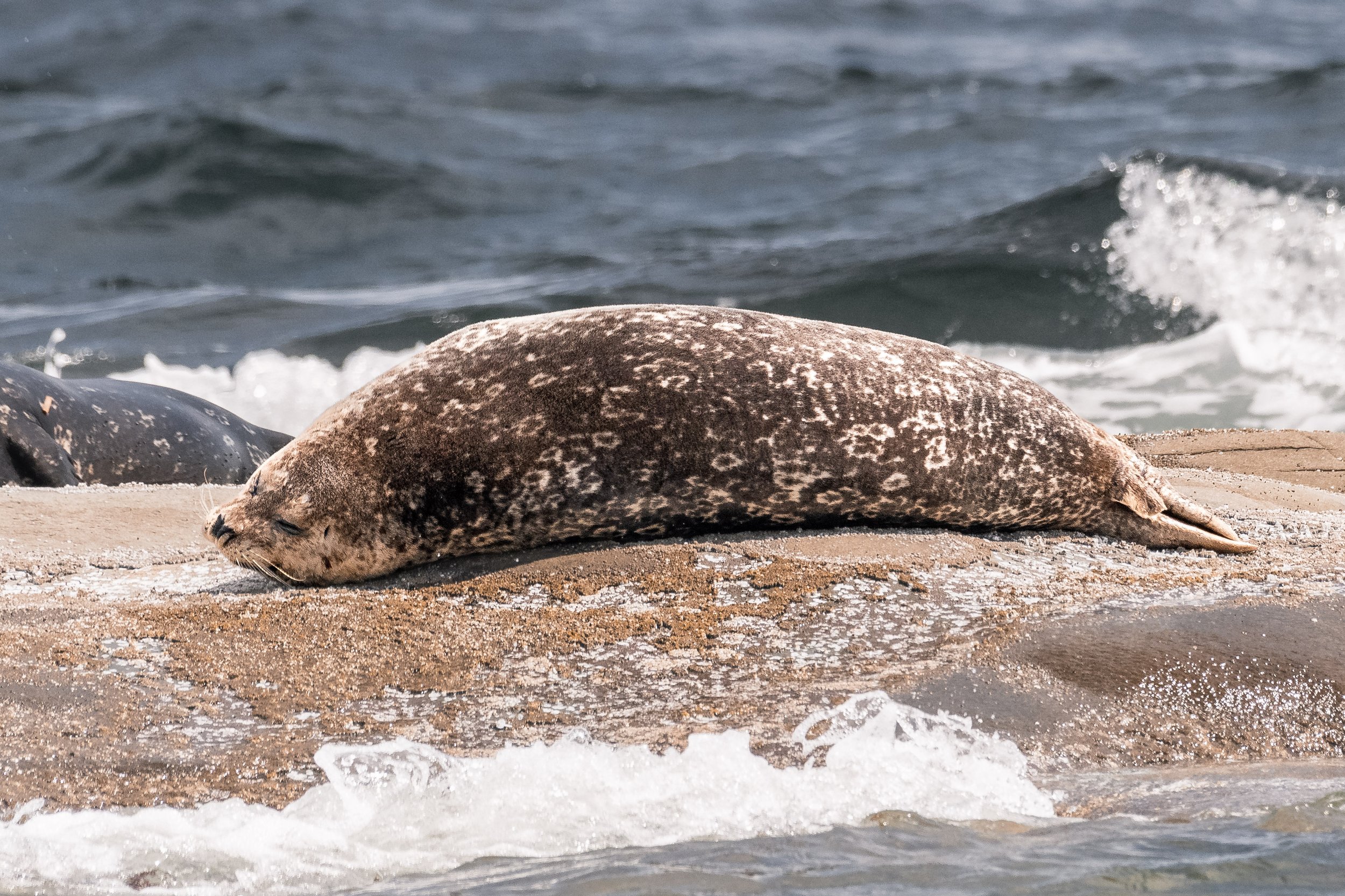
A perfectly balanced Harbour Seal. Photo by Evan Hessels.
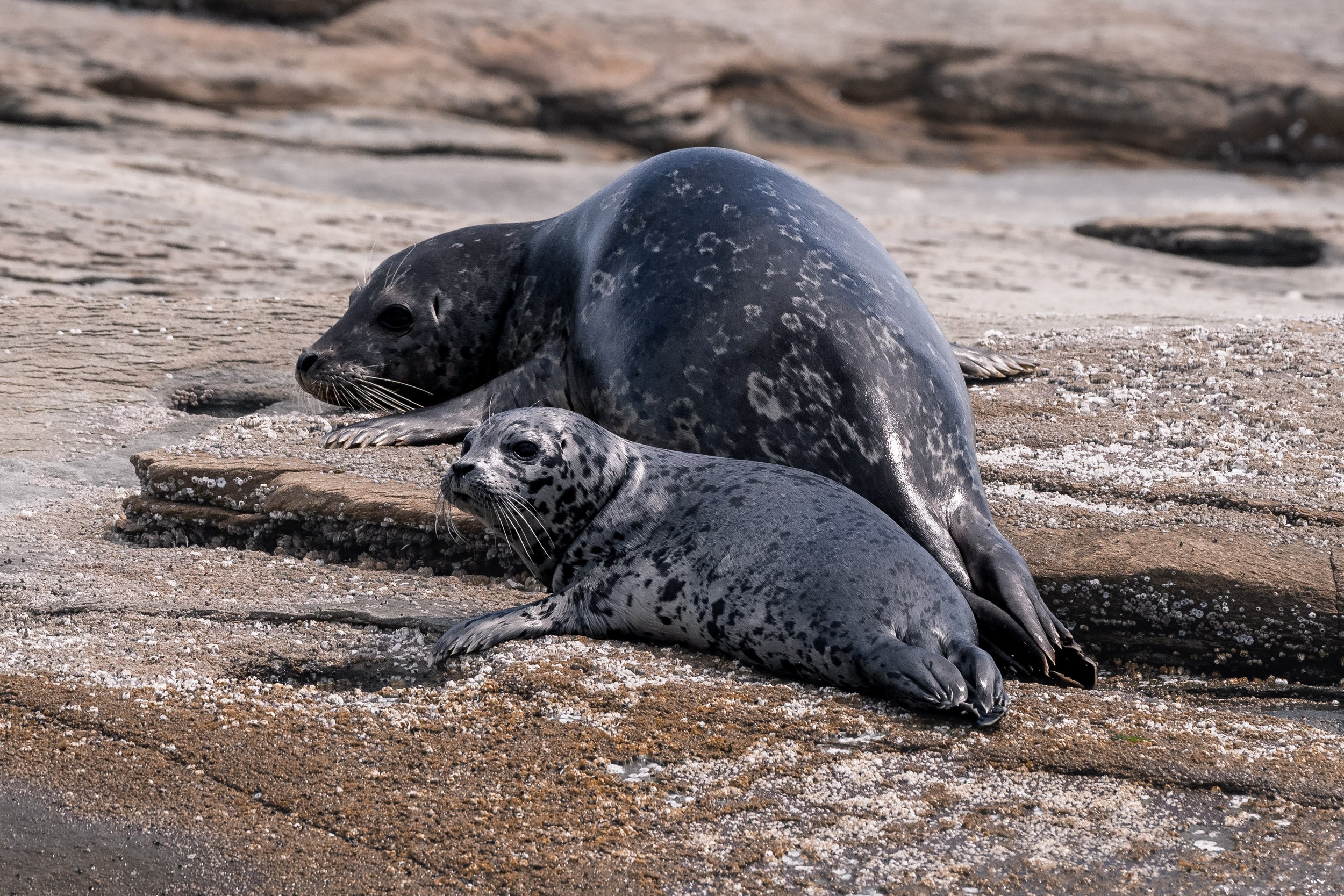
A younger pup with its mother. Photo by Aly Kohlman.
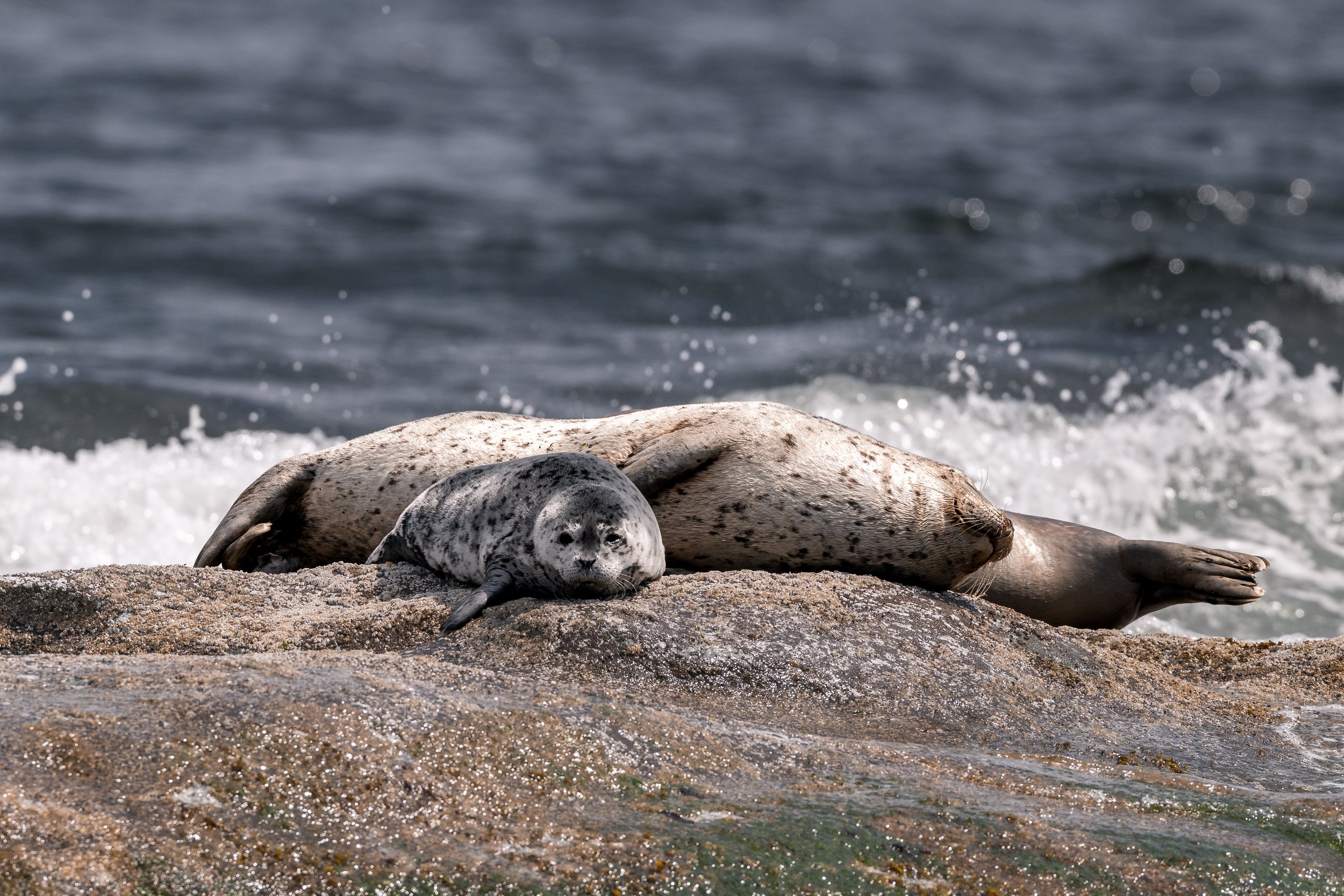
The pups are oh so cute! Photo by Aly Kohlman.
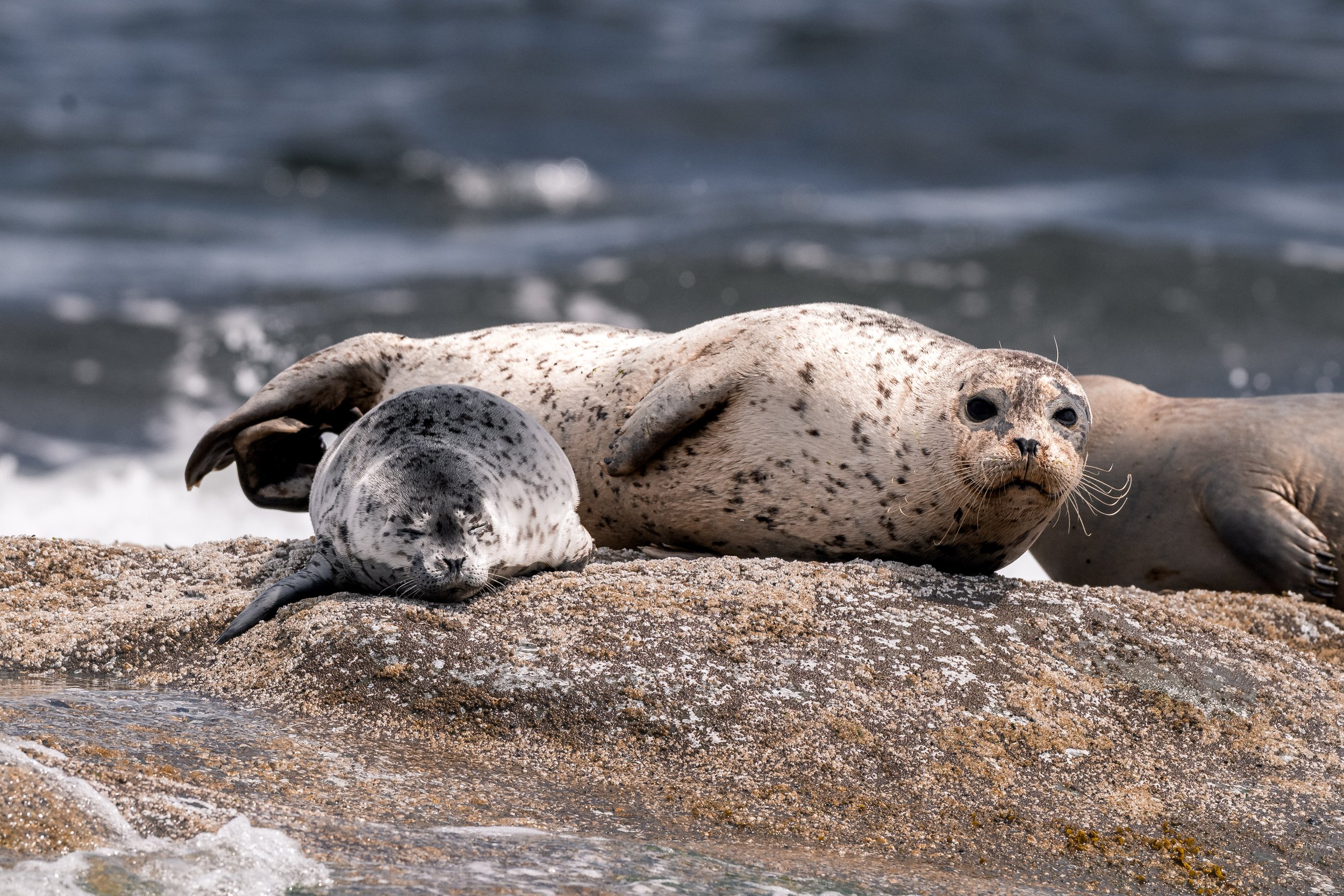
Stretching and peeking around. Photo by Aly Kohlman.
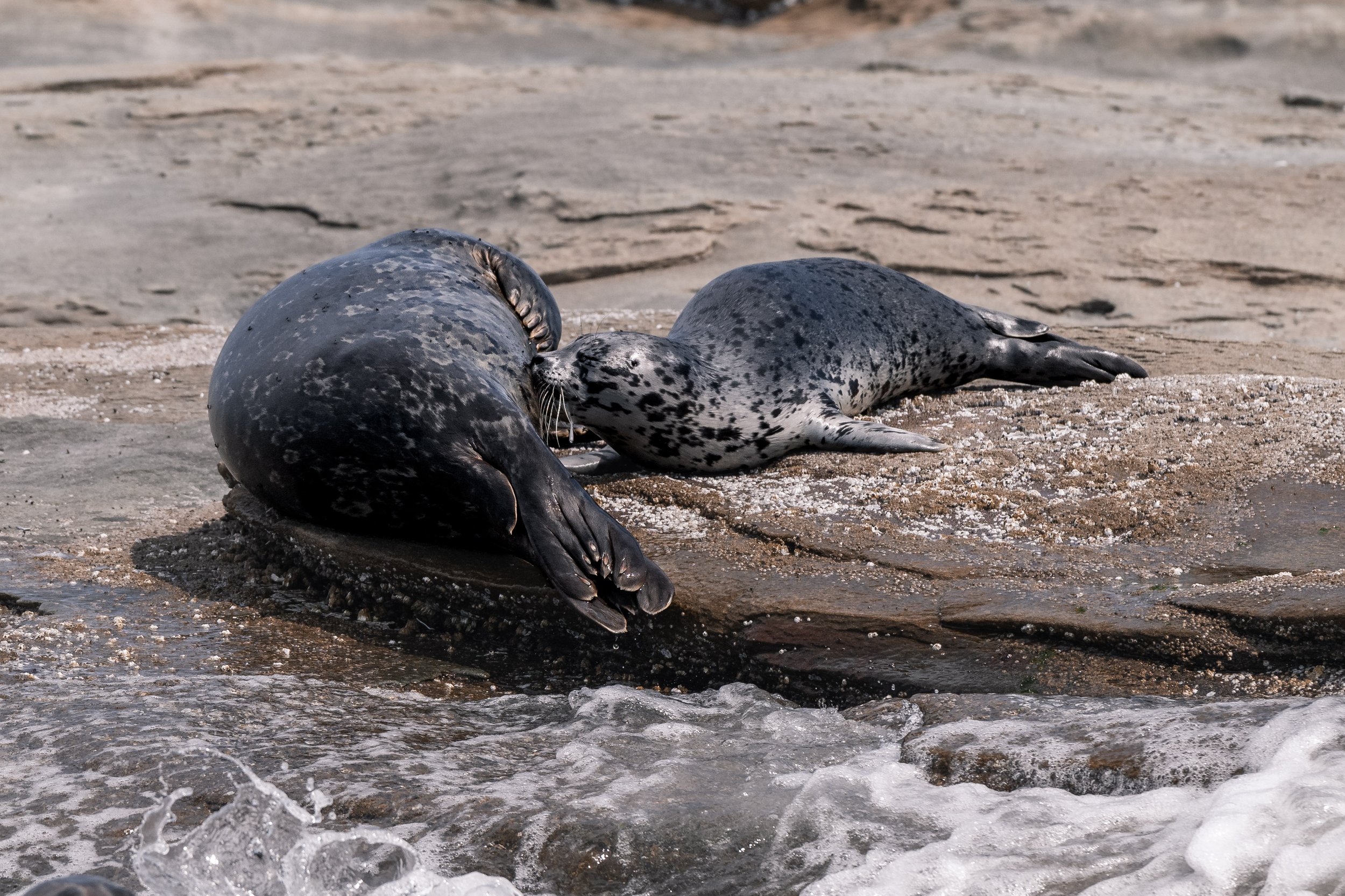
Coming in for a little snack! Photo by Aly Kohlman.
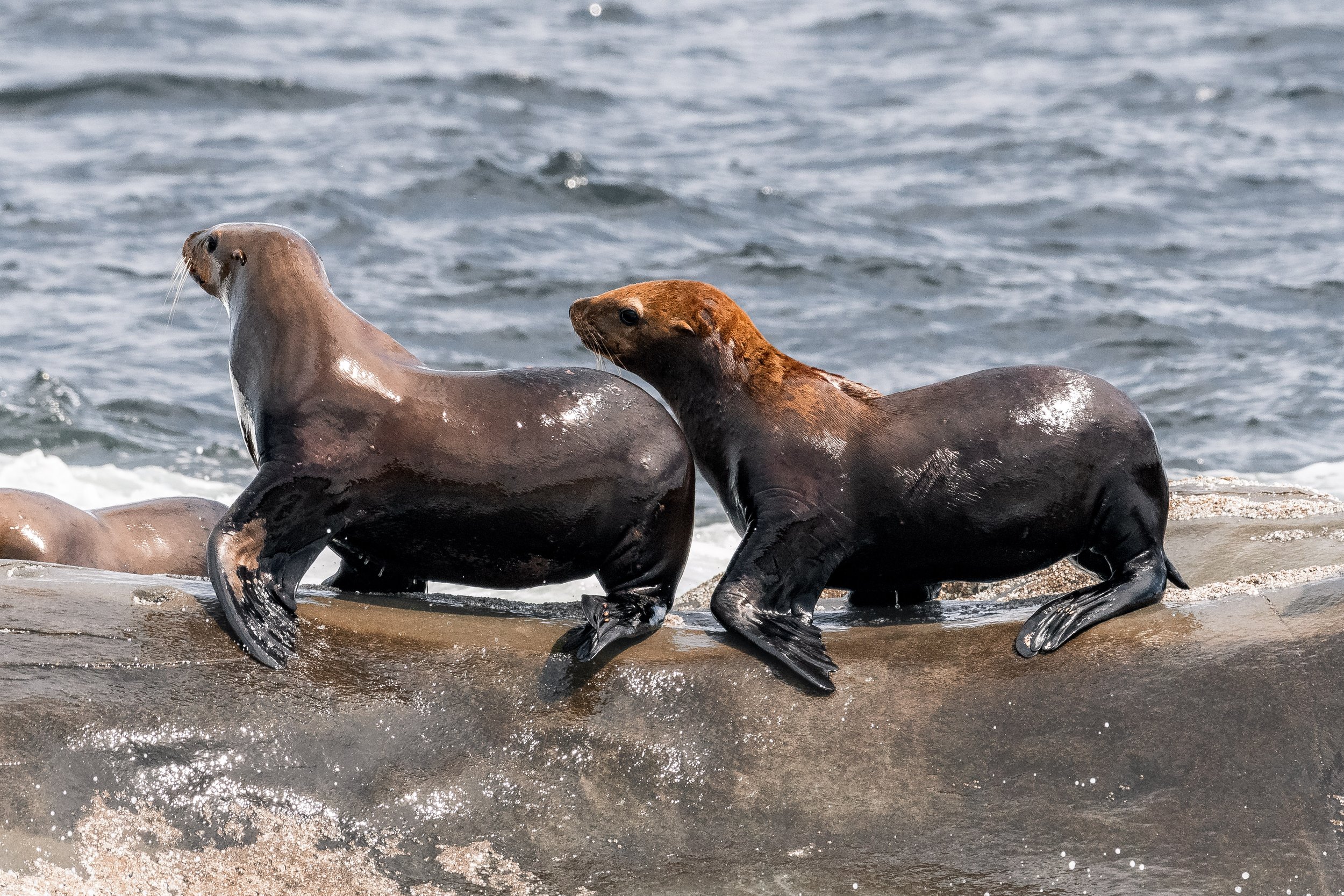
A pair of Steller Sea Lions. Photo by Evan Hessels.
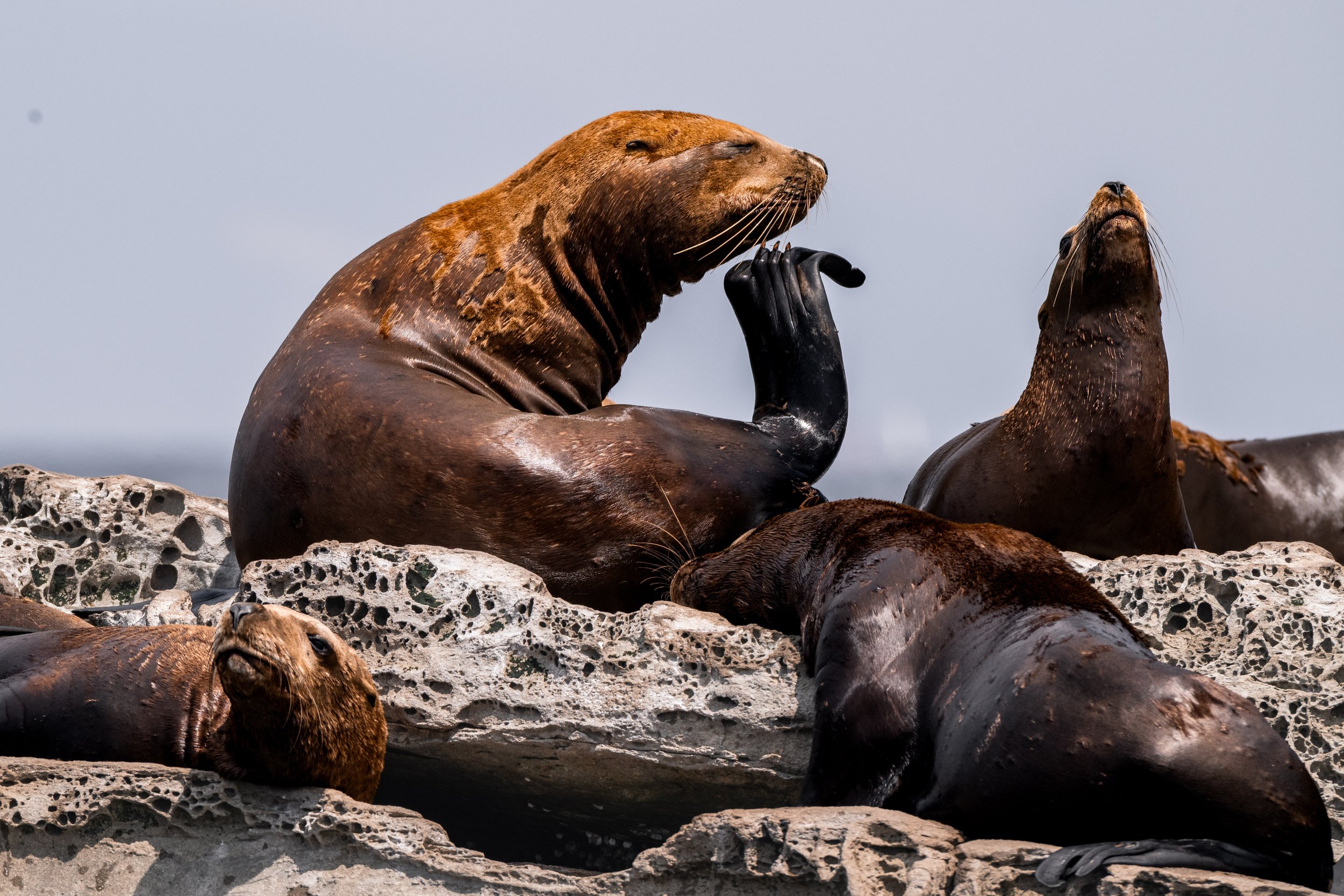
An itchy sea lion - can you spot their giant hind flipper claws here? Photo by Aly Kohlman.
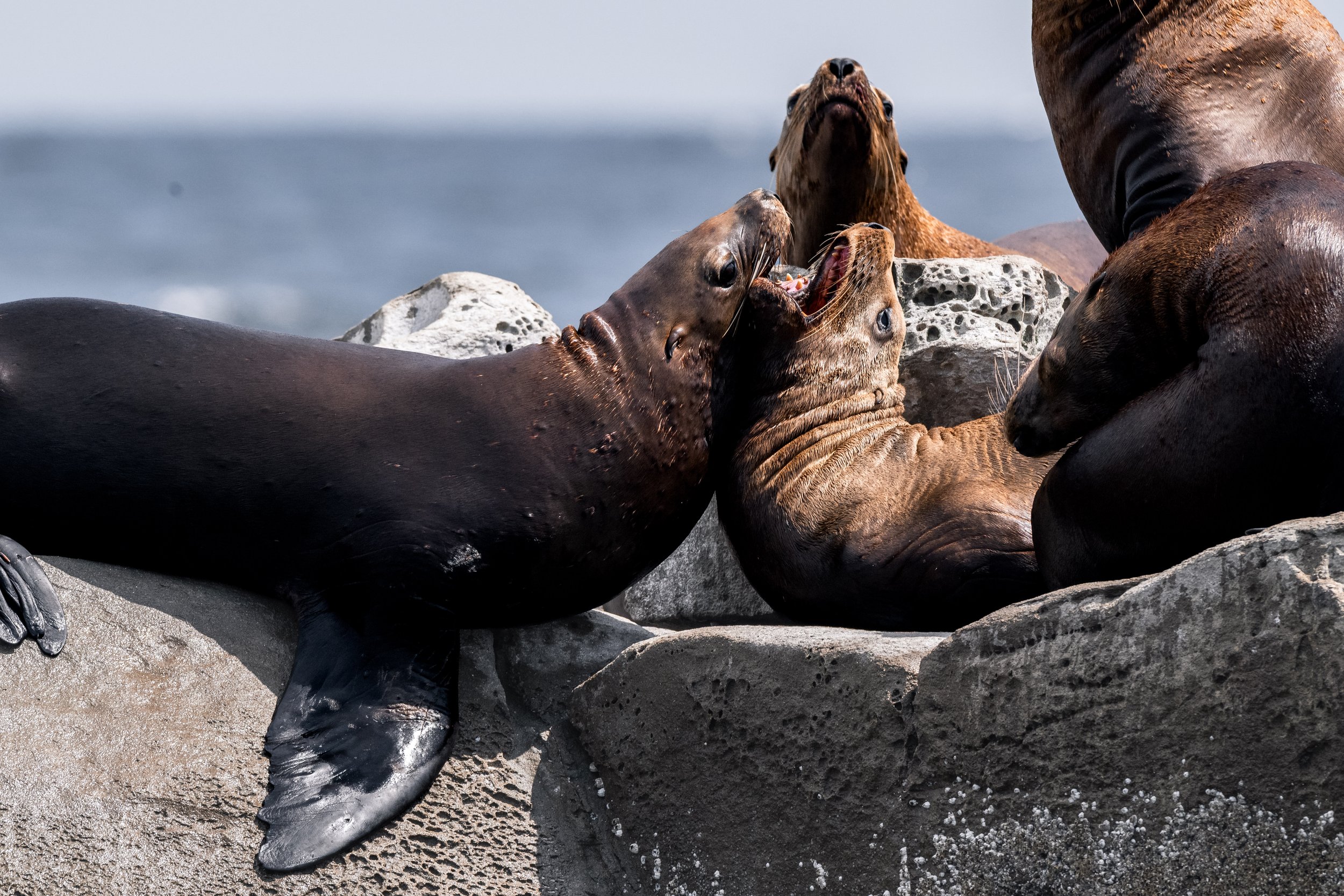
Bickering amongst the sea lions. Photo by Aly Kohlman.
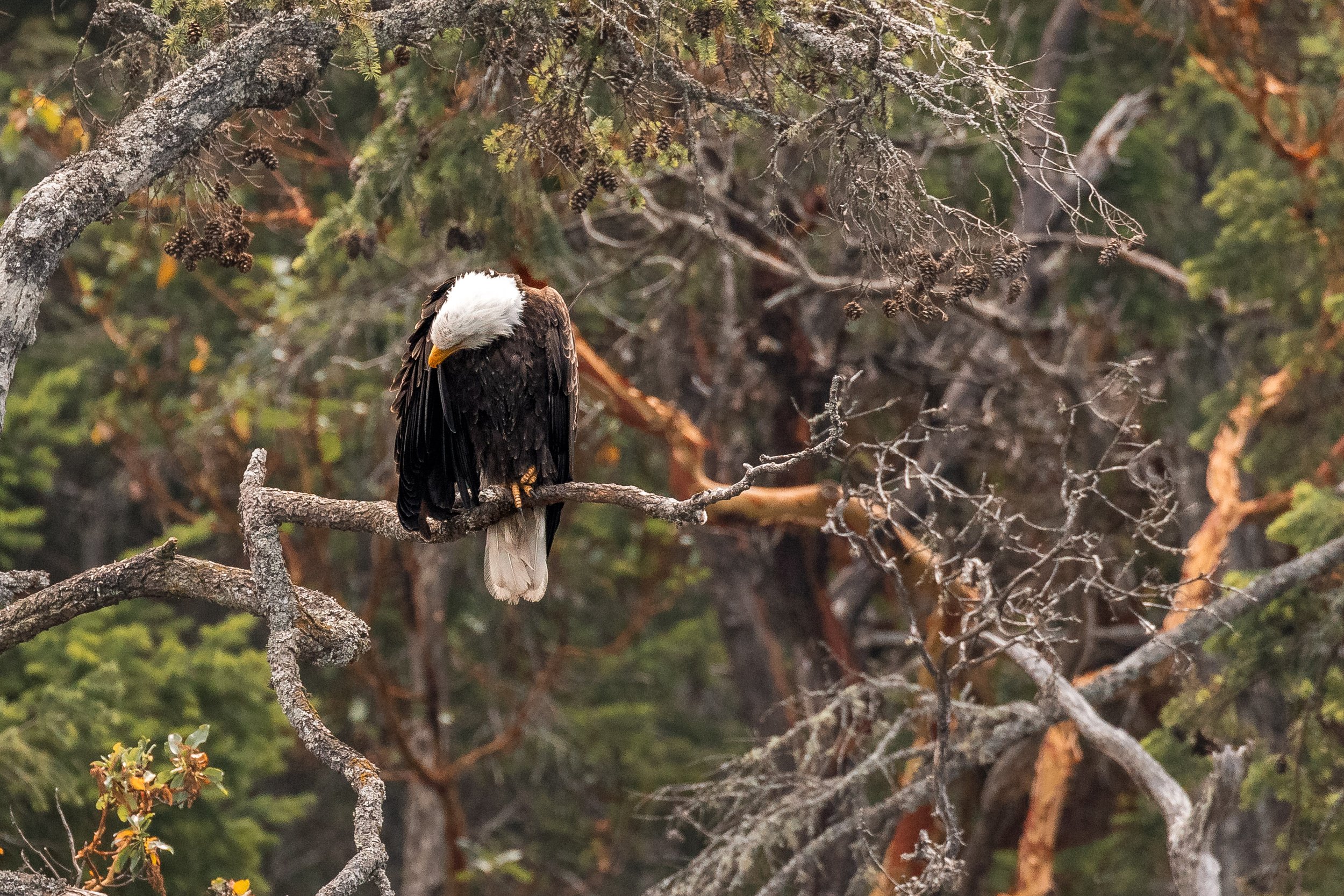
Preening in the trees. Photo by Vanessa Vereschahen.
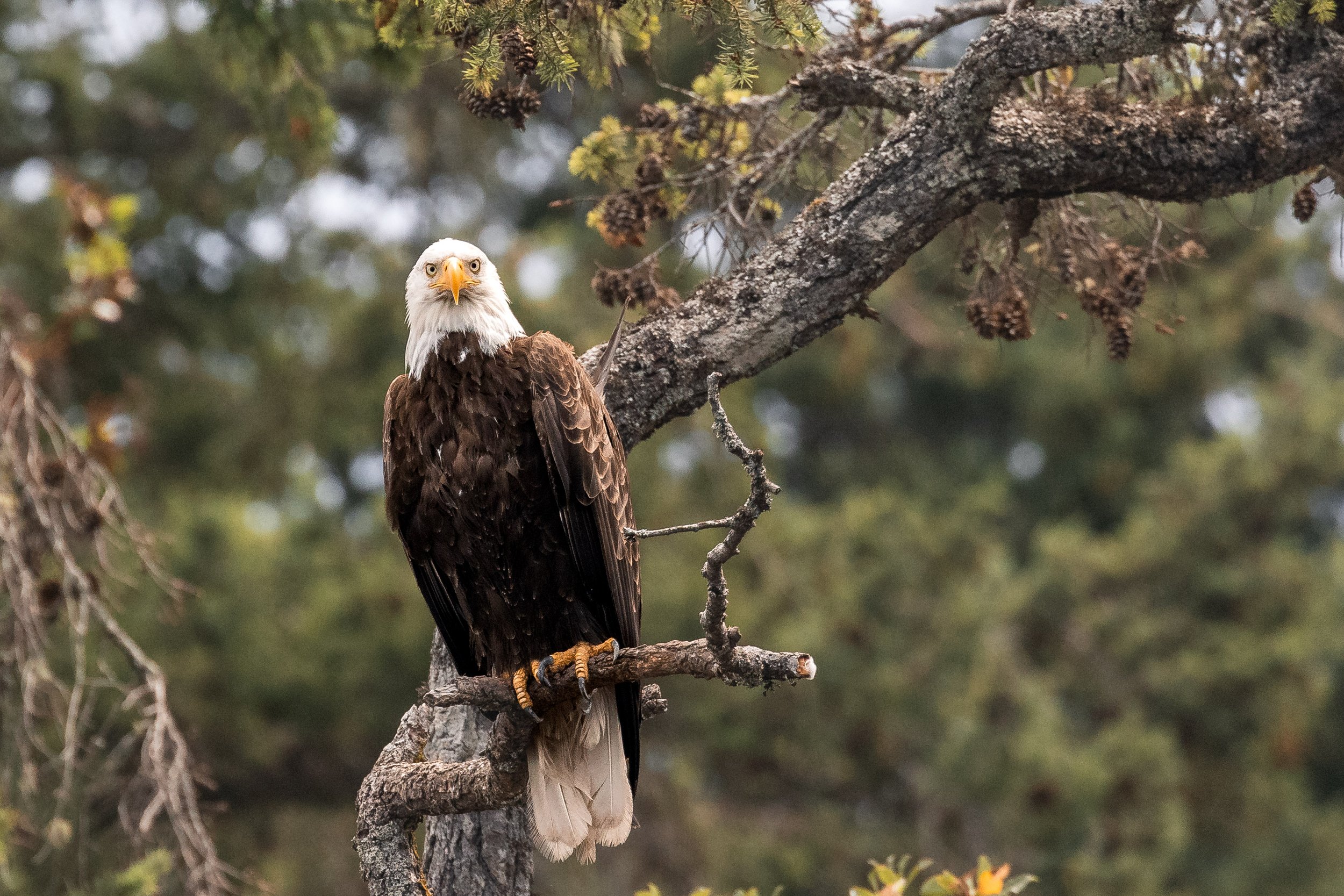
Look at those massive talons on this Bald Eagle! Photo by Vanessa Vereschahen.
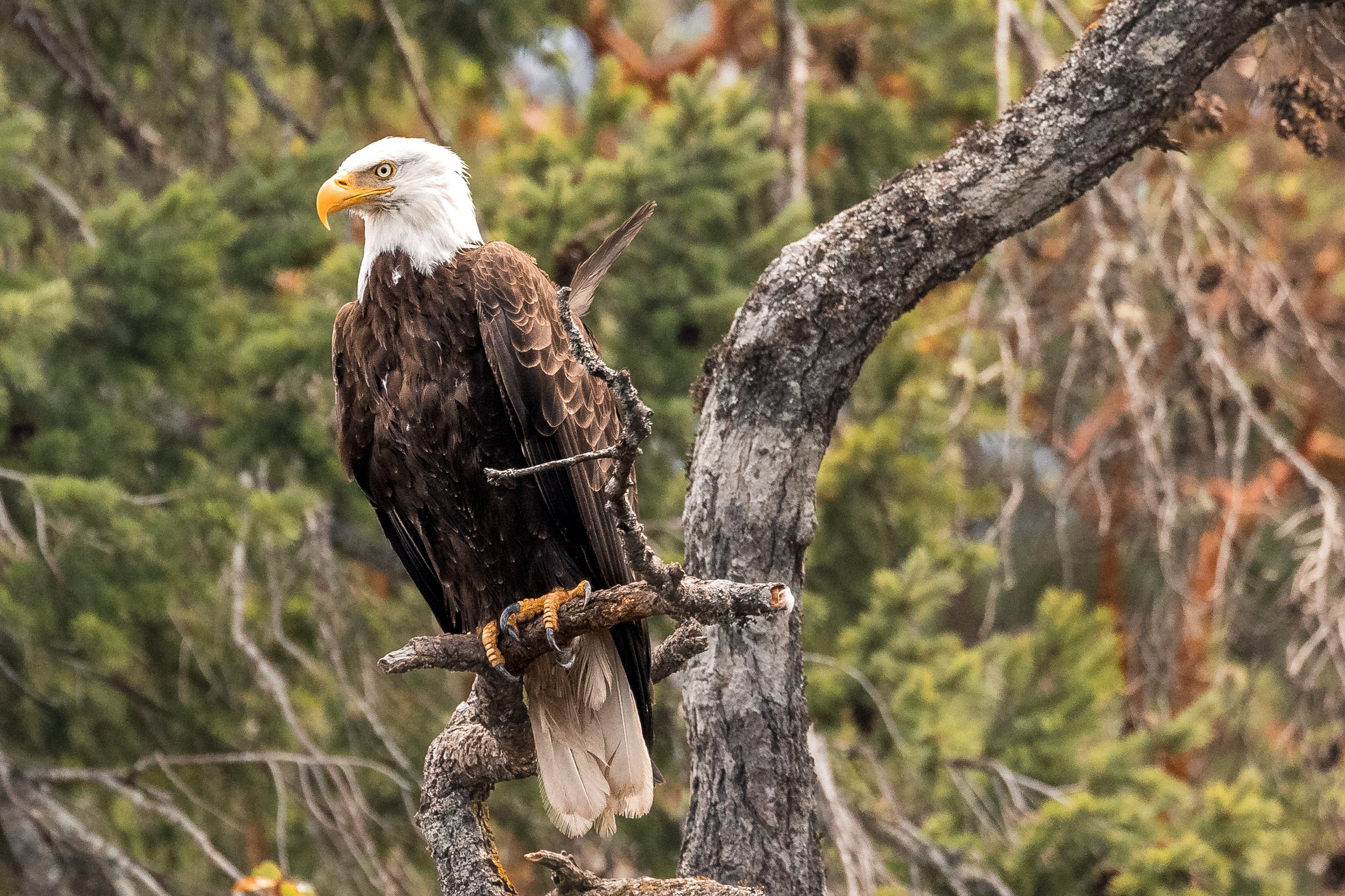
While majestic, this Bald Eagle did have one feather out of place, causing a bit of a funny silhouette. Photo by Vanessa Vereschahen.
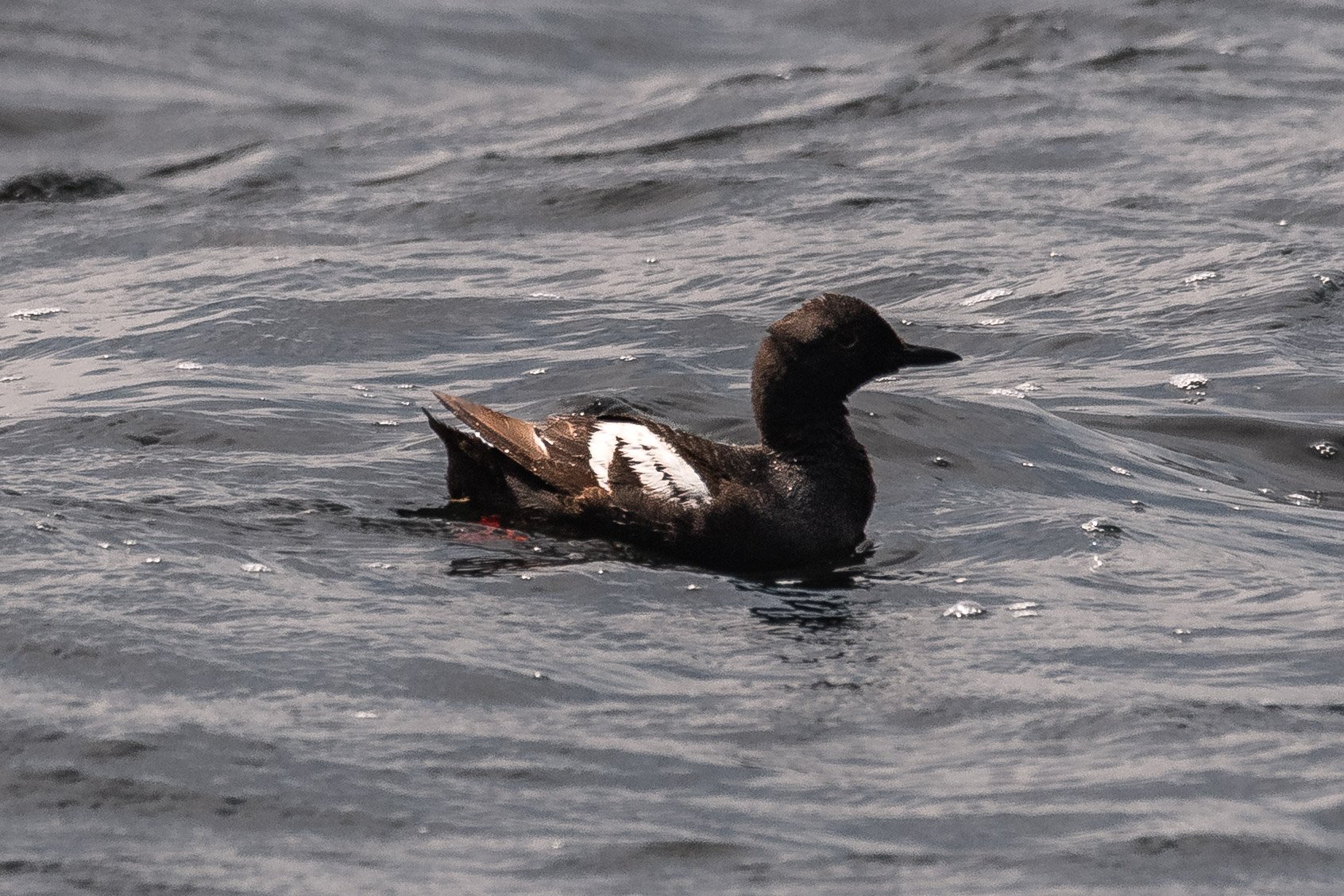
A very damp Pigeon Guillemot paddling away. Photo by Evan Hessels.
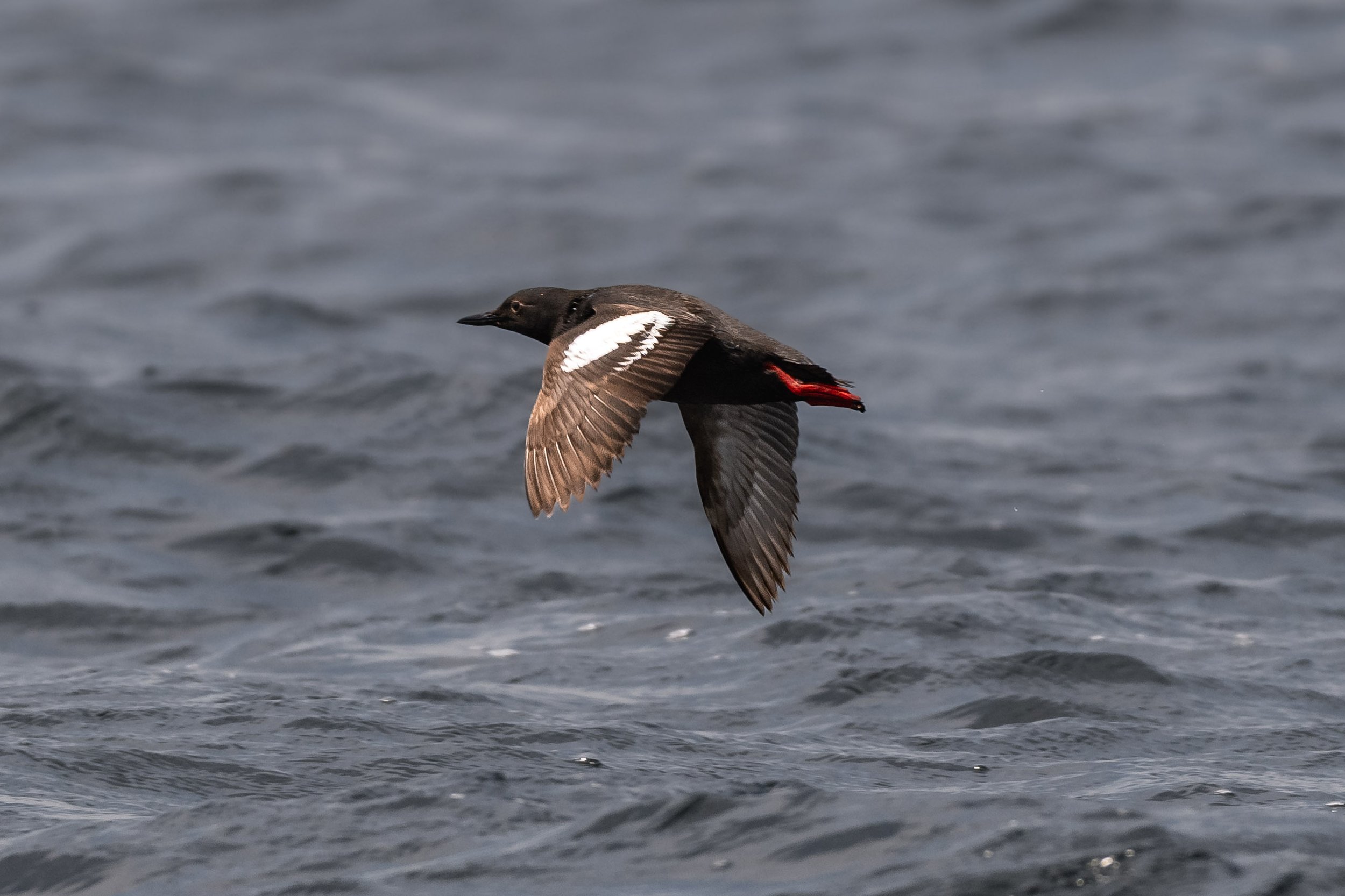
A Pigeon Guillemot in flight. Photo by Aly Kohlman.
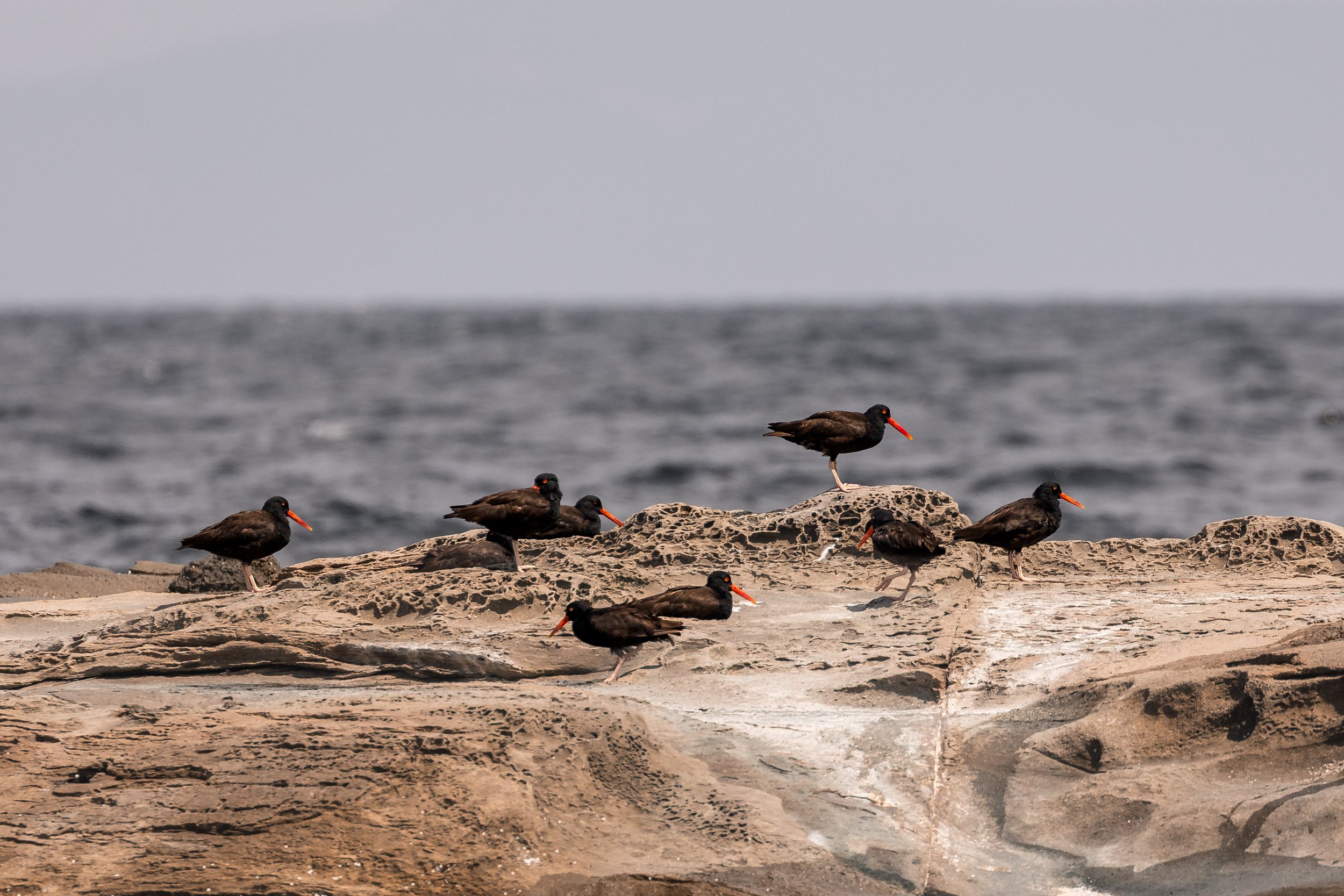
A parcel of Black Oystercatchers resting on the rocks. Photo by Vanessa Vereschahen.
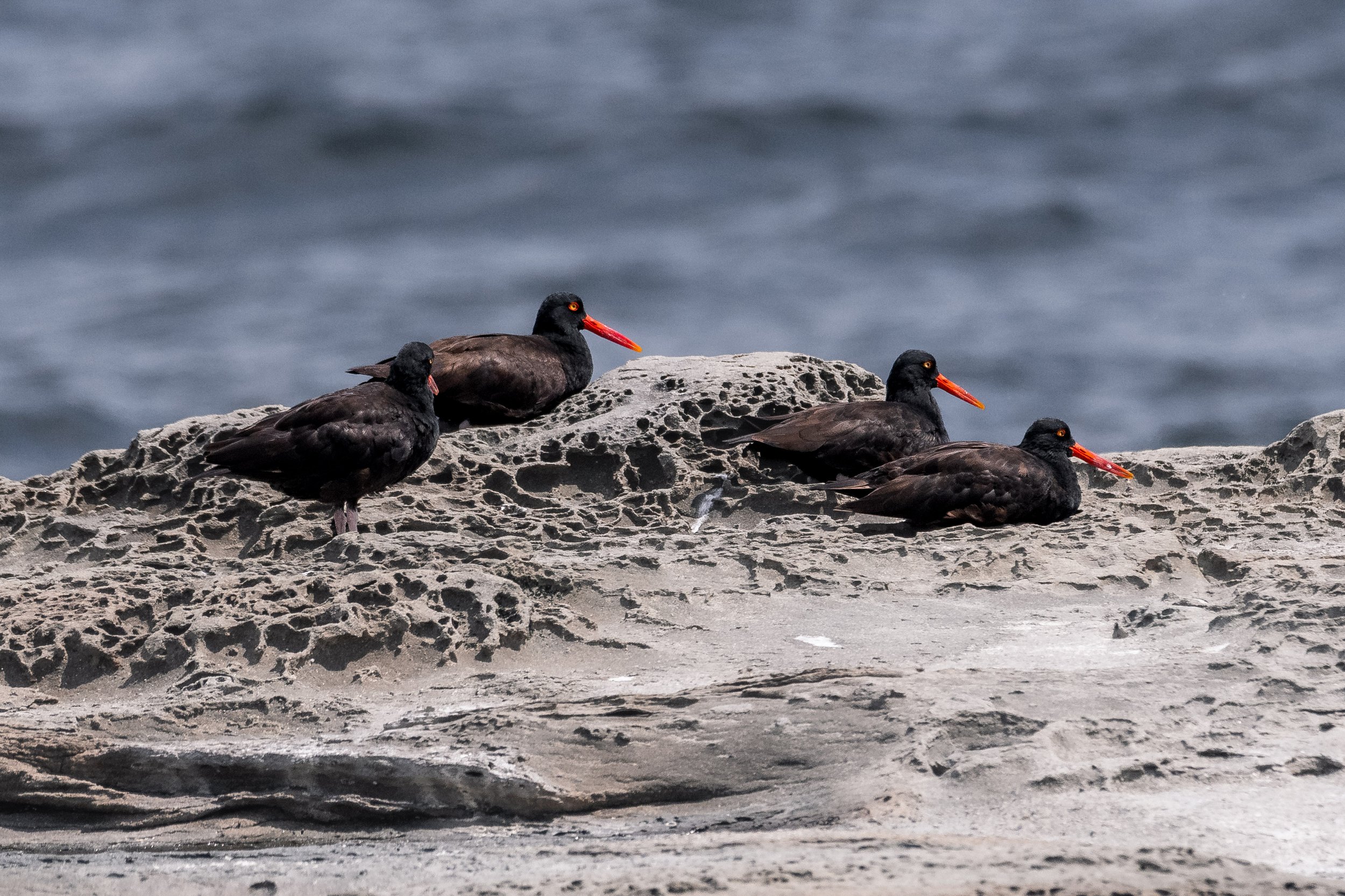
Resting Black Oystercatchers. Photo by Evan Hessels.
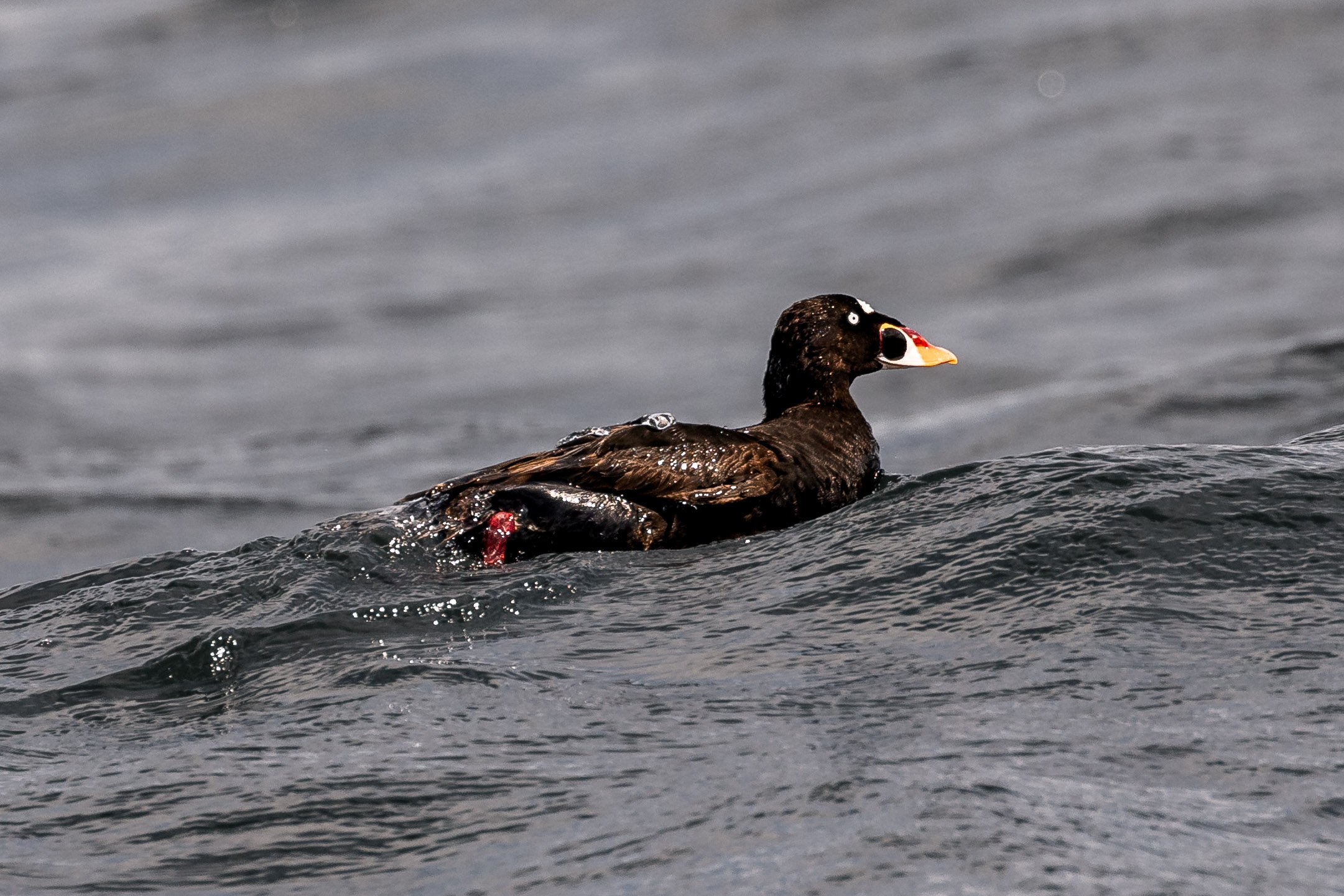
A Surf Scoter surfing. Photo by Vanessa Vereschahen.
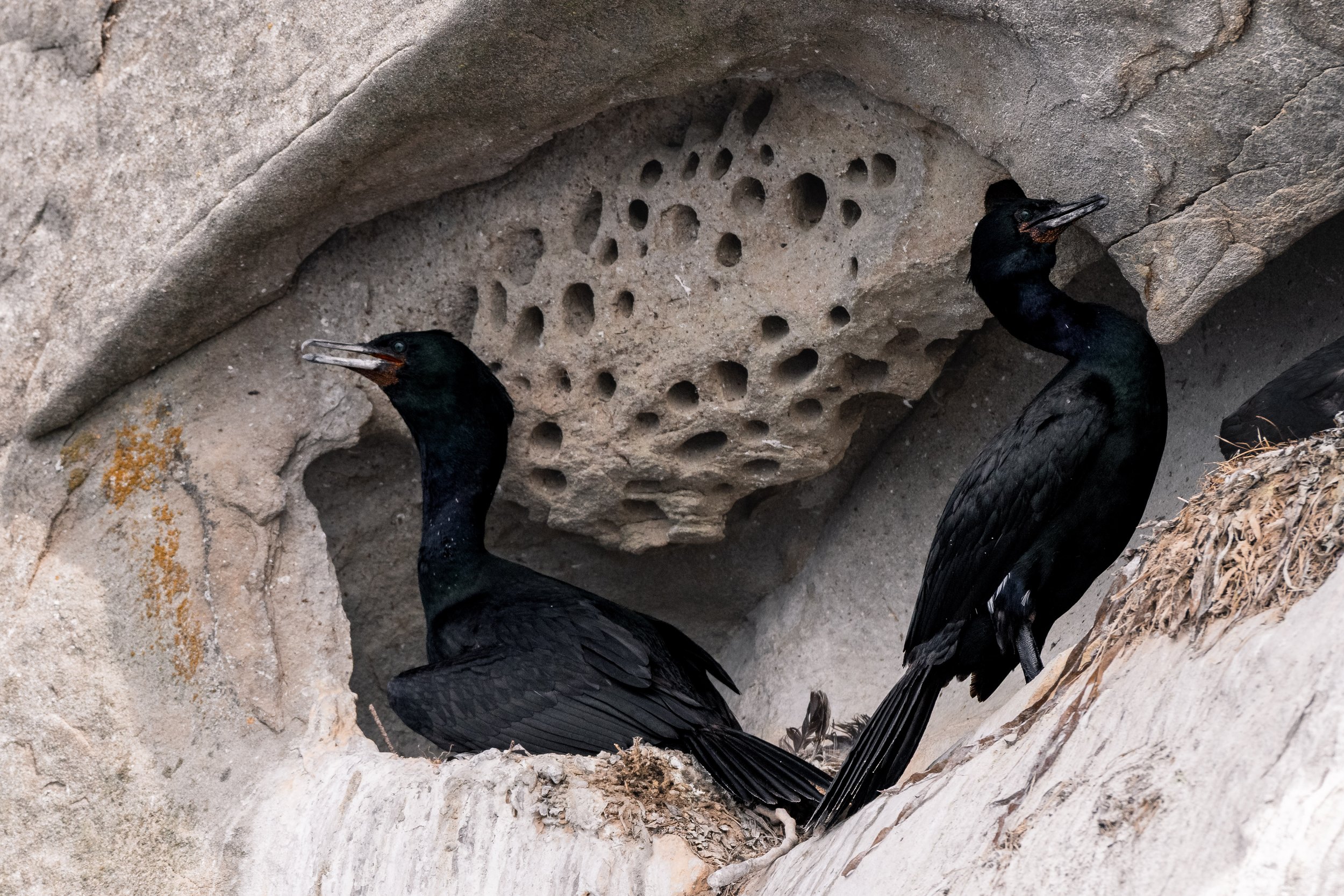
A pair of nesting Cormorants. Photo by Aly Kohlman.
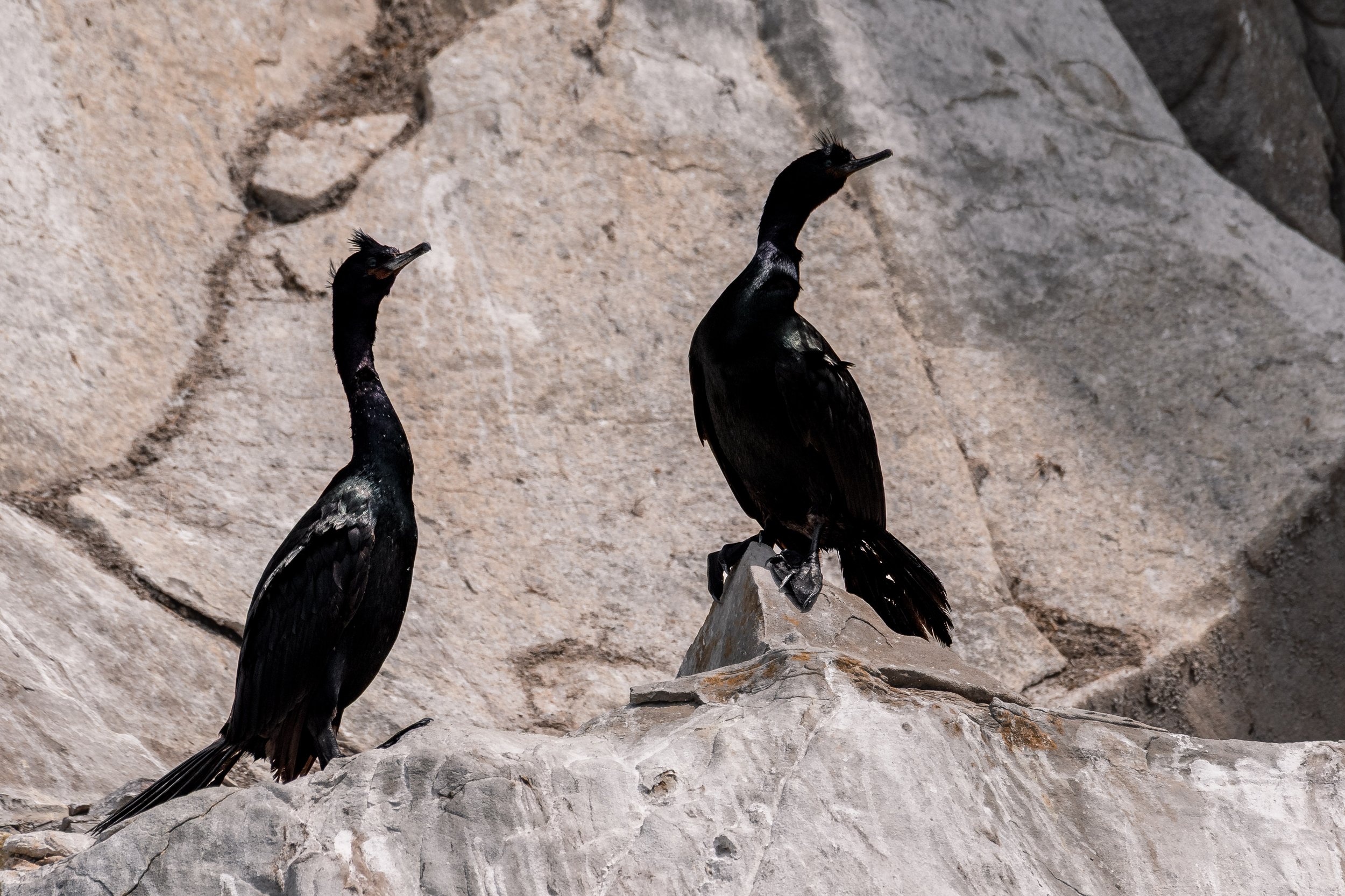
So fluffy, so demure. Photo by Evan Hessels.
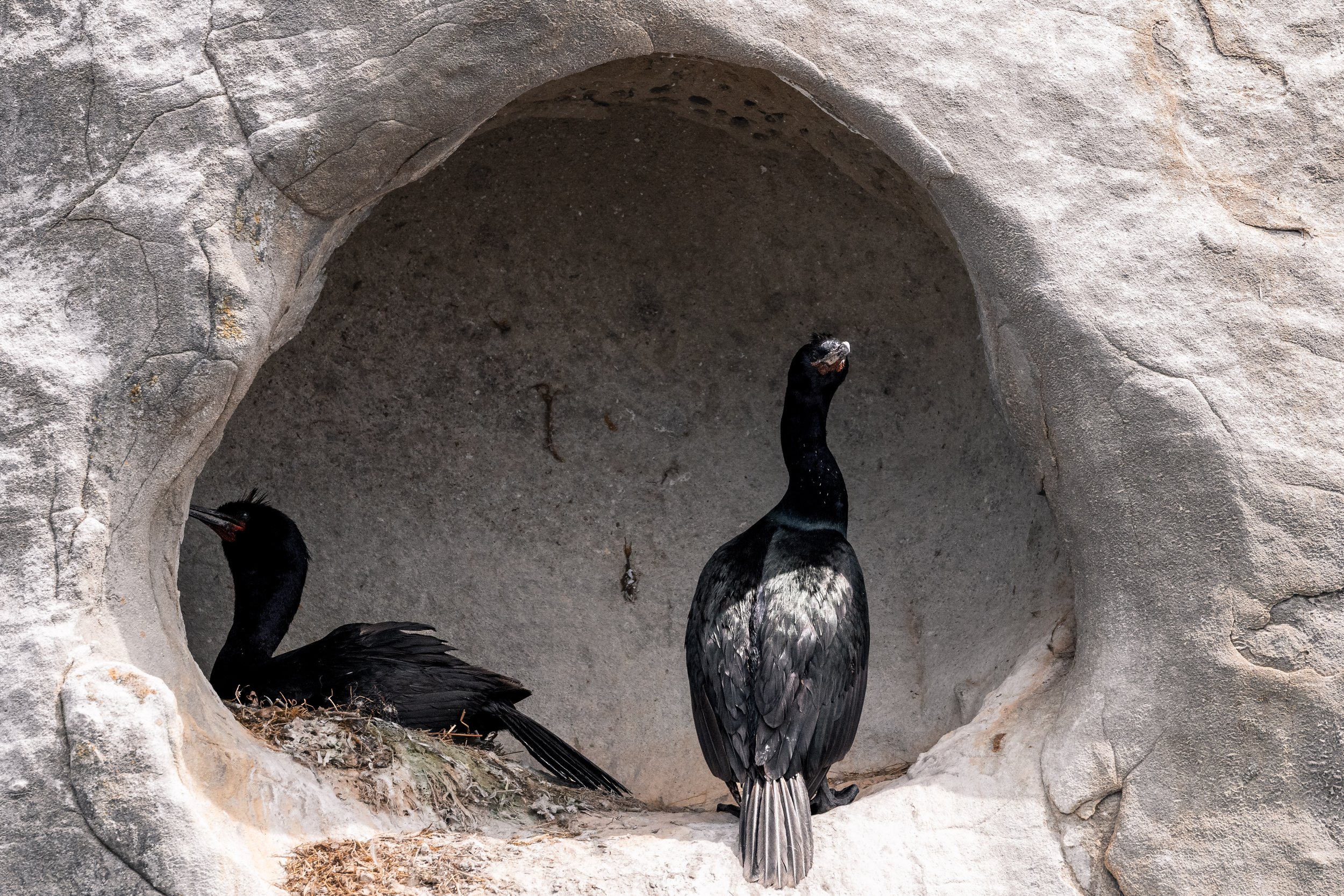
Photo by Aly Kohlman.
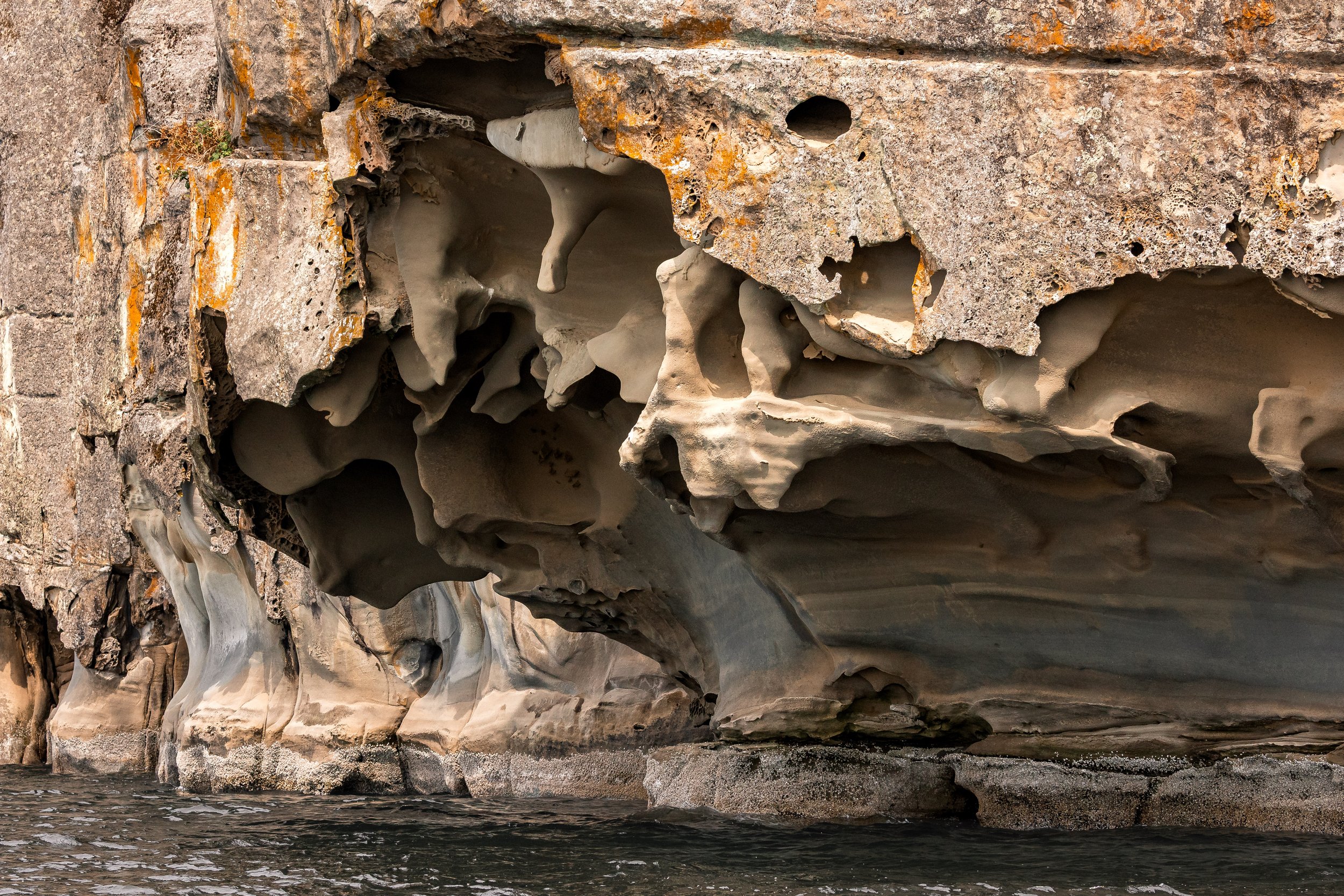
One of the amazing sandstone formations at the Gabriola Bluffs. Photo by Vanessa Vereschahen.