
August 7, 2026, 3:30 PM - A family of familiar faces/fins, plus some friendly humpbacks
Another perfect evening greeted us as we headed out aboard Kula. We had caught word of a potential orca sighting just south of Nanaimo, and we were eager to take a peek!
Crossing through Northumberland Channel and then passing through Dodd Narrows, the waters opened as we entered the Southern Gulf Islands. Mere minutes after that, dorsal fins came into view. Two large, towering fins were accompanied by one smaller, petite fin. We got into position, and Marine Naturalist Hayleigh grabbed a few photos. One of these males had a large, wide dorsal fin, with a significant chunk missing from the middle. Easily one of the most identifiable fins in the Salish Sea, this was confirmed to be T019B Galiano, travelling with his brother and mother:
T019 Nootka ♀ (~1965)
T019B Galiano ♂ (1995)
T019C Spouter ♂ (2001)
The T019s have been regular visitors for many years. Up until very recently, the pod consisted of three generations, with T018 Esperanza by their side. Sadly, she is now believed to be deceased. It was estimated that she was born around 1955, and she was likely around 69 years old when she disappeared. This is fairly old for a wild whale, and she likely lived a very full life. We treasure our memories of her by their side, and we are reminded of her legacy any time the other three return.
As we observed, Spouter and Galiano raised high out of the water, their dorsal fins glistening in the afternoon sun. Occasionally, Nootka would surface, her slightly ragged dorsal fin popping up between them. It seemed like they were simply travelling along, with no clear destination in mind. Travel takes up a large portion of a Transient orca’s day, with them often travelling over 100 kilometres a day to get from place to place. It is believed they tend not to linger in one area for too long, so their prey (usually seals or sea lions) don't get used to their presence, which could make them more cautious and make hunting more difficult later.
After a wonderful time with the T019s, it was eventually time for us to depart. With a few last glances at the whales, Captain Joseph turned us around, and we headed off to continue exploring. We were eager to see what else the day had in store for us.
Crossing out and into the Strait of Georgia, the landscape behind us fell away, and soon the waters ahead of us opened up. With endless possibilities ahead, we started scanning all around as we went underway.
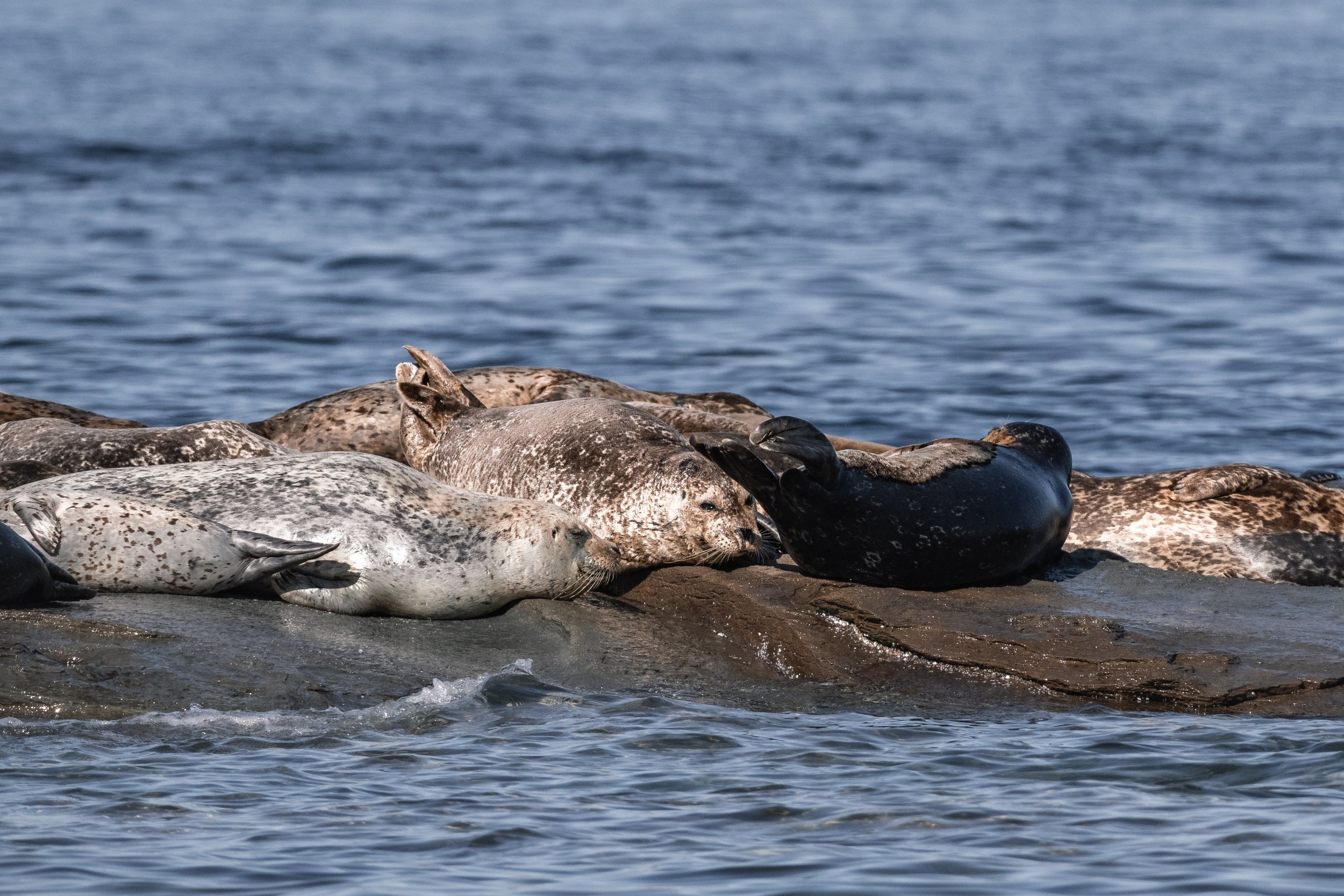
Cruising along, we went along Valdes Island’s coastline and soon slowed down as we approached one of our infamous haulouts. This area is lovingly dubbed “Stinky Rocks”, and depending on the day, you can truly learn how it got its name. We meandered our way along, and soon, several small and inquisitive faces were poking out from one of the rocks. These were Harbour Seals, one of our most abundant pinnipeds in the Salish Sea. They are non-migratory, meaning we see them on our shores year-round. It is also nearing the end of pupping season, but a few small faces could also be seen poking out from amongst the adults. Nearby, splashing could be seen as a raft of Steller Sea Lions swam by, giving us a brief peek before continuing on their way.
With our quick pinniped stop concluded, we headed north, skirting the coastal shores before heading off into more open waters. Not long after, a trio of big, bushy blows was spotted near Thrasher Rock. It was a group of humpback whales!
Once in position, Naturalist Hayleigh raised her camera to begin identifying which whales were present. Suddenly, one individual turned and, after a quick fluke, disappeared and was not seen again. While we are unsure of their identity, we hope that as we continue sifting through our ID catalogues, we can hopefully find a match with the top fluke we were able to capture!
The other two whales were being a bit more cooperative, and both fluked at the perfect angle for an ID shot. Funnily enough, one of these whales had a unique marking on their top fluke as well as the ventral side, meaning confirming their identity was possible from either angle. These two were Niagara (BCY0057) (see if you can spot his unique top fluke spot in the photos below) travelling with Chi (BCZ0575).
Niagara is an older humpback whale, first seen in 2000 alongside his mother, Houdini (BCY0022). While Houdini has not been seen for many years now, similarly to Esperanza, her legacy lives on through her calves. Niagara’s younger brother, Arial (BCY0767), returns to our area seasonally, while their middle brother, Kelp Creature/KC (BCY0291), prefers to spend their summer up north by Campbell River.
As the duo travelled along, Chi displayed a very interesting behaviour known as Snaking. This behaviour results in the tip of the rostrum protruding from the water, while the upper back remains submerged, and the dorsal fin is also above the surface. It is an awkward-looking movement, but it is believed to be a more specialized feeding technique that may help maximize filtering. Interestingly, it is believed to be a learned behaviour, with individuals teaching each other rather than inheriting the knowledge in their first year of life while at their mother’s side.
Soon we had to say our goodbyes once more, and we turned to make our way back to the harbour. It had been an incredible time exploring and viewing both the orca and the humpbacks, along with the peeks at our seals and sea lions, and we chattered happily about all of the encounters as we pulled back into dock, concluding the day.
Photos from this encounter were taken by Marine Naturalist Hayleigh Hilbert.
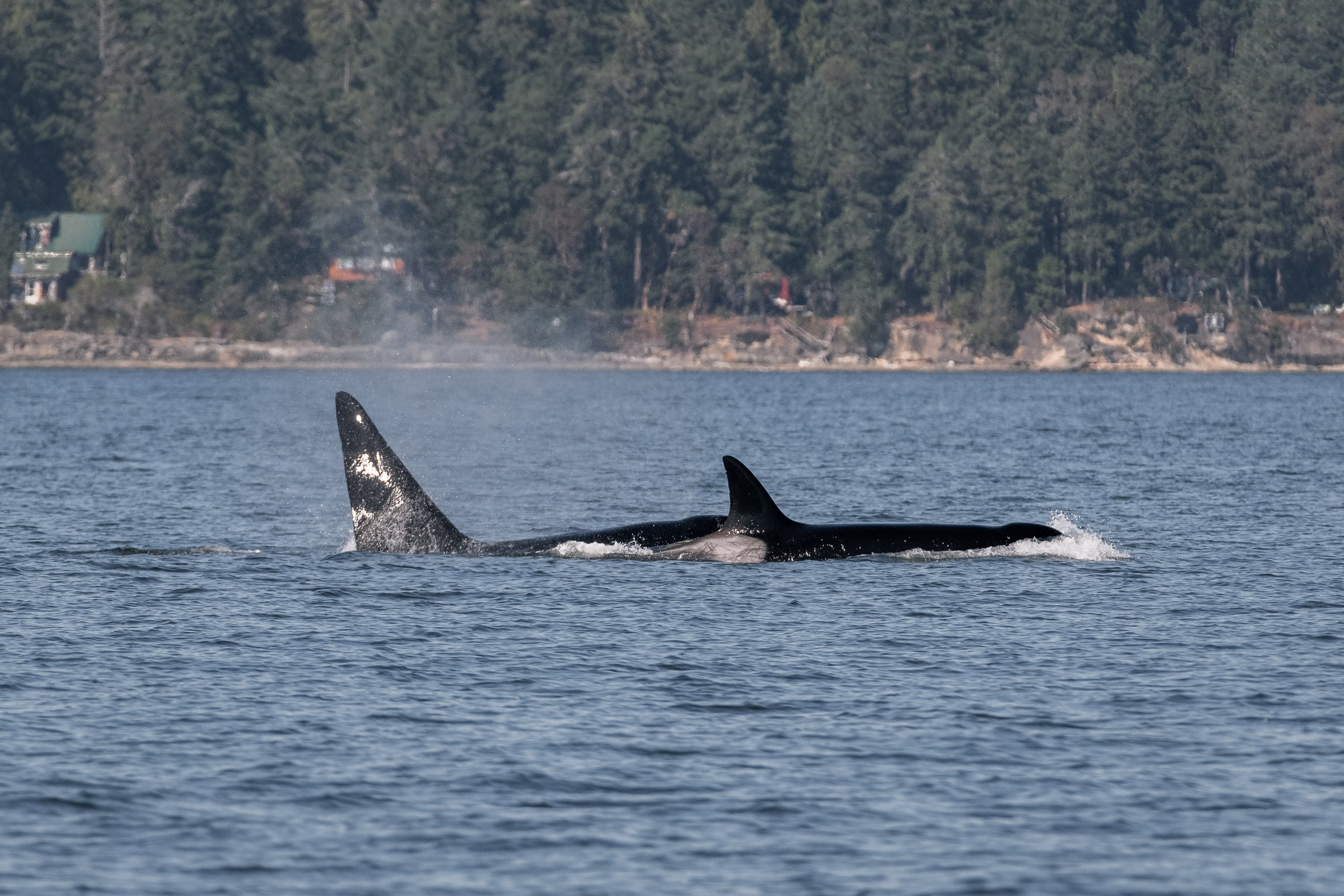
T019C Spouter with his mother T019 Nootka.
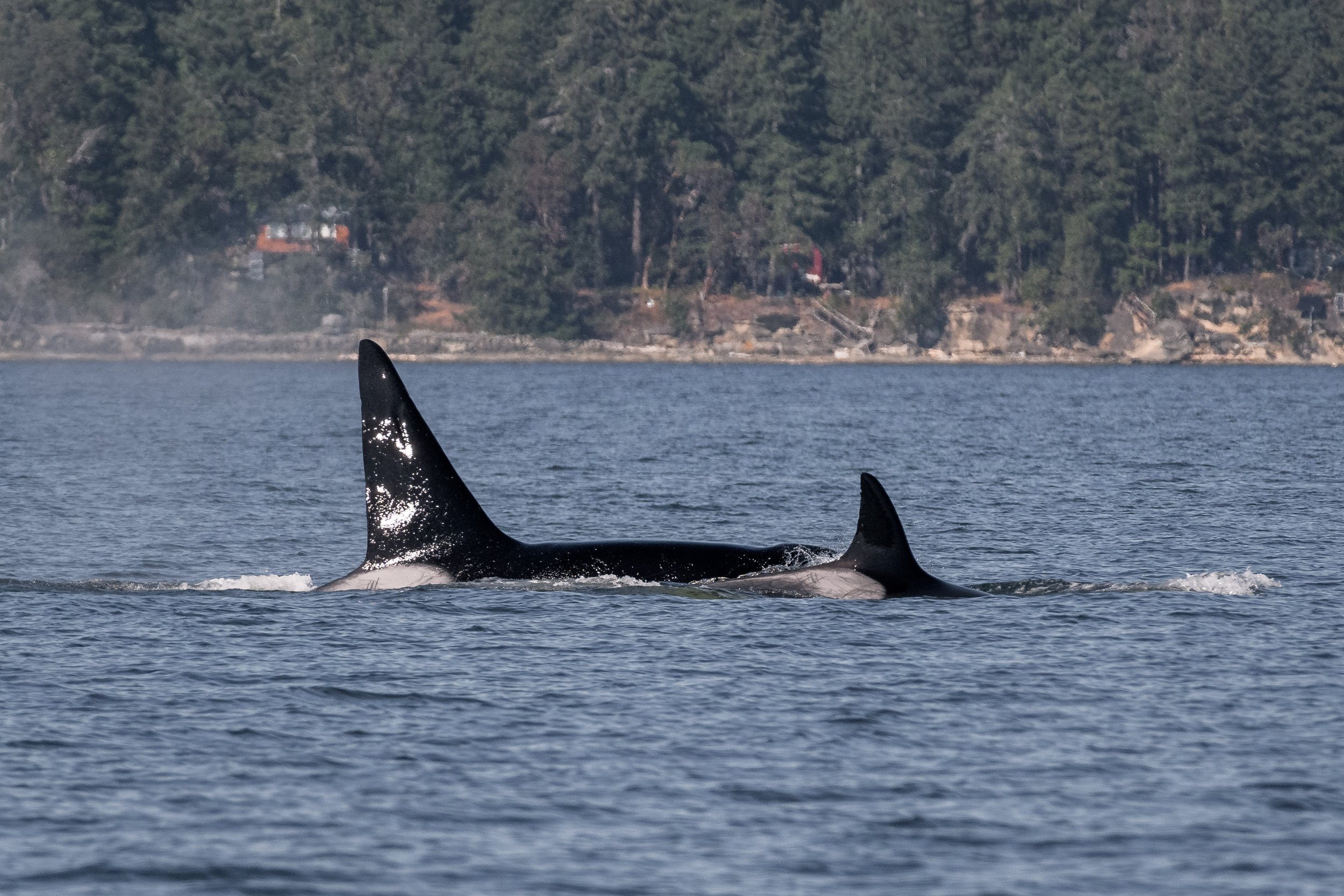
Look at the size difference between T019C Spouter and T019 Nootka!
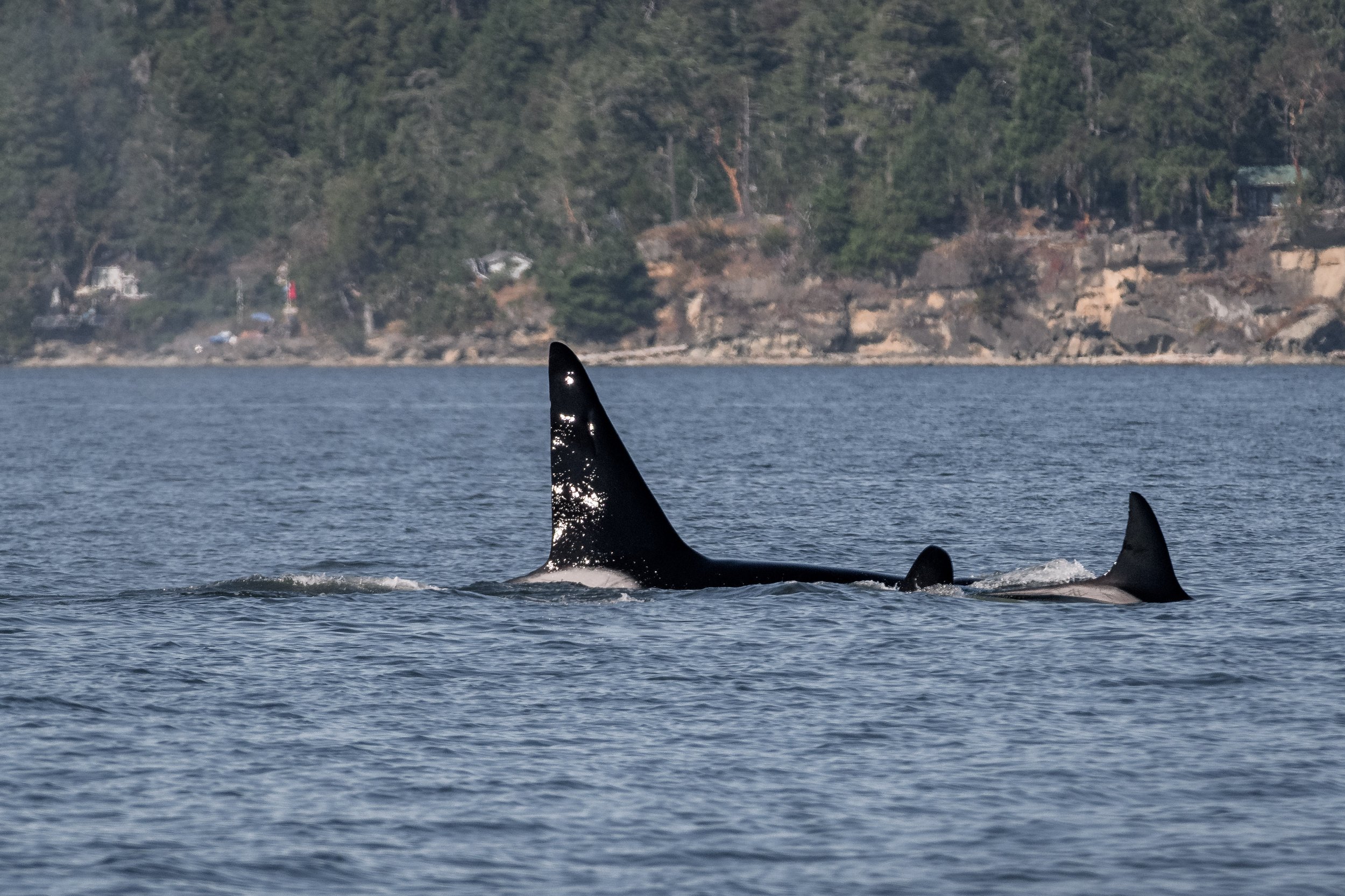
A tiny peek at the whole family - T019C Spouter, T019B Galiano (tip of dorsal fin), and T019 Nootka.
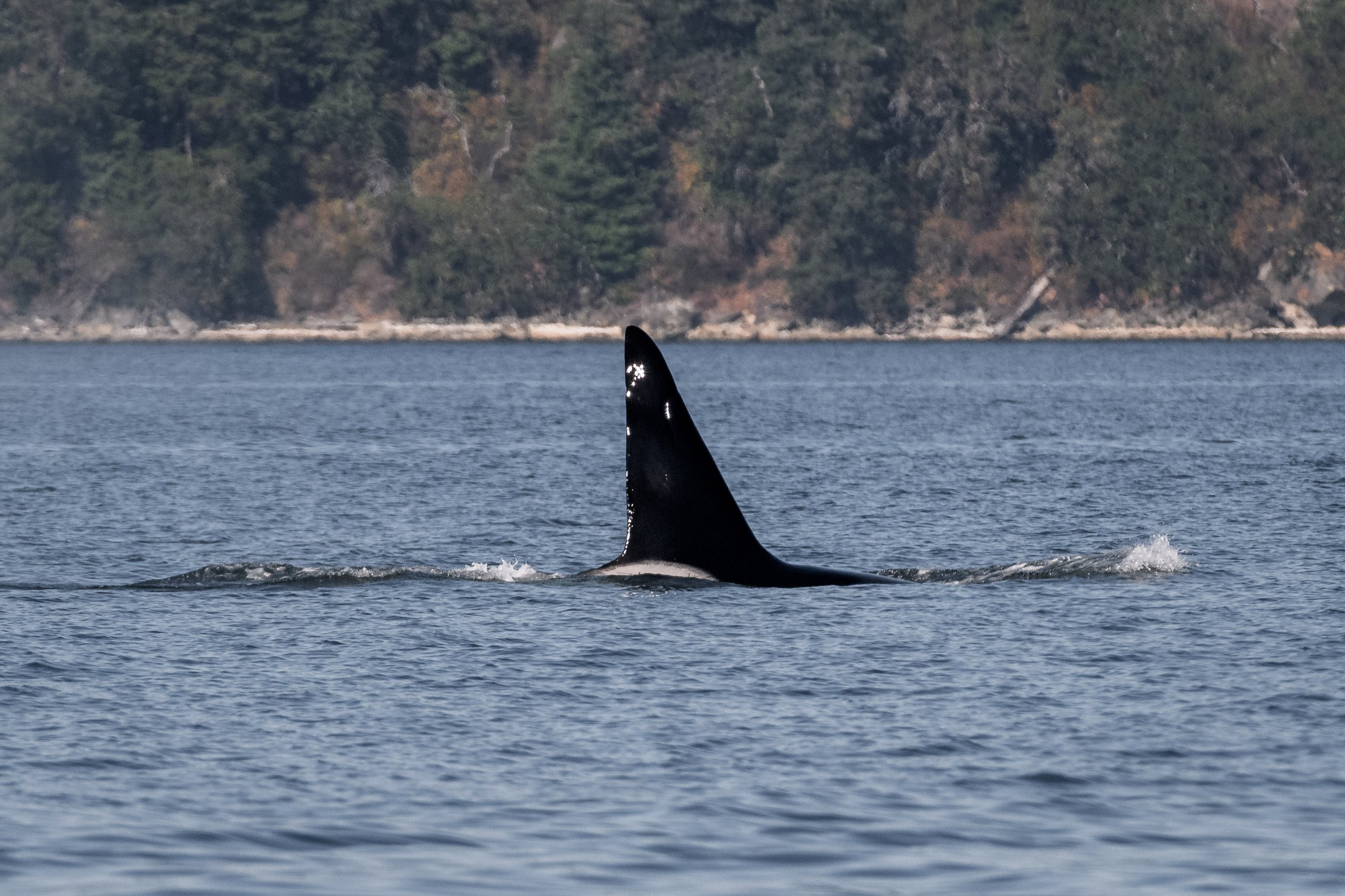
T019C Spouter shining in the sun.
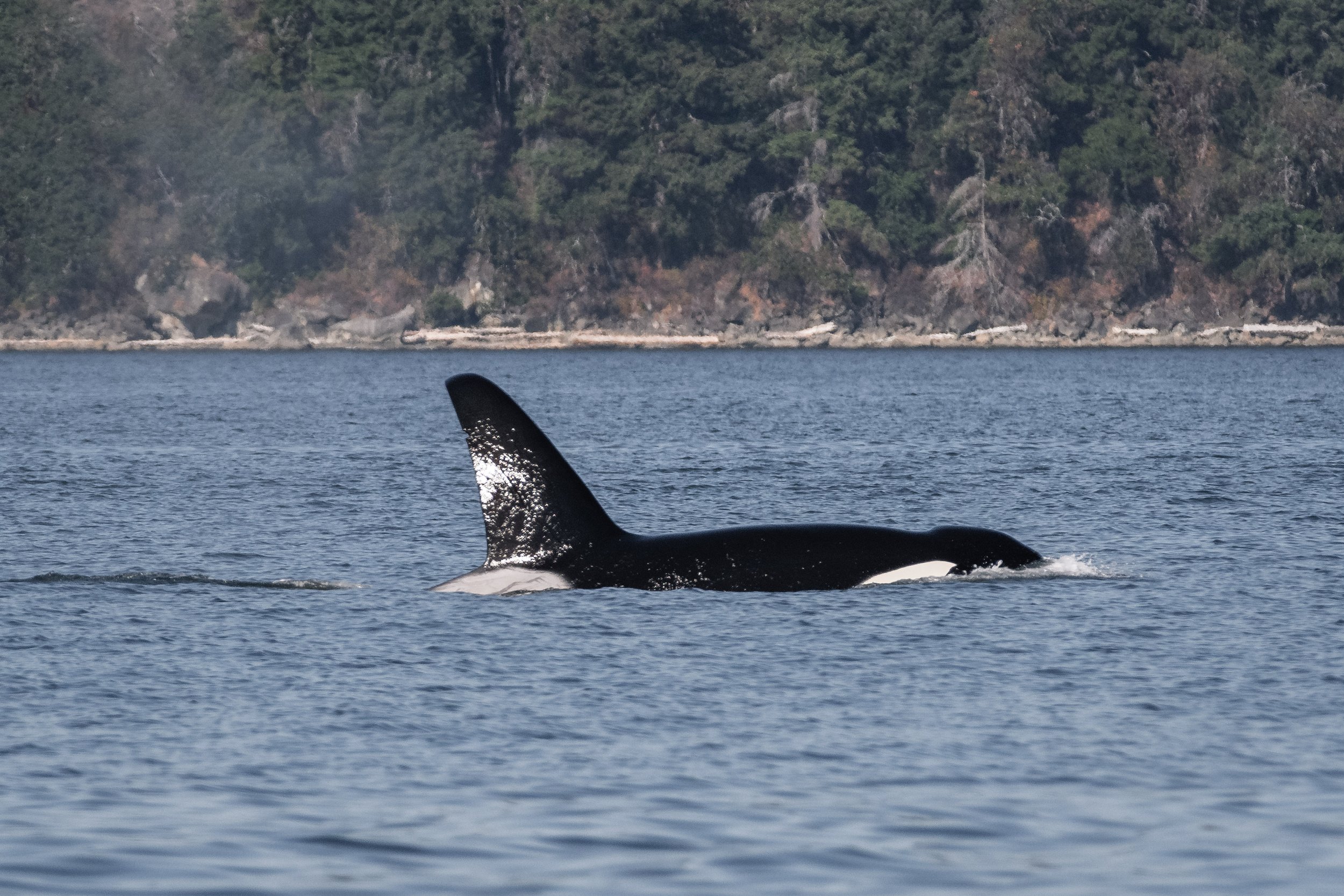
T019B Galiano with his wobbly dorsal fin.
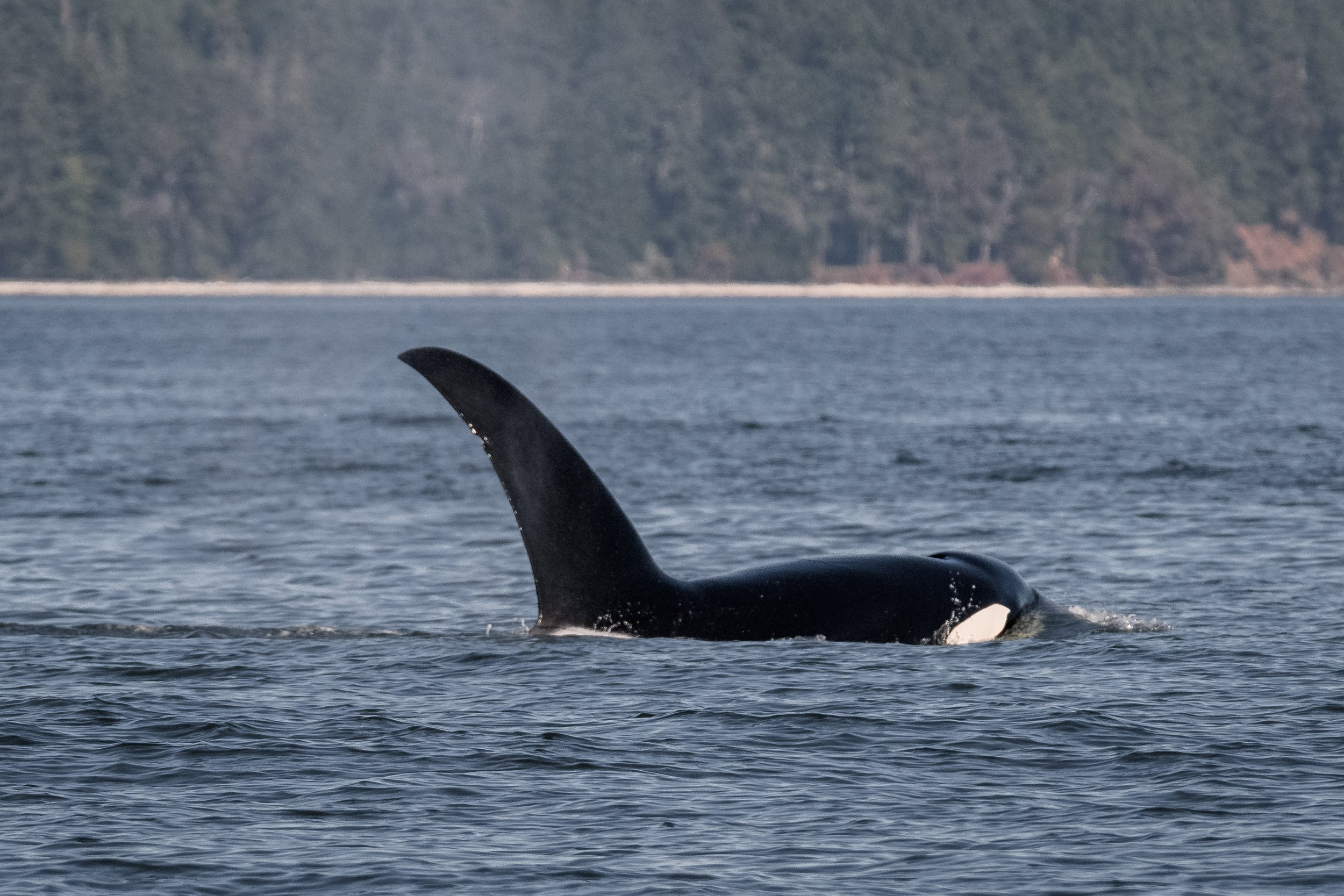
T019B Galiano has quite a significant bend in his dorsal fin!
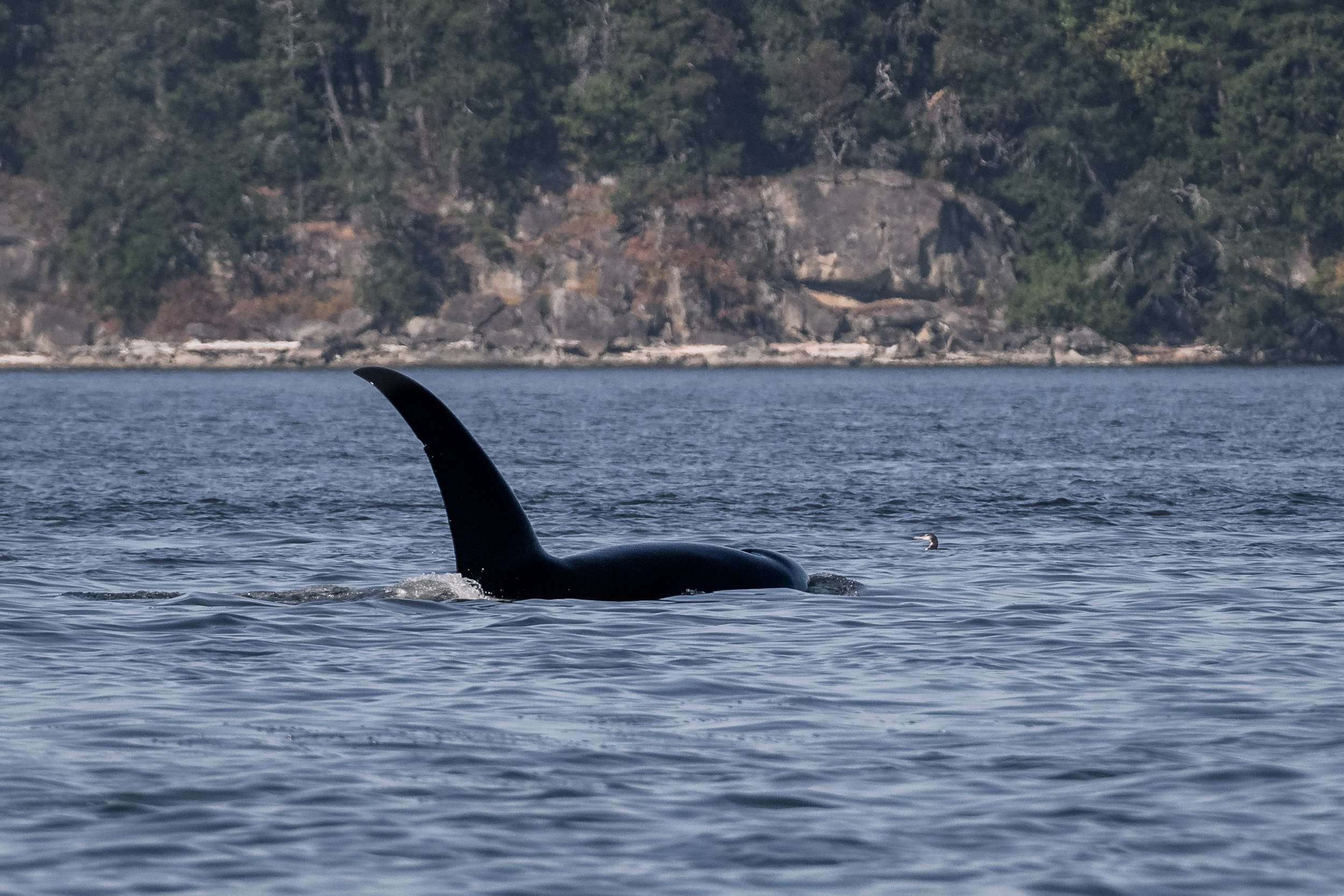
T019B Galiano approaching a Grebe.
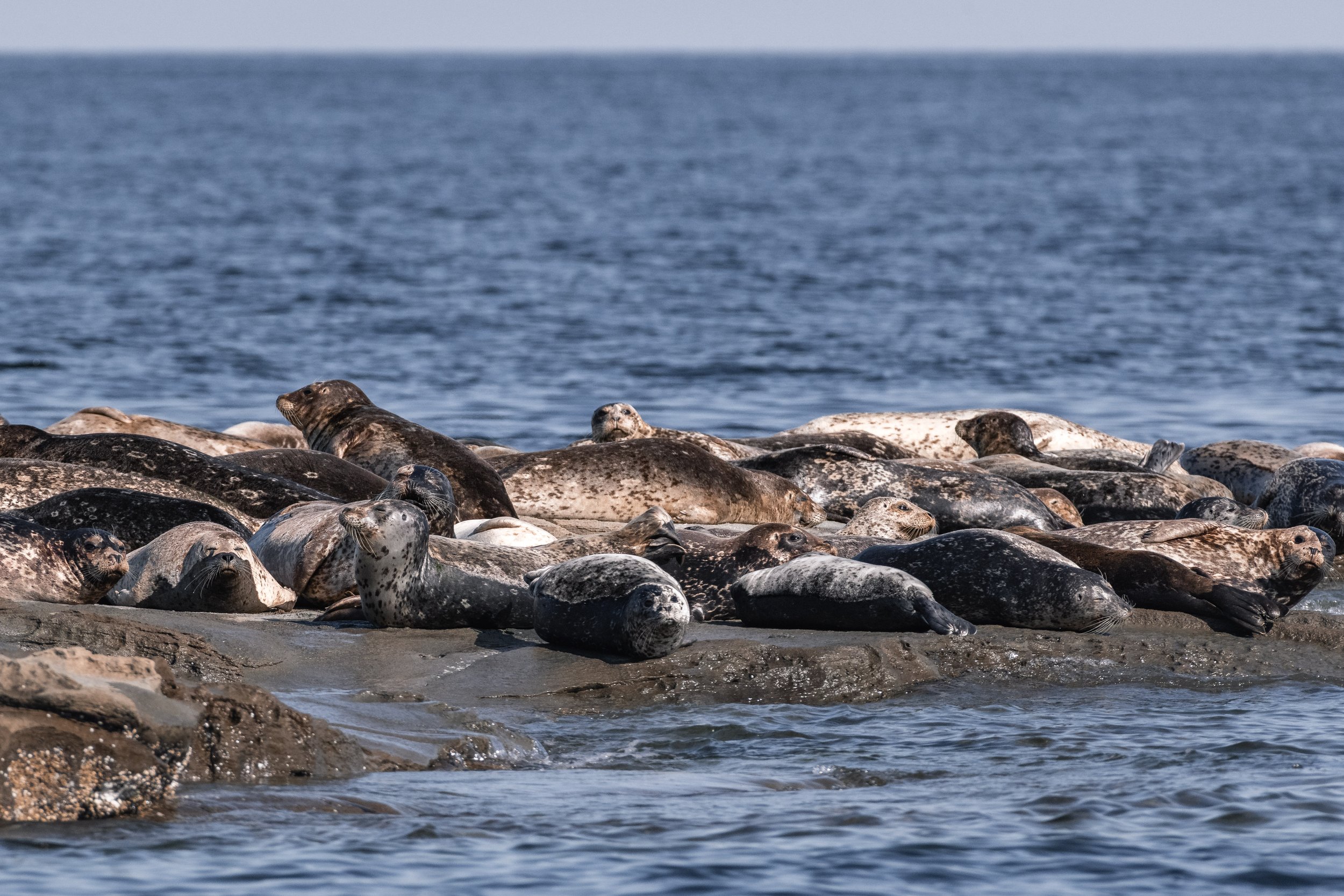
Sleepy Harbour Seals resting on the rocks.
A biiiiiig stretch from one of the Harbour Seals.
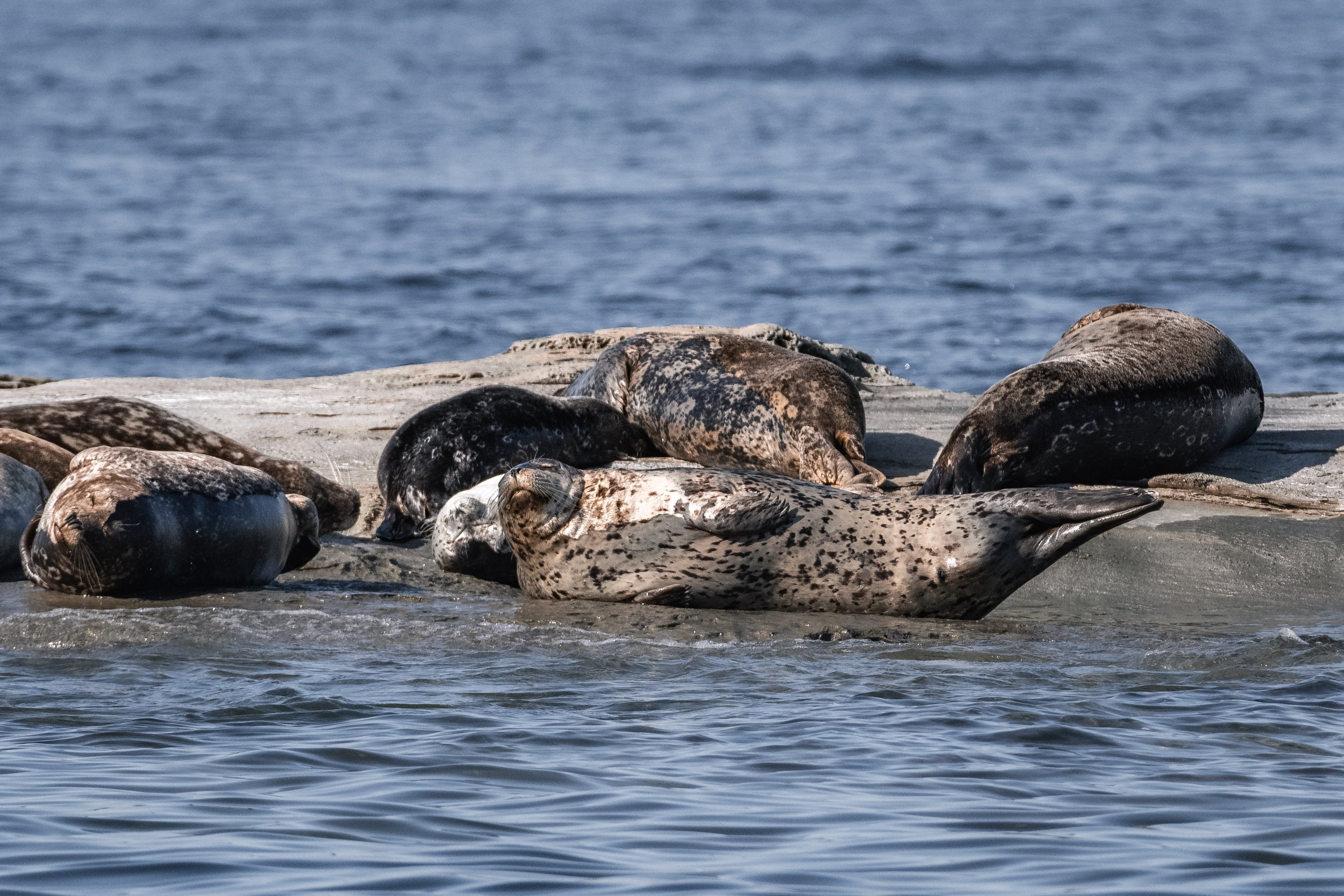
Resting together on the rocks.
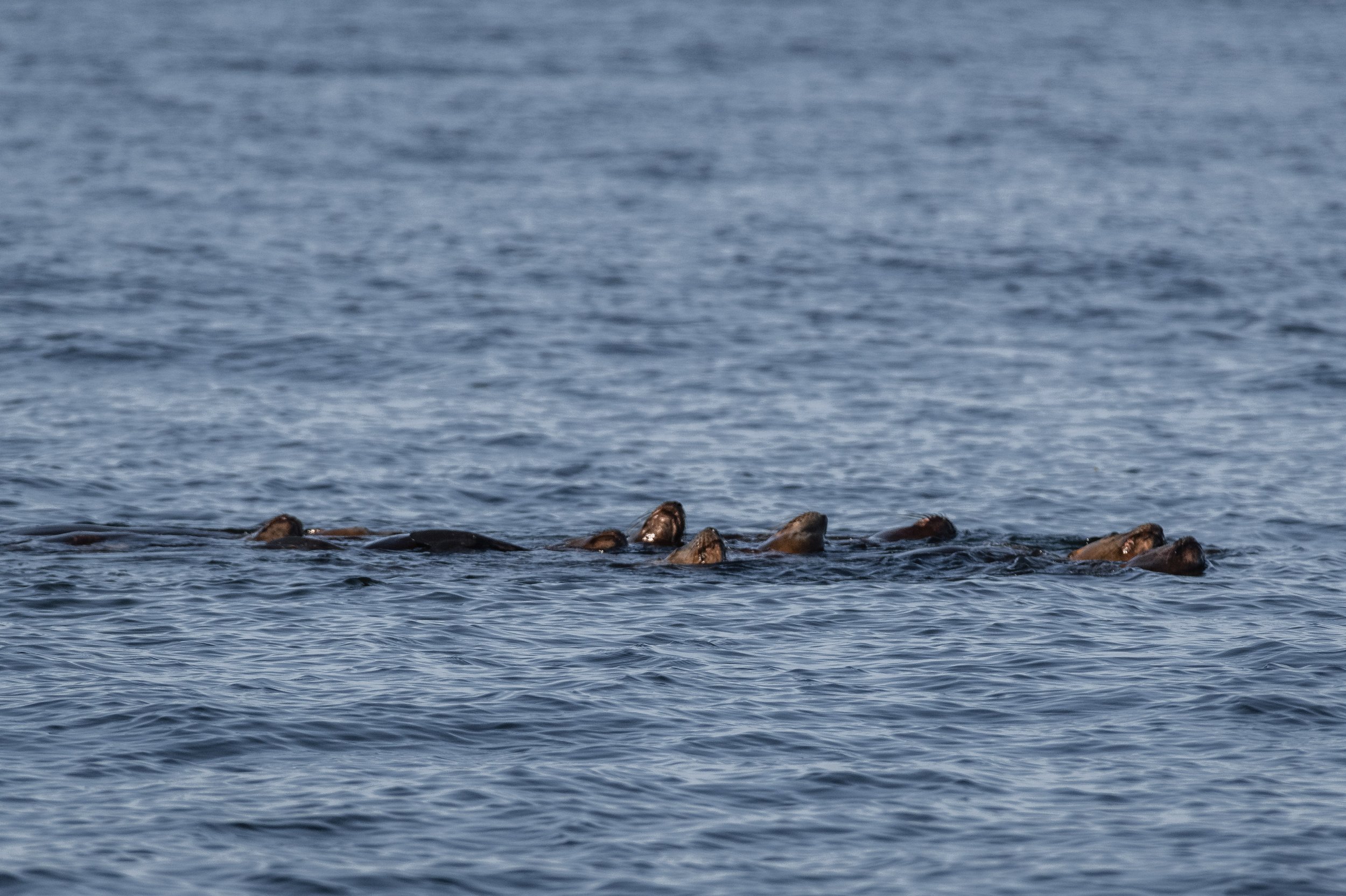
A Steller Sea Lion raft peddling along.
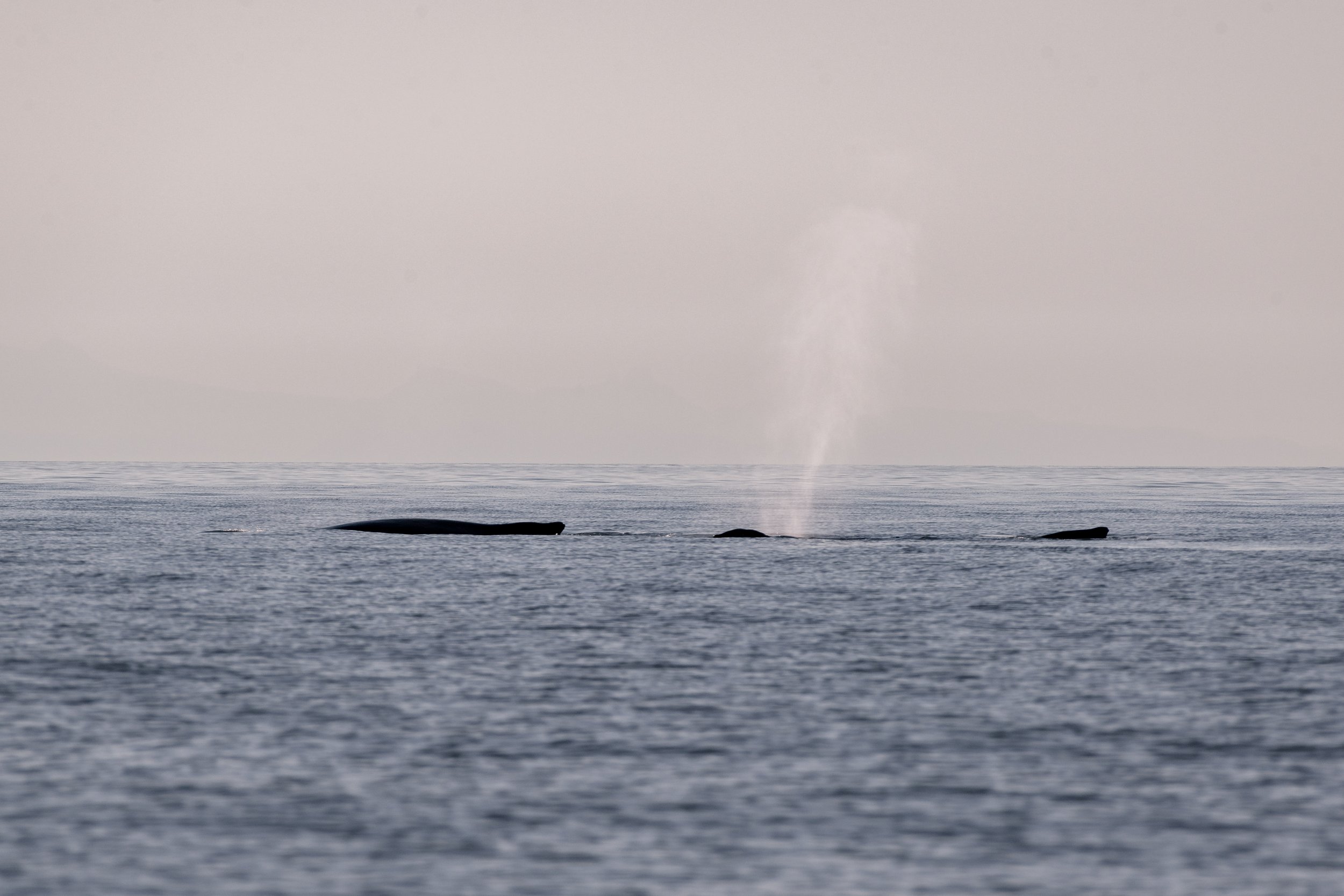
Chi with Niagara travelling behind him.
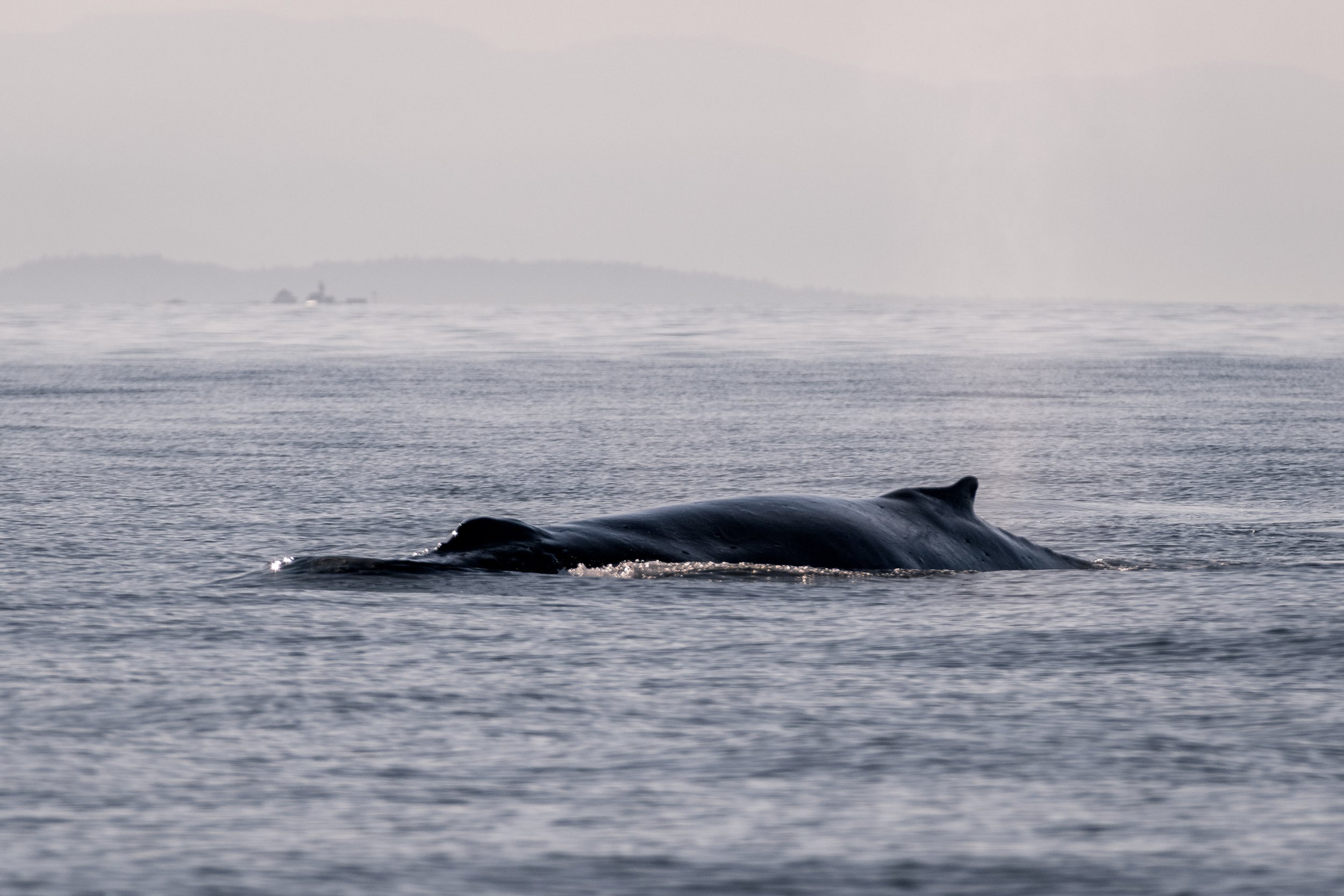
The Unknown friend travelling.
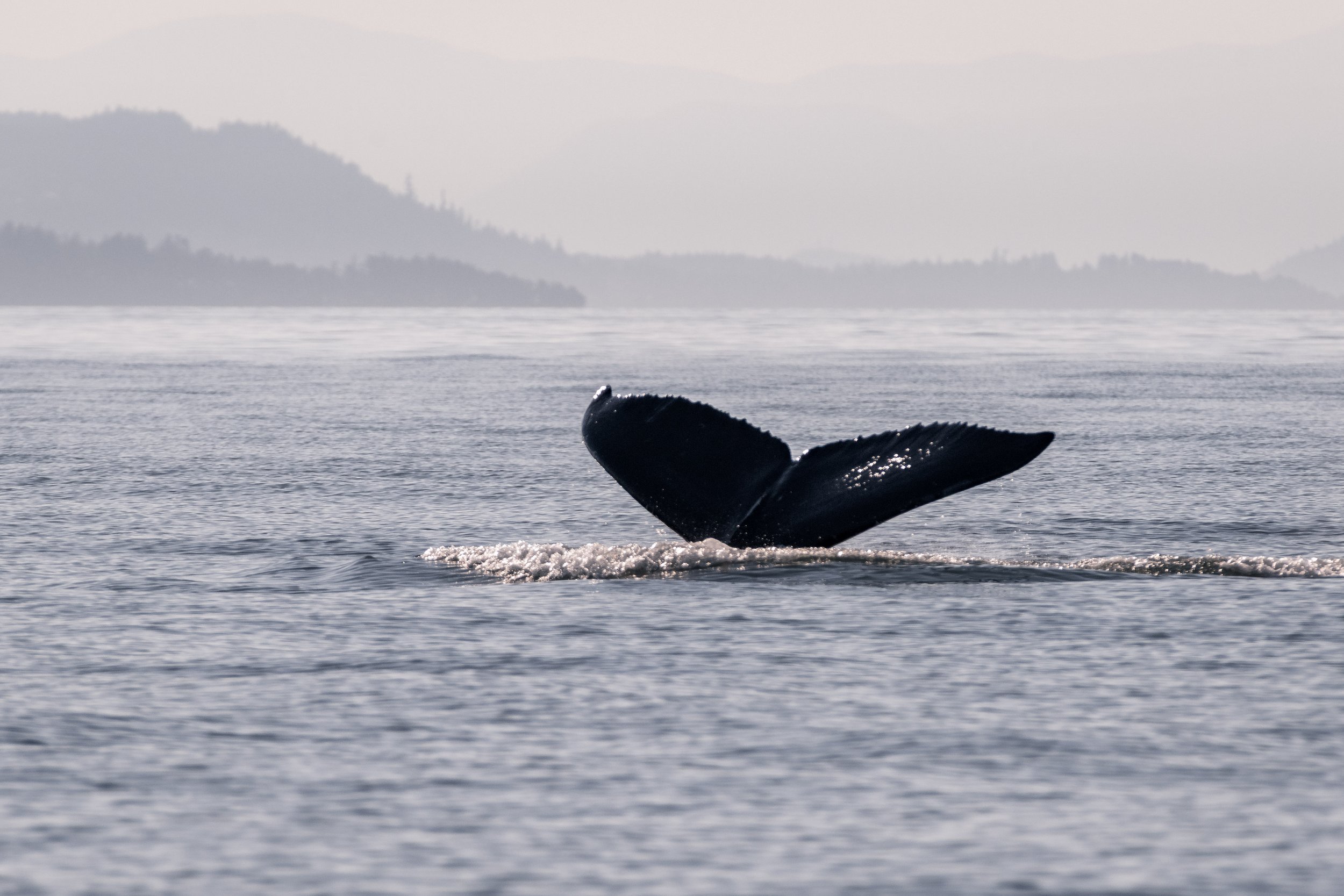
A beautiful top fluke from the Unknown friend.
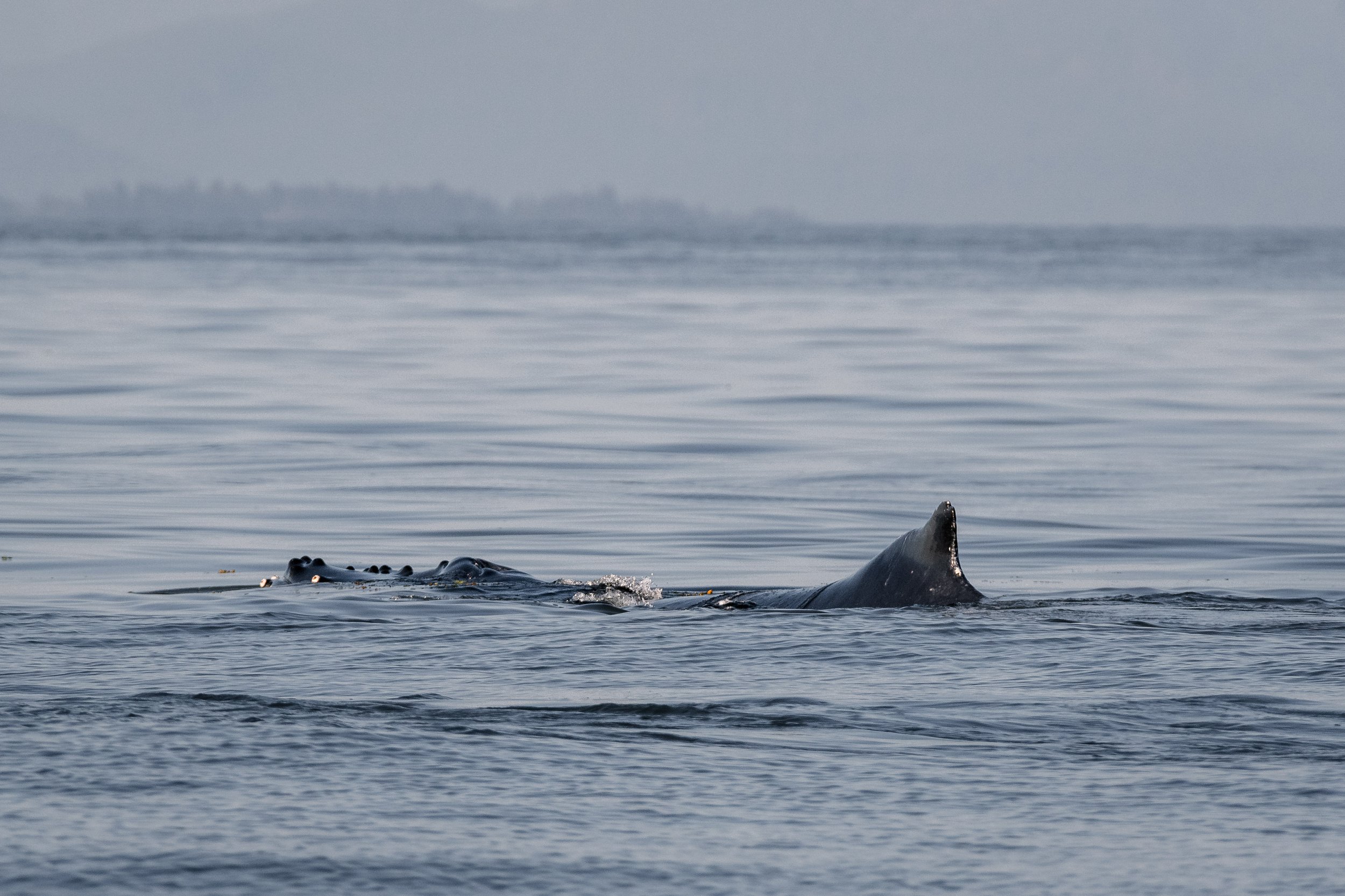
Chi snaking along.
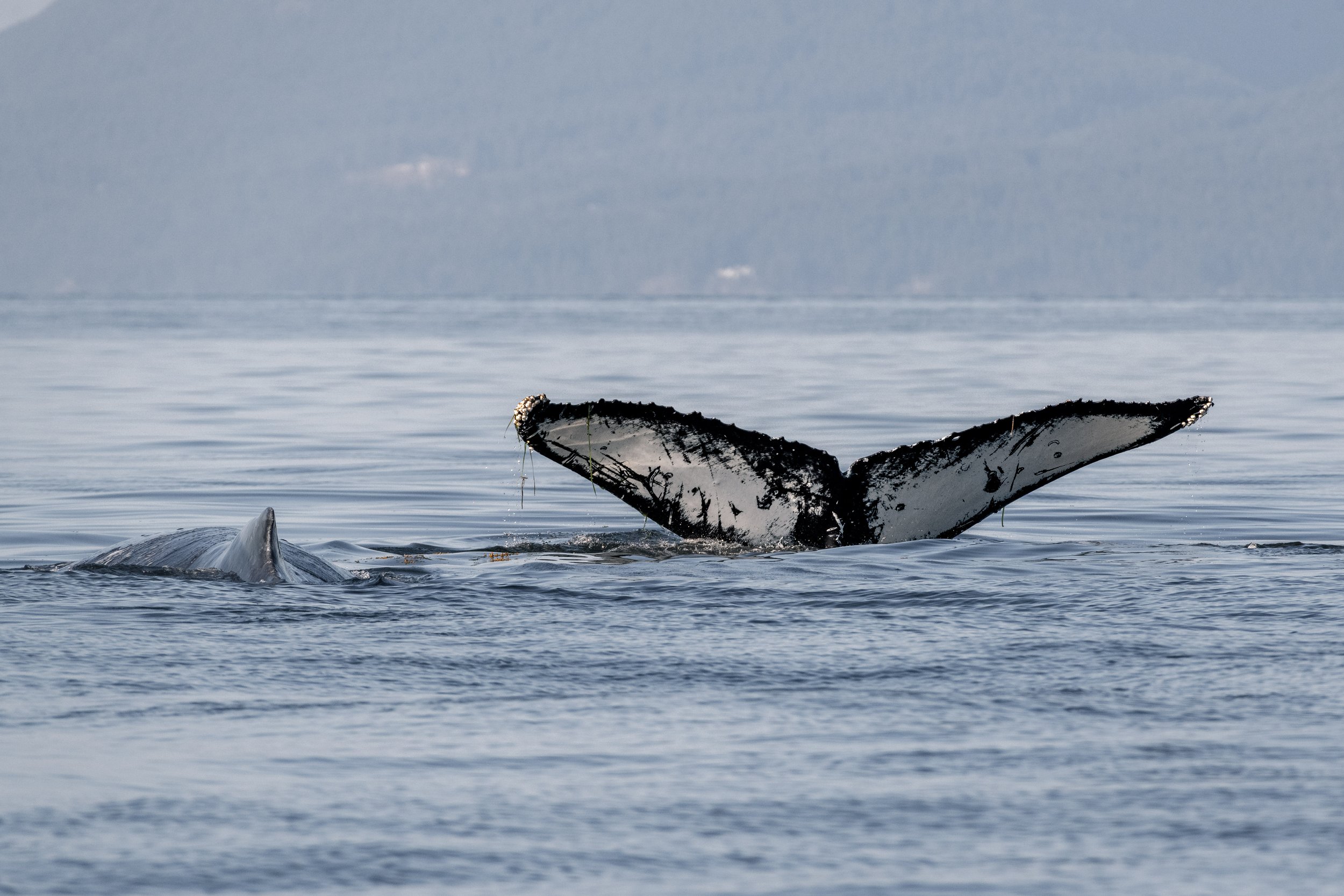
Chi fluking with sea grass draped all over his fluke and Niagara beside him.
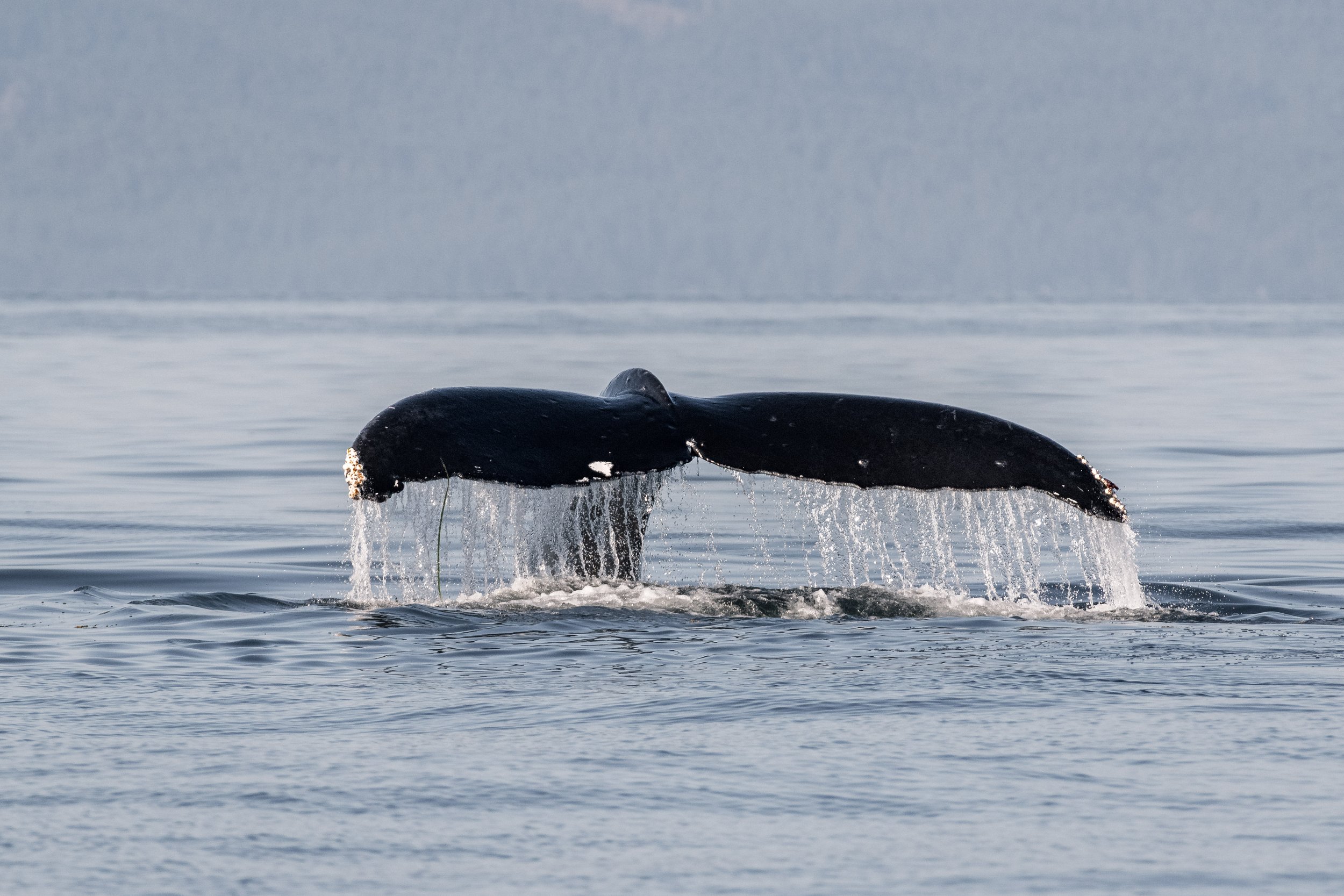
Niagara fluking with his distinct white patch visible on the top of his fluke.
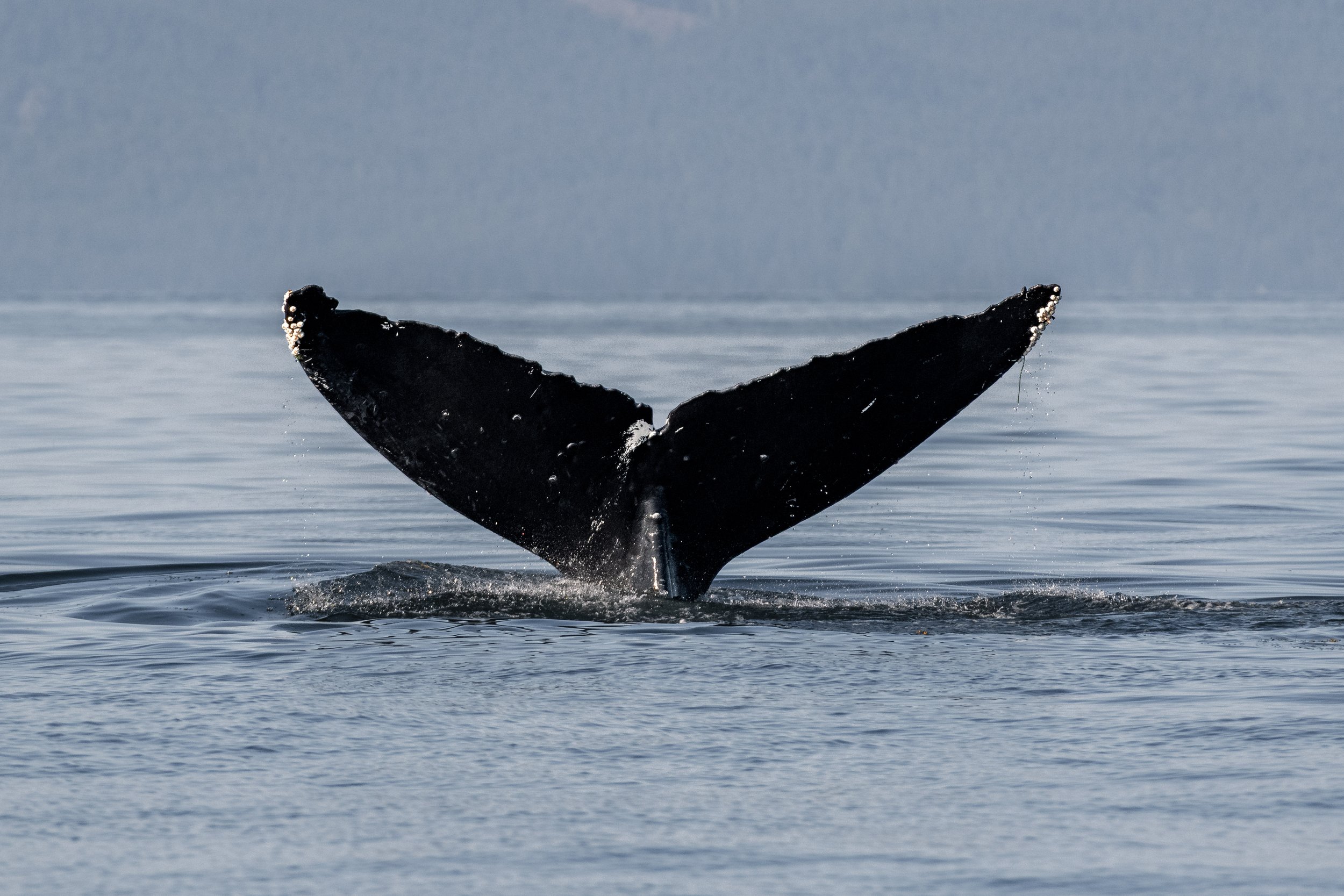
Niagara’s beautiful fluke as he dives.
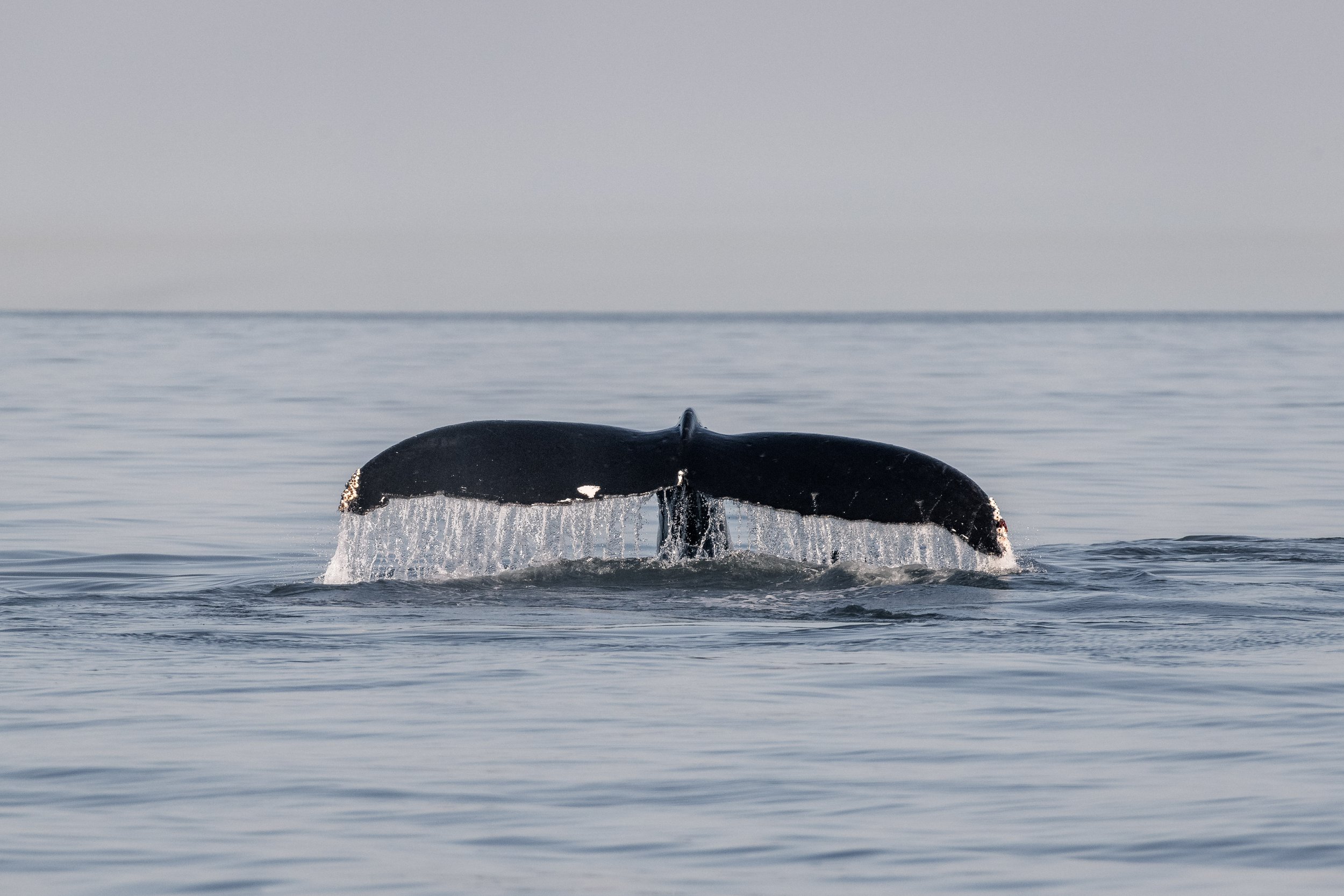
Niagara preparing for another dive.
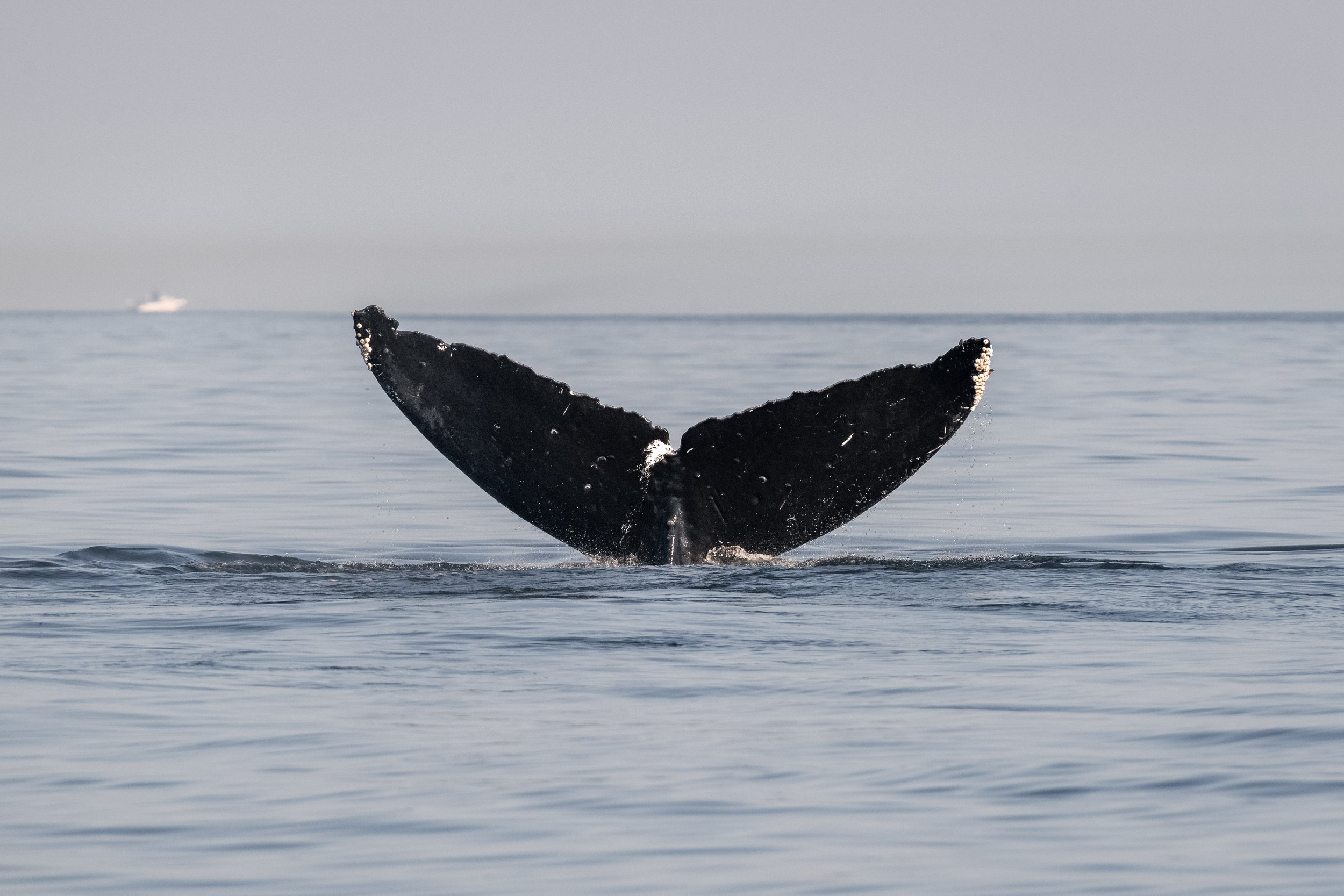
Goodbye, Niagara!