
August 8, 2026, 10:30 AM - Frolicking orca and a solo humpback whale
Setting off aboard Keta and Kula, we began our search for the morning. We travelled north, out into the Strait of Georgia. The area has been bustling with many whale sightings lately, and we were eager to see what we could find.
Crossing the Salish Sea, we made our way towards the Sunshine Coast. Once over here, we made our first wildlife stop of the day at a beautiful area known as the White Islets. This small group of islets is an important resting area for many pinnipeds and birds. Tucked high up on the rocks, the grumbles and growls of the Steller Sea Lions could be heard bouncing off the rocks. These large marine mammals tend to haul out here, where they can get out of the water to rest and warm up as needed. Along the coastline, many Gulls could also be seen, with their chicks following and squawking behind them. The White Islets are considered a critical bird habitat, with a substantial portion of marine species, such as the Marbled Murrelet, documented on or around the area.
The adventure was just starting, though. After our stop at the White Islets, we got comfortable and went back into full search mode. Scanning all around as we went, we began exploring the Strait's wide waters. The vessels spread out to cover as much area as possible. This soon proved fruitful, as Keta found a humpback soon after. Kula continued the search, heading further into the middle of the Strait.
As Keta got into position, the little humpback was spotted travelling and fluking. Naturalist Jordan raised his camera and, after a quick photo, confirmed this whale as Helen (BCX2494). We watched as she meandered along, occasionally diving deeper as she went.
Soon after, Kula found whales of their own. This time, in the form of orca! Multiple young calves were darting between the adults as we arrived. Naturalist Evan began documenting the whales, and we soon learned that we were with the T036Bs:
T036 Flapjack ♀ (1970)
T036B Tattertip ♀ (1998)
T036B1 Bhotia ♀ (2009)
T036B1A Maple ♀ (2025)
T036B2 Greenfelder ♀ (2013)
T036B4 Auk ♂ (2024)
Keta soon left Helen and made their way to visit the T036Bs as well.
There was much excitement and hustle and bustle as we settled in to observe them. The two youngest calves, T036B1A Maple and T036B4 Auk, zipped back and forth among their family members. Auk in particular seemed highly excitable and was seen popping out of the water in a behaviour known as a back dive. The family members were also spotted porpoising along, or travelling at high speed while briefly bursting above the surface and clearing the water. While these behaviours were awe-inspiring, they weren’t the most incredible behaviour witnessed during the encounter. At some points, squeaks and clicks could be heard - they were vocalizing above the water! Transient orca are usually quieter whales at the best of times, as they rely on stealth to hunt their prey, leading to vocalizations being a rarer behaviour to witness. Hearing vocalizations above the surface, though, is even rarer. While we are unsure what they were discussing, they were very busy chatting away as we watched. It is always incredible getting to see wildlife in their home environment, simply living their lives, and this encounter was the perfect example of that.
Eventually, it was time for us to depart the T036Bs. We started the search once again as we generally aimed back towards Nanaimo, and were rewarded with a final sighting for the day.
It was another familiar fin, Pingu (BCY1110). While Pingu has been a frequent visitor to the Salish Sea over the last ten years, our waters aren’t the only ones they tend to frequent. Pingu has also been spotted up in the nutrient-dense waters of central Alaska. This is another critical summer feeding ground for the humpbacks, and while most humpbacks prefer to return to the same waters year after year, occasionally we see whales like Pingu who prefer to enjoy all the Pacific has to offer! After spending some time watching Pingu dive over and over, it was finally time to wrap up the tour and head back across the water.
Another great day exploring the wildlife of the Salish Sea! Please enjoy the photos below taken throughout the tour by Marine Naturalists Evan Hessels and Jordan Robinson.
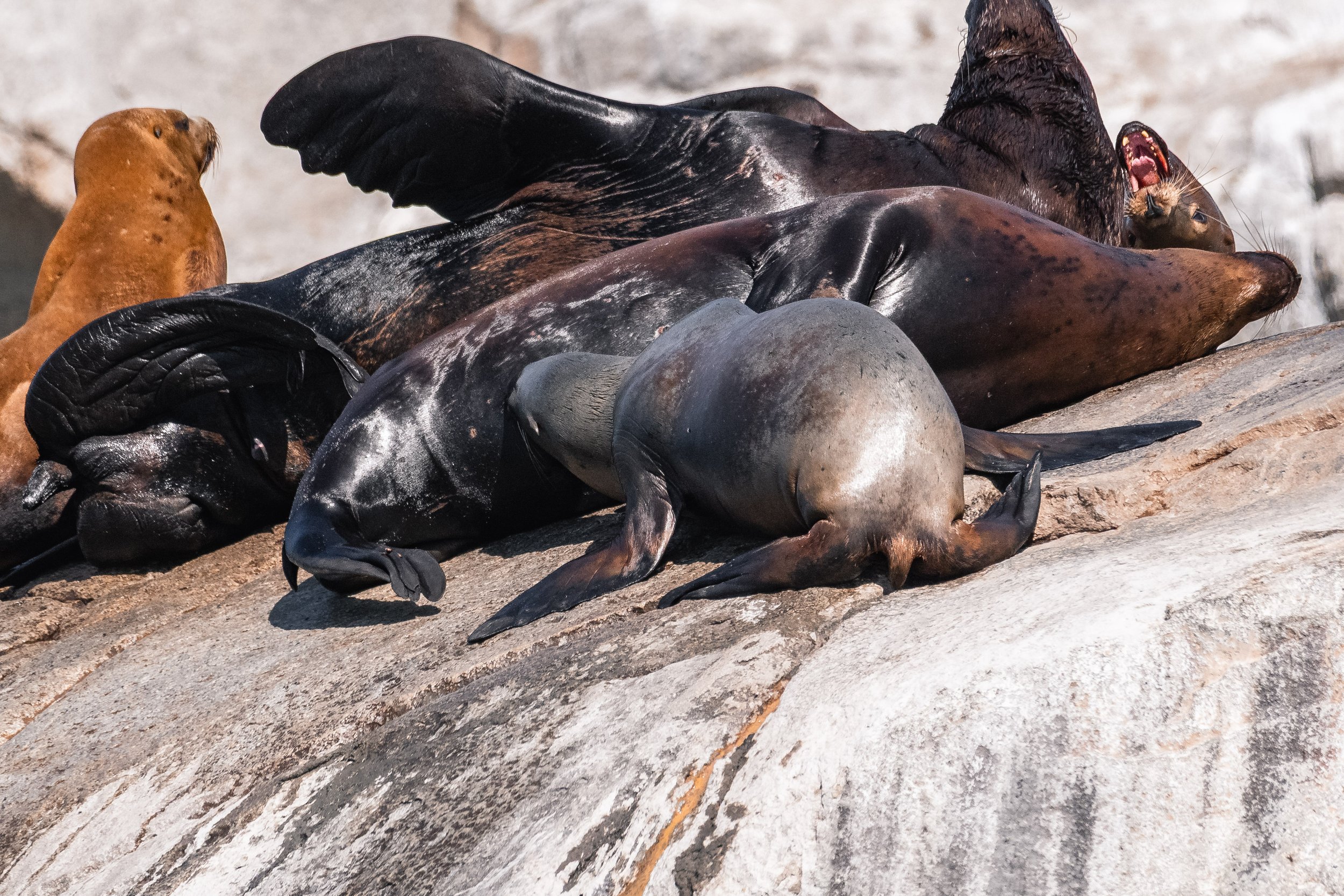
A younger sea lion nursing. Photo by Evan Hessels.
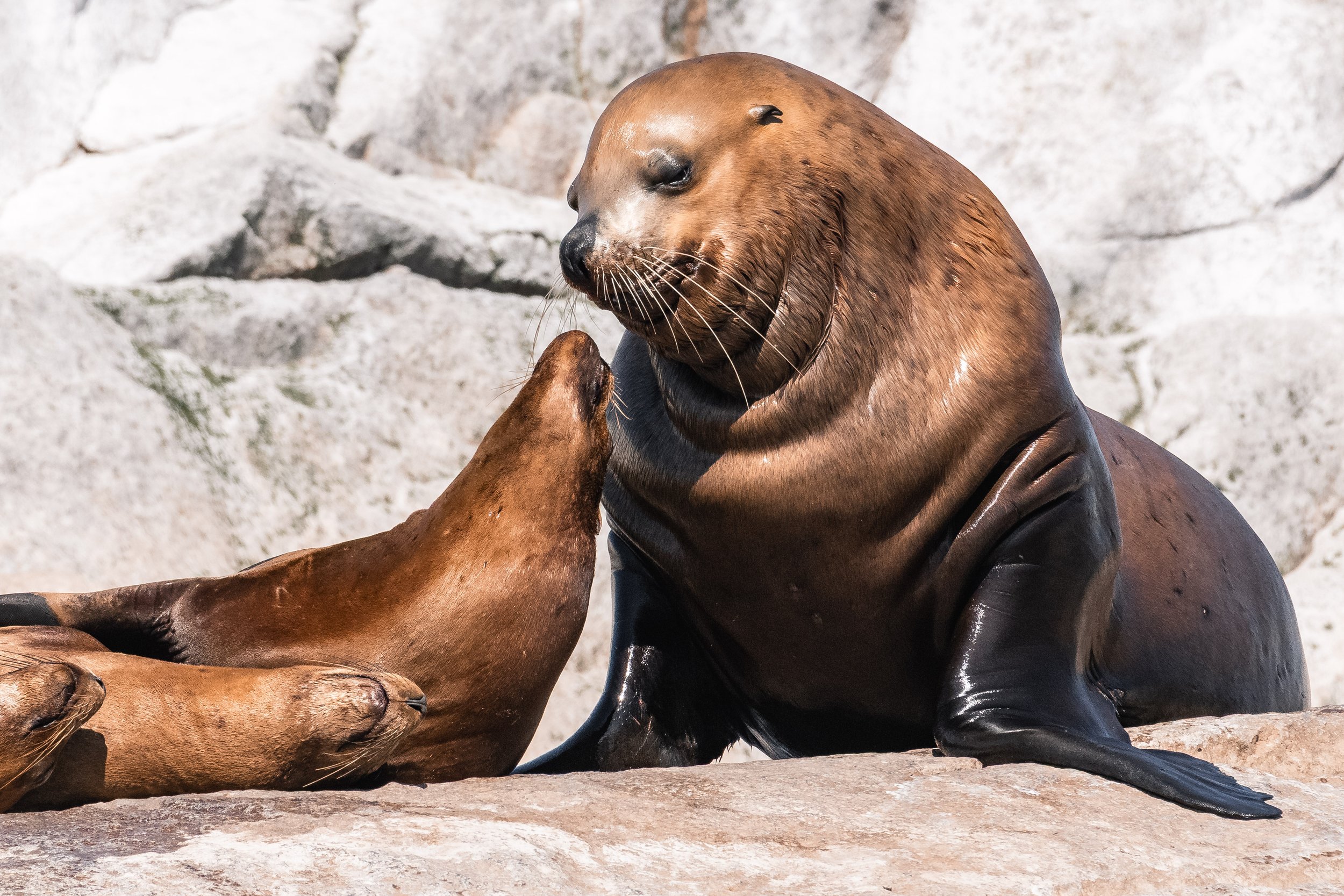
Getting the stink eye from one of the large Steller Sea Lion males. Photo by Evan Hessels.
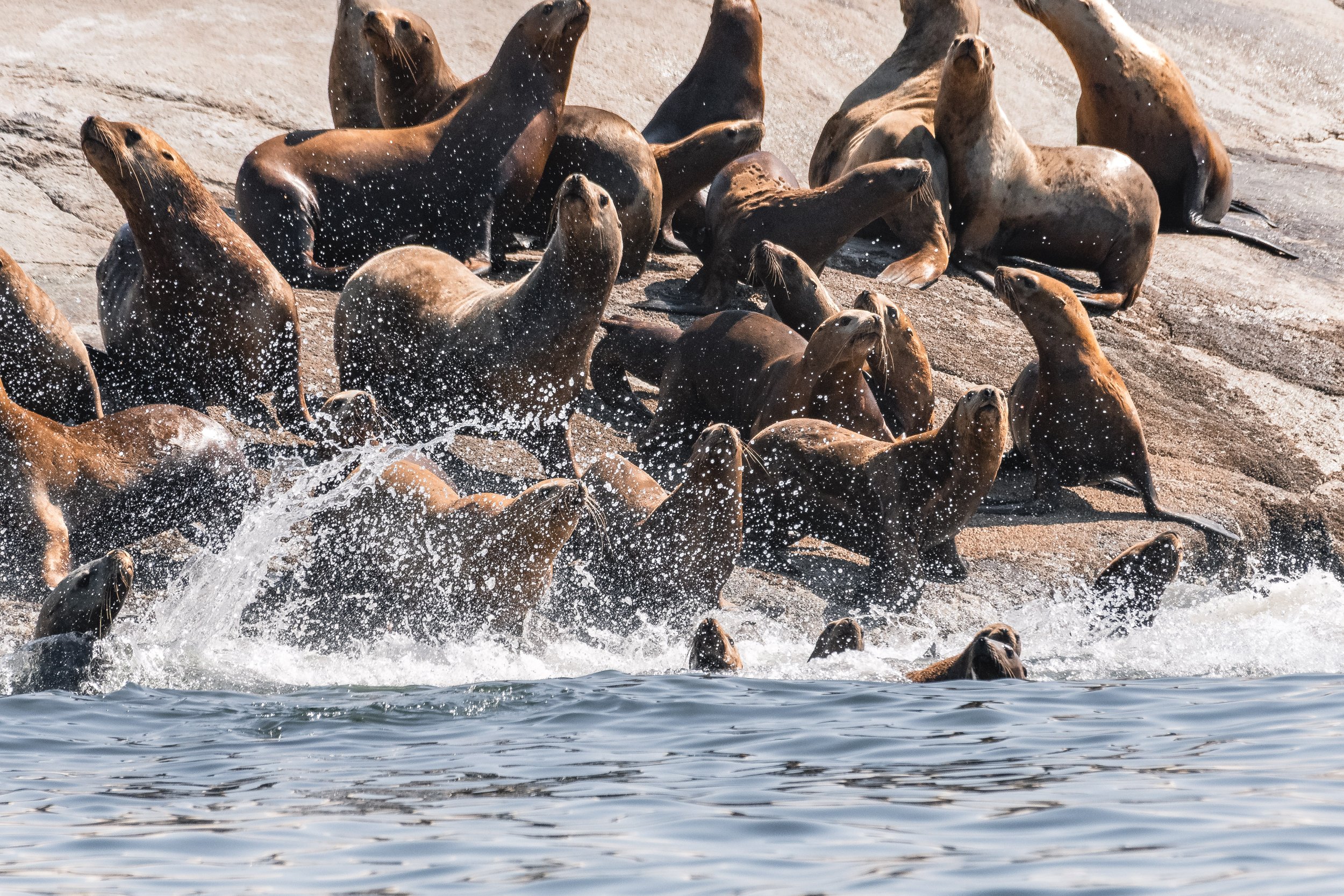
Heading down into the waters. Photo by Evan Hessels.
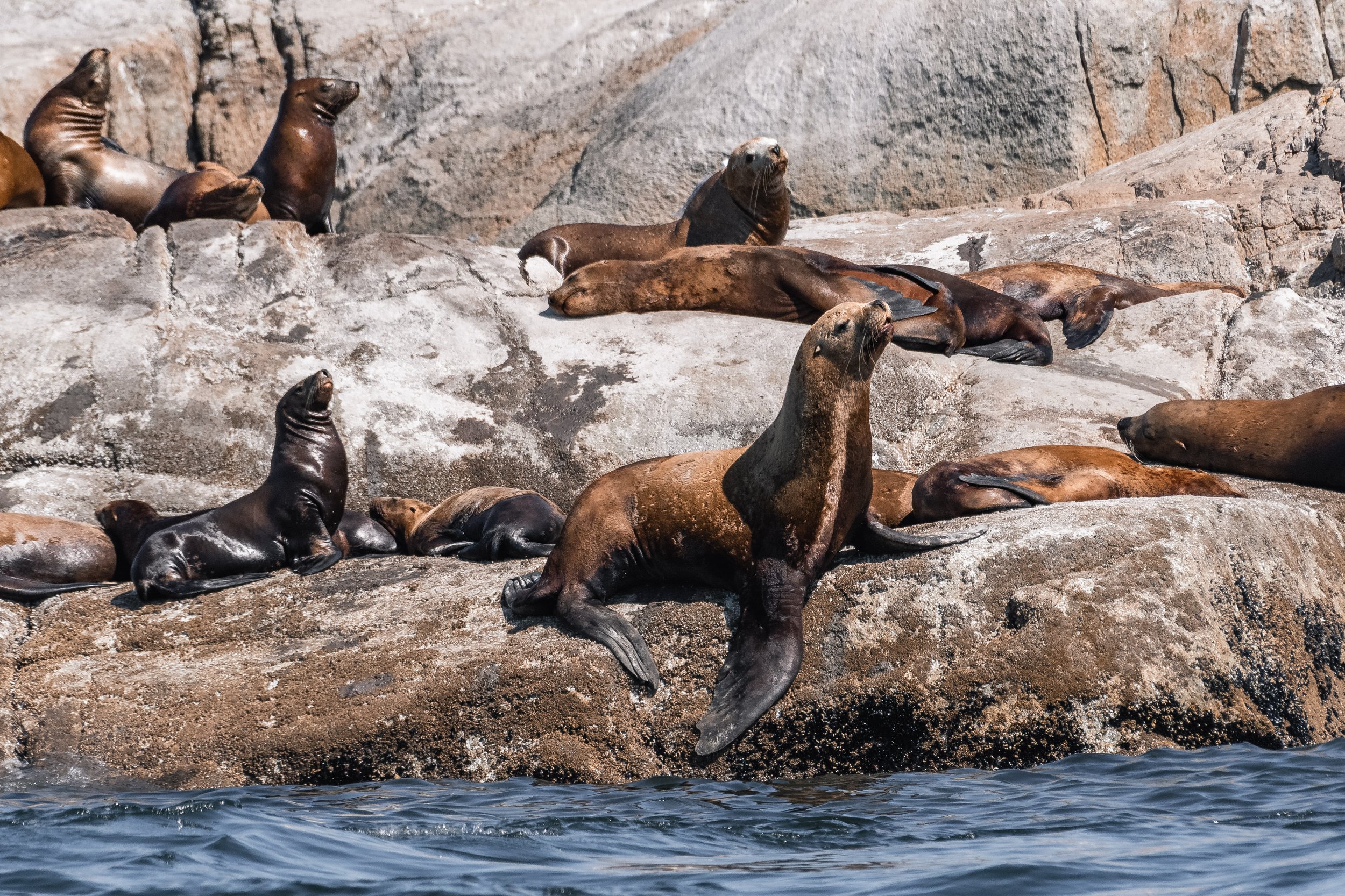
Resting on White Islets. Photo by Evan Hessels.
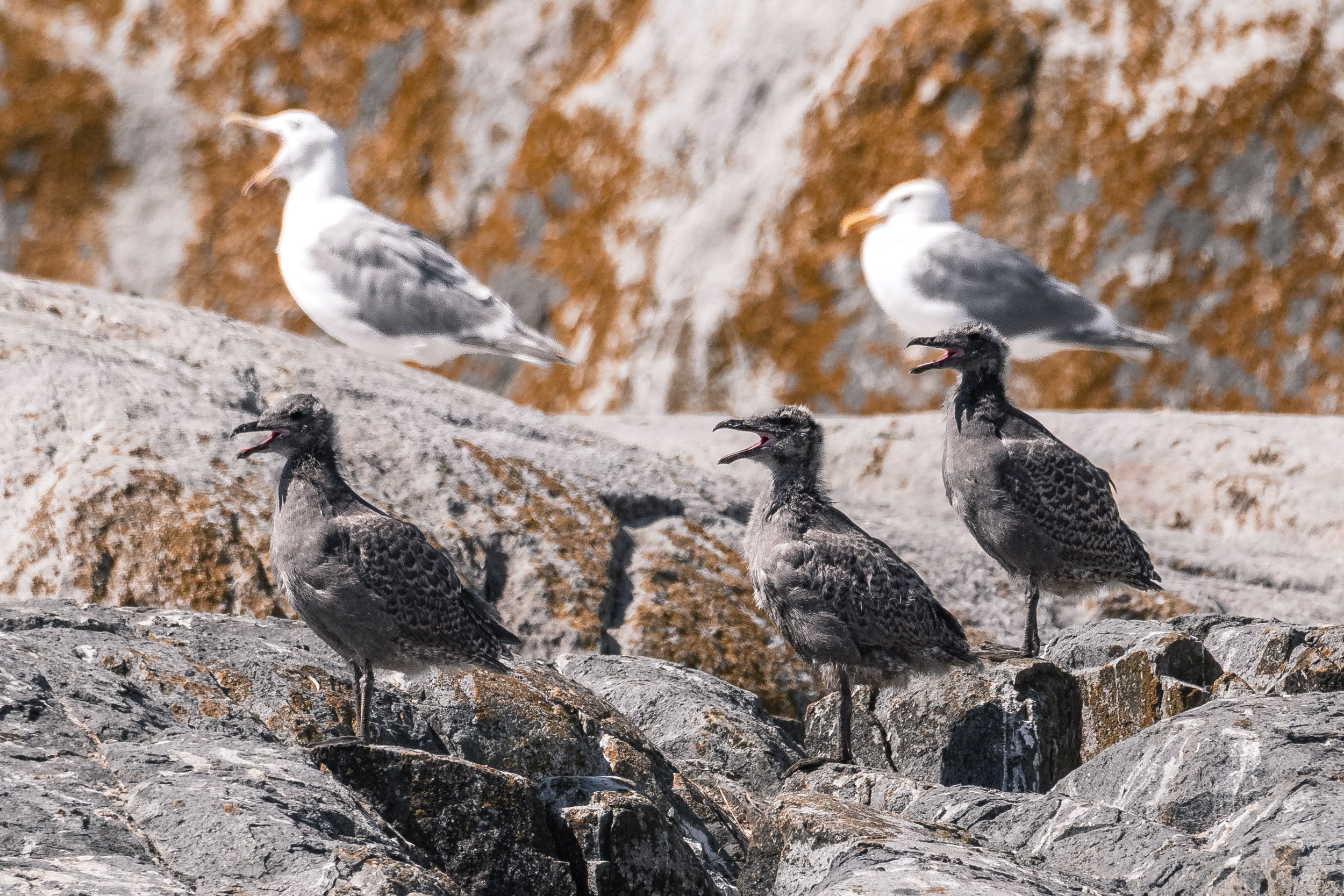
A gaggle of juvenile Gulls. Photo by Evan Hessels.
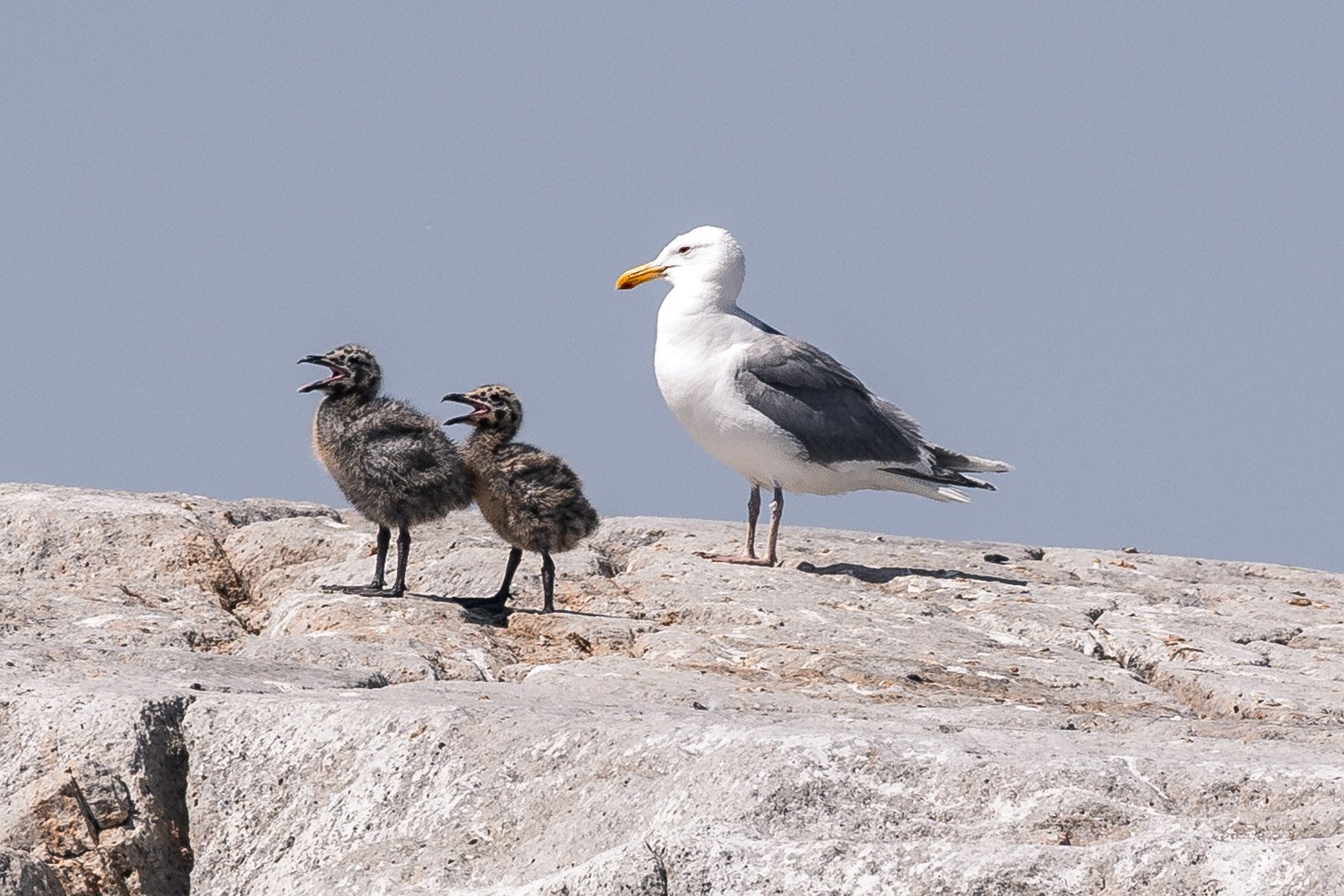
Squawking away. Photo by Jordan Robinson.
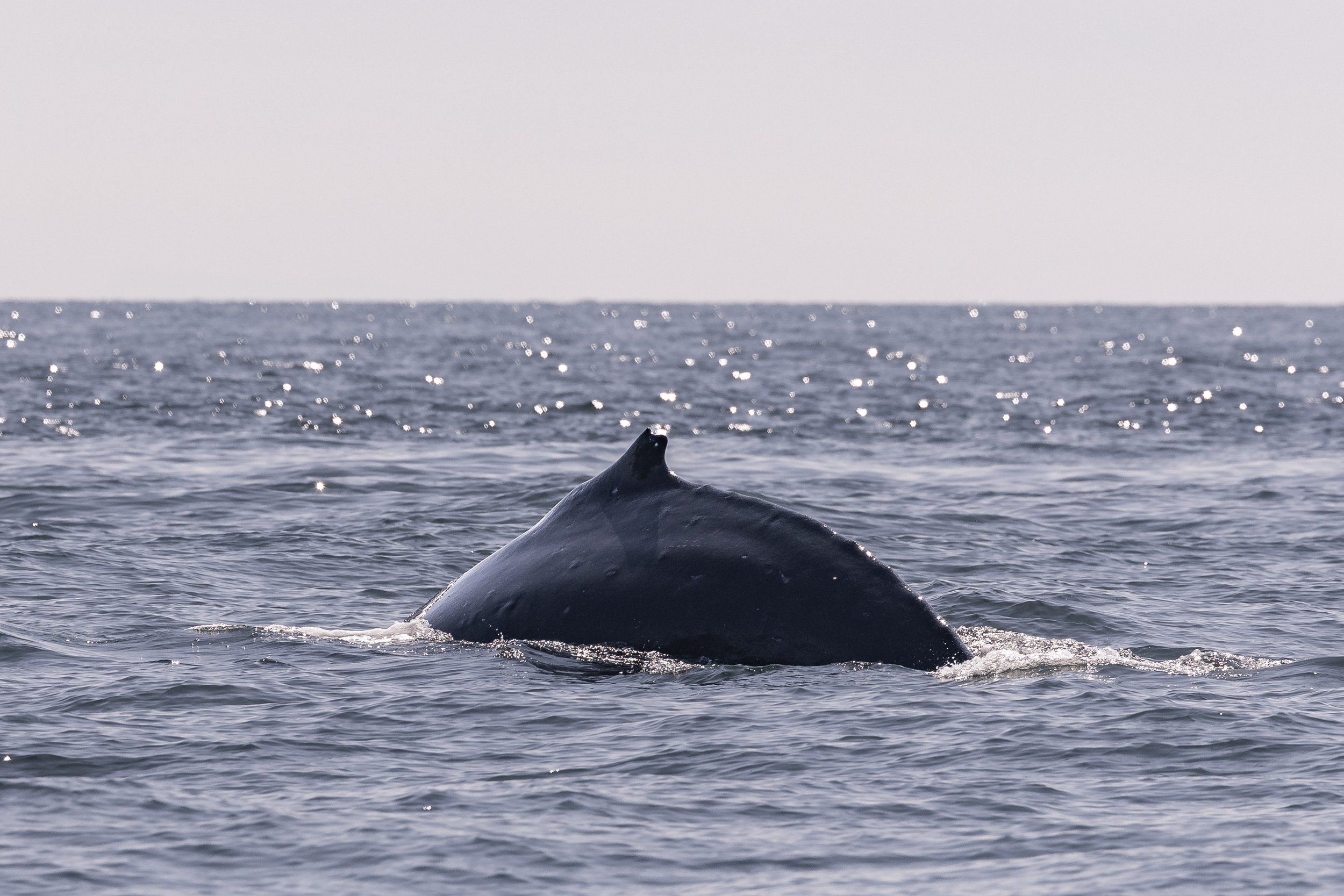
Helen going for a dive. Photo by Jordan Robinson.
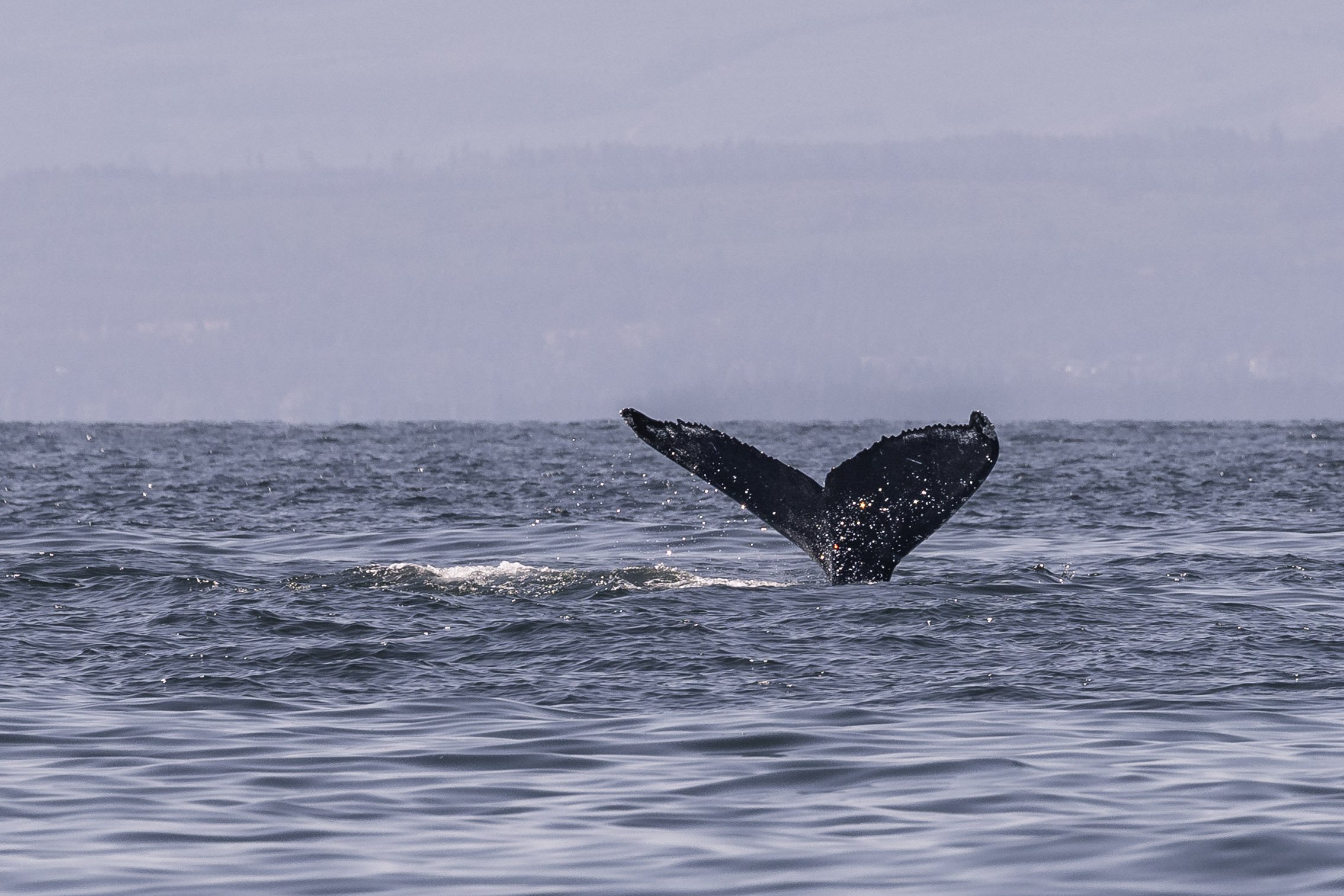
Helen’s fluke as she dives. Photo by Jordan Robinson.
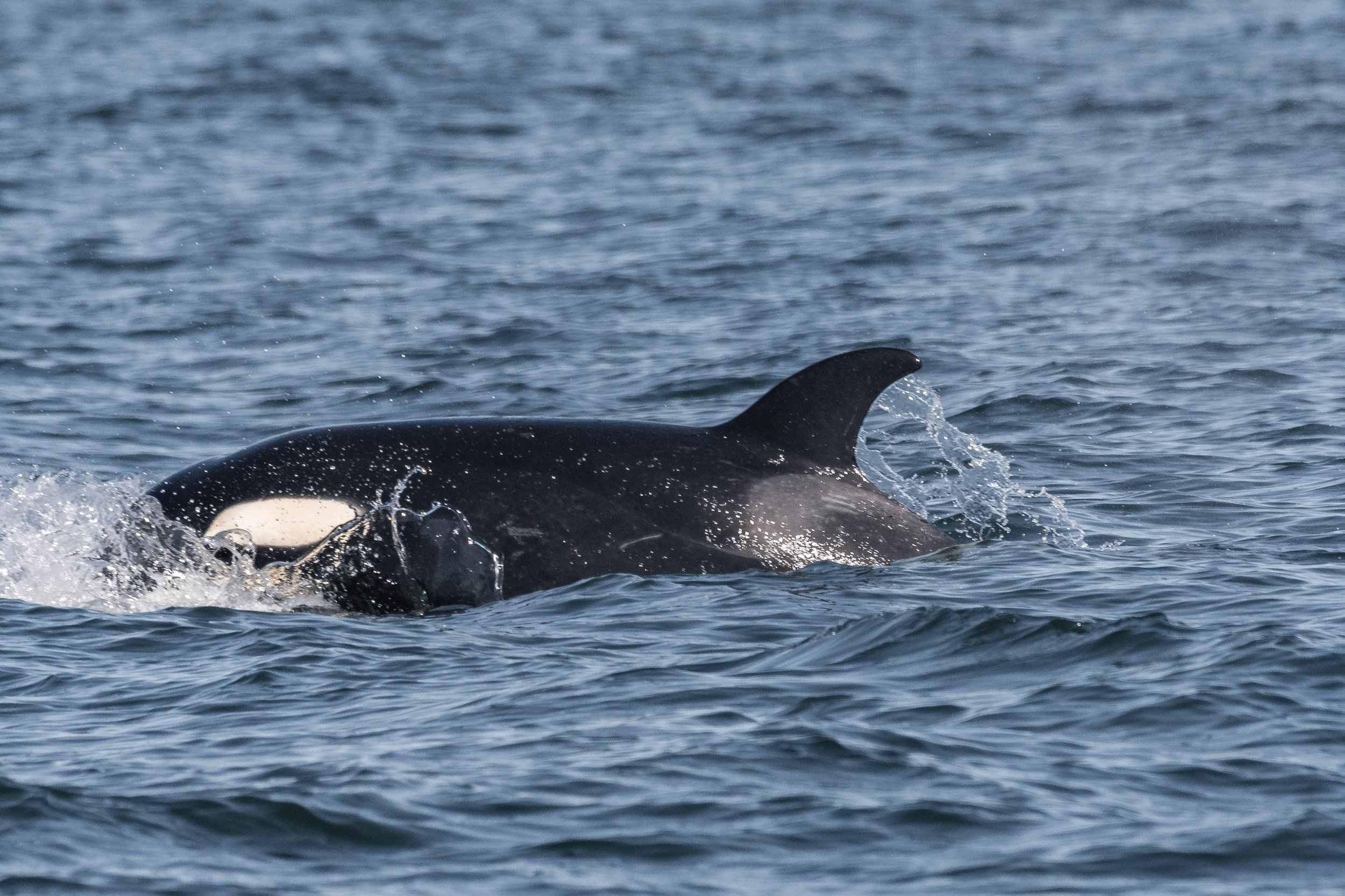
T036B1A Maple speedily cruising along. Photo by Evan Hessels.
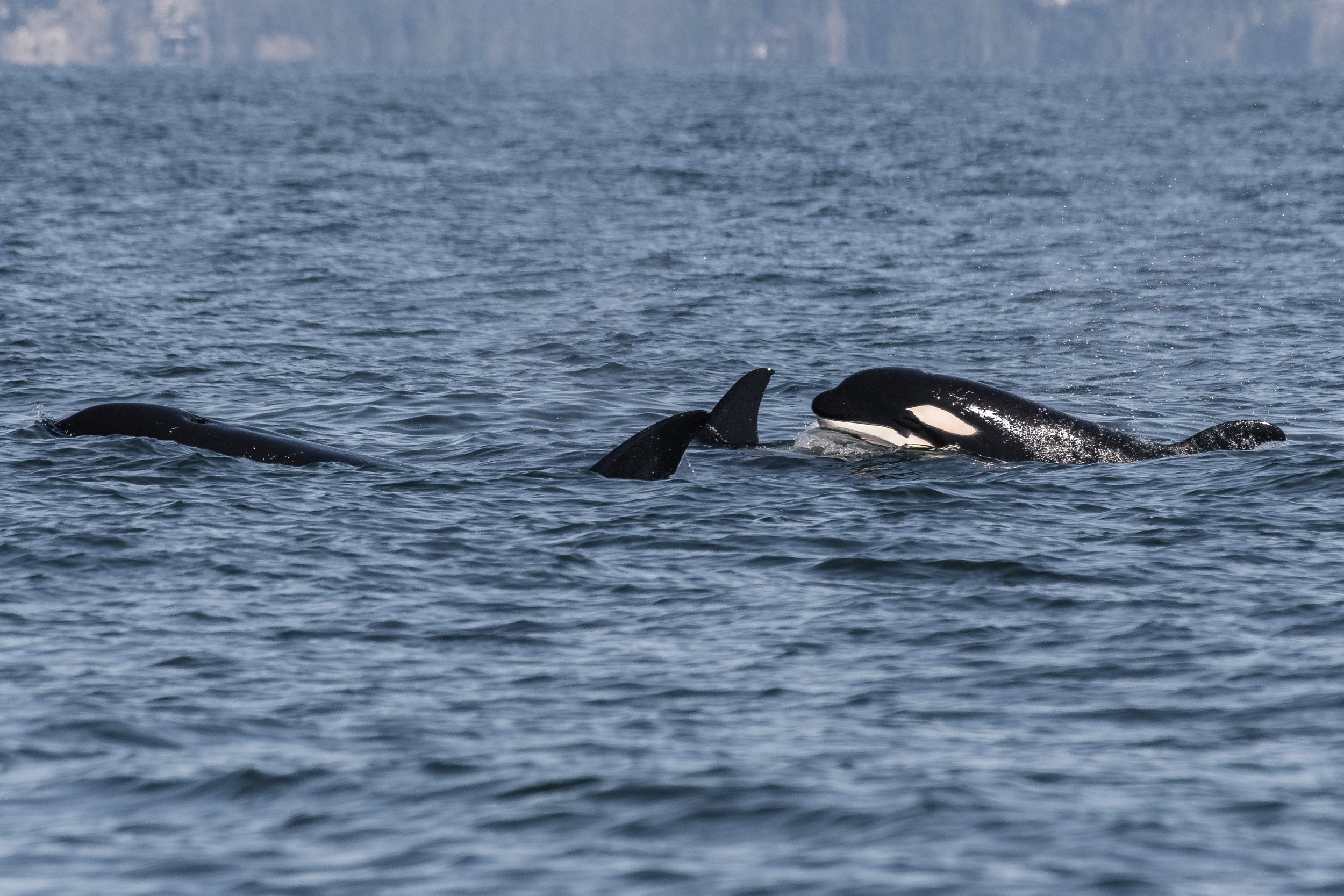
T036B1 Bhotia with T036B Tattertip beside her, and T036B4 Auk with his head above the water. Photo by Evan Hessels.
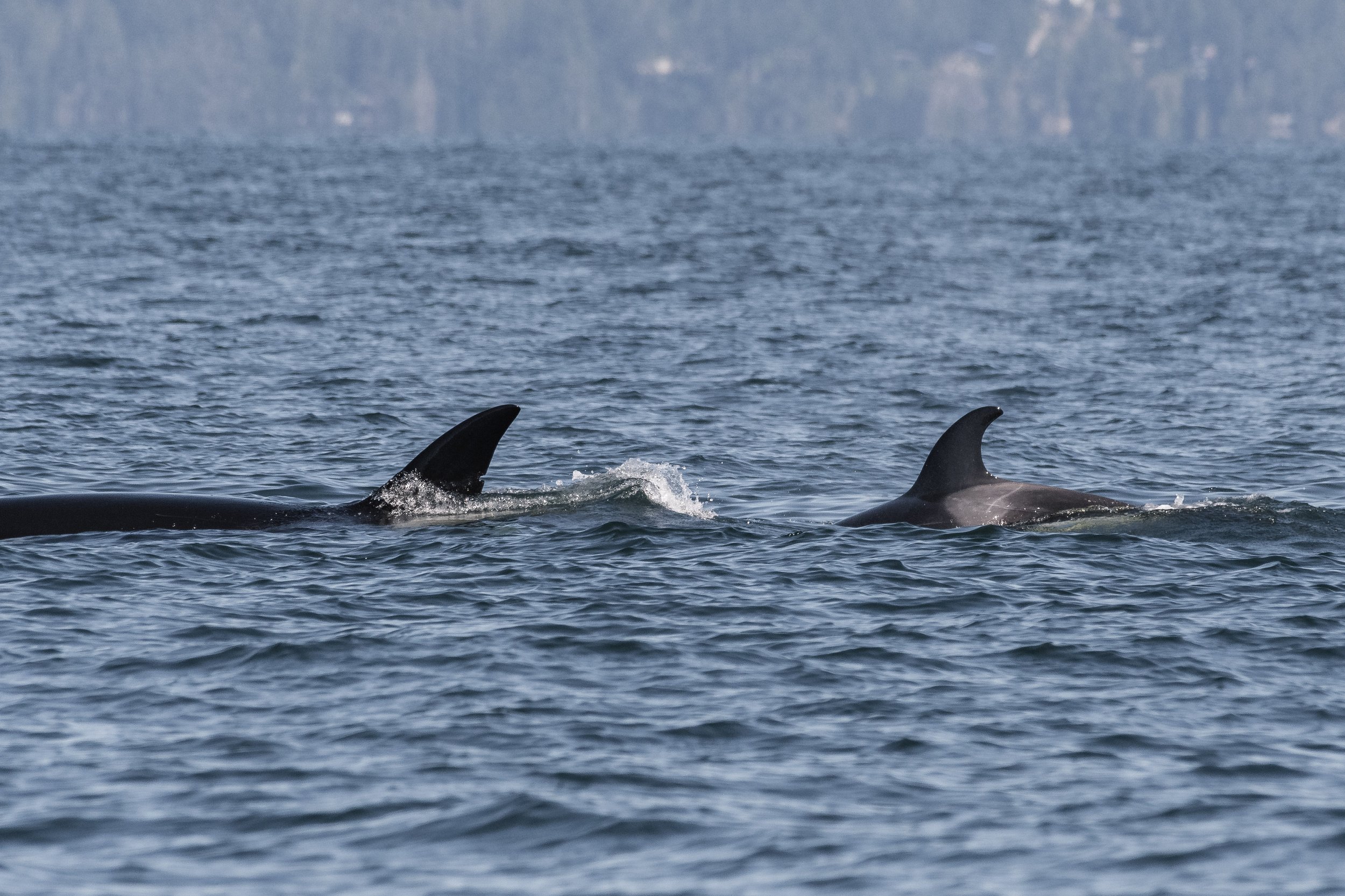
T036B1 Bhotia and T036B4 Auk - Auk has a very unique scar on his dorsal fin. Photo by Evan Hessels.
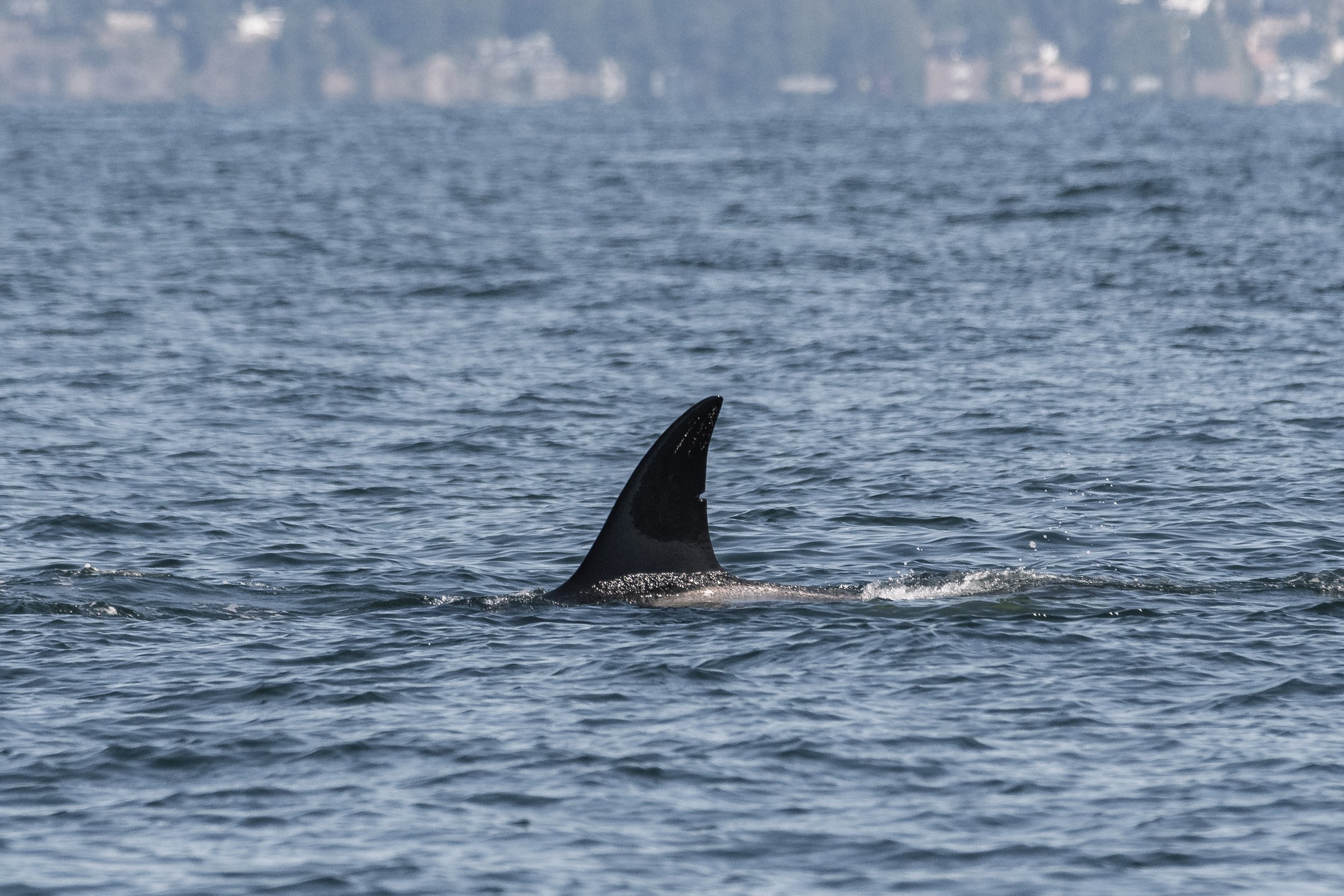
T036B1 Bhotia with her large notch visible. Photo by Evan Hessels.
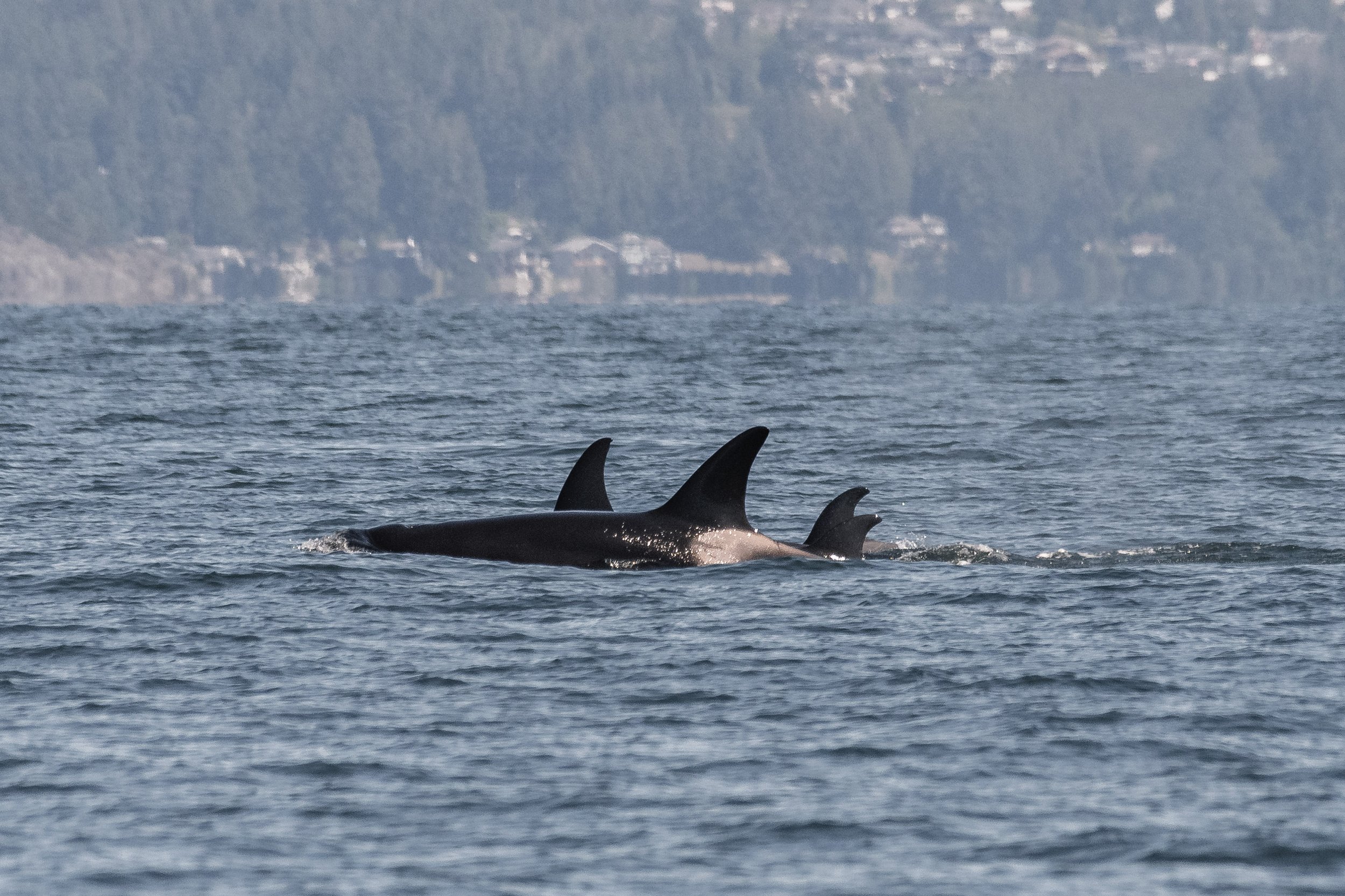
T036B Tattertip, T036B2 Greenfelder, T036B4 Auk, and T036B1A Maple. Photo by Evan Hessels.
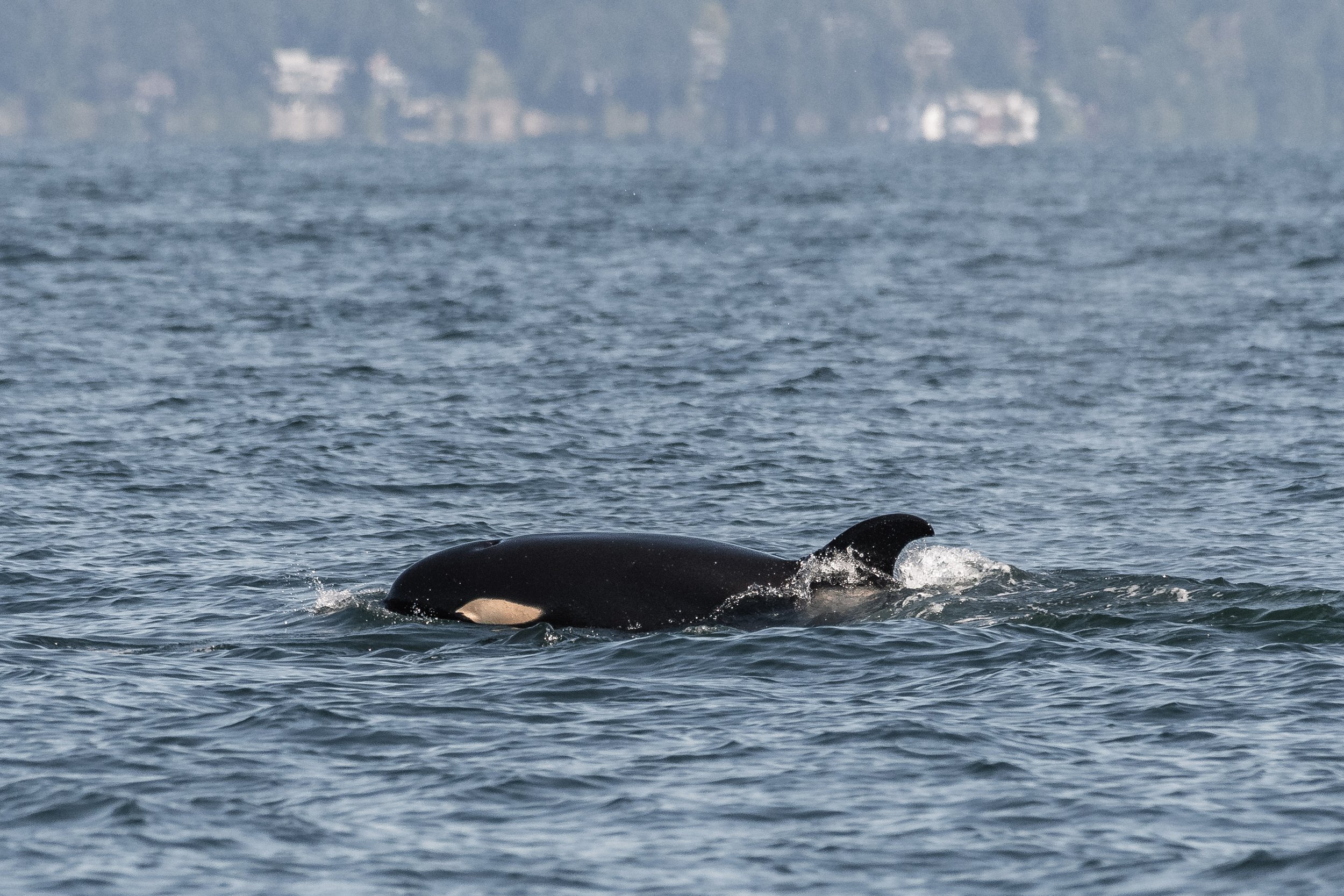
T036B4 Auk. Photo by Evan Hessels.
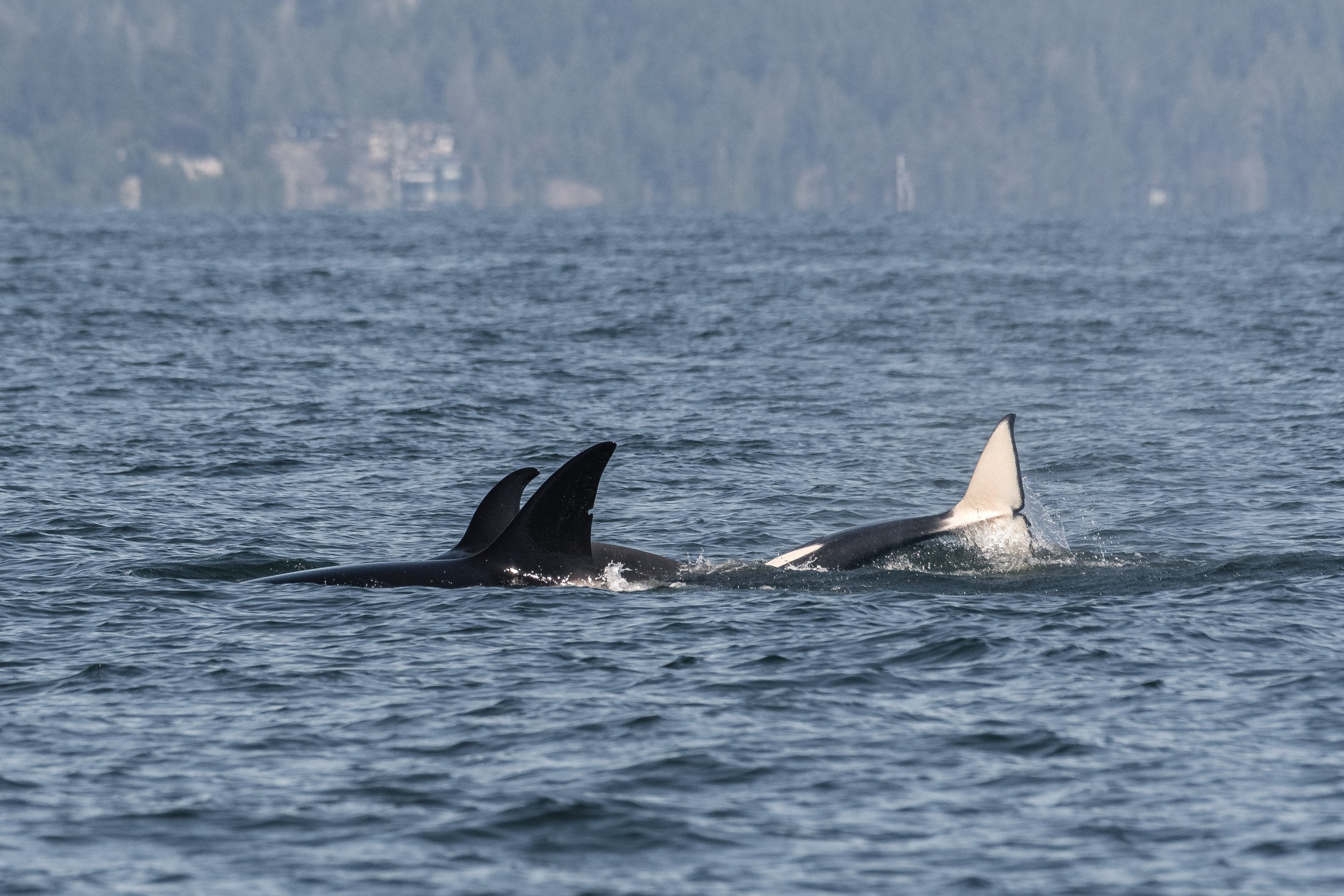
T036B4 Auk and T036B1 Bhotia with one of the other young ones rolling beside them. Photo by Evan Hessels.
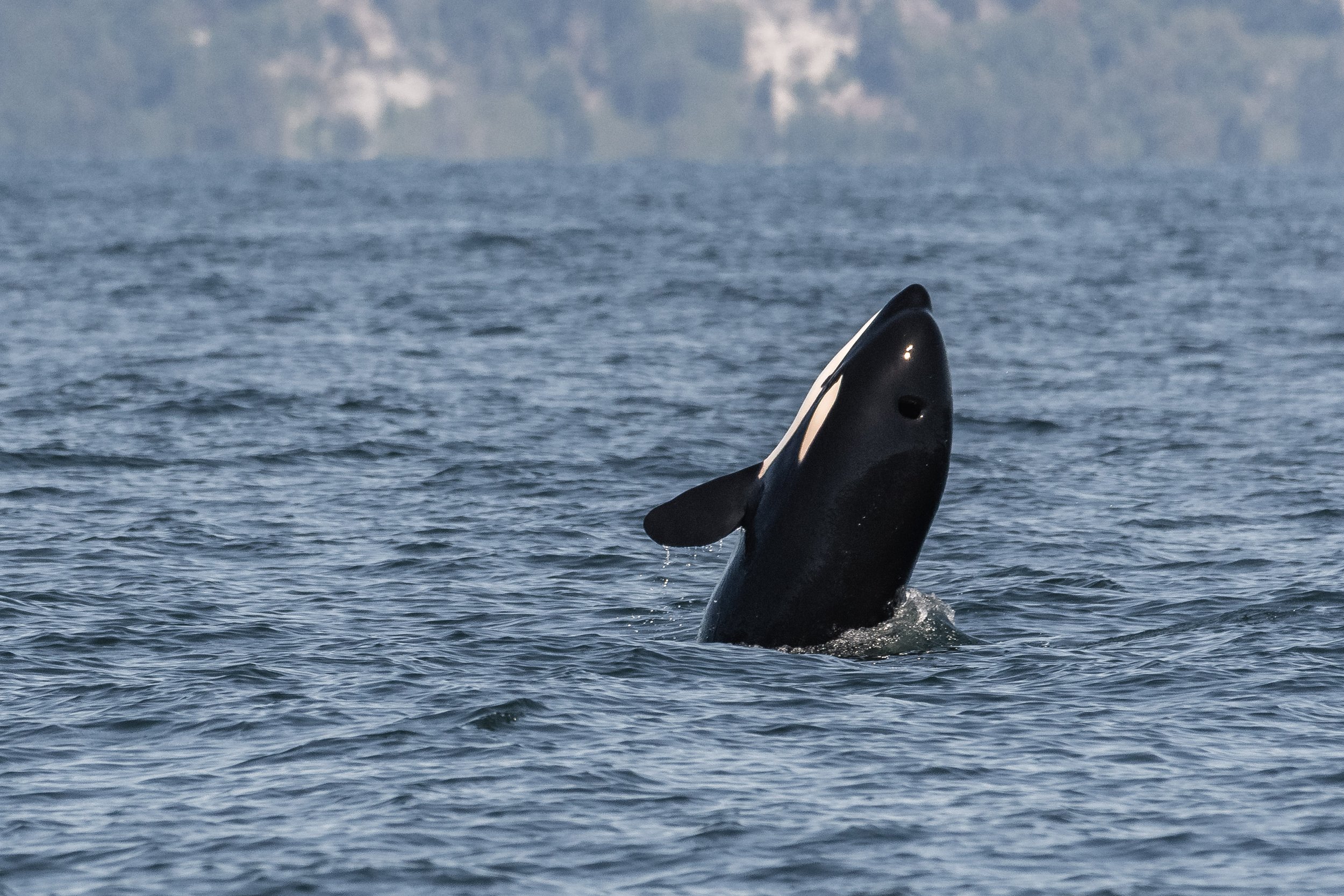
T036B4 Auk backdiving. Photo by Evan Hessels.
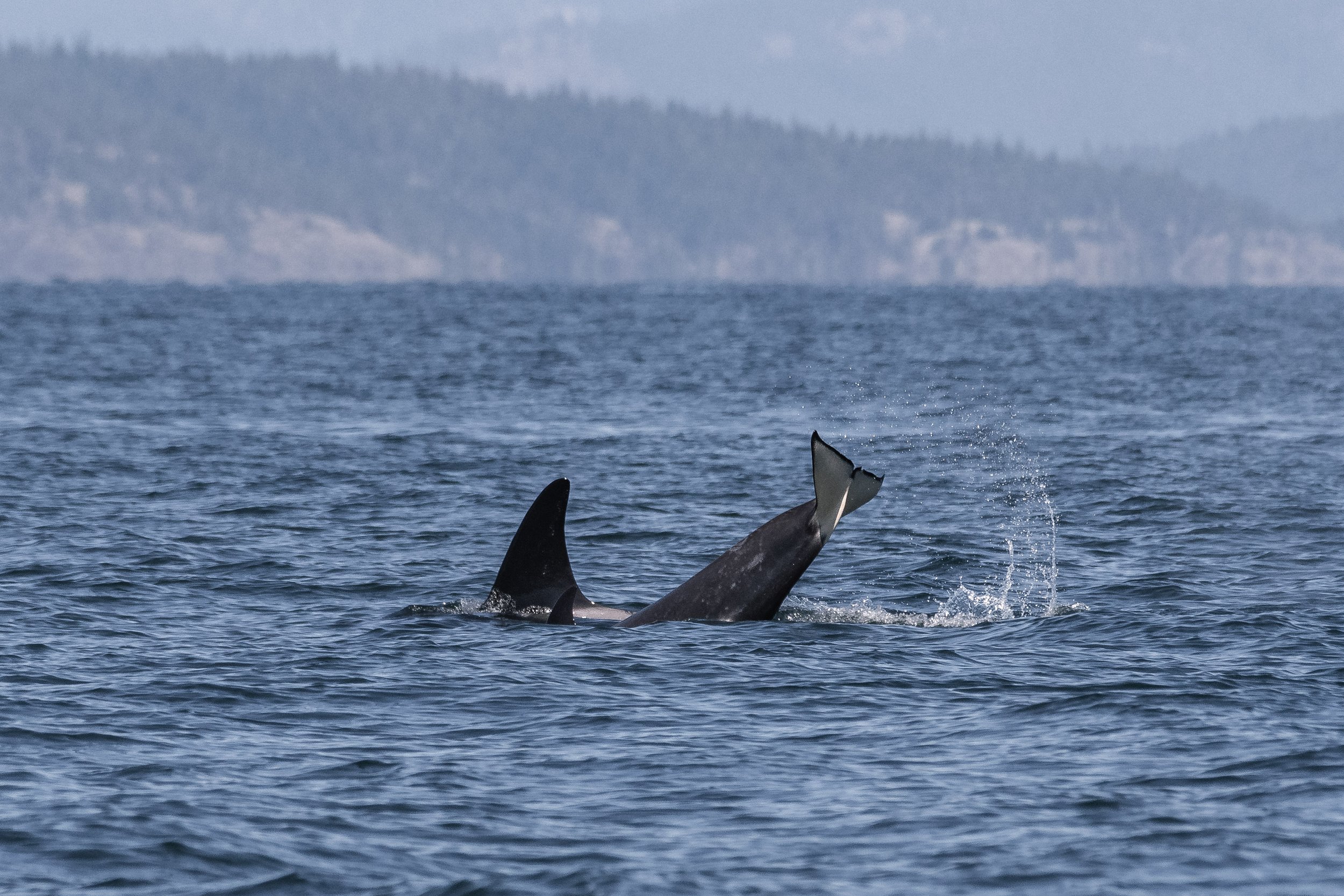
T036B2 Greenfelder with T036B4 Auk tailslapping beside her. Photo by Evan Hessels.
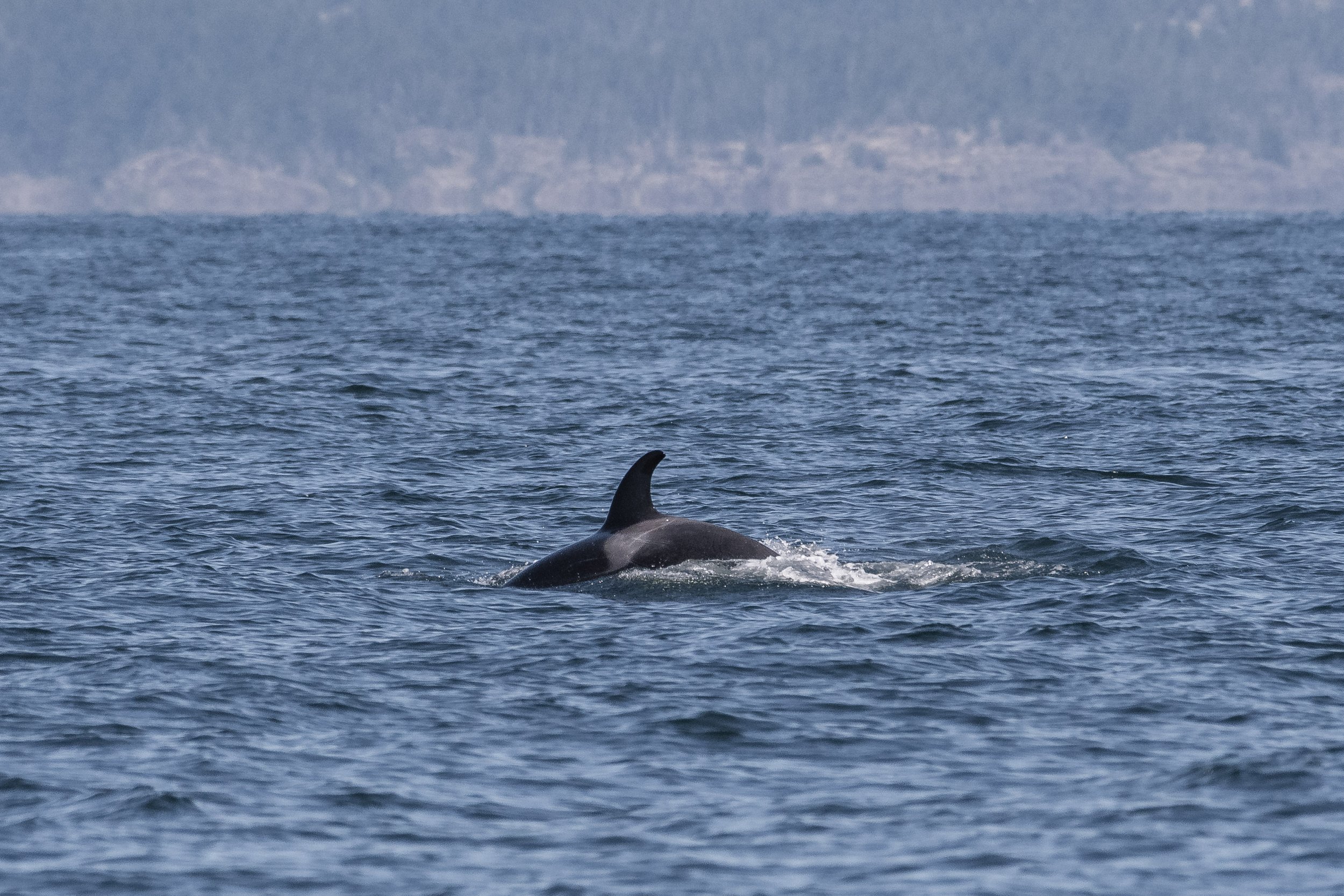
T036B4 Auk travelling along. Photo by Evan Hessels.
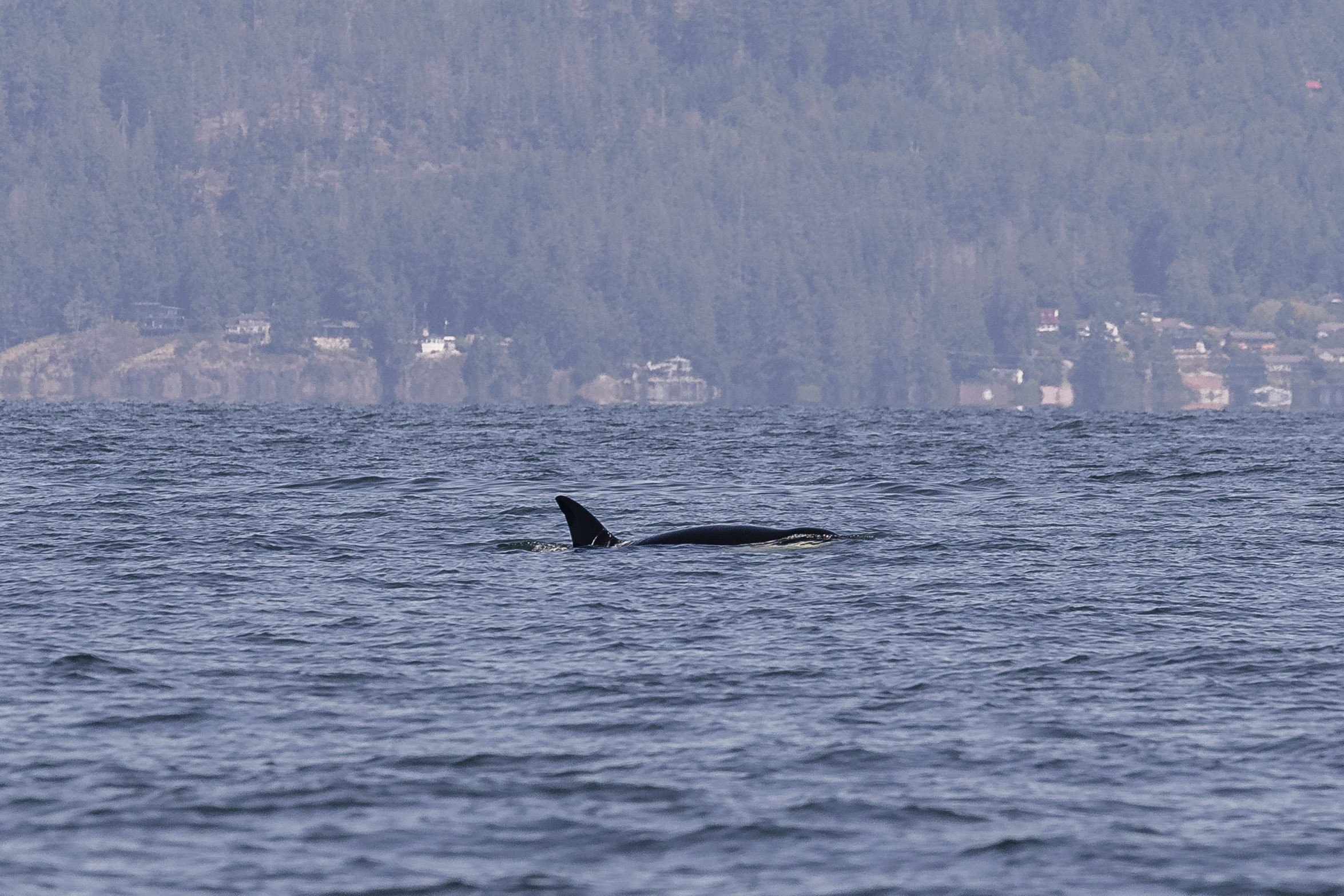
T036 Flapjack off in the distance. Photo by Jordan Robinson.
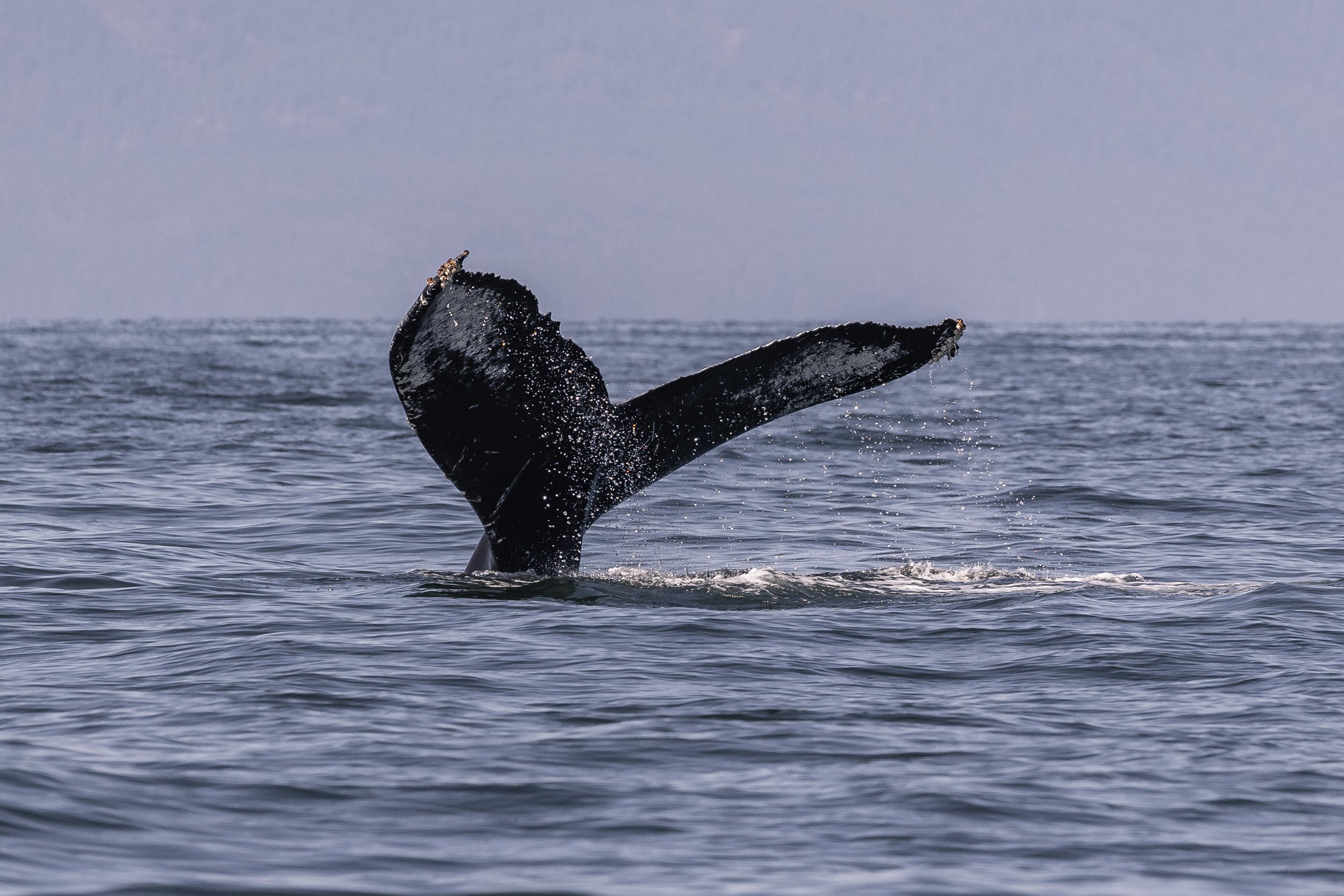
Pingu with water raining off their fluke. Photo by Jordan Robinson.
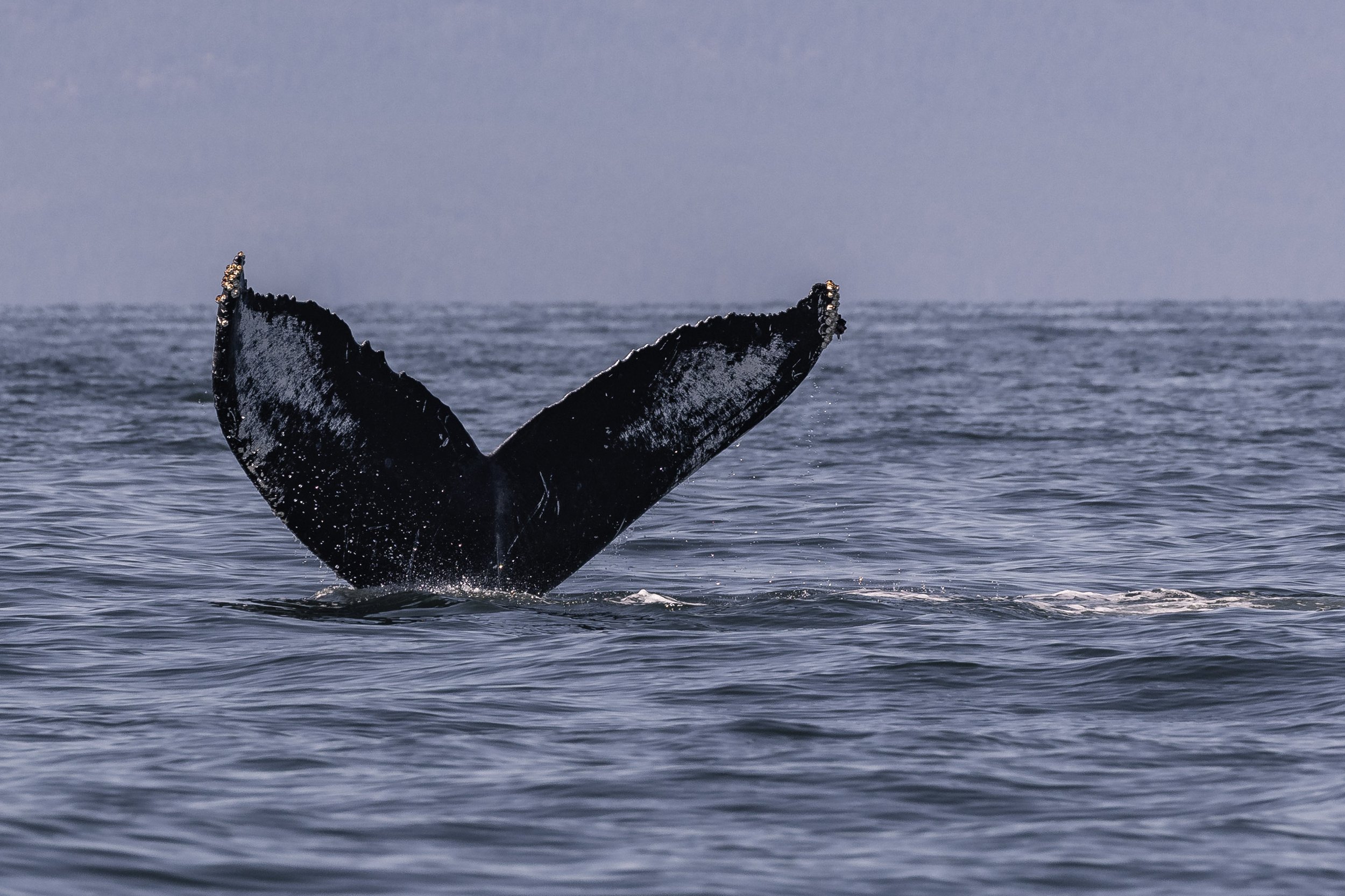
Pingu has a lot of unique patterns on their fluke. Photo by Jordan Robinson.
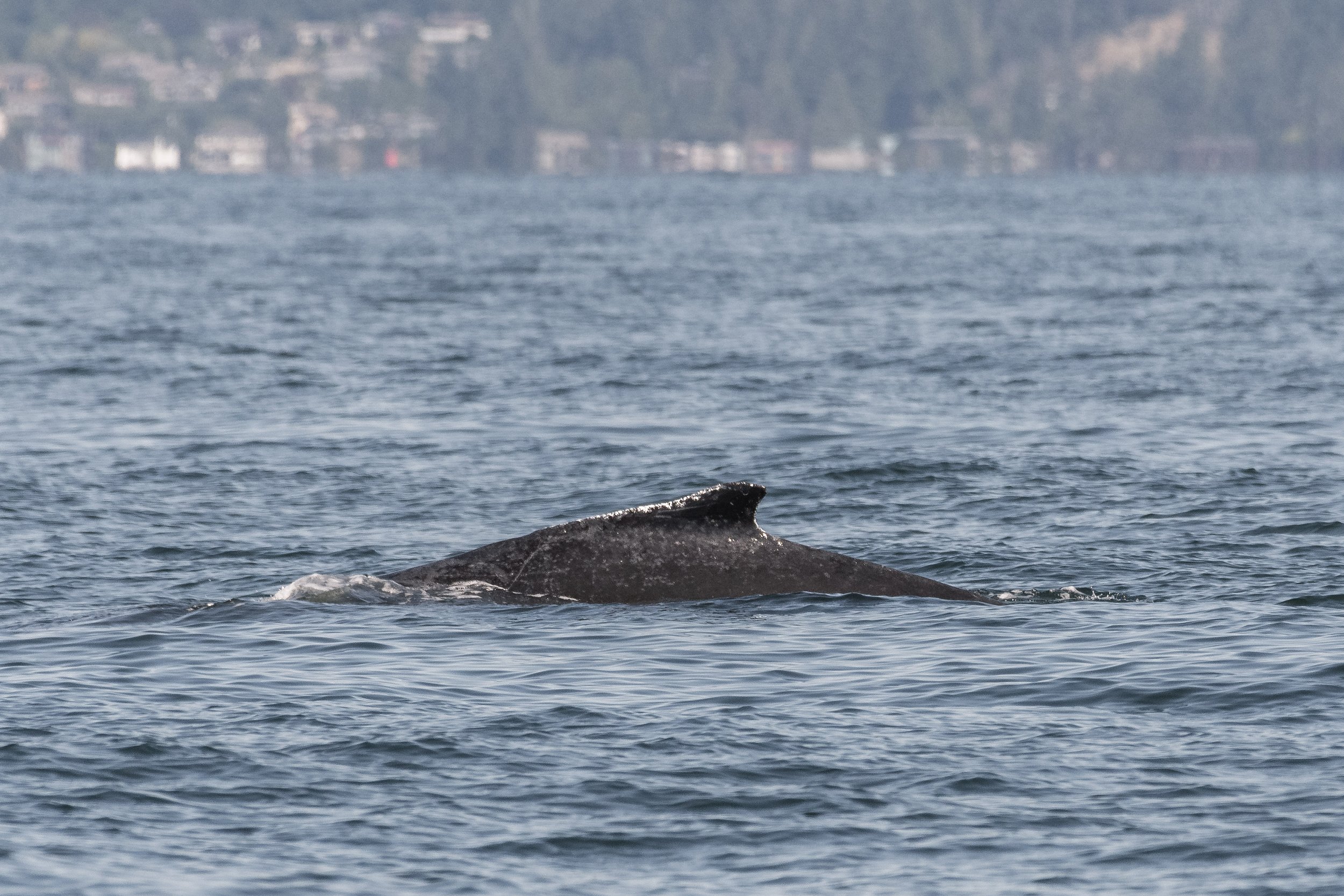
Pingu travelling. Photo by Evan Hessels.
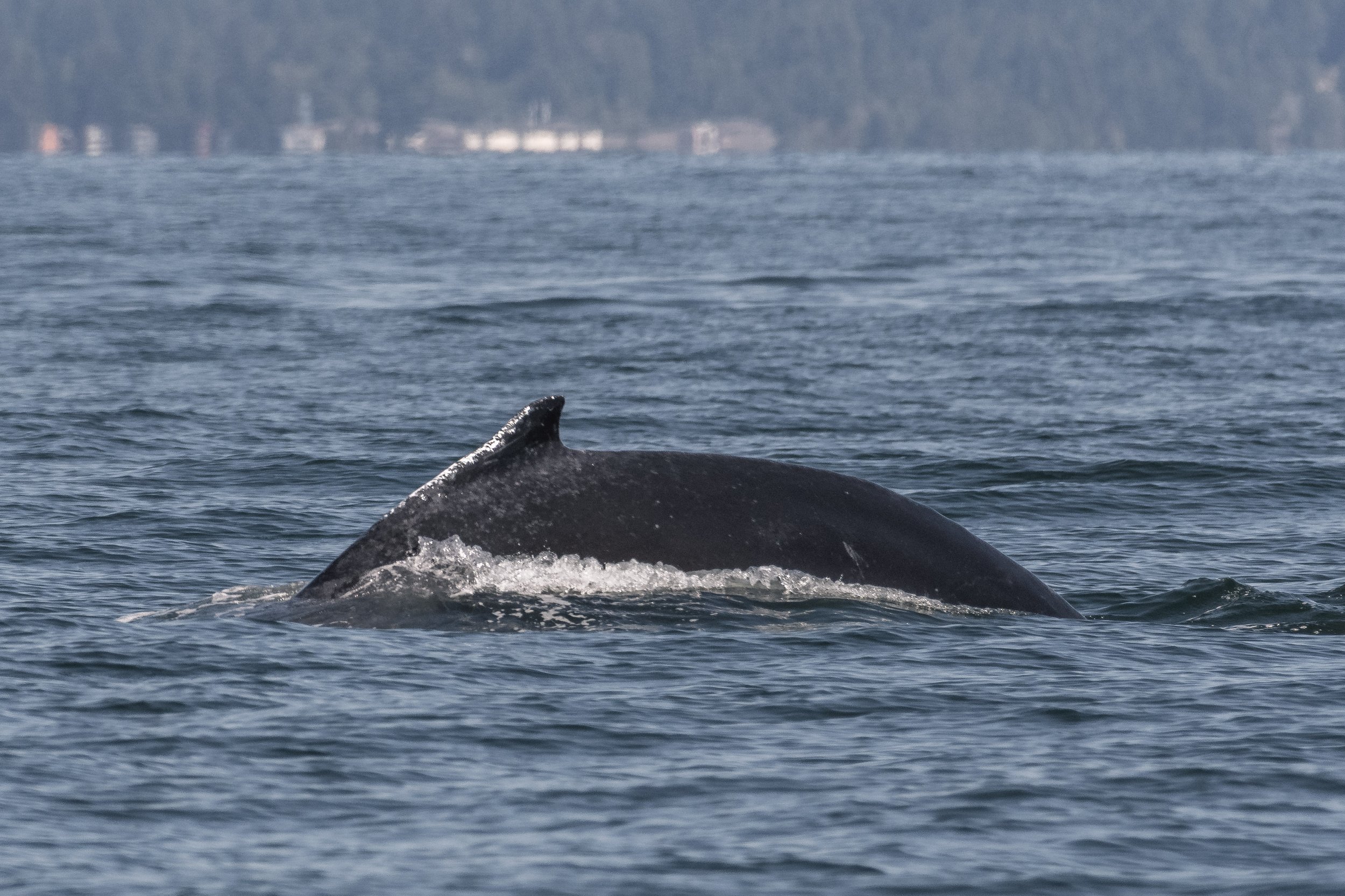
Pingu preparing for a dive. Photo by Evan Hessels.
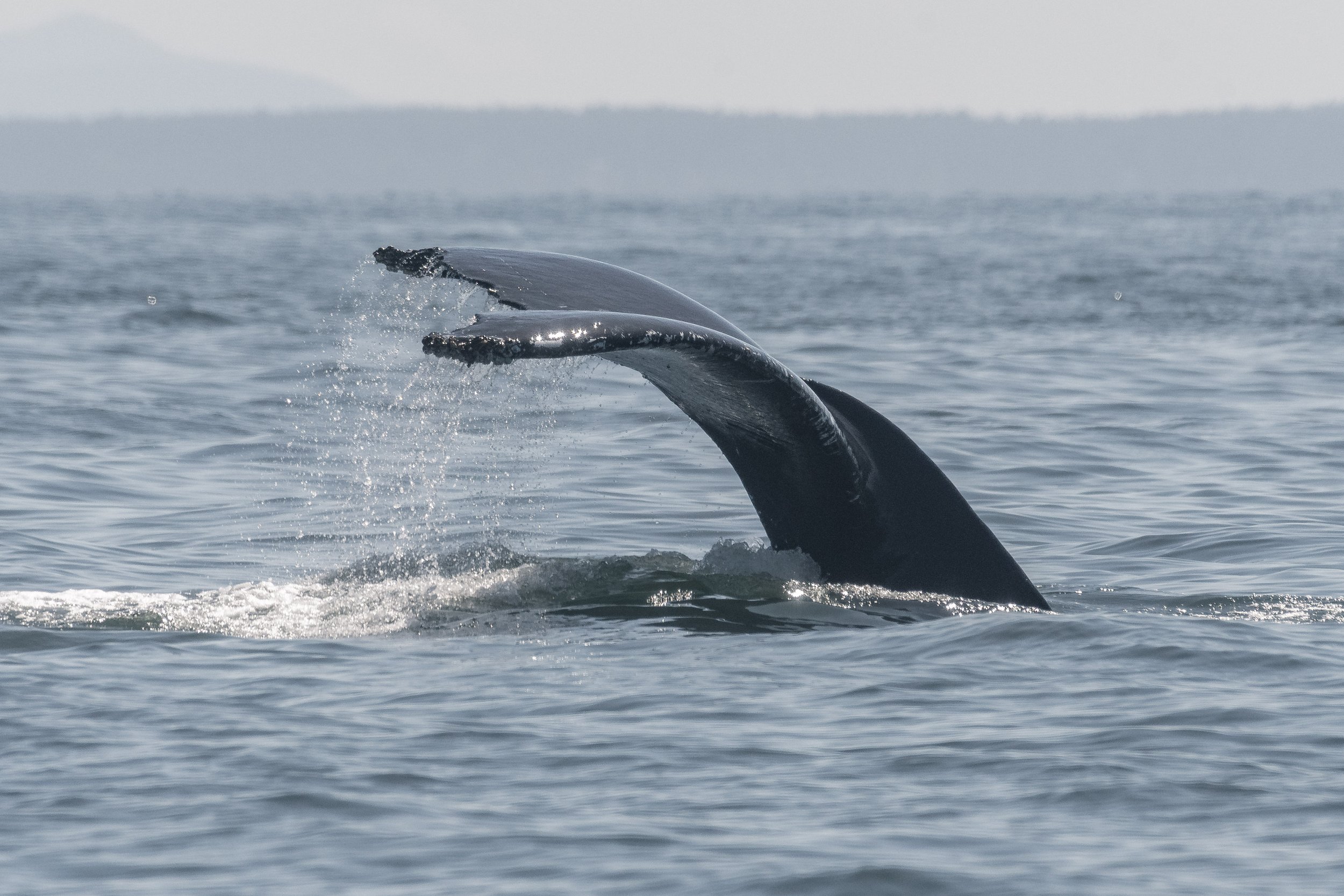
Pingu with a fluke waterfall. Photo by Evan Hessels.
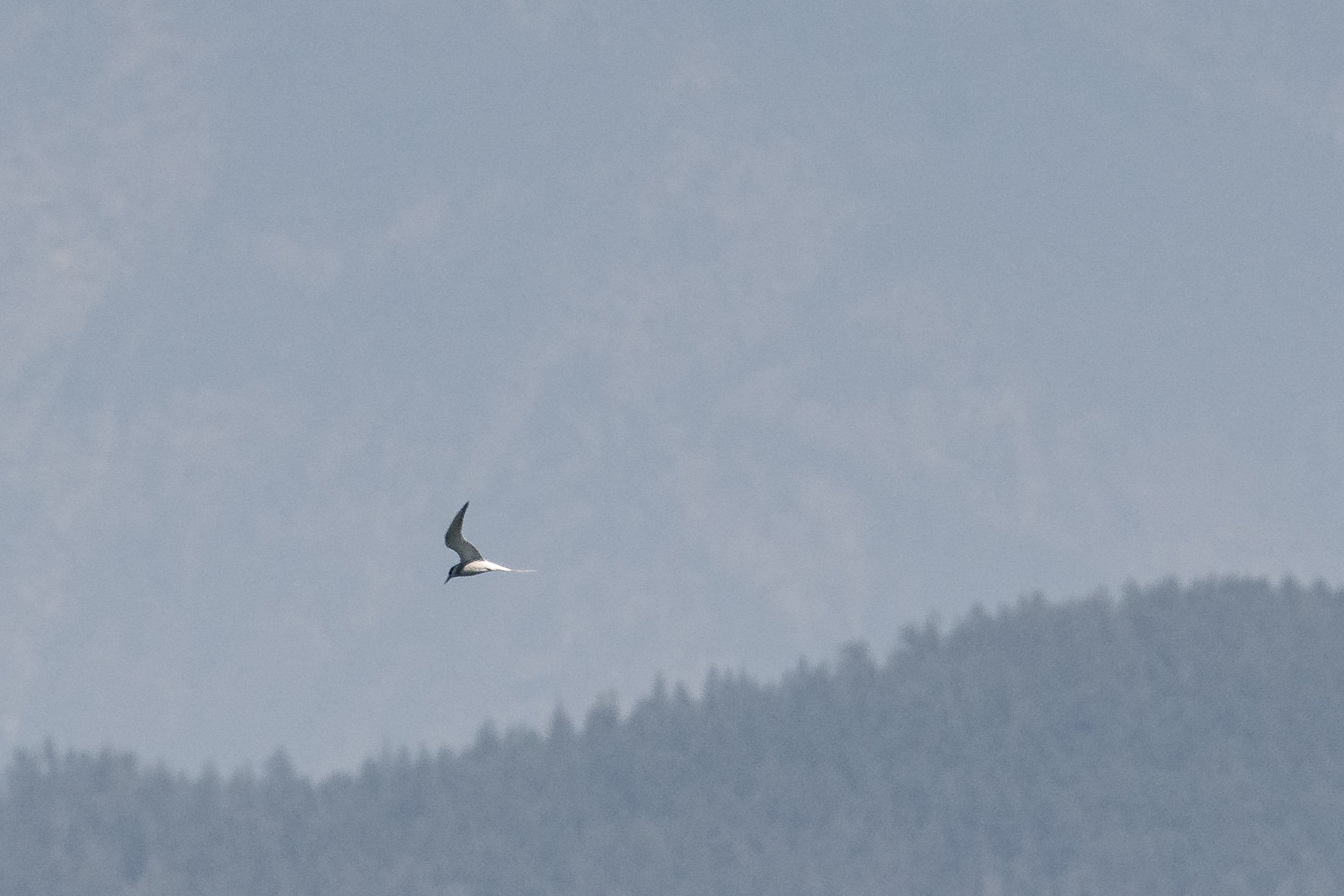
A Common Tern off in the distance. Photo by Evan Hessels.