
August 9, 2026, 10:30 AM - A Handful of Humpbacks plus the T065As travelling with the T077s
As we left Nanaimo on our two vessels for the morning trip, we felt ready for whatever the Salish Sea could throw at us. The sun was shining through the smoke, setting the scene for another beautiful day on the water. It started with our vessels heading out into the open waters of the Strait of Georgia, the body of water that separates Vancouver Island from the Mainland of BC.
This large body of water is typically teeming with life this time of year. The sunshine peeking through today helps build the base of our food chain, providing energy for phytoplankton to grow, which feeds a wide variety of life. It seemed like the right place to start searching today, since both boats independently came across groups of humpback whales while they were here.
Kula, the semi-covered boat, spotted two whales: Niagara (BCY0057) and Crater (BCX1565), while the open boat spotted what seemed to be a group of three at first: Orion (BCX1251), Fader (BCY0195), and BCX1704calf2025, but Orion eventually went off on his own. As we watched them, it became clear that these whales were feeding in the area, spending long periods beneath the surface in search of their prey: krill and small schooling fish. This is what we spot our whales doing most of the time, but it can be hard to confirm since most of the activity happens below the surface. Humpback whales are filter feeders, using the 400 plates of baleen hanging from the roof of their mouths to remove the food from the water. They will take in huge mouthfuls of water at a time, up to 20,000L each time as they lunge through the concentrated balls of their prey. Sometimes, they also do this at the surface, but most of the time it happens between 50 m and 200 m below the surface. Since our waters are highly productive and full of micro-organisms, you can’t really see through it, so when they go for these dives, it can be a mystery where the whales will reappear. Luckily, they like to spend their time where the food is still abundant, so they aren’t too difficult to track. These feeding dives typically last between 5 - 10 minutes, although a humpback can hold it breath for up to 45 minutes at a time if they need to.
Thankfully, that wasn’t the case today, and we got to spend lots of time with these whales at the surface before our time with them was up and it was time to continue our search for wildlife. The search didn’t take us too long before we discovered more whales not too far from these humpbacks. This time it was the towering black dorsal fins of the orca that caught our eye! It seemed to be a larger group, suggesting that multiple matrilines might be spending time together there. Although the matrilines typically travel on their own to keep their numbers low enough to maintain their stealth hunting, they will enjoy time spent together as well. During these times, it can be harder for them to hunt successfully, although it didn’t stop them today. Our Onboard Naturalists know all of the whales here as individuals, so after snapping a few photos of the group, we determined it was the T077s and the T065As travelling together here. That means the following whales were present:
T065A Artemis ♀ (1986)
T065A2 Ooxjaa ♂ (2004)
T065A3 Amir ♂ (2007)
T065A4 Ellifrit ♀ (2011)
T065A6 Callisto ♀ (2018)
T077 Asja ♀ (1981)
T077C Neftali ♂ (2006)
T077D Alycon ♀ (2009)
T077E Misneach (2016)
While we thought these whales were quite noticeable on the water, which is how we found them, the unfortunate Harbour Porpoise that they came across must have disagreed with its final breath. When hunting Harbour Porpoise, the orca typically tries to strike from below, stunning their prey so that it can’t run away from them. With such a large group and coordinated behaviour, this little one never stood a chance after that first hit. Typically, when orca hunt in a group like this, all the whales that help in the hunt also get to share in the prey. This is another reason to keep your pod size small, since a 300-pound porpoise like this doesn’t leave much food for each whale when they split it up. More mouths to feed means more hunting throughout the day, which can mean more energy spent with a chance of not getting your kill successfully. Each male in the pod today will need to consume nearly 300 pounds of food each day, while the females require about 150 pounds. Luckily, both matriarchs in these pods are very experienced and will likely have taught these whales well, so they won’t be too worried about finding food.
Prey isn’t the only thing that drives our orca behaviour, although its one of the major factors, but these are also some of the most social animals in the world, forming bonds that even humans might have a hard time understanding. The time they spend with other pods and individuals is very important to them, and it's always a pleasure to witness. With all the excitement of such a large group and an exciting hunt over, we left these whales to their travels and continued on our way.
We also got to see some pinnipeds during the tour, stopping at Stinky Rock to see both Harbour Seals and Steller Sea Lions. Although both are Pinnipeds, they are quite different from each other, coming from different lines within this group. Sea Lions have external ears, a more upright posture, and freely rotating flippers, allowing them to walk around more easily on land than seals can. The Harbour Seals don’t have ears, typically lie flat or in “banana pose”, and they can’t rotate their hips, meaning they move by galumphing across the shore. It’s always fun to watch them as they spend time along this rocky shoreline, and it added an extra look into the complex Salish Sea ecosystem we were lucky enough to explore.
Throughout all these encounters, the onboard Marine Naturalists, Hayleigh Hilbert and Jordan Robinson, captured some amazing photos, which are available to enjoy below!
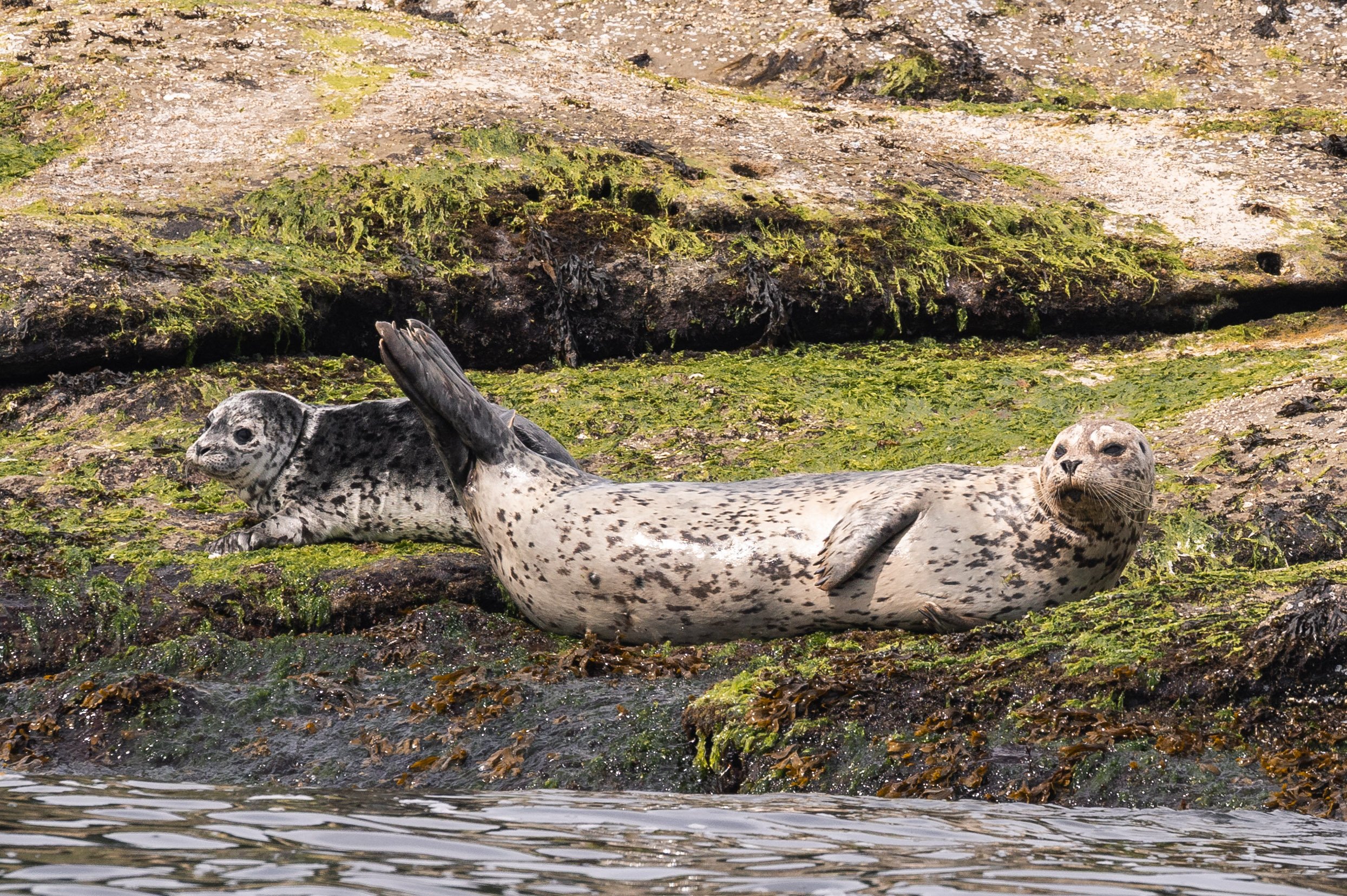
A couple of Harbour seals hauled out. Photo by Jordan Robinson.
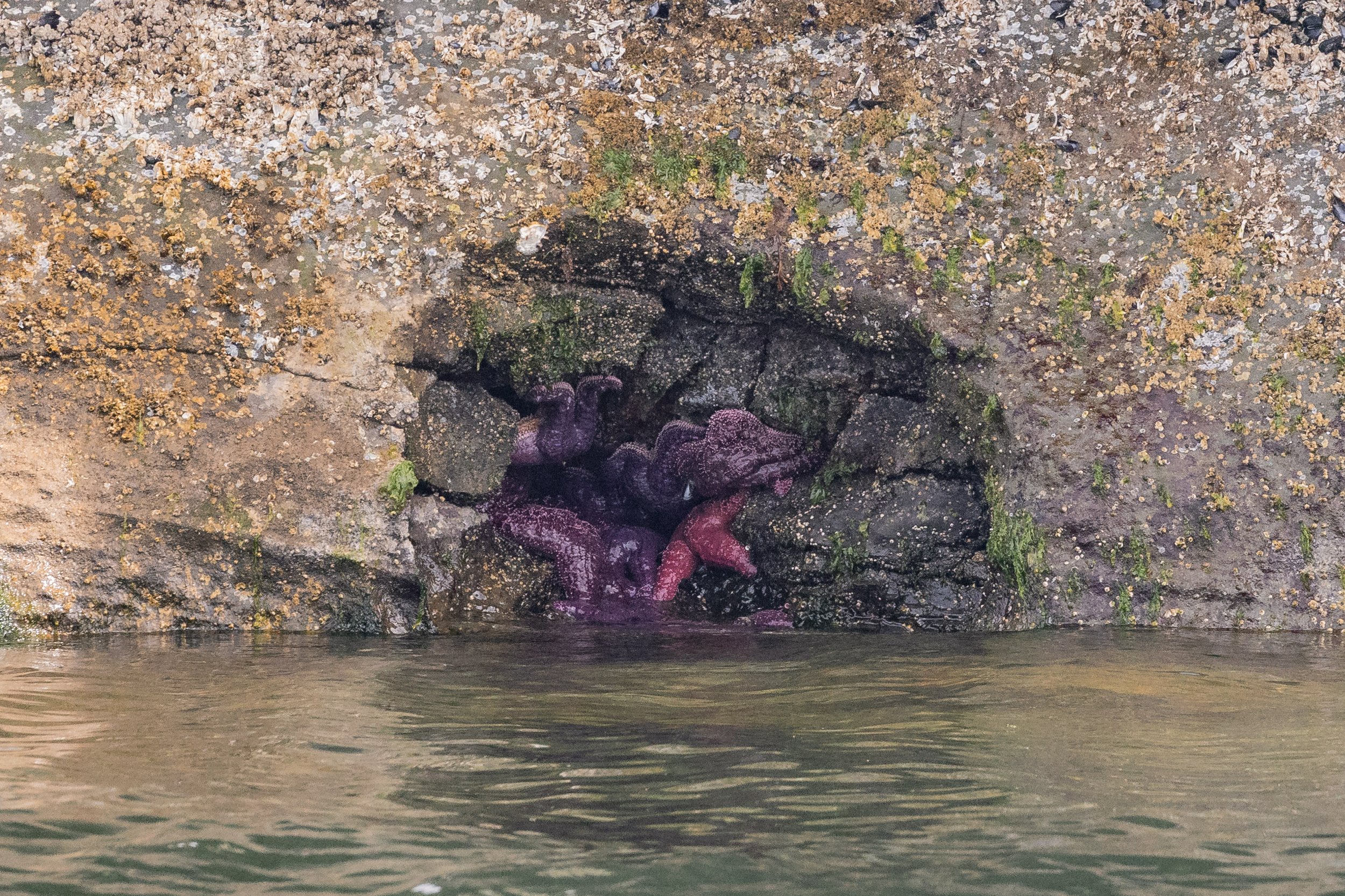
Some lovely pink and purple Ochre Stars! Photo by Jordan Robinson.
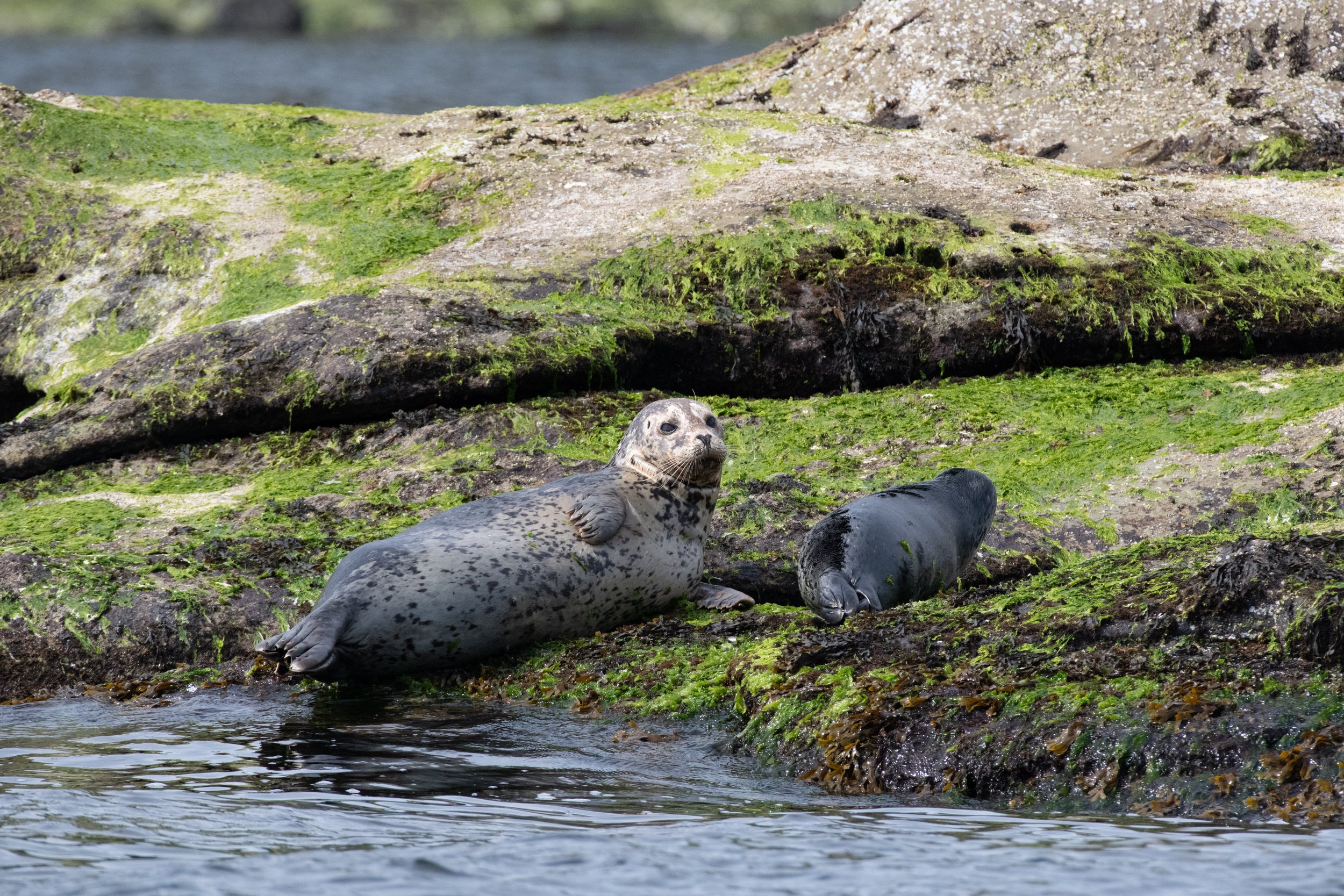
A young pup with mom close by. Photo by Hayleigh Hilbert.
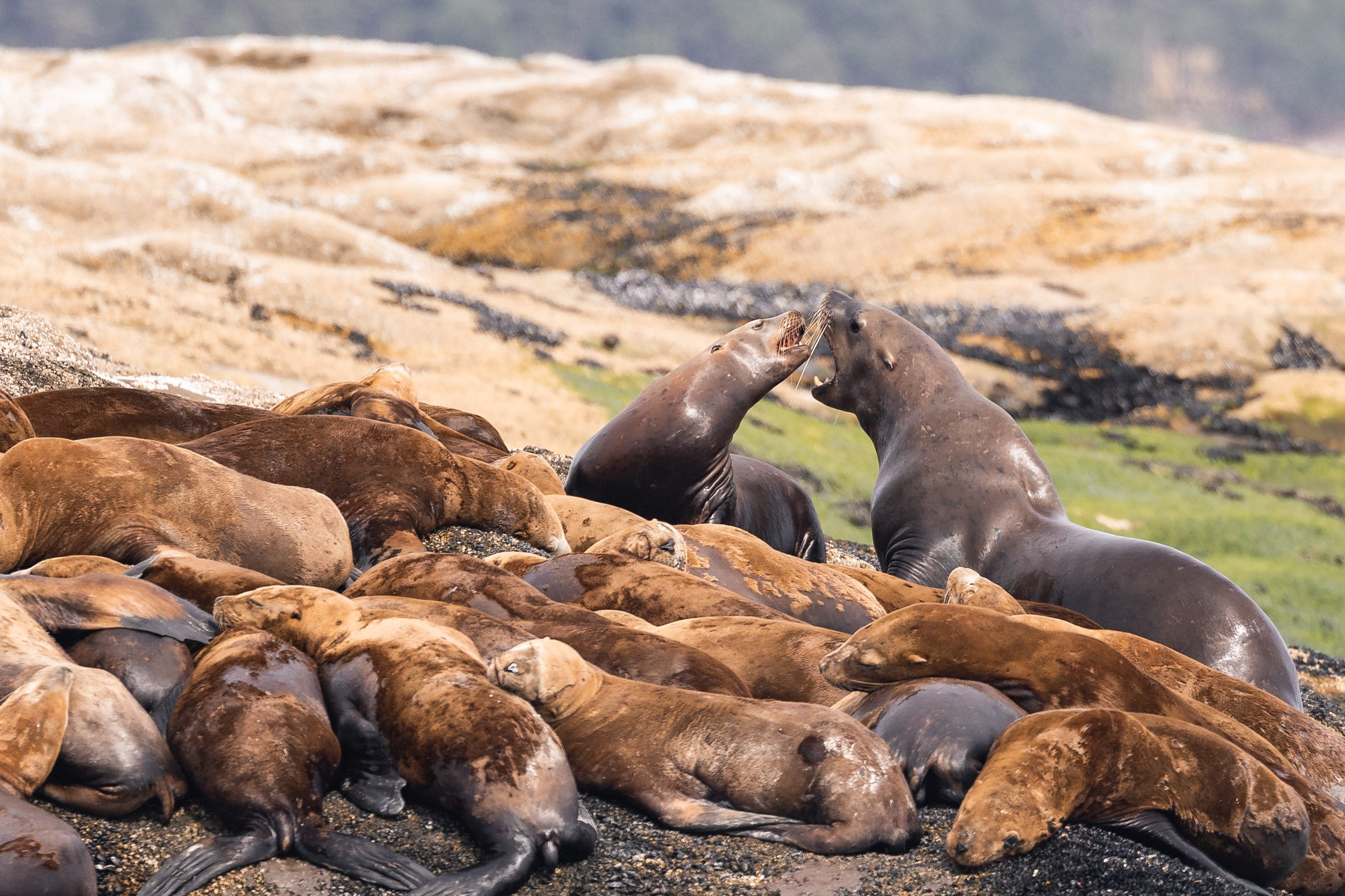
A small territory dispute. Photo by Jordan Robinson.
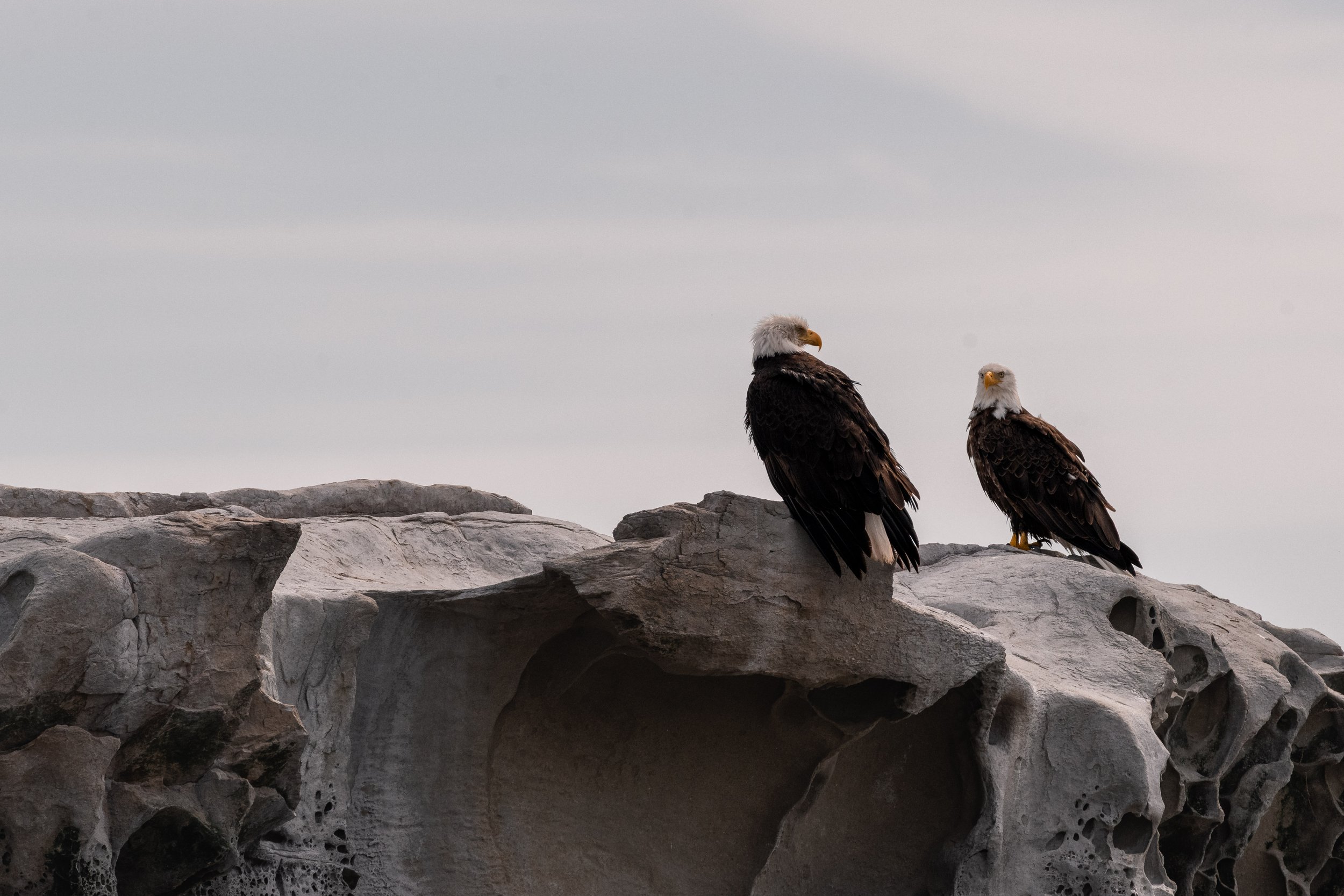
A pair of Bald Eagles keep watch on the rocks. Photo by Hayleigh Hilbert.
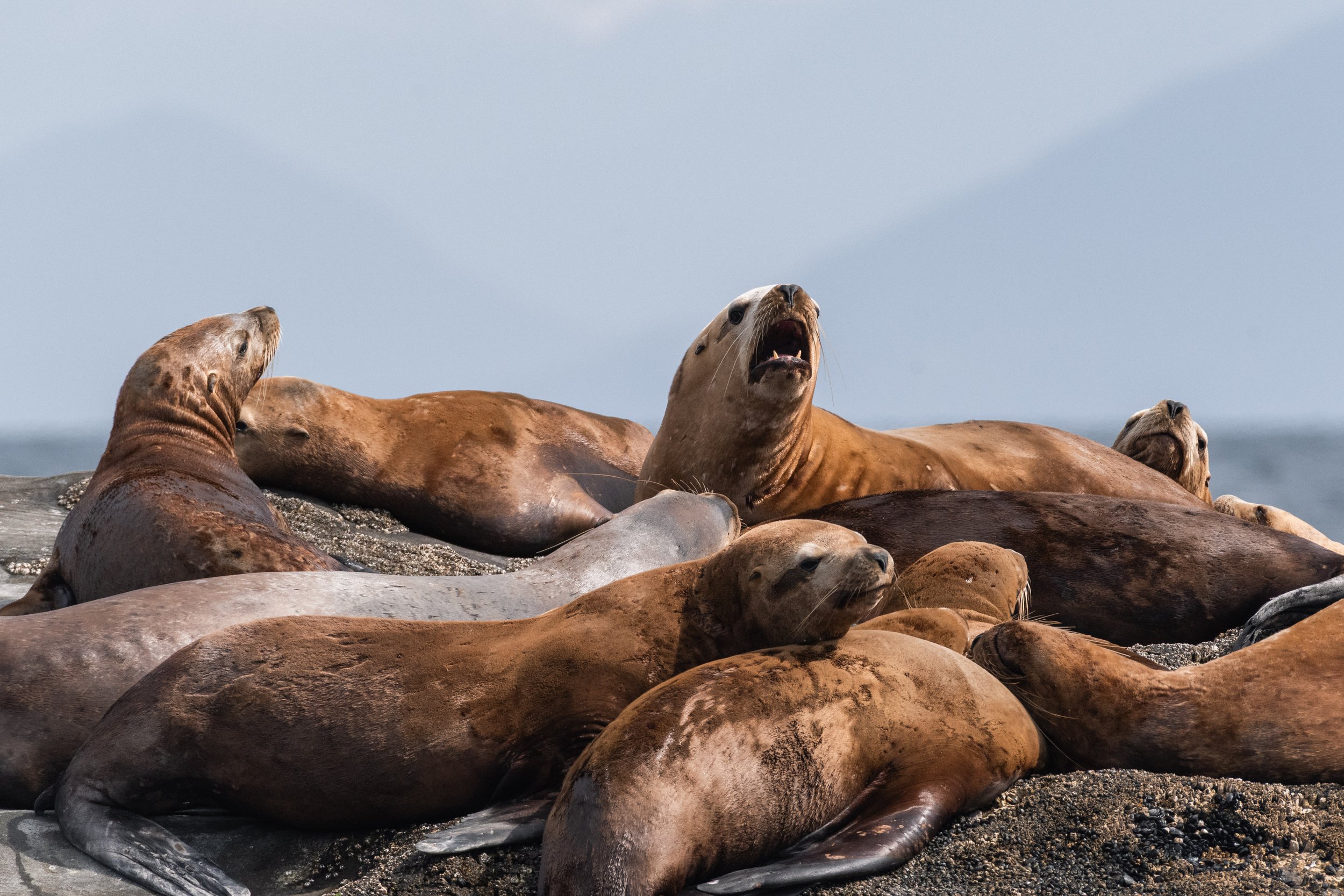
The screamin’ Stellers Sea Lions. Photo by Hayleigh Hilbert.
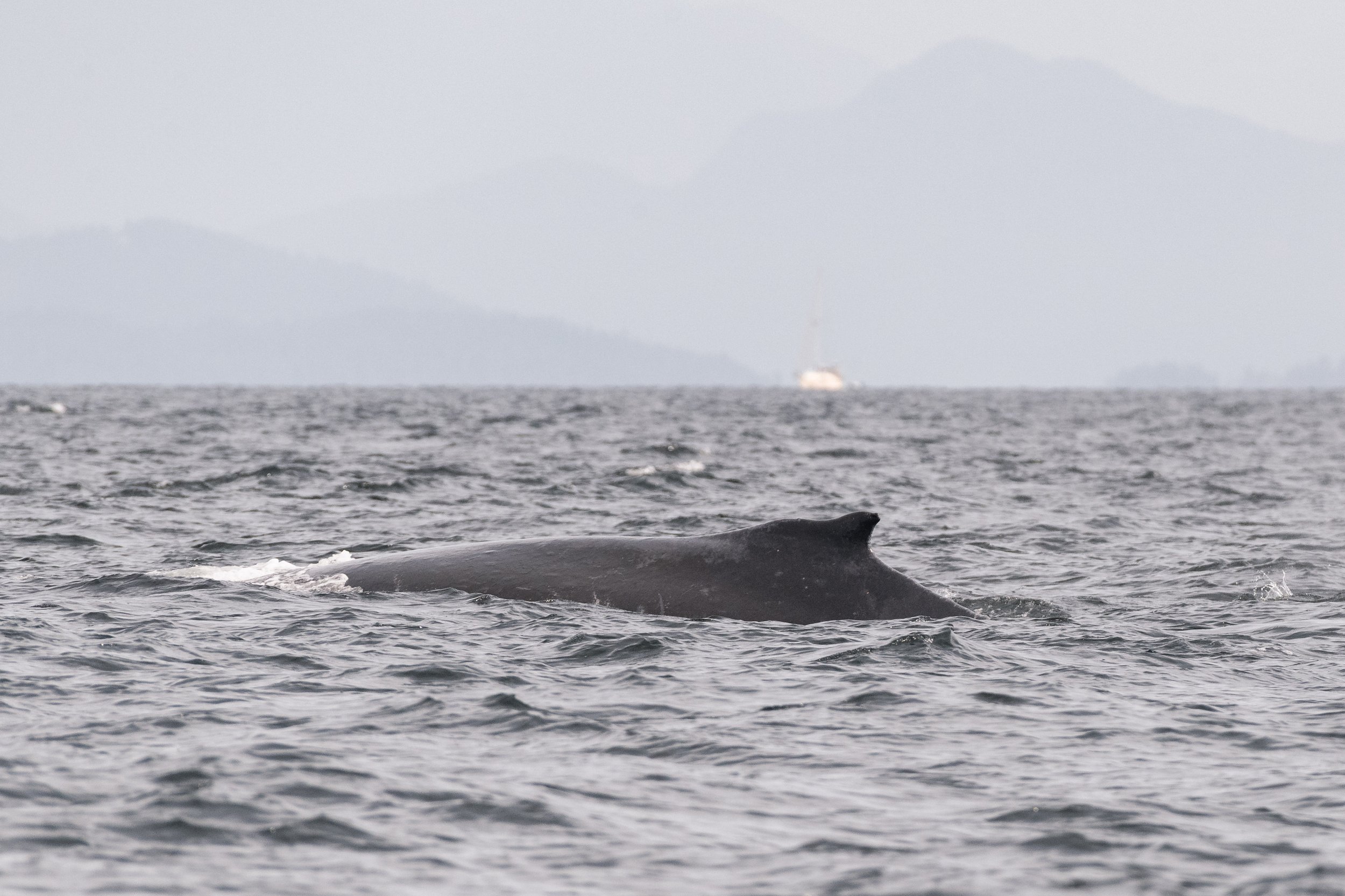
BCX1251 Orion comes up for a breath. Photo by Hayleigh Hilbert.
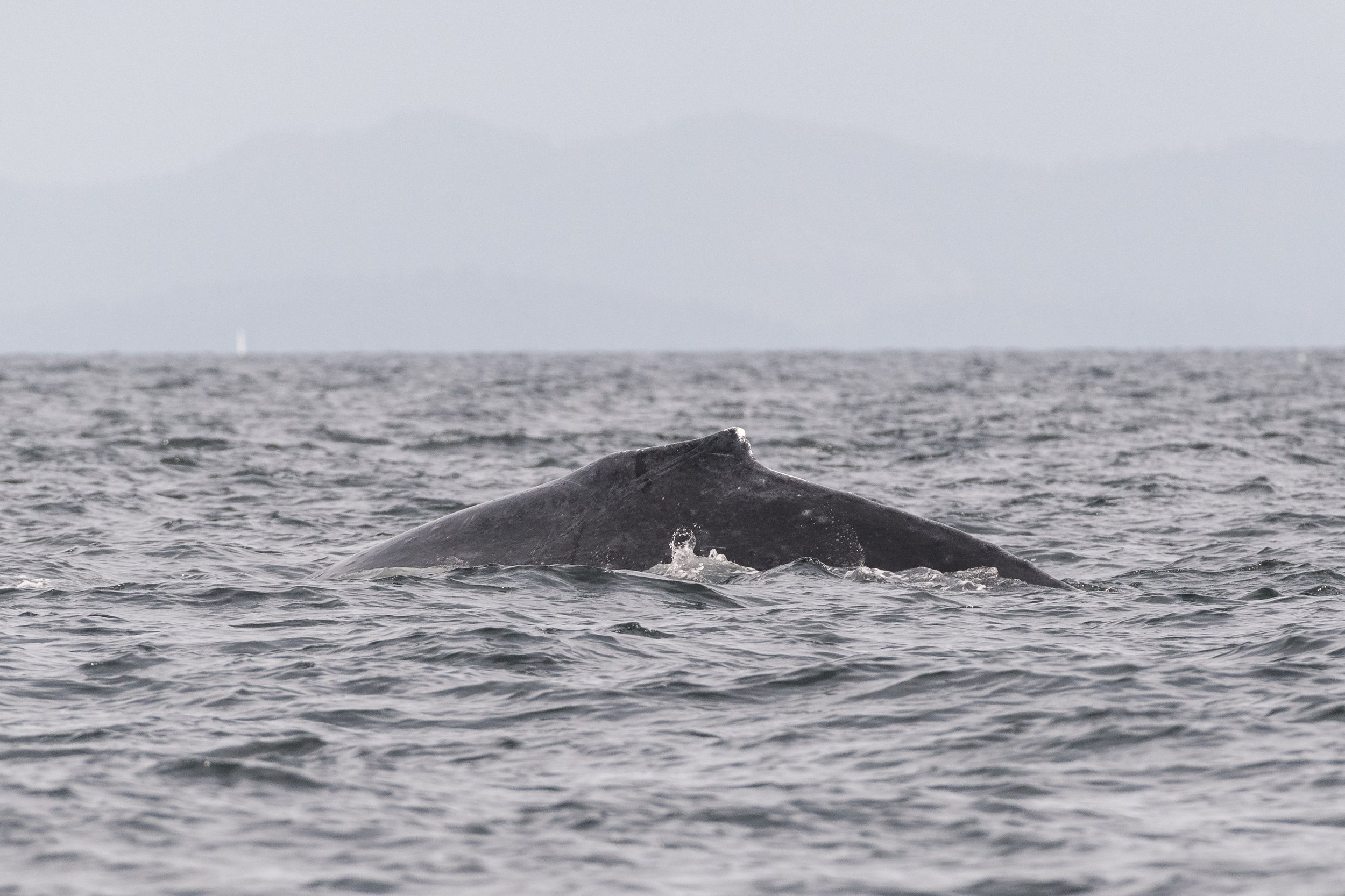
BCY0195 Fader makes an appearance. Photo by Hayleigh Hilbert.
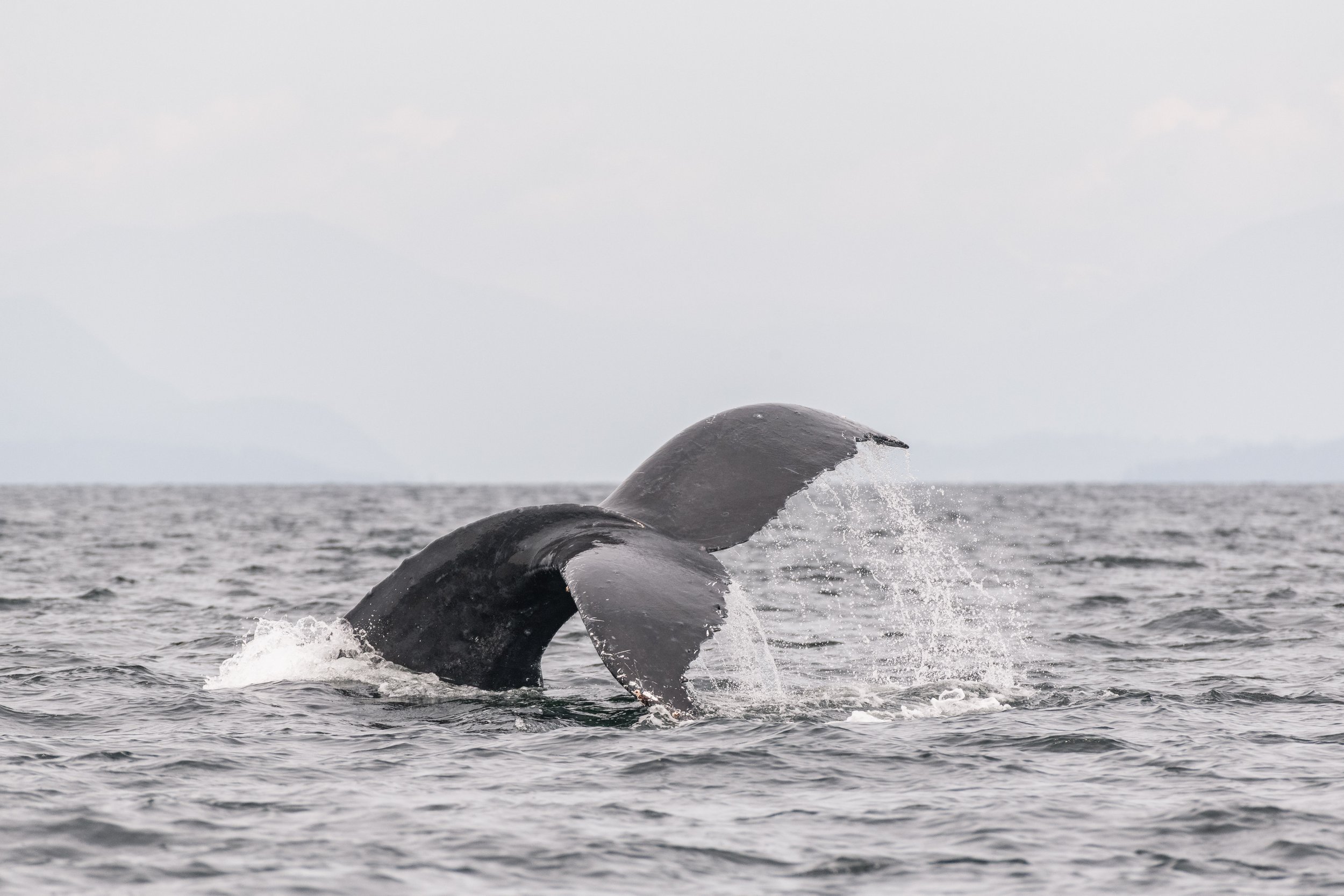
Big dive! Photo by Hayleigh Hilbert.
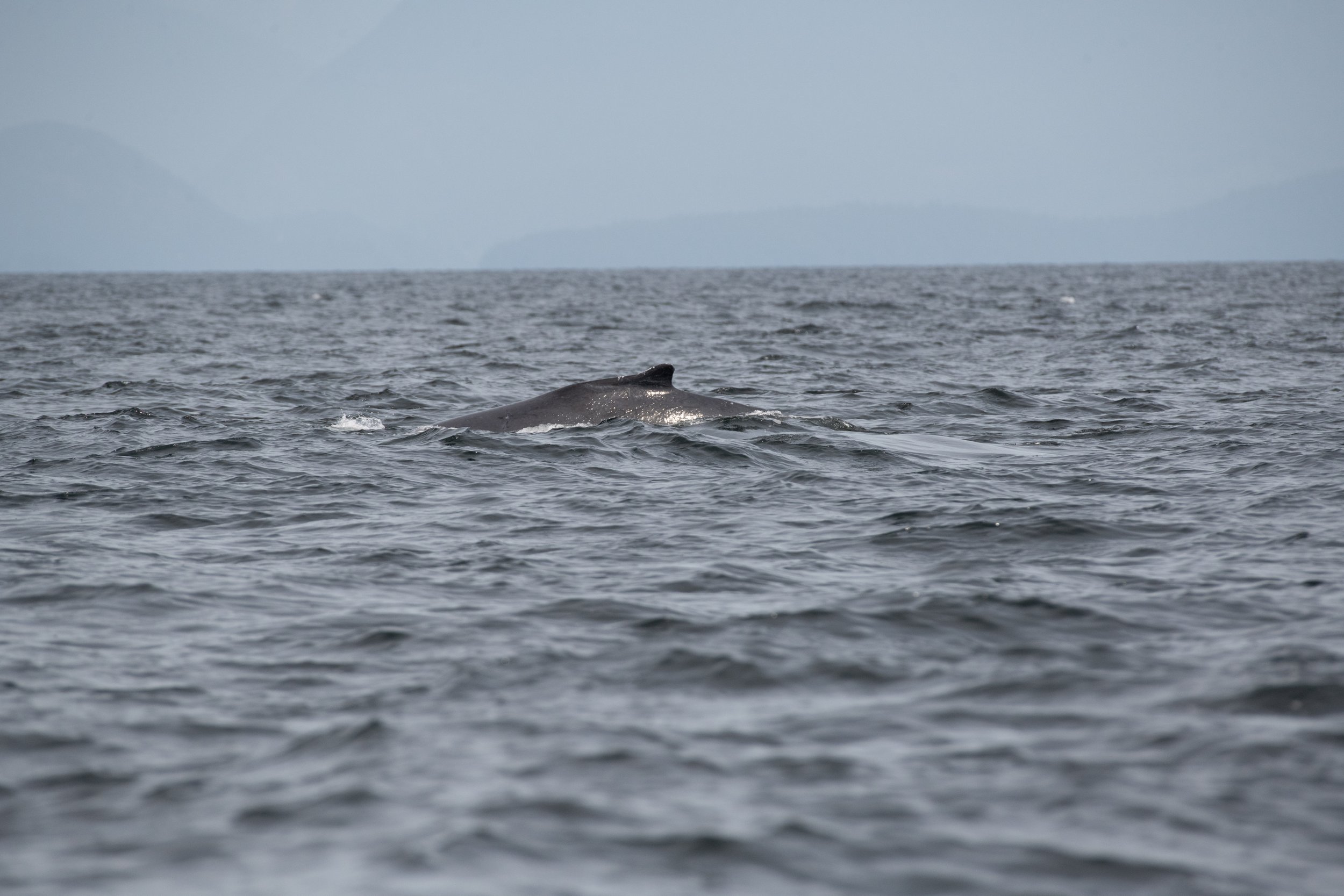
BCX1704 calf 2025. Photo by Hayleigh Hilbert.
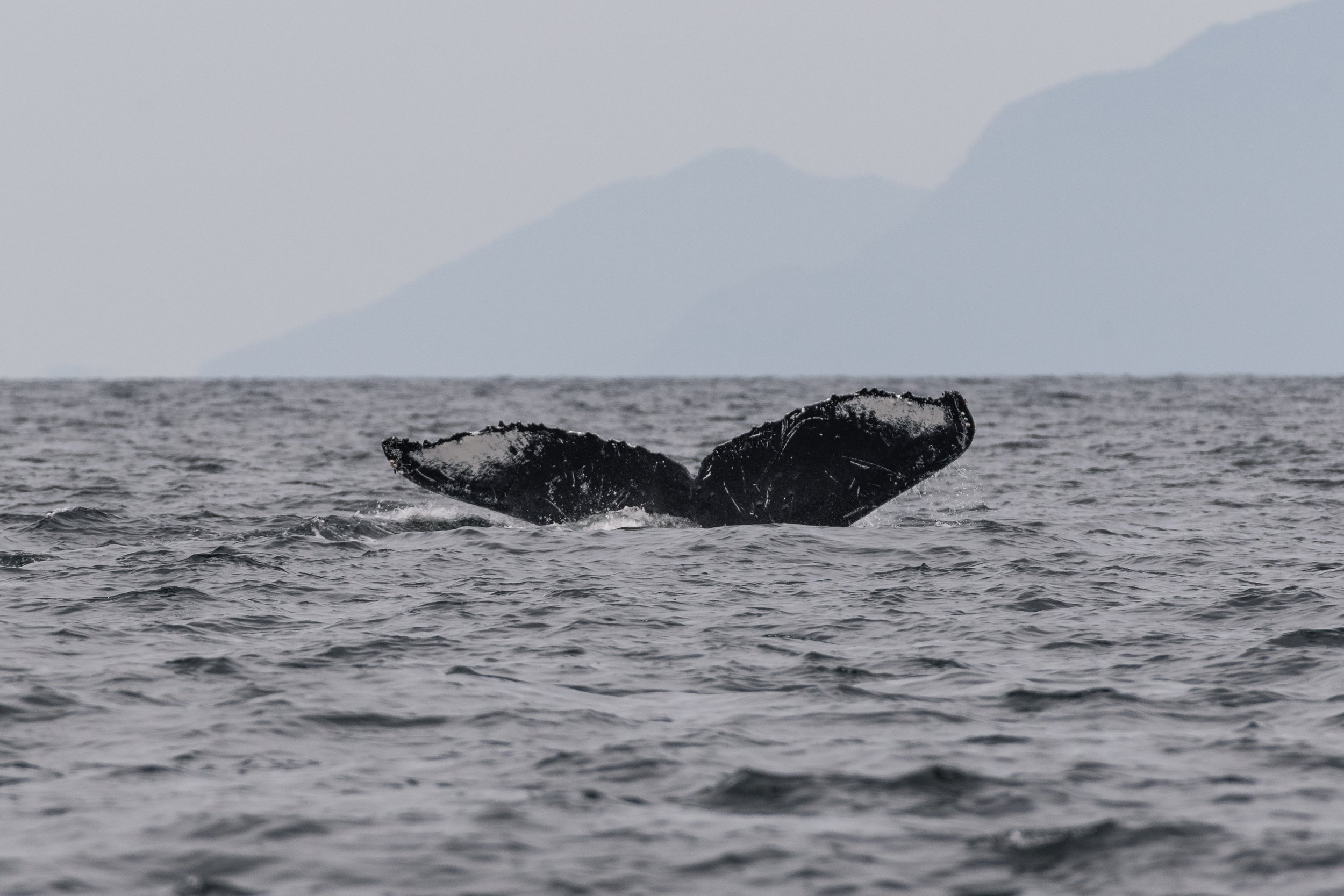
Orion shows off that fluke. Photo by Hayleigh Hilbert.
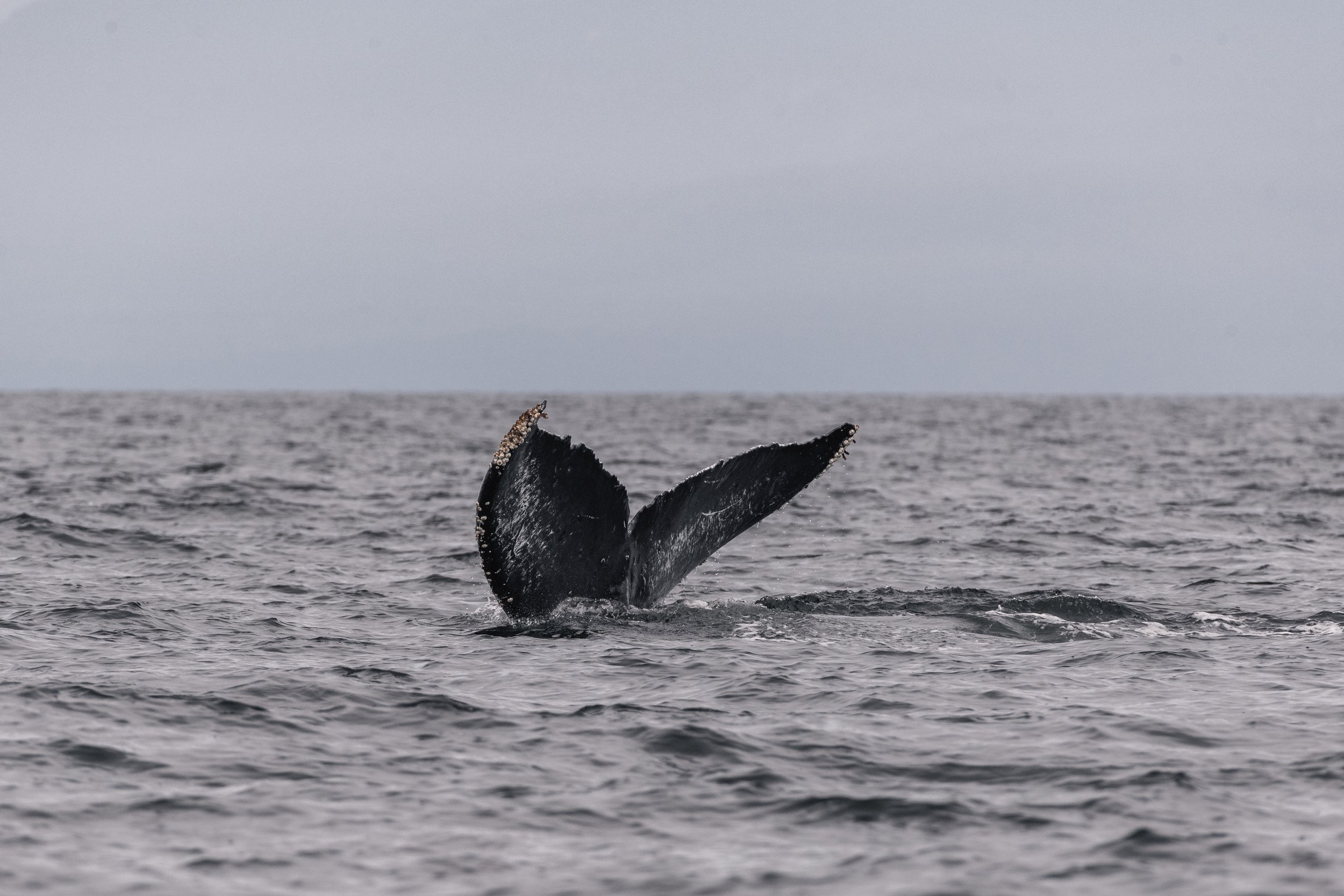
Fader on a dive. Photo by Hayleigh Hilbert.
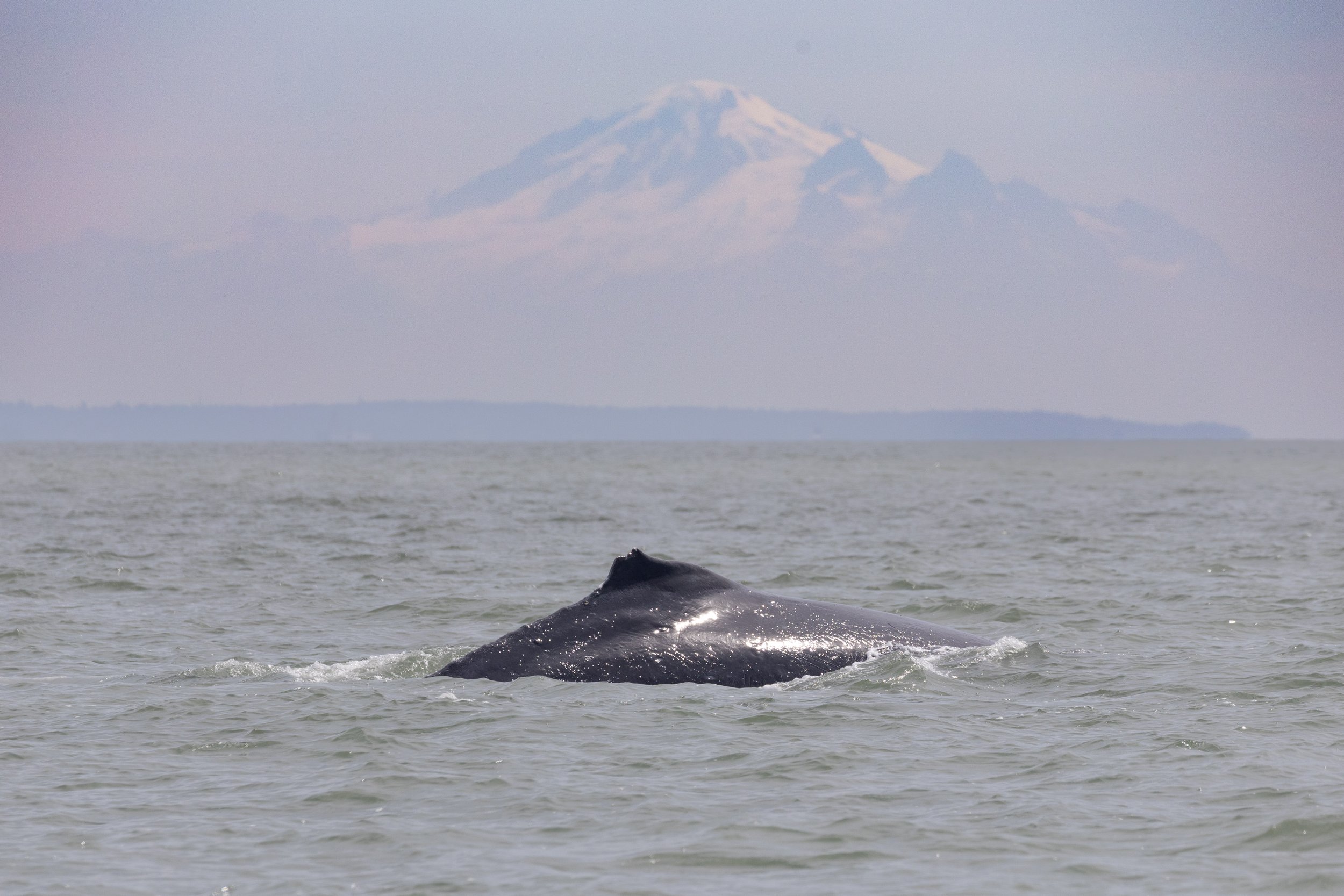
BCX1565 Crater in front of Mt. Baker. Photo by Jordan Robinson.
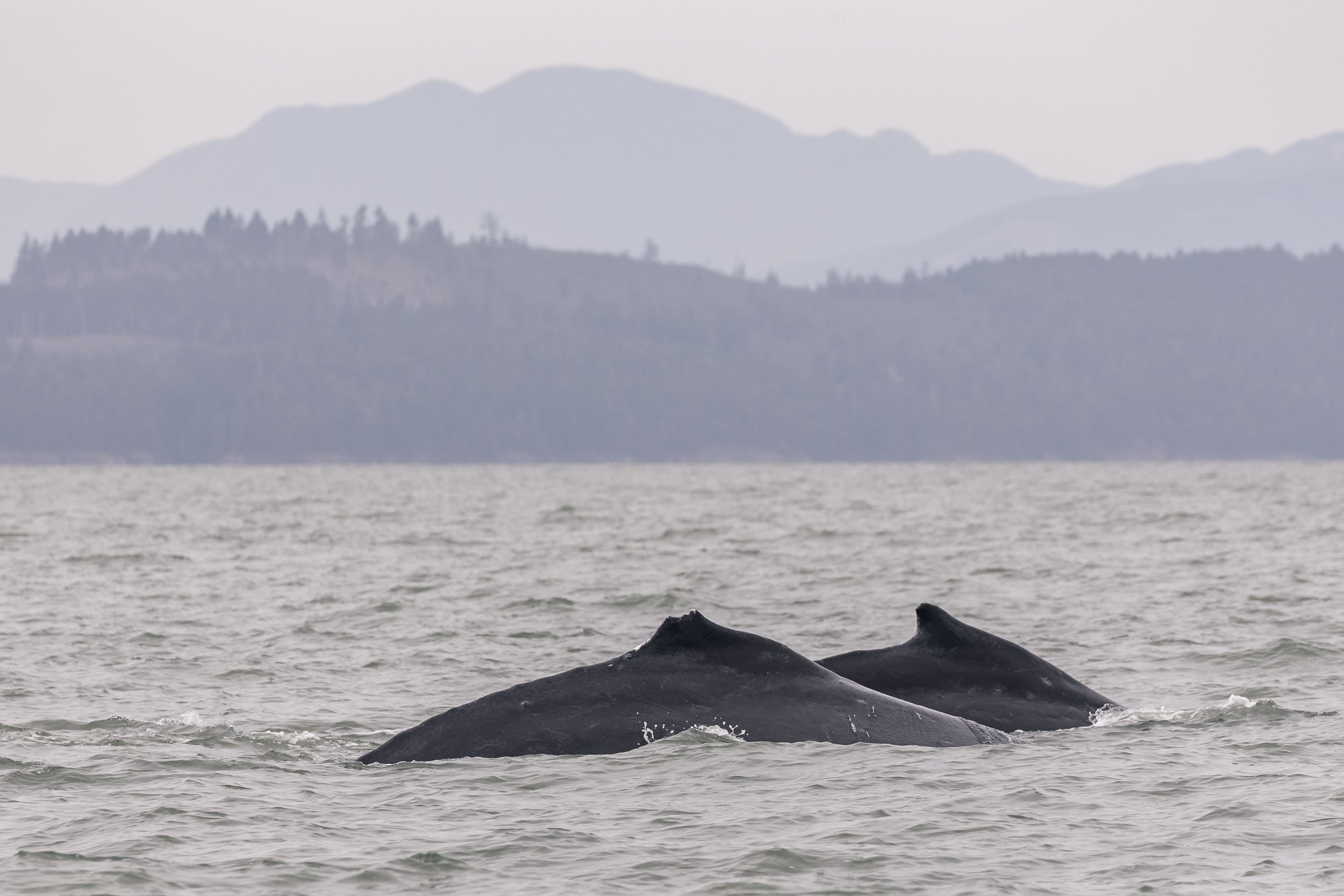
Crater and Niagara together. Photo by Jordan Robinson.
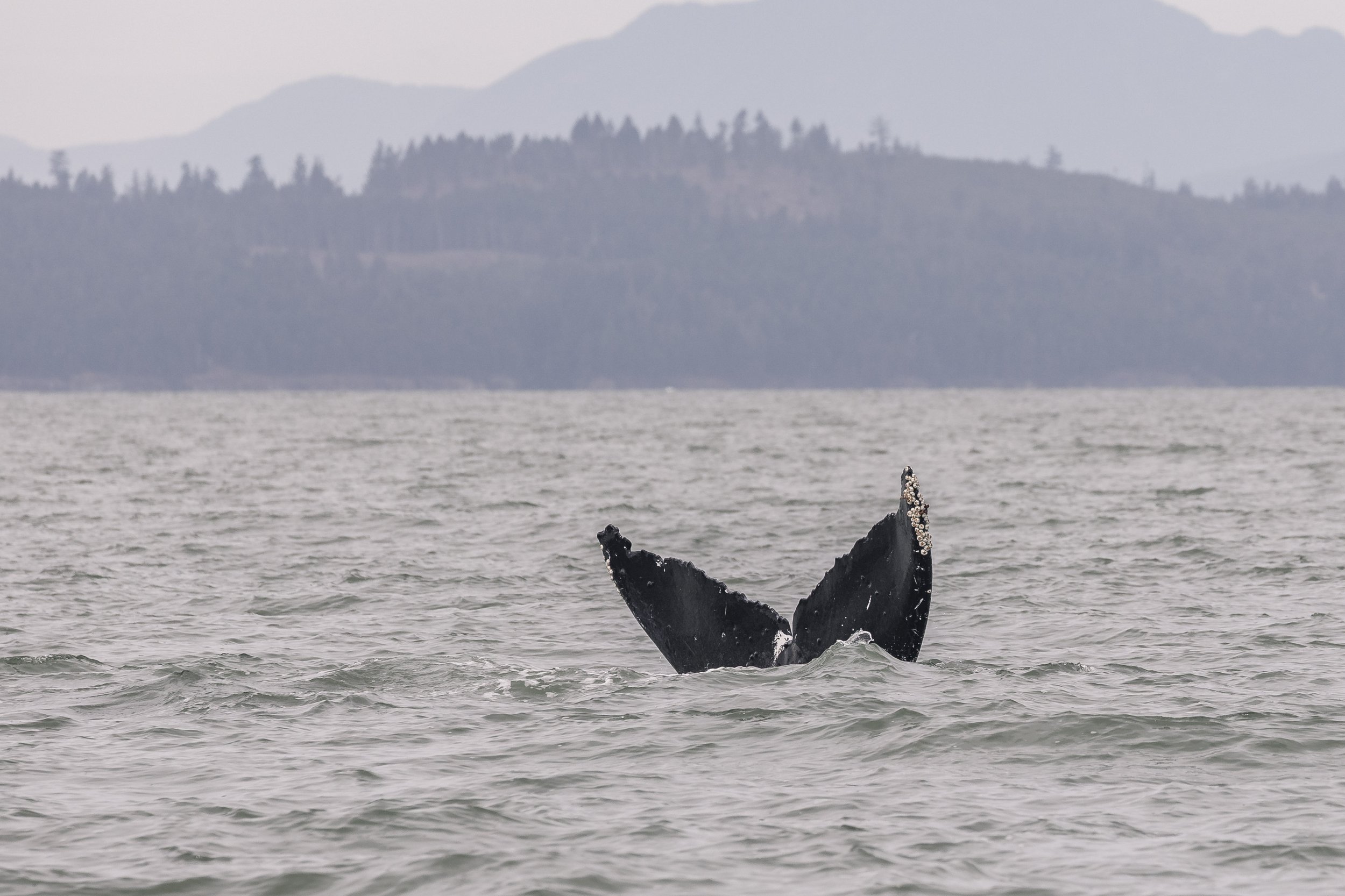
Niagara getrs his name from his easily ID’ed fluke. Photo by Jordan Robinson.
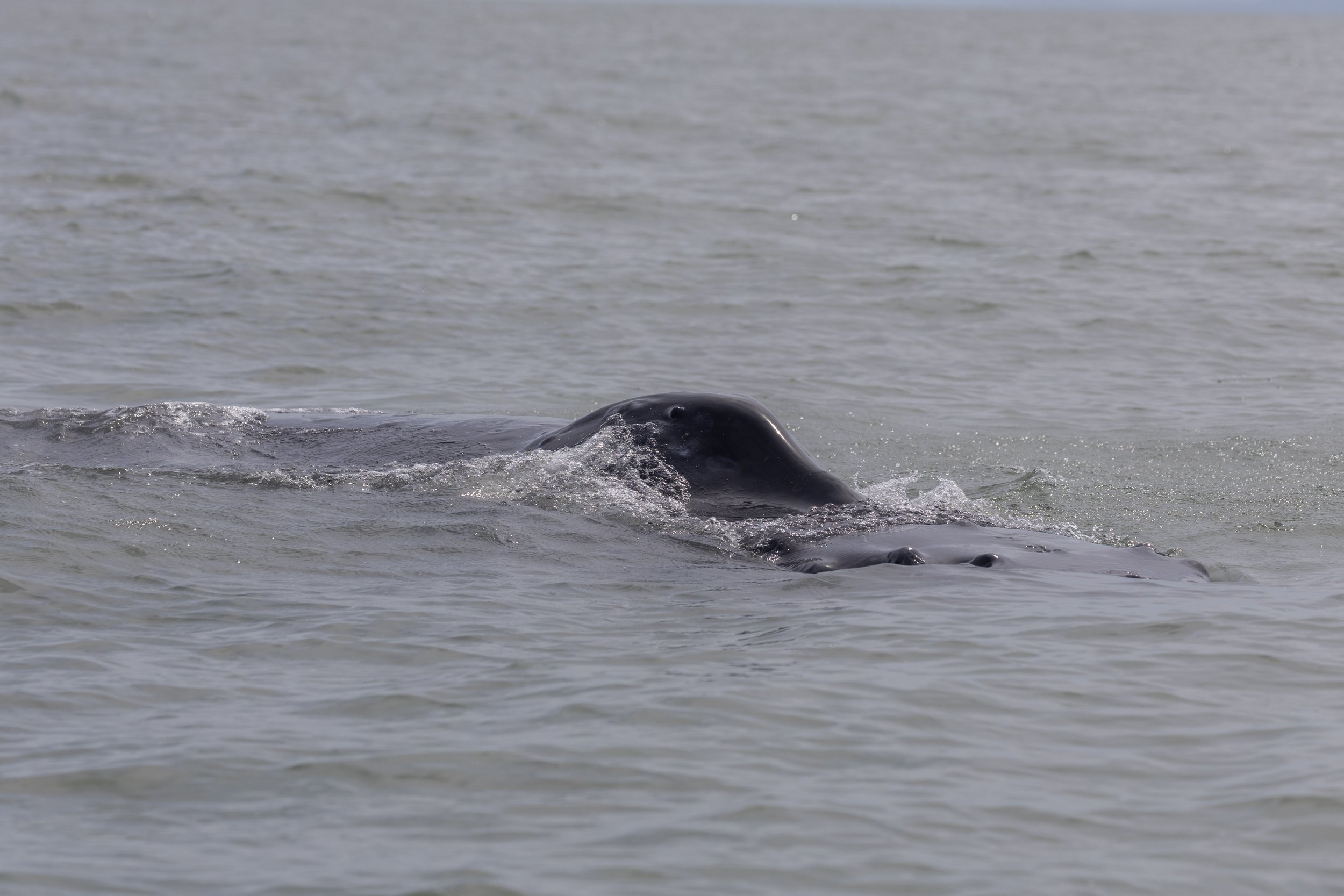
Check out those tubercles. Photo by Jordan Robinson.
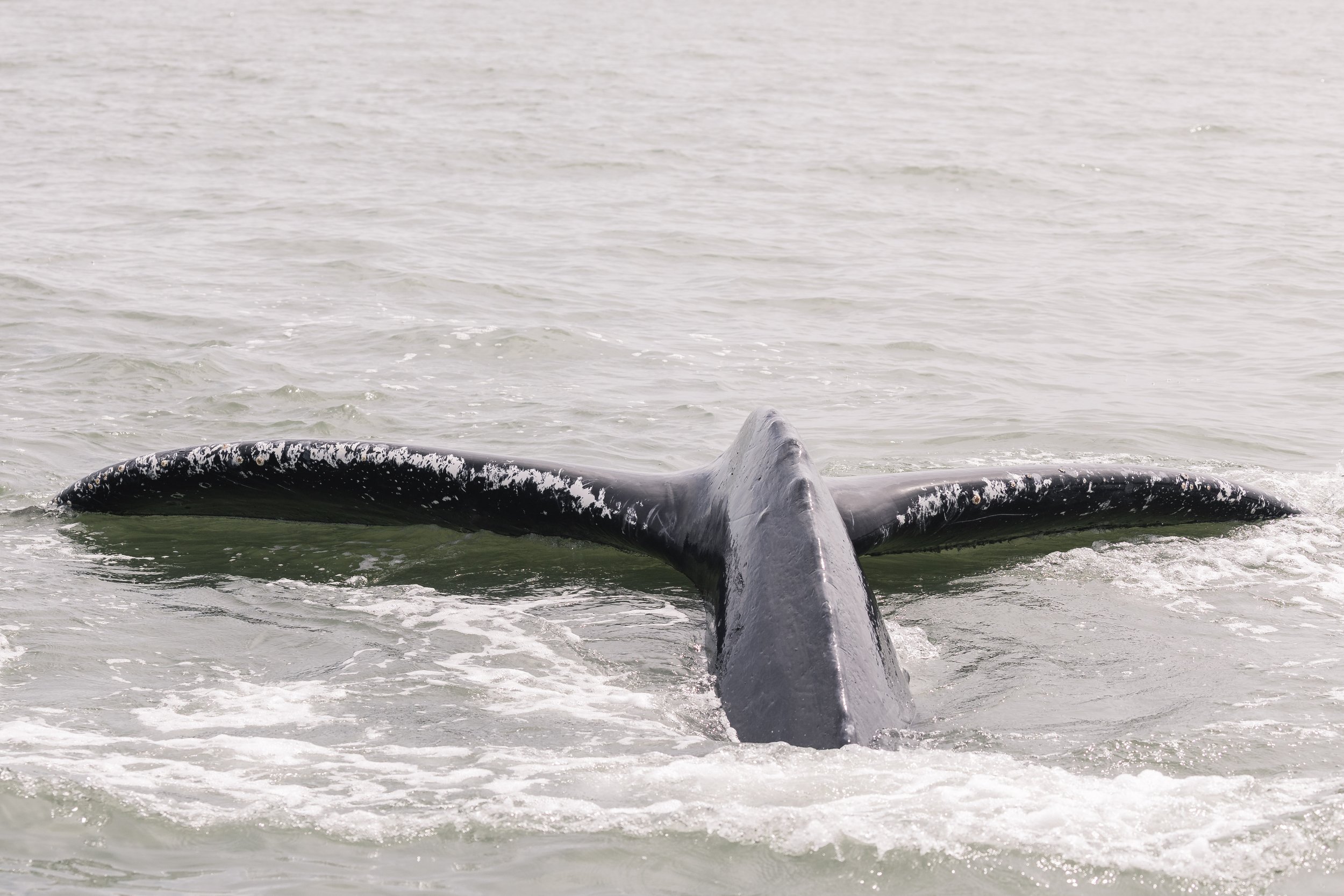
This narrow part of the tail is called the peduncle! Photo by Jordan Robinson.
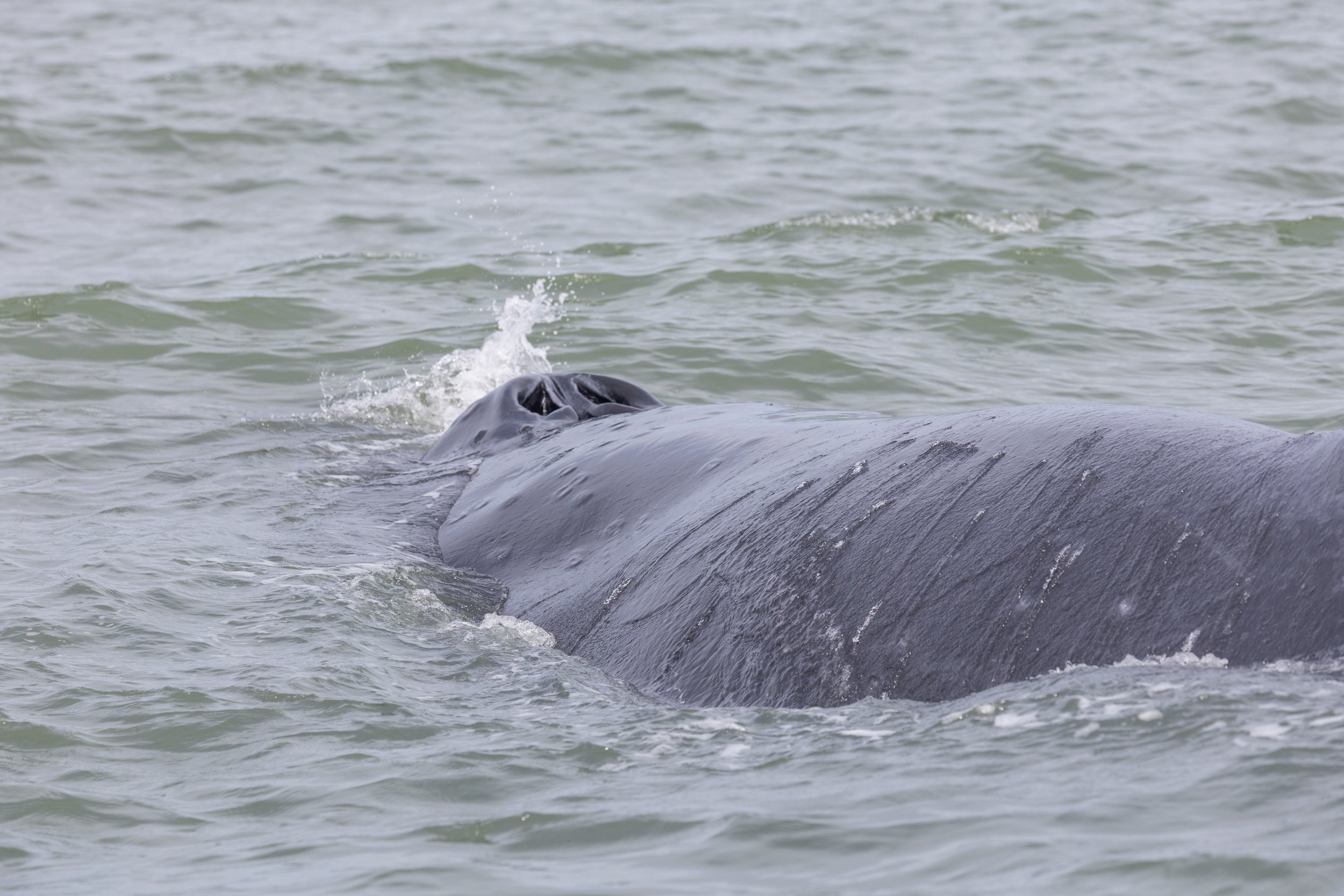
Right up the nostrils. Photo by Jordan Robinson.
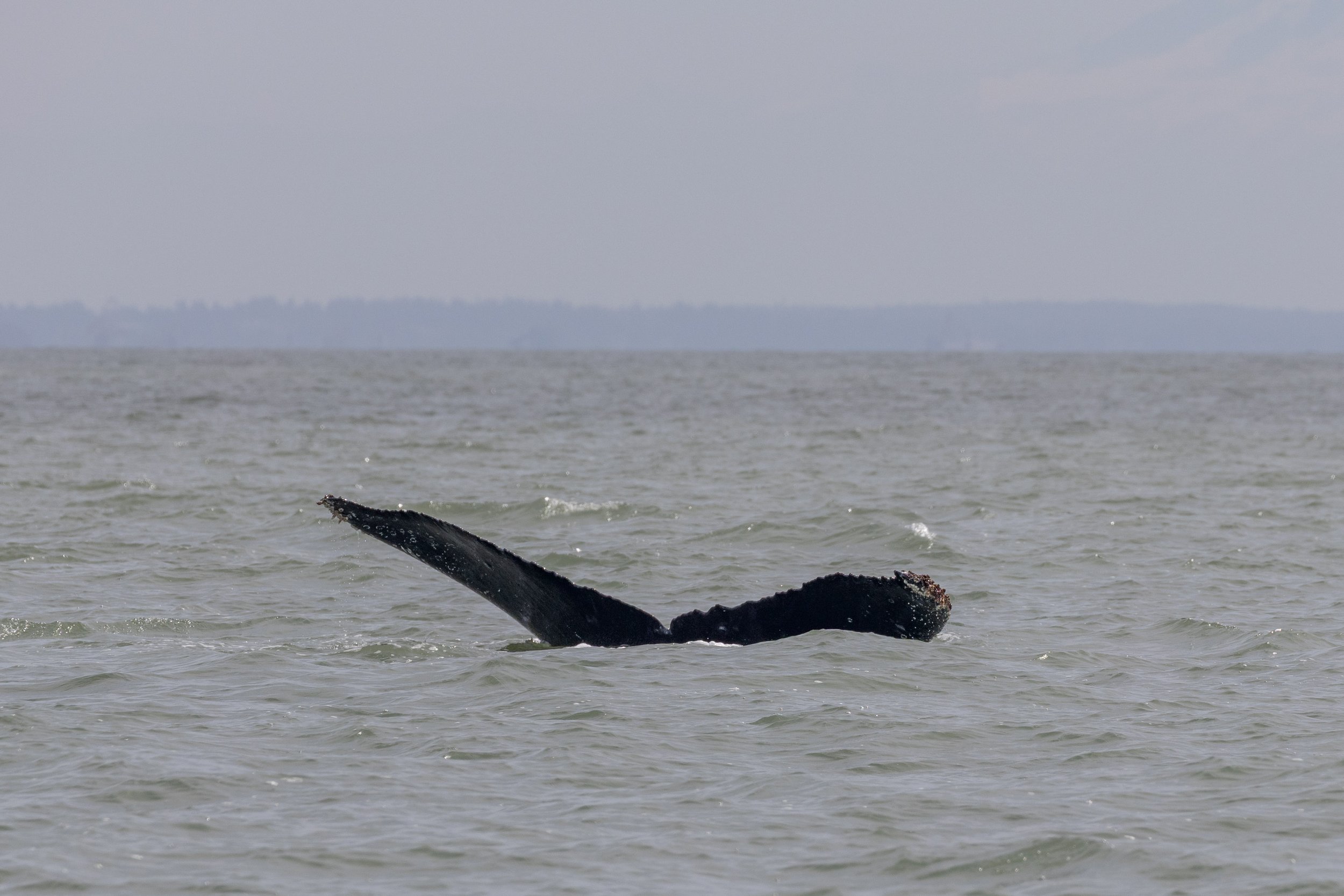
Crater going for a dive. Photo by Jordan Robinson.
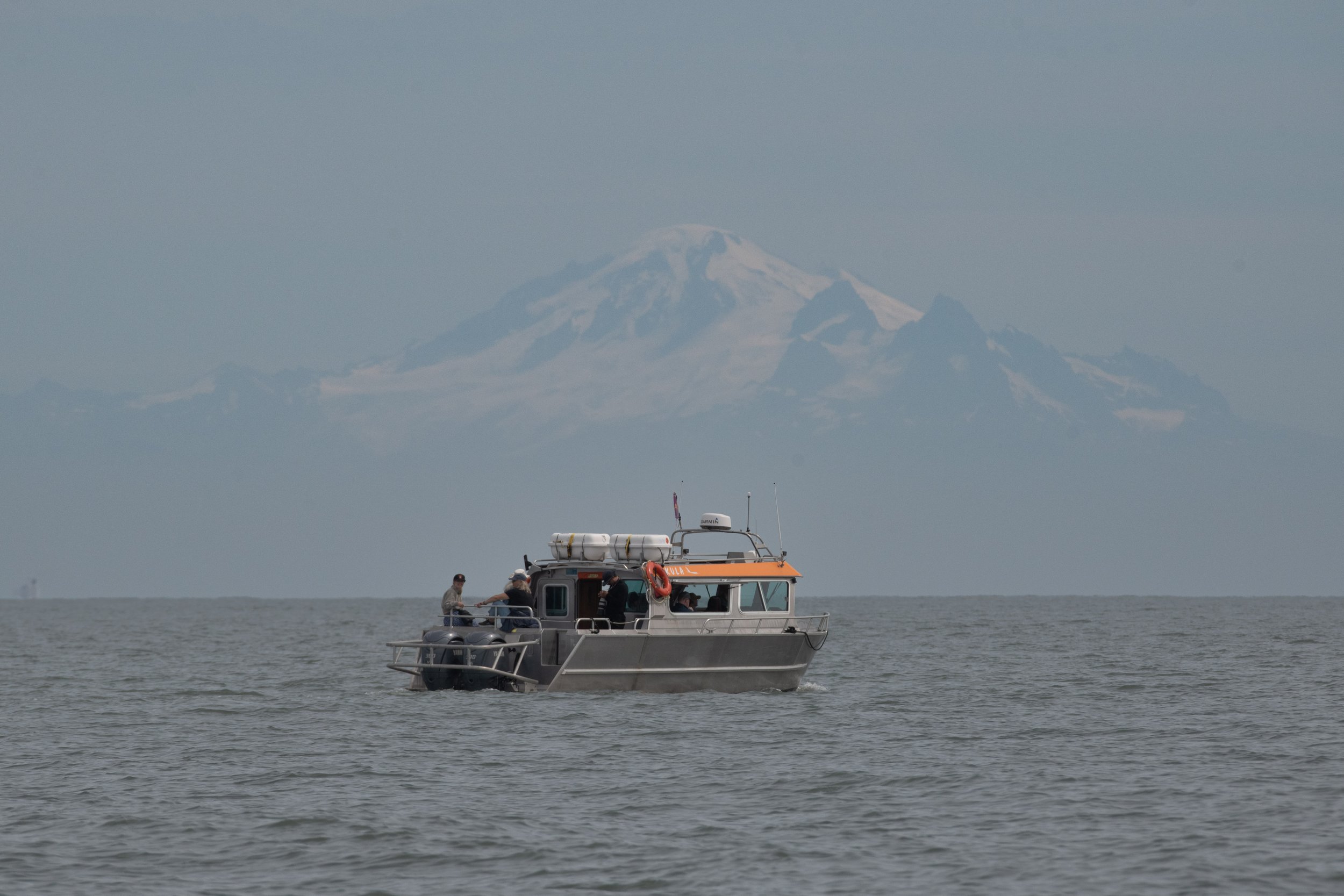
Kula in front of Mt. Baker. Photo by Hayleigh Hilbert.
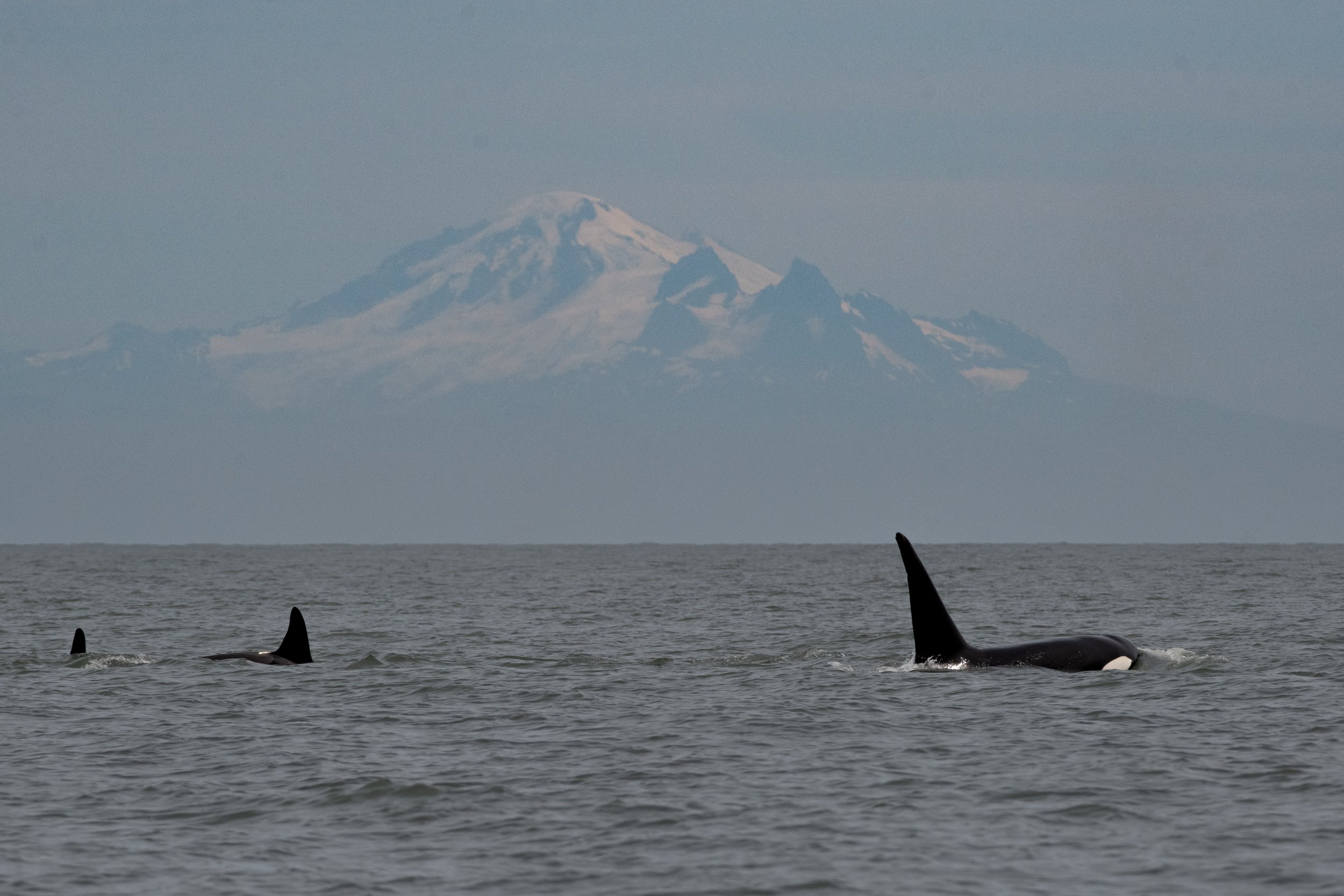
T065A3 Amir and T077E Misneach. Photo by Hayleigh Hilbert.
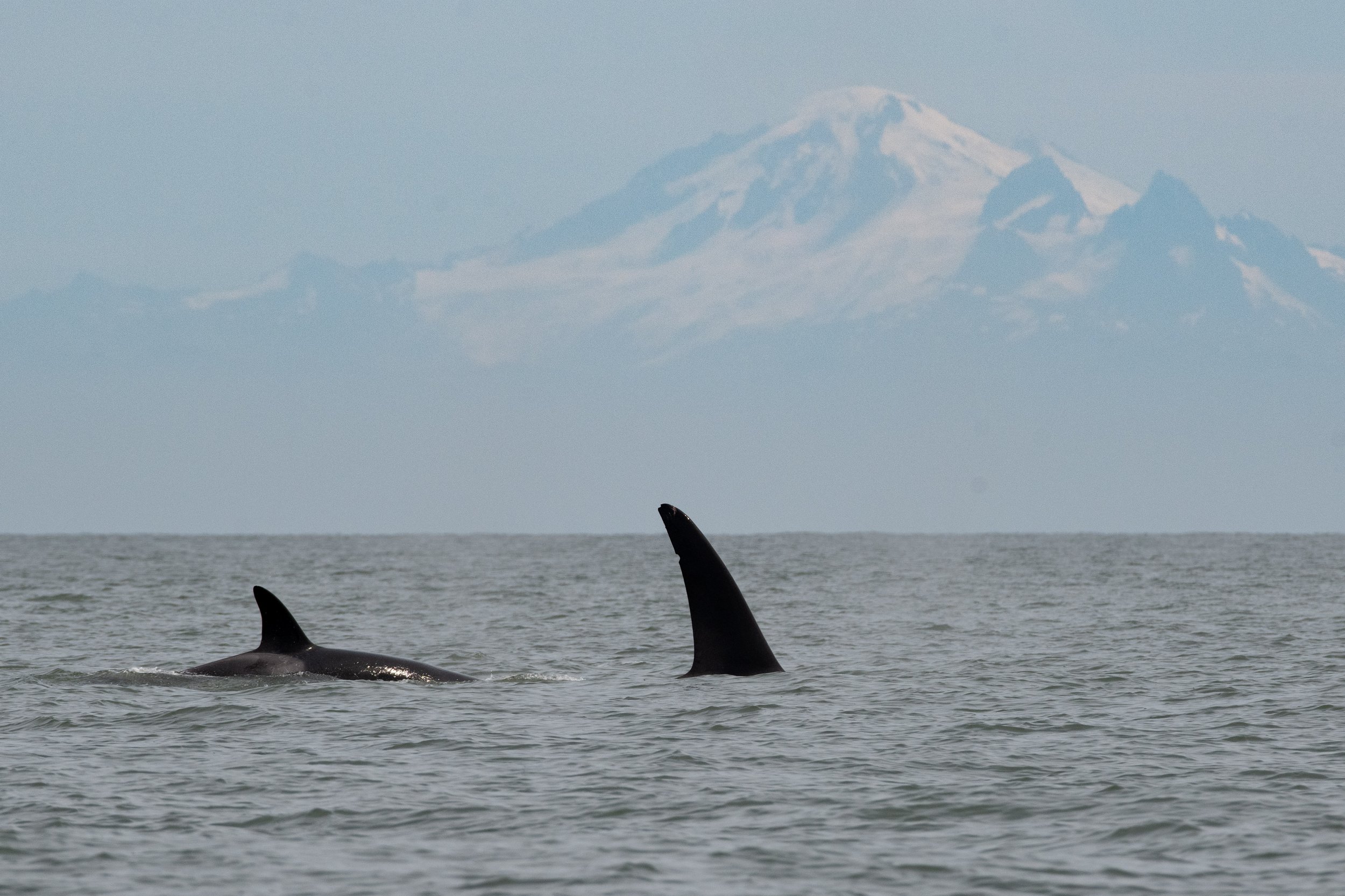
T077E Misneach and T065A3 Amir with Mt. Baker. Photo by Hayleigh Hilbert.
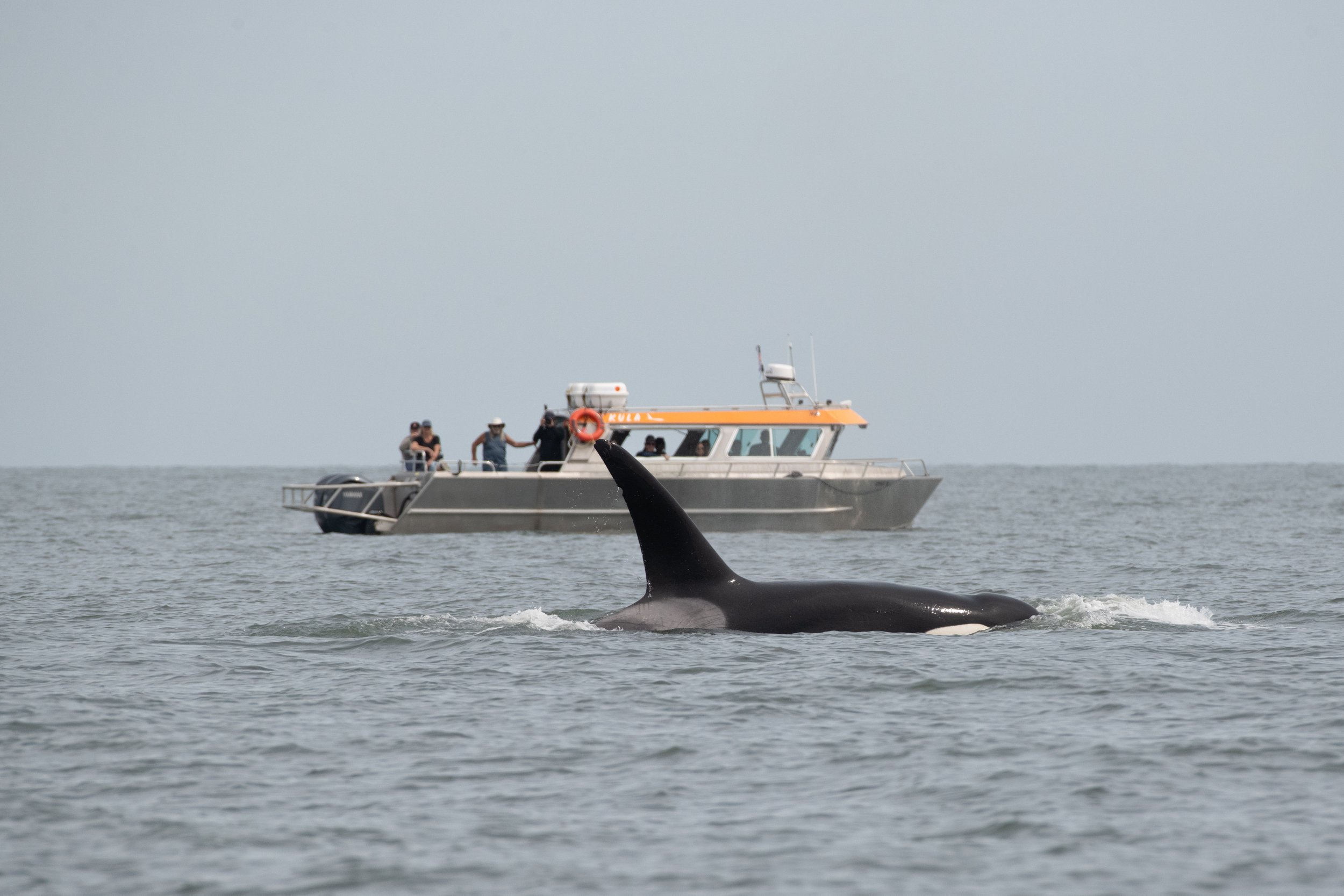
Guests on Kula checking out T065A3 Amir. Photo by Hayleigh Hilbert.
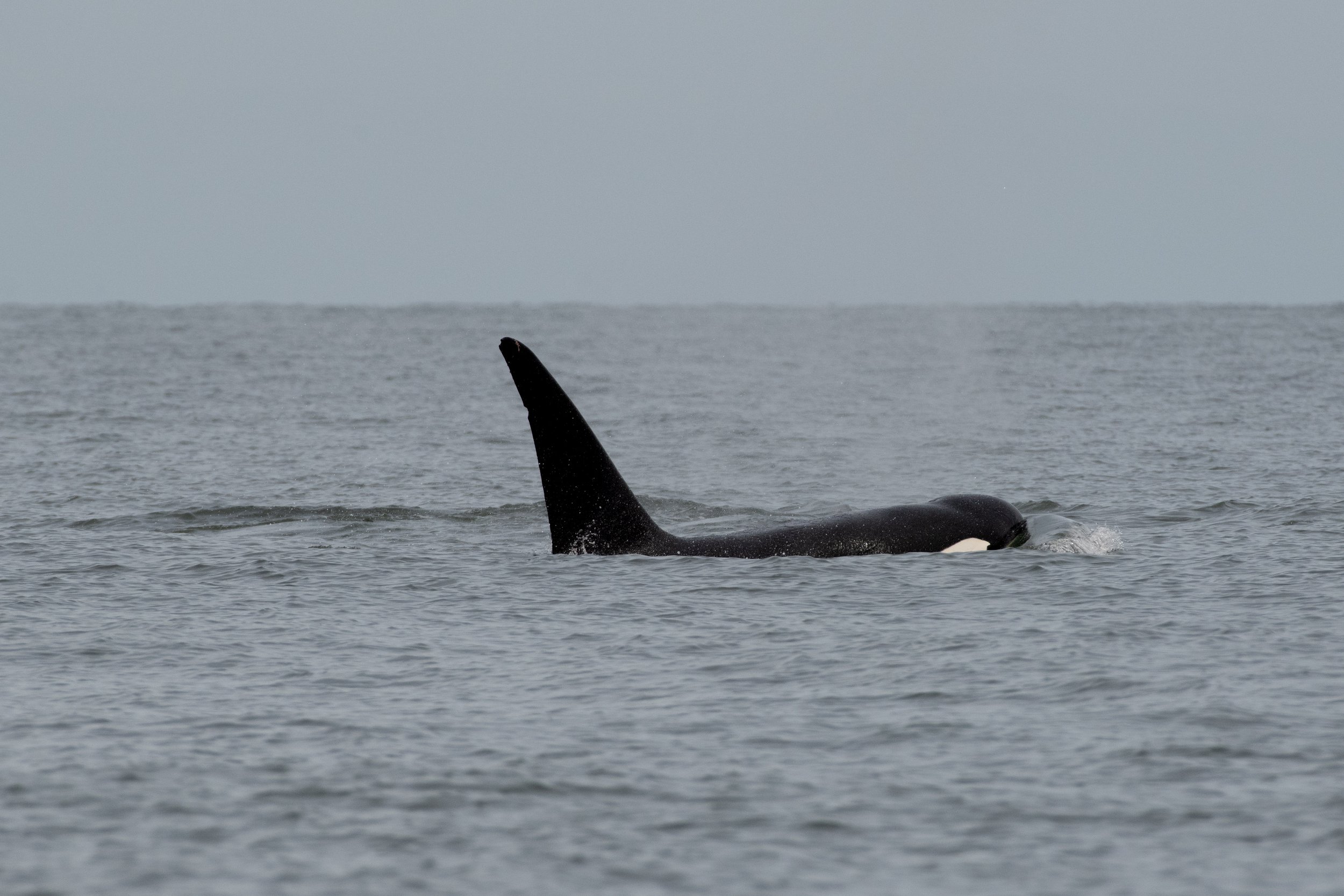
T065A3 Amir. Photo by Hayleigh Hilbert.
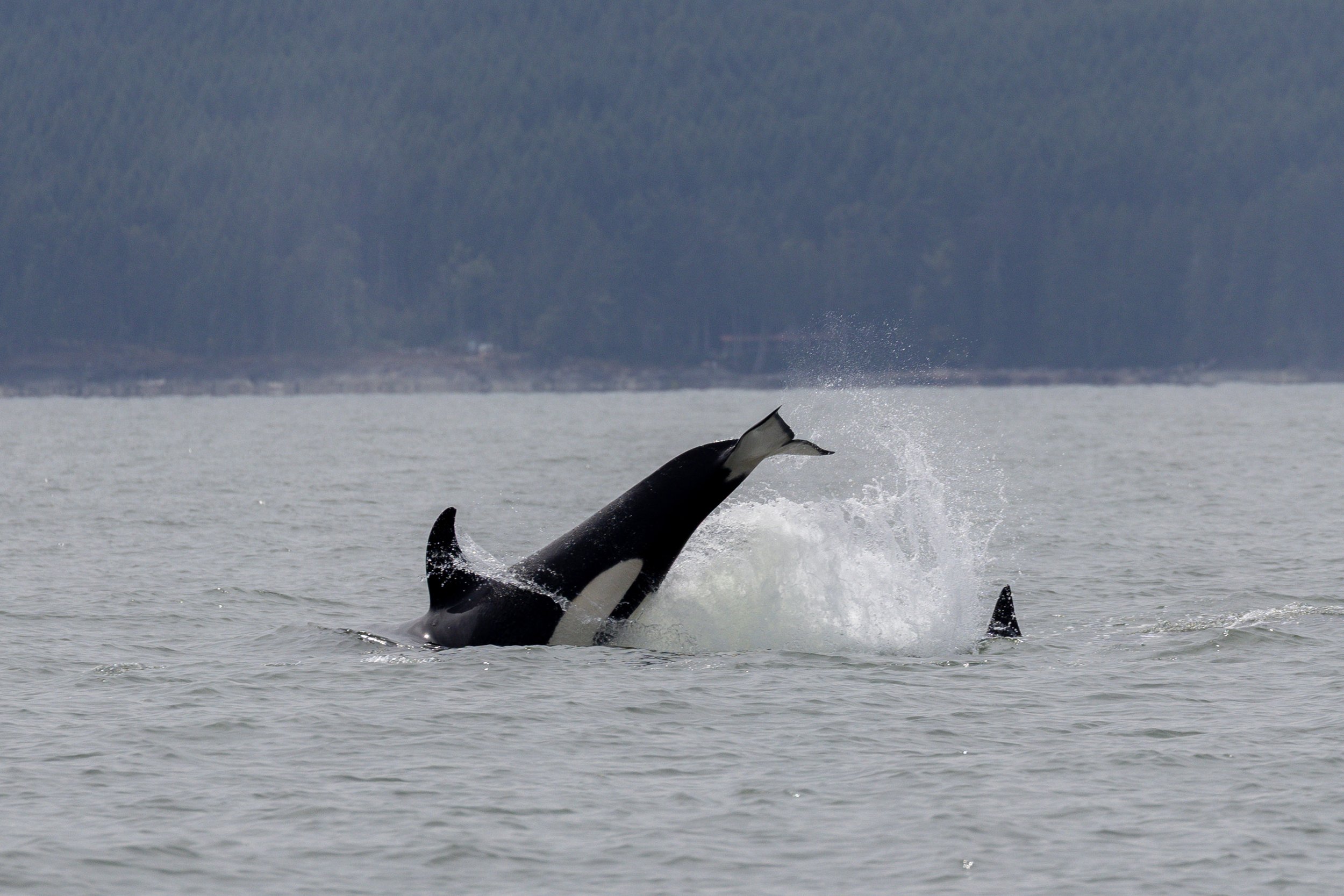
T065A6 Callisto jumping for joy. Photo by Jordan Robinson.
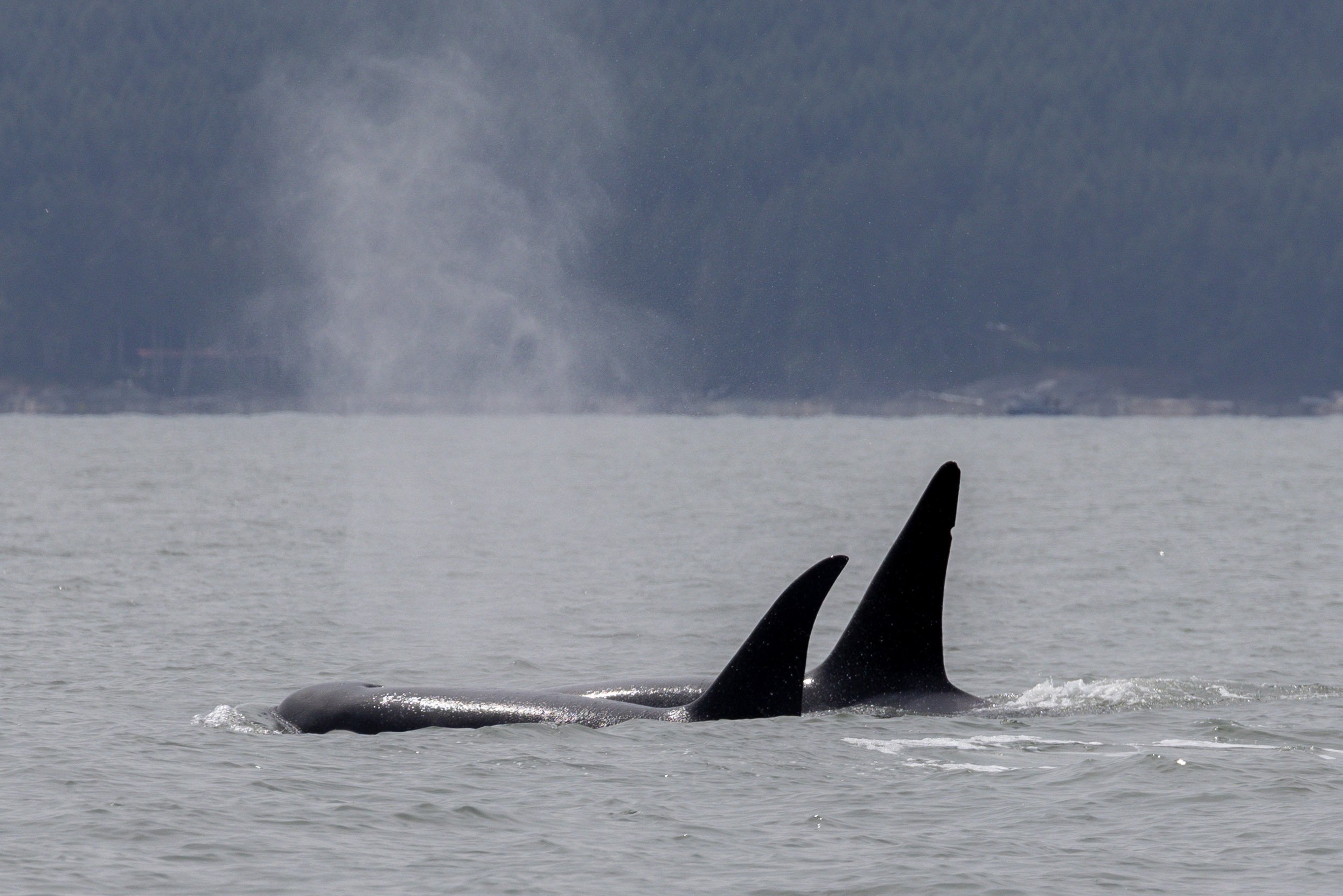
T077C Neftali and T065A3 Amir swimming together. Photo by Jordan Robinson.
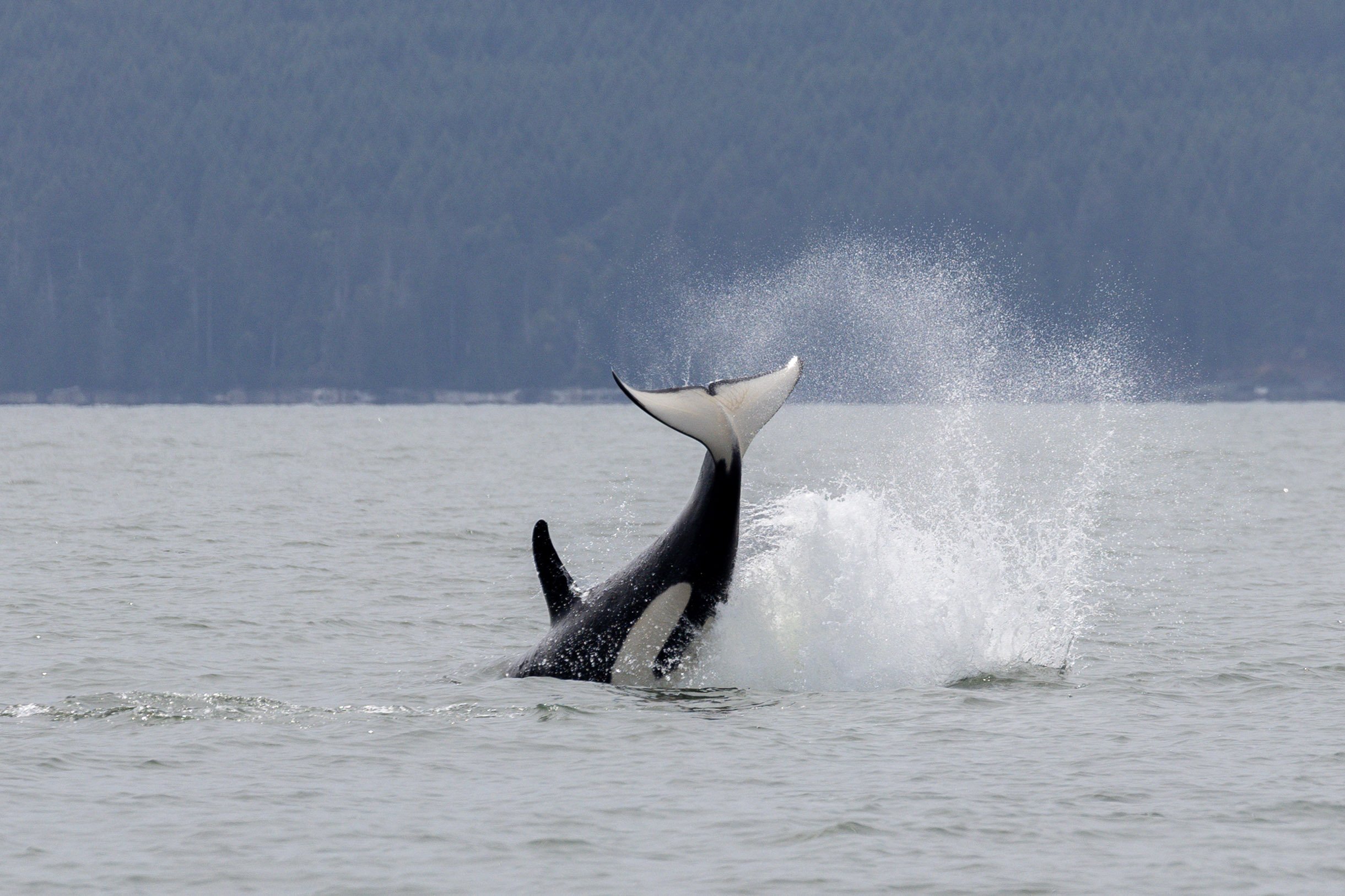
Check out the teeth marks on this young orca’s fluke. Photo by Jordan Robinson.
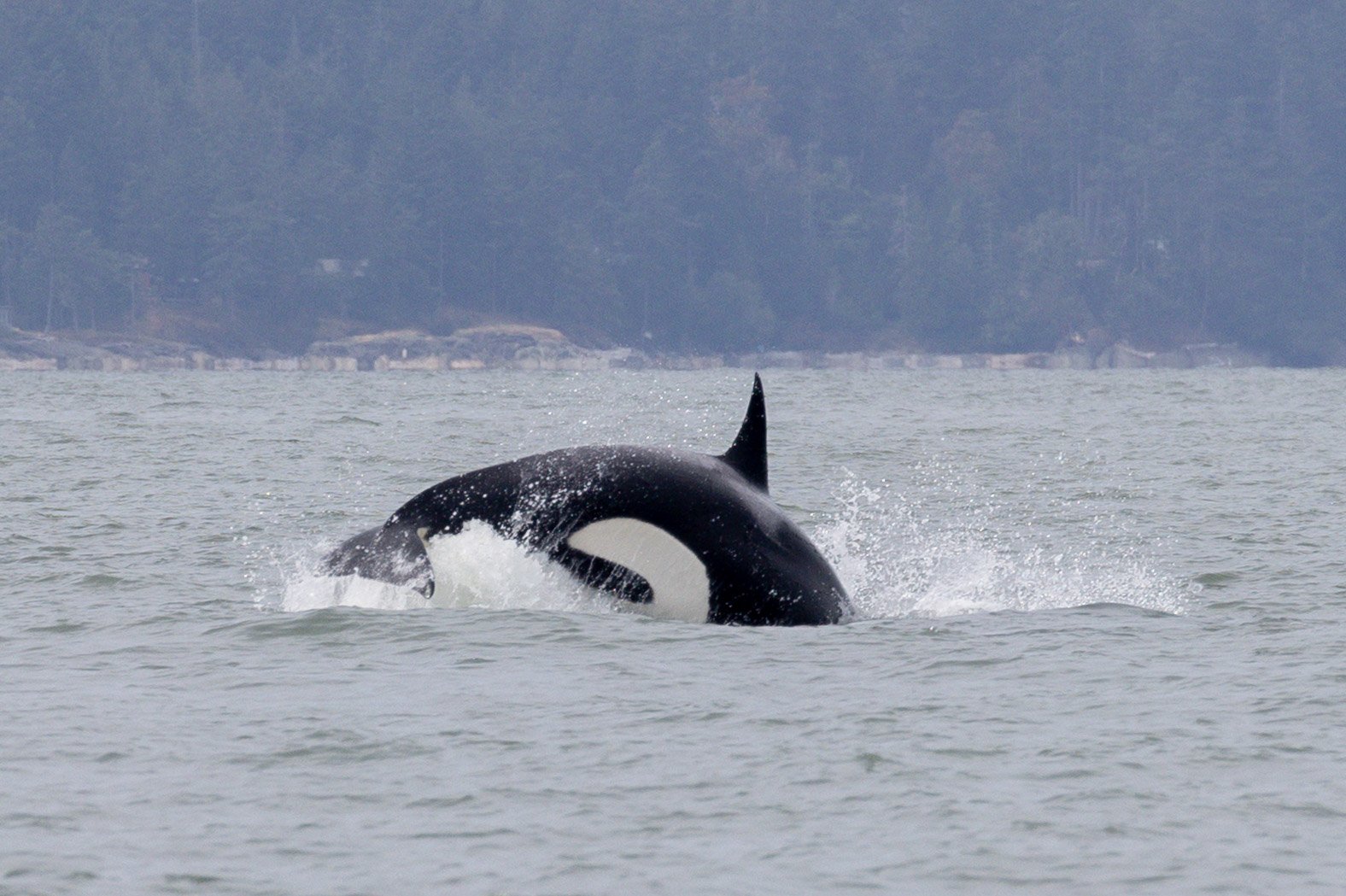
T077D Alcyon gets wind of a Harbour Porpoise. Photo by Jordan Robinson.
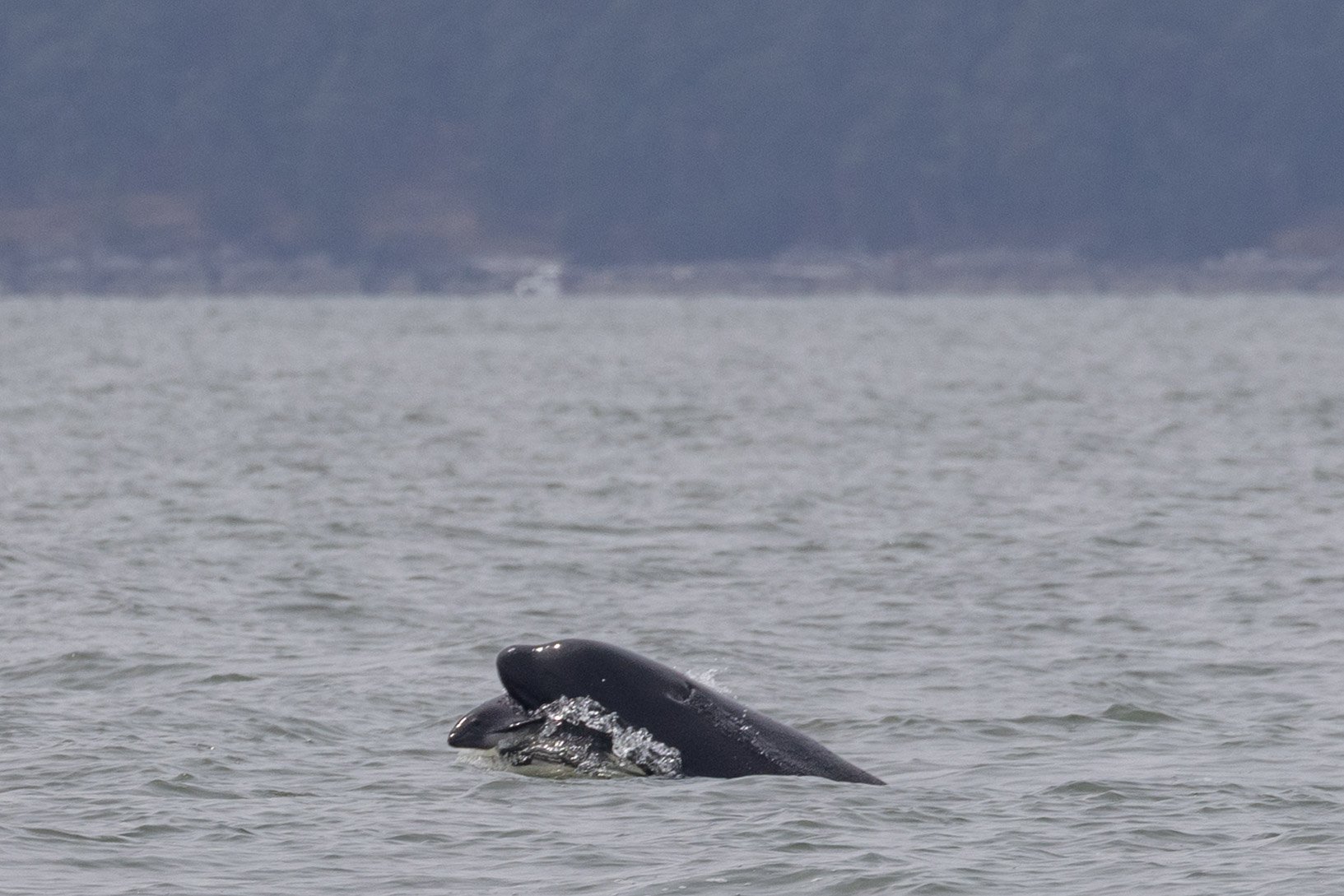
Success! Photo by Jordan Robinson.
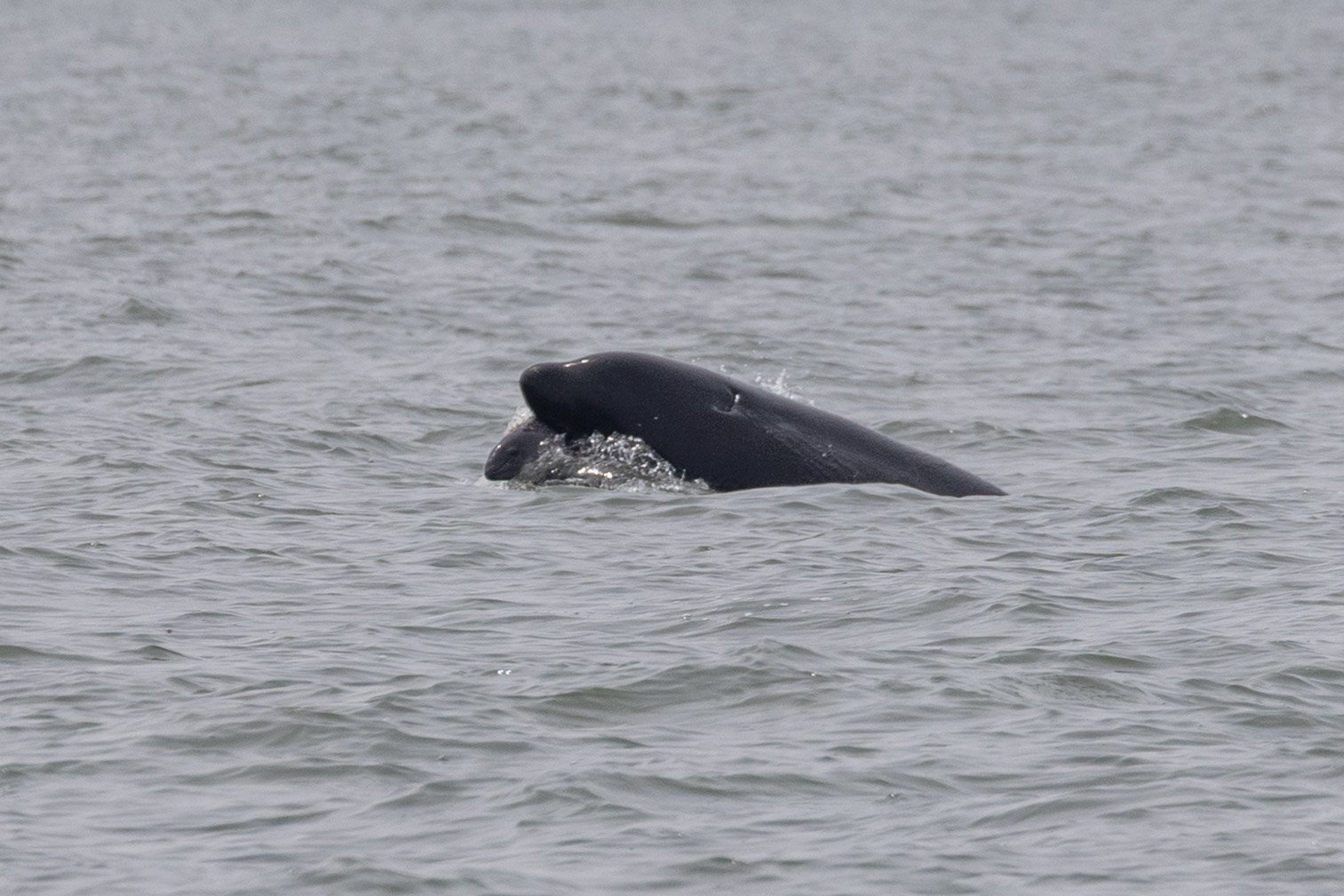
Full mouthful! Photo by Jordan Robinson.
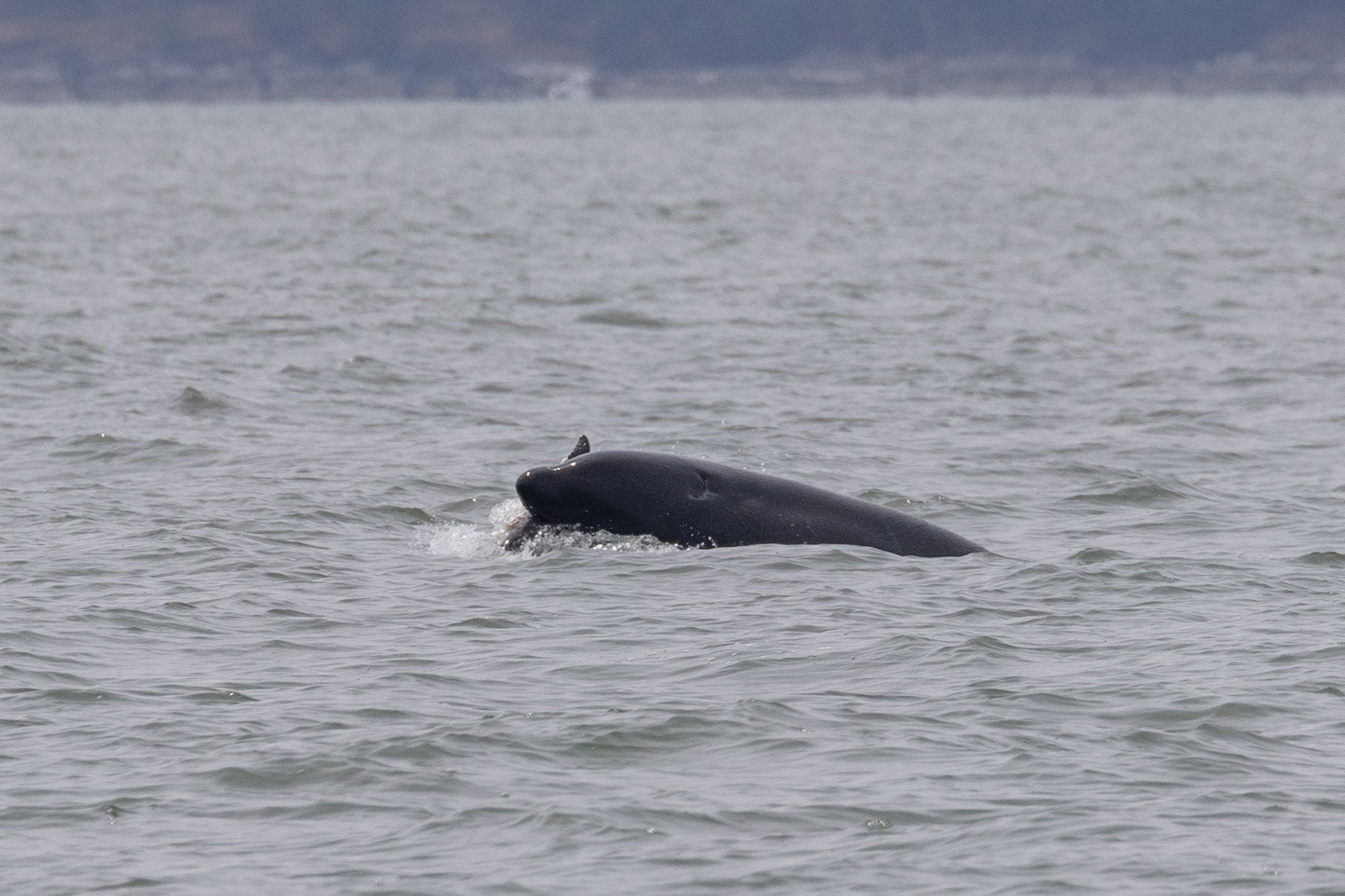
Yummy! Photo by Jordan Robinson.
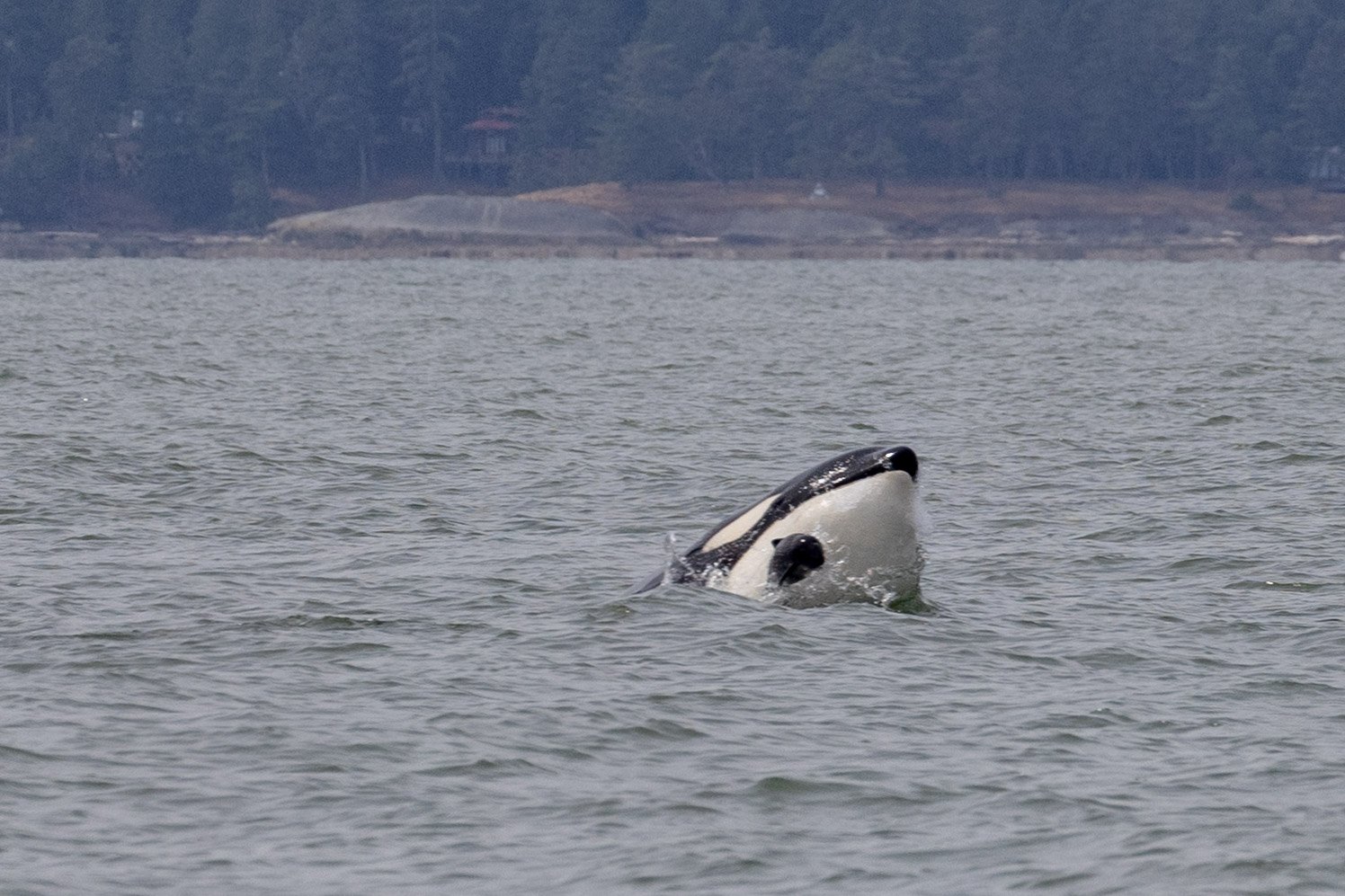
The chase is on! Photo by Jordan Robinson.
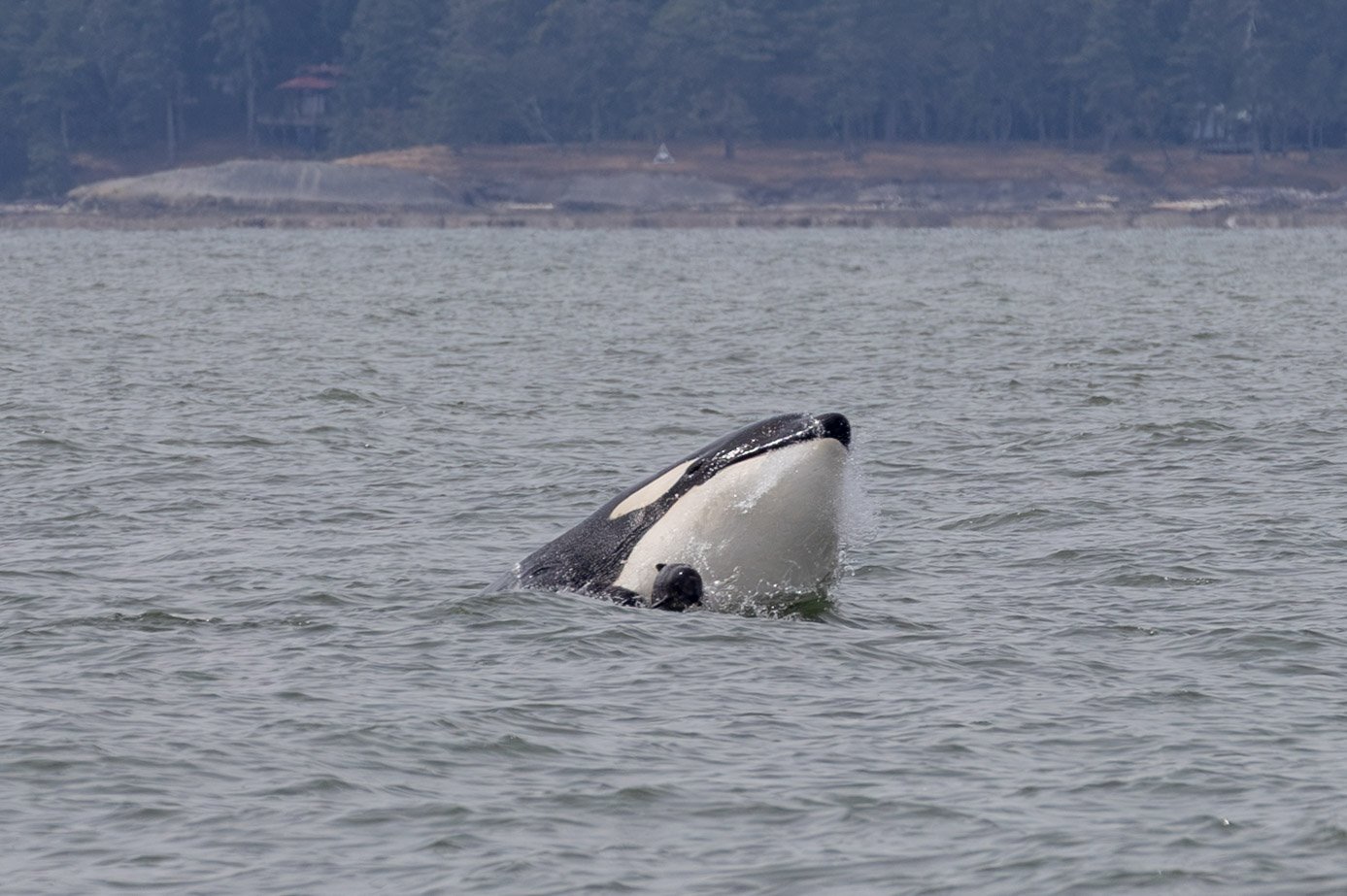
Can you spot the porpoise here? Photo by Jordan Robinson.
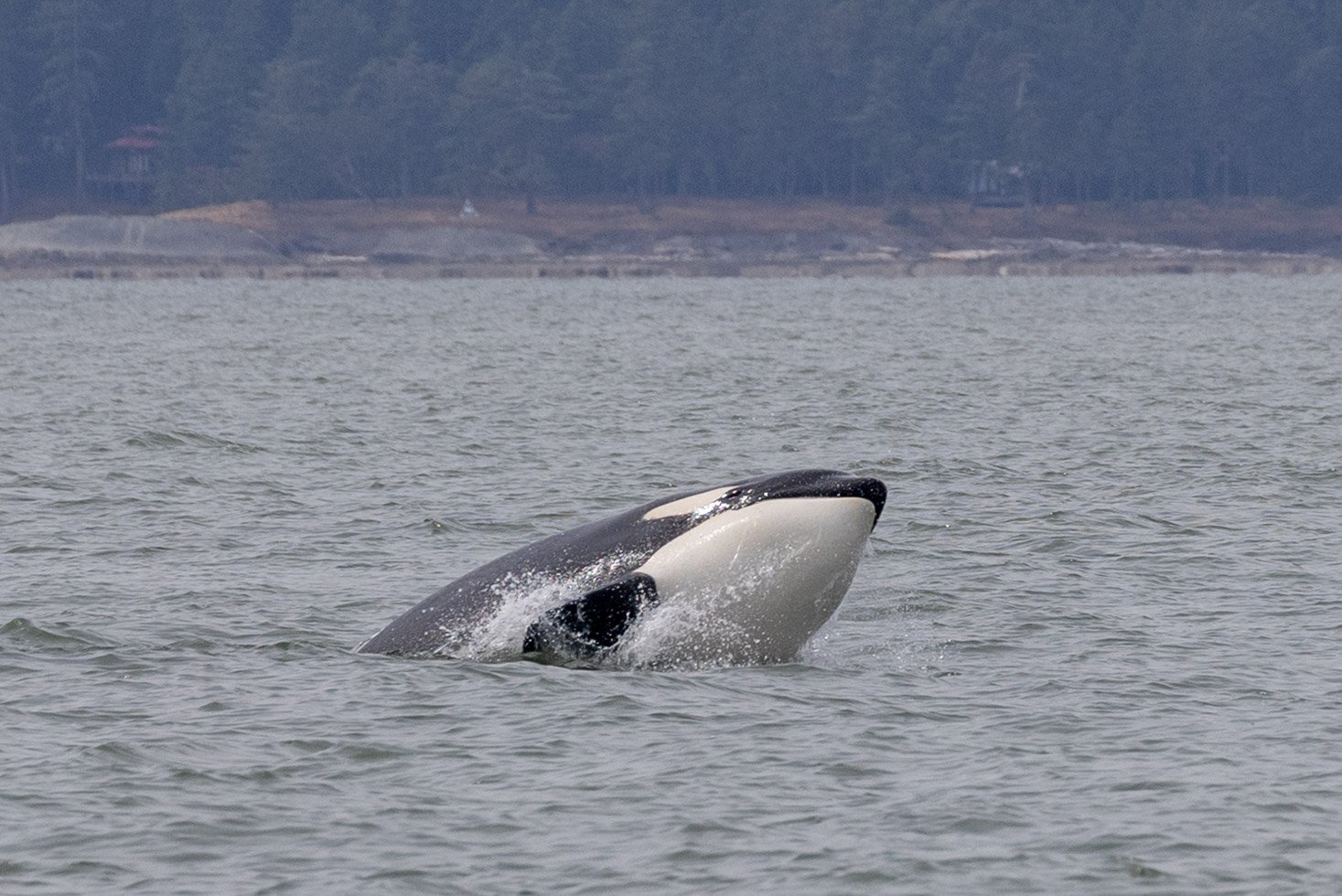
T077D Alcyon having good fun on the hunt. Photo by Jordan Robinson.
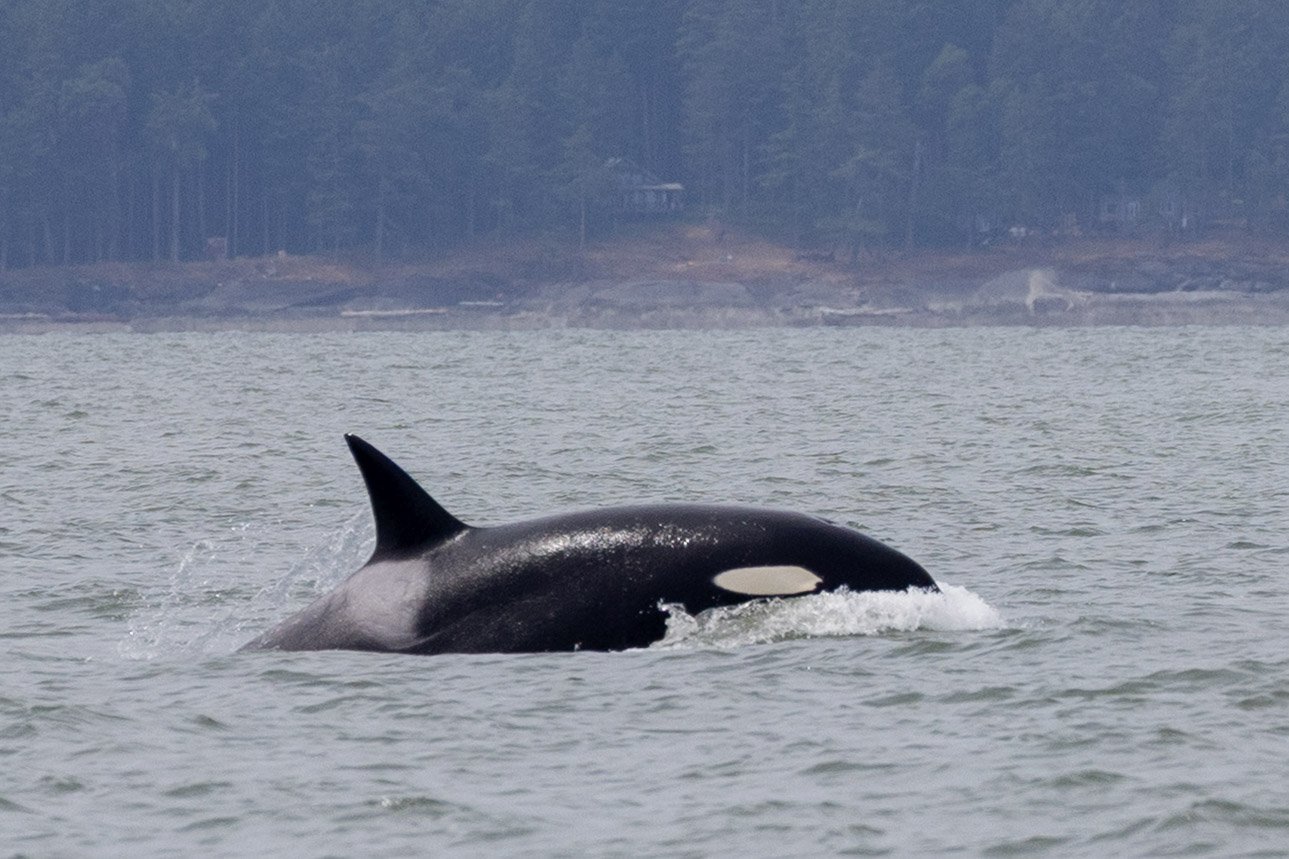
T077D Alcyon. Photo by Jordan Robinson.
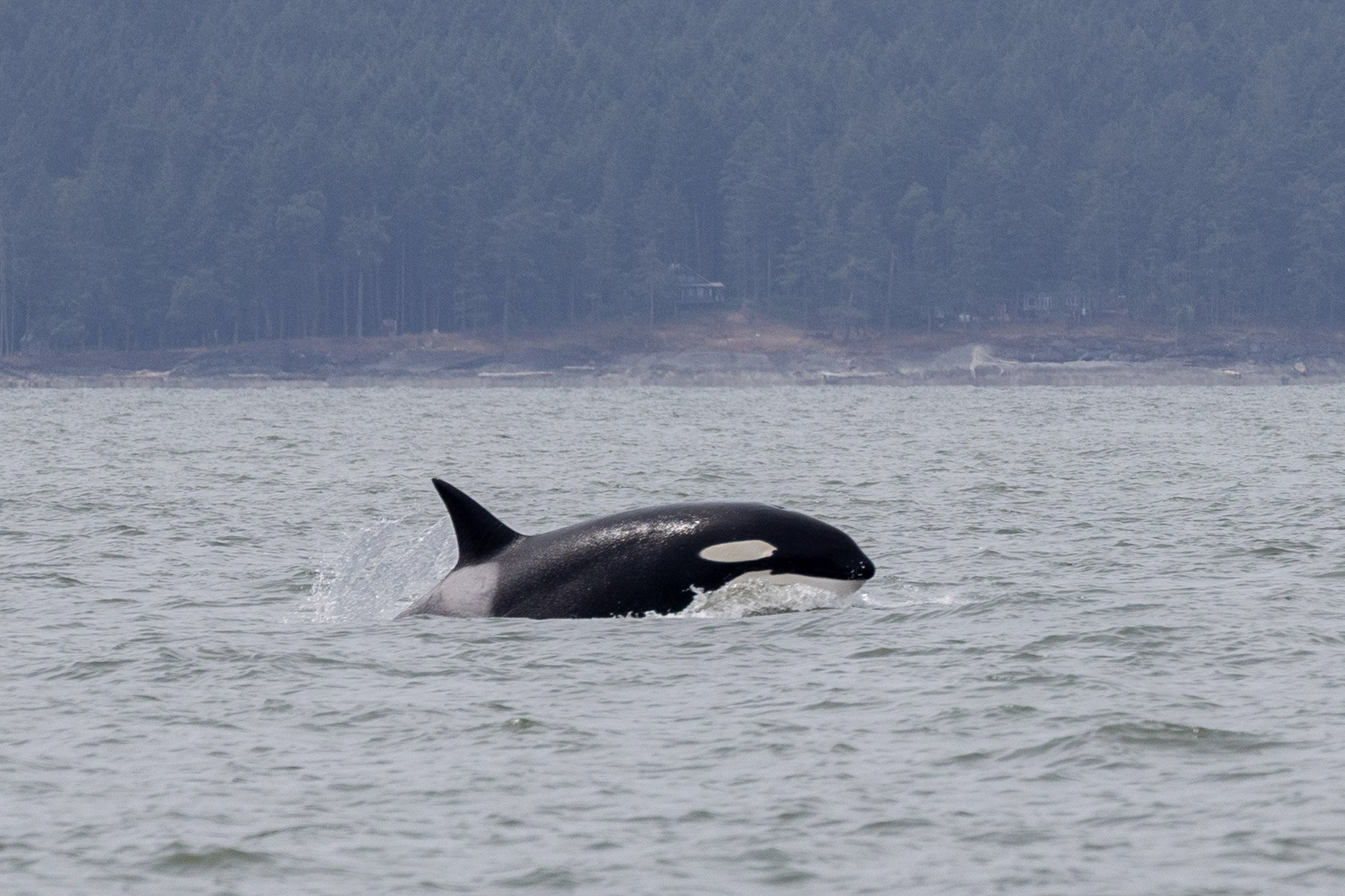
T077D Alycon surfacing and showing off her eye patch. Photo by Jordan Robinson.
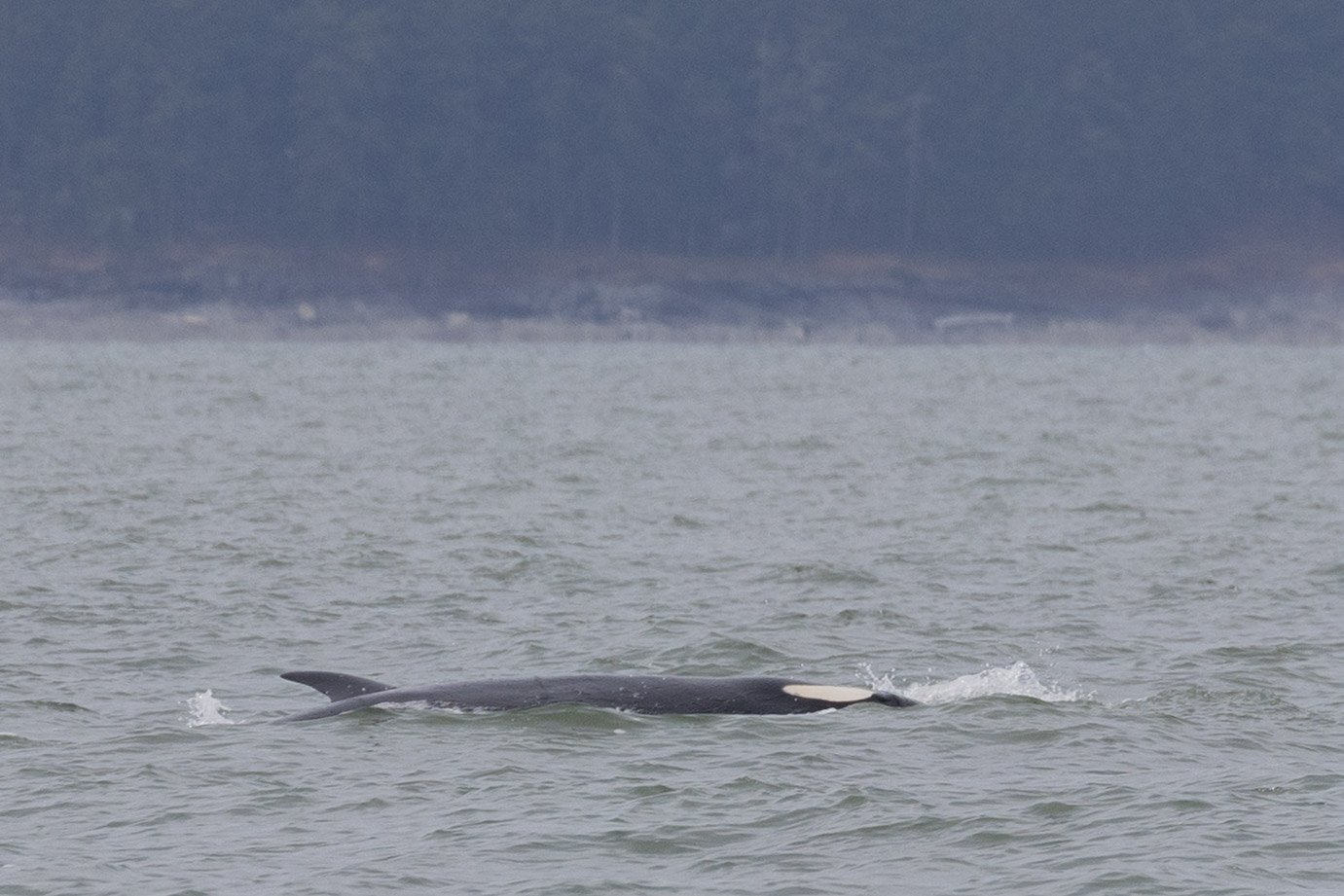
Stealth mode activated. Photo by Jordan Robinson.
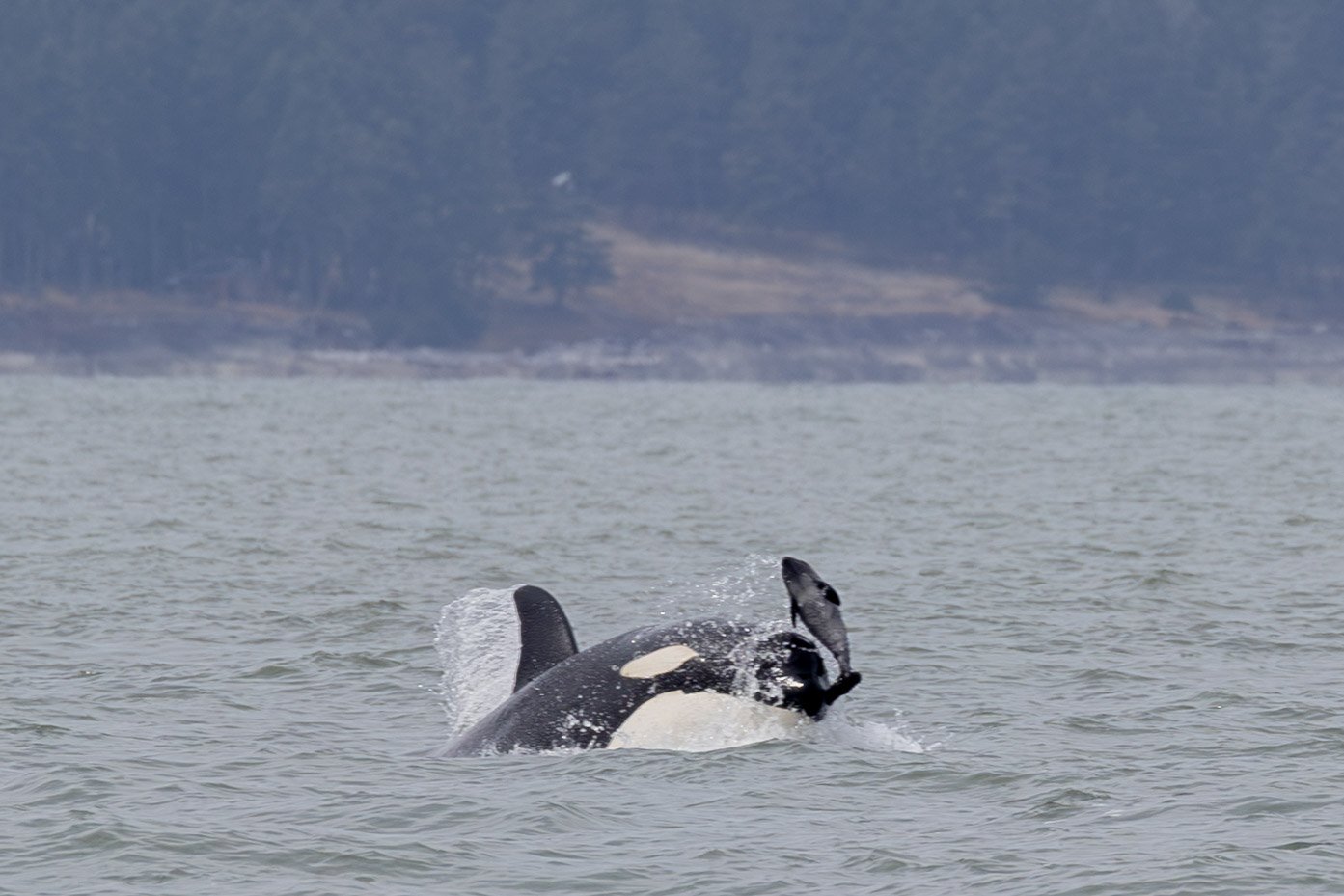
T065A4 Ellifrit joining in on the fun! Photo by Jordan Robinson.
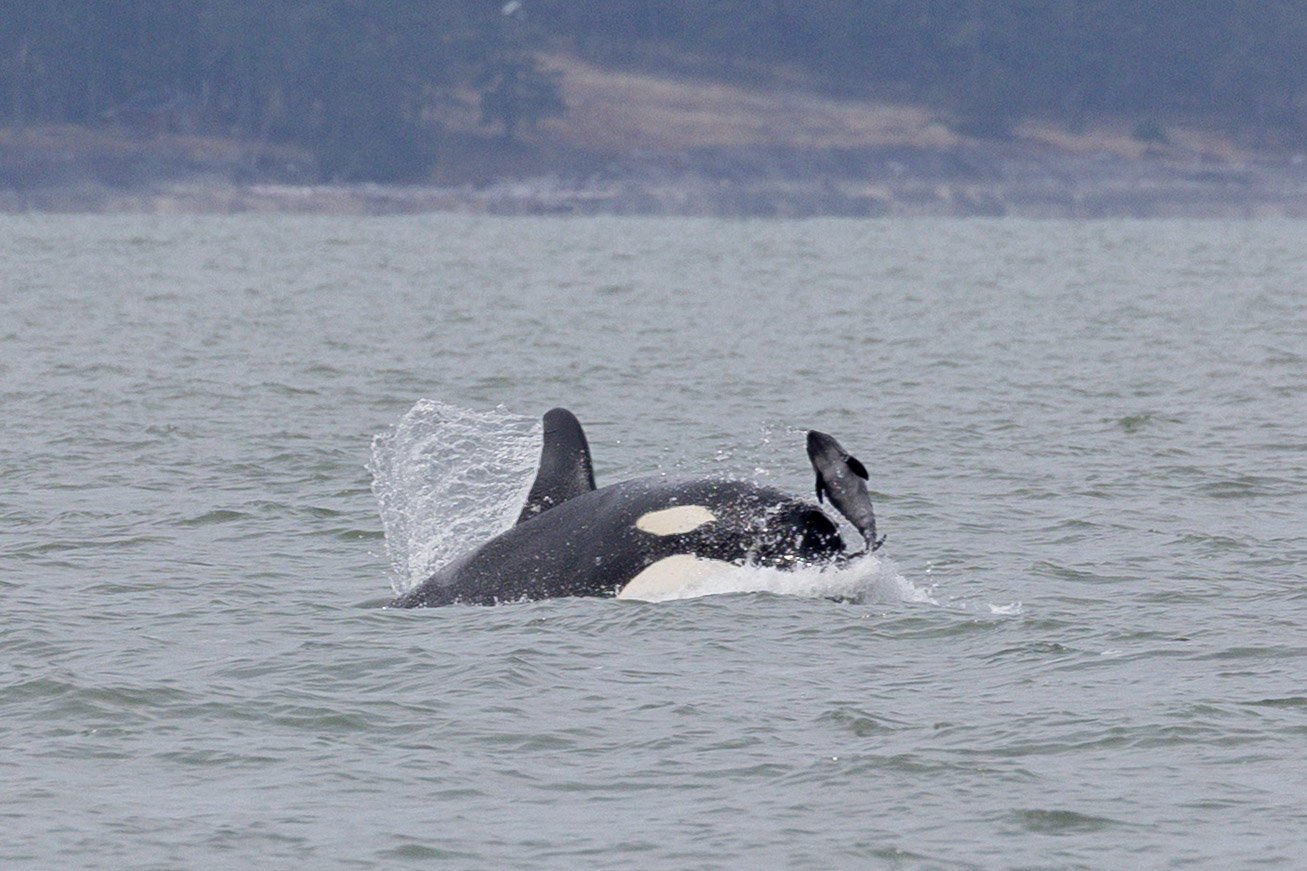
Boop! Photo by Jordan Robinson.
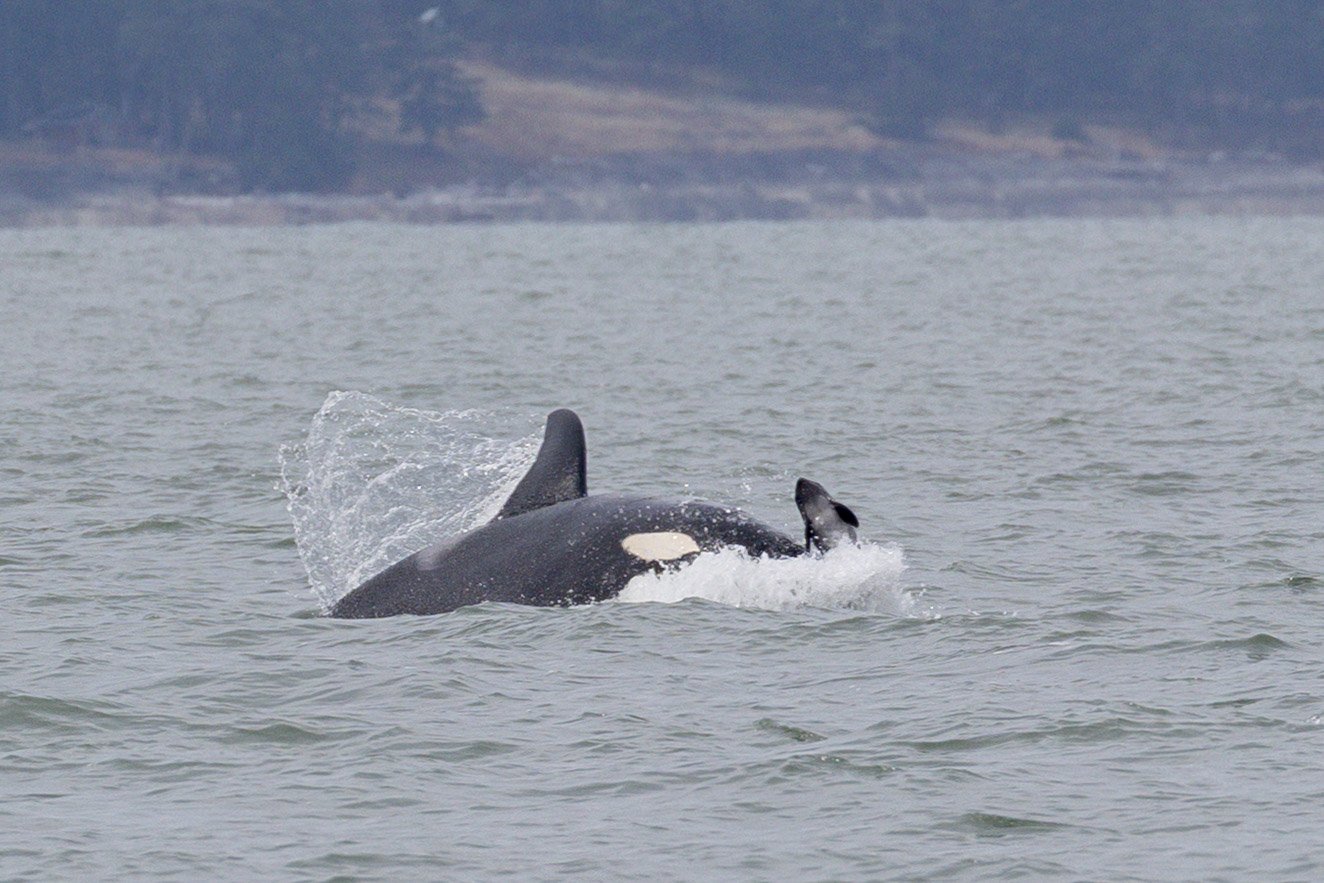
This porpoise never stood a chance! Photo by Jordan Robinson.
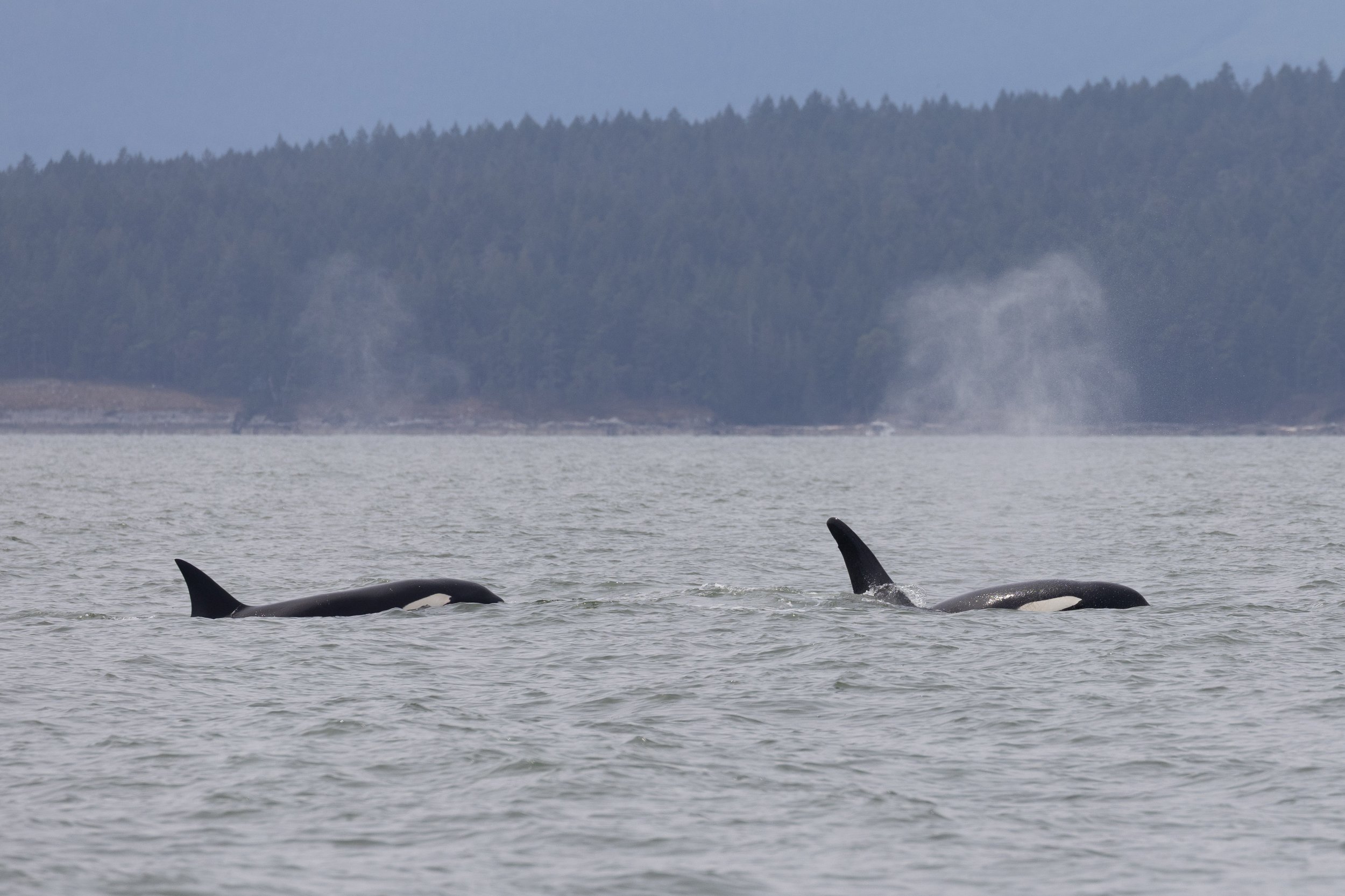
T065A2 Ooxjaa and T077D Alcyon.
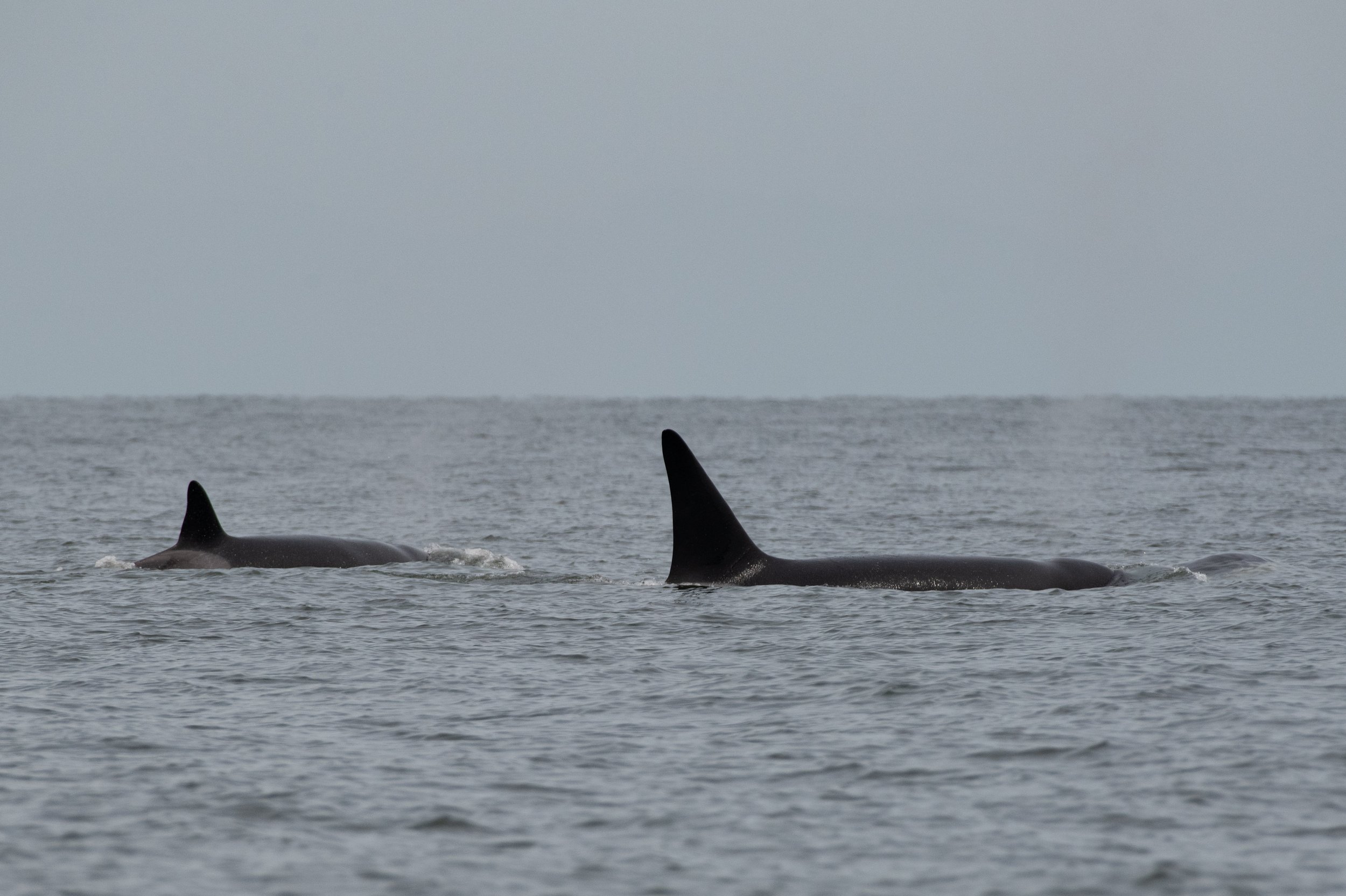
Siblings T077E Misneach and T077C Neftali swimming together. Photo by Hayleigh Hilbert.
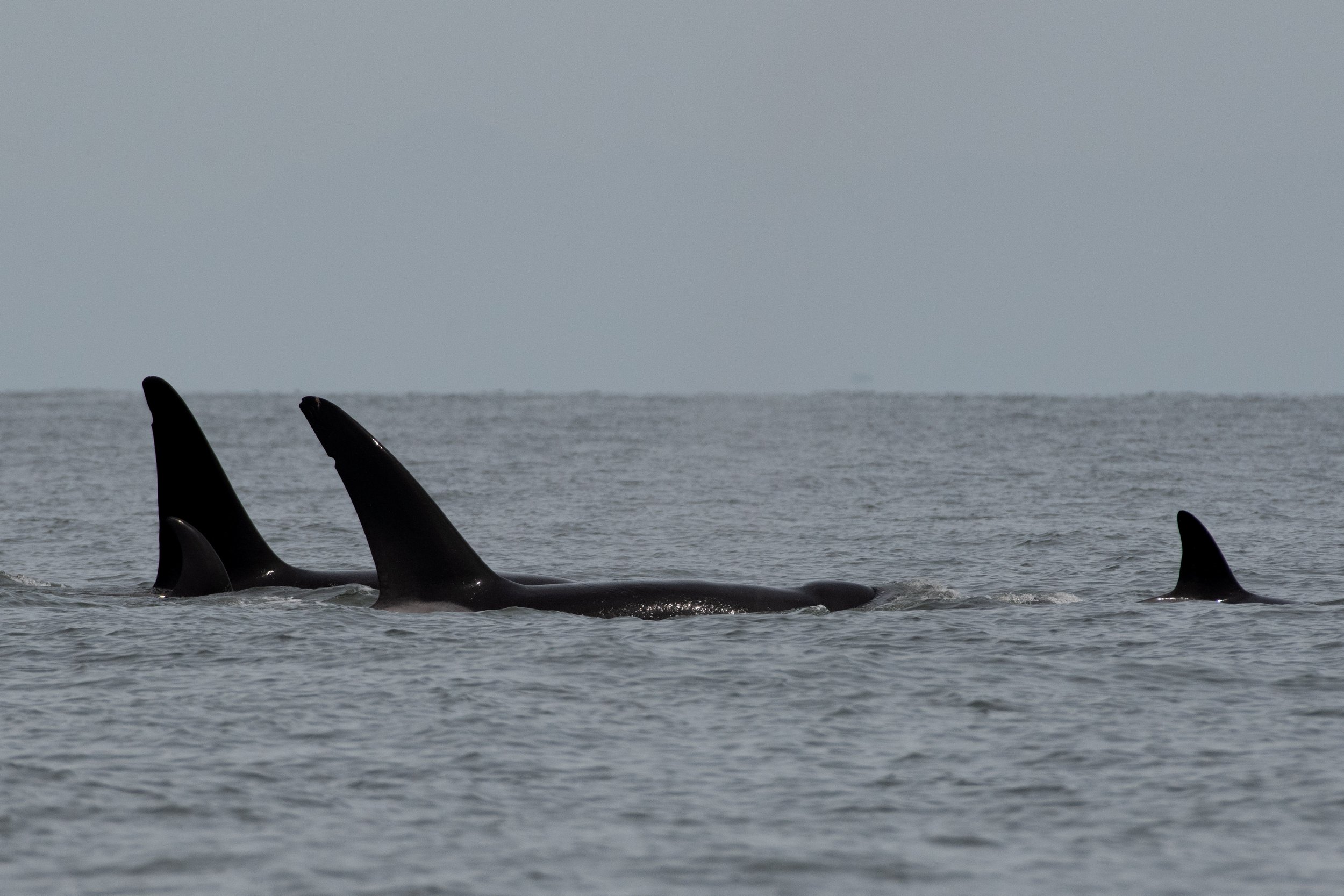
Big boys T065A3 Amir and T065A2 Ooxjaa tower over the younger orca. Photo by Hayleigh Hilbert.
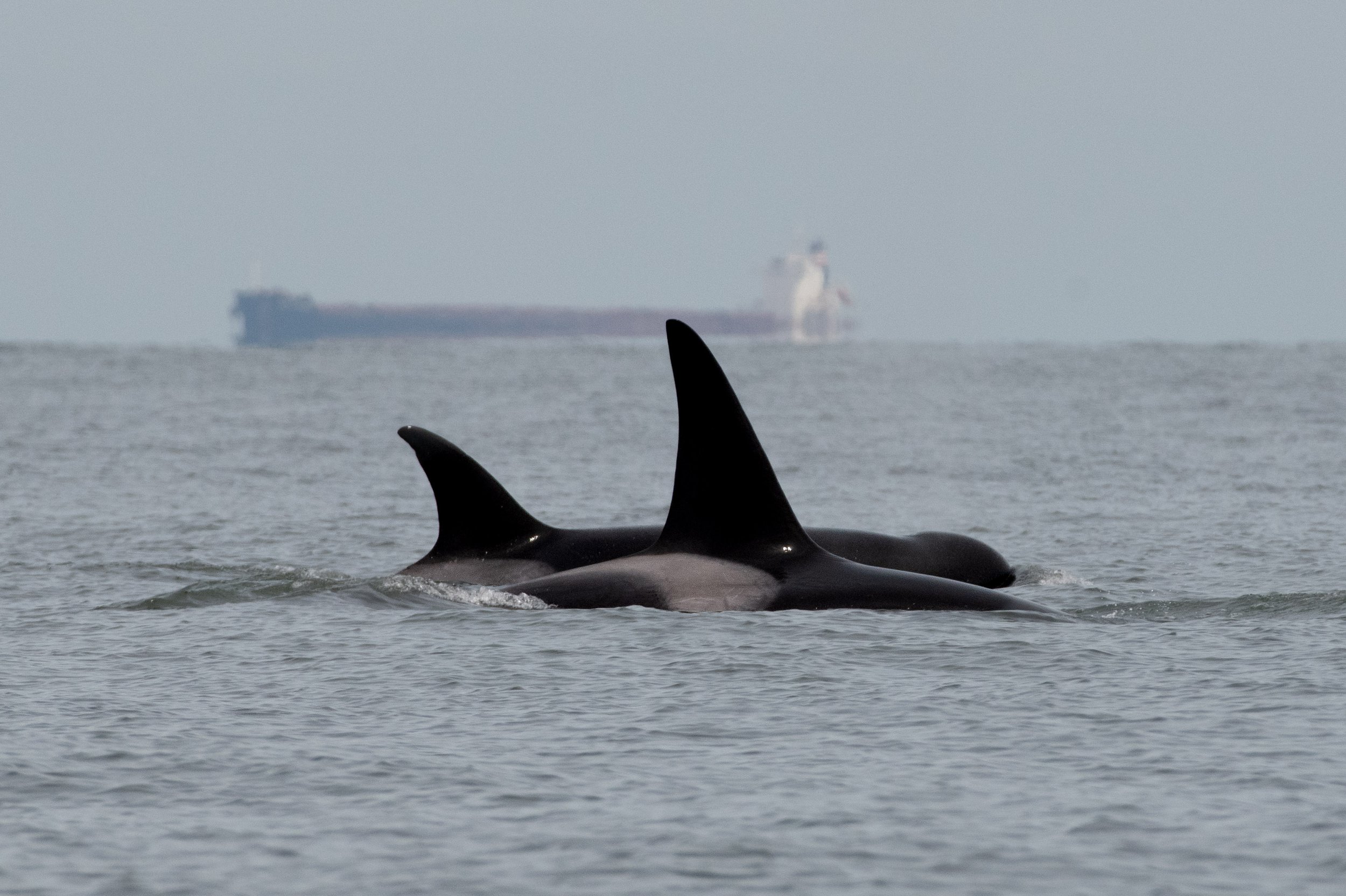
Matriarch T065A Artemis with T077C Neftali. Photo by Hayleigh Hilbert.
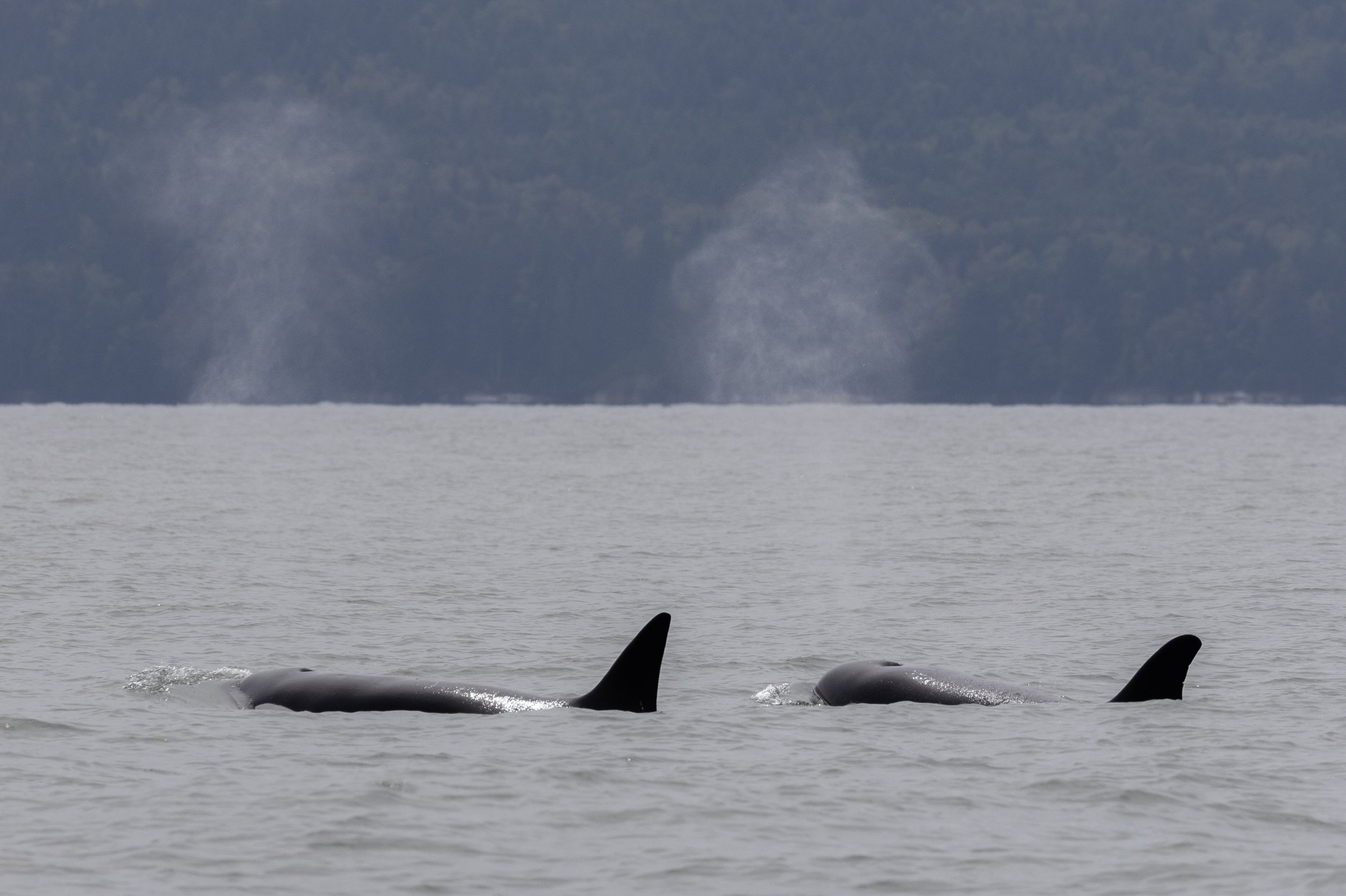
Heading out! Photo by Jordan Robinson.
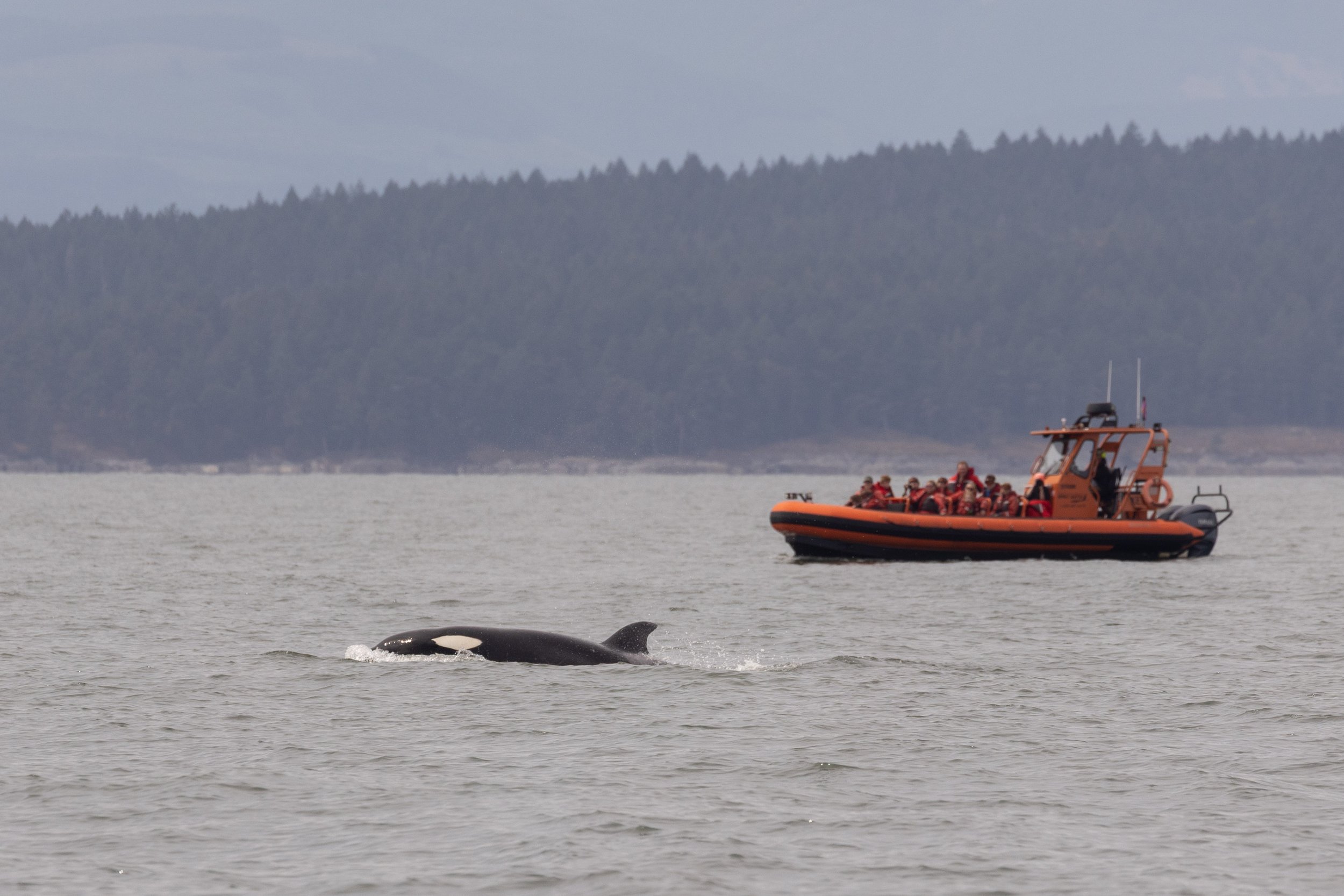
8 year old T065A6 Callisto playing hide and seek. Photo by Jordan Robinson.
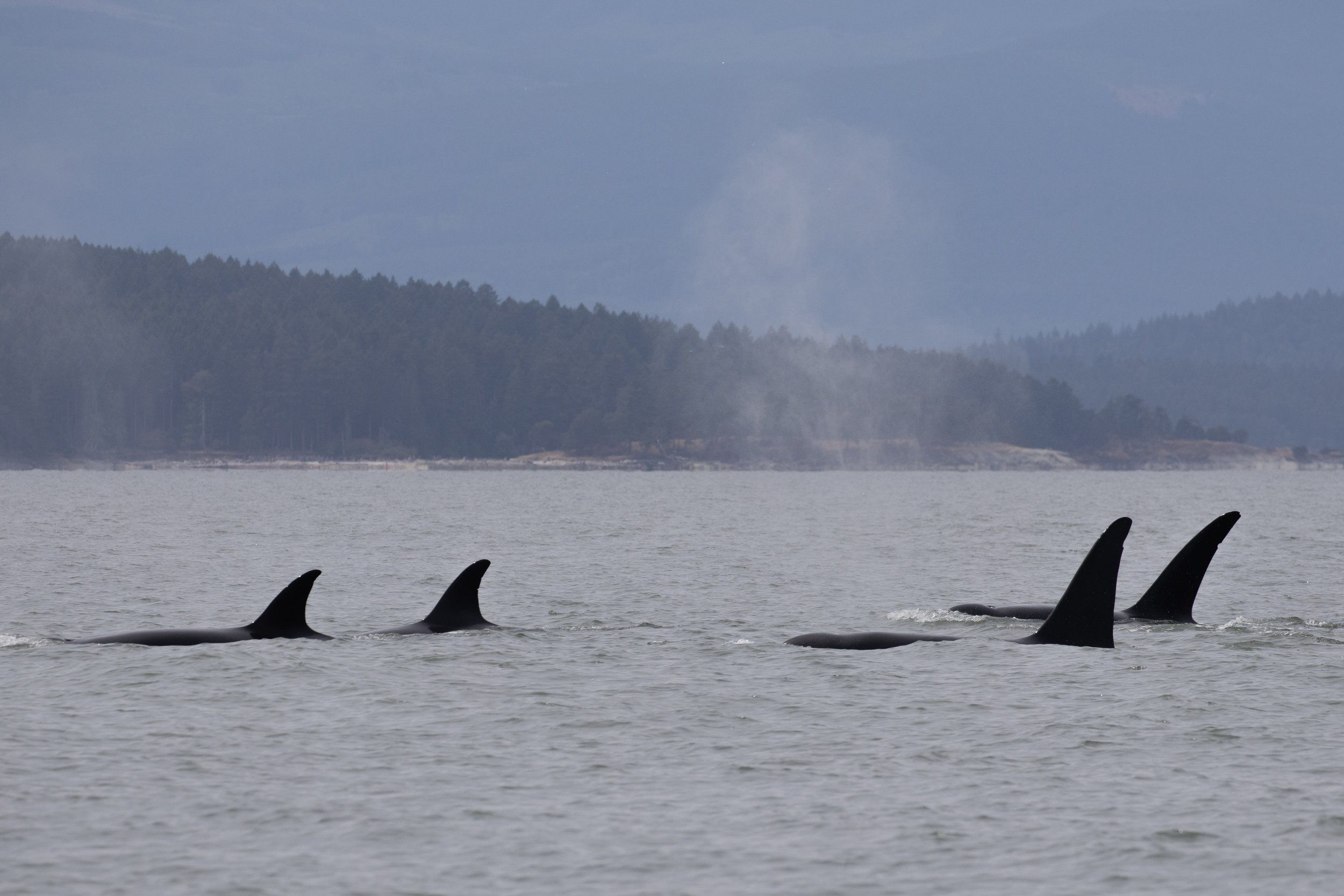
Family photo of the T065A’s. Photo by Jordan Robinson.
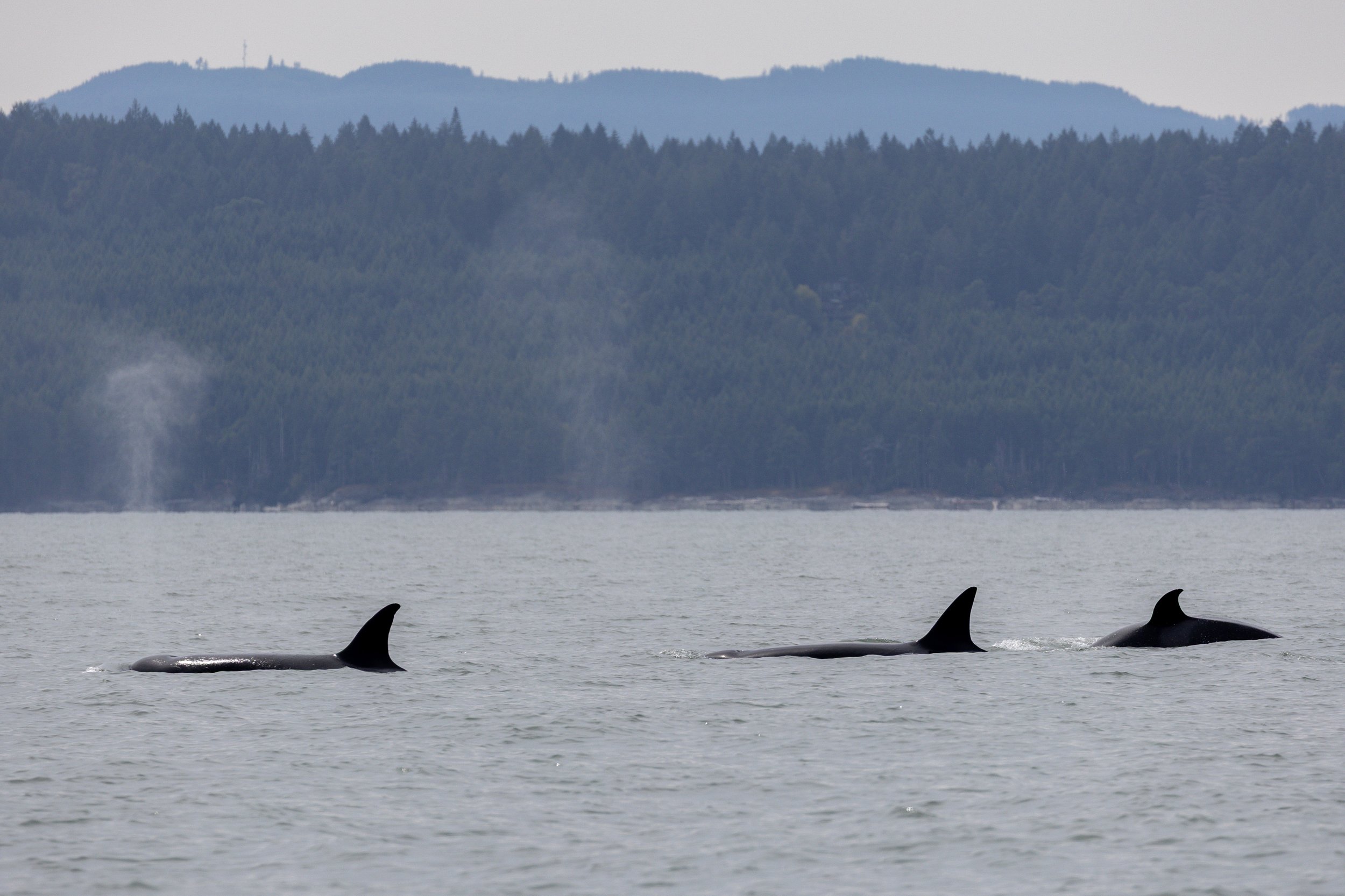
T065A Artemis, T077D Alcyon and T065A6 Callisto. Photo by Jordan Robinson.
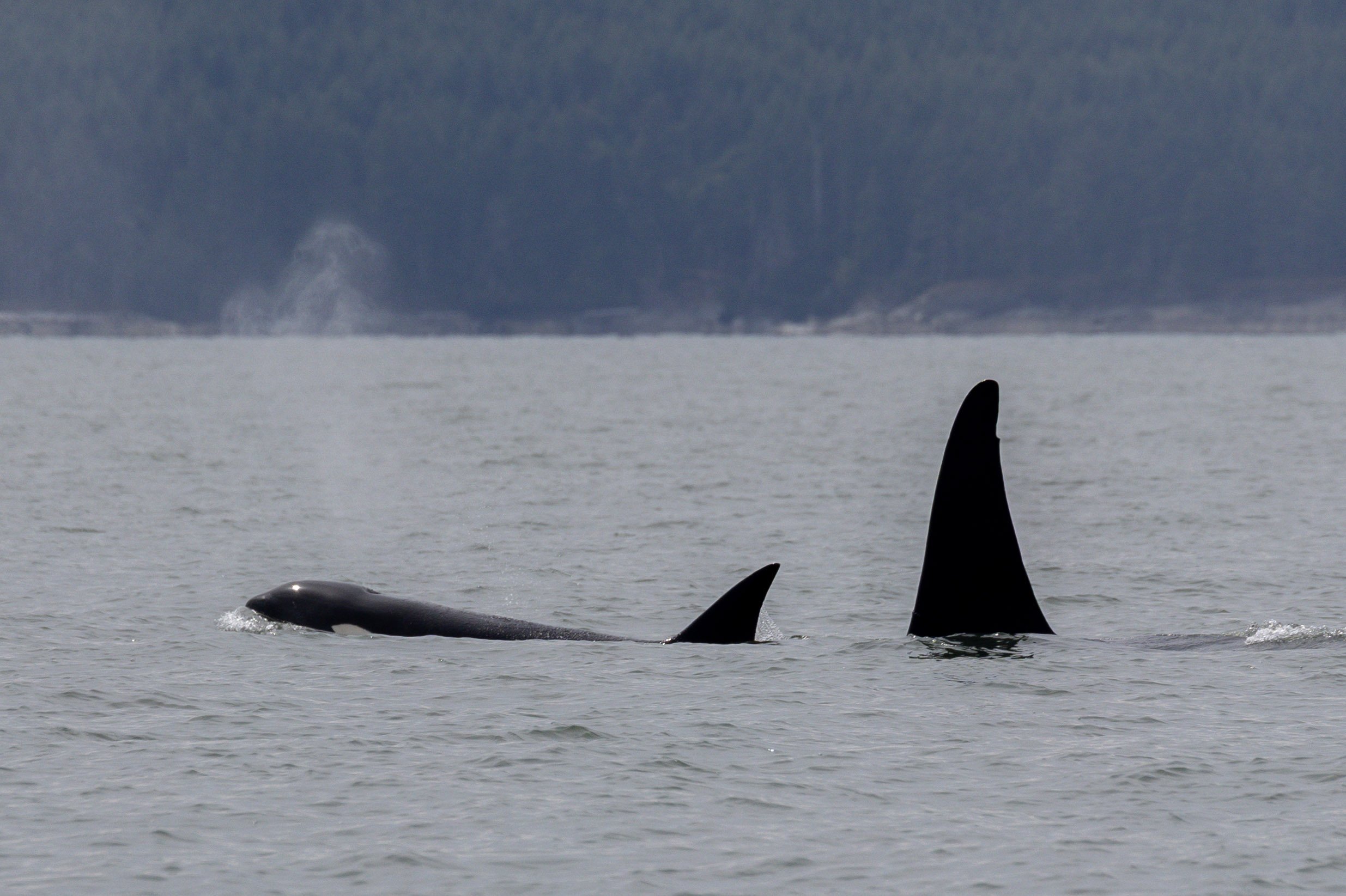
T077D Alcyon and T065A2 Ooxjaa together. Photo by Jordan Robinson.
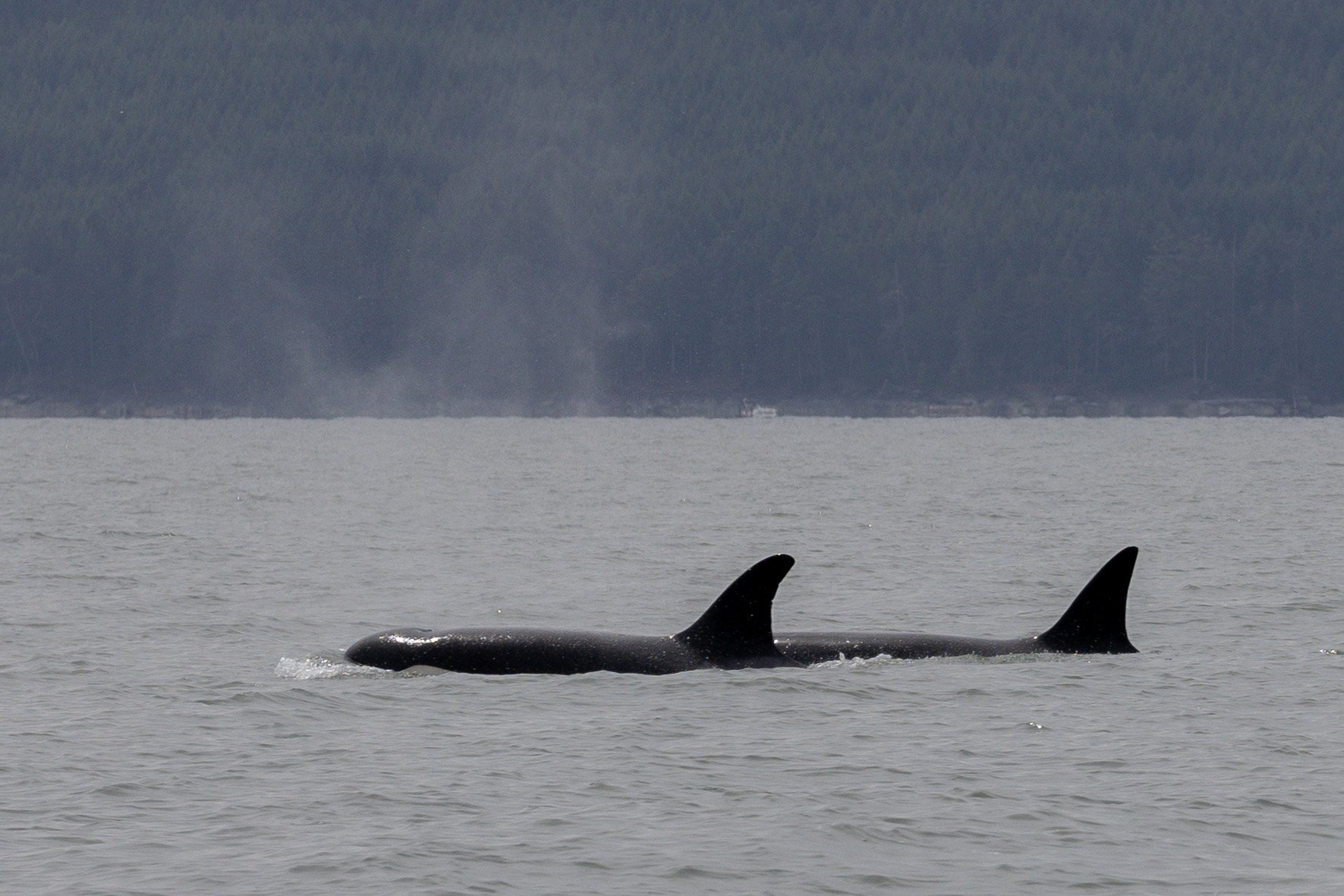
T065A4 Ellifrit and Matriarch T077 Asja. Photo by Jordan Robinson.
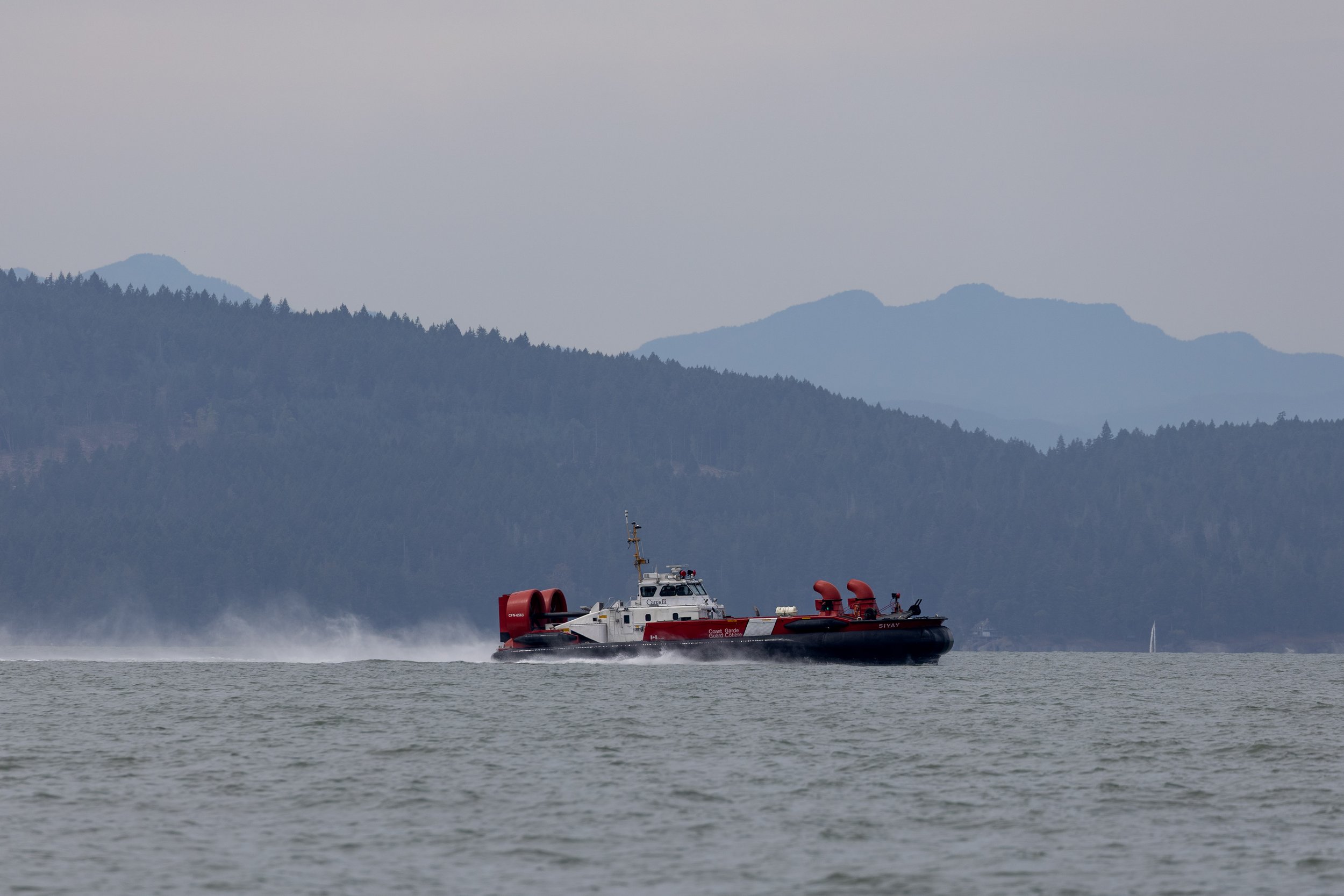
Ran into the hovercraft out on the water. Photo by Jordon Robinson.