
August 10, 2026, 3:30 PM - Orion, Barge Boy, Chi, and BCX2316 all make an appearance during the tour!
Our afternoon began with both vessels heading into the Strait of Georgia, setting our sights on one of the region's most productive areas: Halibut Bank.
Located beneath the waters of the Strait, Halibut Bank is an underwater mountain that plays an important role in the local ecosystem. As currents move over and around the bank, the water column mixes, bringing nutrients and oxygen into the upper layers of the ocean. Those nutrients provide an important boost for plankton growth, creating the foundation for a productive food web.
And when there is food, there is wildlife.
It didn’t take long before we spotted our first humpback of the trip: Orion (BCX1251).
He appeared to be taking full advantage of the productive waters around Halibut Bank, spending his time feeding in the area. But as we approached, Orion briefly showed us that he had a little extra energy to burn.
In the distance, we caught sight of a few energetic behaviours, including tail lobs and cartwheels, that immediately caught our attention. Humpback whales are capable of some spectacular displays, and seeing one unexpectedly throwing its tail or rolling through the water is always enough to make everyone turn their heads in the same direction!
By the time we reached him, however, Orion's burst of energy seemed to have passed. He had returned to the business at hand: feeding.
Orion gave us some excellent looks as he repeatedly surfaced, and on several occasions he lifted his enormous tail high into the air before beginning another dive. This behaviour was especially helpful for us because the underside of a humpback's tail fluke is one of the best ways to identify an individual.
Every humpback has a unique pattern of pigmentation, scars and markings on the underside of its tail, much like a fingerprint. With Orion's tail coming up so nicely, his identity was easy to confirm.
We spent some time watching him make the most of the food around Halibut Bank before continuing our journey south.
There is a very good reason that feeding is the behaviour we see humpback whales doing most often in British Columbia.
Humpbacks migrate into our waters during the summer specifically to take advantage of the abundance of food available here. The productive waters of the Salish Sea and surrounding coastal areas give them the opportunity to build the enormous energy reserves they will need for the months ahead.
When winter arrives, our humpbacks migrate thousands of kilometres south toward warmer waters, including areas around Hawaii, Mexico and Central America. Those tropical and subtropical waters are important for breeding and raising calves, but they generally don't provide the same abundance of food found in their northern feeding grounds.
Instead, humpbacks rely heavily on the fat reserves they built during the summer. And they have a lot of building to do.
A humpback whale can consume more than a tonne of food in a single day during periods of intense feeding. That's an extraordinary amount of food, but when you consider the size of these animals, and the fact that they may spend months without feeding substantially during migration and their time on the breeding grounds, it starts to make sense.
So when we find a humpback spending dive after dive feeding, we're watching one of the most important parts of its annual cycle.
As we continued south from Halibut Bank, the boats began exploring different areas.
One vessel didn't encounter any additional whales on the way toward Stinky Rock, but the other soon spotted another humpback: Barge Boy (BCX2514), feeding south of Halibut Bank.
Barge Boy was also busy doing exactly what humpbacks come to British Columbia to do: feeding.
We didn't stay with him for too long before continuing south, eventually bringing both vessels together at another local wildlife hotspot.
Our next stop was Stinky Rock, where the rocky outcrops were once again providing a resting place for some of the area's wildlife.
A group of Harbour Seals were hauled out on the rocks, taking advantage of the exposed surfaces to rest. There were also plenty of seabirds in the area, adding another layer of activity to the scene.
The tide was relatively high, however, leaving many of the rocks underwater. As a result, the Steller Sea Lions weren't gathered on the rocks as they sometimes are. Instead, most were spending their time in the water or using a nearby buoy as a floating resting spot.
Of course, when the wildlife decides to use a buoy as a sea lion lounge, we have to go have a look!
From Stinky Rock, both boats continued south, and before long we found our final pair of humpbacks for the day. Chi (BCZ0575) and BCX2316 were travelling together and appeared to have found a particularly good patch of food close to the surface. Unlike some humpbacks that disappear on long, deep dives before resurfacing, these two were staying relatively shallow. Their dives were short, and they repeatedly resurfaced after only a brief time underwater to filter more food from the water around them.
Humpbacks are remarkably adaptable feeders. Depending on where their prey is concentrated, they can feed at different depths and use a variety of techniques to capture it. Watching Chi and BCX2316 repeatedly surface and feed in the same small area gave us a glimpse of just how concentrated their food source appeared to be.
Neither whale was particularly generous with their tail flukes, but we didn't need them to be. Both Chi and BCX2316 have distinctive dorsal fins, giving our Naturalists another reliable way to identify them. While the underside of a humpback's tail is considered the gold standard for identification, the dorsal fin can provide valuable clues when a whale isn't fluking.
With our final whales of the day behind us, both boats began the journey home to Nanaimo.
Rather than heading straight back across the open Strait, we took the inside passageways, weaving between the islands and enjoying the changing scenery along the way.
After an afternoon spent exploring Halibut Bank, watching Orion and Barge Boy feed, checking in on the Harbour Seals and Steller Sea Lions at Stinky Rock, and finishing with Chi and BCX2316 working a productive patch of food, it was a wonderful reminder of how interconnected this ecosystem is.
From microscopic plankton to enormous humpback whales, the productivity of places like Halibut Bank supports an incredible chain of life, and we are lucky to spend our days exploring it.
Please enjoy the photos from the tour below by Marine Naturalists Val Watson and Aly Kohlman.
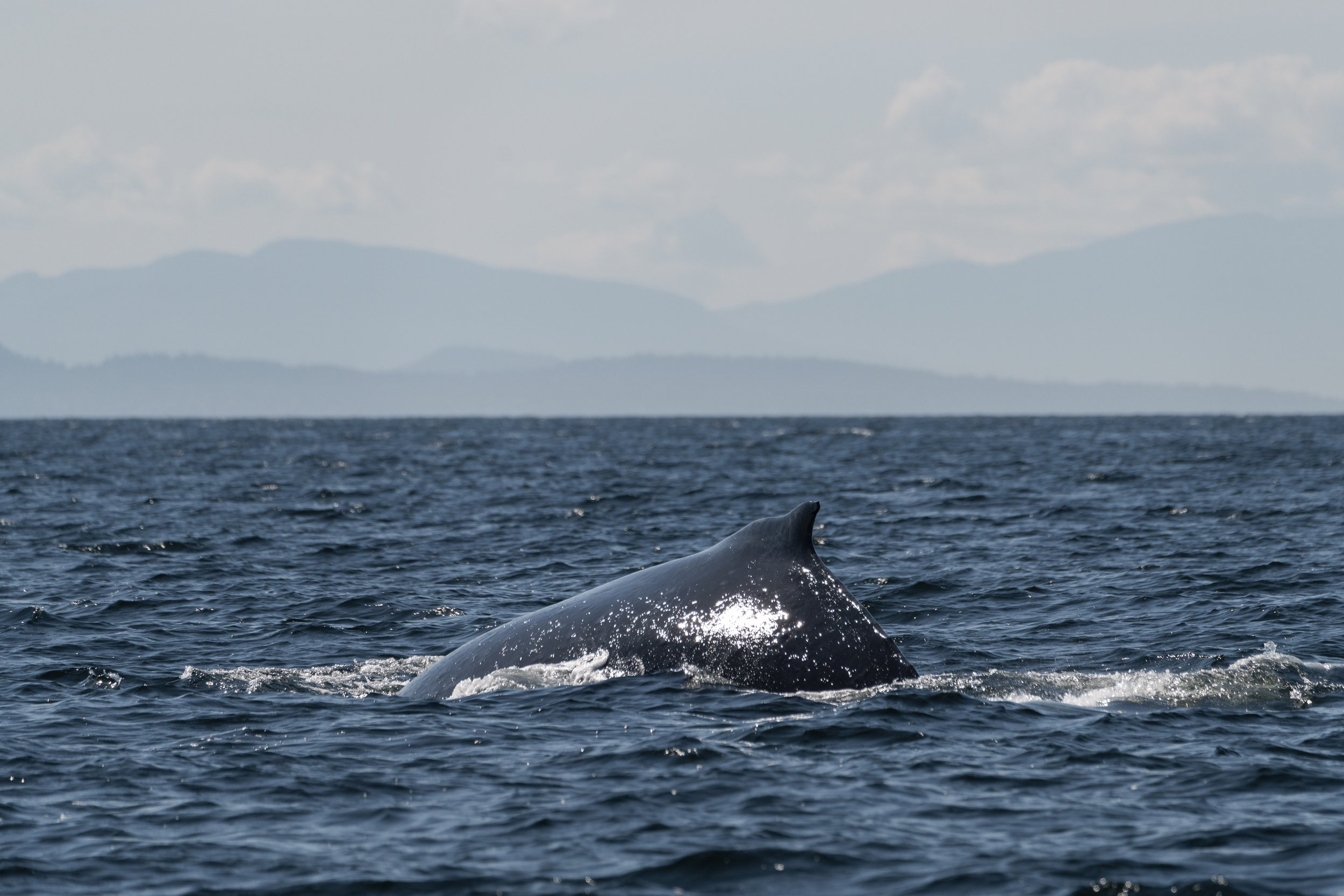
Orion arching for a dive in the sun. Photo by Val Watson.
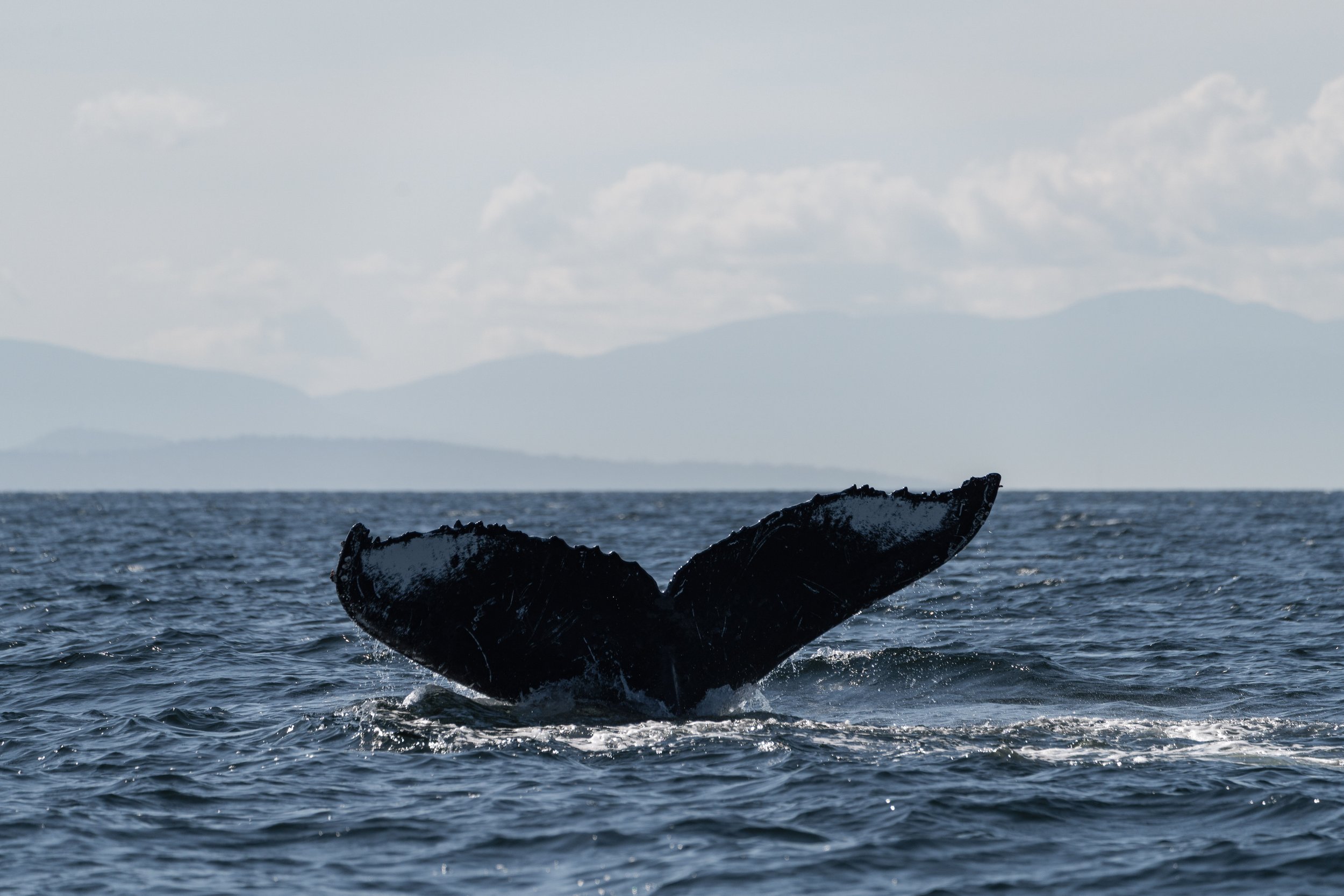
A lovely look at Orion’s tail flukes. Photo by Val Watson.
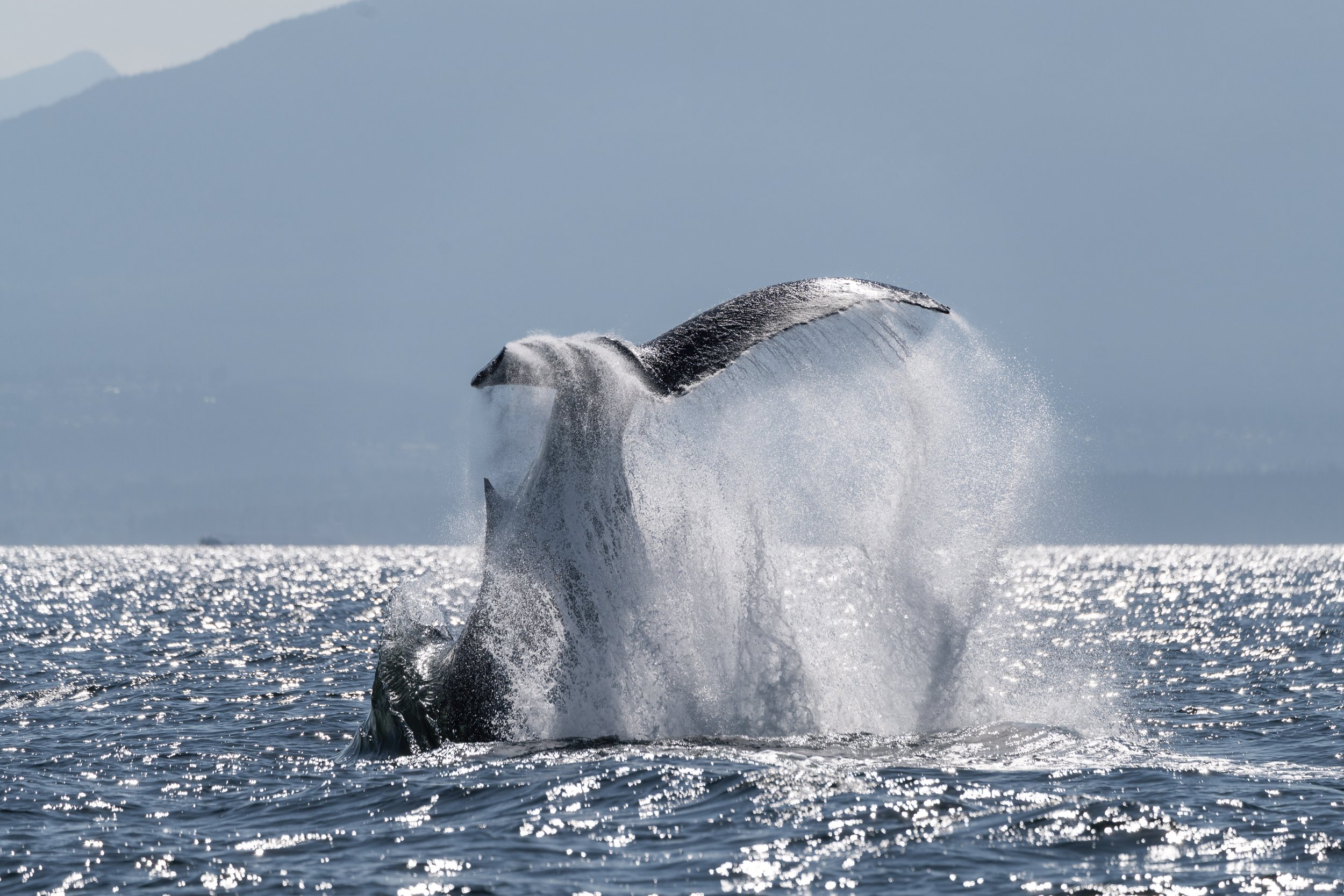
A big cartwheel from Orion. Photo by Val Watson.
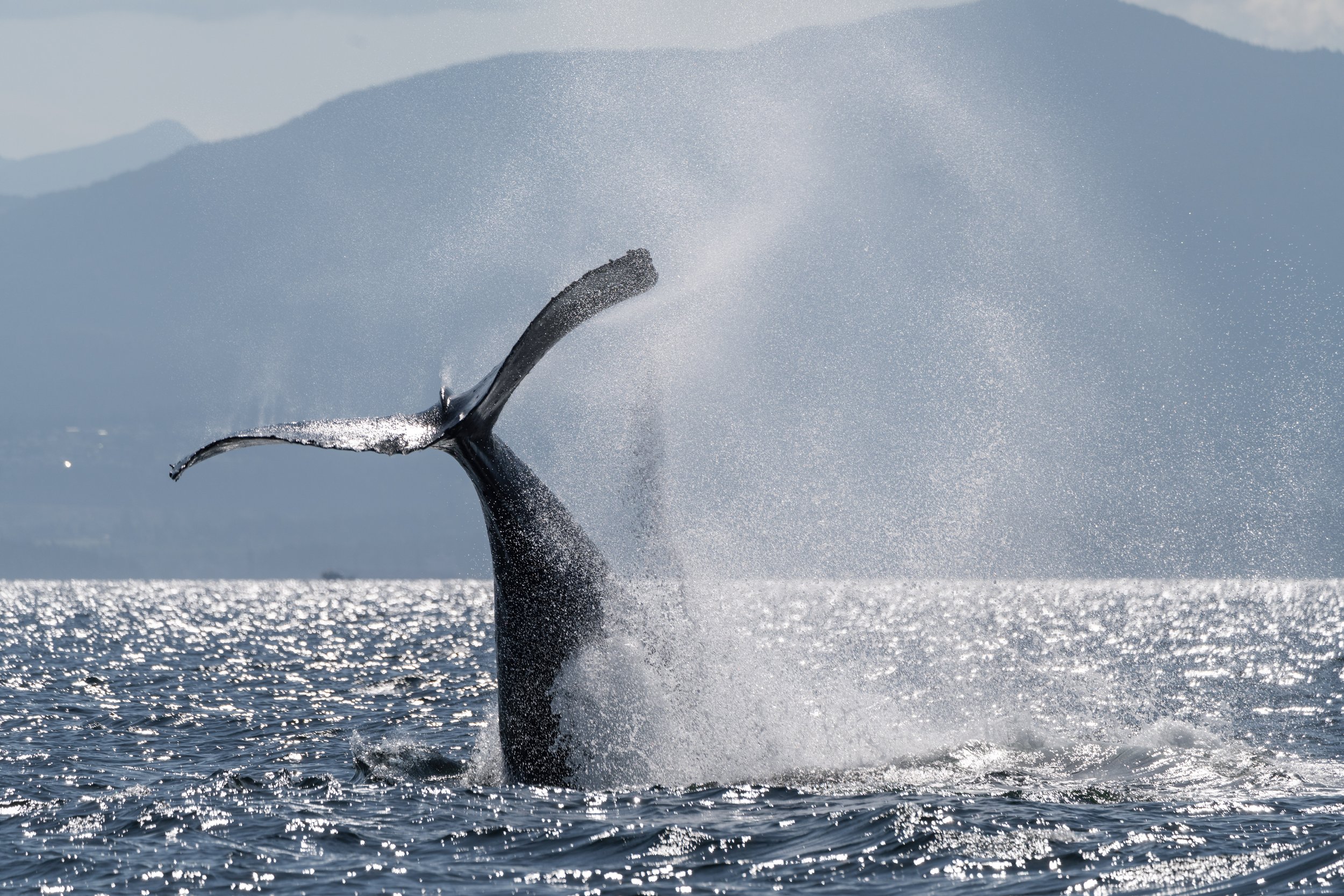
Orion showing off how athletic he is! Photo by Val Watson.
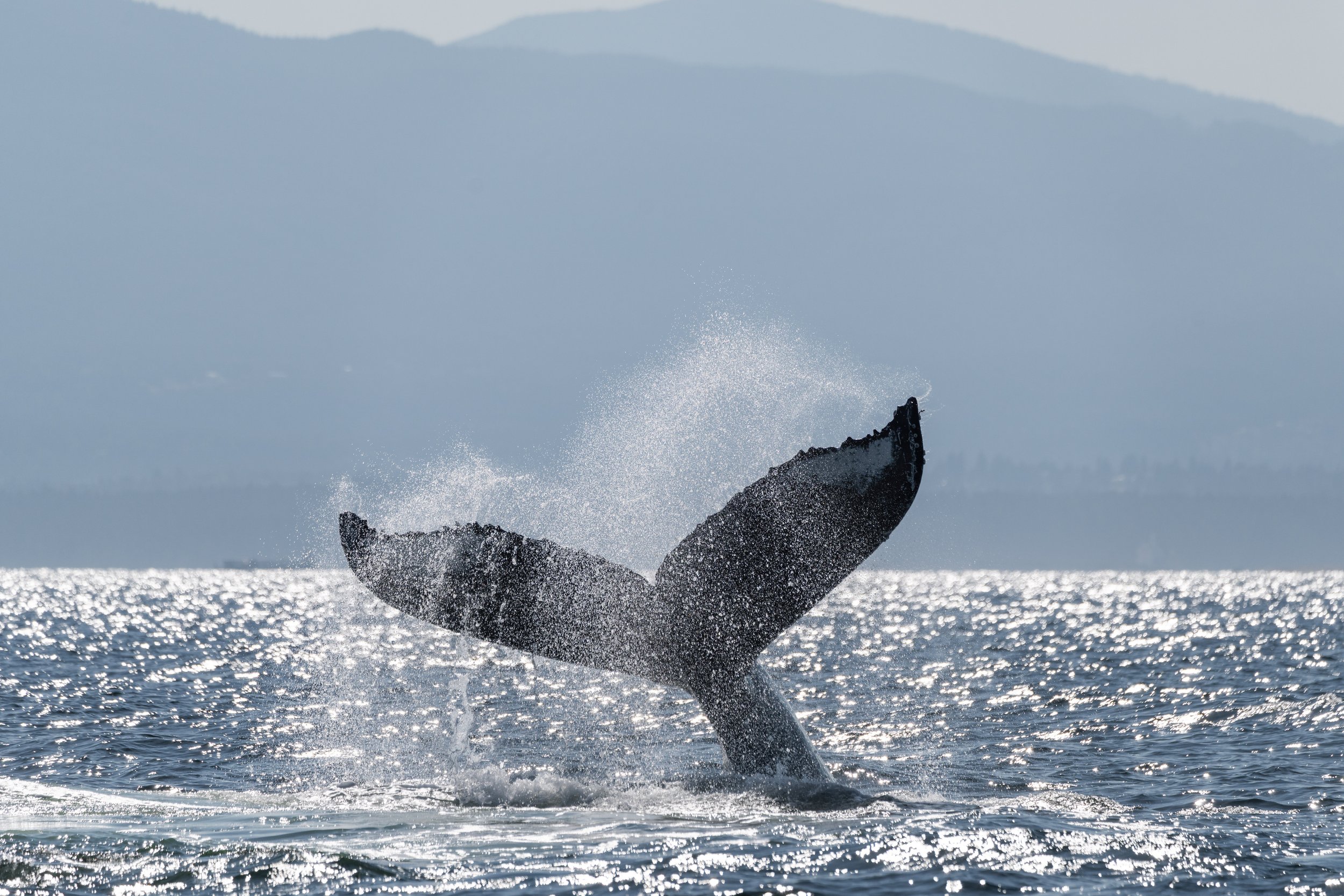
A little tail flick from Orion. Photo by Val Watson.
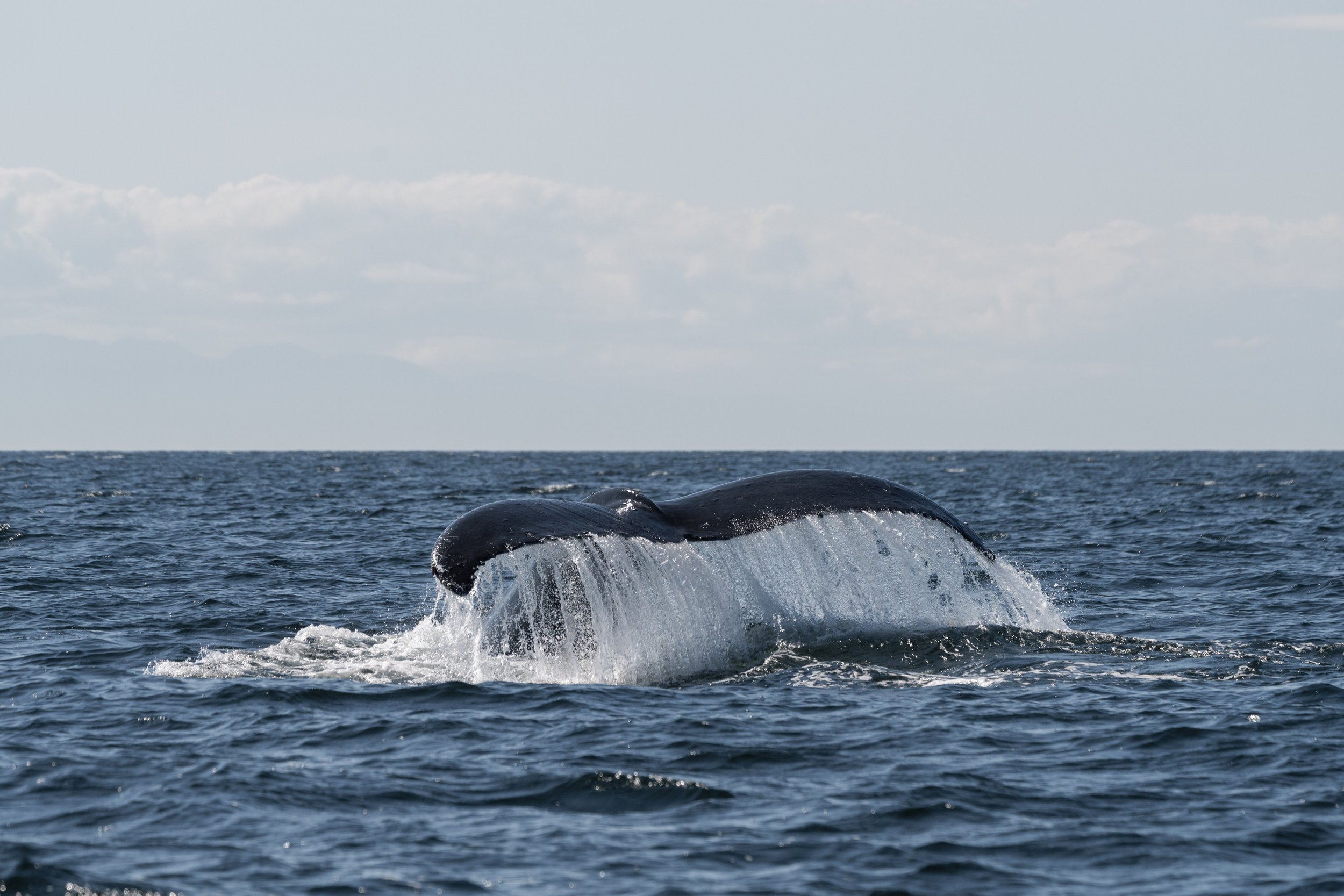
A fluke waterfall as Orion lifts his tail to dive. Photo by Val Watson.
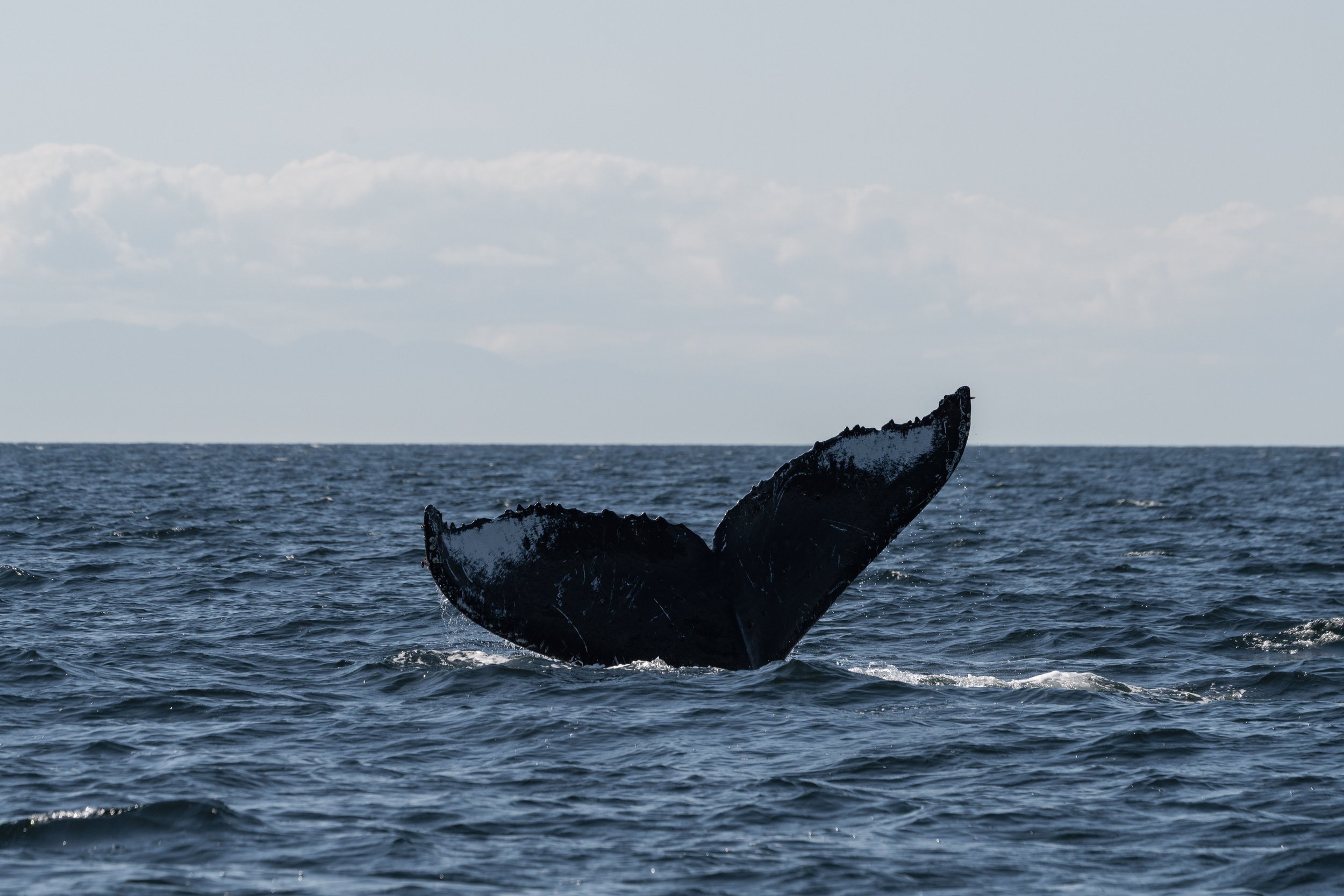
The beautiful underside of Orion’s tail flukes as he dives. Photo by Val Watson.
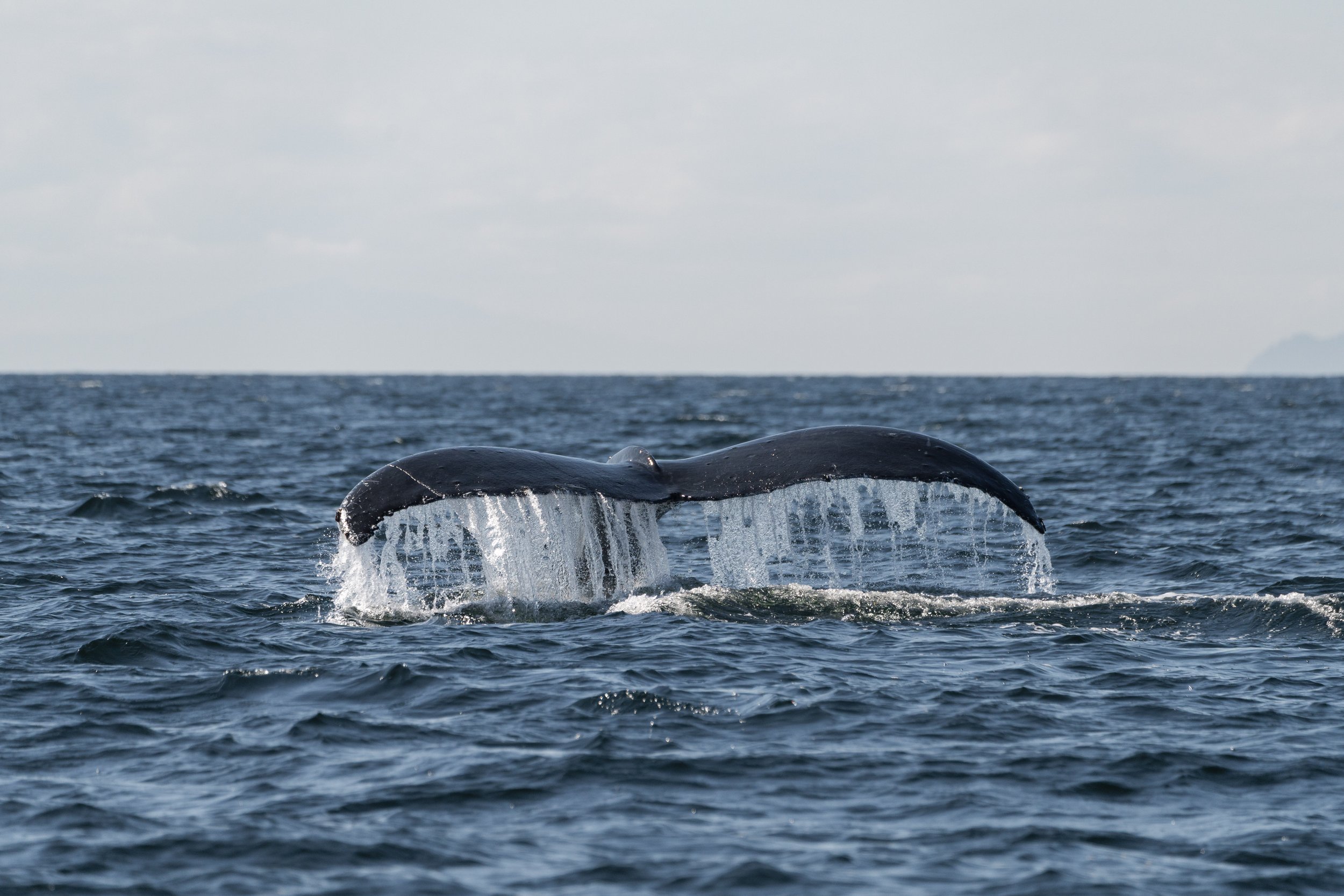
Orion with a cascade of water off his tail as he dives. Photo by Val Watson.
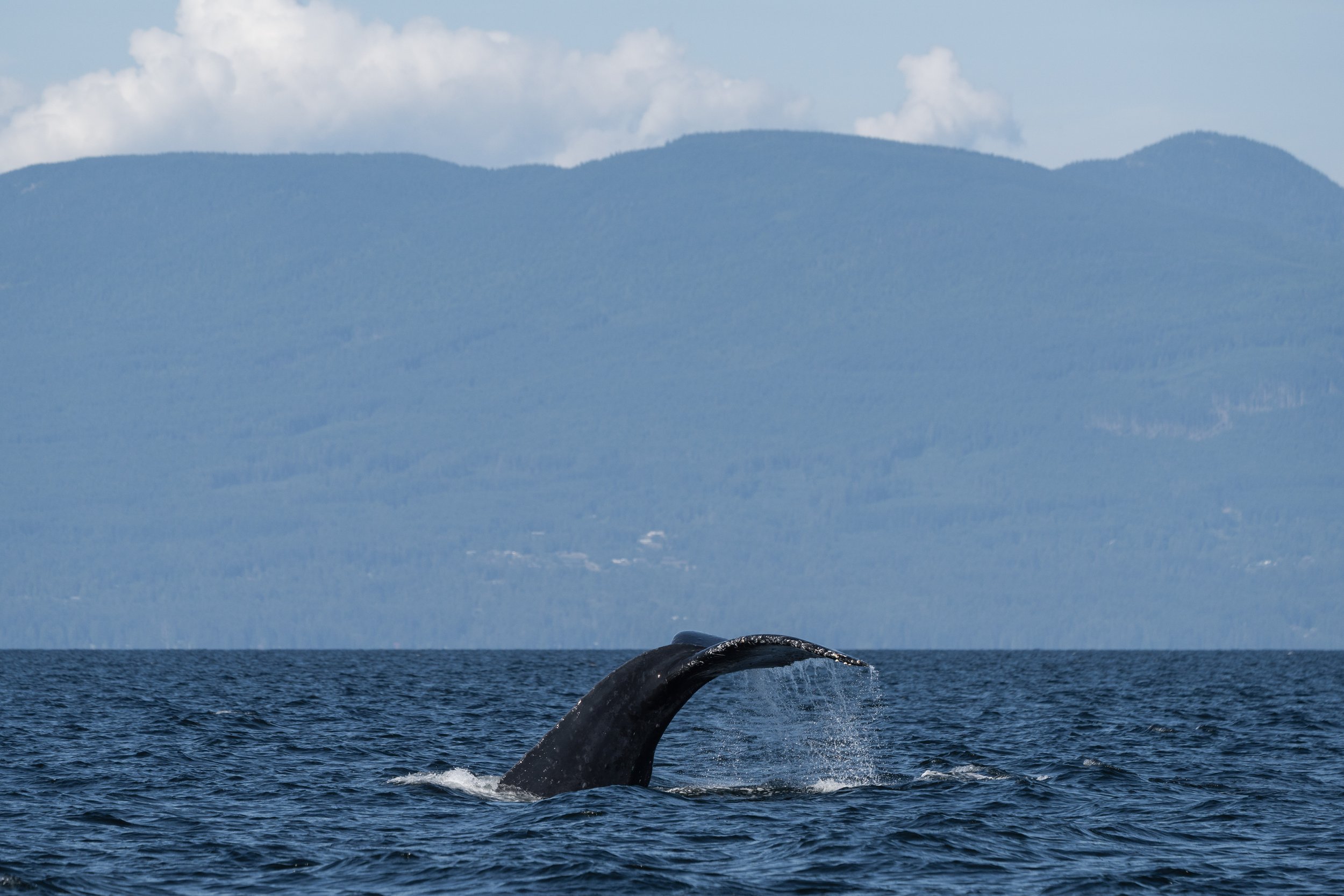
Orion with the coastal mountains bhind him as he dives. Photo by Val Watson.
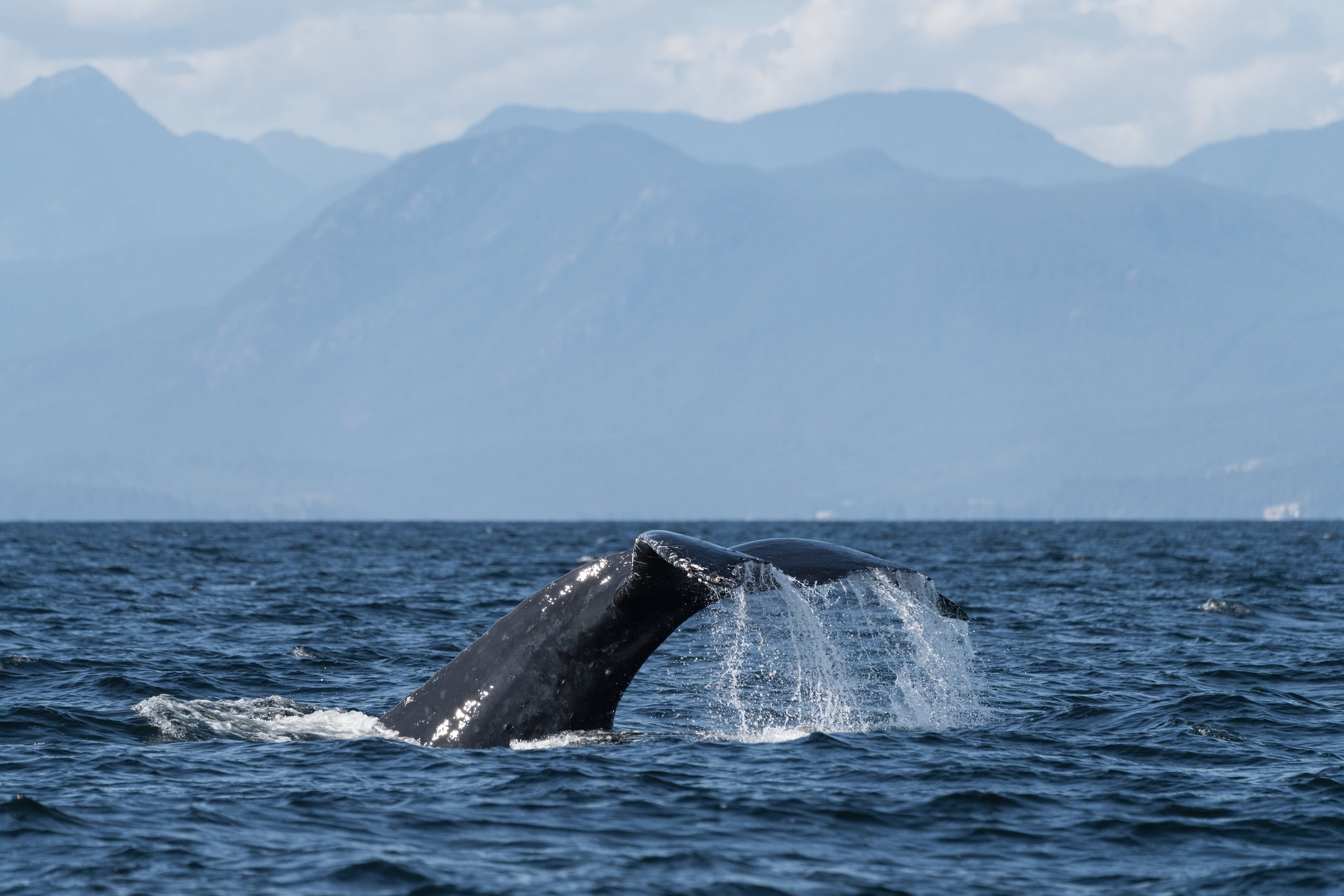
Another lovely high fluke from Orion. Photo by Val Watson.
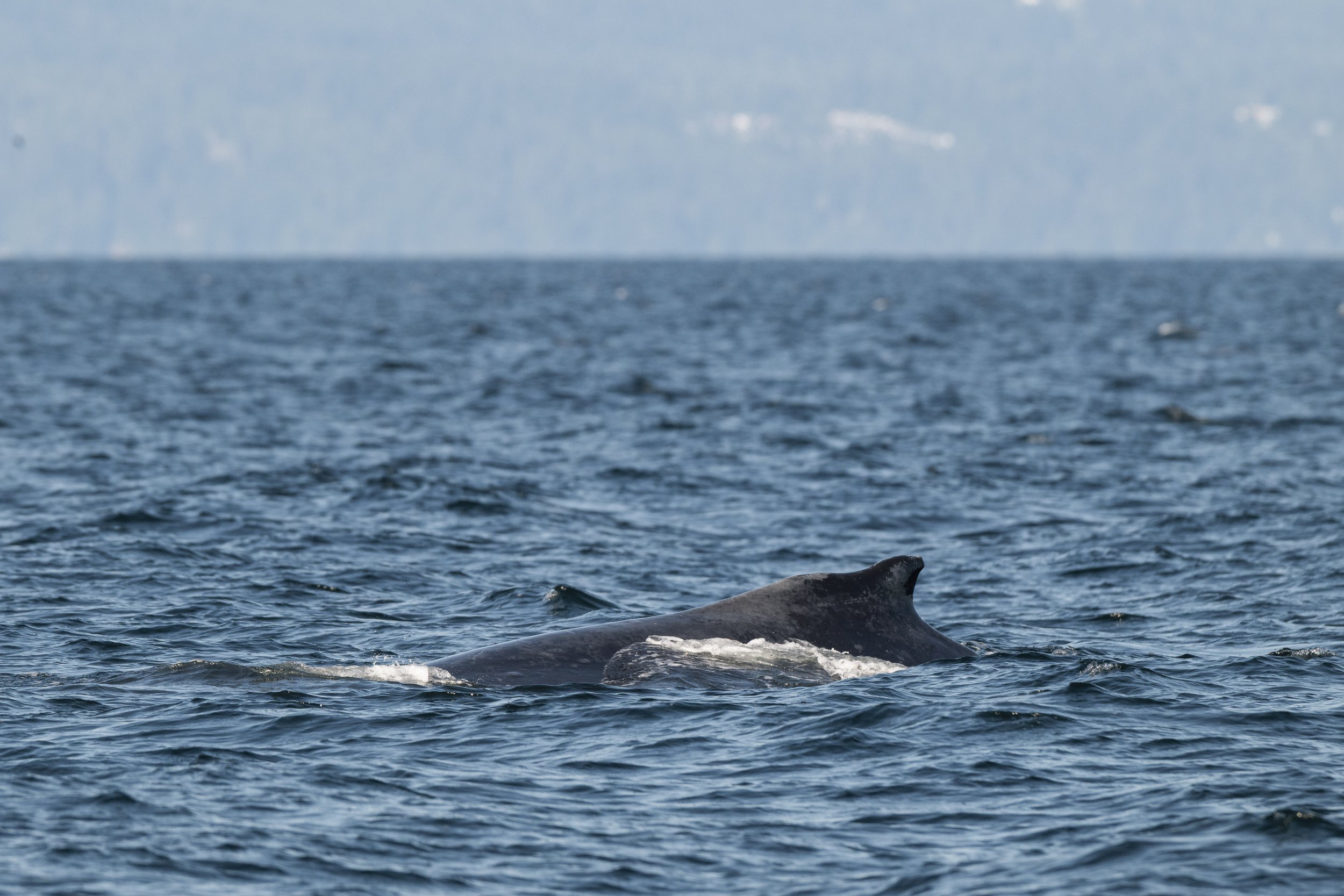
Orion’s unique dorsal fin. Photo by Aly Kohlman.
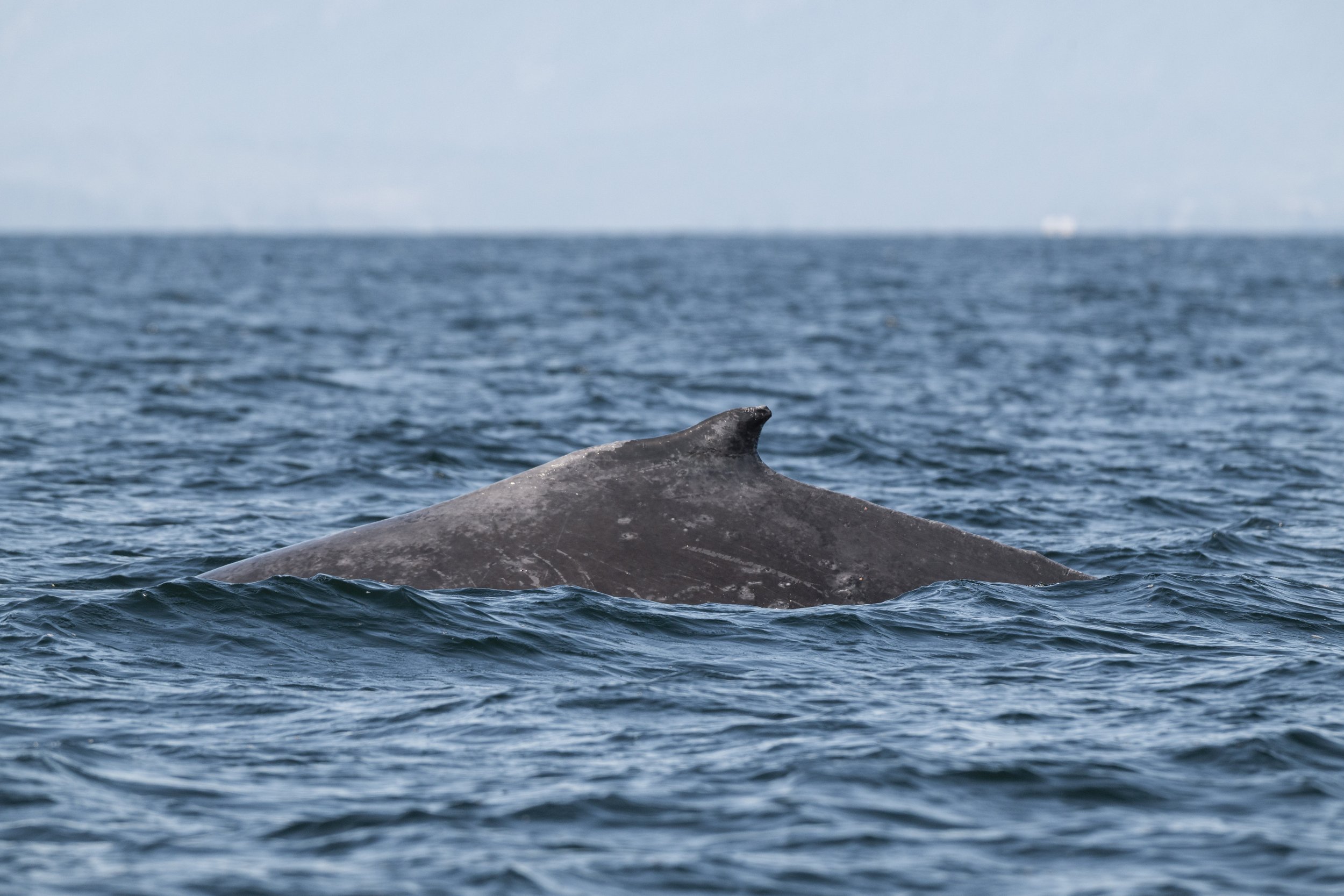
Orion at the surface in the waves. Photo by Aly Kohlman.
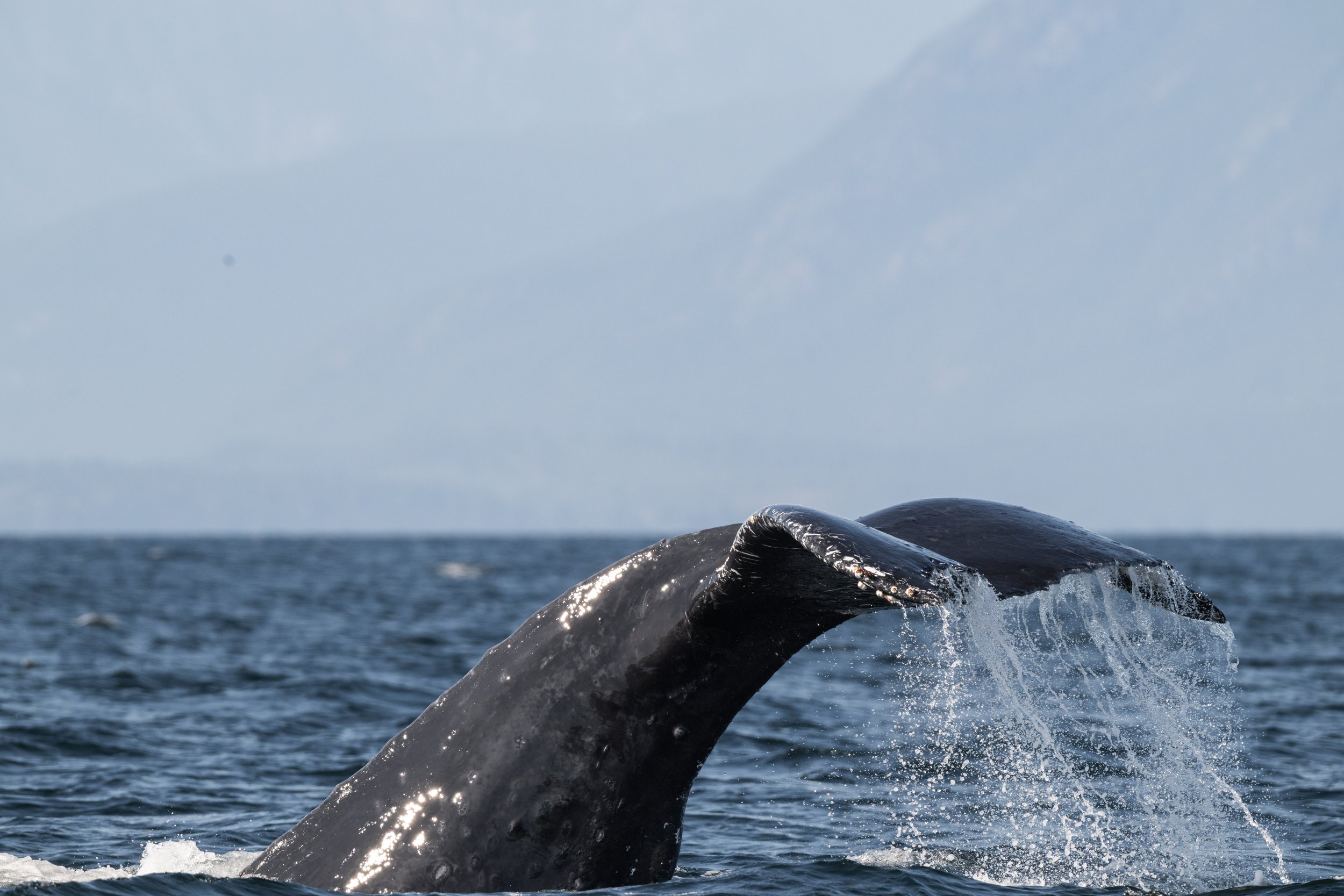
A beautiufl fluke from Orion. Photo by Aly Kohlman.
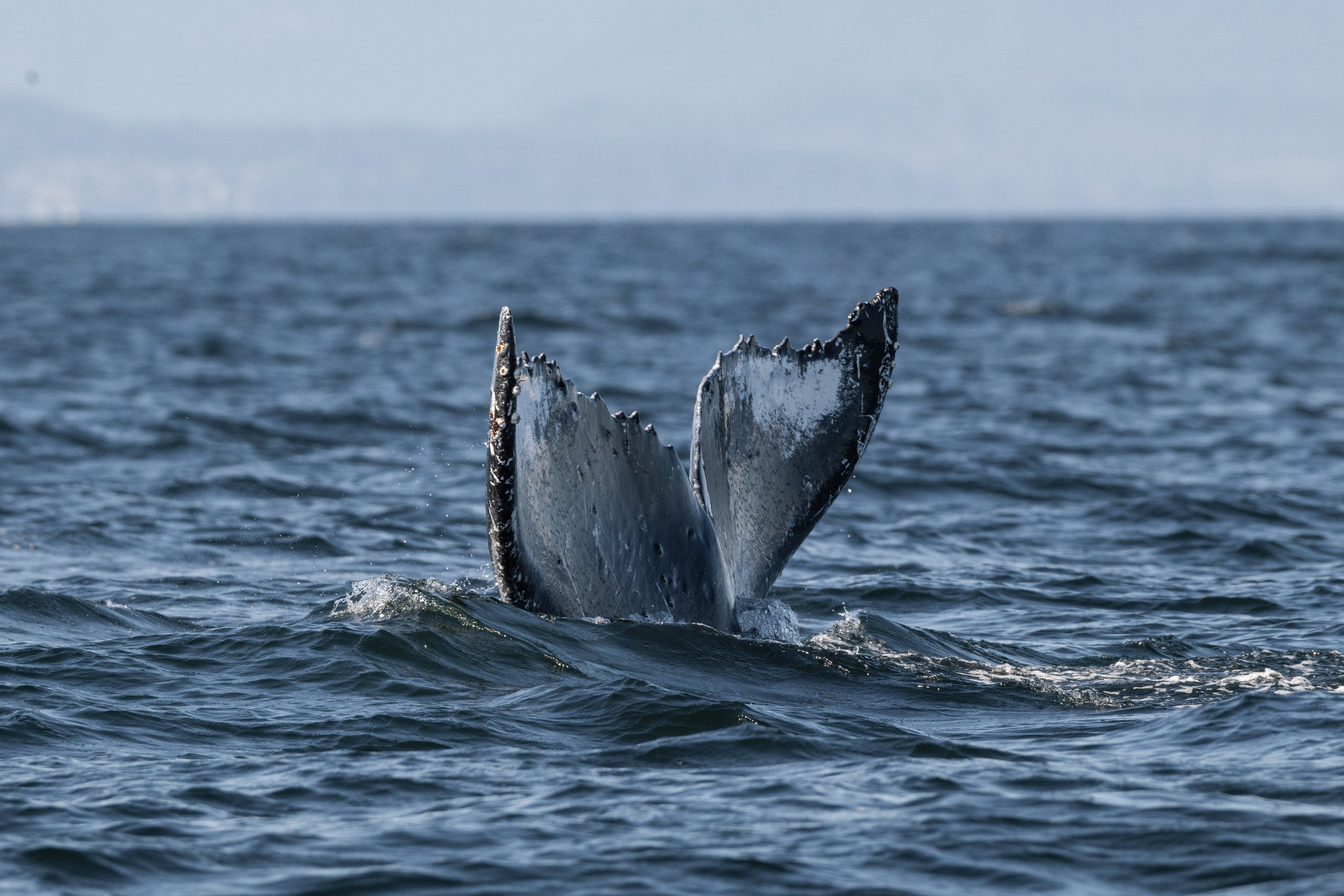
Orion dipping below the surface for a feeding dive. Photo by Aly Kohlman.
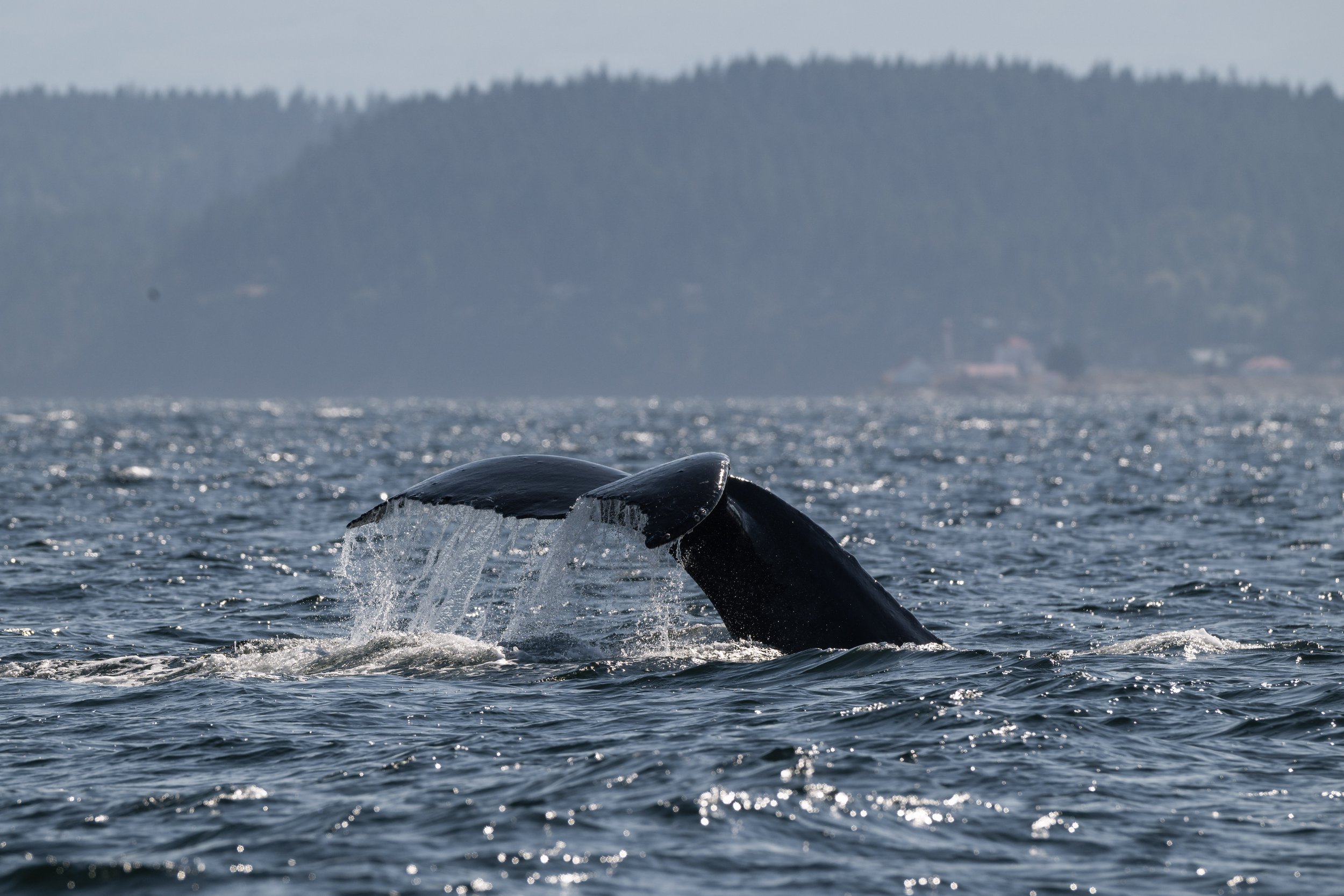
A fluke waterfall from Orion as he dives. Photo by Aly Kohlman.
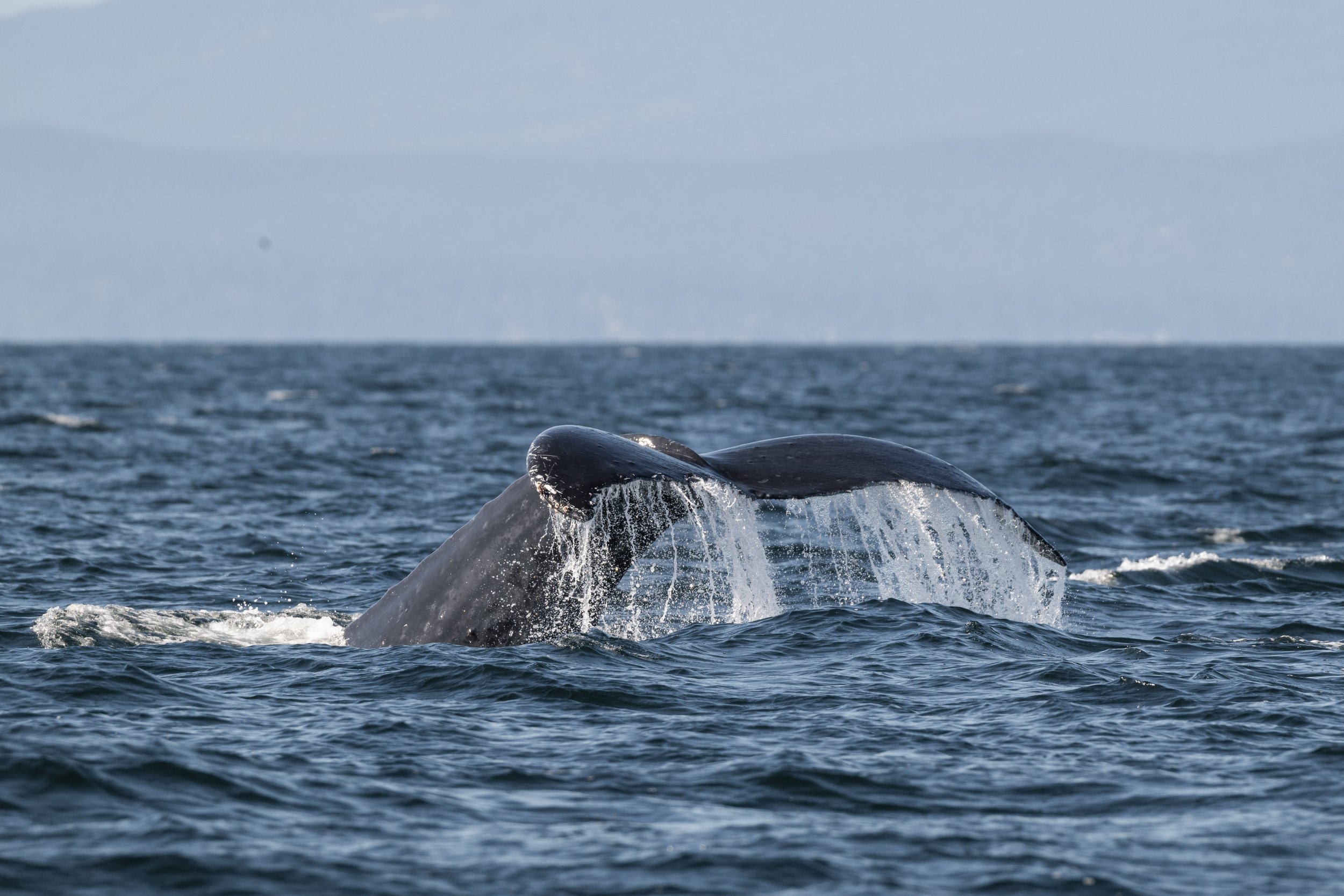
Orion lifting his flukes out of the water. Photo by Aly Kohlman.
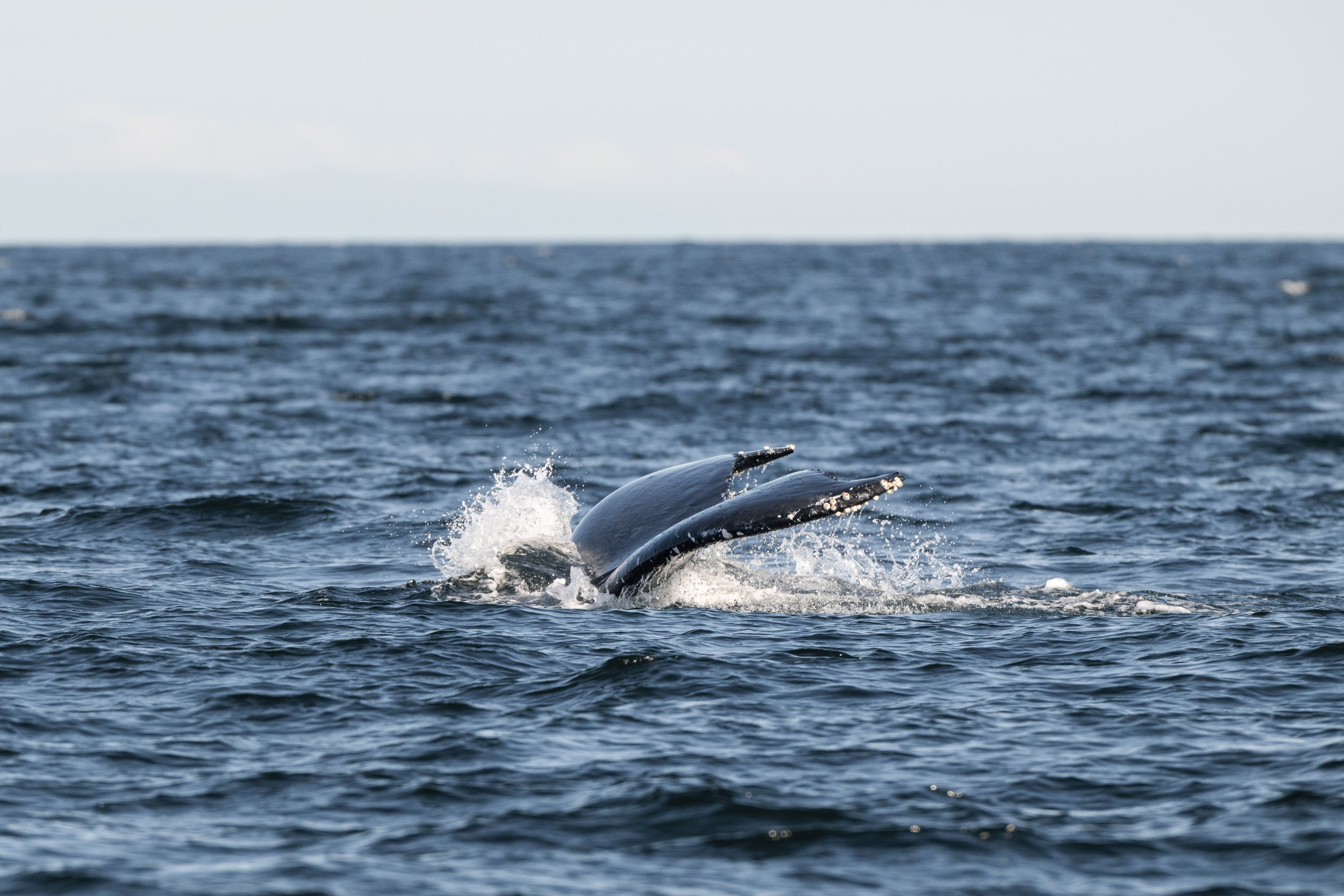
Barge Boy going for a dive. Photo by Aly Kohlman.
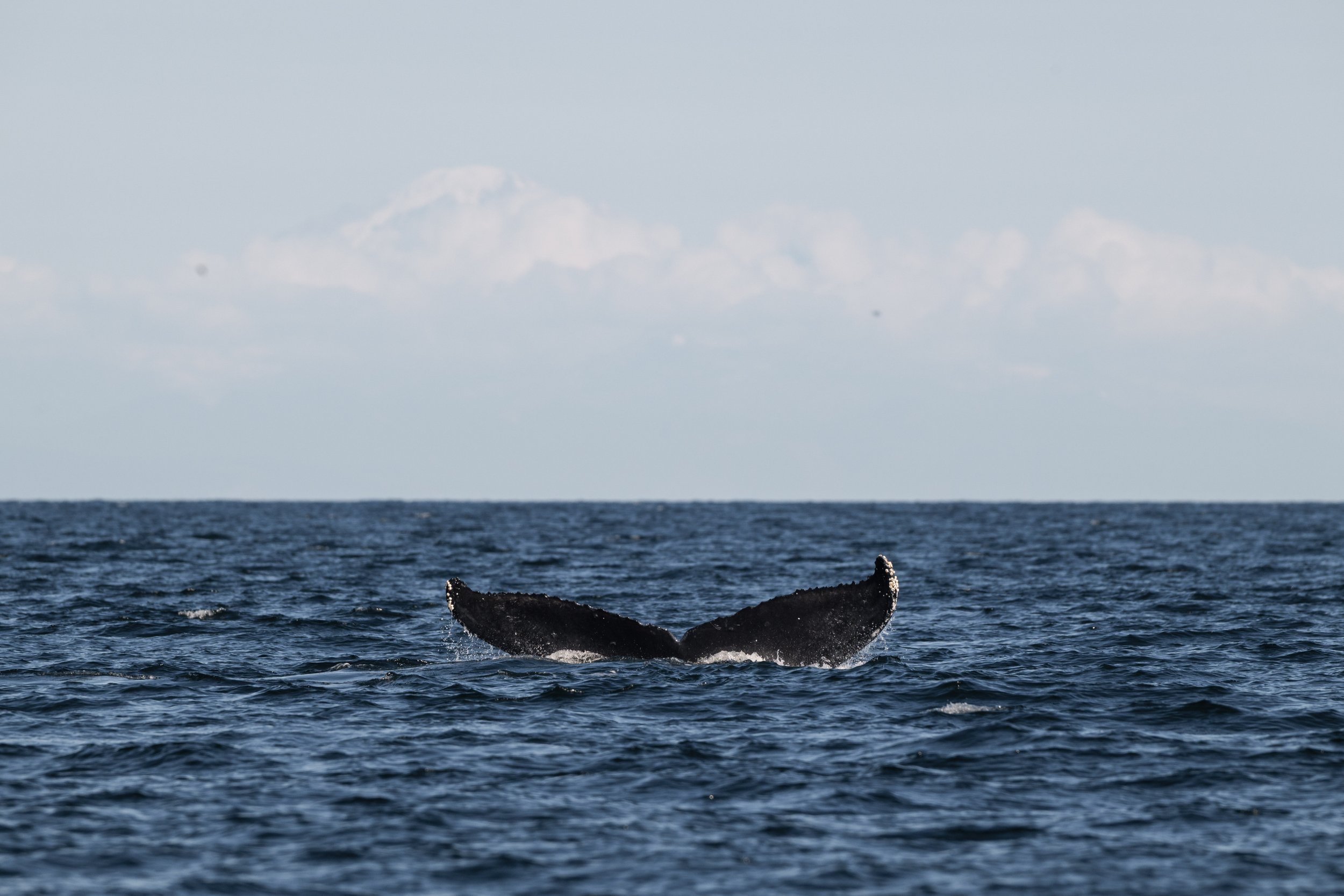
The underside of Barge Boy’s tail. Photo by Aly Kohlman.
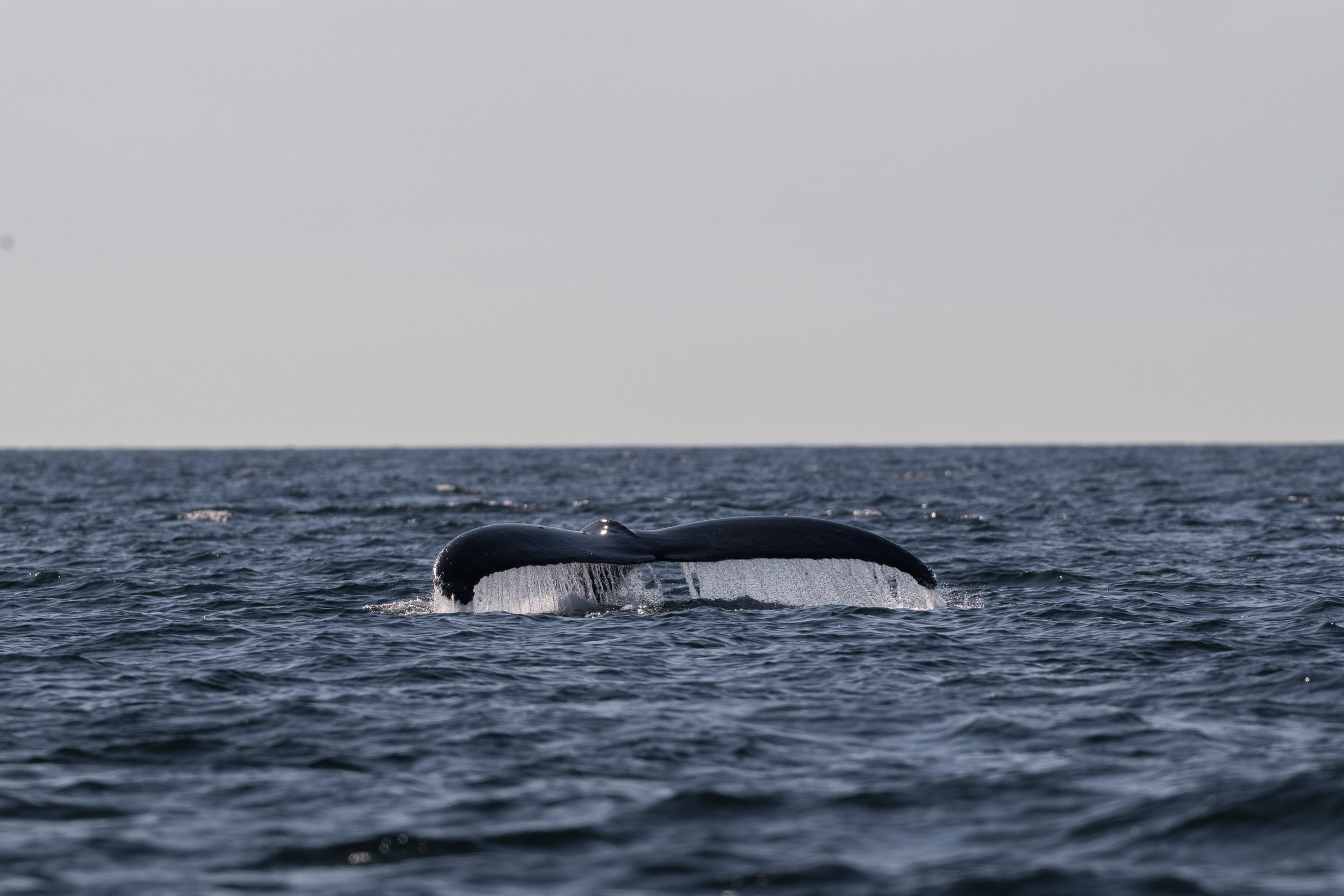
A lovely fluke waterfall from Barge Boy. Photo by Aly Kohlman.
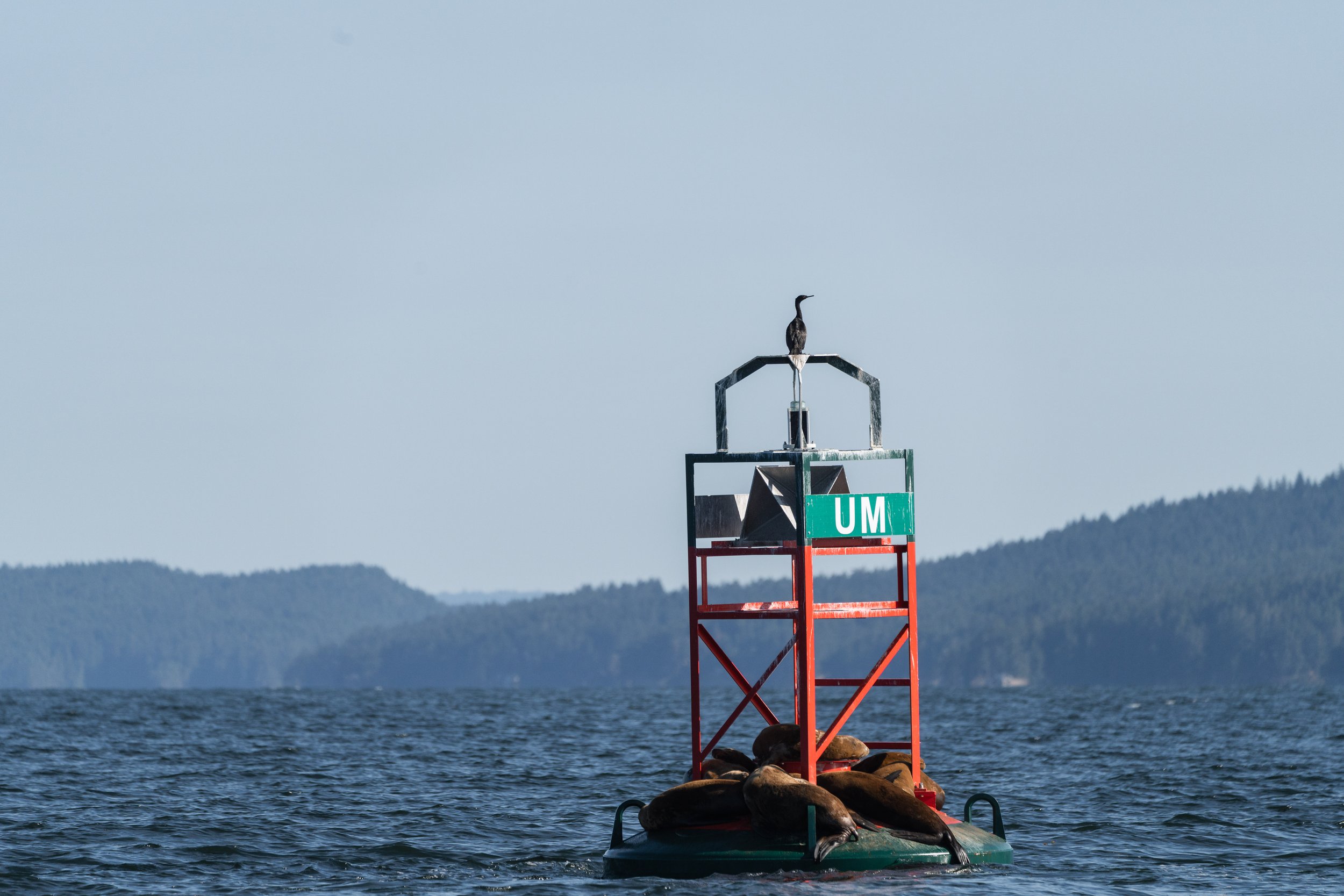
Steller Sea Lions and a cormorant hanging out on the buoy. Photo by Val Watson.
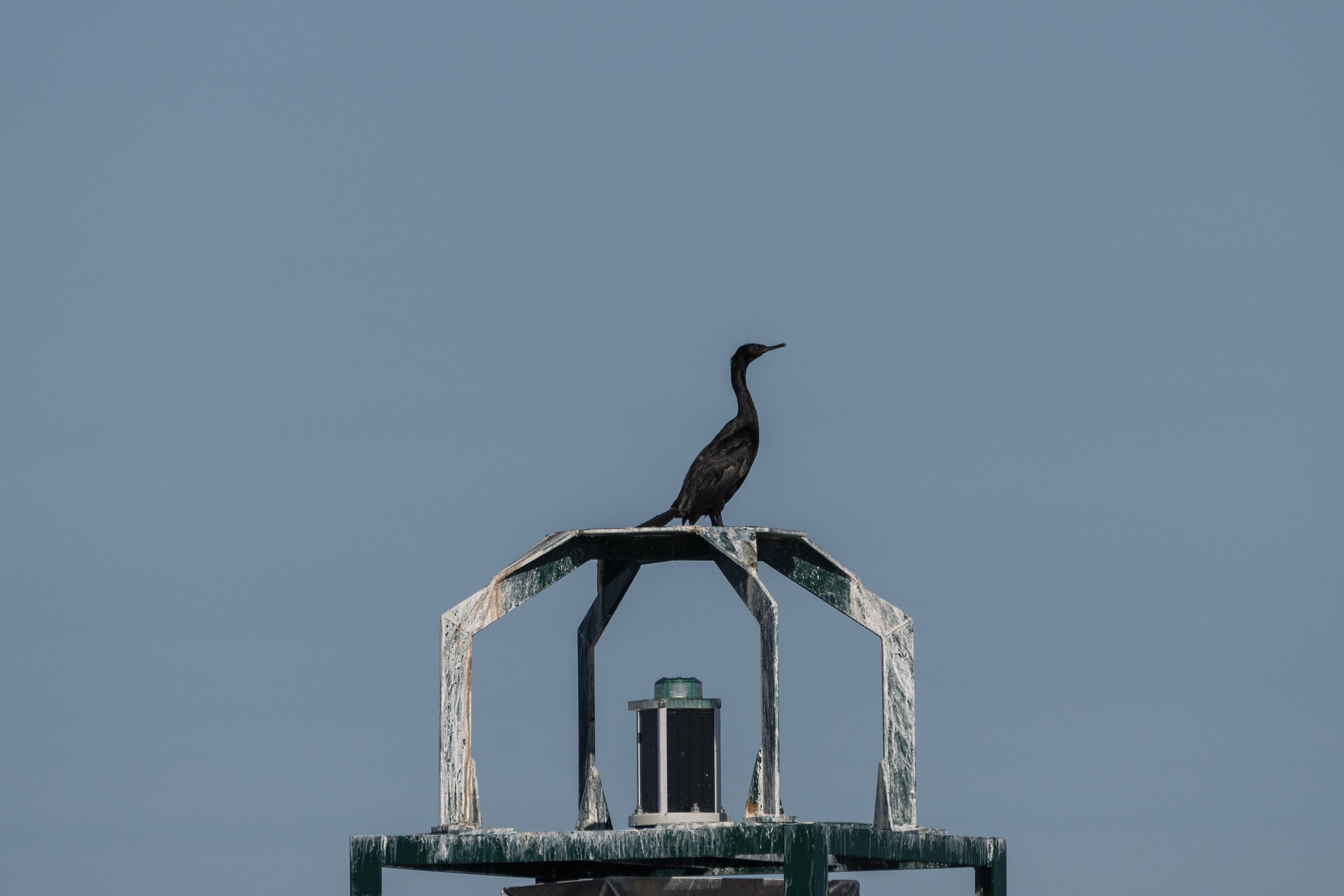
A closer look at the cormorant on the buoy. Photo by Val Watson.
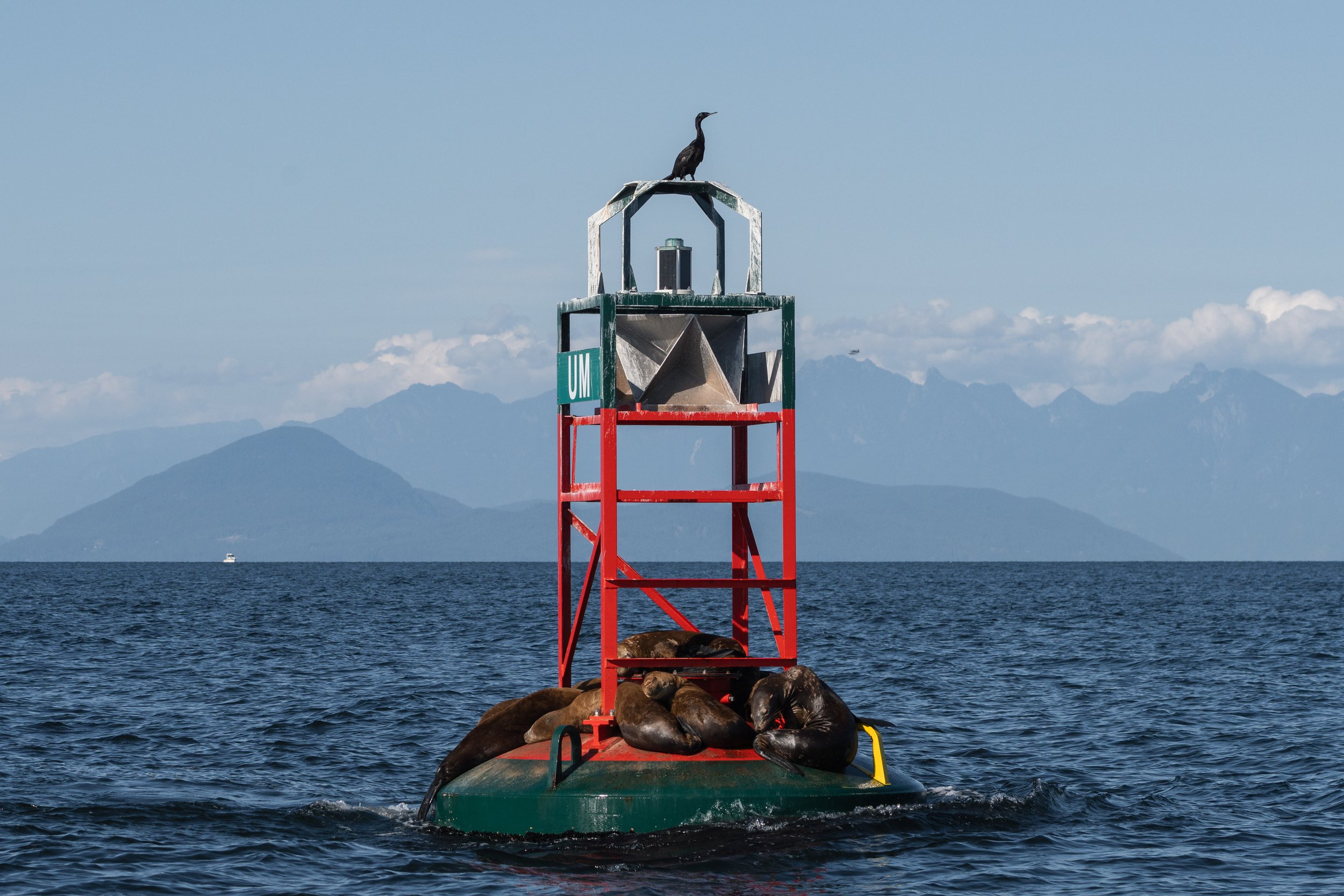
The buoy and its inhabitants with the coastal mountains behind them. Photo by Val Watson.
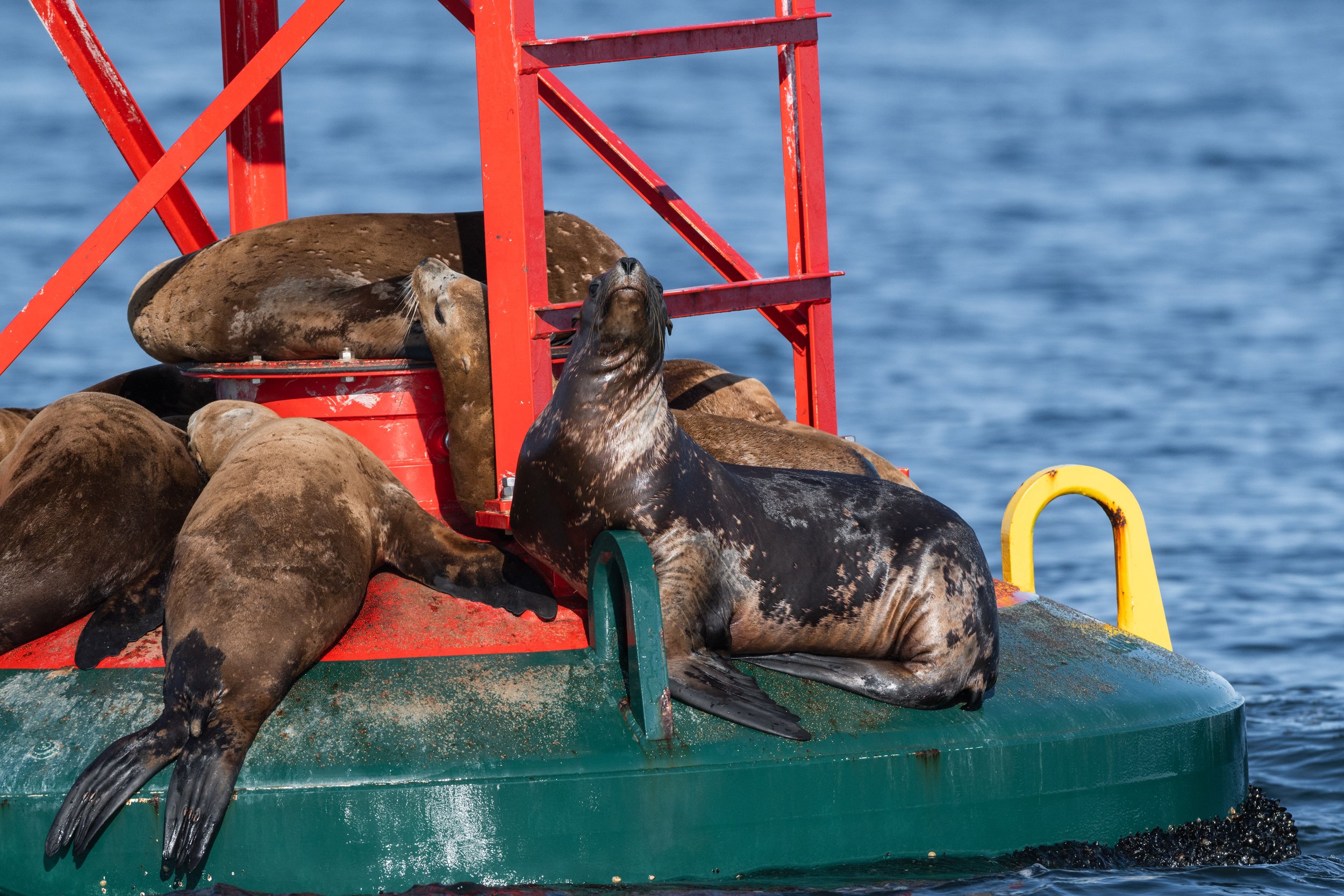
A Steller Sea Lion watching us watching them. Photo by Aly Kohlman.
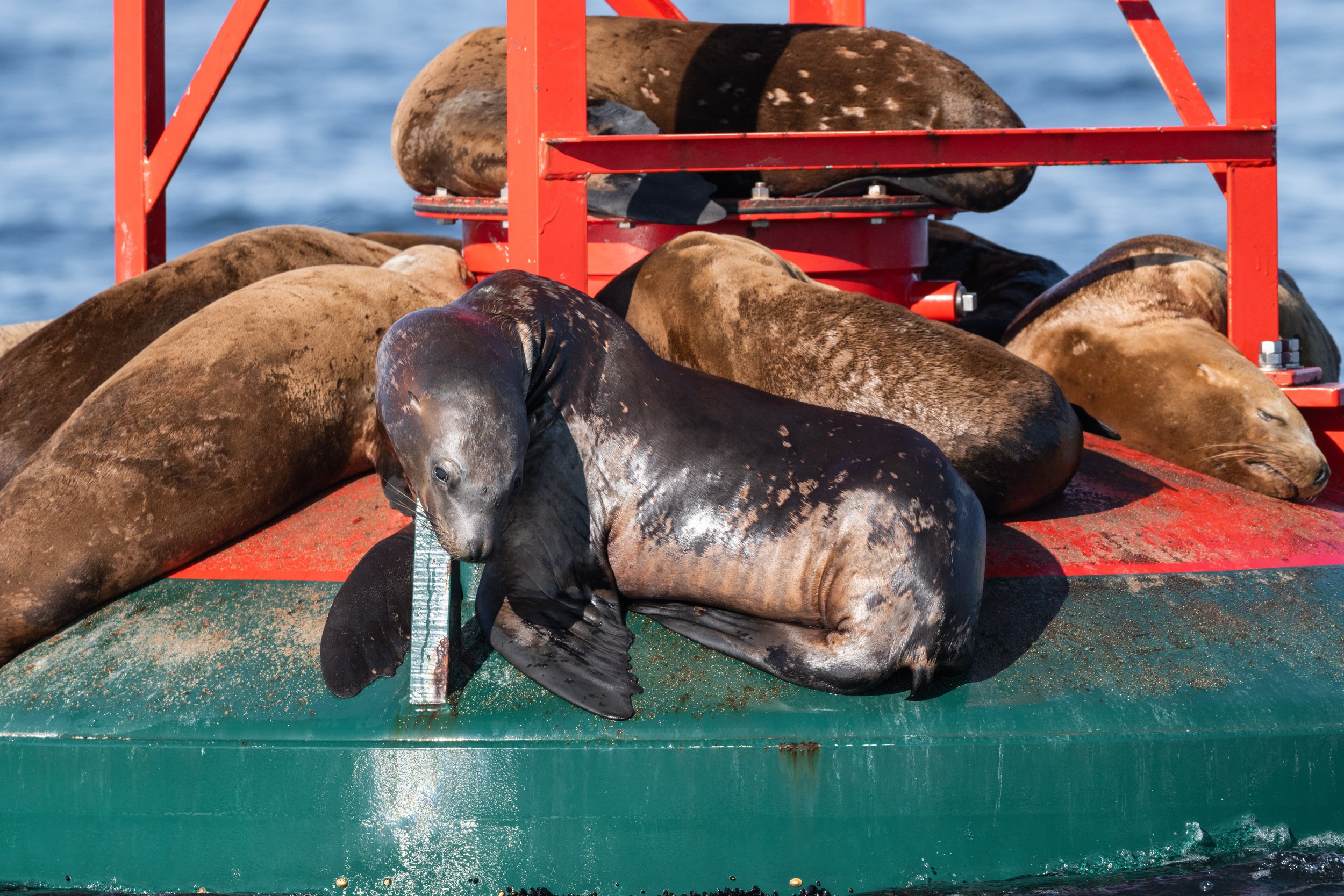
The bouy is not only good to haul-out on, but it makes a great scratching post as well! Photo by Aly Kohlman.
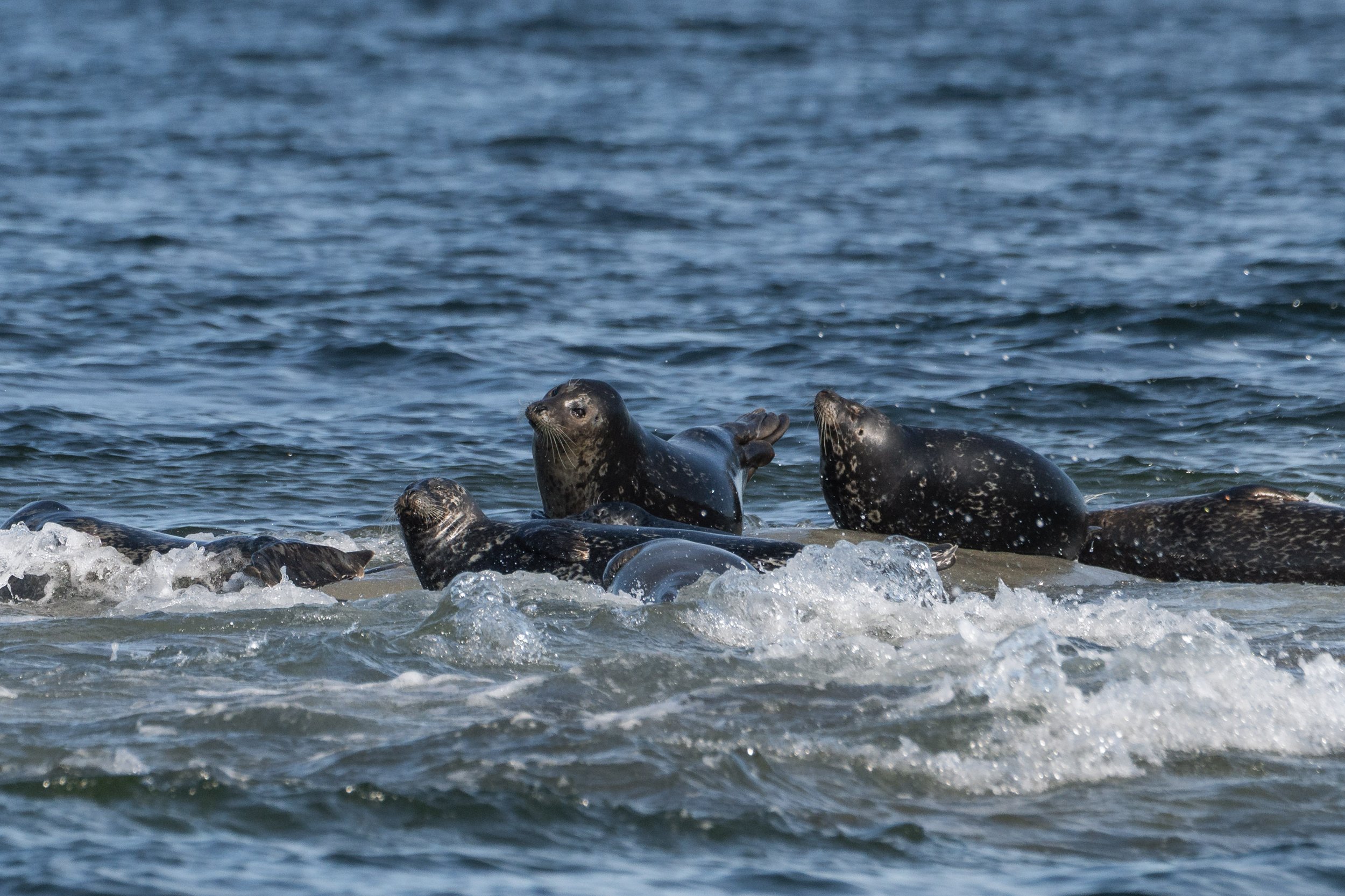
Harbour Seals relaxing on rocks at Stinky. Photo by Val Watson.
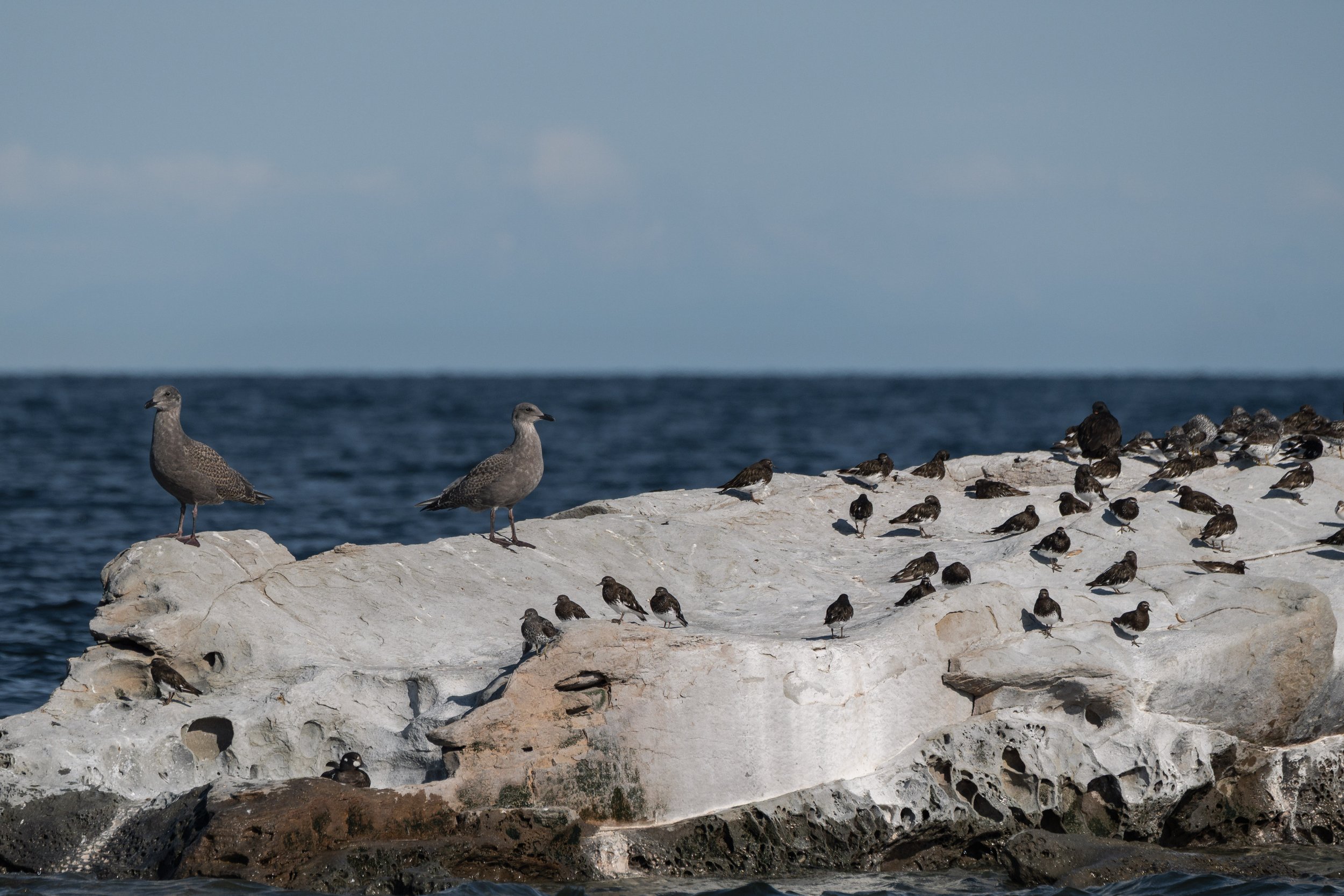
How many species of bird can you spot here? We count 6 (Gulls, surf birds, black turnstones, harlequin ducks, black oystercatchers, and a sandpiper!) Photo by Val Watson.
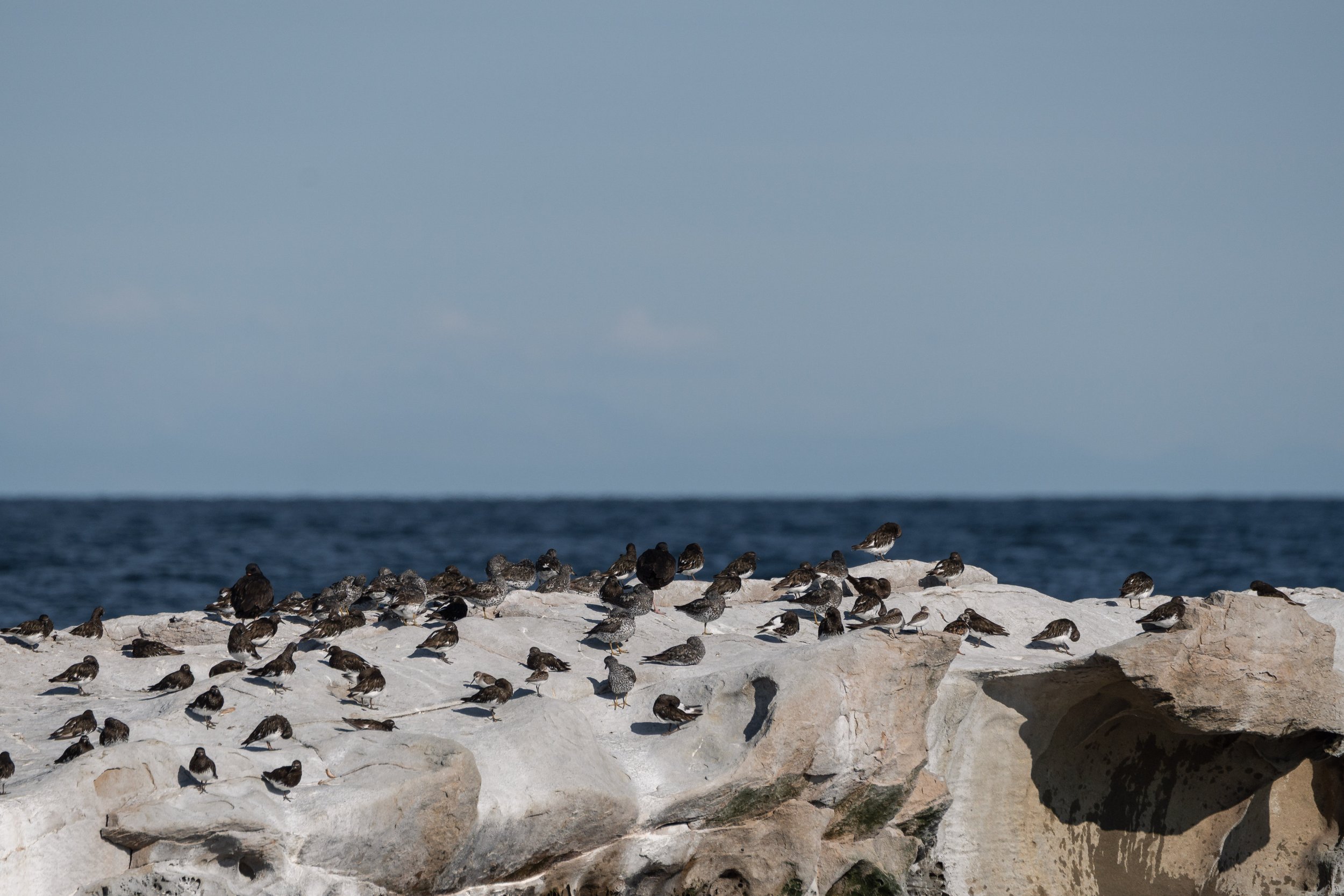
A lot of birds spending their time on Stinky Rock at high tide. Photo by Val Watson.
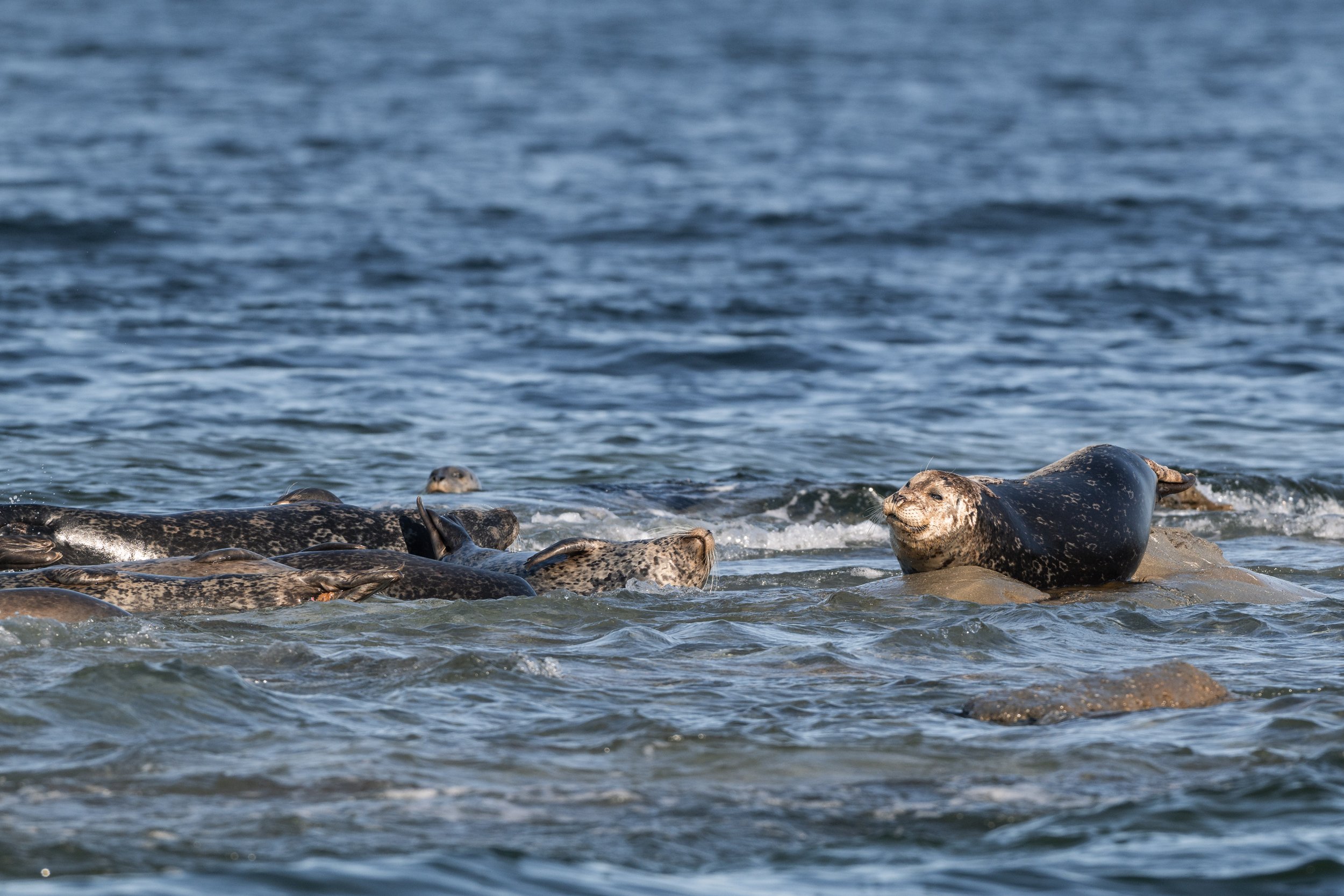
Harbour Seals relaxing in the surf at Stinky Rock. Photo by Aly Kohlman.
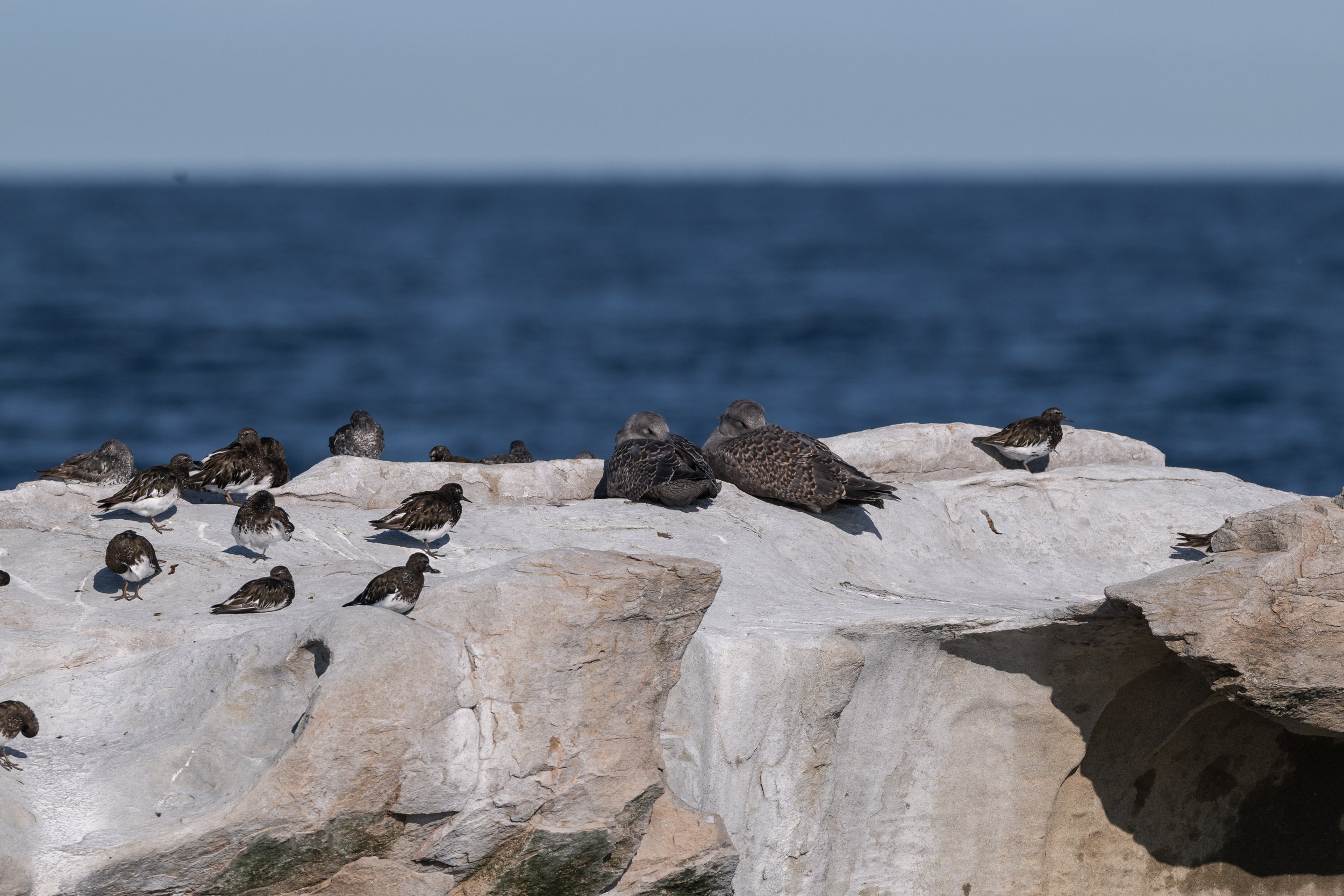
A whole lot of resting birds. Photo by Aly Kohlman.
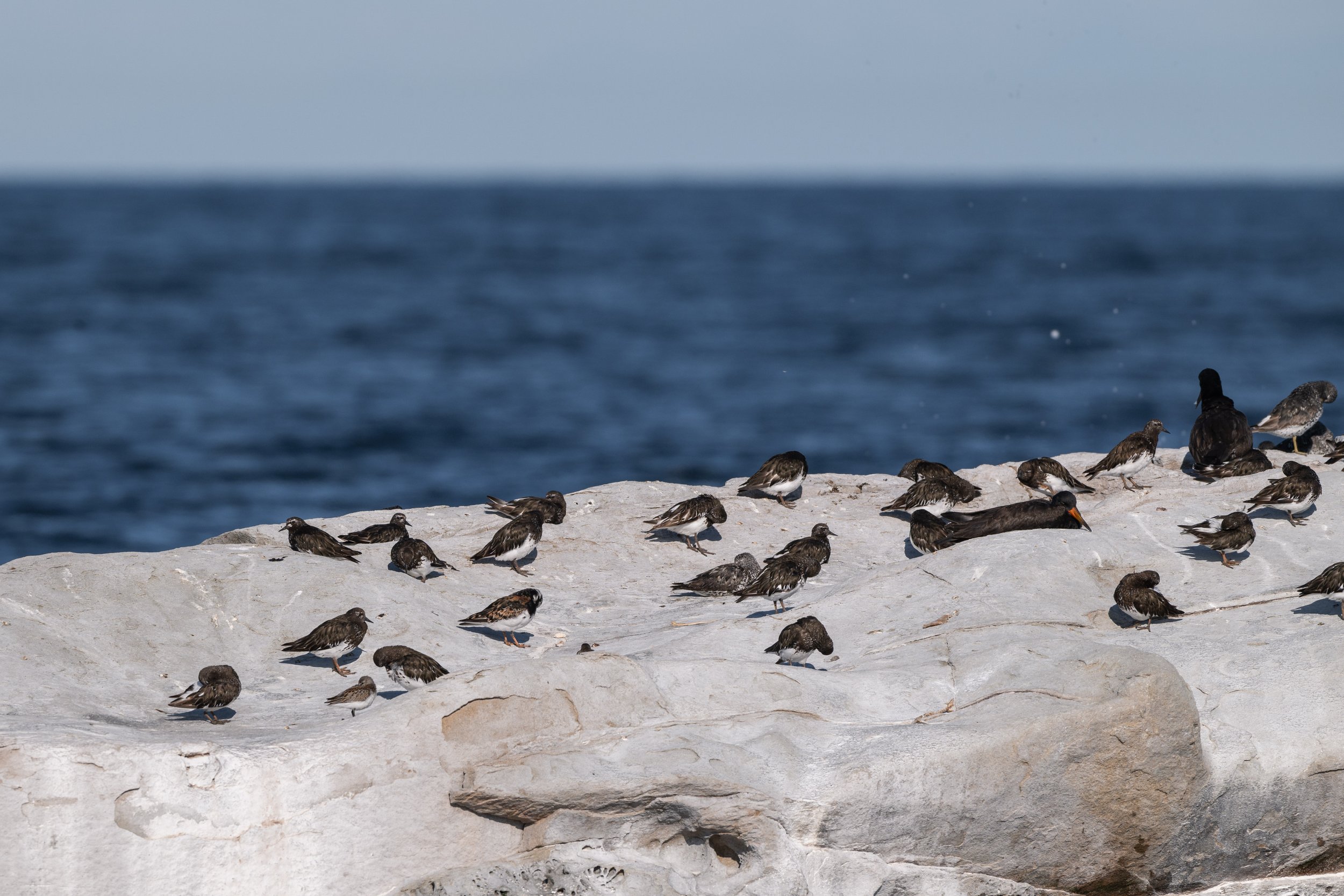
Can you spot the one turnstone that isn’t like the others? In the middle of the common Black Turnstones is a Ruddy Turnstone, a rare visitor to our area. Photo by Aly Kohlman.
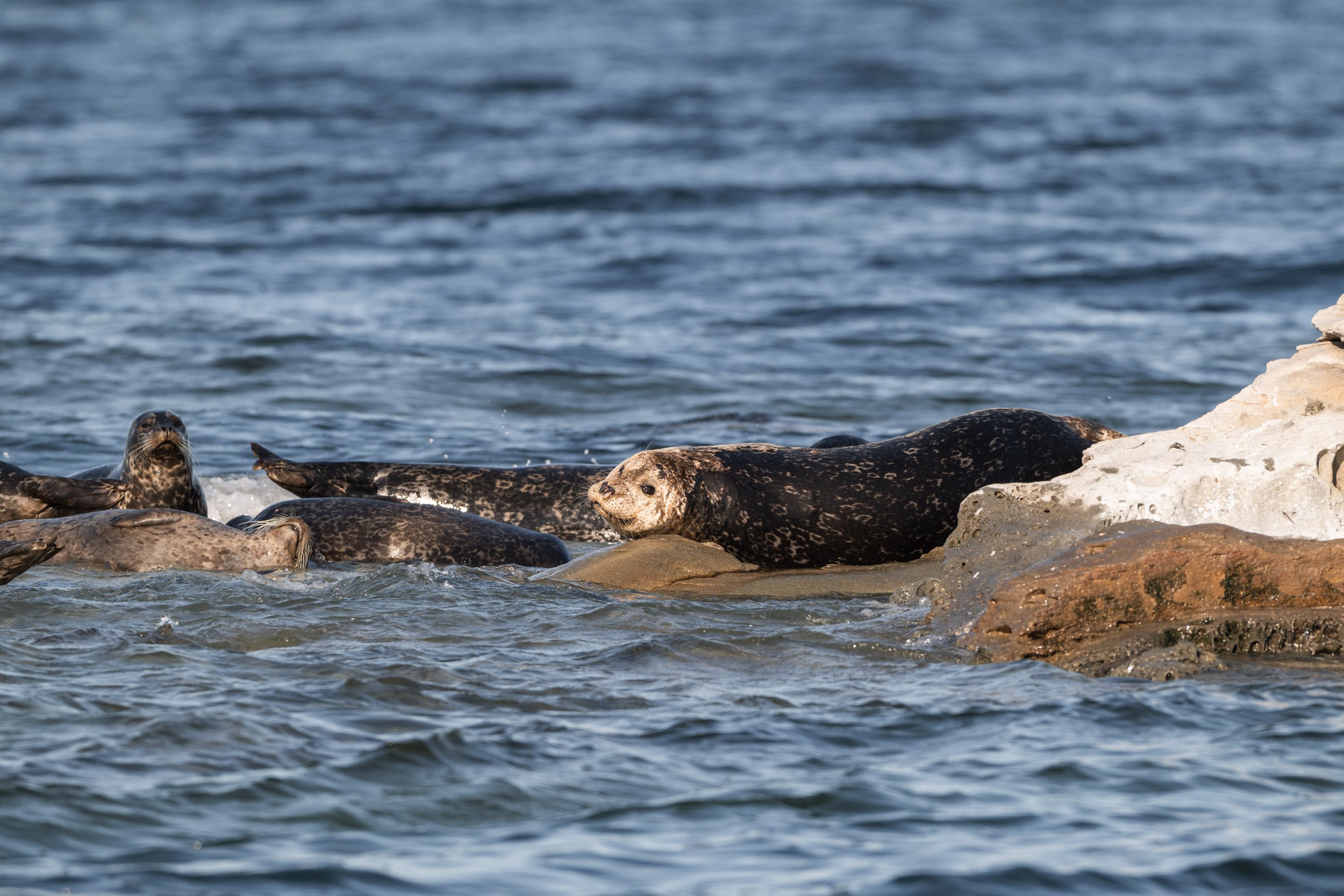
This harbour seal was als curious about us as we floated by. Photo by Aly Kohlman.
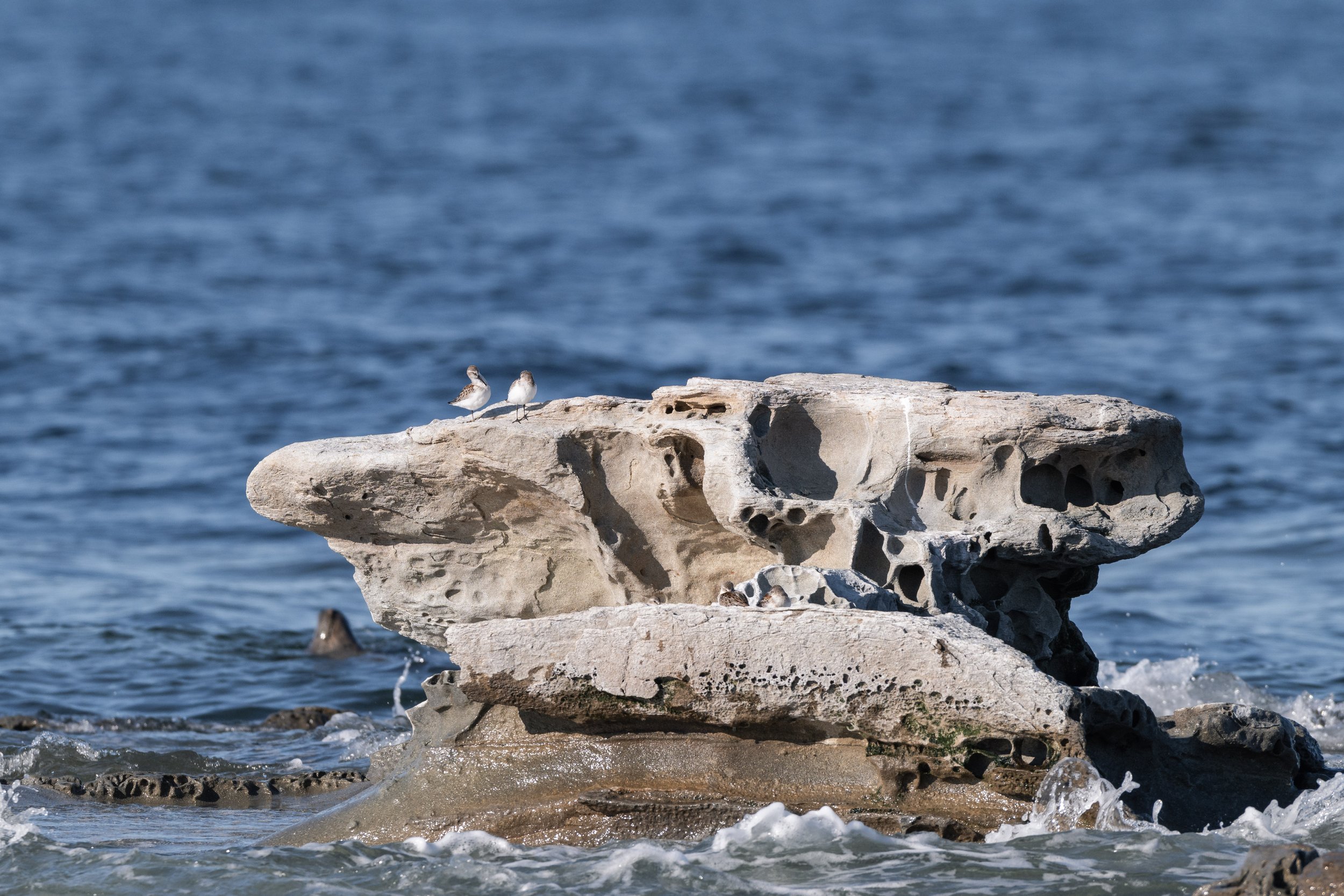
Some sandpipers on the sandstone formation at Stinky Rock. Photo by Aly Kohlman.
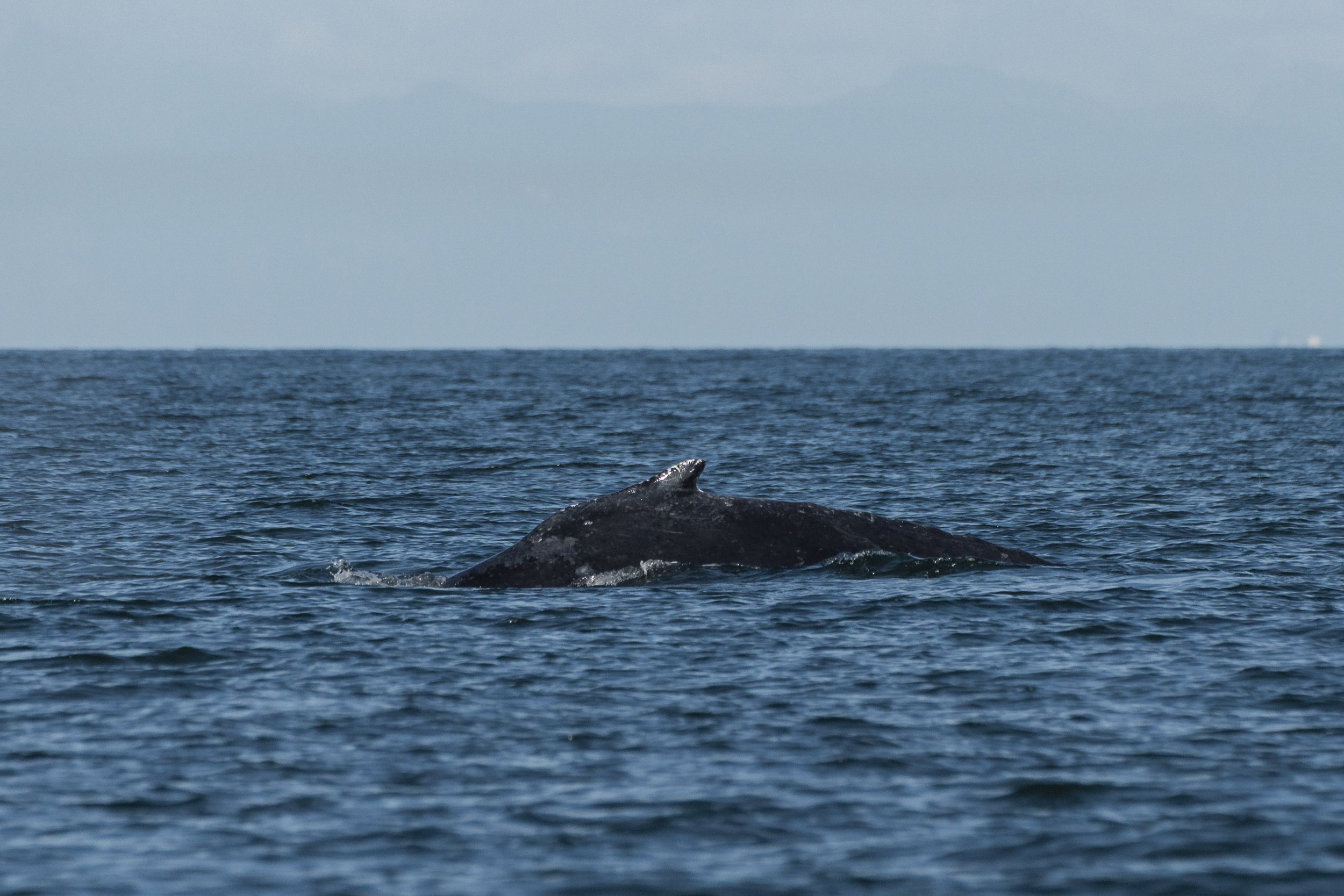
BCX2316 going for a dive. Photo by Val Watson.
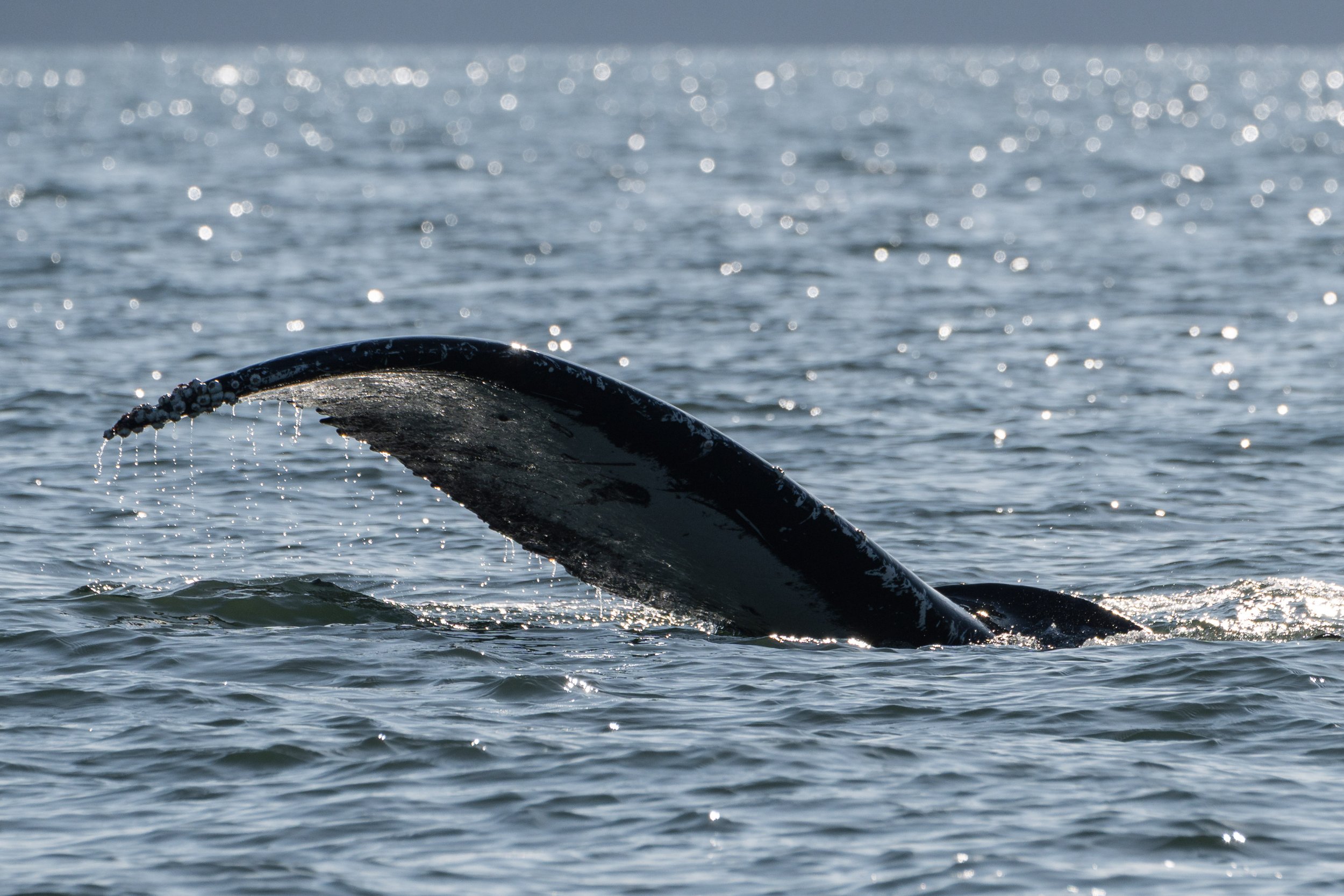
Chi’s fluke coming sideways out of the water. Photo by Val Watson.
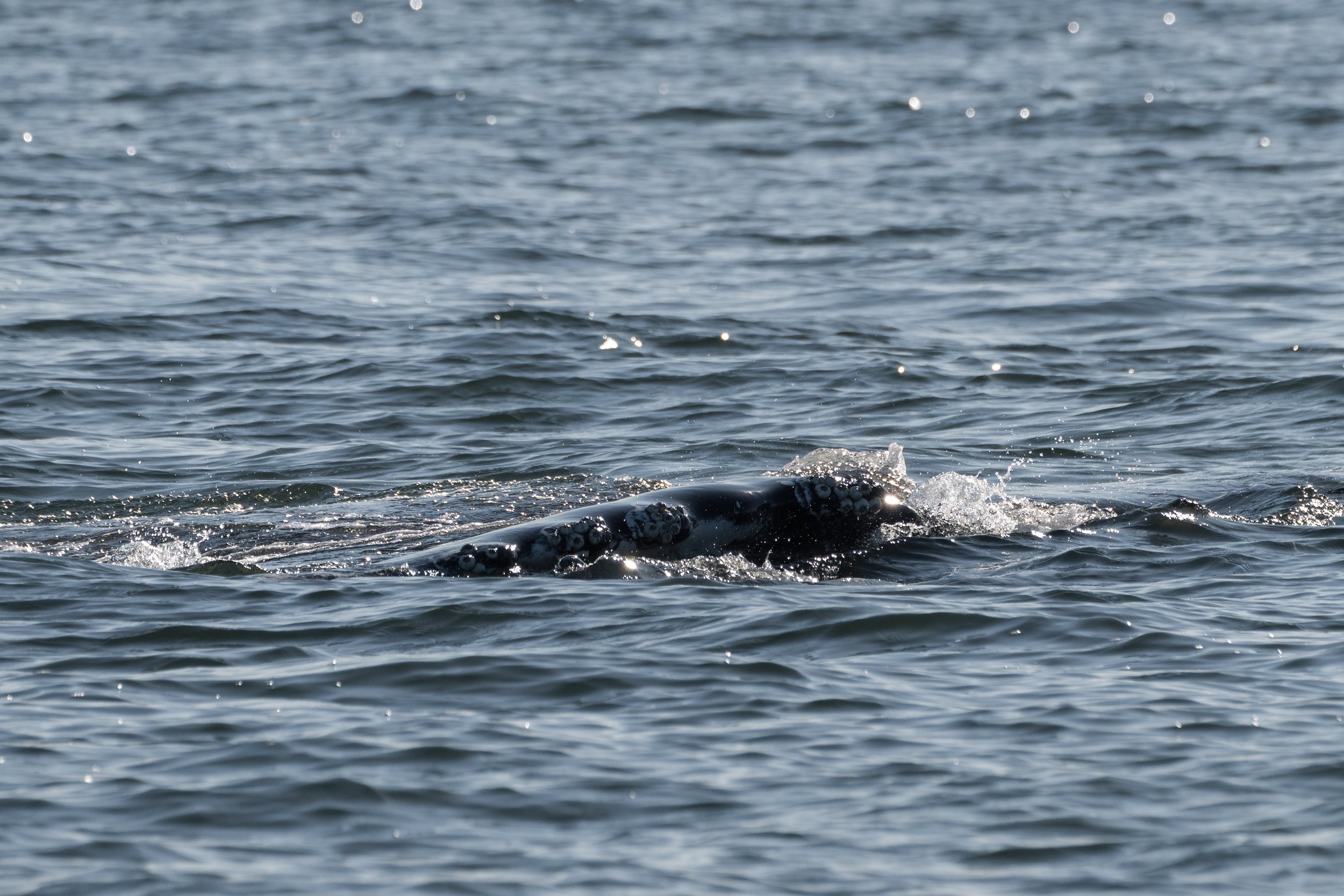
Chi’s pectoral fin as he rolled at the surface. Photo by Val Watson.
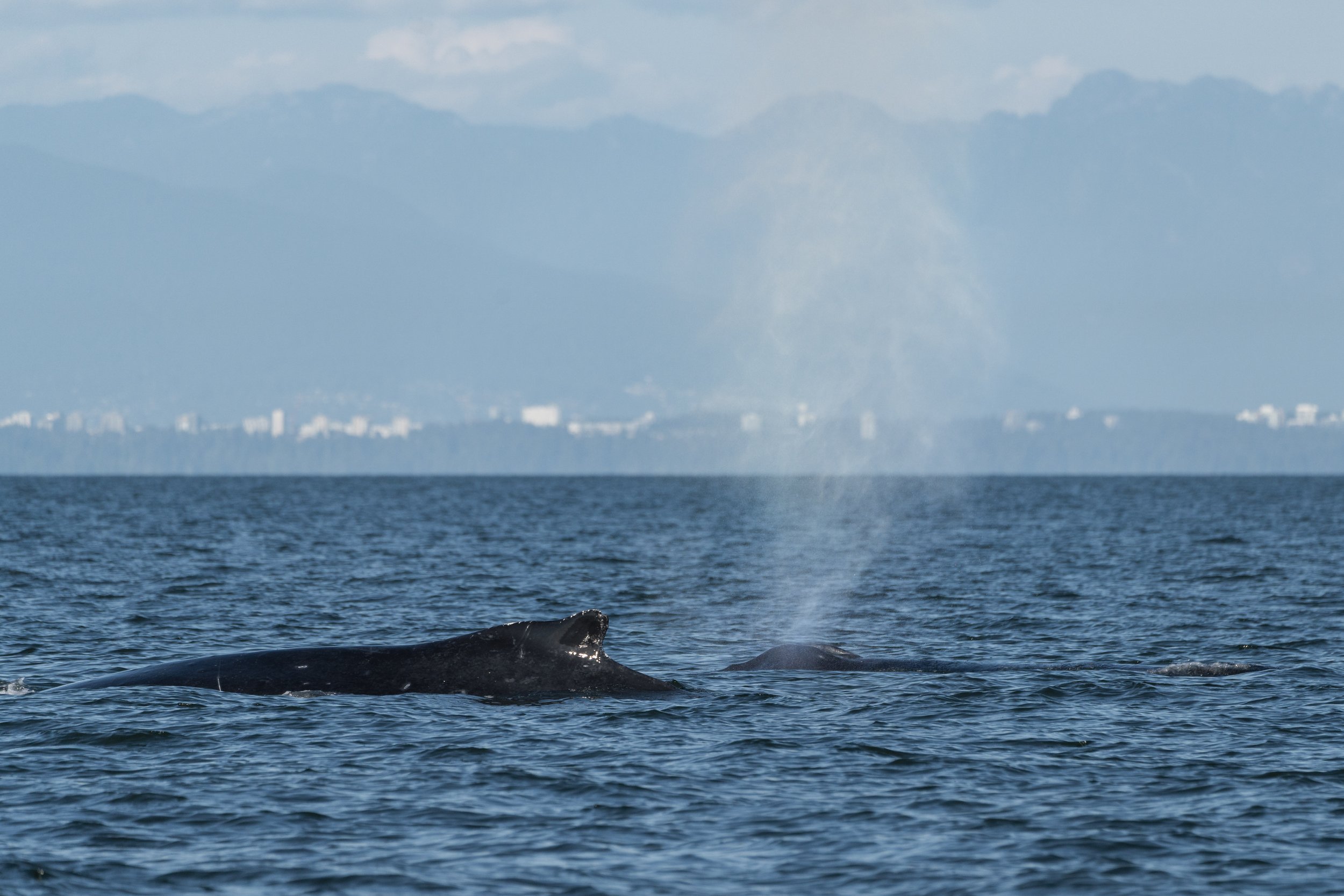
Chi surfacing while BCX2316 exhales beside him. Photo by Val Watson.
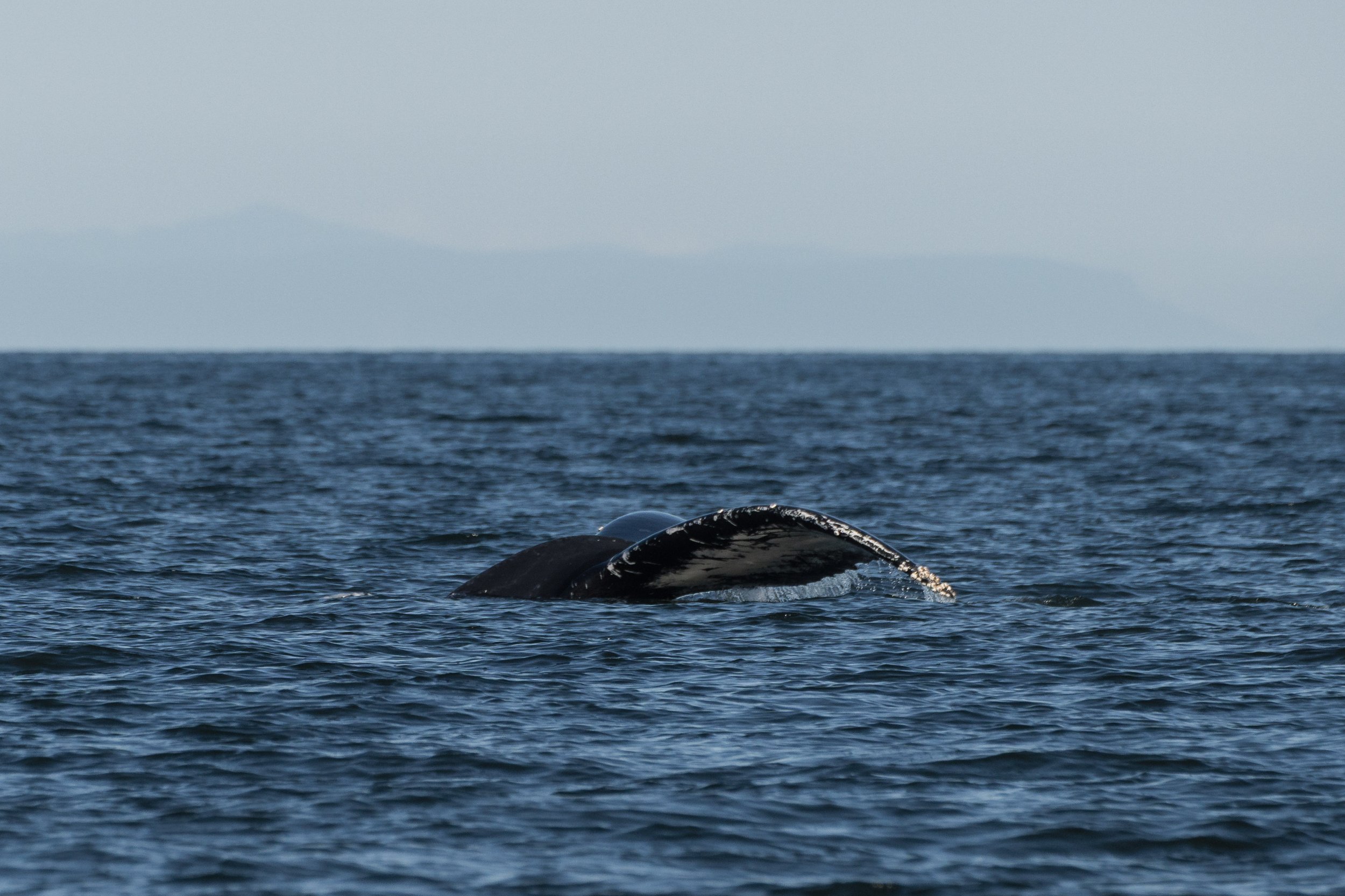
A low fluke from Chi. Photo by Val Watson.
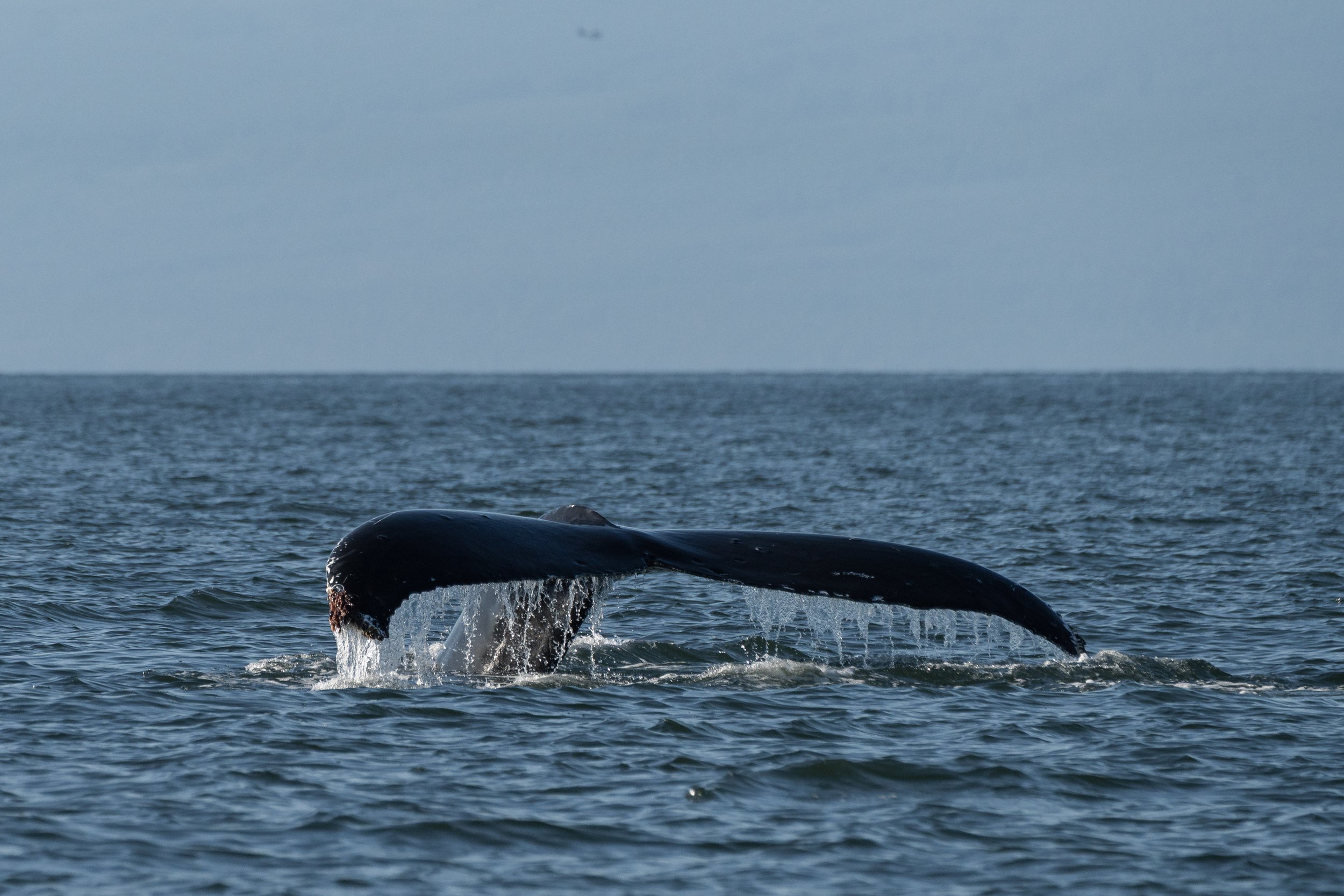
BCX2316 going for a dive. Photo by Val Watson.
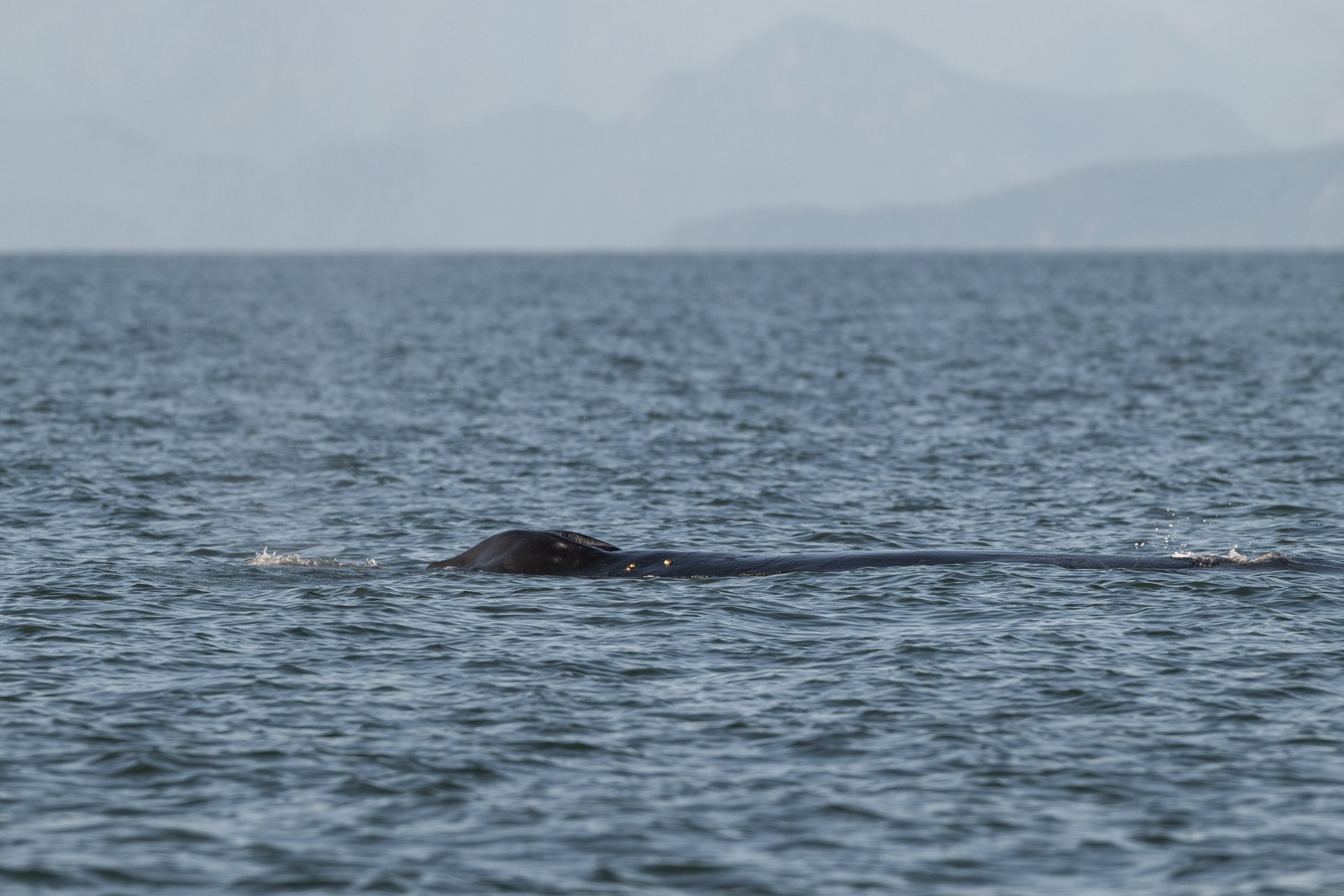
Chi’s nostrils peaking out of the water. Photo by Aly Kohlman.
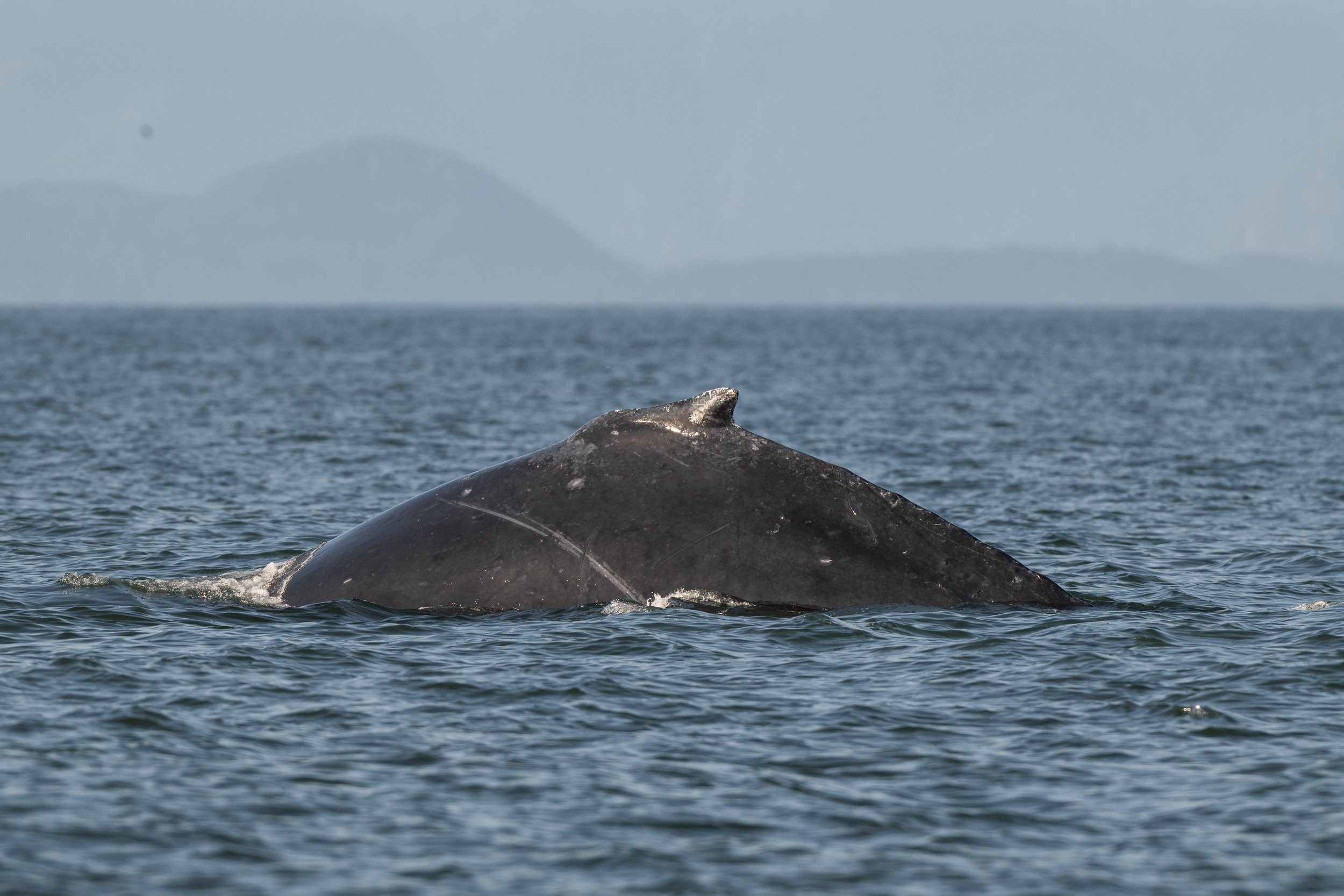
BCX2316 arching for a dive. Photo by Aly Kohlman.
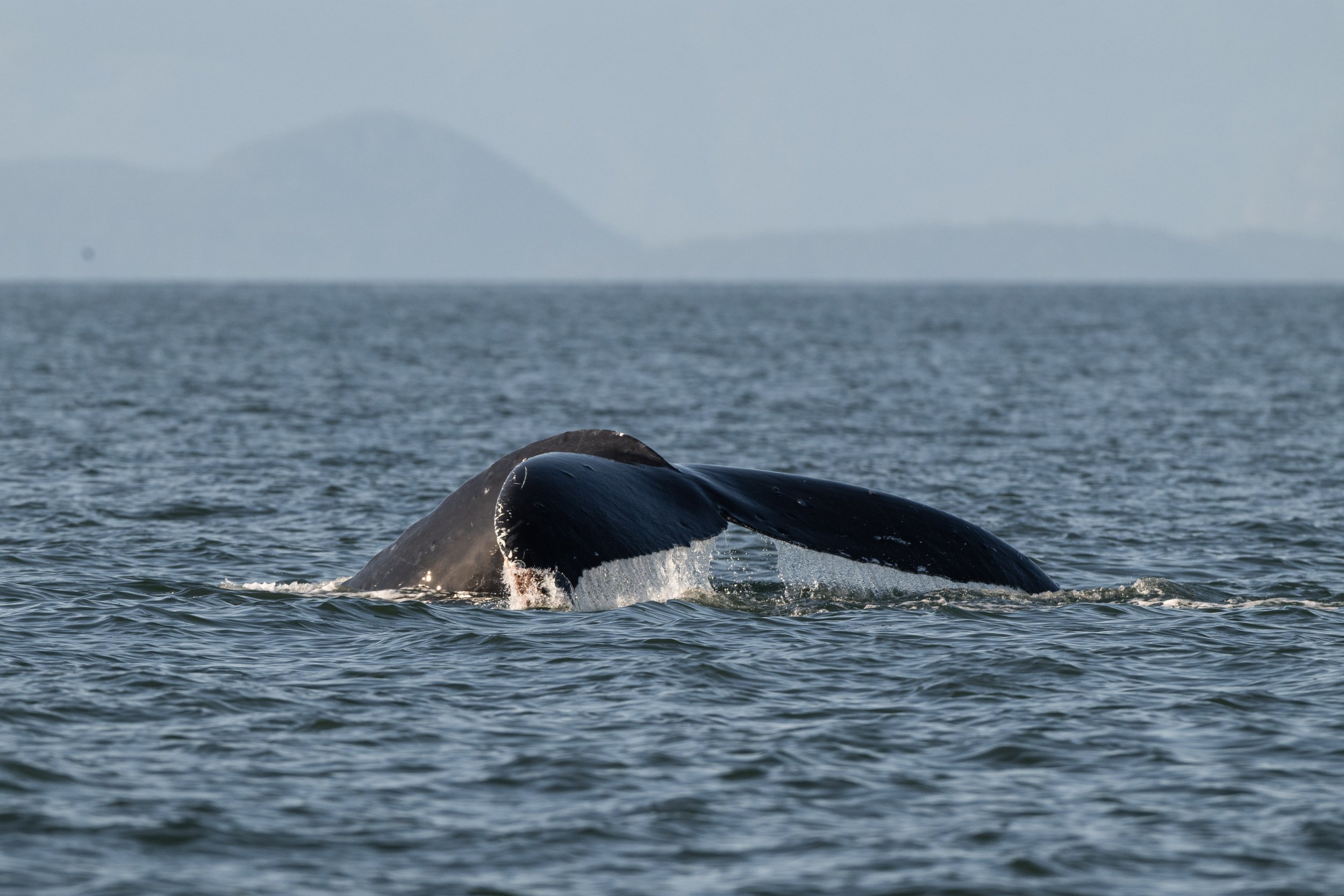
A fluke waterfall from BCX2316. Photo by Aly Kohlman.
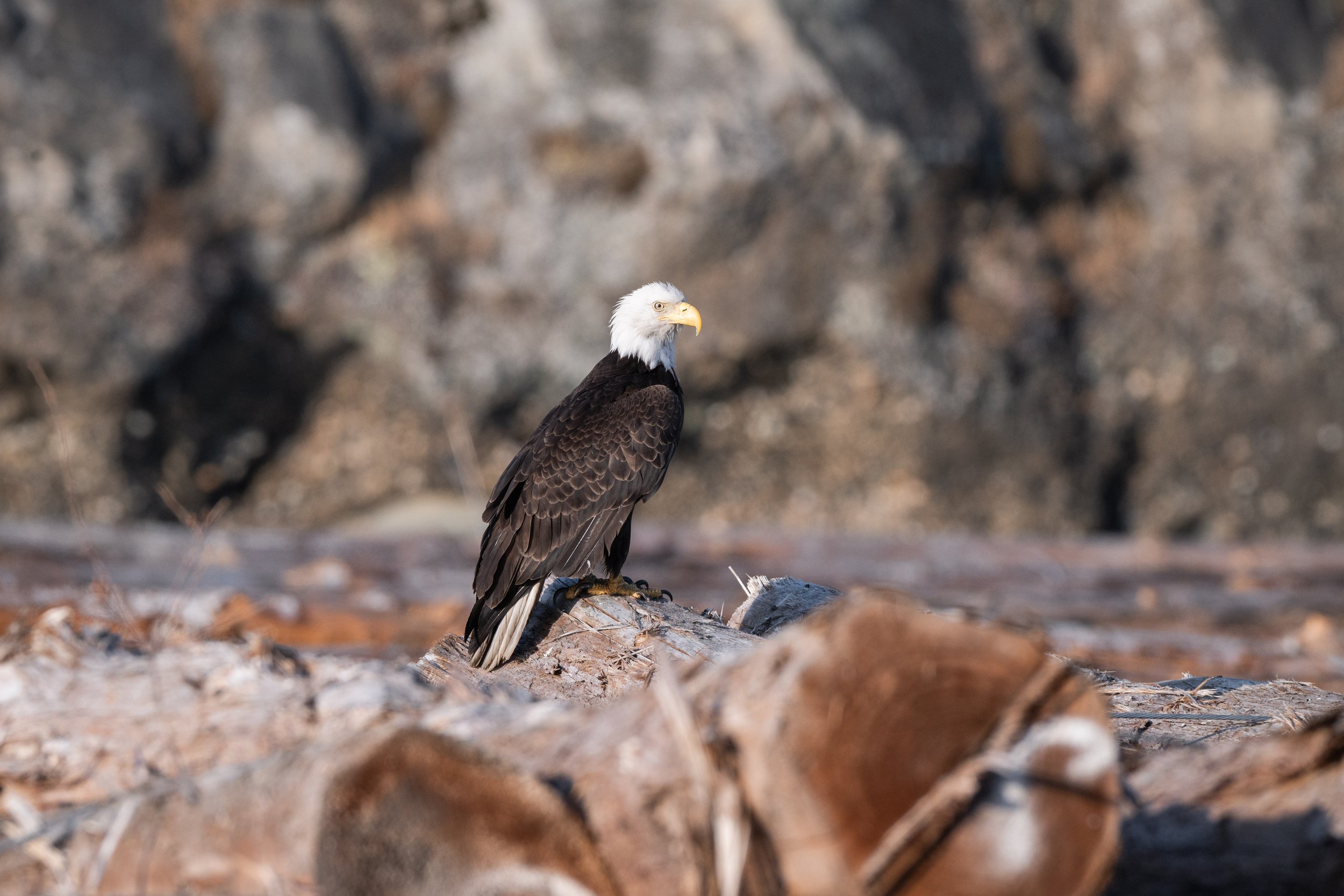
A Bald Eagle on one of the log booms. Photo by Aly Kohlman.
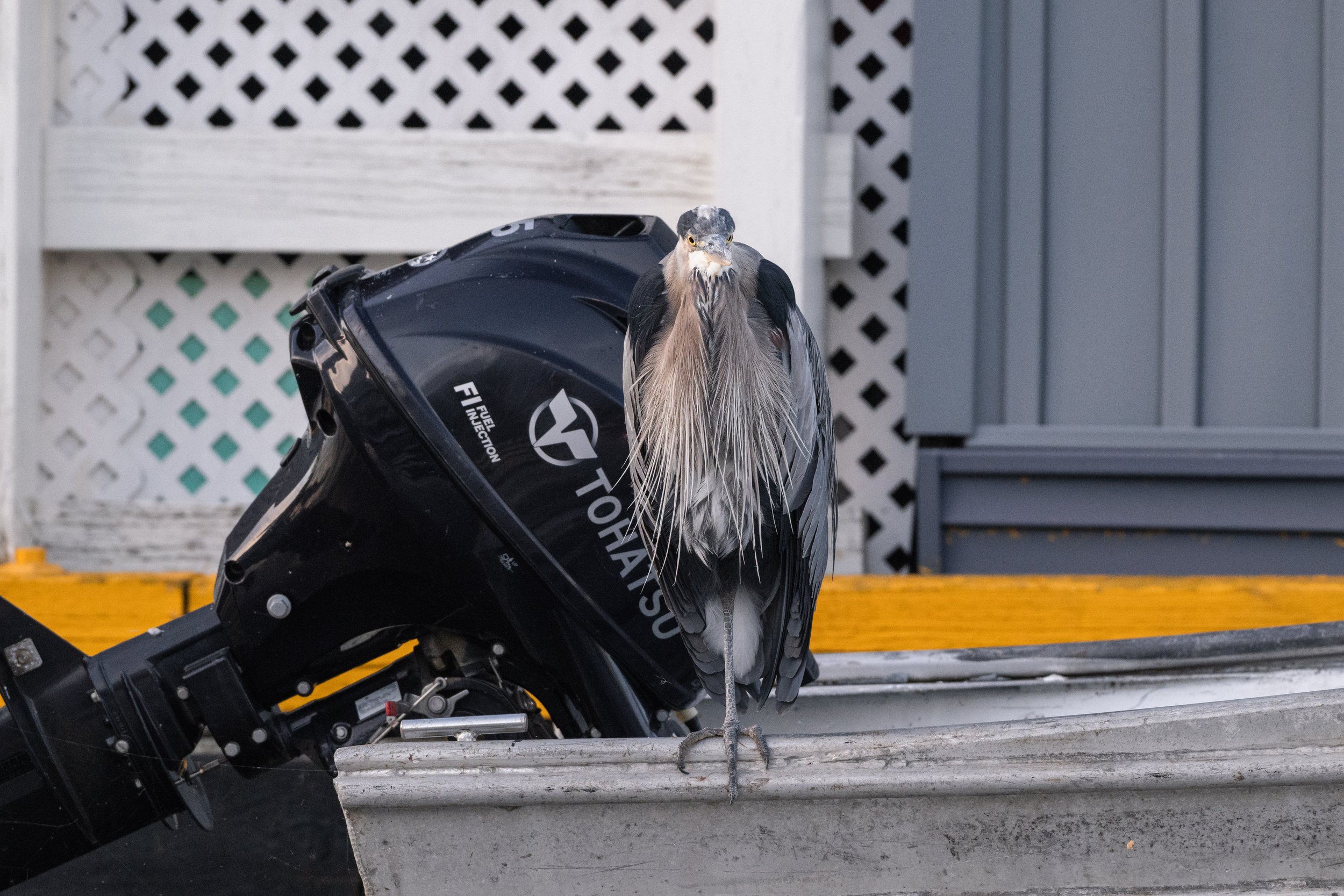
Harald the Great Blue Heron on the dock after the tour. Photo by Aly Kohlman.