
August 27, 2026, 10:30 AM - A spoonful of Humpback Soup!
Today, our wildlife encounters began at Stinky Rock, where the shoreline was already busy with marine life. Steller Sea Lions were vying for the best positions on the rocks, climbing over one another and shifting around as they settled into place. Nearby, Harbour Seals were taking a much quieter approach, resting in the intertidal zone between bouts of activity in the water.
From Stinky Rock, we continued south toward Porlier Pass, and that’s where we found our first whales of the day: humpbacks.
Quite a few whales appeared to be spread throughout the area. We estimated that as many as eight humpbacks may have been using the waters around us, although not every whale surfaced in a position where we could confidently identify it. By the end of the encounter, we confirmed three pairs: Bond (BCX1640) and BCX2316, Holey Moley (BCY1220) and Chi (BCZ0575), and Zig Zag (BCX1193) and Split Fin (BCZ0298).
Although several whales were in the area, they did not appear to be travelling together as one large group. Instead, the individuals and pairs were spread throughout the feeding grounds, surfacing and diving at different intervals.
And there was a good reason for so many humpbacks to be in the same place.
They were feeding.
One of the most recognizable signs of a feeding humpback is the sight of its enormous tail lifting high above the surface before the whale disappears on a dive. From the boat, it can look like the whale is simply waving goodbye before vanishing beneath the waves. In reality, that raised fluke is the final glimpse we get as the whale begins another search for food below the surface.
Humpback whales are filter feeders. Instead of having teeth, they have rows of baleen plates hanging from their upper jaws. These plates act somewhat like a giant sieve, allowing a whale to take in enormous amounts of water containing prey before pushing the water back out through the baleen and retaining the food.
A single mouthful can involve roughly 20,000 litres of water passing through the whale's mouth.
That is an extraordinary amount of water, but it is part of what allows a humpback to consume the enormous quantities of food required to fuel its life.
During the feeding season, a humpback may consume around 3,000 pounds of food in a day. The exact amount varies by individual, prey availability, and feeding conditions, but the scale gives us an idea of how productive these feeding grounds must be to support such large animals.
And the food they consume here has a purpose beyond simply getting them through the day.
Humpbacks that feed in British Columbia's coastal waters are preparing for a very different part of their annual cycle. After spending the productive months of the northern summer feeding, many will eventually migrate thousands of kilometres south toward their breeding grounds.
The feeding season is therefore an important period of energy accumulation. The whales are essentially taking advantage of the seasonal abundance of prey in northern waters and building the energy reserves they will need for migration and, for some individuals, reproduction.
This is also why we can sometimes encounter several humpbacks in the same general area.
It does not necessarily mean that the whales are travelling as a social group. Humpbacks are capable of forming temporary associations, but feeding aggregations can occur simply because multiple whales are responding to the same concentration of prey.
The ocean is not evenly stocked with food. Currents, tides, underwater topography, and seasonal changes can all influence where prey gathers. When conditions align, small schooling fish, krill, or other prey can become concentrated in a relatively small area.
For a humpback whale, finding one of these productive patches is like finding a buffet in the middle of an otherwise enormous ocean.
Once one whale finds a productive feeding area, other whales may also arrive because the same environmental conditions are attracting prey. This can create the appearance of a large gathering even when each whale is focused primarily on feeding for itself.
The waters around the Southern Gulf Islands and the Strait of Georgia contain a complex mixture of channels, islands, underwater shelves, and strong tidal currents. These features move and concentrate nutrients through the marine environment, supporting the food web from microscopic organisms to some of the largest animals in the ocean.
That productivity can make certain areas particularly valuable to humpbacks.
This afternoon, we had the opportunity to watch that process play out in front of us. Bond and BCX2316, Holey Moley and Chi, and Zig Zag and Split Fin each used the same general feeding area. One whale would disappear beneath the surface, its tail rising into the air, while somewhere farther away another pair would do the same.
Eventually, it was time for us to begin our journey home. We travelled back through the Southern Gulf Islands, winding between the islands and along the rugged coastline before continuing toward Nanaimo.
Seeing several humpbacks in one area can be impressive, but it also reminds us of what is happening beneath the surface. Their presence tells us that somewhere below the waves, the conditions are right for an enormous amount of life to gather. The whales are simply following the food, taking advantage of one of the ocean's seasonal energy concentrations.
Throughout the tour, Marine Naturalists Evan Hessels and Aly Kohlman catured some great photos which are included below!
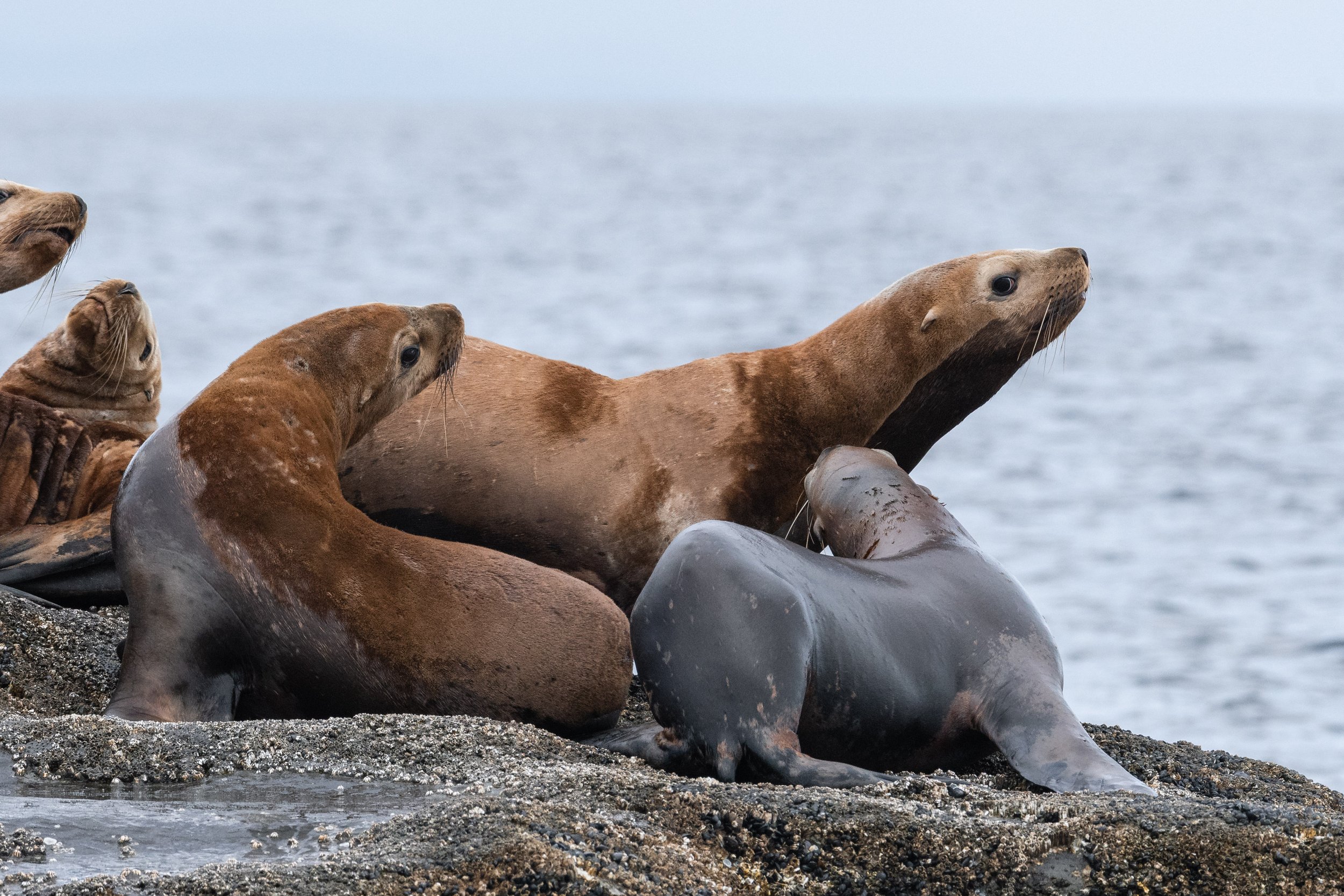
A side-eye from one of the Steller Sea Lions at Stinky Rock. Photo by Evan Hessels.
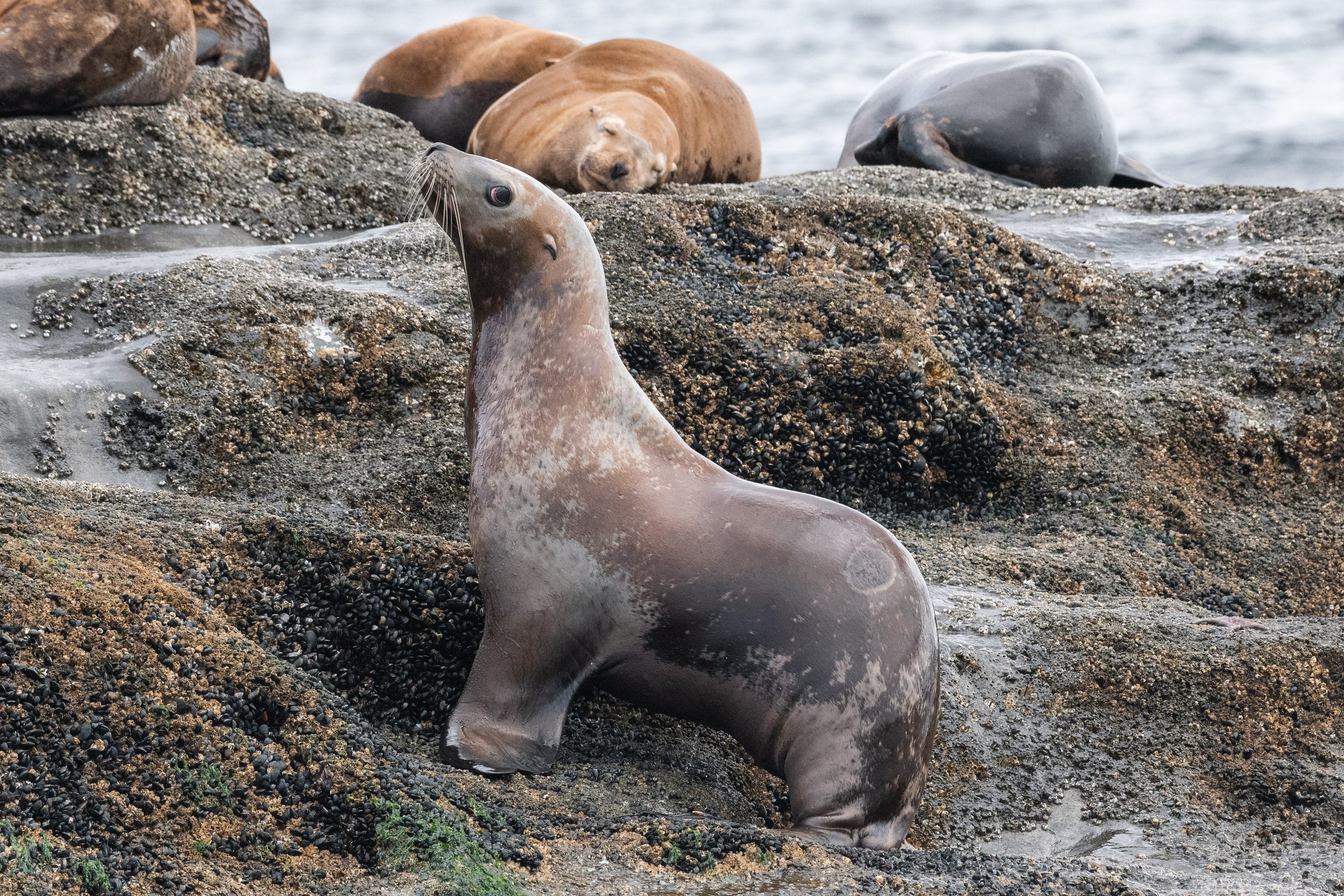
A Steller Sea Lion crawling out of the water. Photo by Evan Hessels.
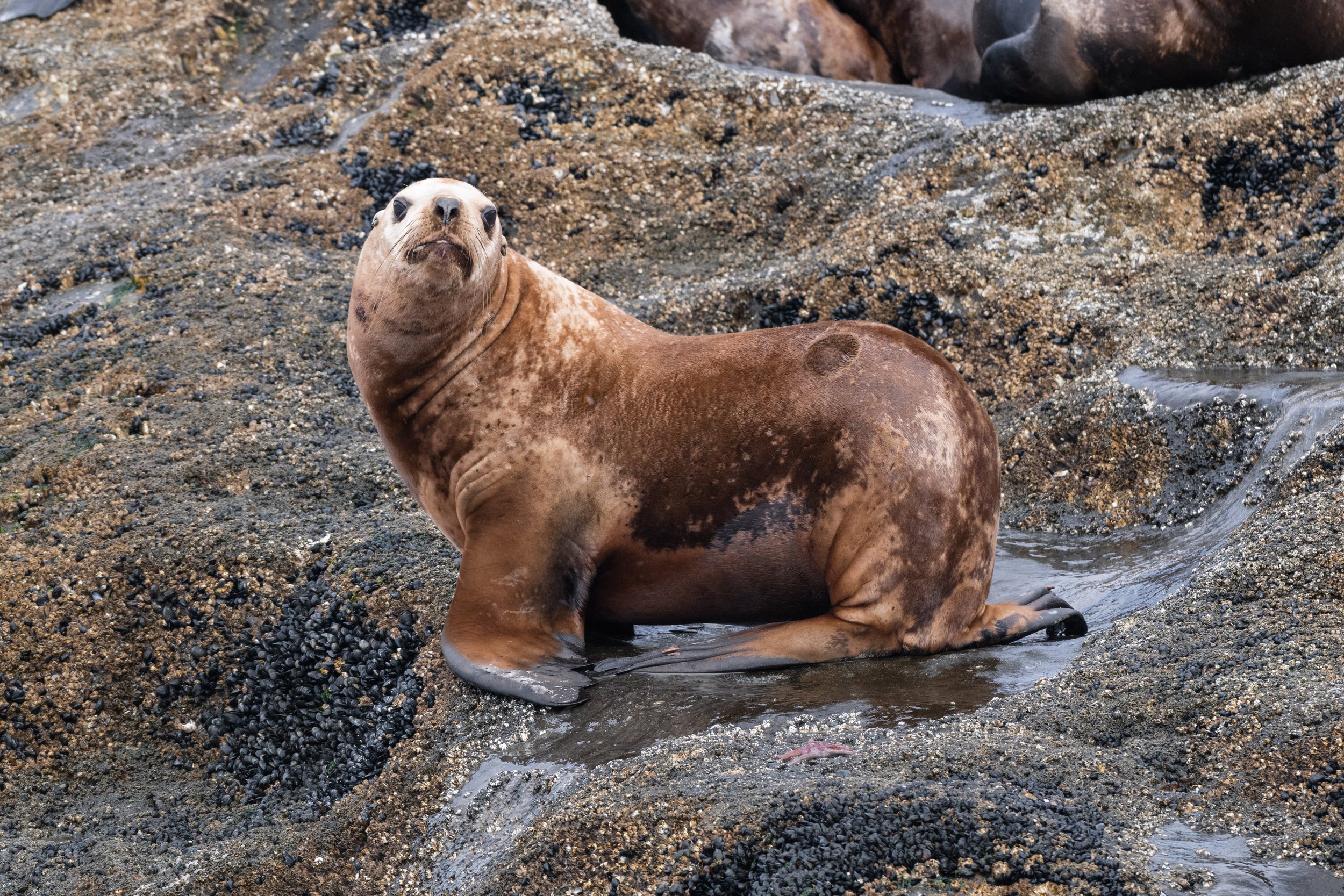
A sassy Steller Sea Lion on the rocks. Photo by Aly Kohlman.
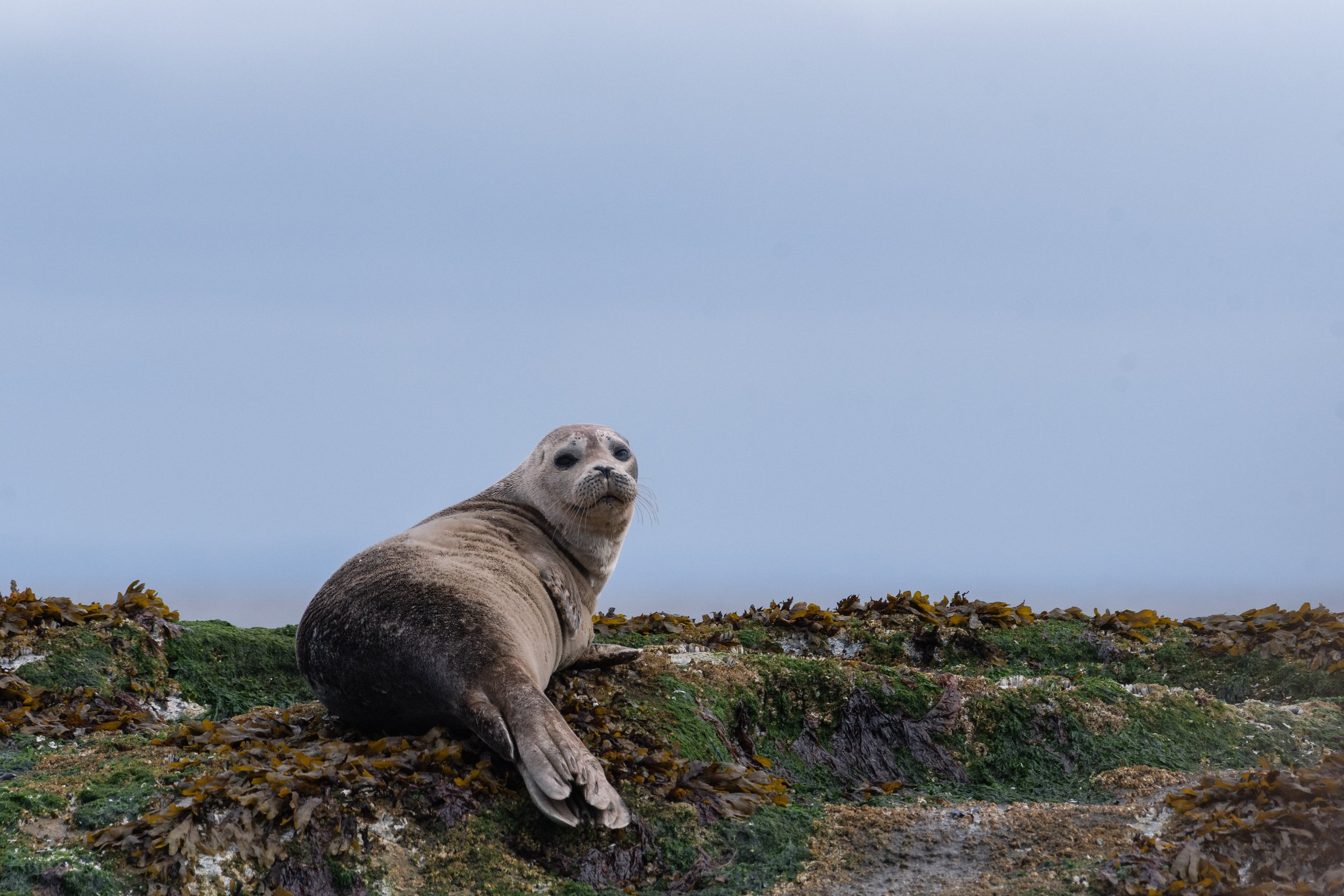
A very photogenic Harbour Seal. Photo by Evan Hessels.
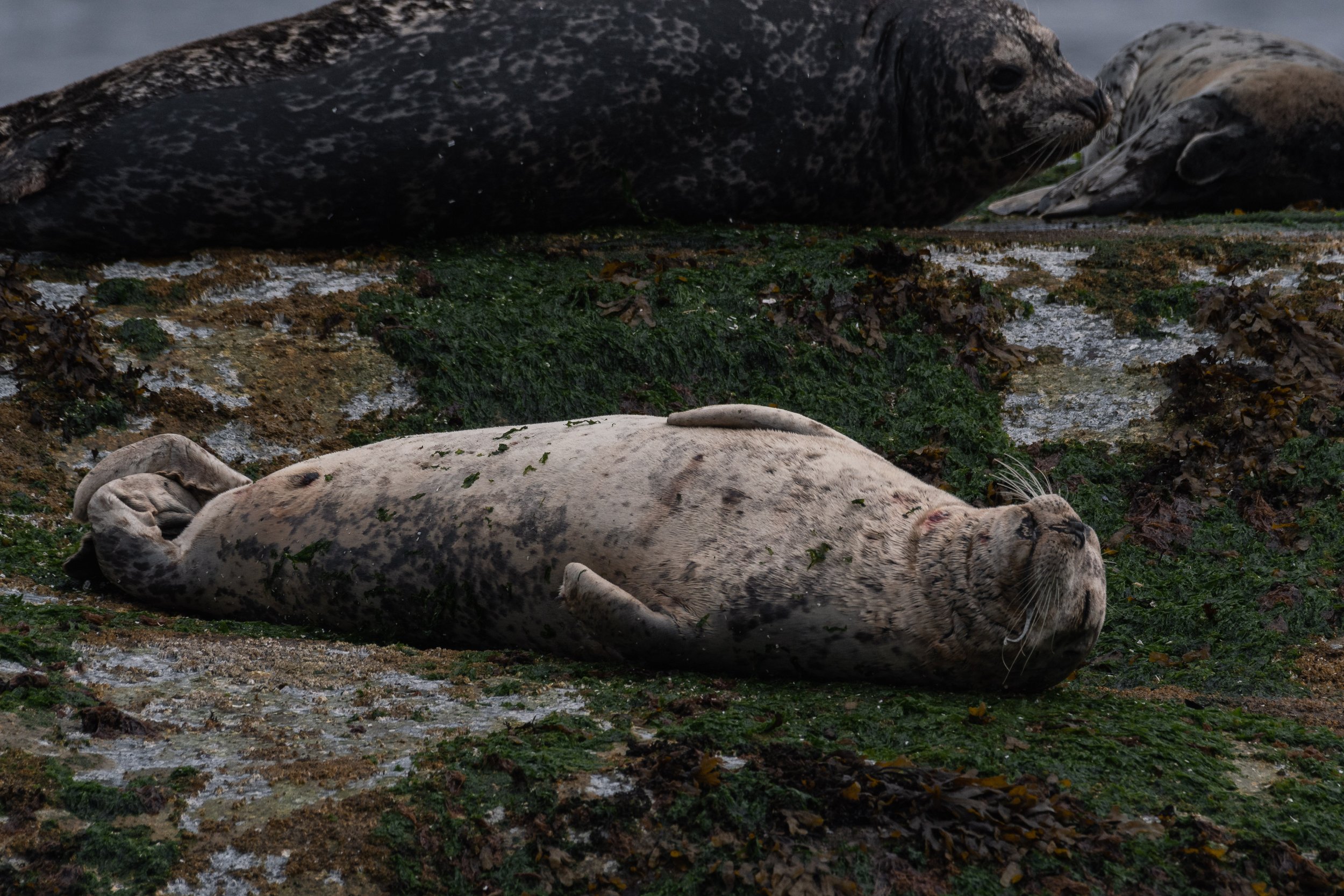
A very relaxed Harbour Seal. Photo by Evan Hessels.
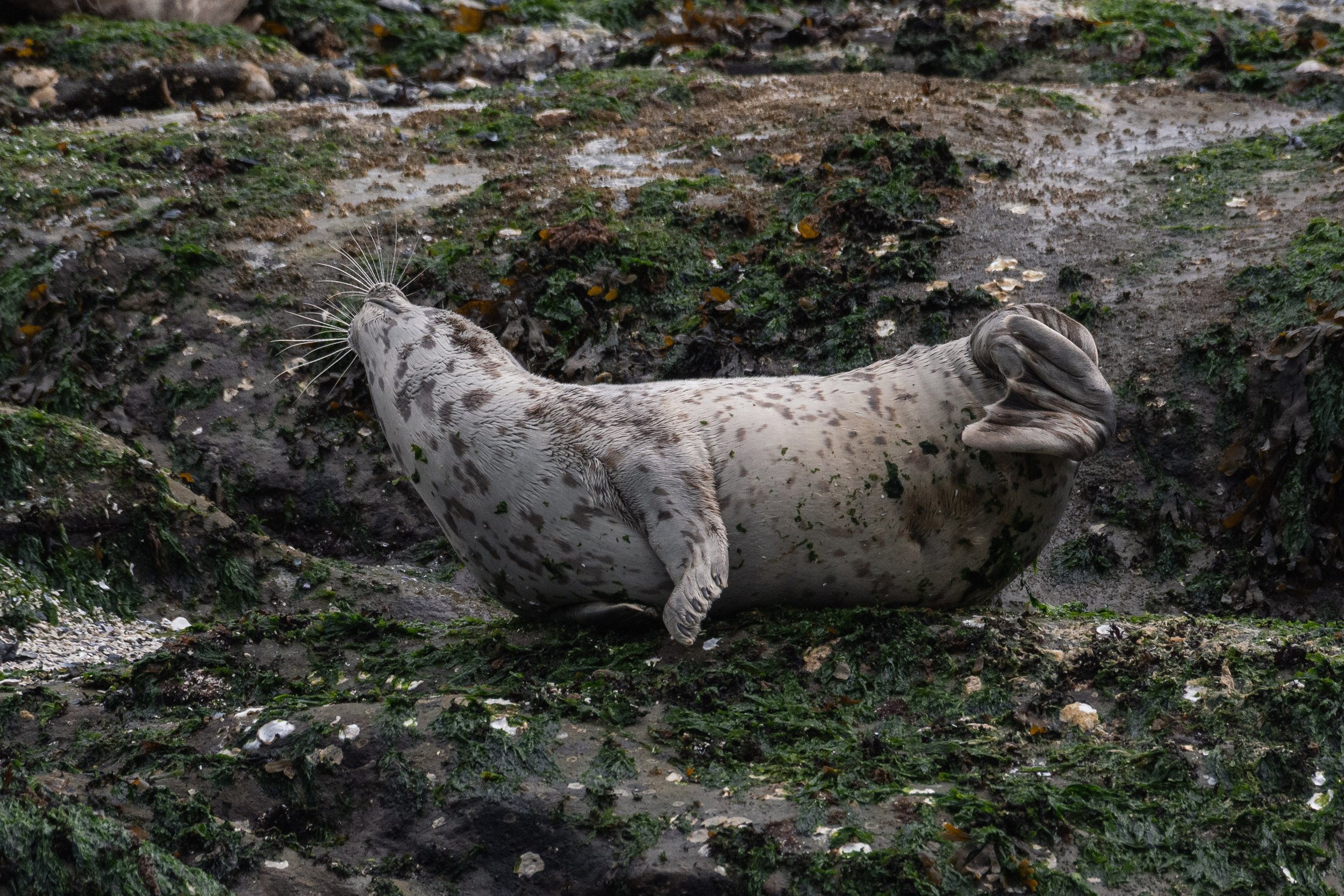
An interesting pose from this Harbour Sea. Photo by Evan Hessels.
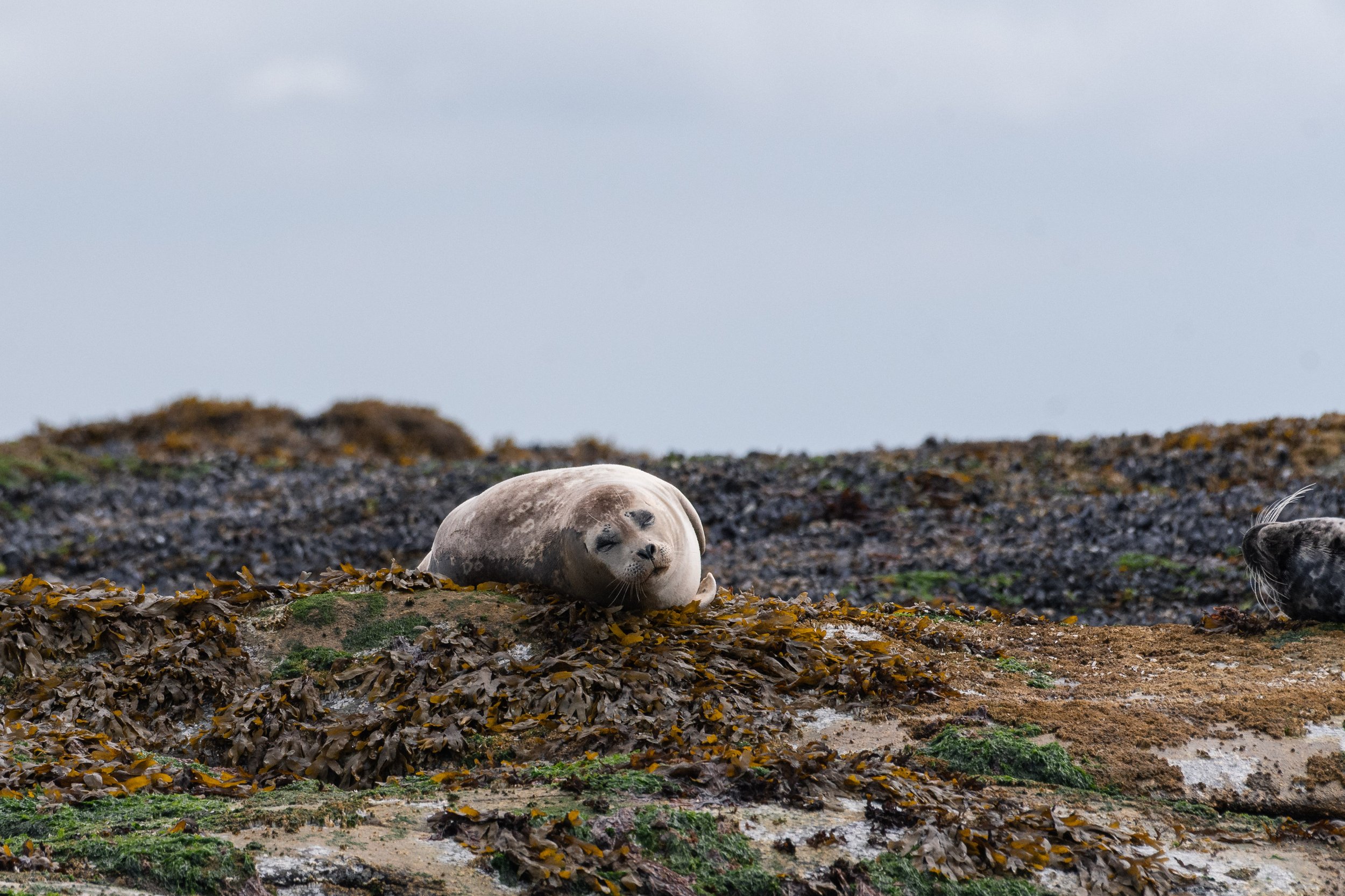
A Harbour Seal lounging on the seaweed. Photo by Evan Hessels.
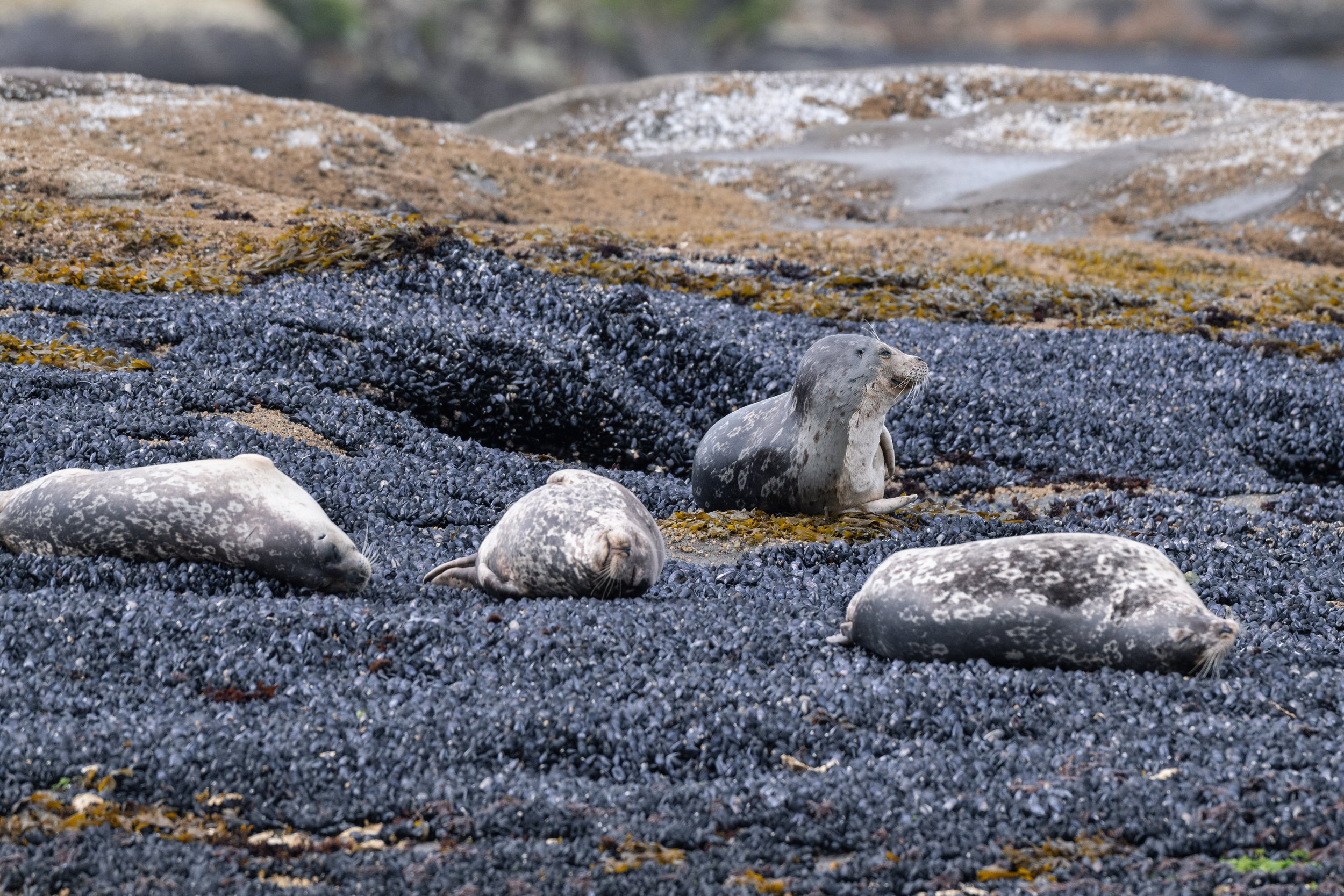
These mussels don’t look as comfortable as the kelp does for these Harbour Seals. Photo by Aly Kohlman.
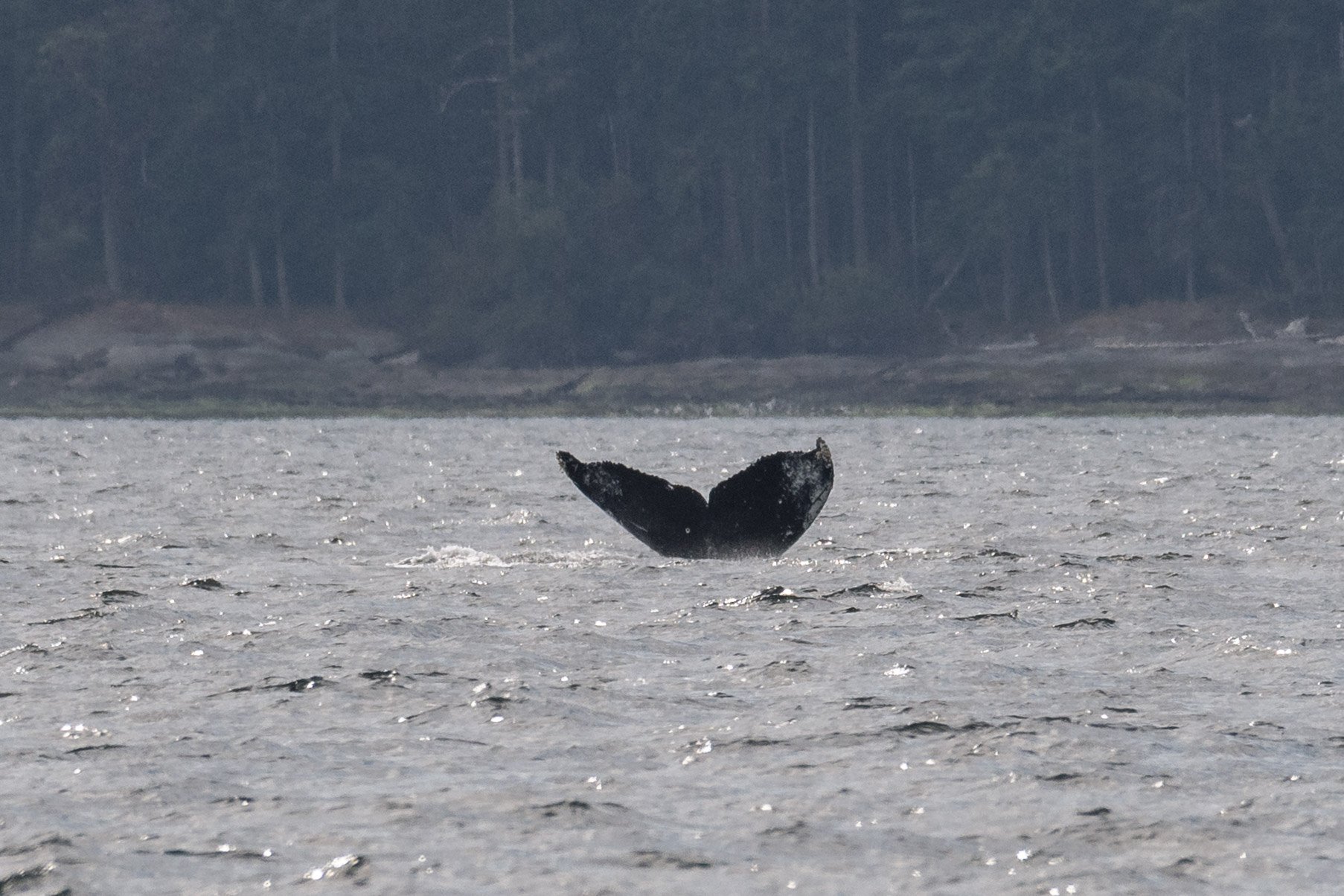
Holey Moley’s tail as they dive. Photo by Evan Hessels.
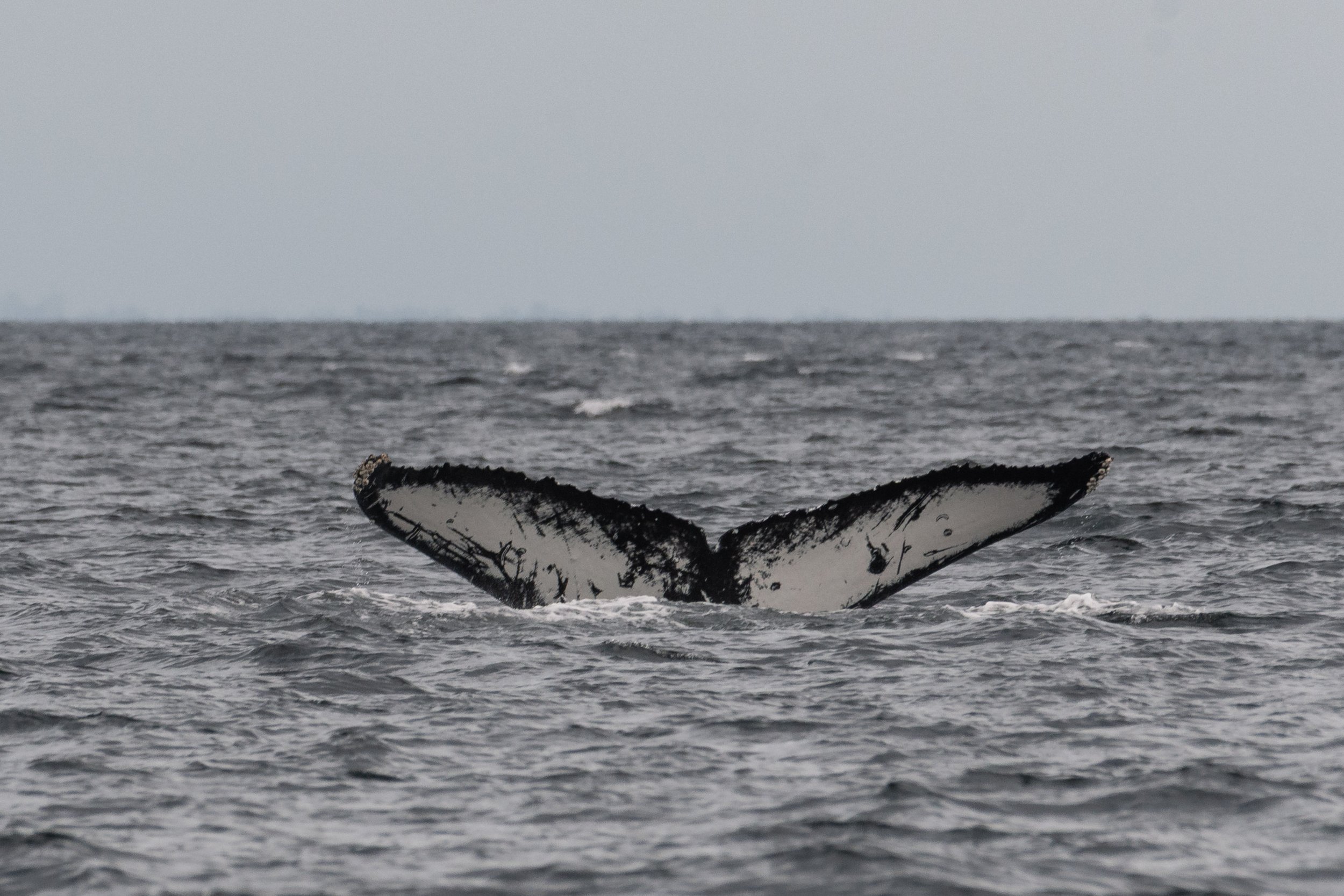
The underside of Chi’s tail as he dives. Photo by Evan Hessels.
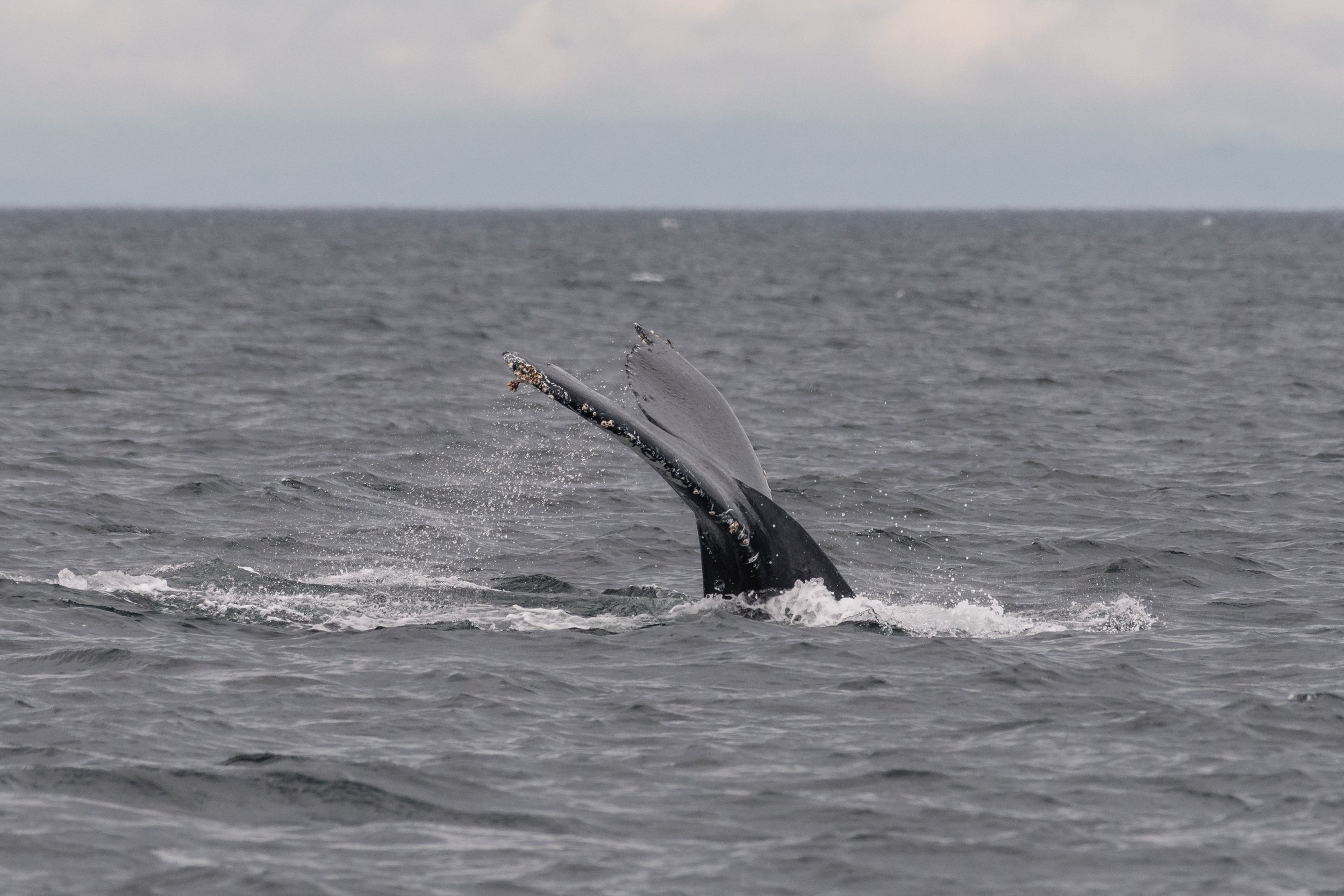
A fluke waterfall from Holey Moley as they dive. Photo by Evan Hessels.
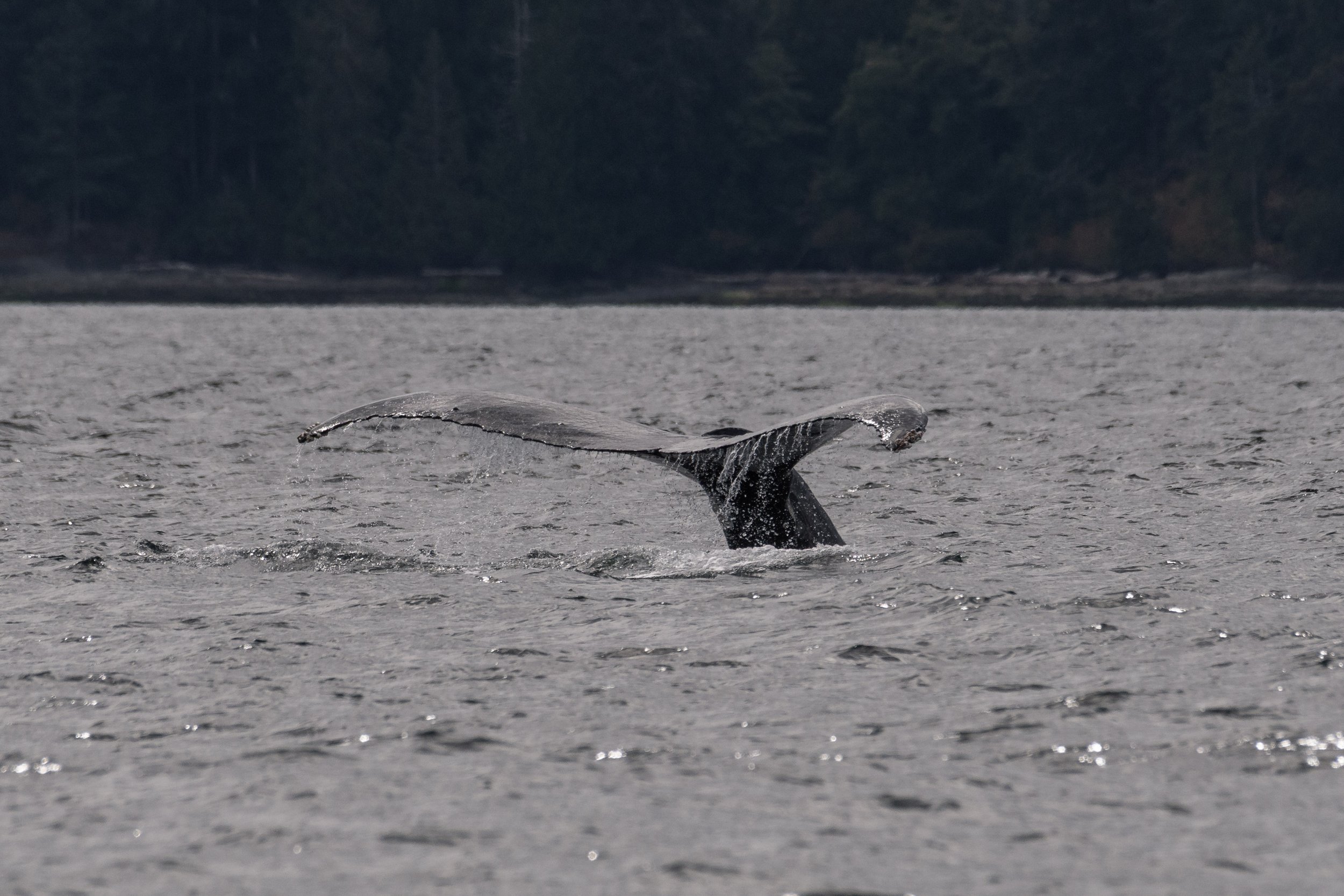
A fluke waterfall from Chi as he dives. Photo by Evan Hessels.
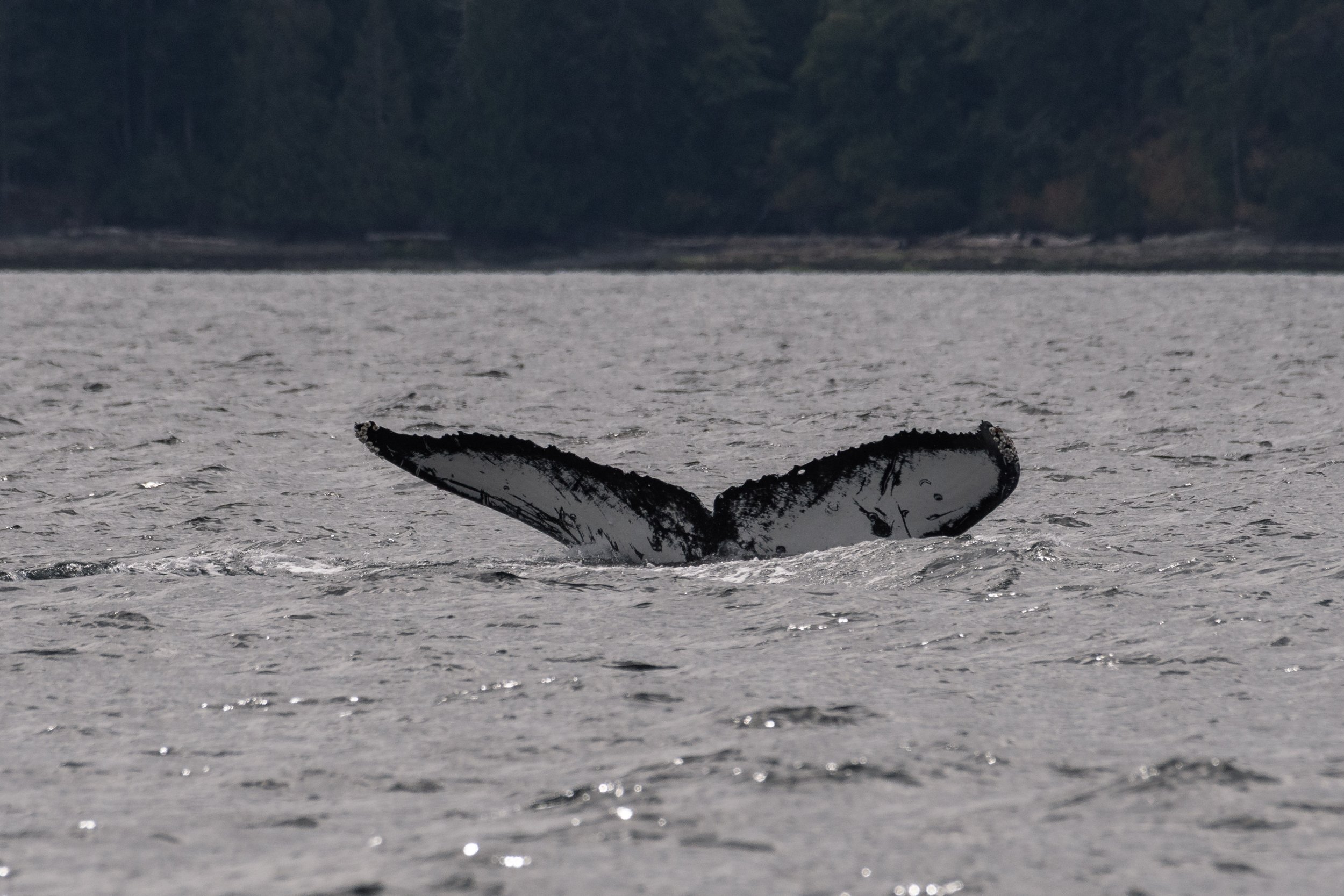
This very white tail belongs to Chi. Photo by Evan Hessels.
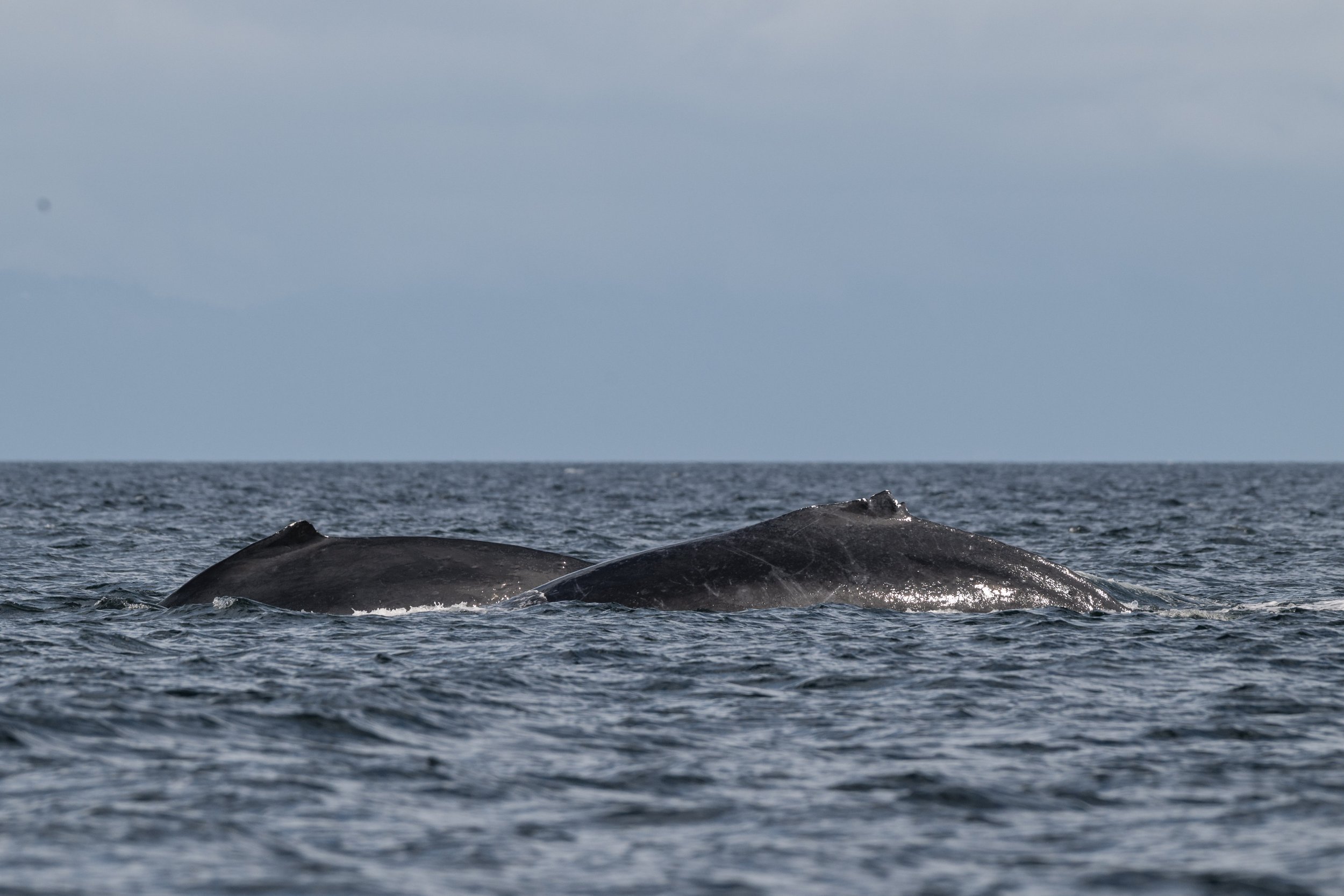
Zig Zag (left) and Split Fin (right) surfacing together. Photo by Aly Kohlman.
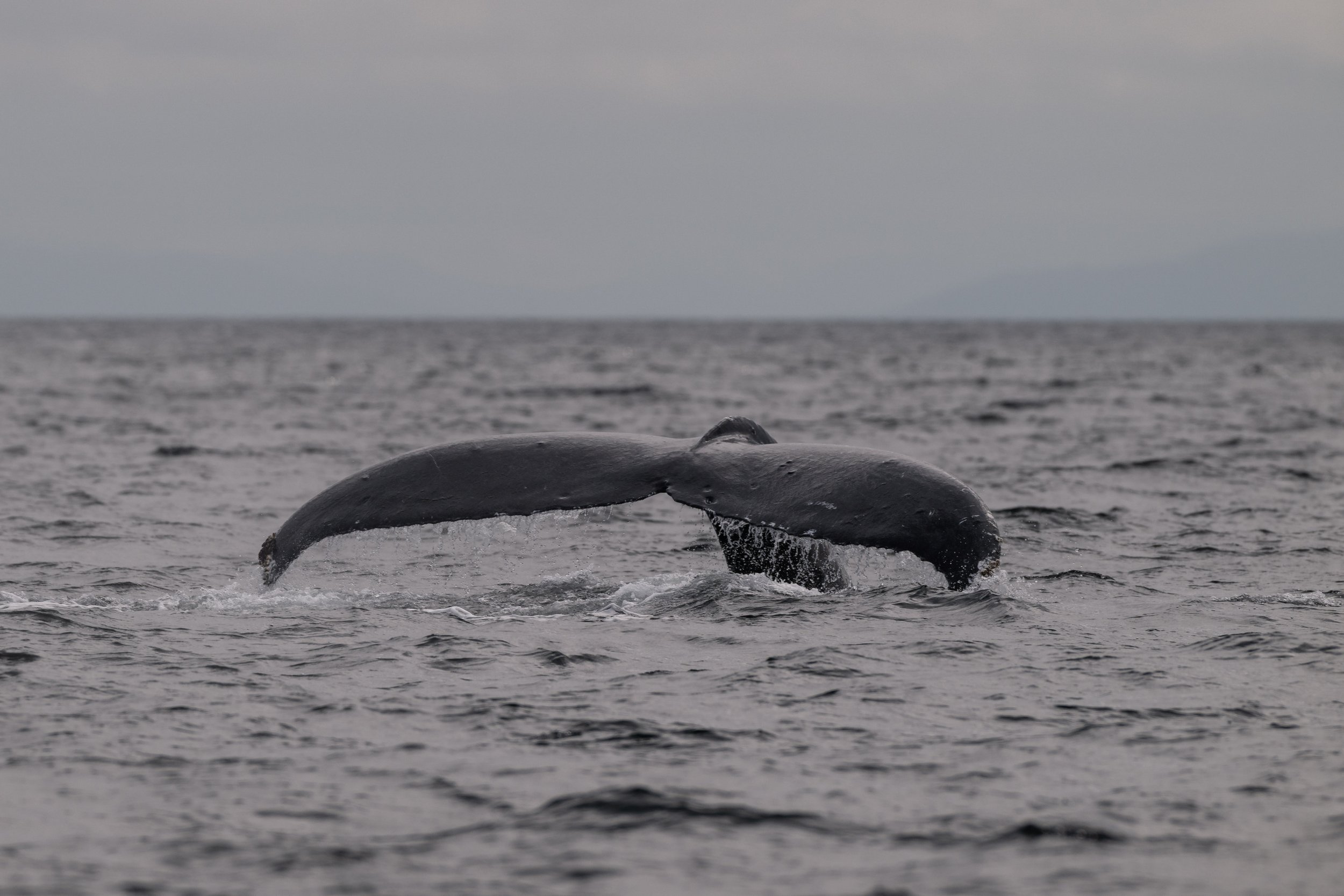
BCX2316 going for a dive. Photo by Aly Kohlman.
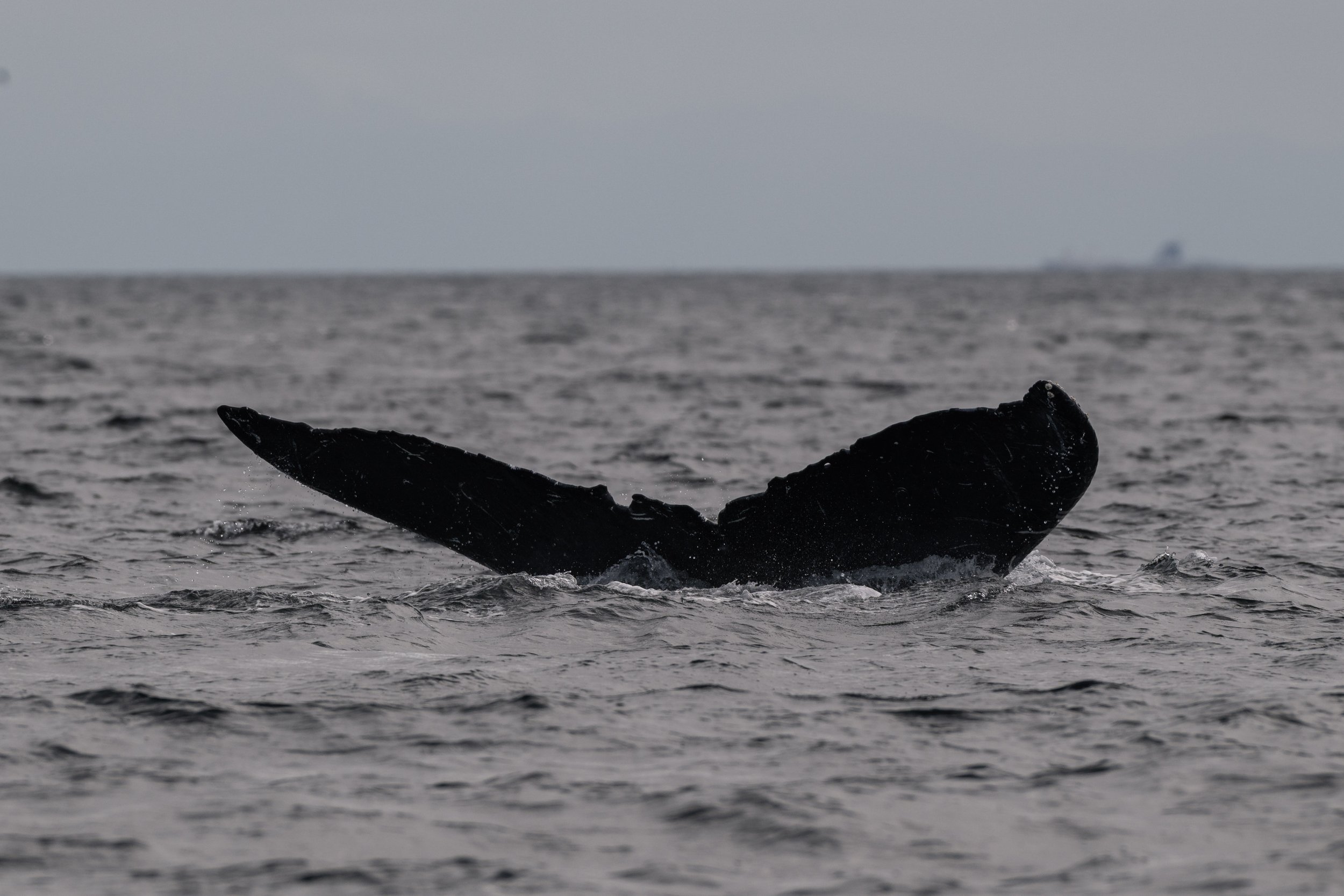
The underside of Bond’s tail as he dives. Photo by Aly Kohlman.
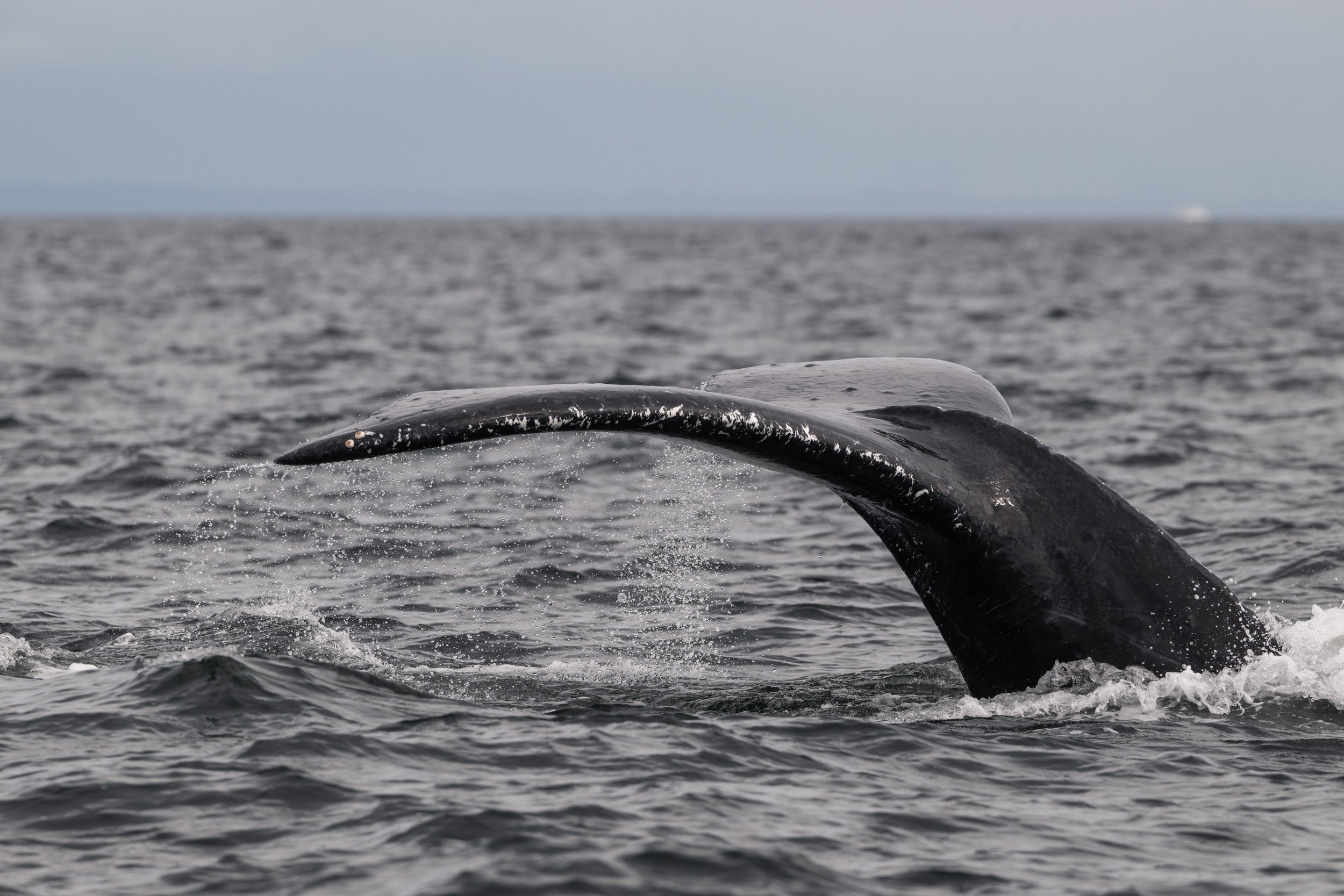
Split Fin going for a dive. Photo by Aly Kohlman.
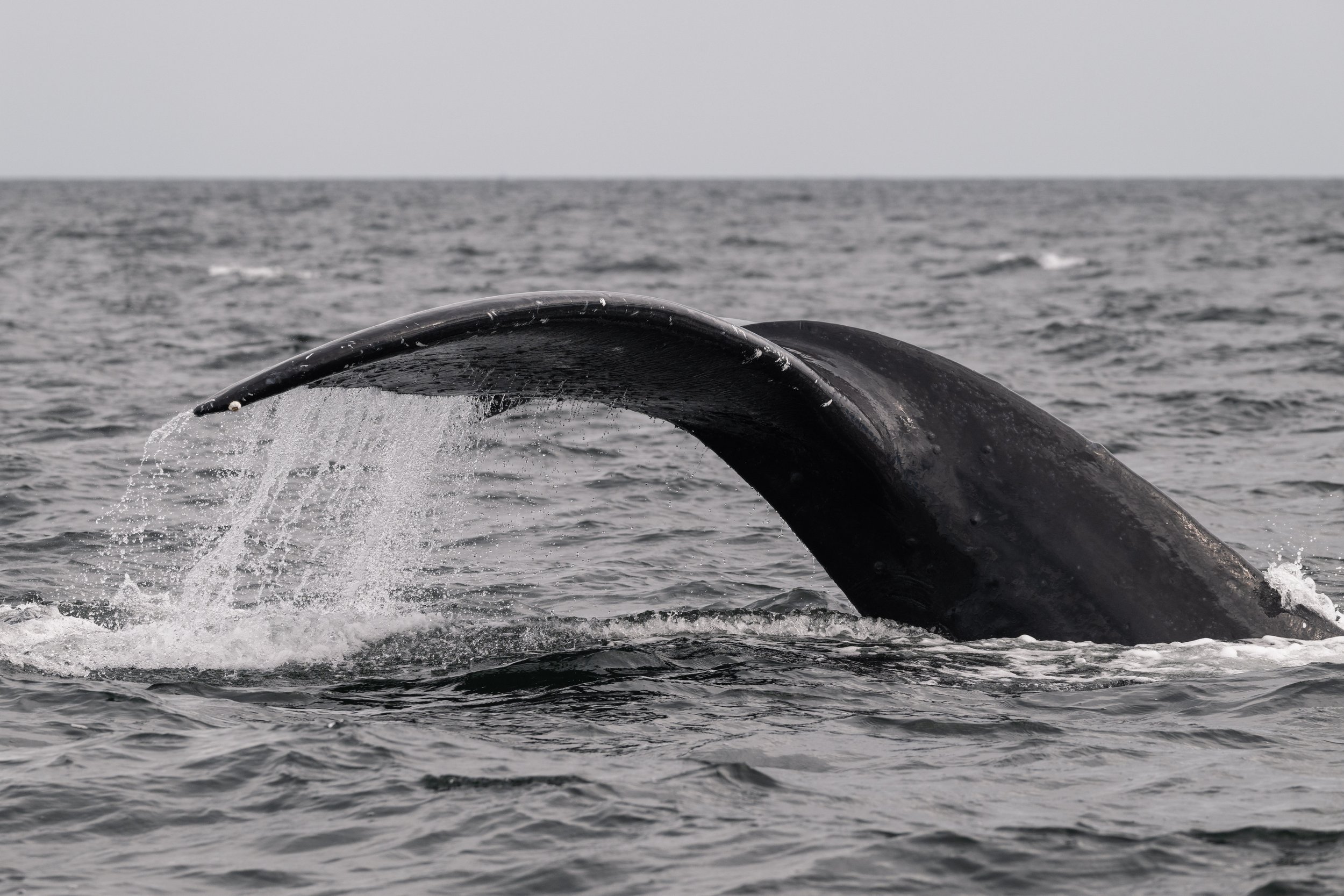
Zig Zag giving a big fluke waterfall as she dives. Photo by Aly Kohlman.
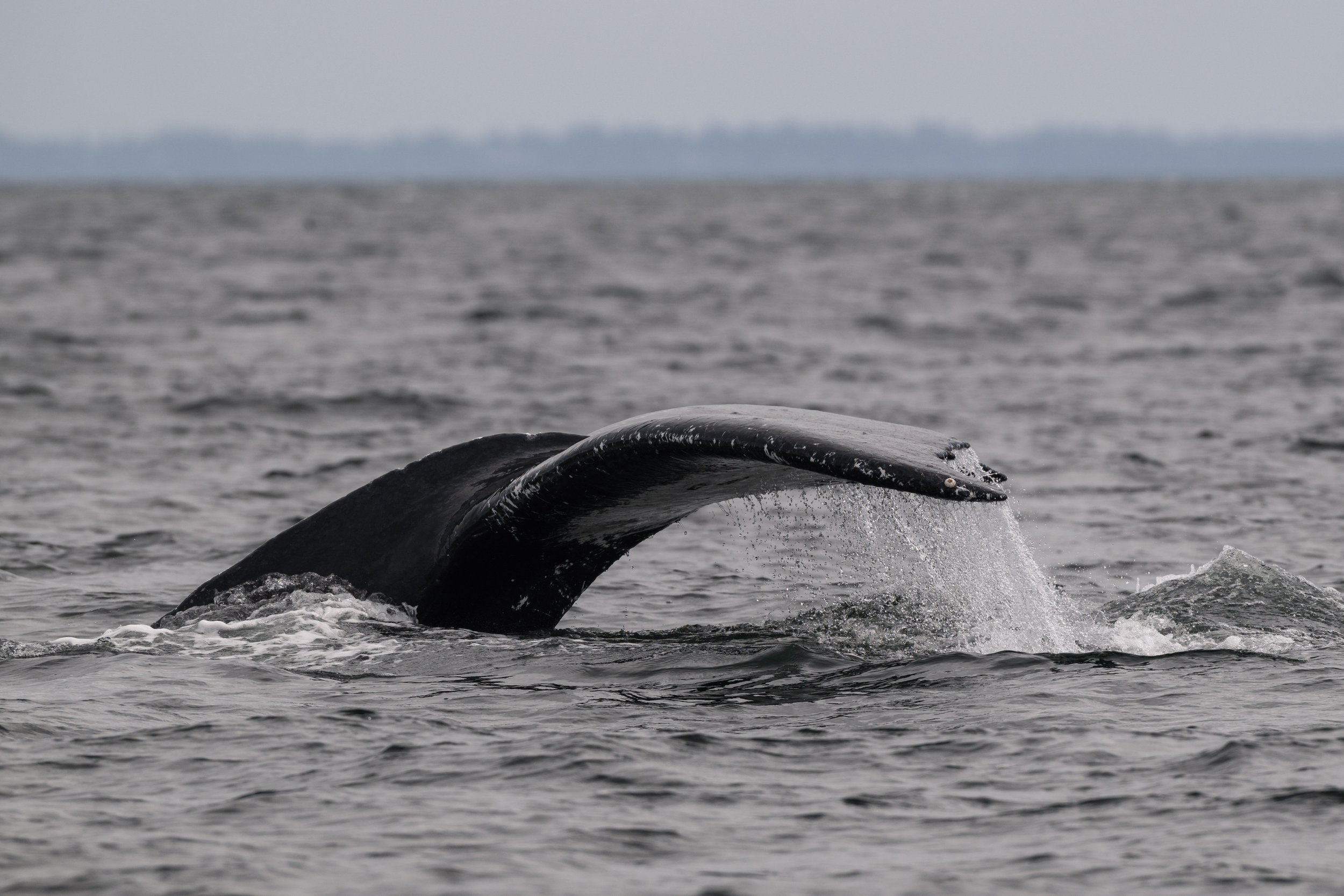
Another Fluke waterfall as Split Fin dives. Photo by Aly Kohlman.
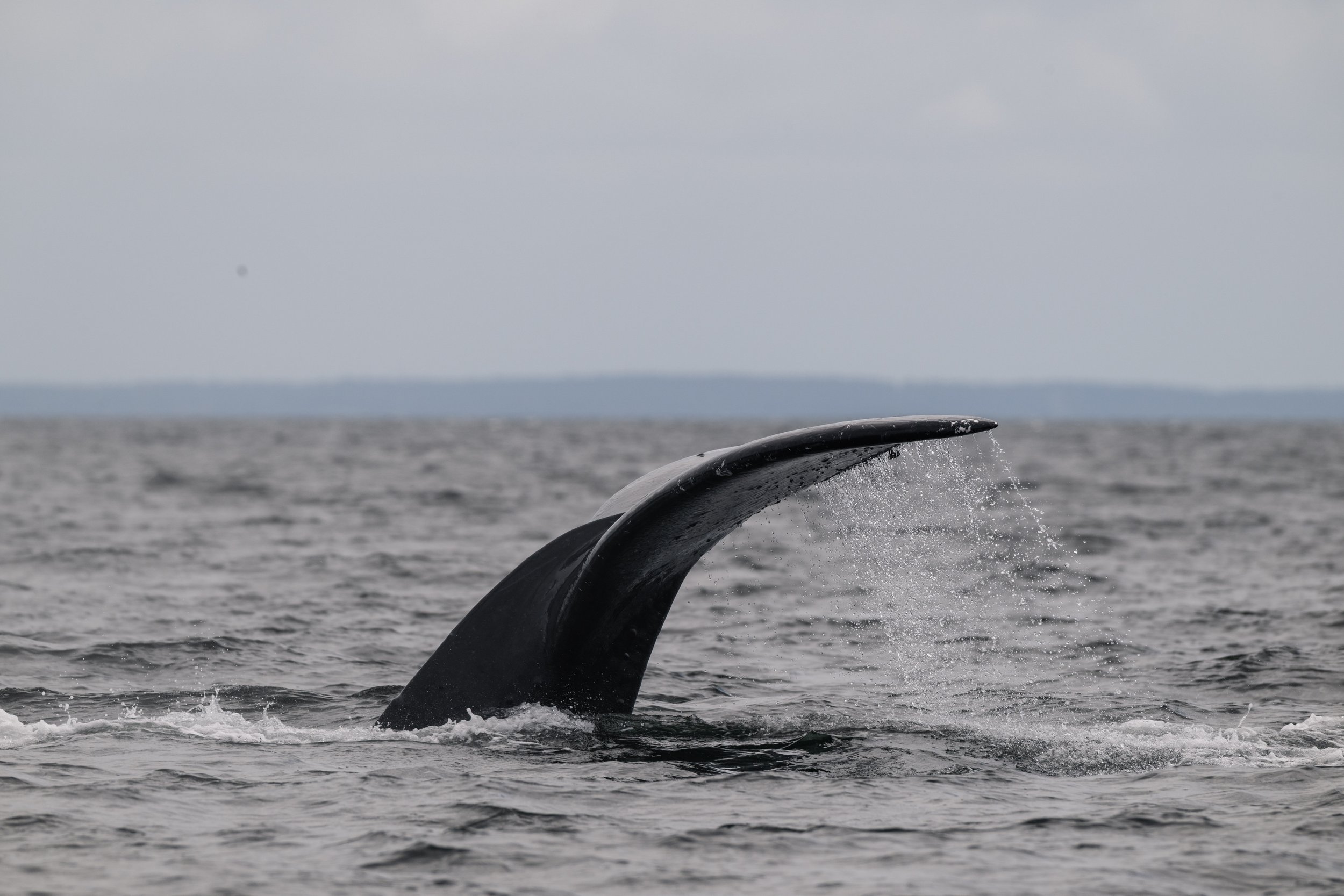
Zig Zag lifting her tail high to dive. Photo by Aly Kohlman.
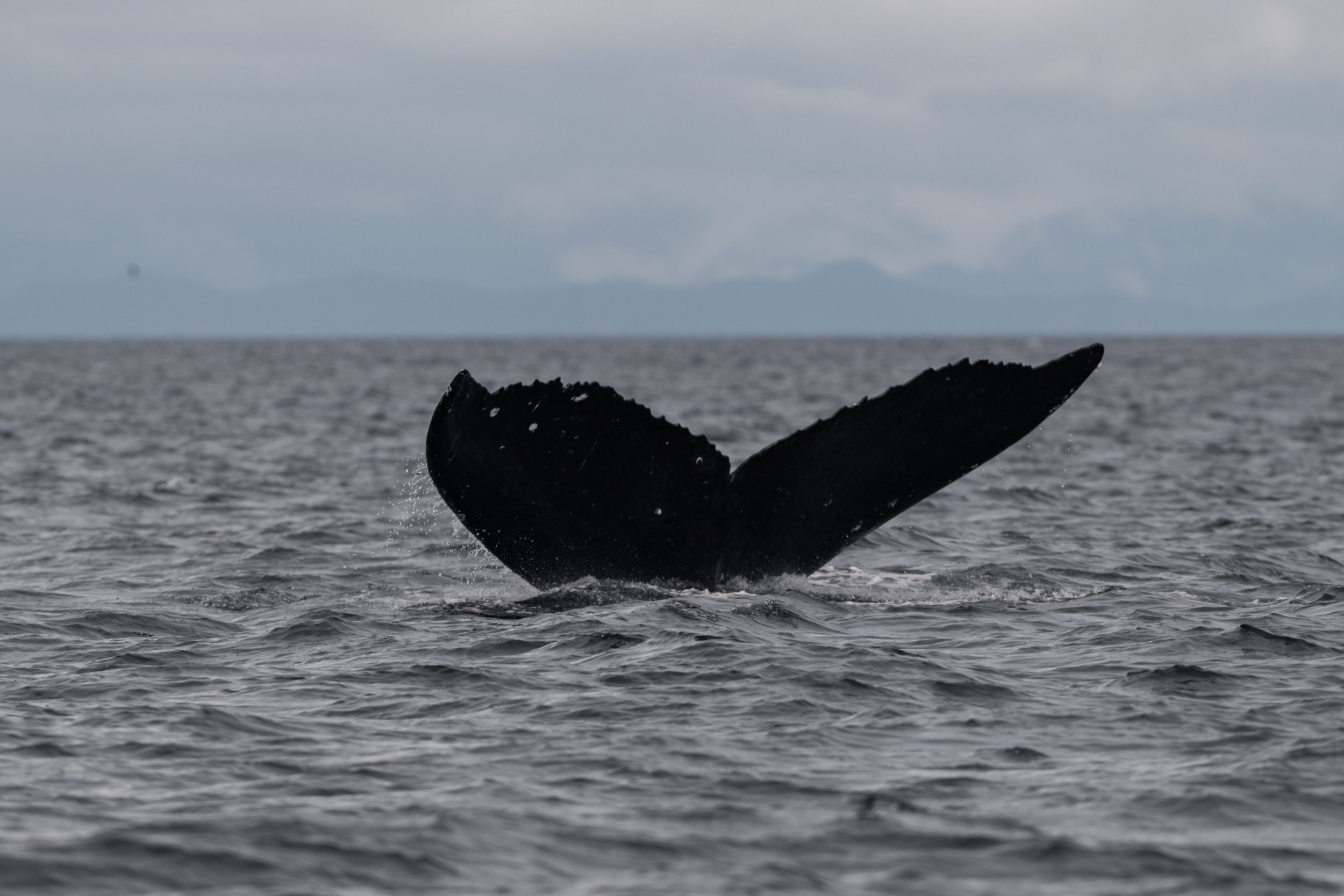
The underside of Zig Zag’s tail as she dives below the surface. Photo by Aly Kohlman.
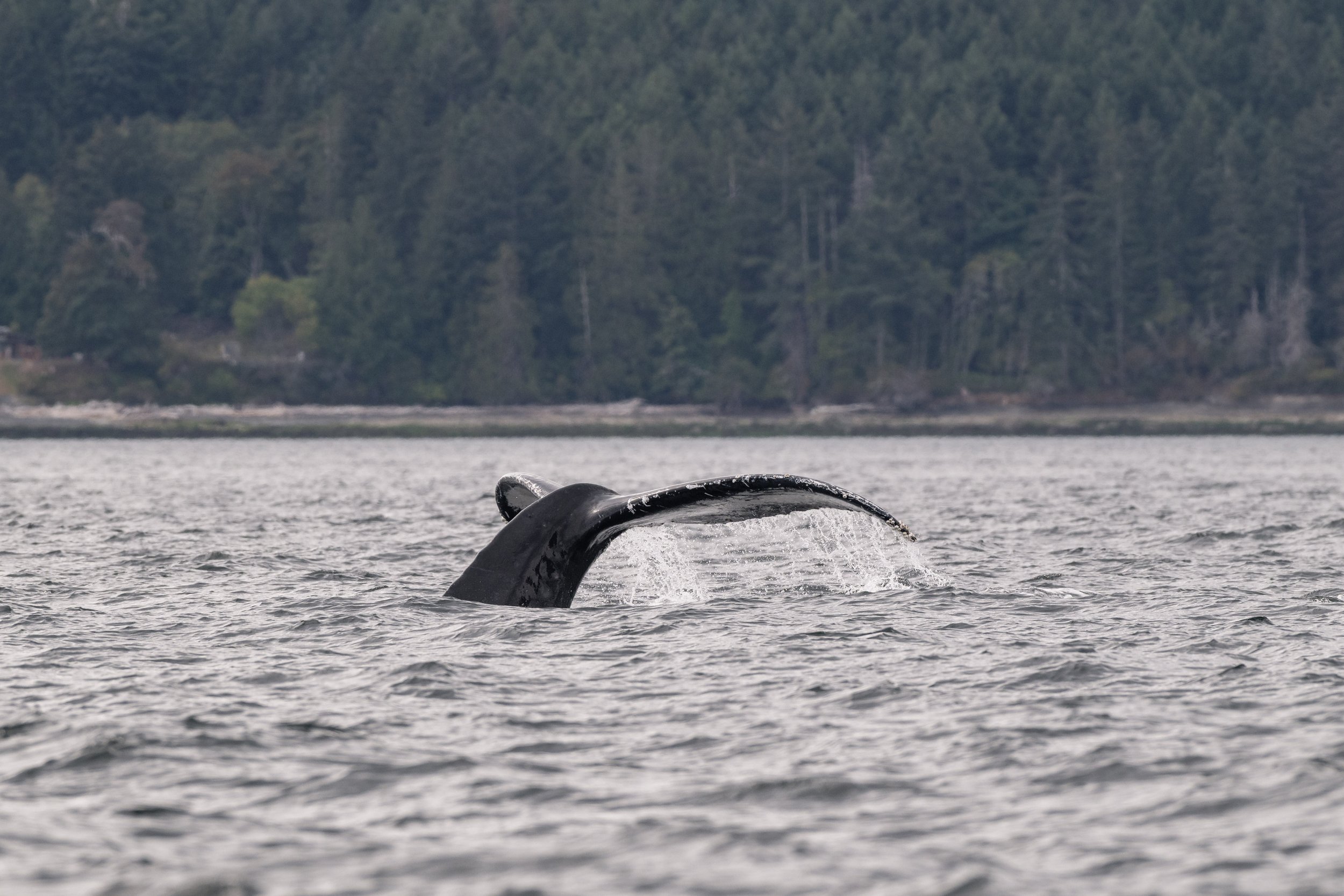
A lovely look at Chi as he dives. Photo by Aly Kohlman.
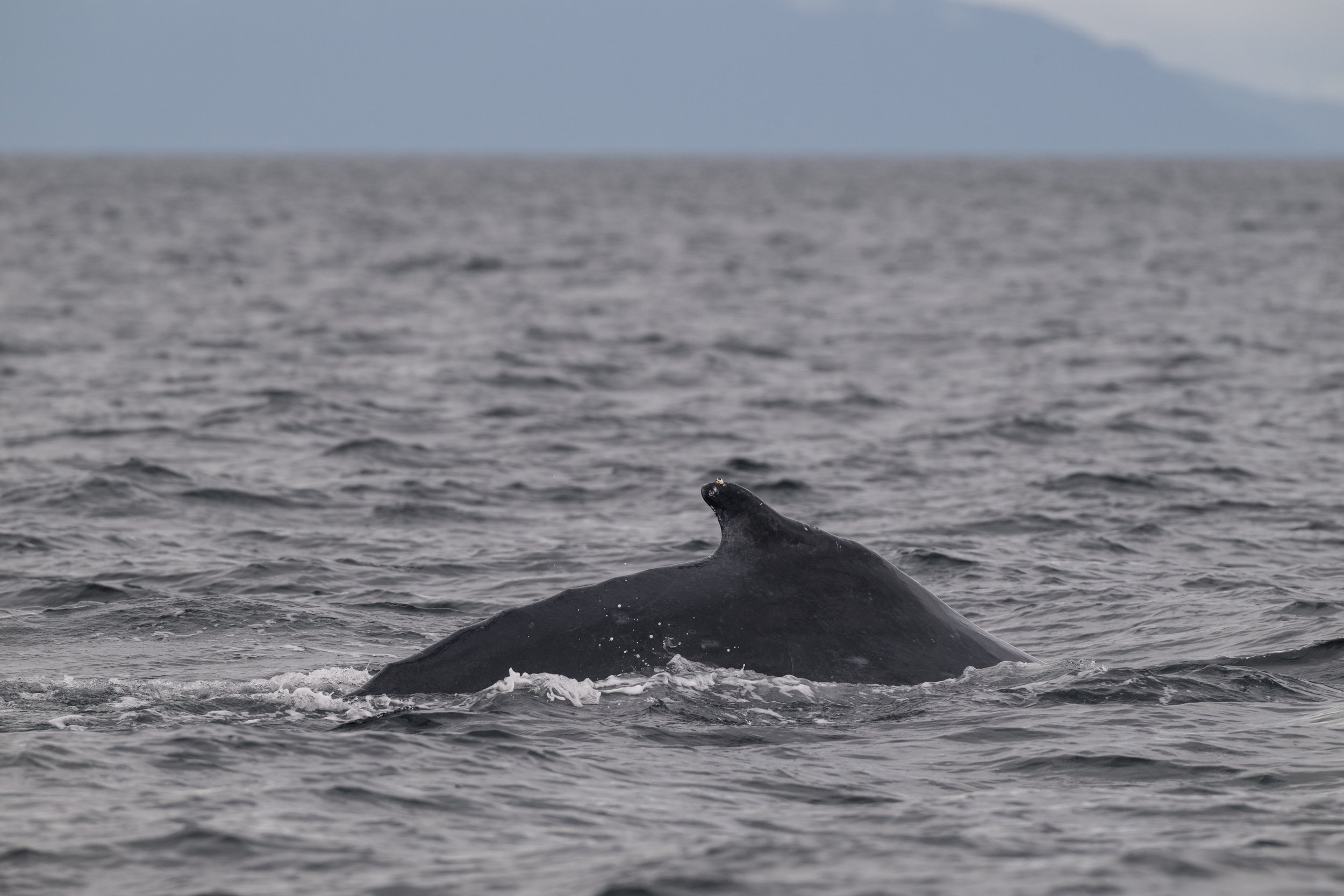
Holey Moley’s dorsal fin. Photo by Aly Kohlman.
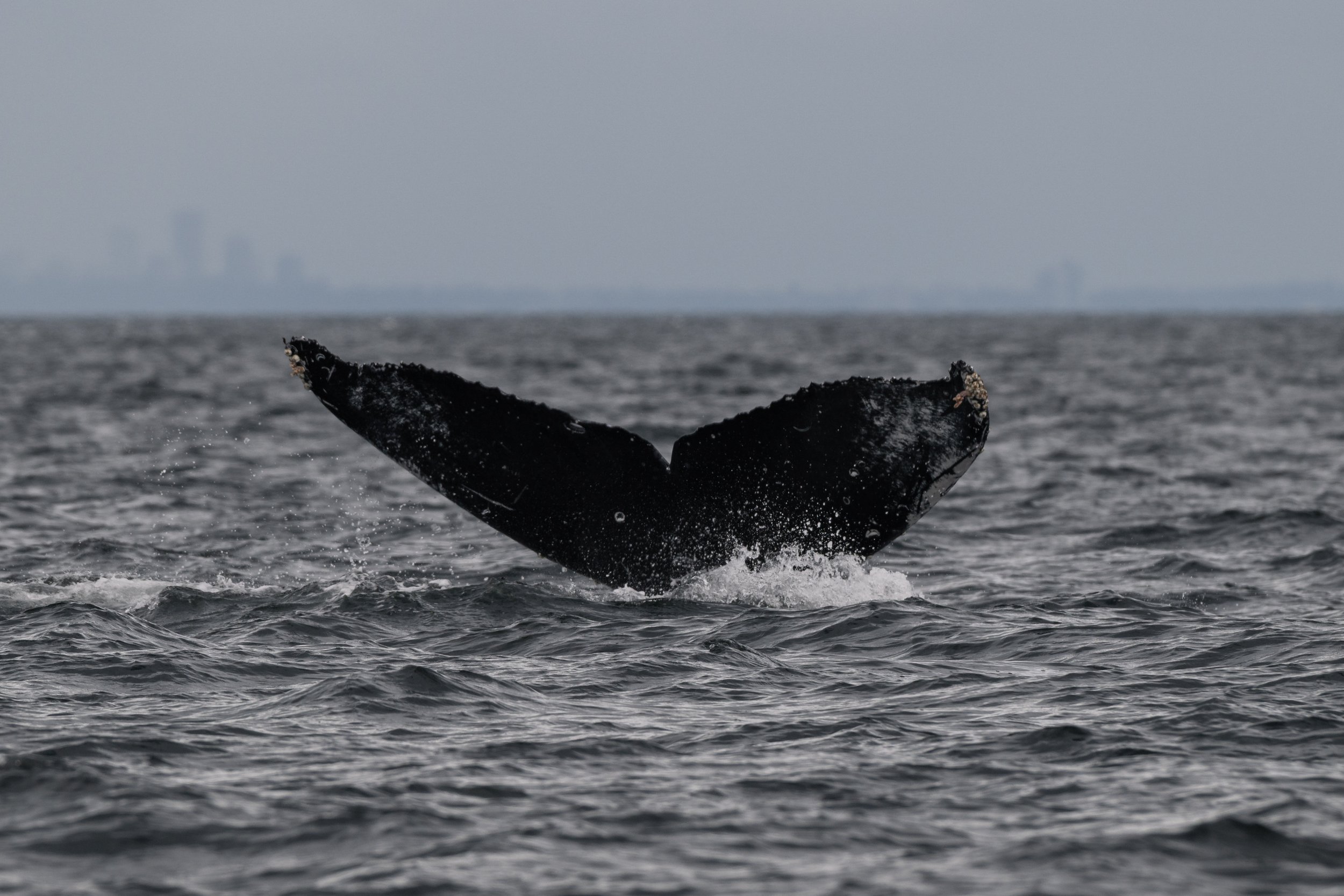
The underside of Holey Moley’s tail as he dives. Photo by Aly Kohlman.