
August 28, 2026, 3:30 PM - Where Orca Gather and Humpbacks Feed
Two boats left Nanaimo once again for an afternoon on the water, with a report of orca travelling somewhere to the south. It was going to be a long journey to reach them, but when there is word of whales in the area, sometimes the best encounters begin with a little patience and a lot of distance covered.
We headed south through the Gulf Islands, weaving our way toward the Strait of Georgia before continuing even farther south. Mile by mile, the landscape changed around us as we made our way toward the reported location. Eventually, we arrived near Samuel Island and found exactly what we had been hoping for: a group of Bigg’s killer whales travelling together.
But by the time we arrived, we appeared to be catching the very end of a T-party. "T-party" is the informal term often used to describe a large gathering of Bigg’s, also known as Transient, killer whales, where multiple matrilines come together and spend time travelling and socializing as a larger group. These gatherings can be fascinating to watch because they bring together whales that may otherwise spend much of their time travelling and hunting within their smaller family groups.
The group we found was already beginning to break apart. Individual matrilines were peeling away from the larger gathering and heading in different directions, gradually spreading back out across the area. While Bigg’s killer whales are highly social animals and clearly enjoy spending time together, there is a practical reason why these large gatherings generally do not last forever.
Bigg’s killer whales are stealth predators. Their primary prey includes marine mammals such as seals and sea lions, and successfully hunting these animals requires a very different approach from hunting schooling fish. Their prey can be difficult to approach without being detected, so remaining quiet and inconspicuous can be an important part of the hunt. A large group of whales travelling together is not exactly subtle. More whales means more bodies moving through the water, more animals surfacing, and potentially more noise and activity. For a predator that relies on surprise, that can make hunting more challenging. Once the social gathering has run its course, returning to smaller family groups can make it easier for the whales to spread out, search independently and approach potential prey without announcing their presence quite so loudly.
But not everything these whales do has to be about finding food. Bigg’s killer whales are remarkably social, and gatherings like this provide opportunities for them to interact with members of other family groups. They may travel together, play, communicate and spend time in close proximity before eventually separating again. For us, it offers a rare glimpse into the social side of a population that we often see in smaller, tightly connected family groups.
As the larger gathering dispersed, we were able to spend some quality time with one family in particular: the T166As. This was especially exciting because the T166As are relatively rare visitors to this part of the coast. The range of the West Coast Bigg’s killer whale population is enormous, stretching from the waters of southern Alaska all the way down to northern California. Within that vast range, individual families develop their own patterns and preferences. Some are frequently encountered in particular regions, while others may travel hundreds of kilometres between sightings.
For the T166As, their movements are a little harder to piece together. There are not many publicly available sightings of this family compared with some of the more frequently encountered groups, which means we have less information about where they prefer to spend their time or how regularly they pass through different areas. Every encounter therefore adds another small piece to the puzzle.
It is one of the fascinating things about following individual killer whales. We are not simply watching an anonymous pod pass through. Each encounter can contribute to a growing understanding of where these families travel, which other whales they associate with and how they use the extensive coastline that makes up their home range. As the T-party continued to disperse, we also caught glimpses of the T065Bs and T049As. But the large gathering was not going to last. The individual family groups continued to spread out, returning to their own paths through the Strait.
After such a long journey south, it was time for us to turn north once again. Our return trip brought another surprise. Scattered across the water ahead of us were blows from humpback whales. As we got closer, it became clear that this was more than just one or two whales passing through. We had found what we like to call "Humpback Soup." There were two pairs of humpbacks that we were able to spend time with, while numerous other blows appeared farther off in the distance. Everywhere we looked, there seemed to be another whale surfacing.
The whales appeared to be feeding, and when humpbacks begin concentrating in an area like this, there is usually a very good reason. Humpback whales are filter feeders, and much of their summer is spent searching for dense concentrations of prey. Rather than simply spreading themselves evenly across the enormous expanse of the Strait of Georgia, they can concentrate in particular areas where oceanographic conditions have gathered food into productive patches. These feeding hotspots can form when currents, tides, temperature changes and underwater features bring nutrients into the upper layers of the ocean. Those nutrients support plankton, which support small fish and other prey, creating the foundation for the larger predators that eventually arrive.
When a patch of prey is particularly productive, it can attract multiple humpbacks from across the region. That does not necessarily mean all of the whales are travelling as one social group. Instead, several whales or pairs can be feeding in the same productive area while maintaining their own space and following their own strategies. From our perspective, however, the result can look like a whole section of ocean has suddenly come alive with blows, dorsal fins and flukes appearing in every direction.
After spending time surrounded by humpback activity, we began the final leg of our journey north toward Nanaimo. Before returning to the harbour, we made one last stop at a familiar location. At Stinky Rock, Harbour Seals were hauled out and resting on the rocks, offering a much quieter ending to a day that had taken us from Nanaimo, through the Gulf Islands and far south into the Strait of Georgia.
It had been a long afternoon on the water, but the distance was well worth it. We had watched the end of a large gathering of Bigg’s killer whales, spent time with the rarely encountered T166As, and then found ourselves surrounded by feeding humpbacks on the journey home. Please enjoy the photos below taken by Marine Naturalists Hayleigh Hilbert and Aly Kolman.
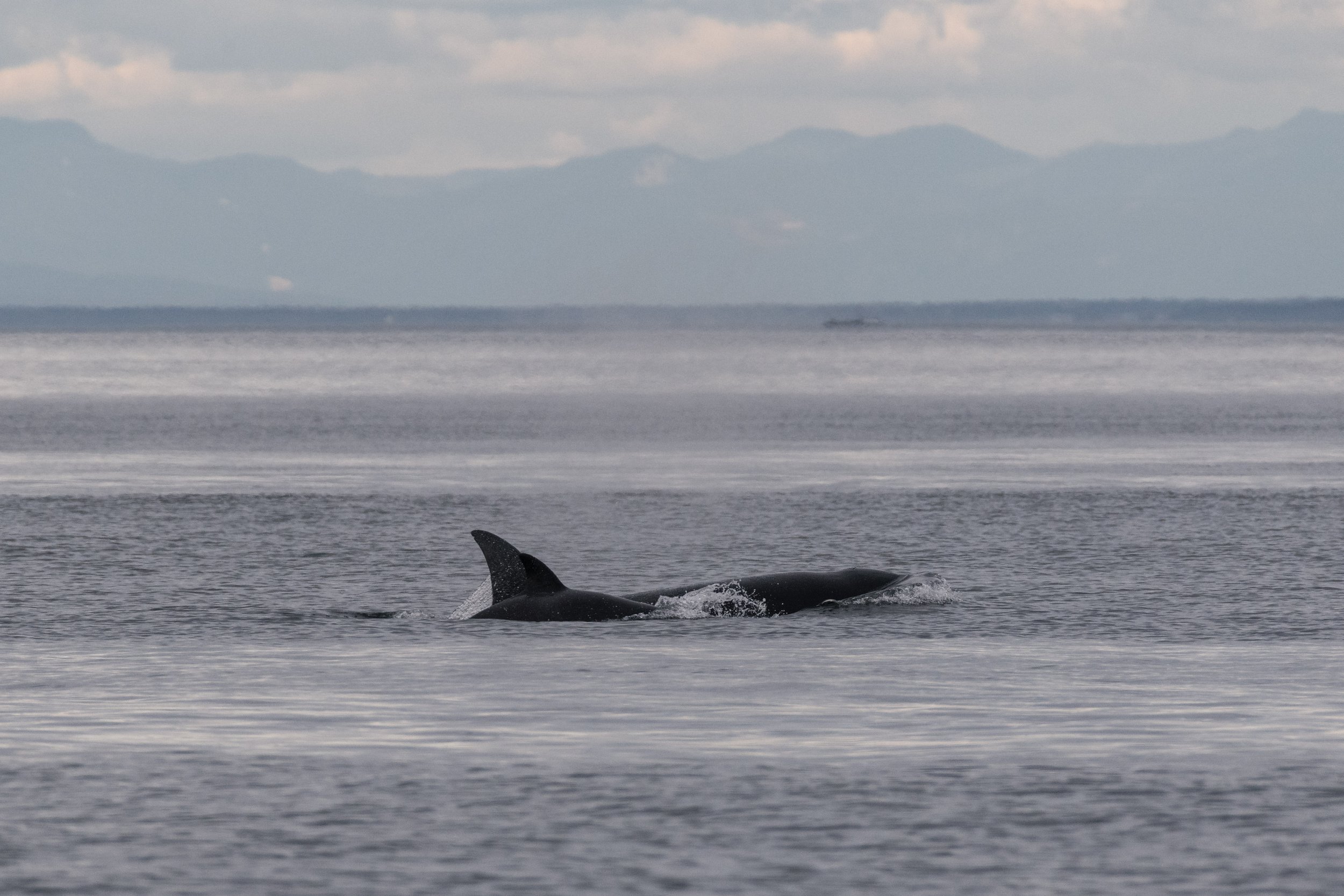
T166A surfacing with her youngest, T166A2. Photo by Hayleigh Hilbert.
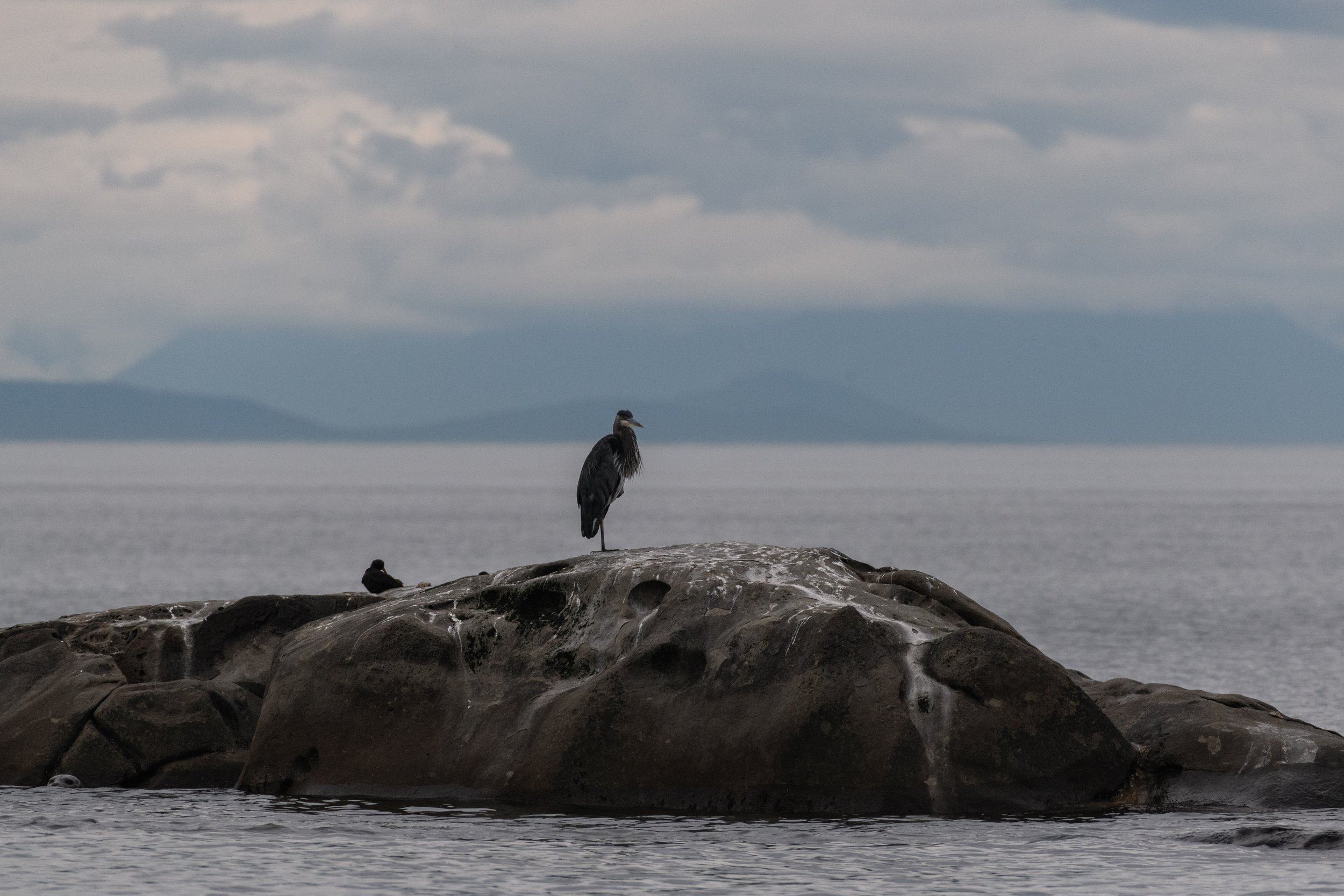
A Great Blue Heron posing on the rocks. Photo by Hayleigh Hilbert.
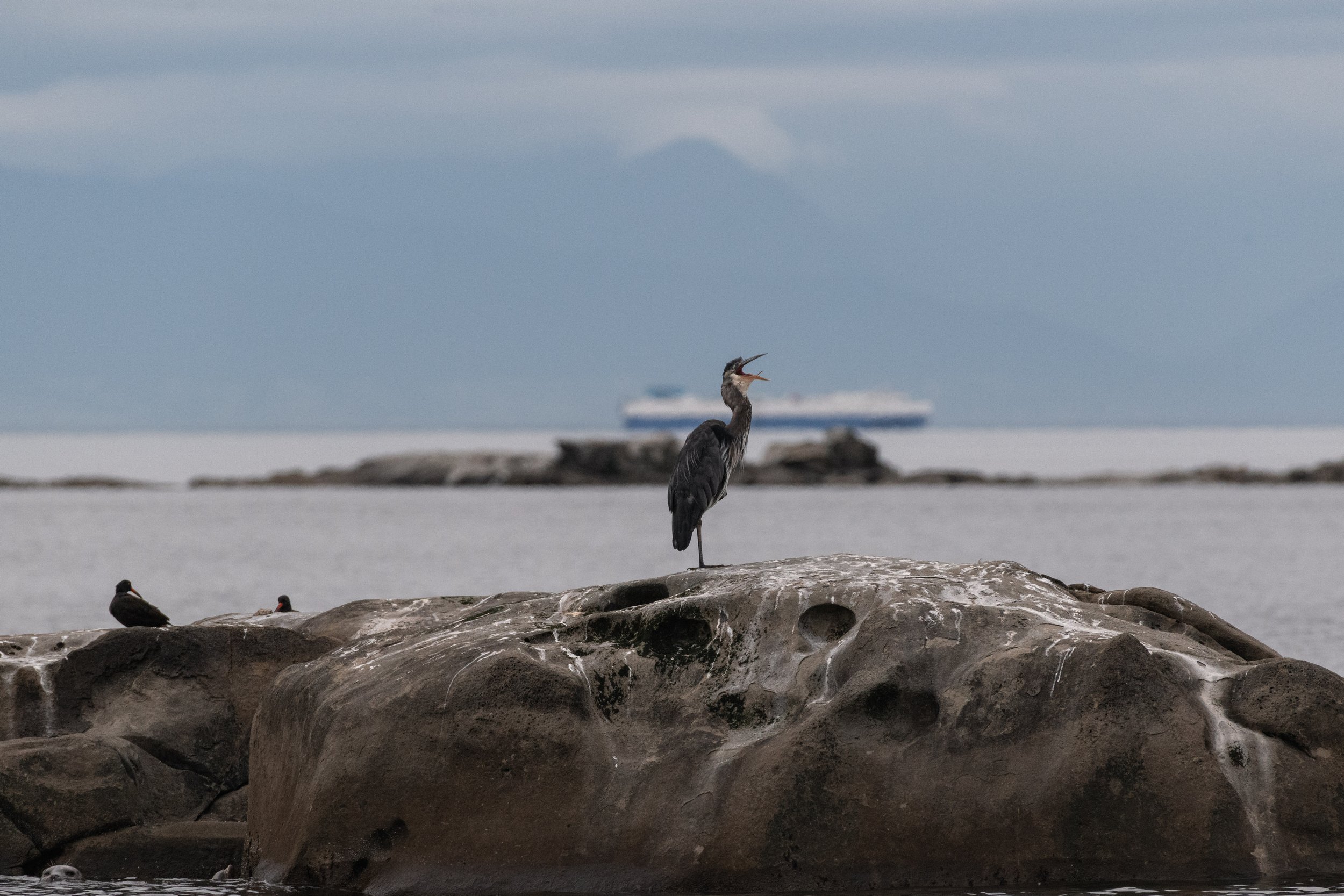
A less majestic look at the Great Blue Heron. Photo by Hayleigh Hilbert.
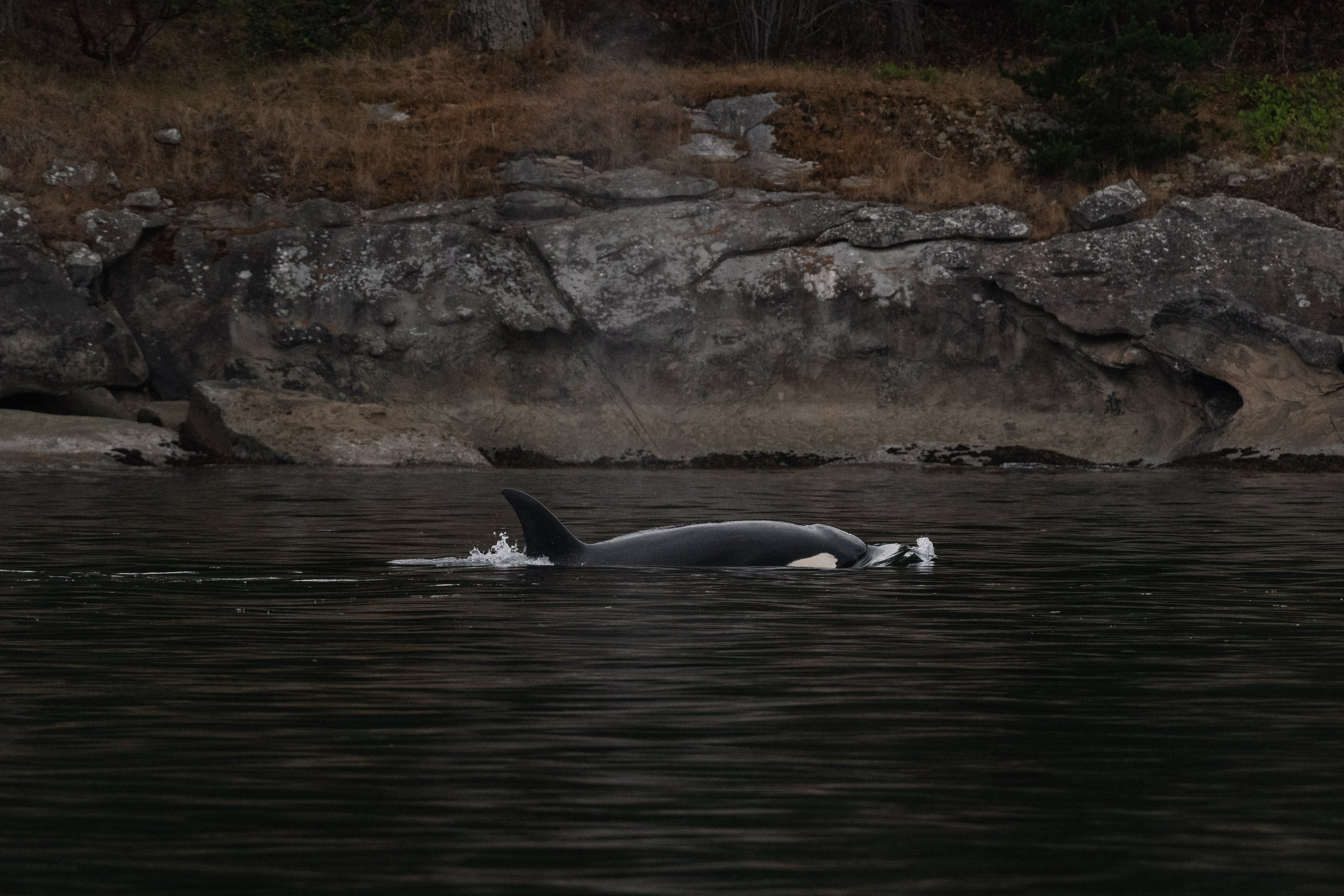
T166A surfacing along Samuel Island. Photo by Hayleigh Hilbert.
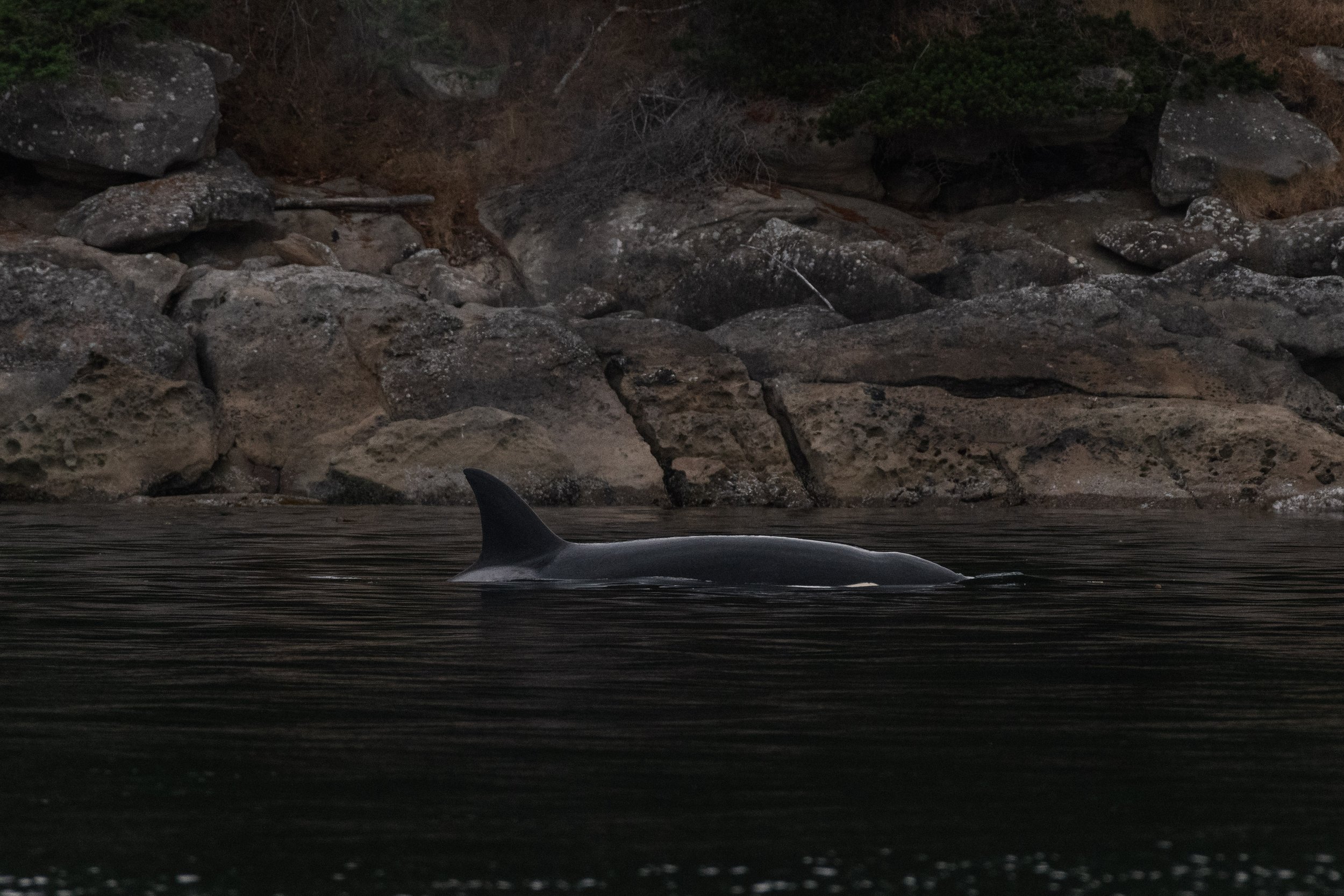
A great look at T166A. Photo by Hayleigh Hilbert.
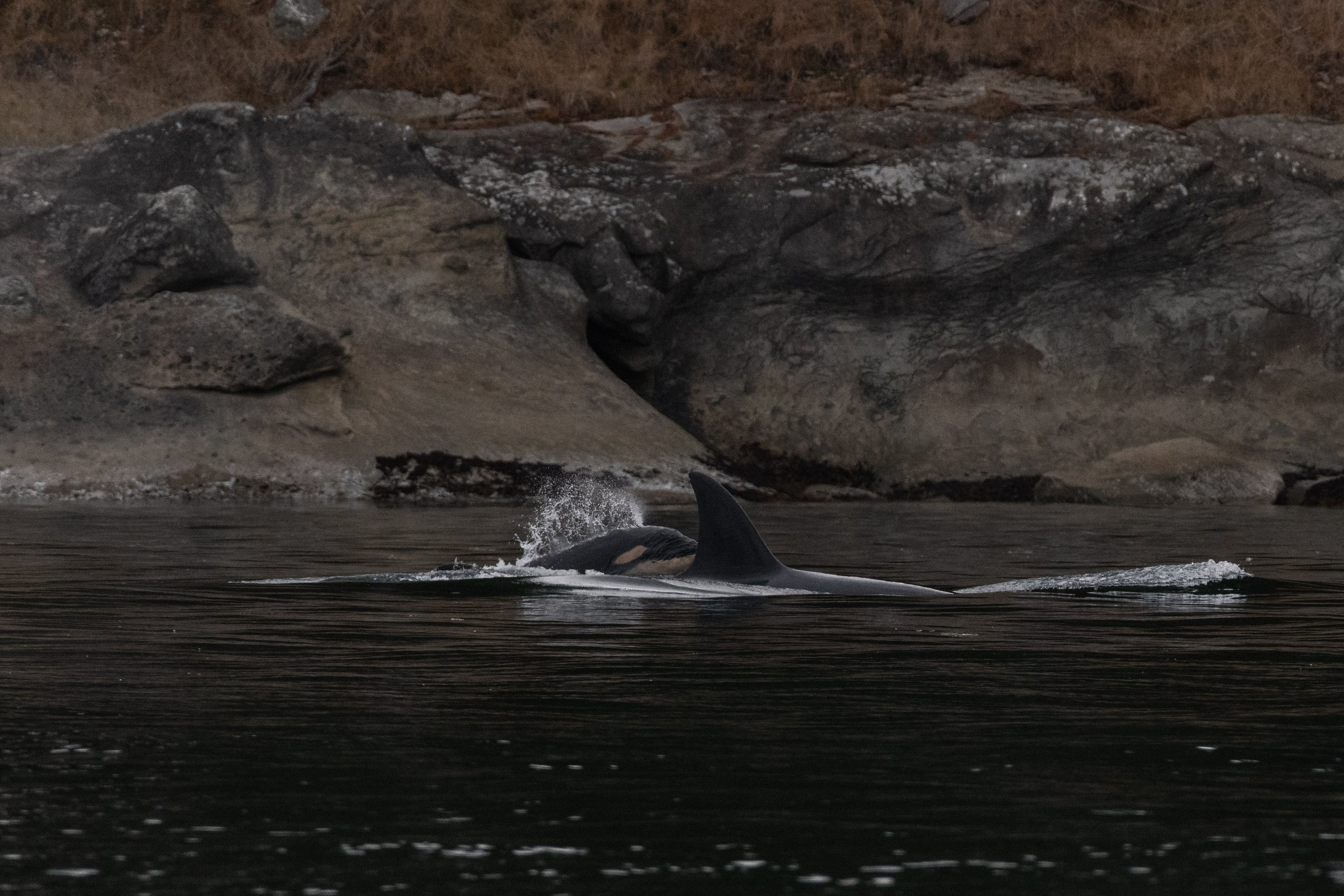
T166A2 surfacing beside their mom, T166A. Photo by Hayleigh Hilbert.
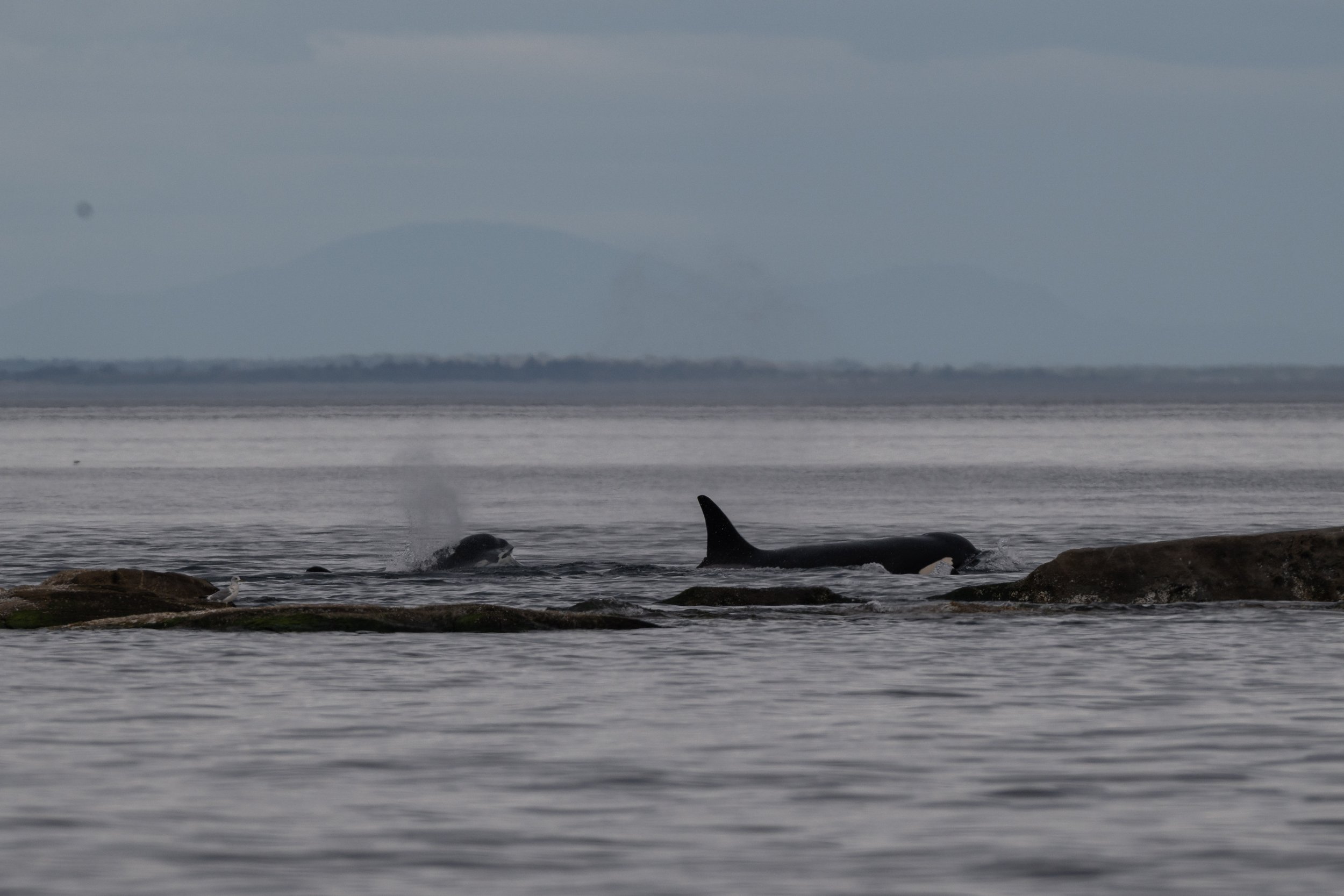
T065B Chunk surfacing on the far side of this islet. Photo by Aly Kohlman.
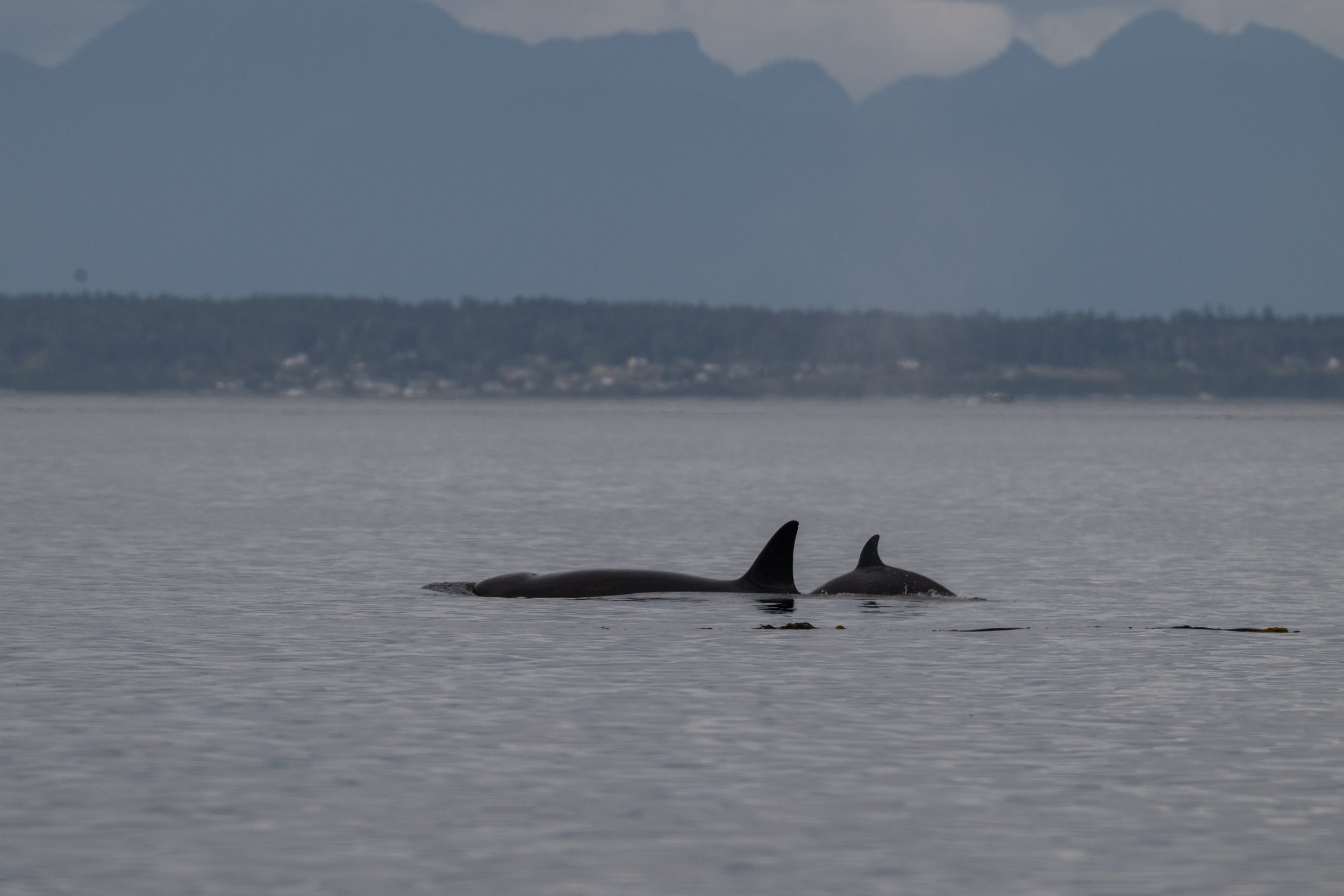
T166A surfacing with her calf, T166A2. Photo by Aly Kohlman.
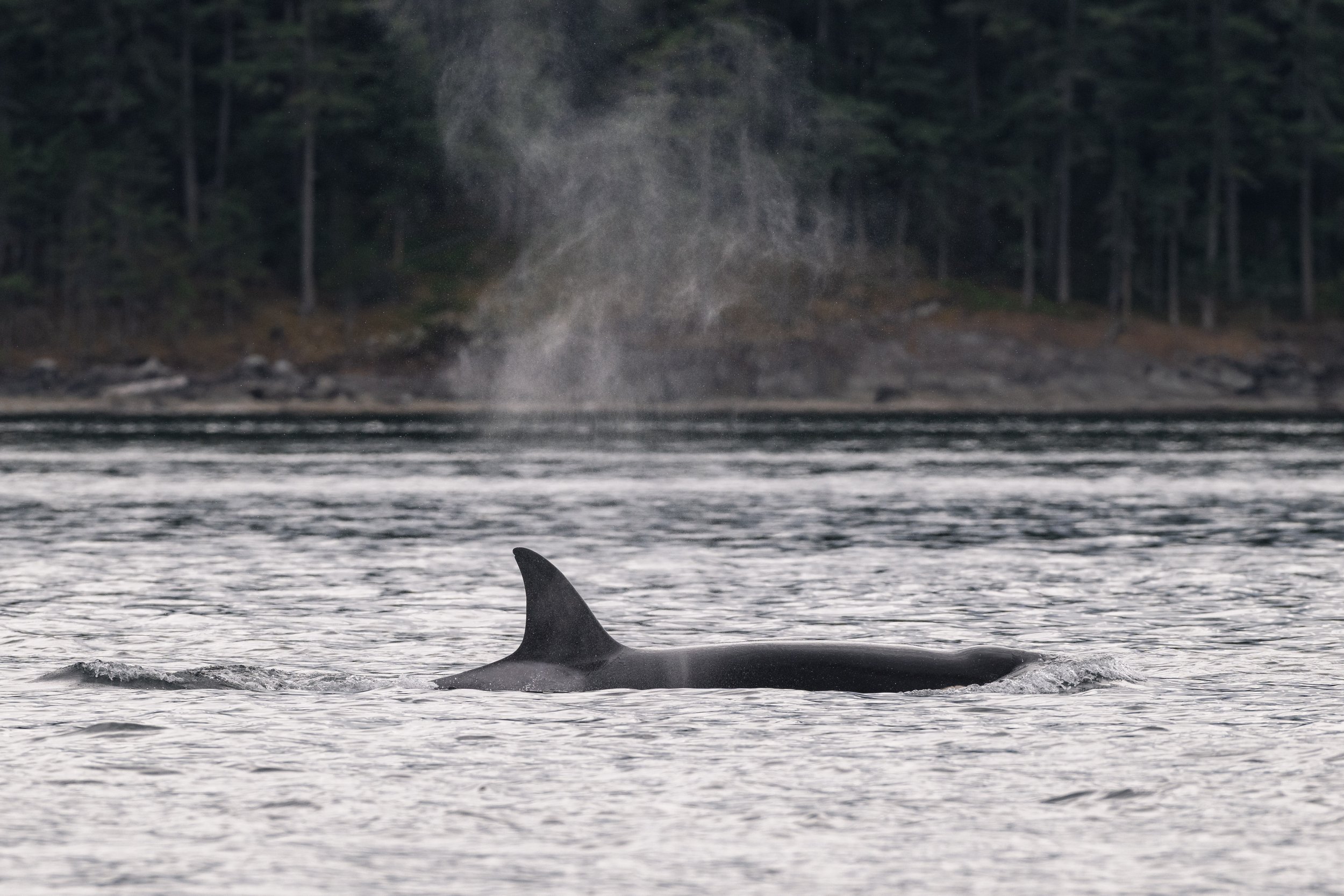
A great look at T166A. Photo by Aly Kohlman.
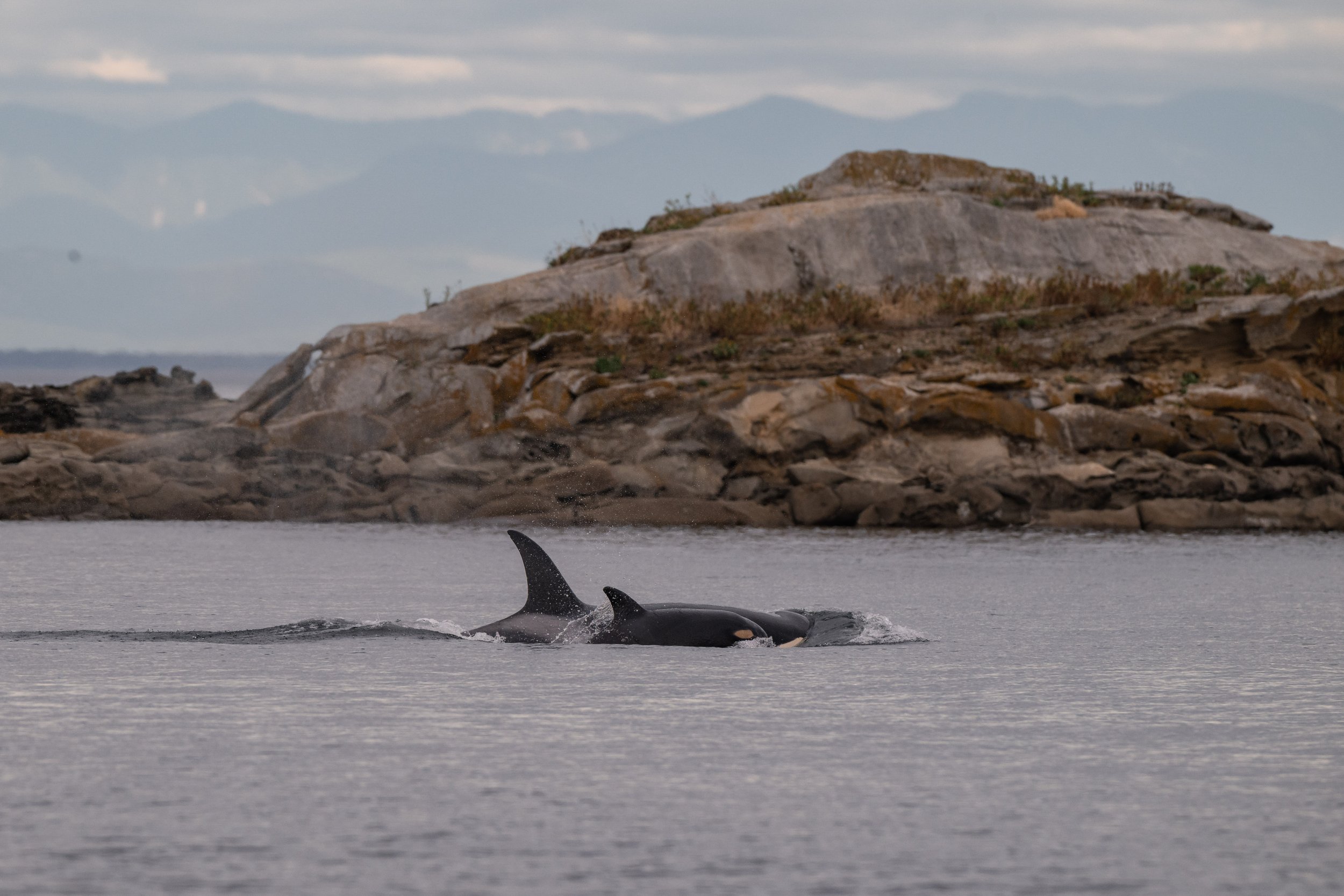
T166A and T166A2 surfacing together close to the islet. Photo by Aly Kohlman.
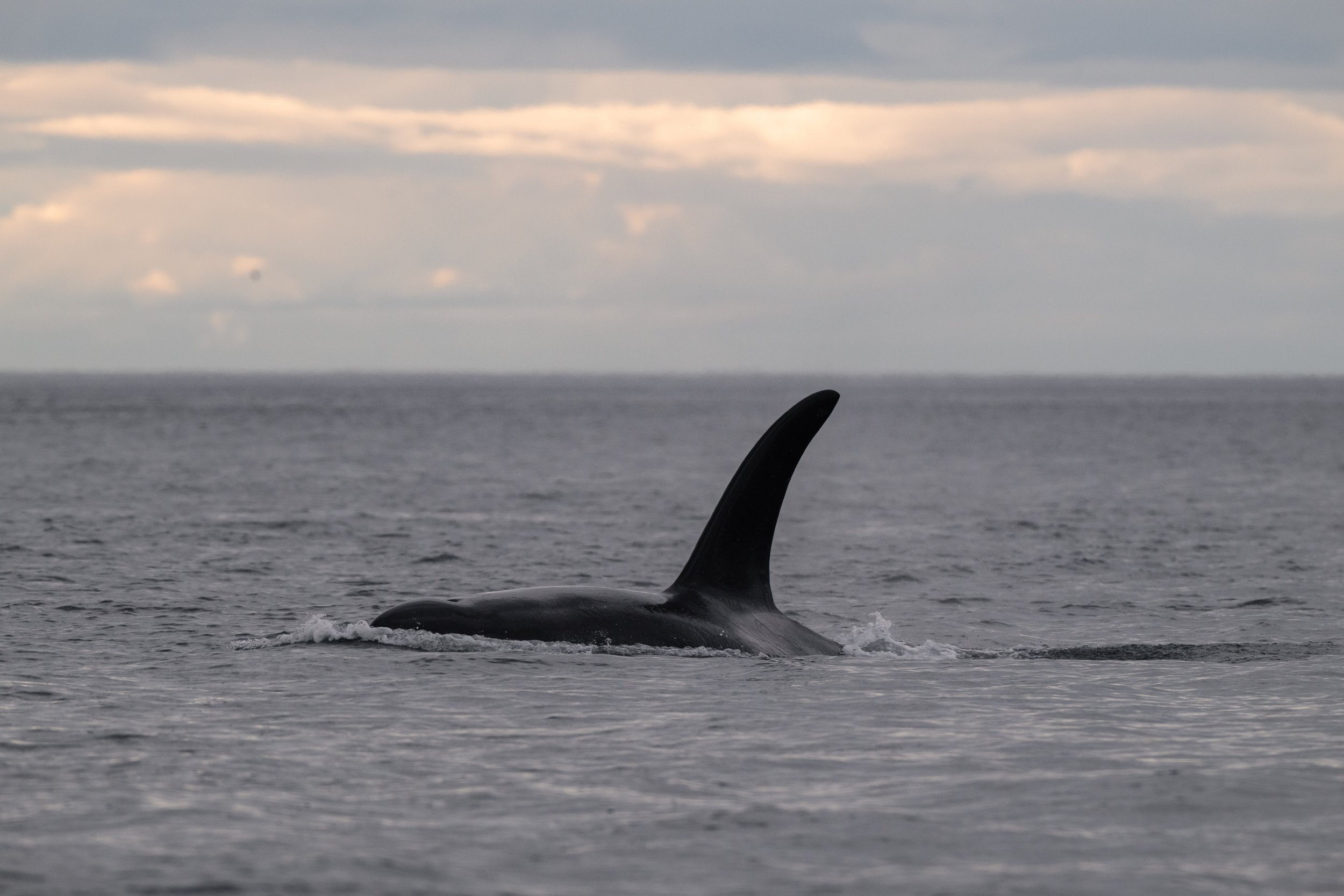
T049A3 Nat surfacing in the calm water. Photo by Aly Kohlman.
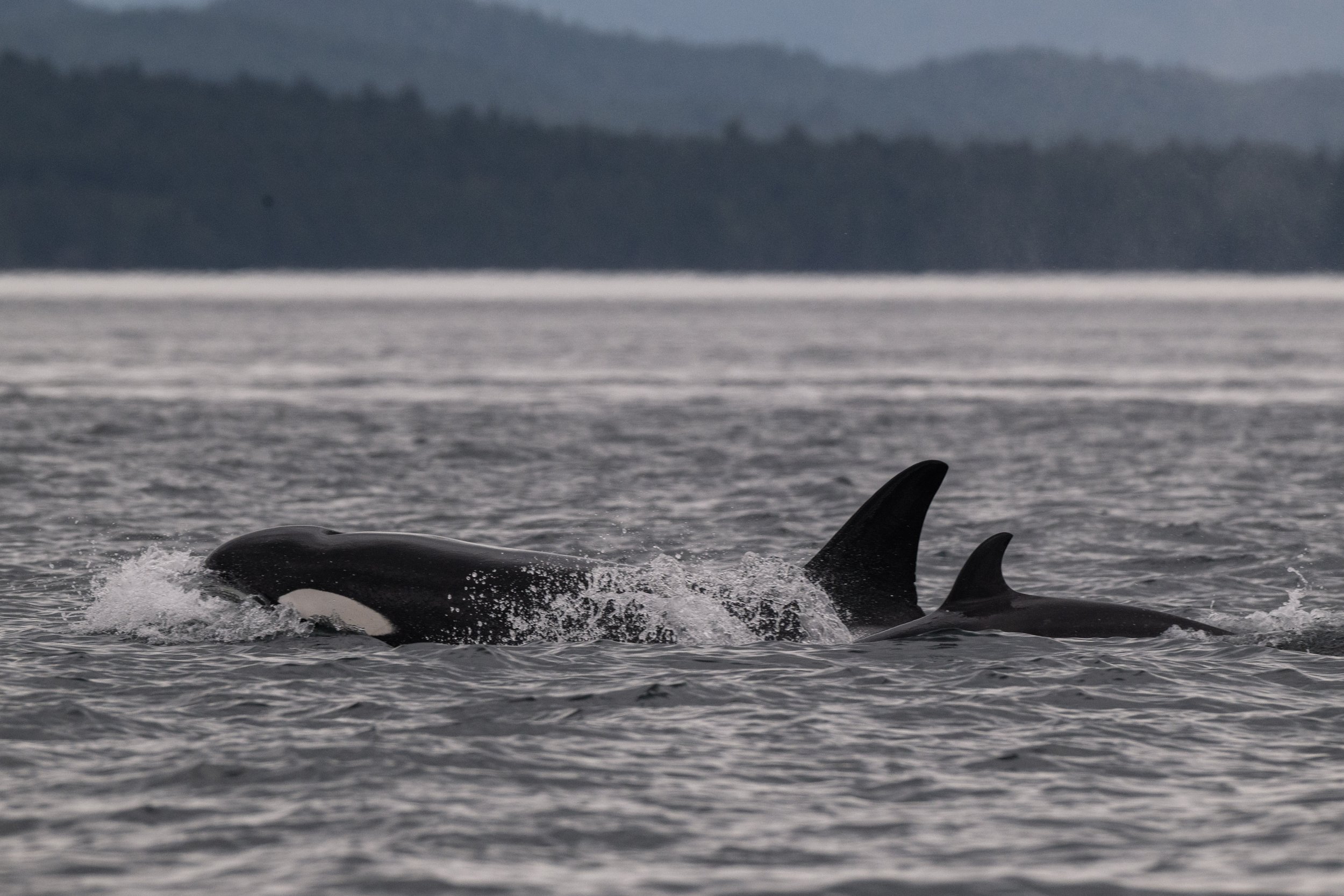
T049A Nan surfacing with T049A6 Nimbus. Photo by Aly Kohlman.
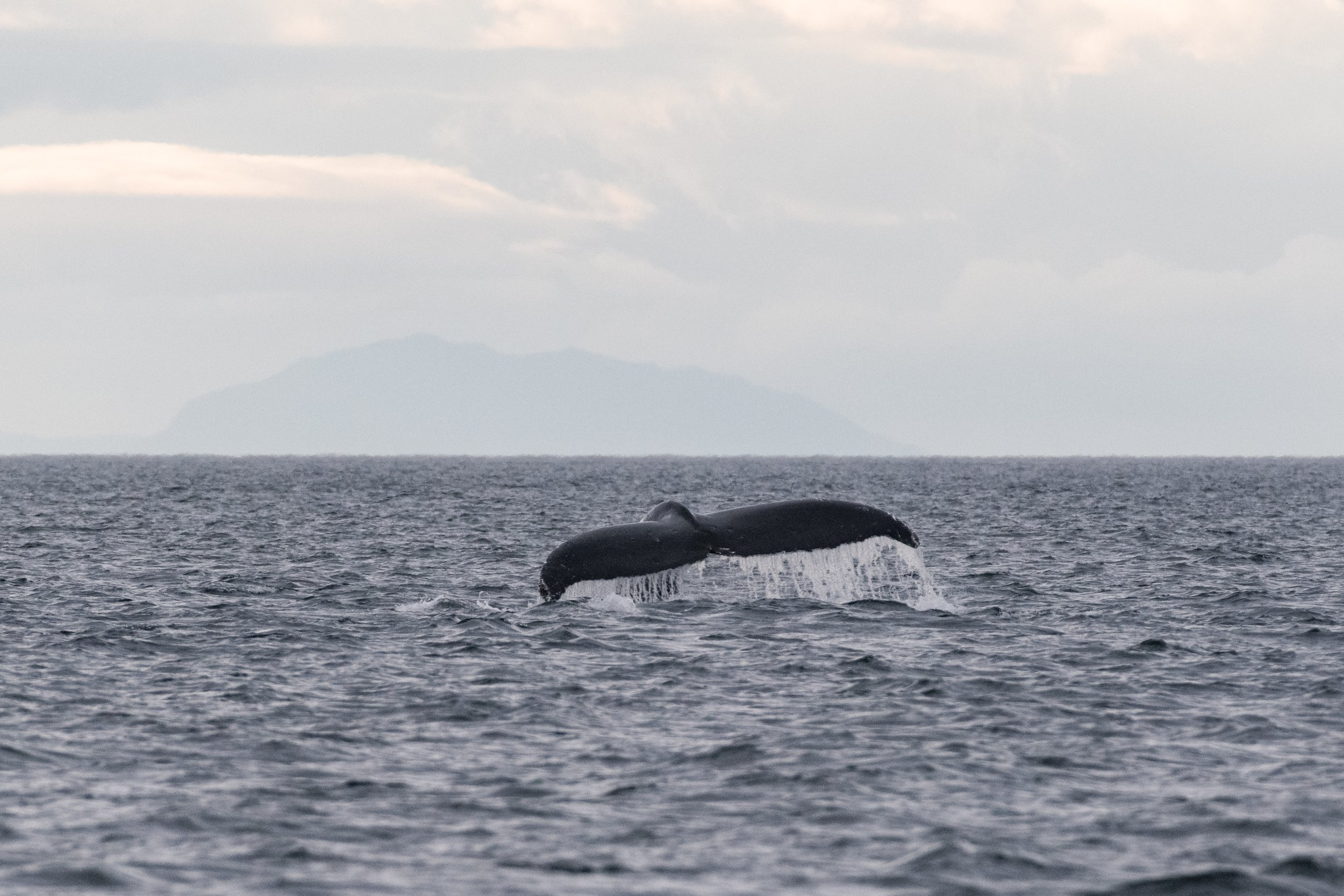
Hydra giving a lovely fluke waterfall as she dives. Photo by Hayleigh Hilbert.
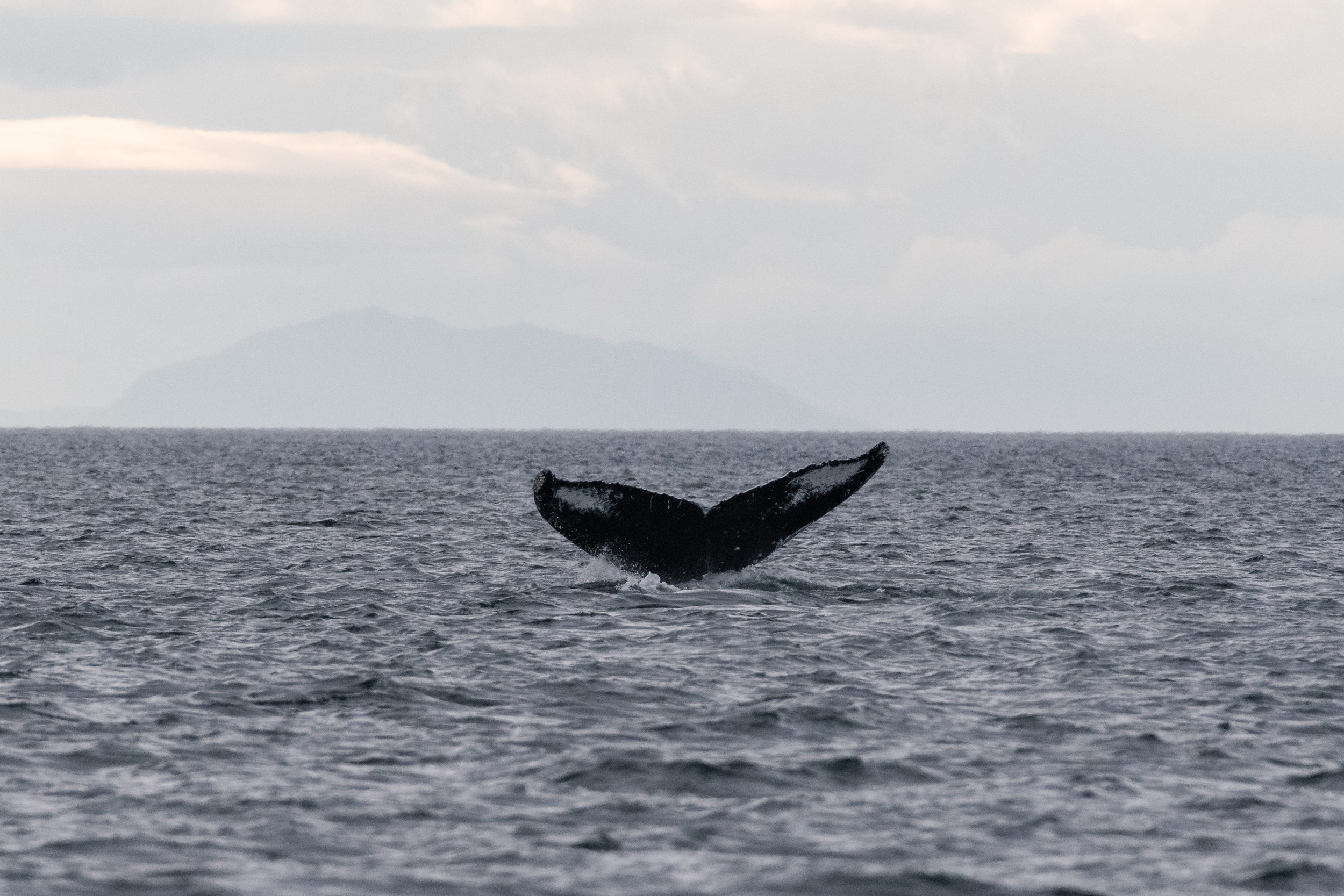
The striking underside of Hydra’s tail. Photo by Hayleigh Hilbert.
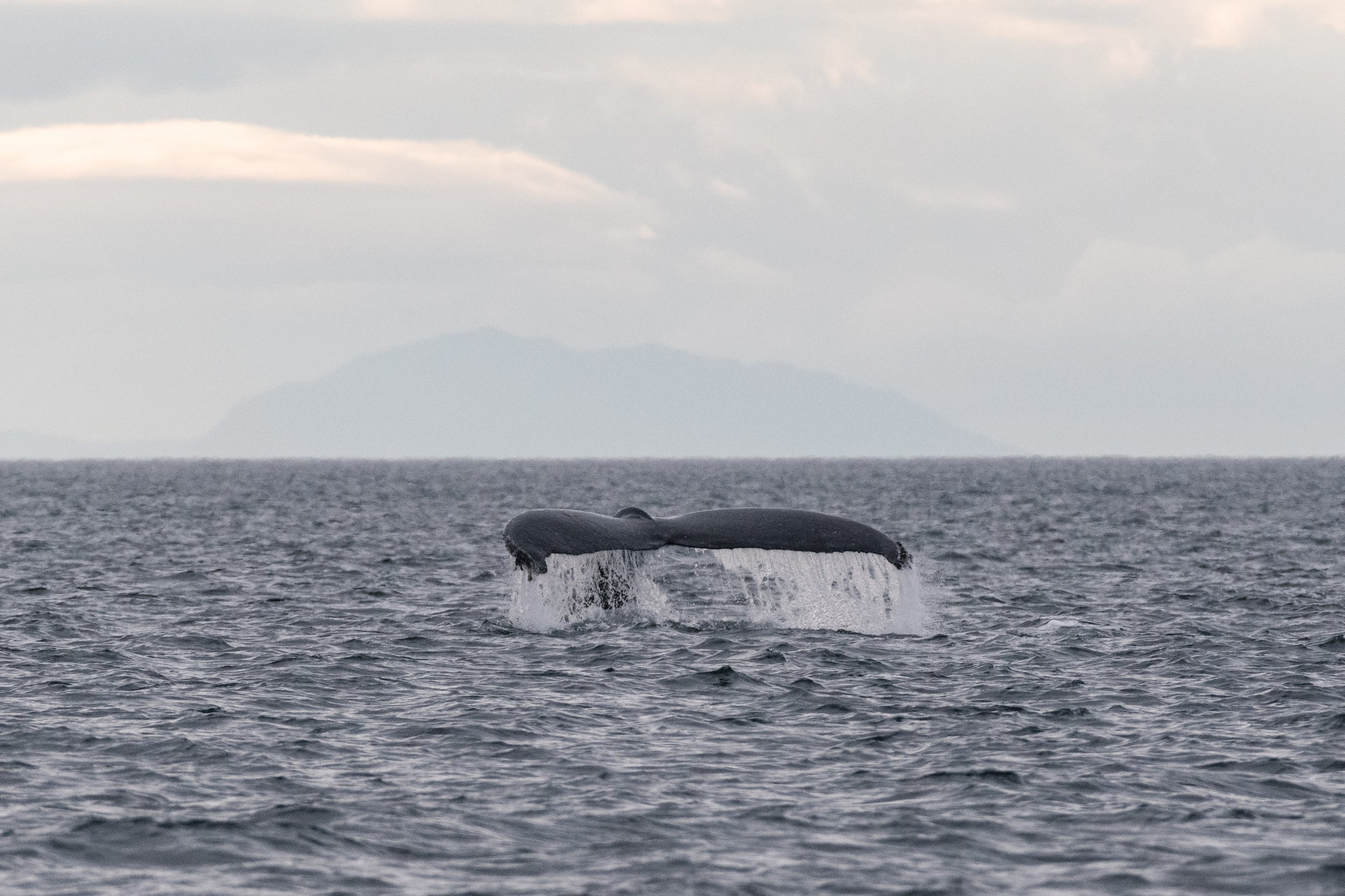
A big fluke waterfall from Dalmatian. Photo by Hayleigh Hilbert.
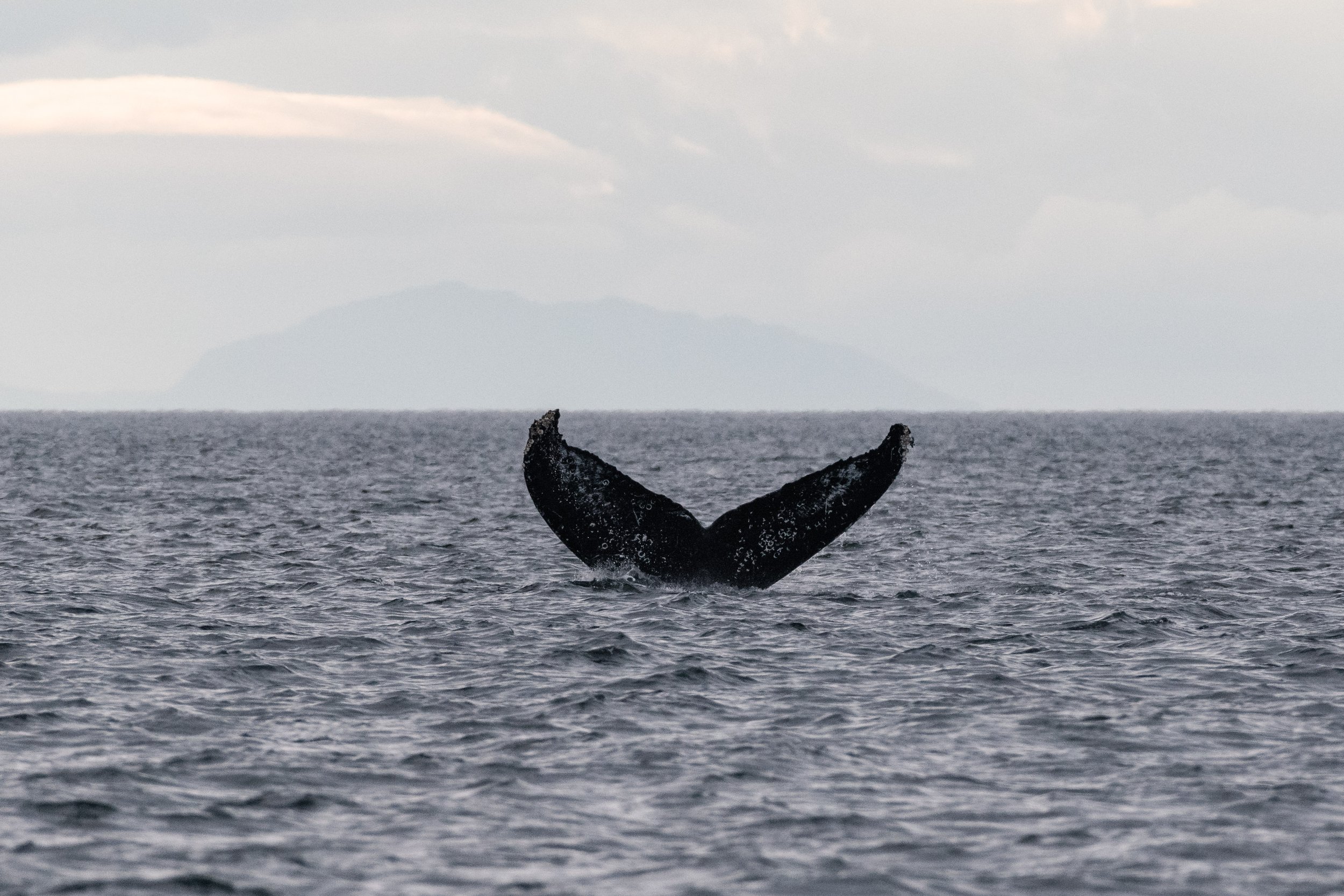
These spots on the underside are where his name comes from! Photo by Hayleigh Hilbert.
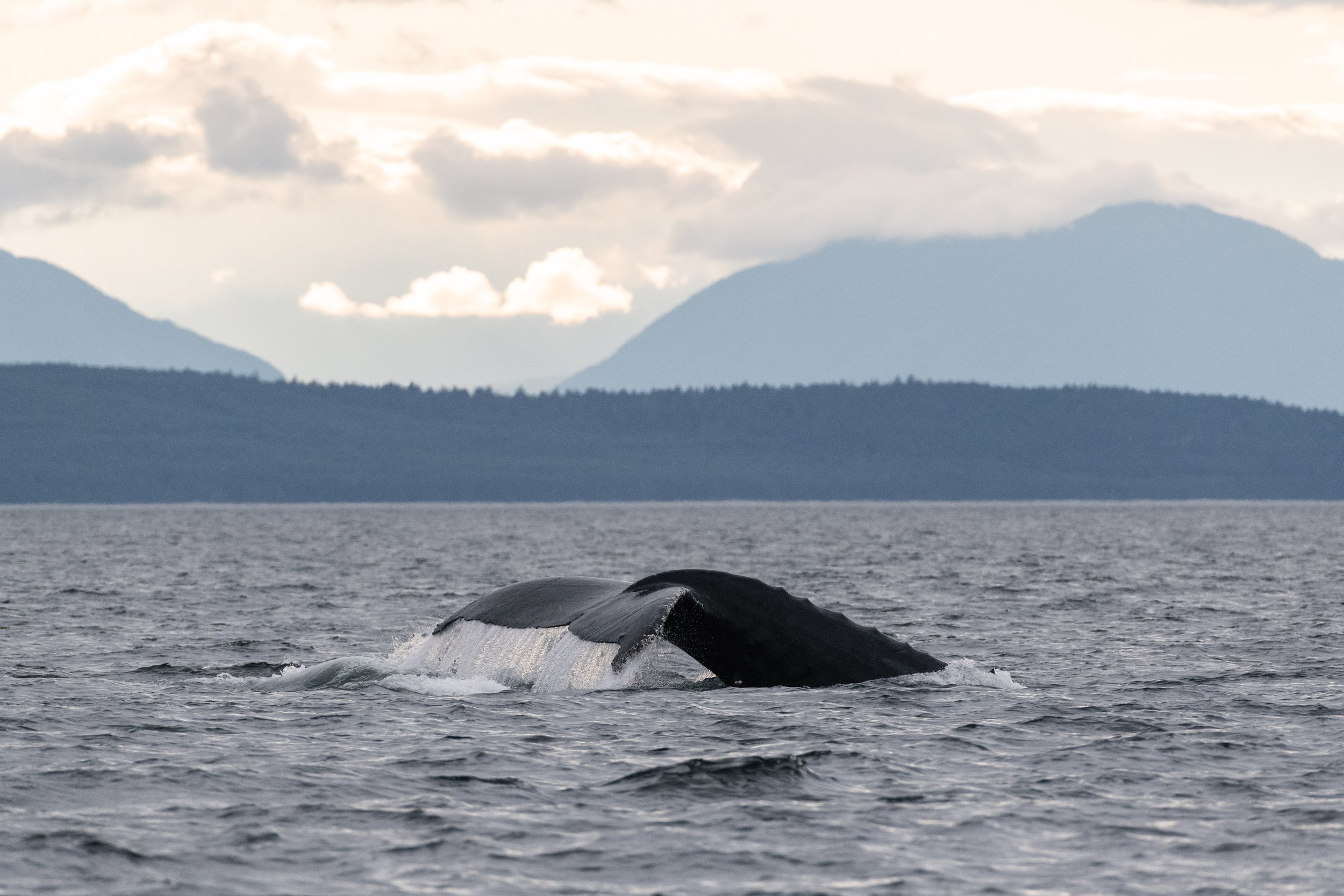
Kraken/Monarch going for a dive. Photo by Hayleigh Hilbert.
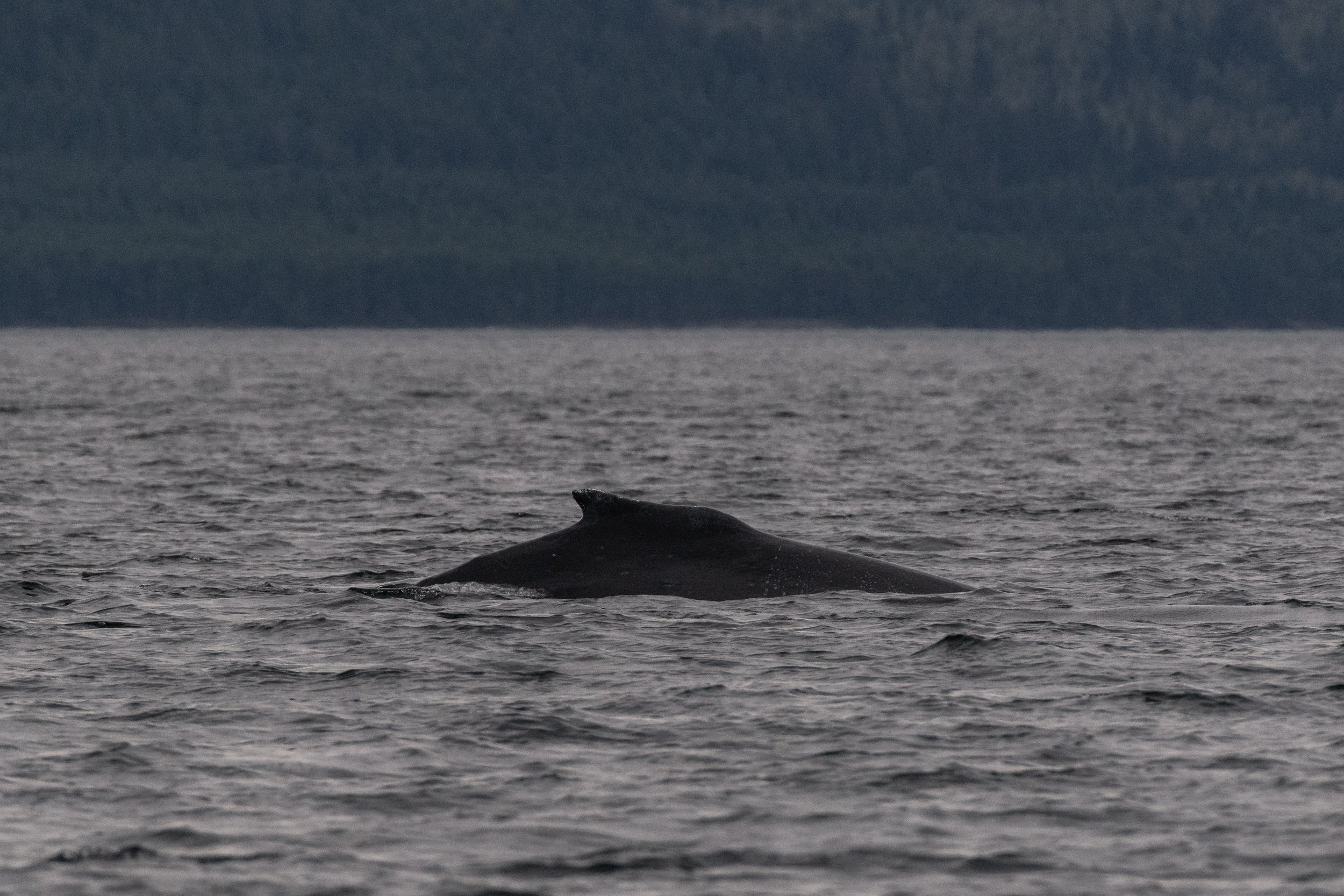
BCX2316’s unique dorsal fin. Photo by Hayleigh Hilbert.
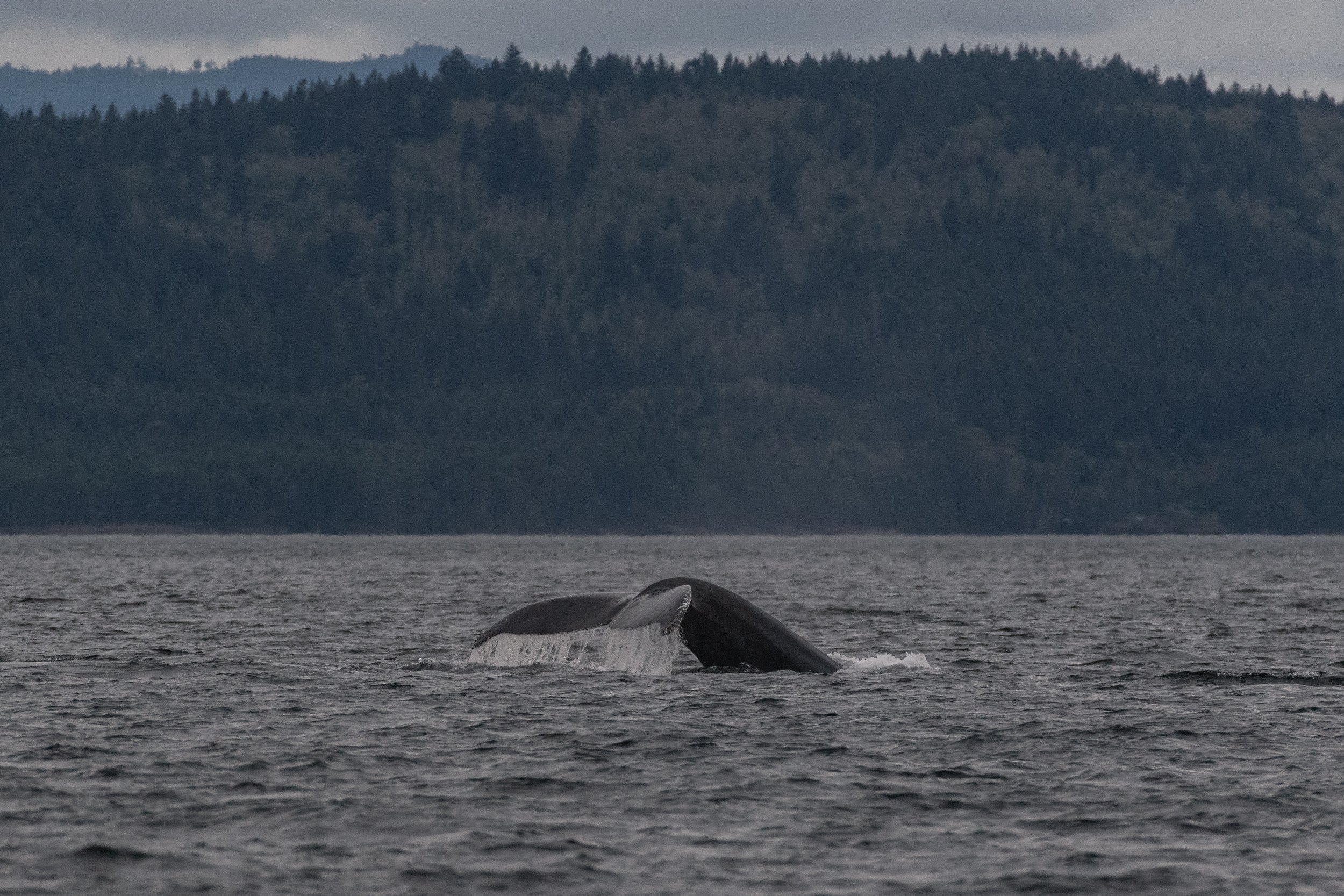
Hydra diving with Galiano Island behind her. Photo by Hayleigh Hilbert.
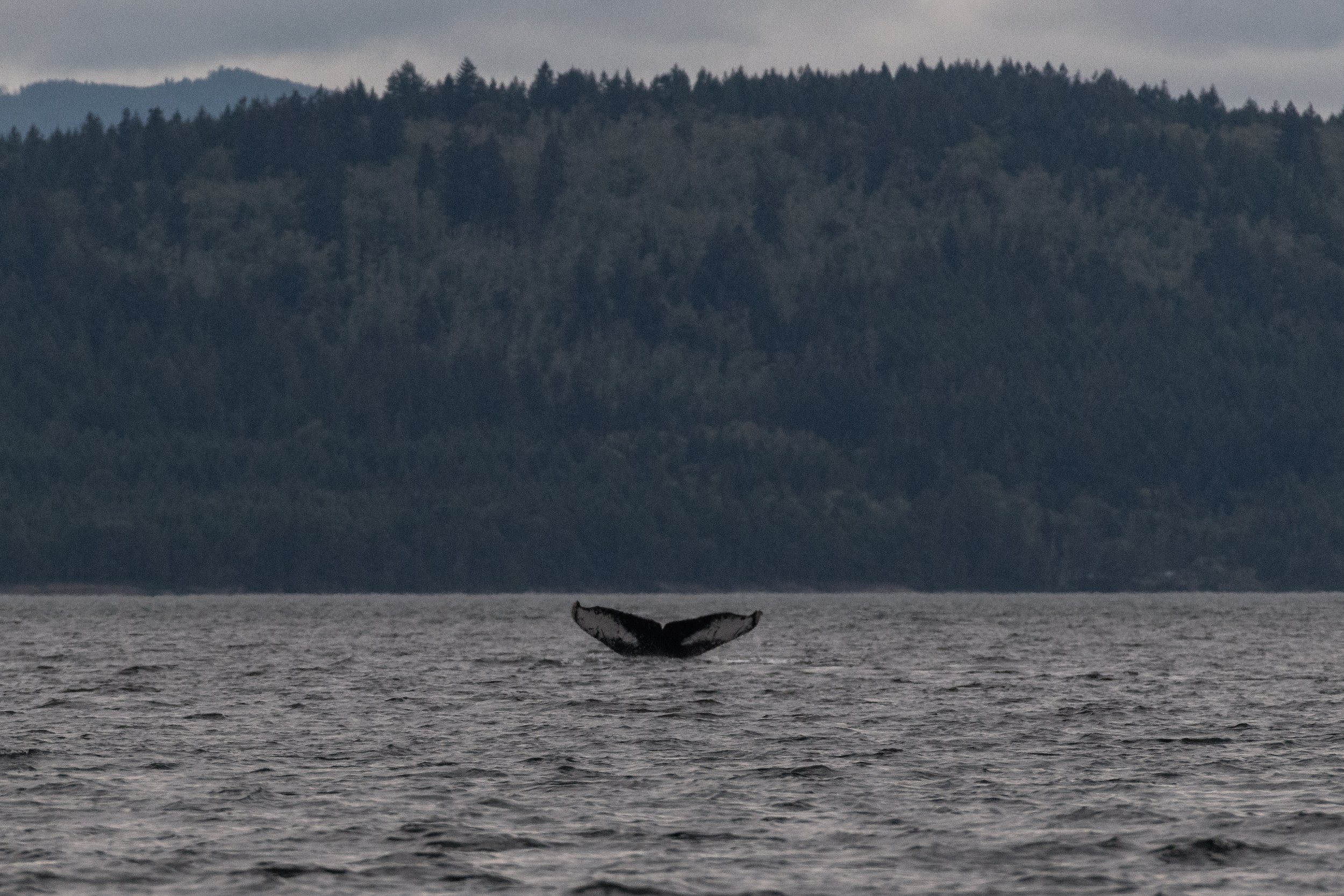
A distant look at Kraken/Monarch’s tail. Photo by Hayleigh Hilbert.
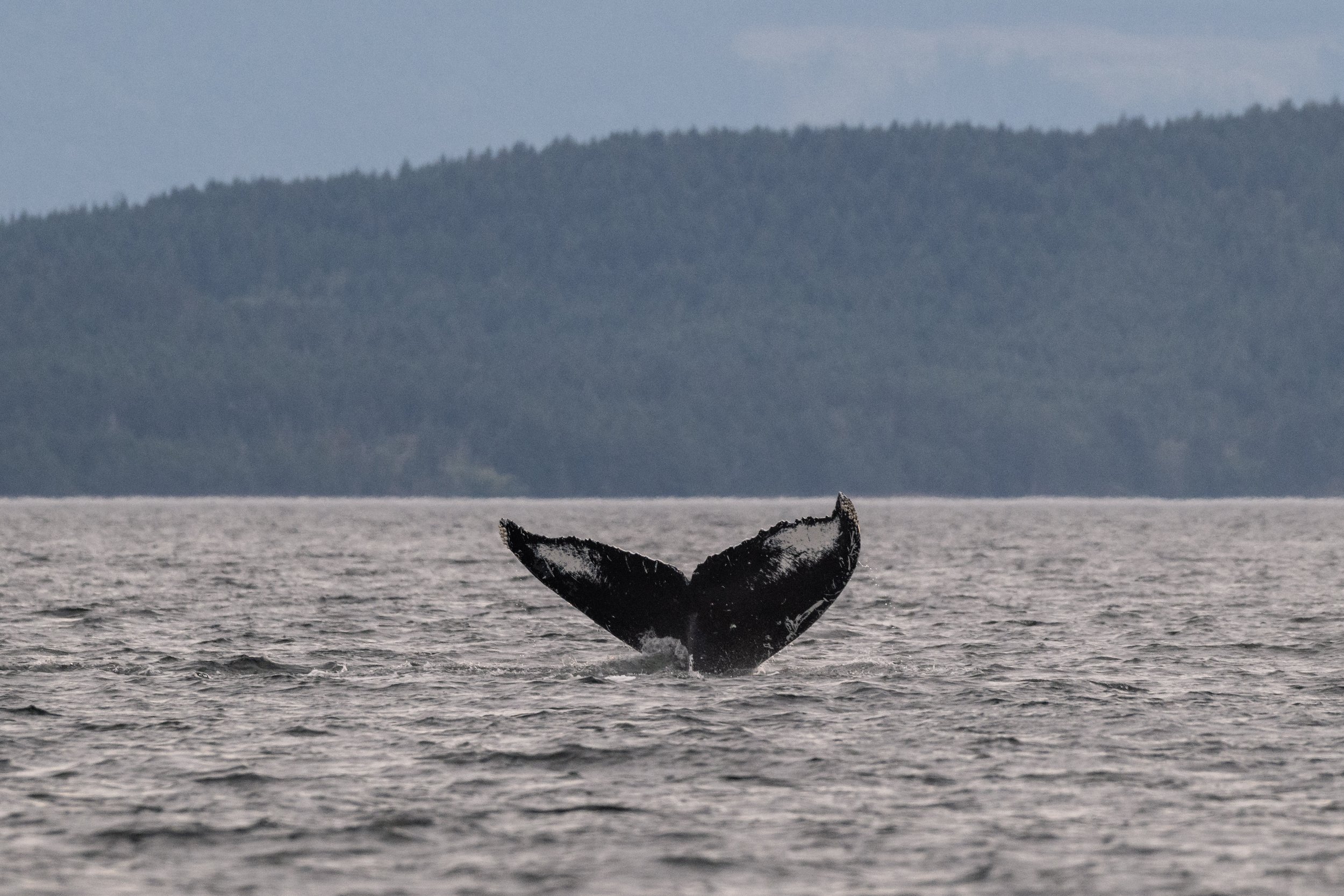
Hydra going for a dive. Photo by Aly Kohlman.
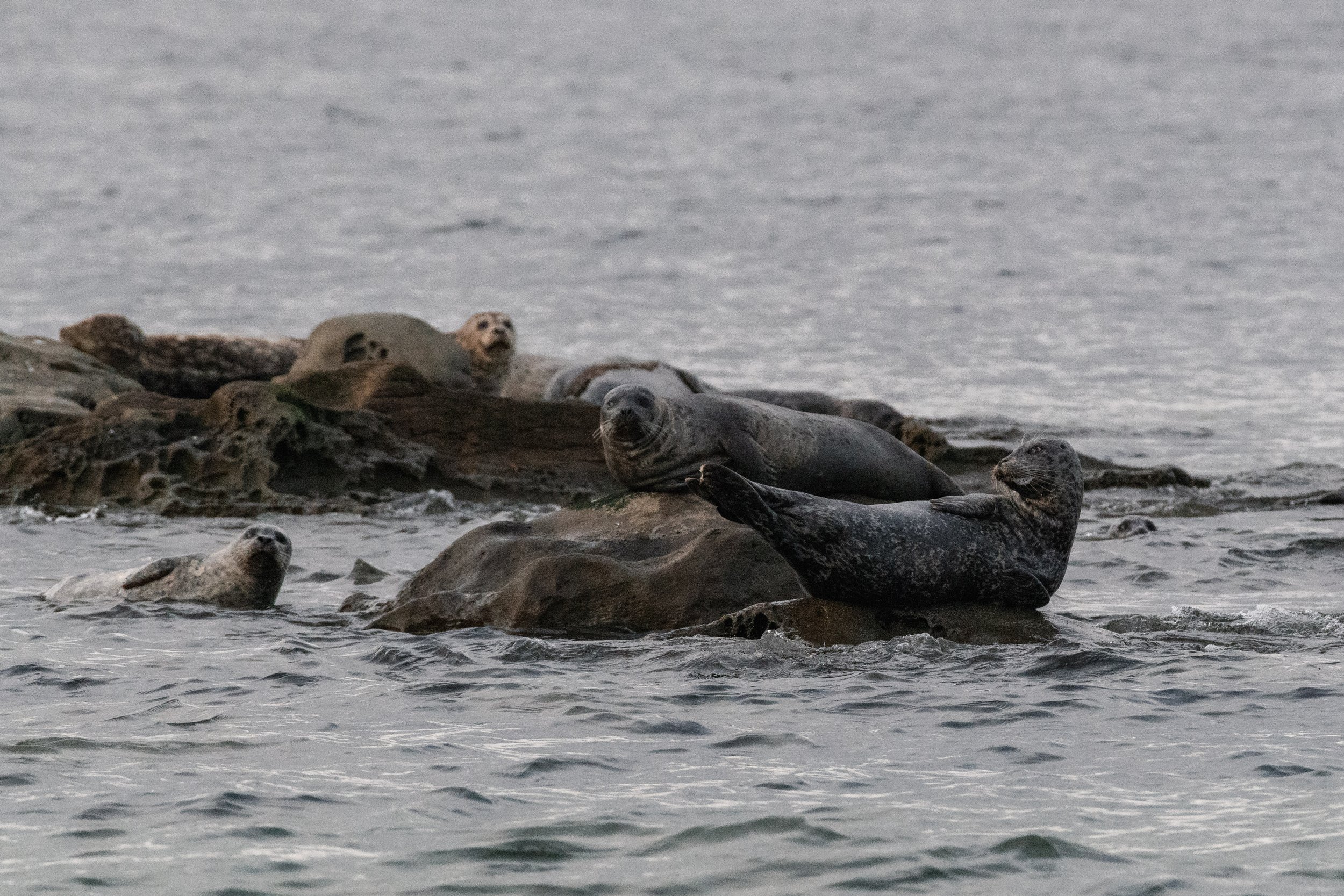
Harbour Seals striking a pose on the rocks. Photo by Hayleigh Hilbert.
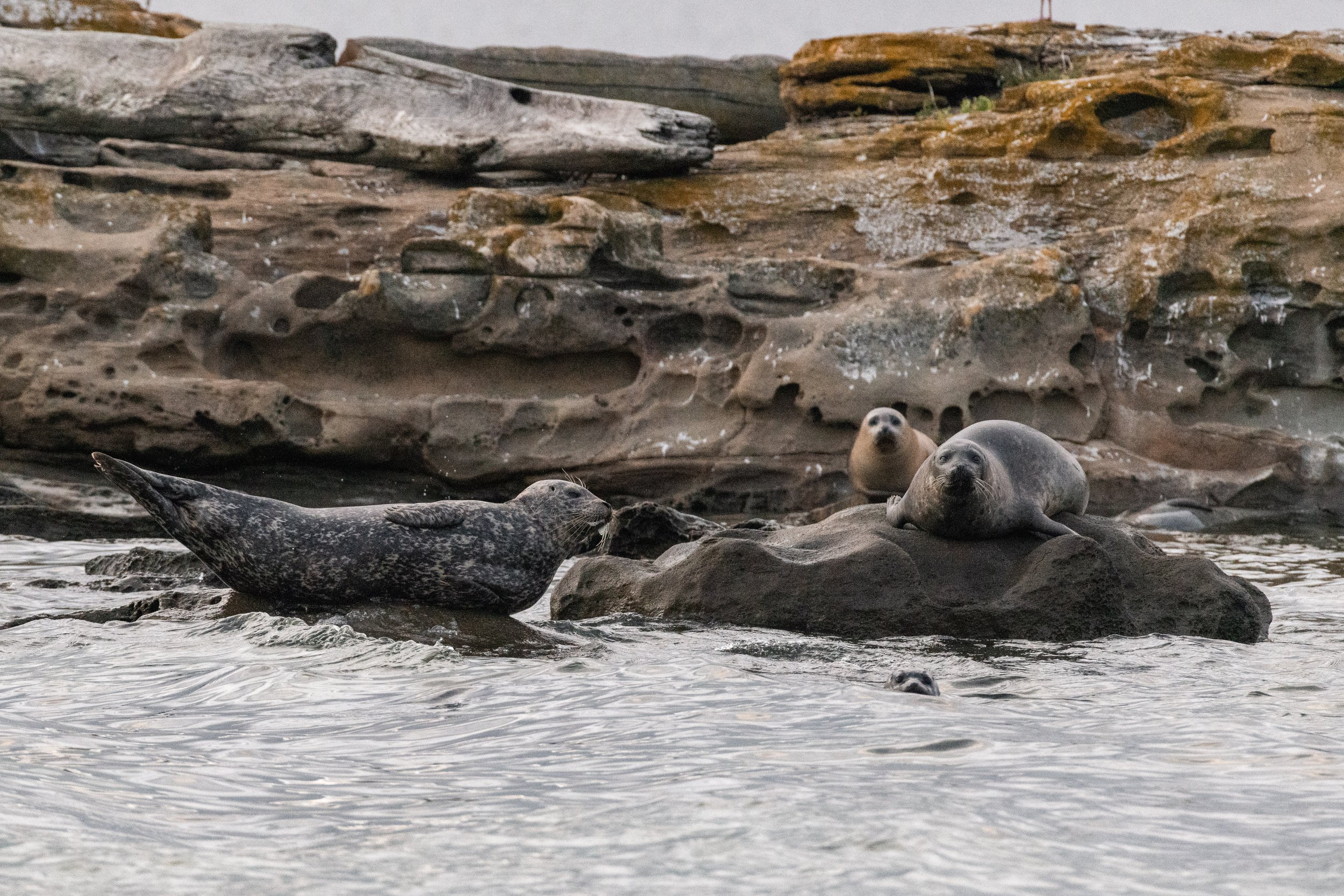
This pose is called Banana Pose and shows a happy seal. Photo by Hayleigh Hilbert.