
August 29, 2026, 10:30 AM - The T049As in Swanson Channel
The day began at Stinky Rock, where Harbour Seals were already taking advantage of the rocky haul-out. Resting on land is an important part of life for Harbour Seals, giving them a chance to conserve energy between feeding trips and spend time out of the water. With the seals settled in for the morning, we continued onward, leaving the sheltered waters around Nanaimo behind and pushing out into the Strait of Georgia.
The conditions were a little wavy as we made our way farther offshore, but the waves were not enough to keep us from finding what we had come looking for. Before long, each boat encountered its own humpback whales. We identified one as Chi (BCZ0575) and the other as Uluka (BCX1702).
Both whales appeared to be feeding at depth, giving us occasional clues about their movements as they surfaced and disappeared beneath the waves again. Humpback whales can spend much of their feeding time well below the surface, particularly when prey is concentrated deeper in the water column. From above, this can make a feeding whale seem surprisingly quiet. A blow appears, a back rolls through the surface, and then the whale disappears again for several minutes.
Their behaviour was a reminder that much of what happens during a whale watching trip takes place where we cannot see it. Humpbacks are highly specialized filter feeders, using their enormous mouths to engulf water containing small fish and other prey before filtering that water back out through their baleen. Depending on where their food is concentrated, they may use a variety of feeding strategies and spend considerable time beneath the surface searching for and capturing prey.
We did not stay with Chi and Uluka for long, however. We received word that a pod of orca was travelling in the southern Gulf Islands, and with a long journey ahead of us, we decided to make our way in that direction. The trip south took us through the Gulf Islands as we worked toward the reported location. Eventually, we found the whales we had been searching for: the T049As, travelling north together.
T049A Nan ♀ (1986)
T049A1 Noah ♂ (2001)
T049A3 Nat ♂ (2011)
T049A4 Neptune ♂ (2014)
T049A5 Nebula ♀ (2017)
T049A6 Charlie II ♂ (2022)
T049A7 Nimbus (2026)
Finding the T049As is always exciting, but this family has another reason to stand out. At the centre of the matriline is Nan, a remarkably successful mother who has raised seven calves, all of whom have survived.
For a long-lived species such as the Bigg’s killer whale, raising a calf is a significant investment. Young whales spend years learning how to navigate their environment, find prey and interact with the other members of their family. Nan’s record of seven surviving calves makes her what is sometimes affectionately described as a "supermom."
Not all of Nan's offspring still travel with her, though. Two of her sons, Noah and Jude, are now travelling more independently from the rest of the T049As. Jude is particularly easy to recognize thanks to the distinctive hook in the upper portion of his dorsal fin, while both whales can now be encountered away from the core family group.
This is an interesting part of Bigg’s killer whale society. Unlike some populations where family groups may remain tightly associated for their entire lives, male Bigg’s killer whales can sometimes become more independent as they mature. The reasons behind these changes in association are complex, but one important factor is the way these whales hunt.
Bigg’s killer whales are mammal-eating orcas, and their prey includes Harbour Seals, Steller Sea Lions, porpoises and other marine mammals. Hunting these animals requires stealth. A seal resting on a rock or a porpoise travelling through the water is capable of detecting the presence of approaching predators, so the whales benefit from being able to approach without drawing too much attention to themselves.
This makes group size an interesting part of their hunting strategy. A large gathering of orca may be spectacular to watch, but more whales does not necessarily mean better hunting. A large group creates more movement and more opportunities for prey to detect that something is approaching. Smaller groups can spread out and search for prey while keeping a lower profile, allowing them to rely on surprise when an opportunity presents itself.
It is one reason we often see Bigg’s killer whales travelling in relatively small family groups rather than enormous pods. Their social lives are still incredibly important, and large gatherings known as T-parties do happen, but these gatherings are temporary. After spending time together, the whales eventually separate back into their smaller family units.
For the T049As, travelling together provides both the social benefits of remaining connected as a family and the practical advantages of moving through the environment as a relatively compact hunting group.
Watching them travel north, it was fascinating to think about how much family history the group represented as it moved through the water in front of us. Every encounter with a known family gives us another glimpse into these whales' complicated social lives. Identifying them by their dorsal fins, saddle patches, and other unique markings lets us follow those relationships over time and build a clearer picture of how individual whales and families use the coast.
From the T049As we headed back north, enjoying the scenery of the Southern Gulf Islands as we went. It was a great end to the day. Throughout the tour, the Marine Naturalists Jordan Robinson and Evan Hessels captured some great photos, which are available below.
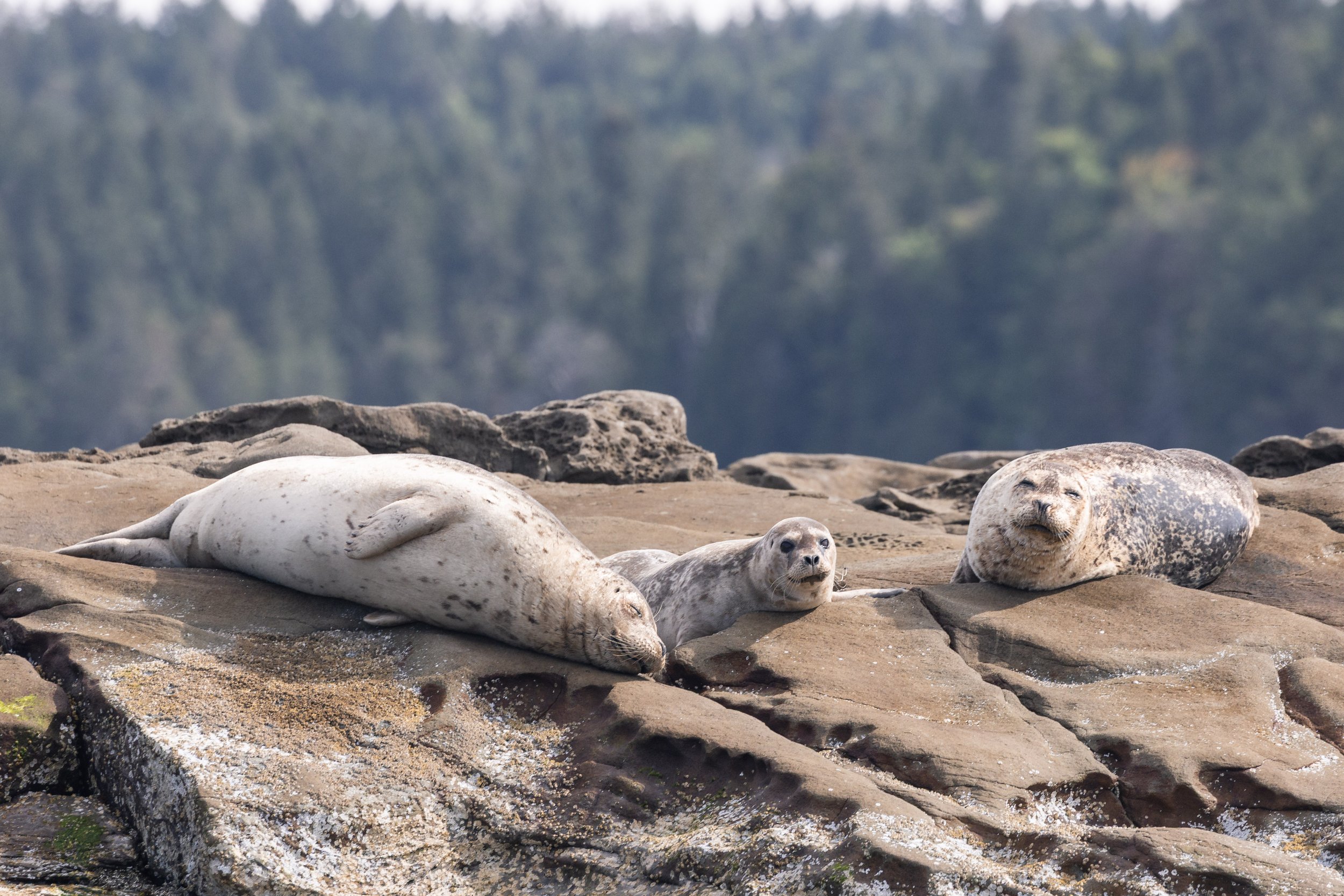
Some happy little Harbour Seals on Stinky Rock. Photo by Jordan Robinson.
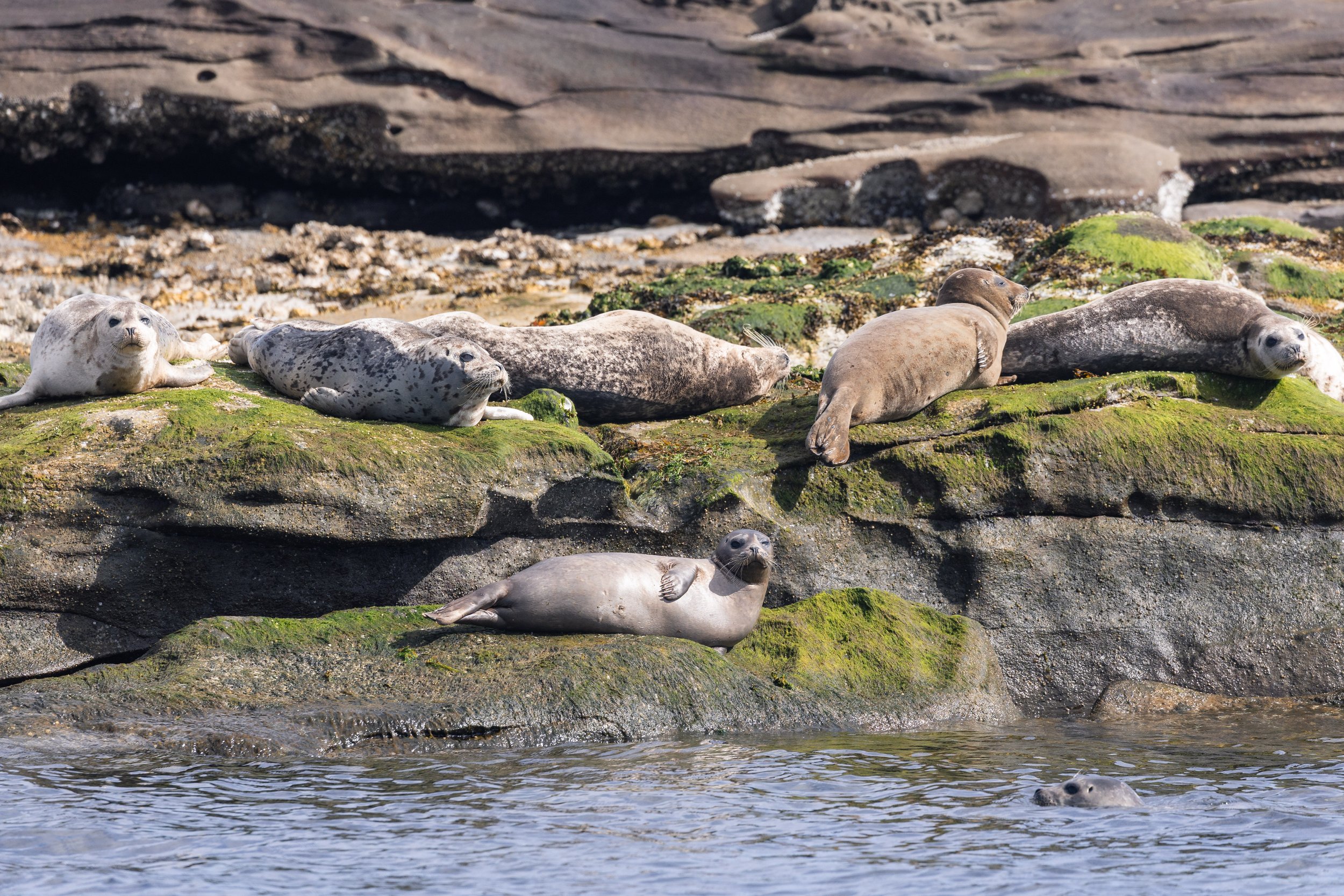
Harbour Seals have a ton of Colour Variation. Photo by Jordan Robinson.
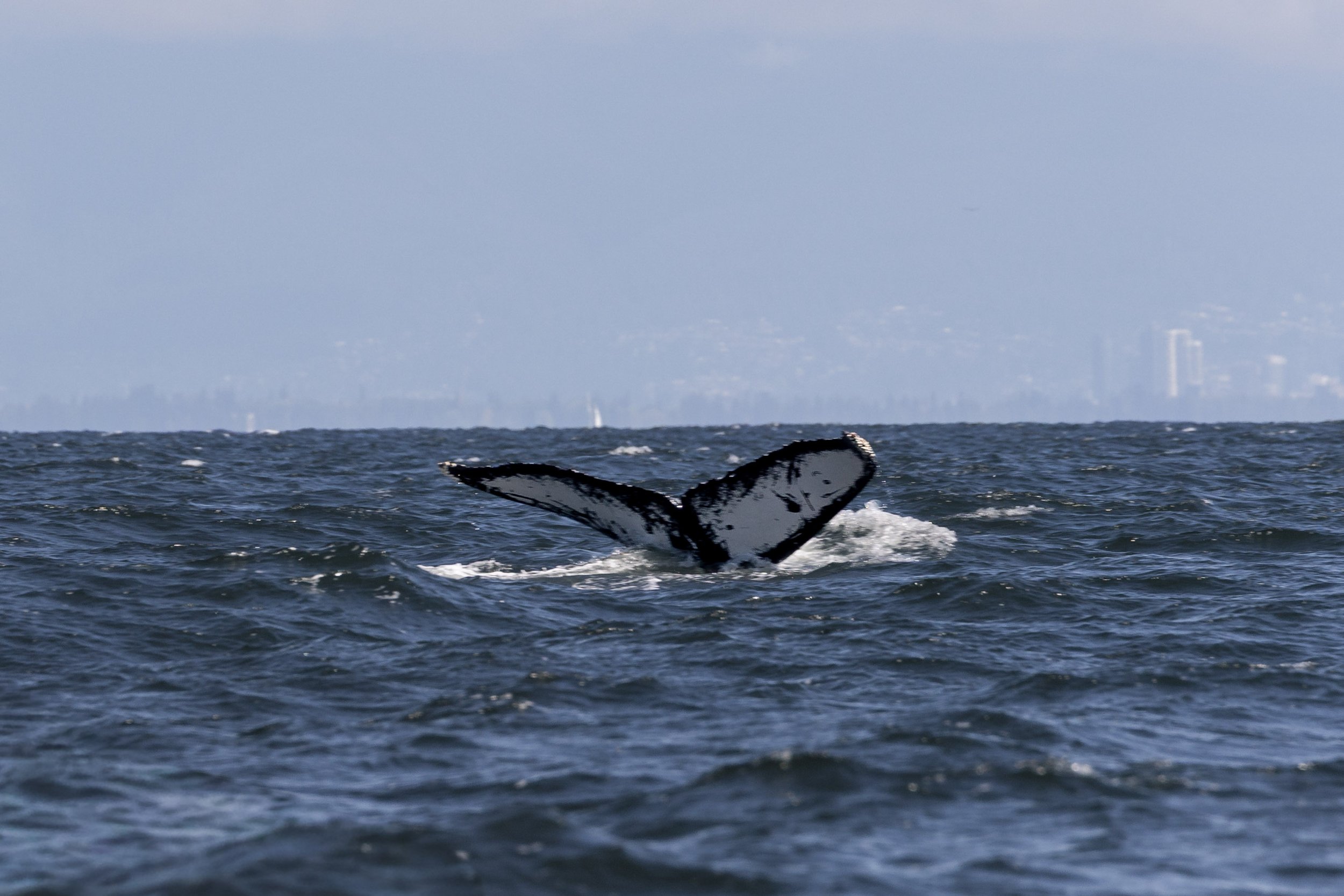
Chi going for a dive in the waves. Photo by Jordan Robinson.
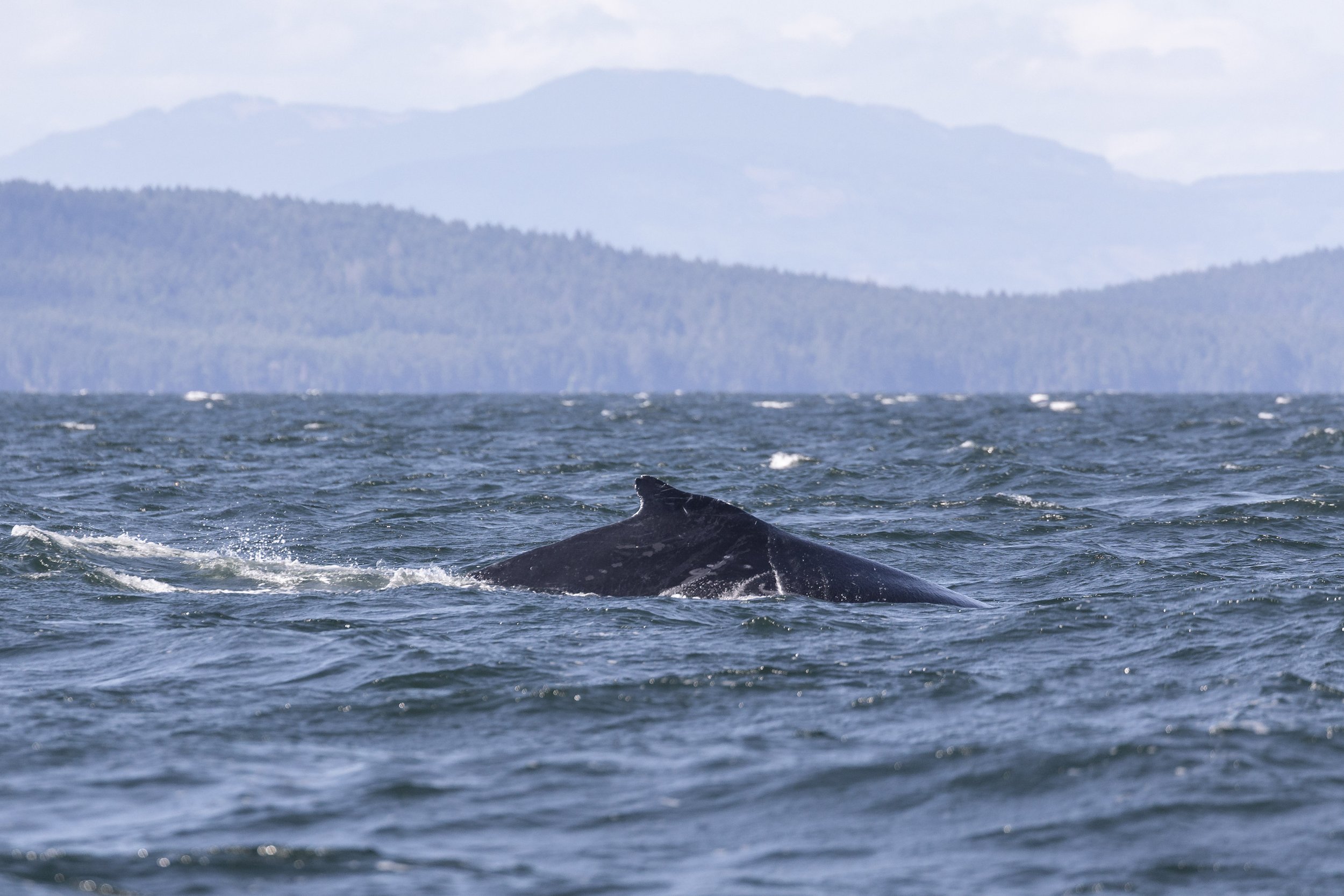
Chi’s dorsal fin as he surfaces. Photo by Jordan Robinson.
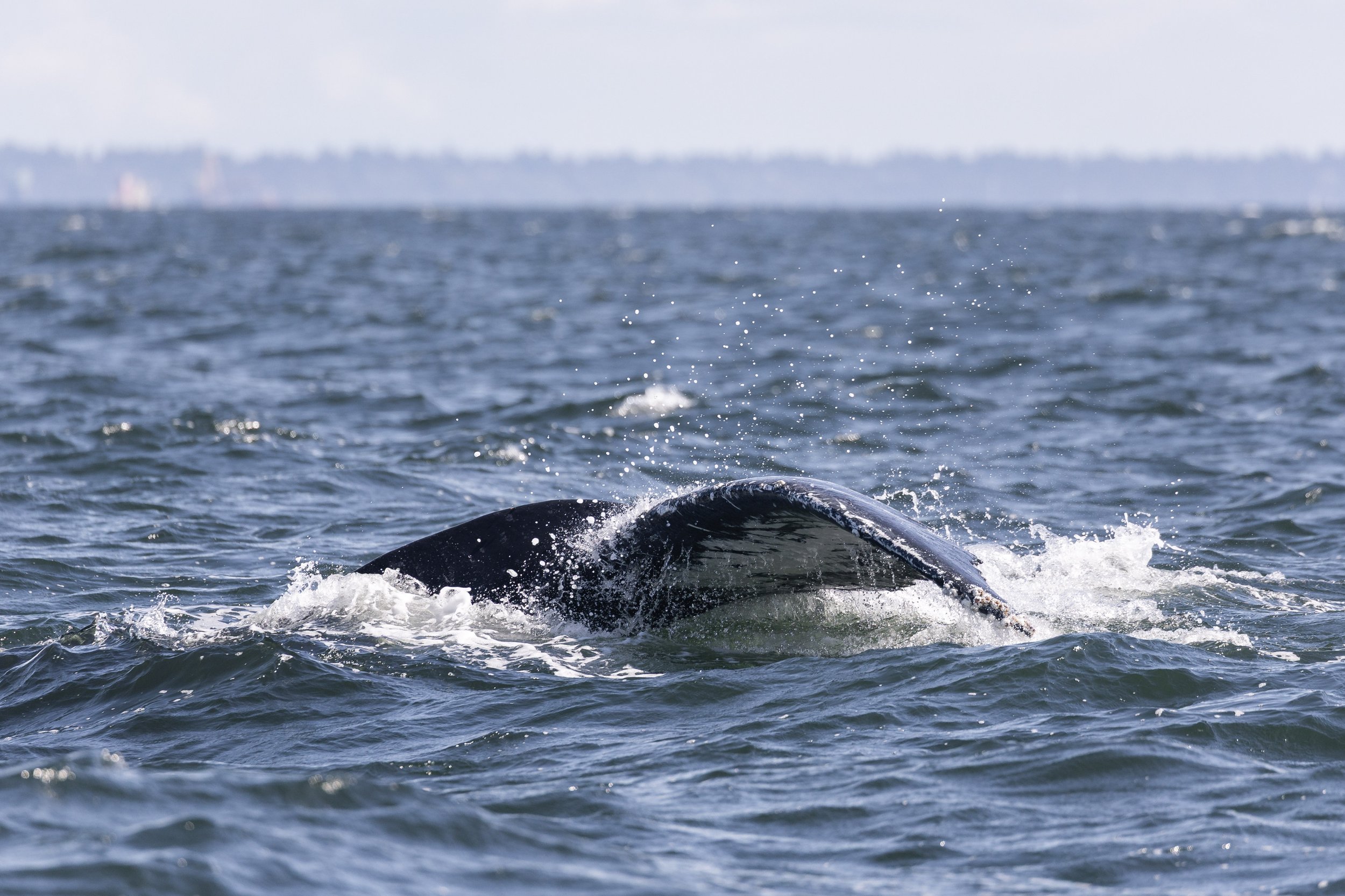
A splashy look at Chi’s tail as he dives. Photo by Jordan Robinson.
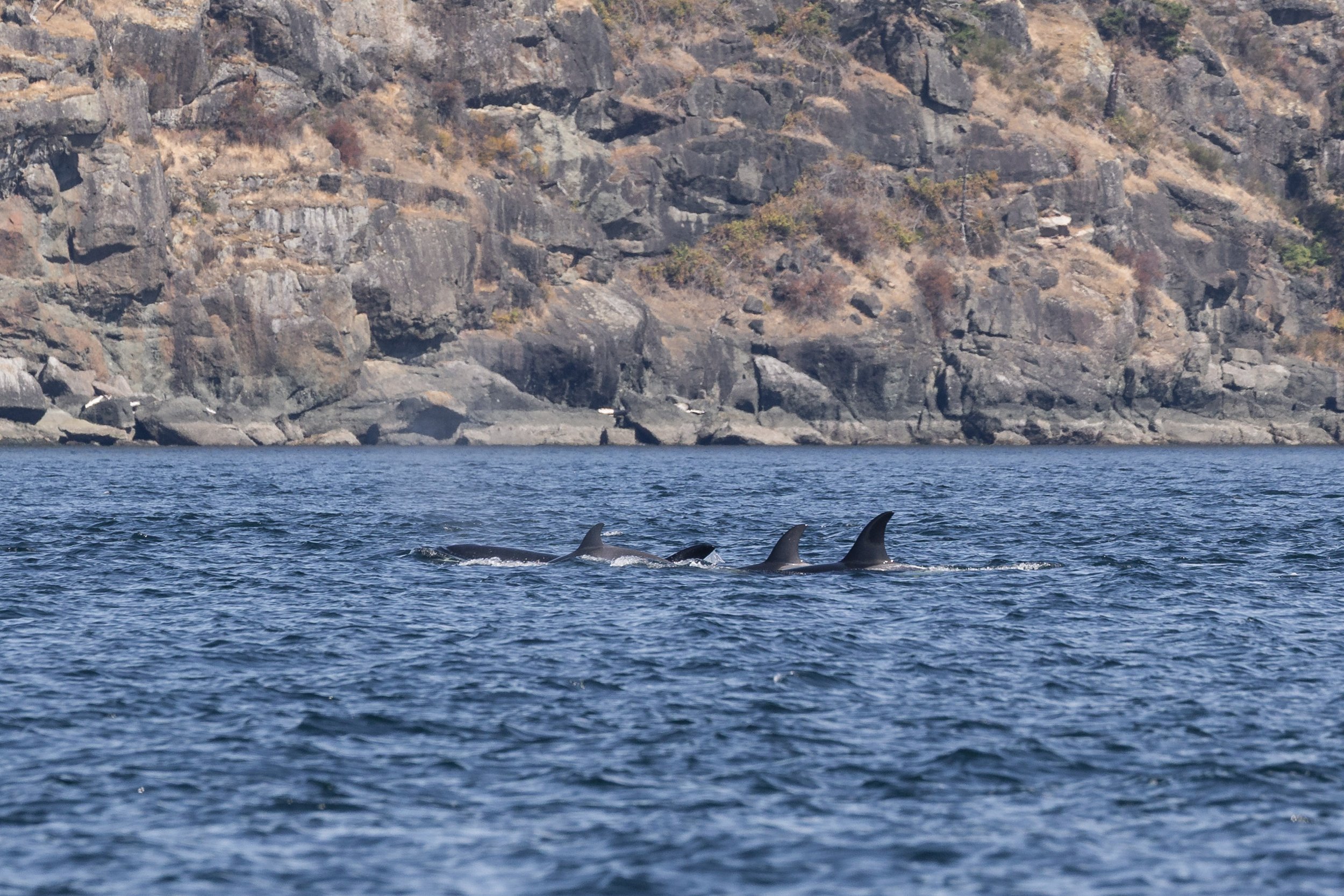
A family photo with the T049As featuring: T049A7 Nimbus, T049A Nan, T049A6 Charlie II, and T049A4 Nebula. Photo by Jordan Robinson.
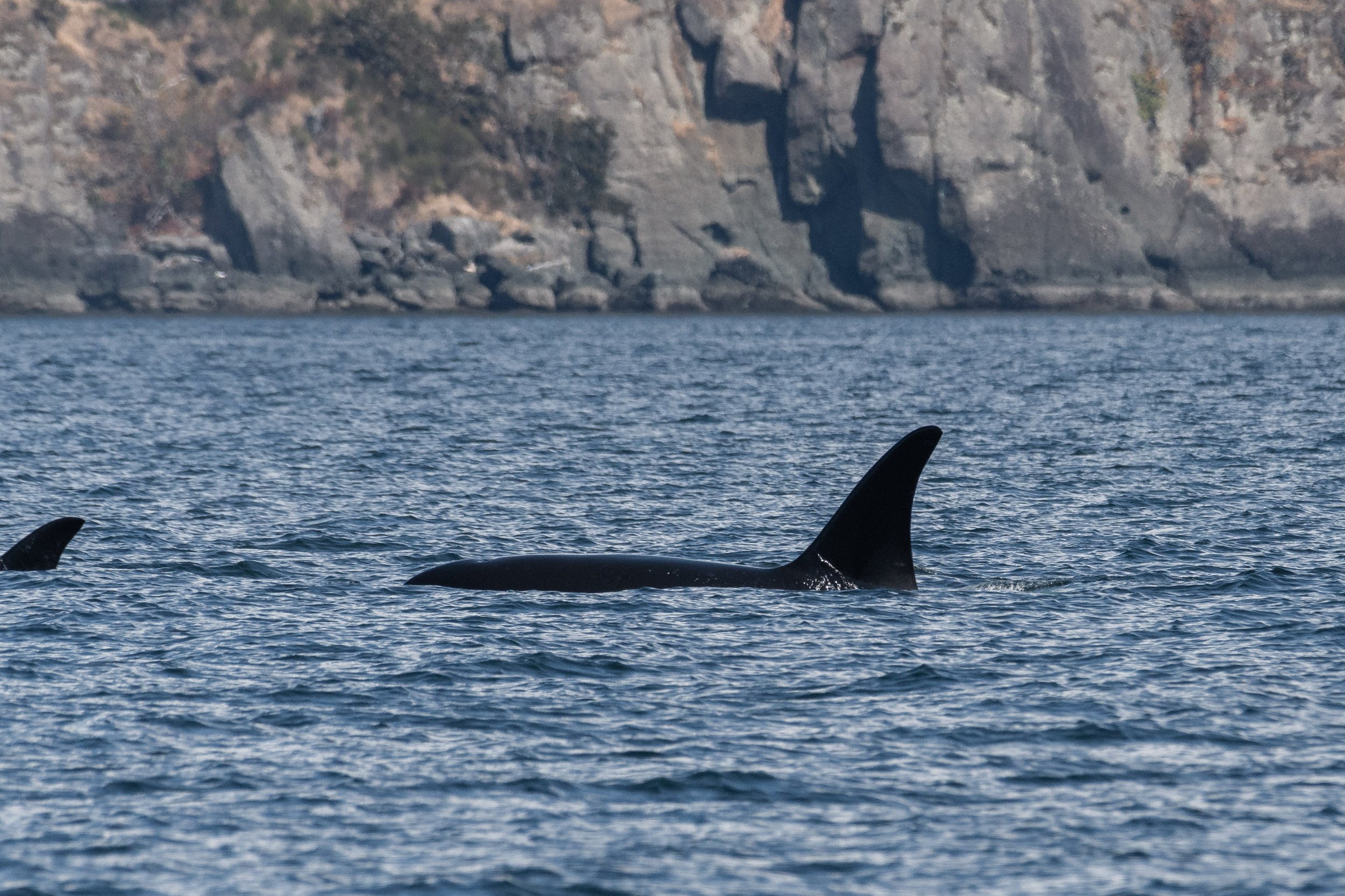
T049A3 Nat. Photo by Evan Hessels.
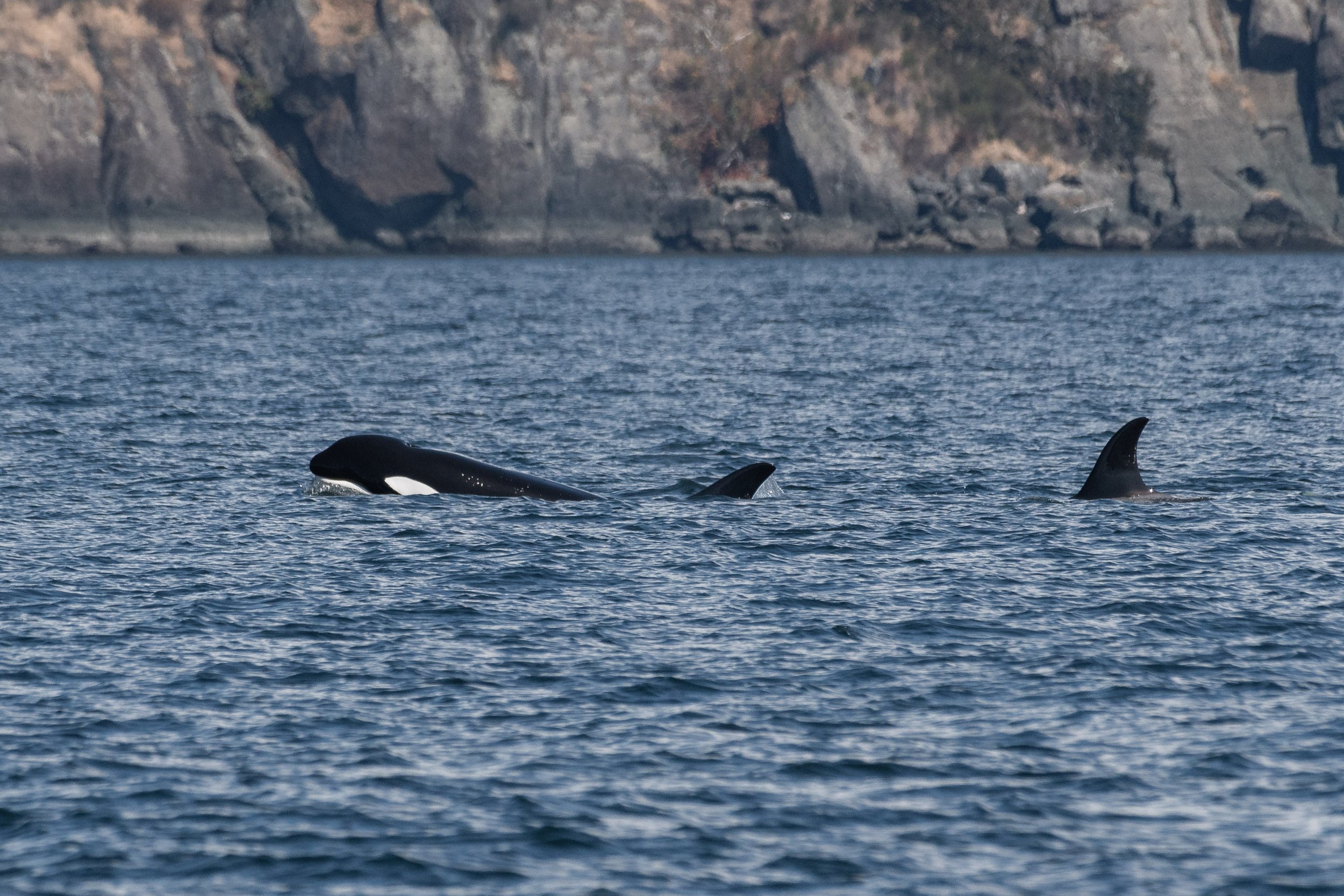
T049A Nan showing off her eye patch as she surfaces ahead of T049A5 Nebula. Photo by Evan Hessels.
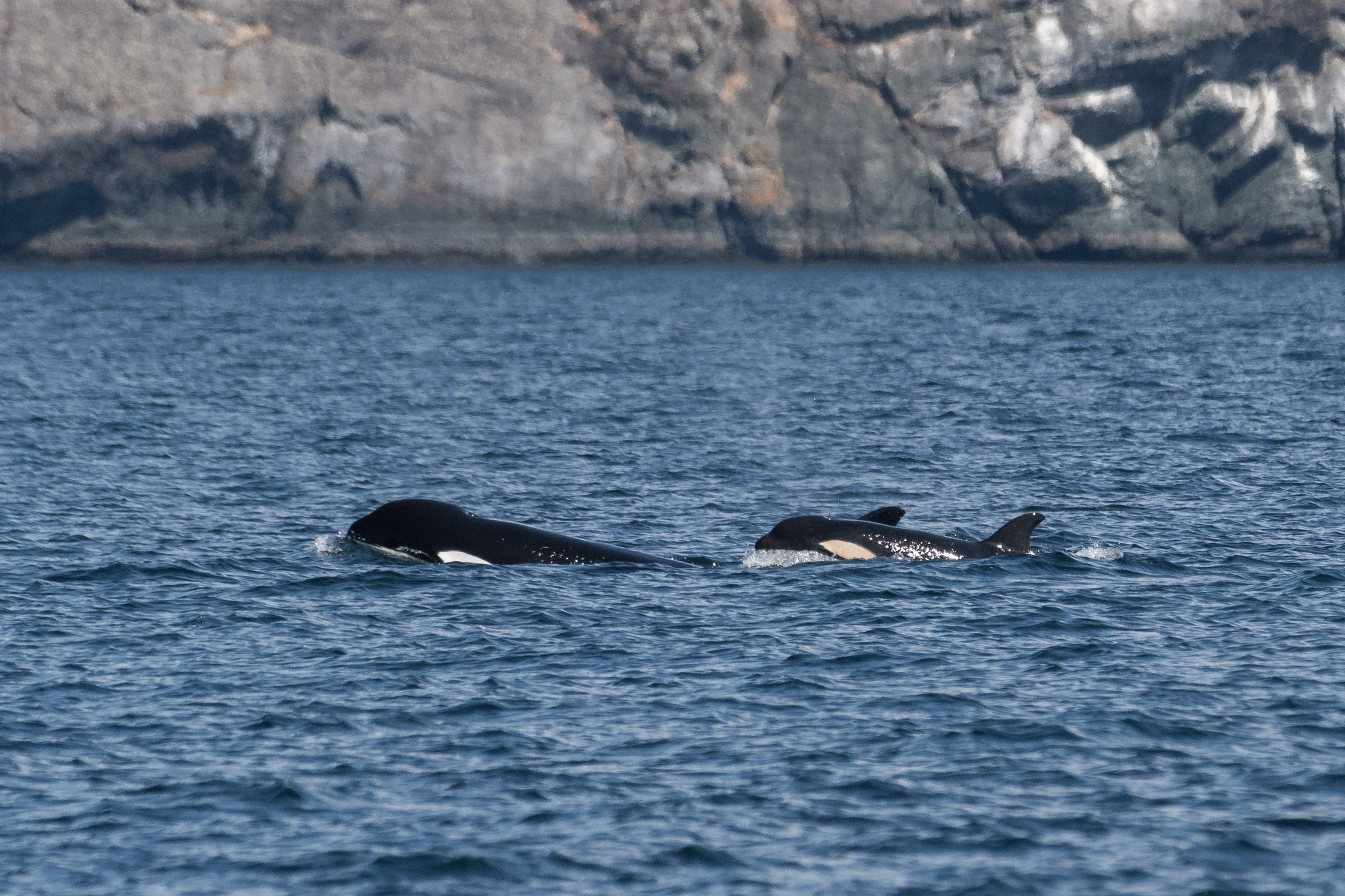
T049A Nan surfacing with her youngest, T049A7 Nimbus. Photo by Evan Hessels.
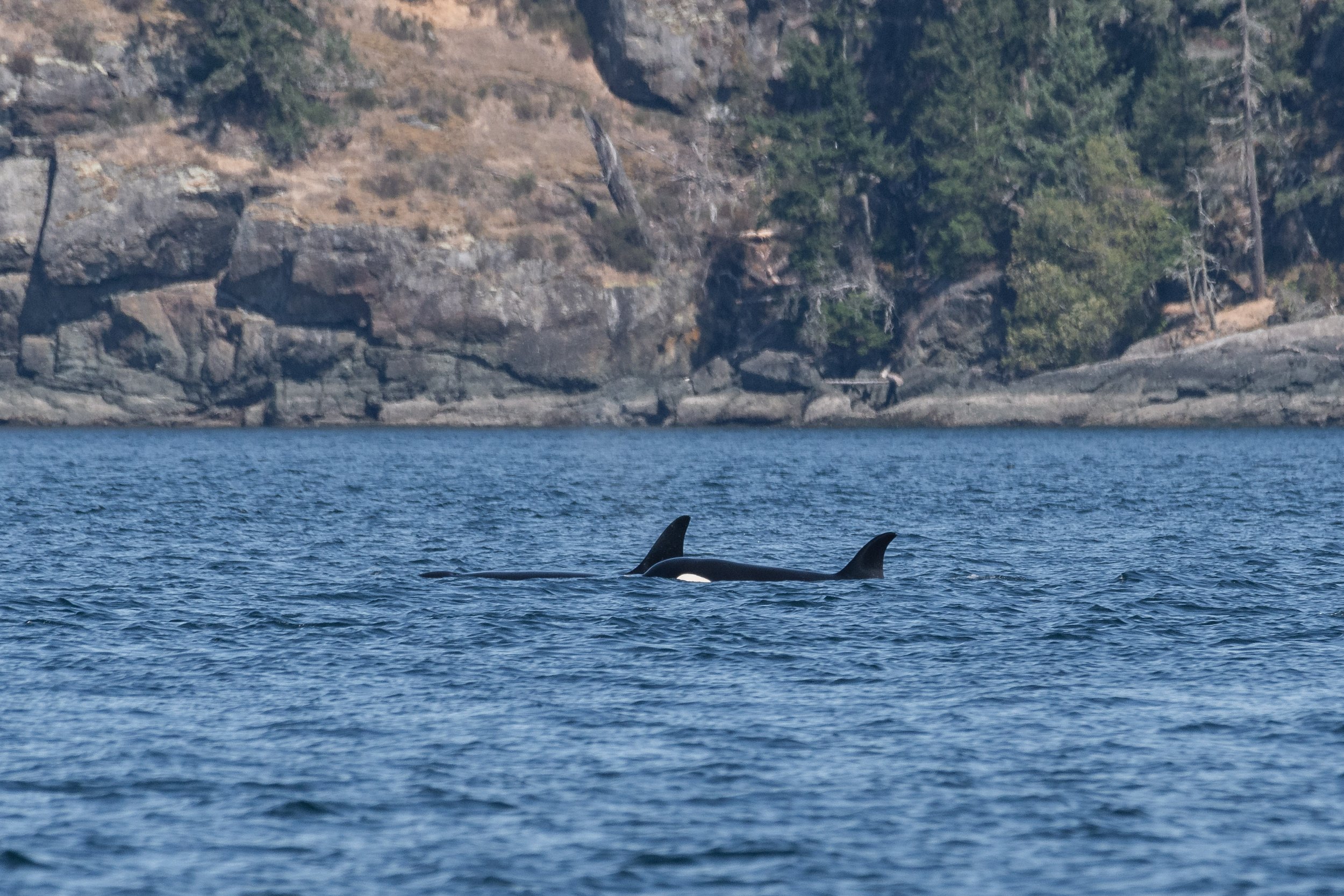
T049A Nan and T049A5 Nebula surfacing together. Photo by Evan Hessels.
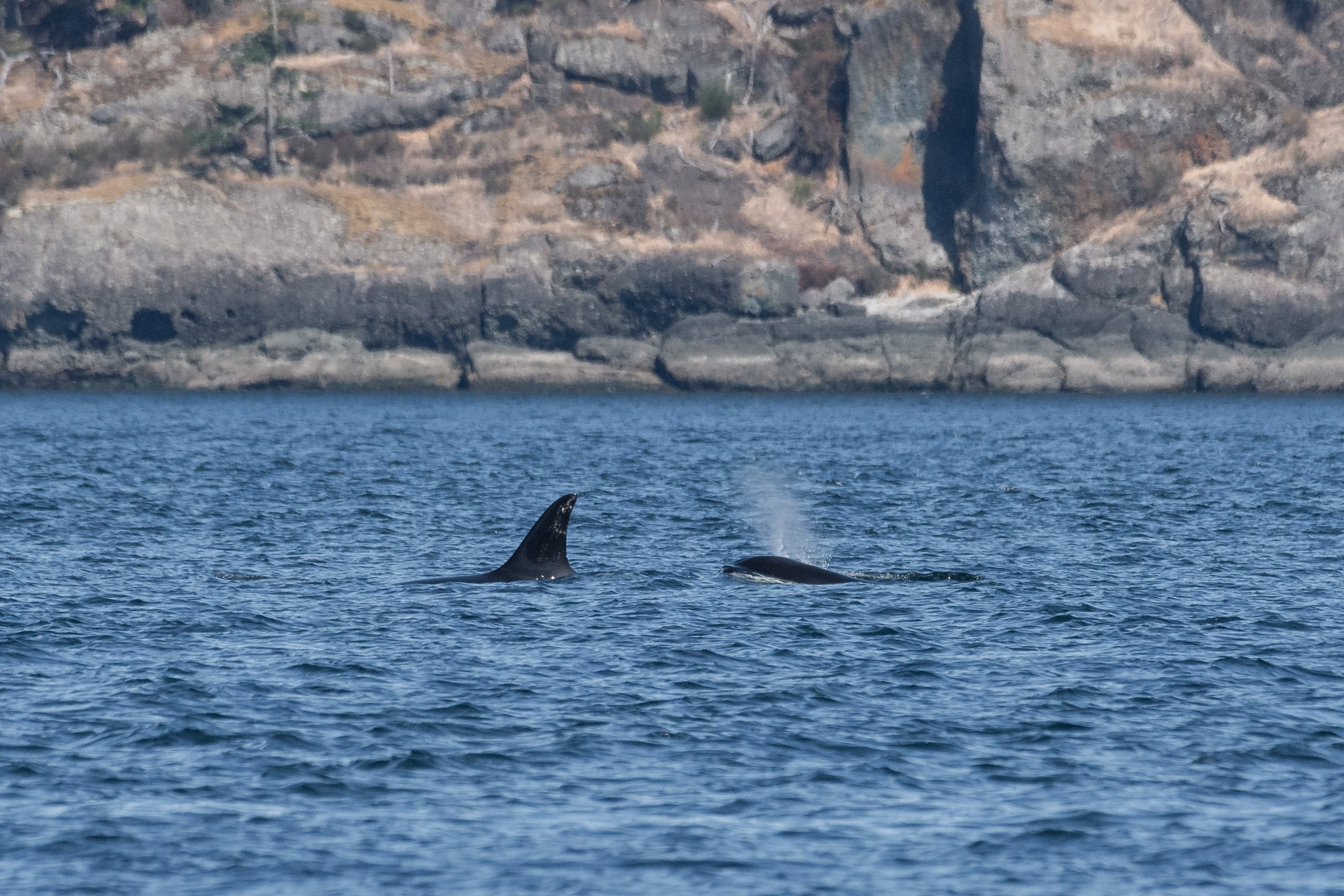
Can you spot T049A Nan’s distinctive notches toward the bottom of her dorsal fin. Photo by Evan Hessels.
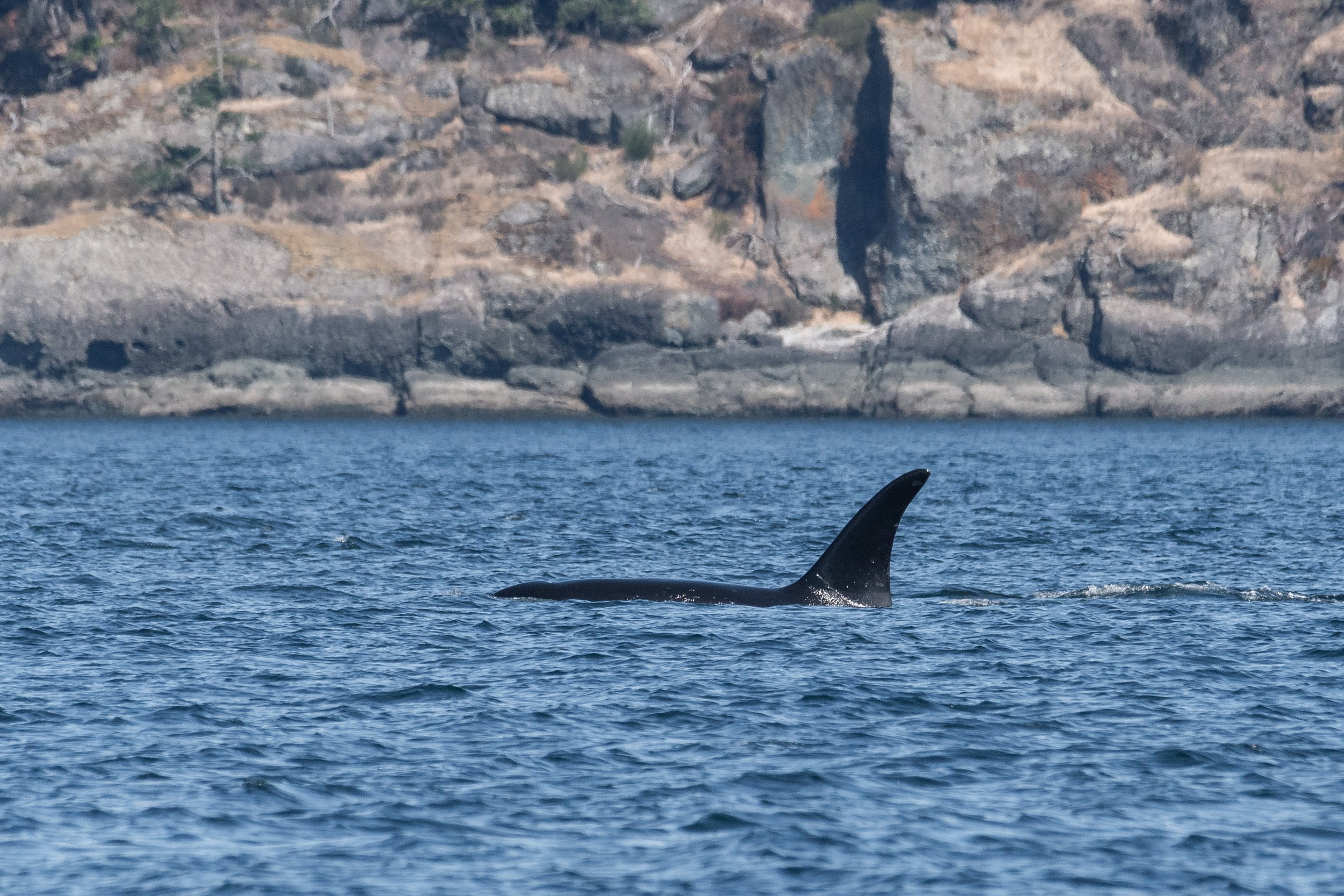
T049A3 Nat is the largest of te T049As that typically travel together. Photo by Evan Hessels.
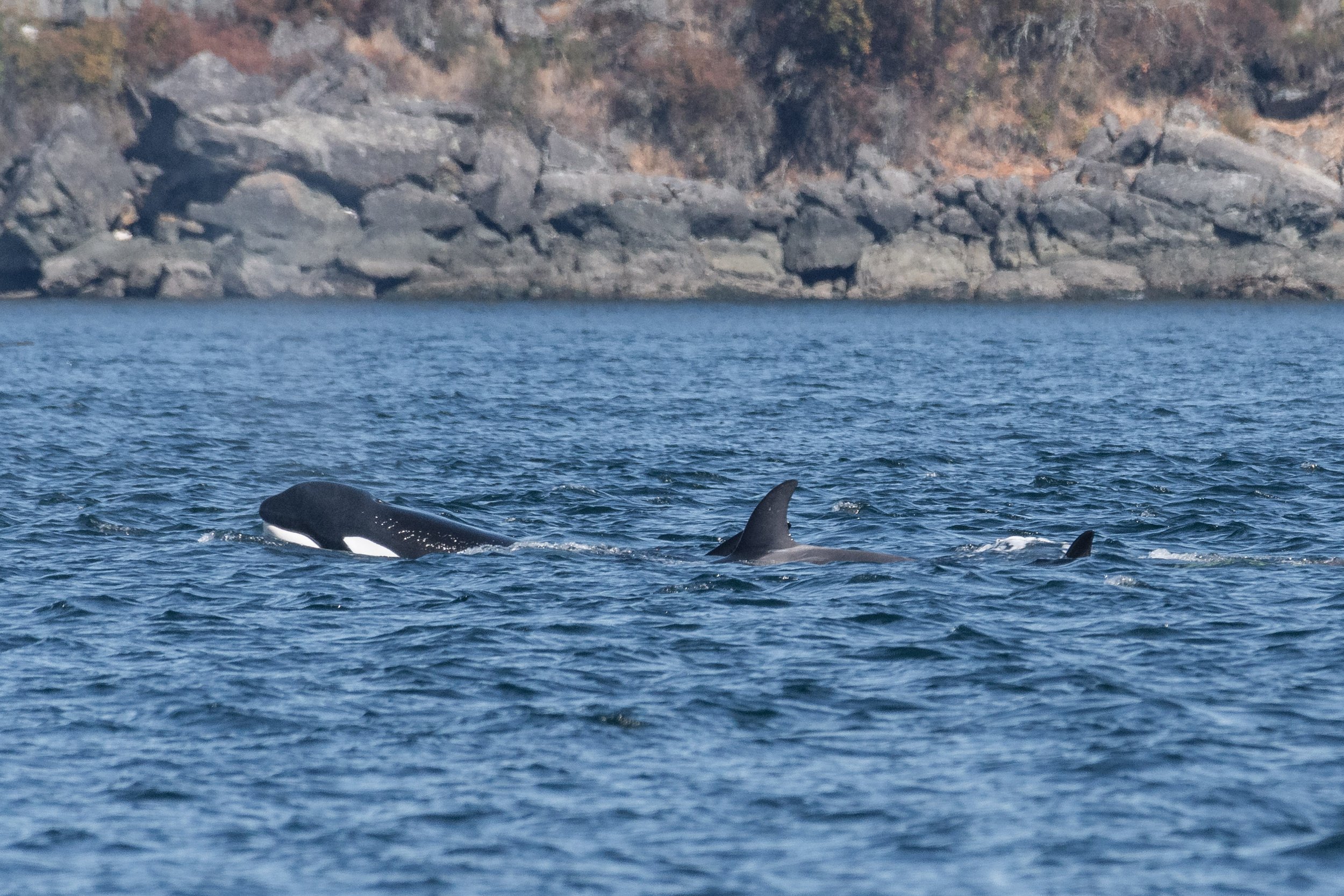
T049A Nan wth her rostrum out of the water as she surfaces beside her calf. Photo by Evan Hessels.
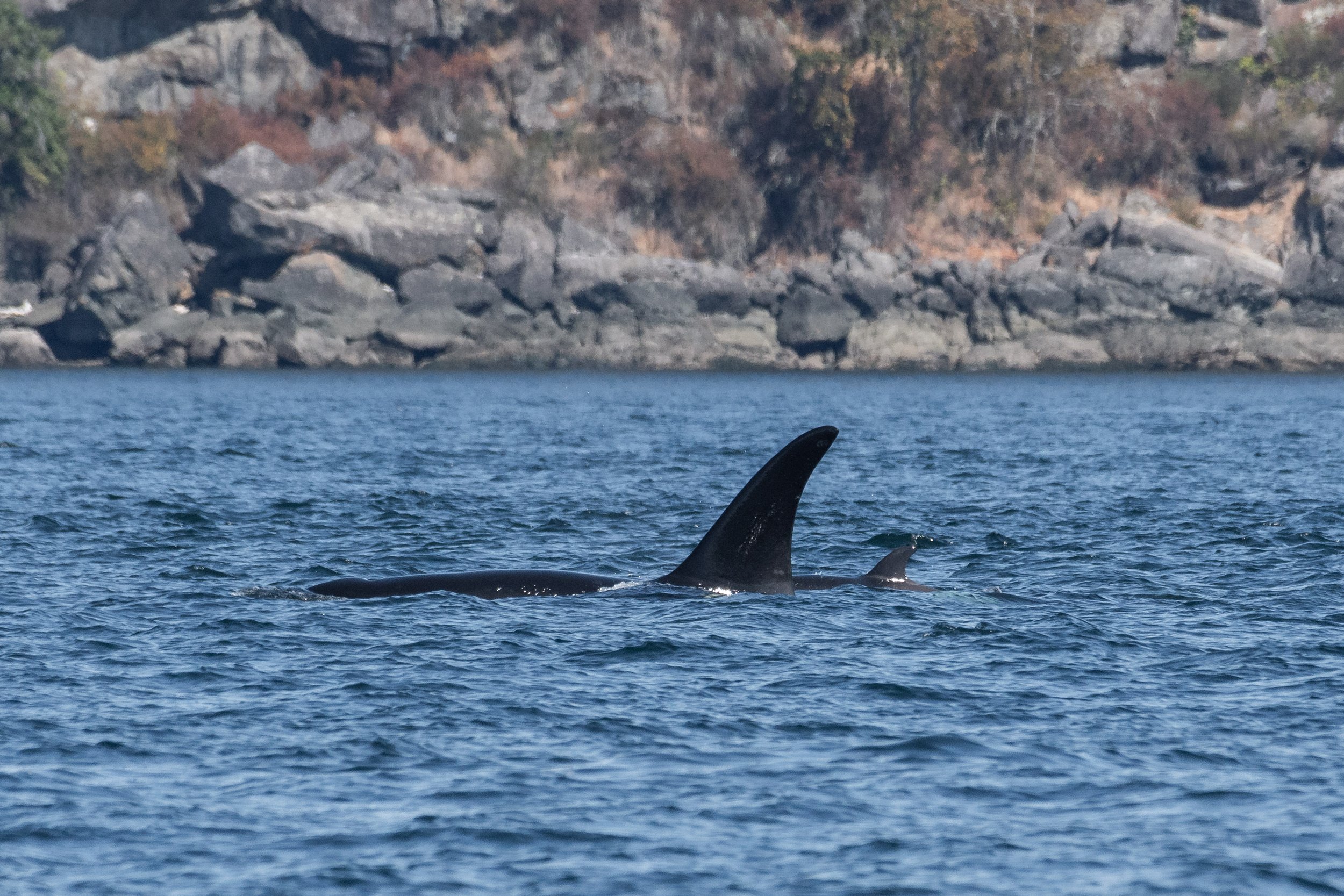
Quite the difference between T049A3 Nat and T049A7 Nimbus as they surface side-by-side. Photo by Evan Hessels.
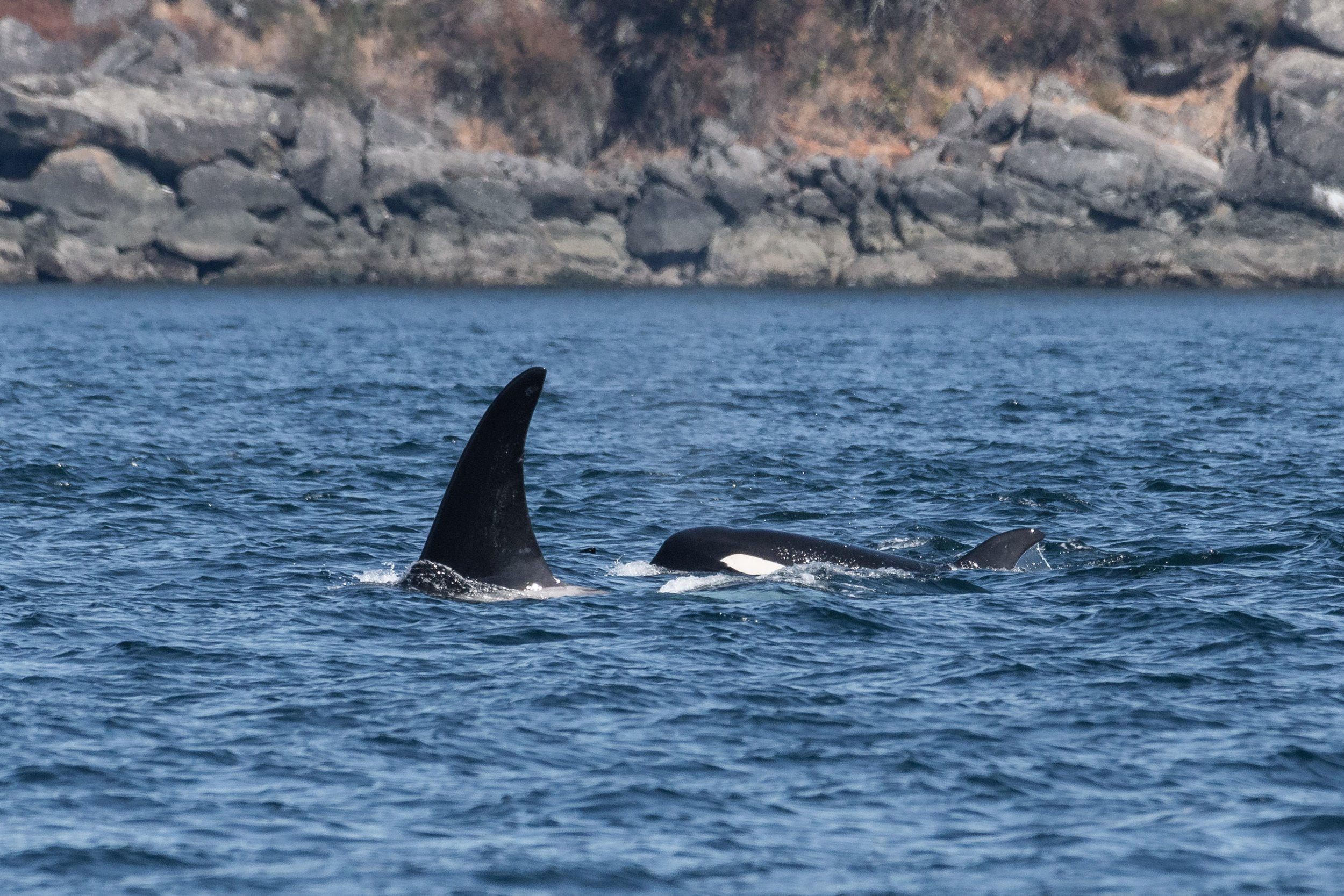
T049A3 Nat and T049A6 Charlie II surfacinging together. Photo by Evan Hessels.
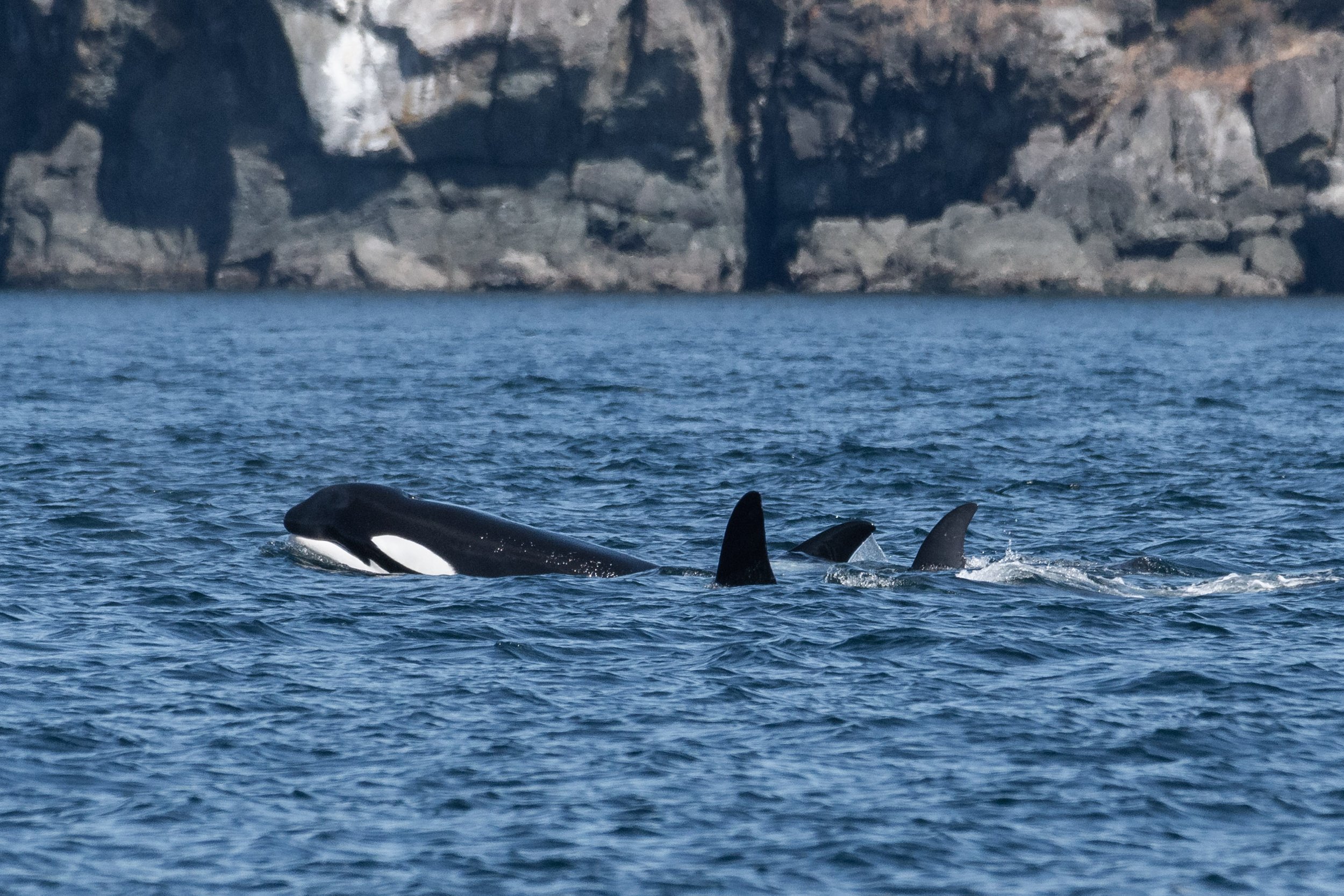
A great T049A Nan as she surfaces. Photo by Evan Hessels.
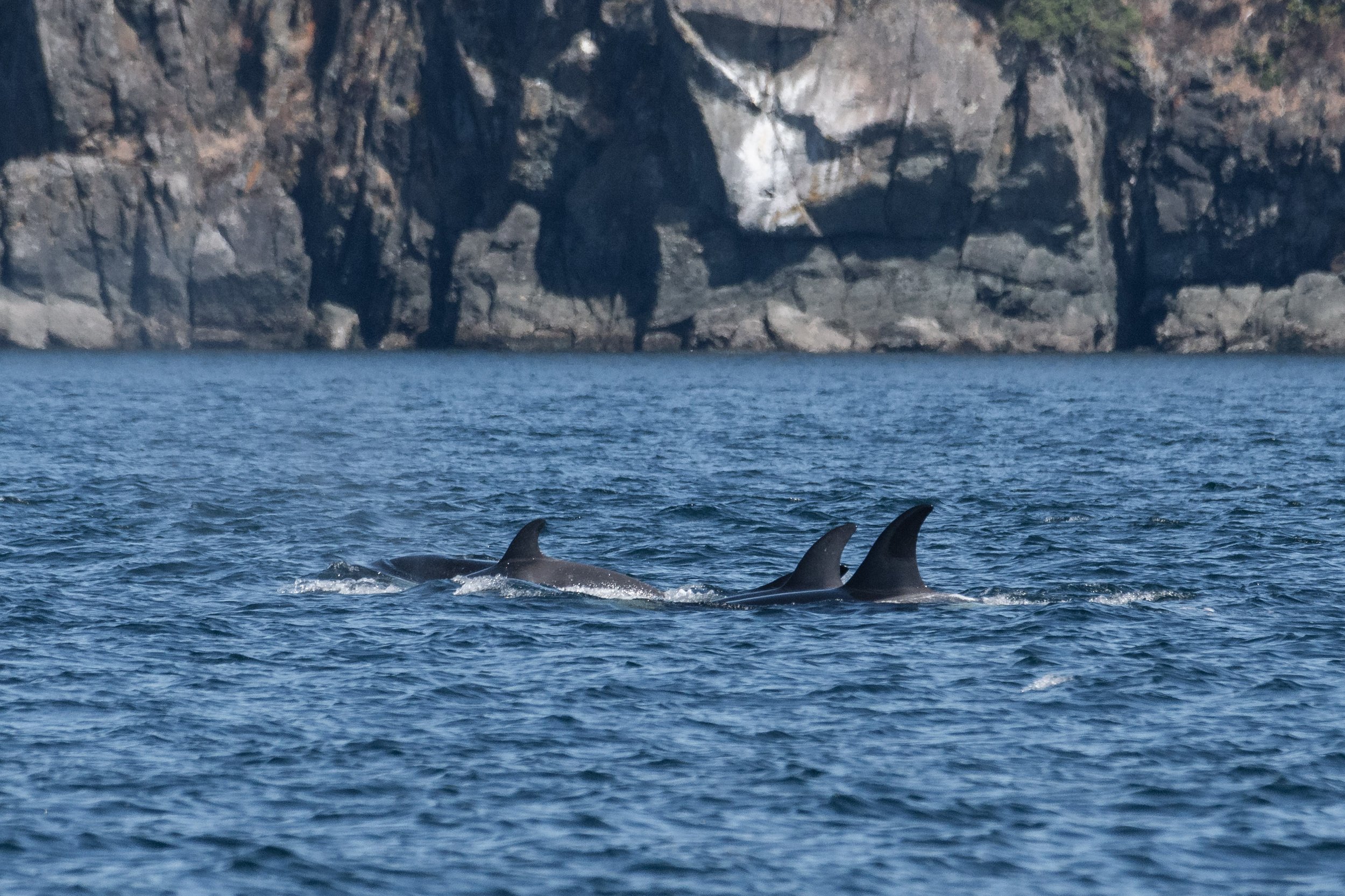
Some of the younger members of the pod surfacing together: T049A7 Nimbus, T049A6 Charlie II, and T049A5 Nebula. Photo by Evan Hessels.
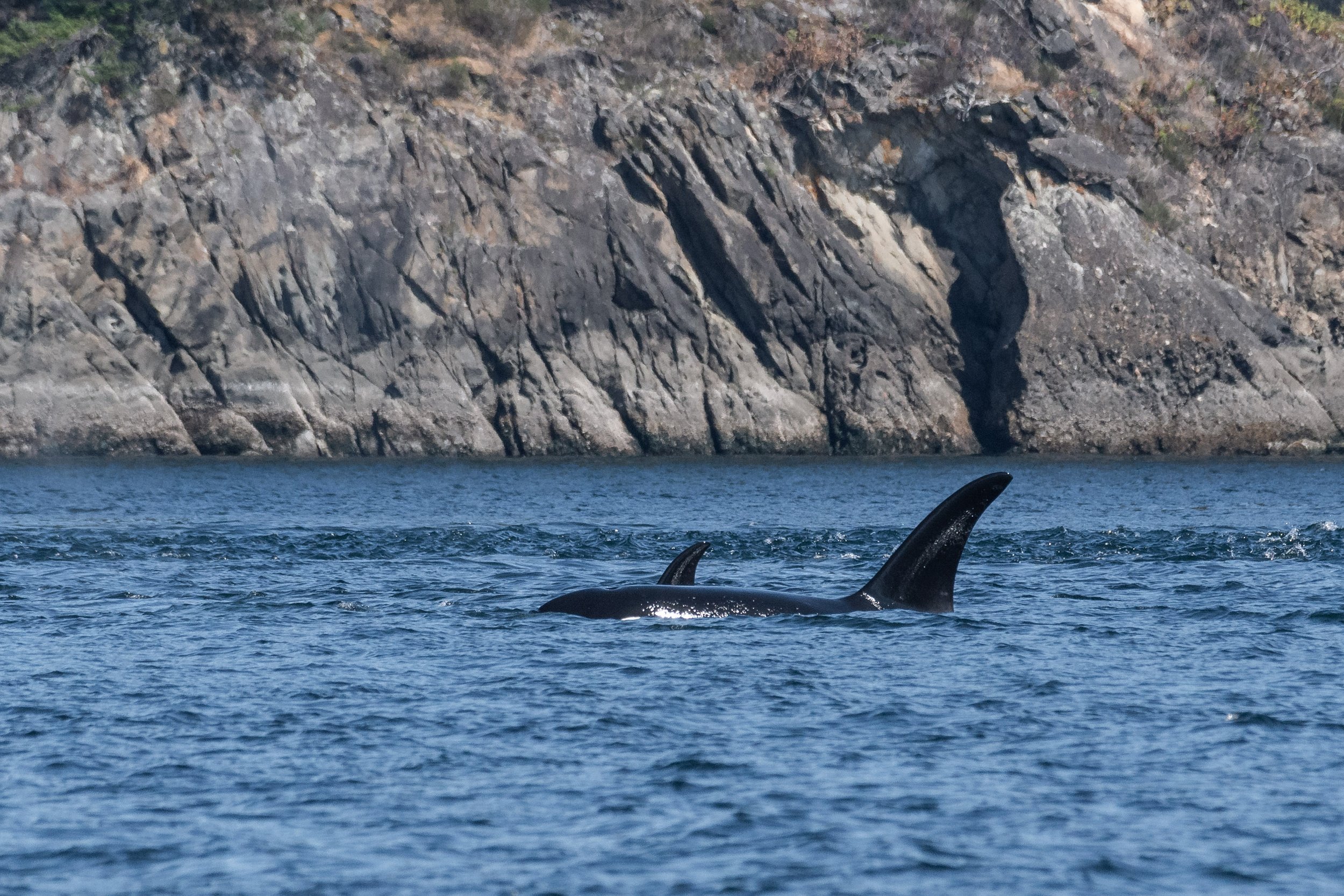
T049A3 Nat and T049A5 Nebula surfacing together. Photo by Evan Hessels.
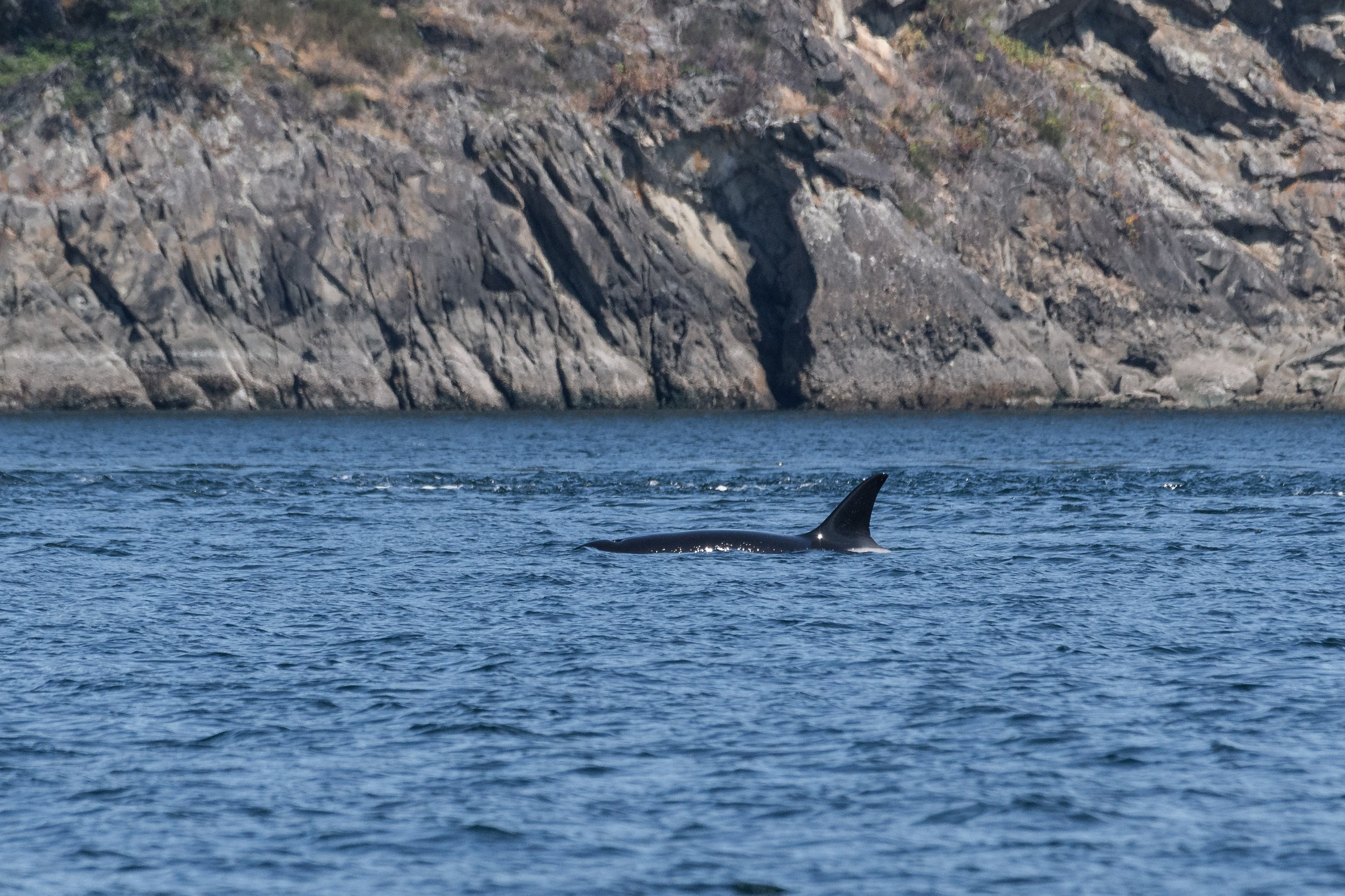
T049A Nan surfacing solo. Photo by Evan Hessels.
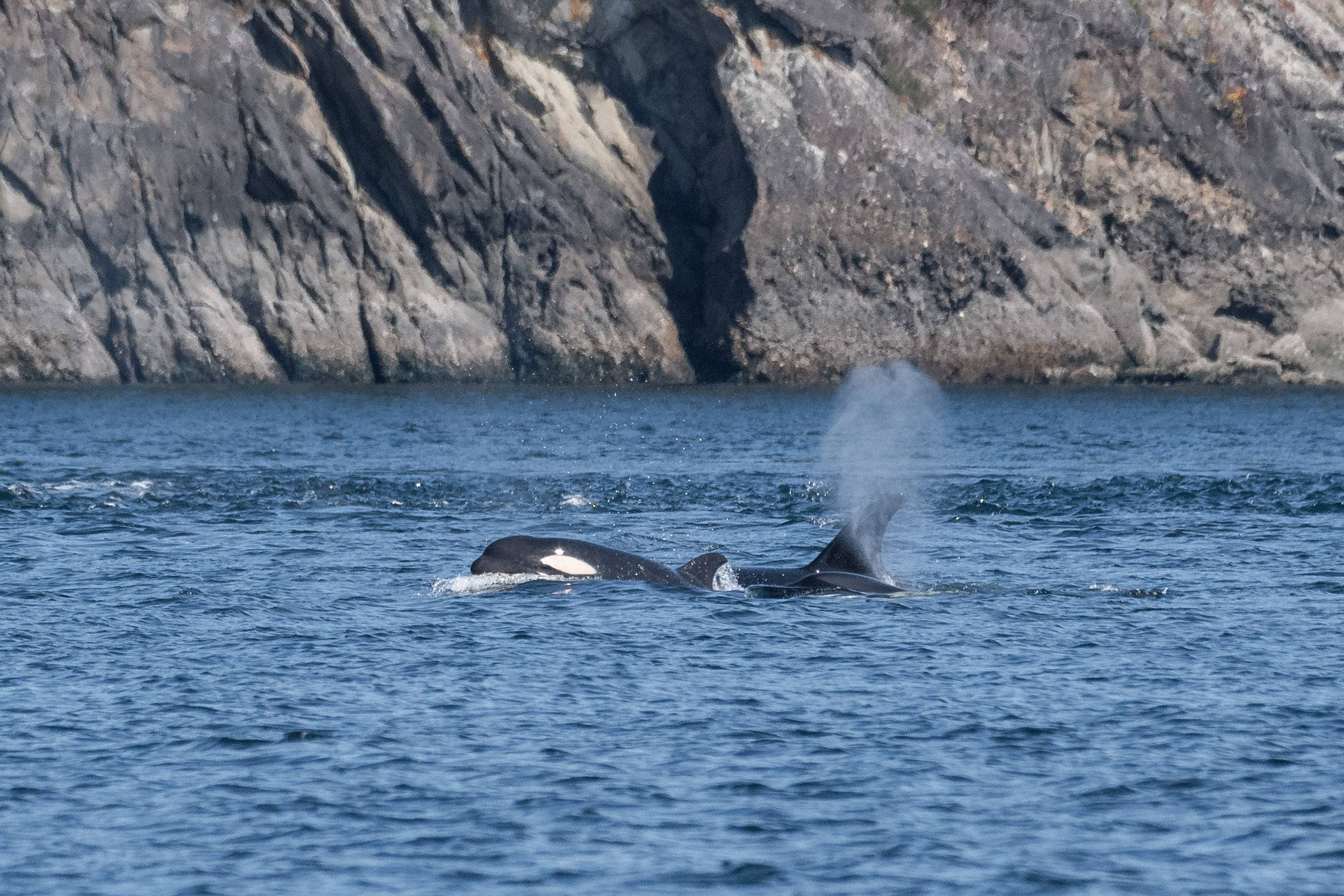
A great look at T049A7 Nimbus as they surface with T049A4 Neptune. Photo by Evan Hessels.
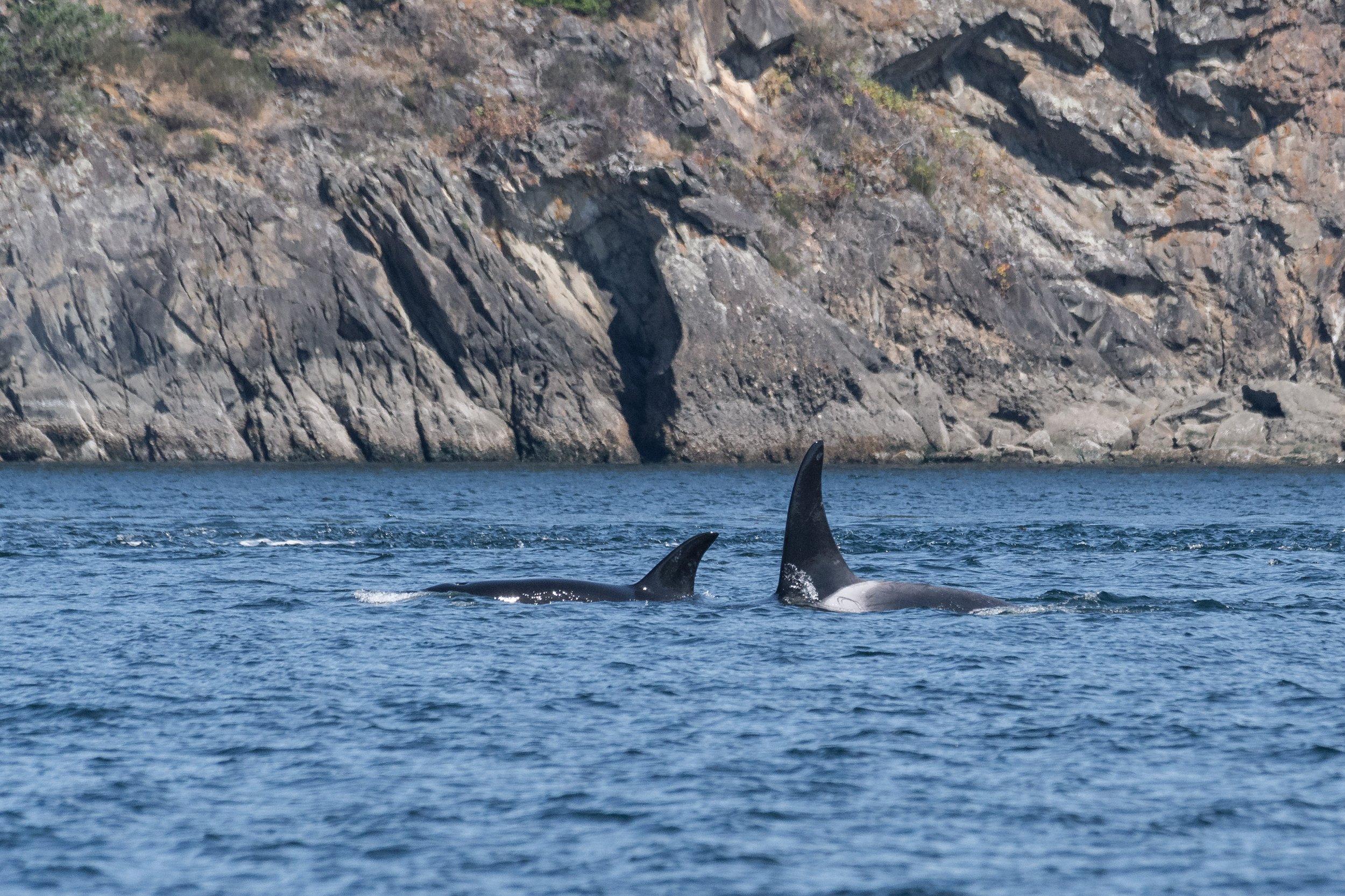
T049A4 Neptune and T049A3 Nat surfacing together. Photo by Evan Hessels.