
August 21, 2026, 3:30 PM - An Orca family Reunion plus Humpback Soup 🍲
We were practically buzzing with excitement as we boarded our vessels, ready to get underway for our afternoon adventure. We had seen some whales heading north during the morning tour, so we planned to try to find them again that afternoon. Working with some other boats that were also exploring the area, we figured we had been successful since we spotted the tall black dorsal fin of orca in the distance. Once we got closer, it was clear that these weren’t the same whales that we had this morning; it was a whole new pod altogether! We grabbed our cameras and started snapping photos, quickly identifying the whales as the T002Cs. To surprise us even further, there was an extra whale in the mix that turned out to be T002B, Pedder.
T002B Pedder ♀ (1979)
T002C Tasu ♀ (1989)
T002C1 Rocky ♂ (2002)
T002C3 Lucy ♀ (2011)
T002C5 Zippy/Guardian (2020)
T002C6 Yukon (2025)
You can probably tell this by looking at their numbers, but Pedder and Tasu are actually sisters! They don’t usually travel together now, but they did when they were younger. Matrilines of orcas are usually pretty tight-knit, typically having the whales travelling together until the daughters start having their own calves and split off to form their own pod. The T002s were a little bit different, though. Pedder actually dispersed from the pod not long after Tasu was born, leaving the matriline in 1992. The family tie still seems to be there, though, as they are spotted together periodically over the years. Whales can go a fair amount of time without being spotted or the sightings being shared, so visits like these might be happening more frequently than we know. No matter how often it happens, we were happy to see them here together. Pedder is a lone female, so she is often travelling alone or with an unrelated family group. She tends to like spending time with the T060s, T090s, and the T109Bs.
Just like us, orcas are very social animals, and just because she doesn’t always travel with the same matriline, it doesn’t mean that the time spent socializing isn’t just as important for her. It did seem like these whales were focusing a bit on socializing as we watched them move through the water, with some surface activity from the group in the form of tail slaps as they travelled around. It was a great way to end our time with this ongoing family reunion.
Our adventure wasn’t over, though, as there were still humpbacks to be found! Each of our boats had its own humpback encounters. The covered boat spotted a group of three at first, Kaju (BCY1474), Vector (BCX2485), and Crackle (BCY1227), and then later a lone individual, Graphite (BCX2077). The open boat started with a trio of whales as well: Pingu (BCY1110), Zig Zag (BCX1193), and Olympus (BCX2075), but Pingu left the group pretty quickly and continued on without the other two. All of these whales seemed to be feeding in the area, spending time below the surface chasing down their food before returning to filter through their catch and catch their breath once again. Each of these whales needs to consume a staggering amount of food, about 3,000 pounds daily. That means, combined, these 7 whales would be eating 21,000 pounds of food. And it's likely even more than they need, since 2 of these whales are known females and are likely currently pregnant, which requires about 1.5 times the energy they need when they’re not. It’s a testament to the sheer biomass present in BC that we can sustain so many of these behemoths and their large appetites. This influx of food is seasonal, with warm summer weather encouraging plankton blooms that form the base of this amazing food chain. Humpbacks also help with this bloom, since they bring nutrients from the depths and deposit them at the surface, another important building block for plankton. Phytoplankton requires sunlight and nutrients for their growth, which they get plenty of with the help of the whales. It’s an incredible positive feedback loop with humpback recovery, since the more whales return, the more they change their environment to provide more food. Hopefully, we will continue to watch this population recover over time.
Finally, both boats spent time with Steller Sea Lions. Steller Sea Lions are the largest species of sea lion in the world, with males reaching up to 2,500 pounds when fully grown and females closer to 800 pounds. With large size comes a large appetite, just like humpback whales. Steller Sea lion females may be eating up to 50 pounds of food each day, while males might need about 75 pounds. They hunt a wide variety of fish species to meet this energy requirement, including seasonal treats like salmon and herring, and both come closer to shore to spawn. The sea lions tend to return and leave our waters tied to the timing of such events, with the salmon run in particular being an important food source after the adult males may have gone a few months without feeding during their breeding season. Since they need to defend territory on the beach, they can’t leave to grab a bite to eat without risking losing their spot.
We headed back toward Nanaimo after our sea lion encounters, pondering the amazing biomass the Salish Sea supports as the sunset painted the sky along the way. Throughout these encounters, the onboard Marine Naturalists Hayleigh Hilbert and Evan Hessels captured some great photos, which are included below!
T002B and the T002Cs
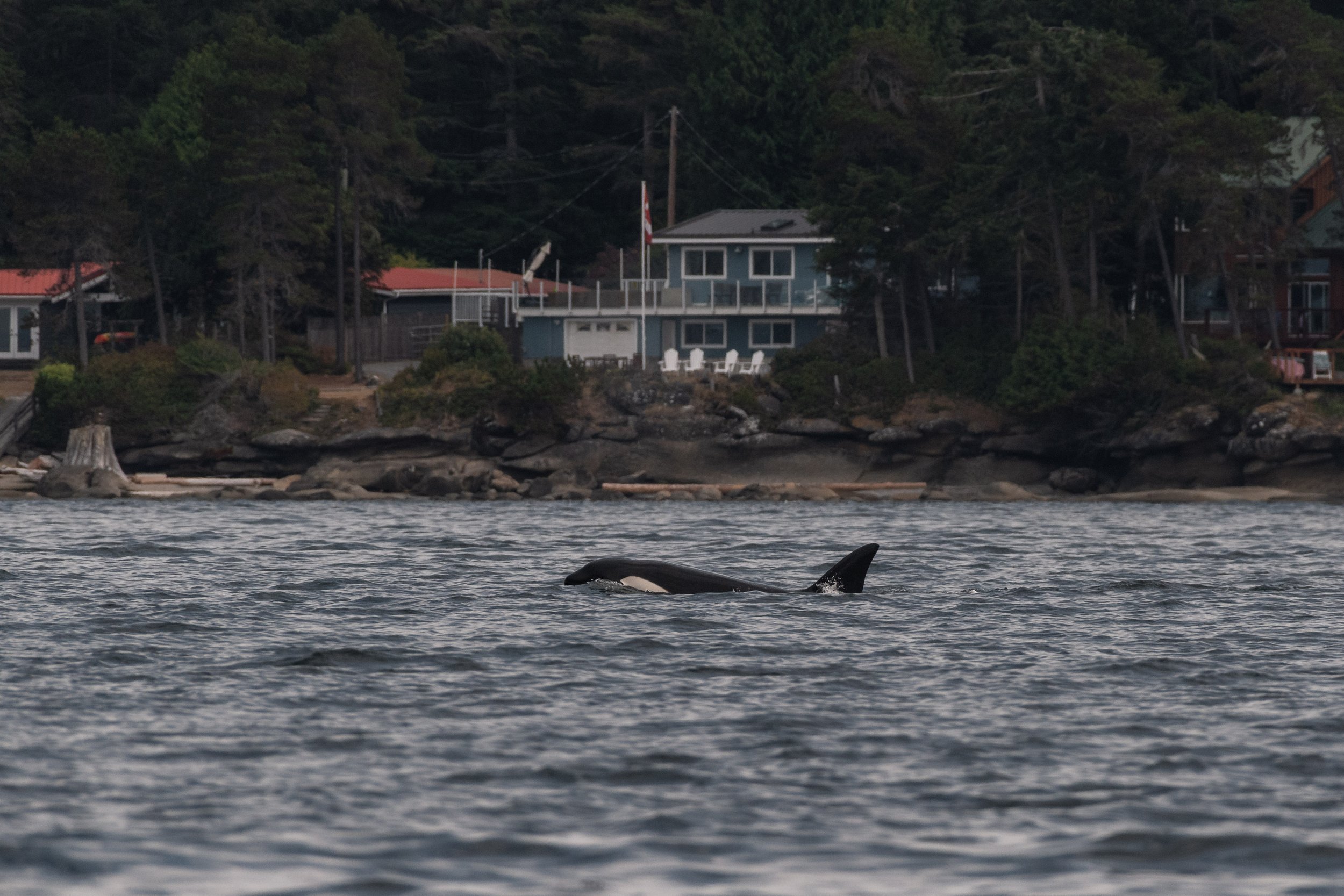
T002C3 Lucy surfacing in the waves. Photo by Hayleigh Hilbert.
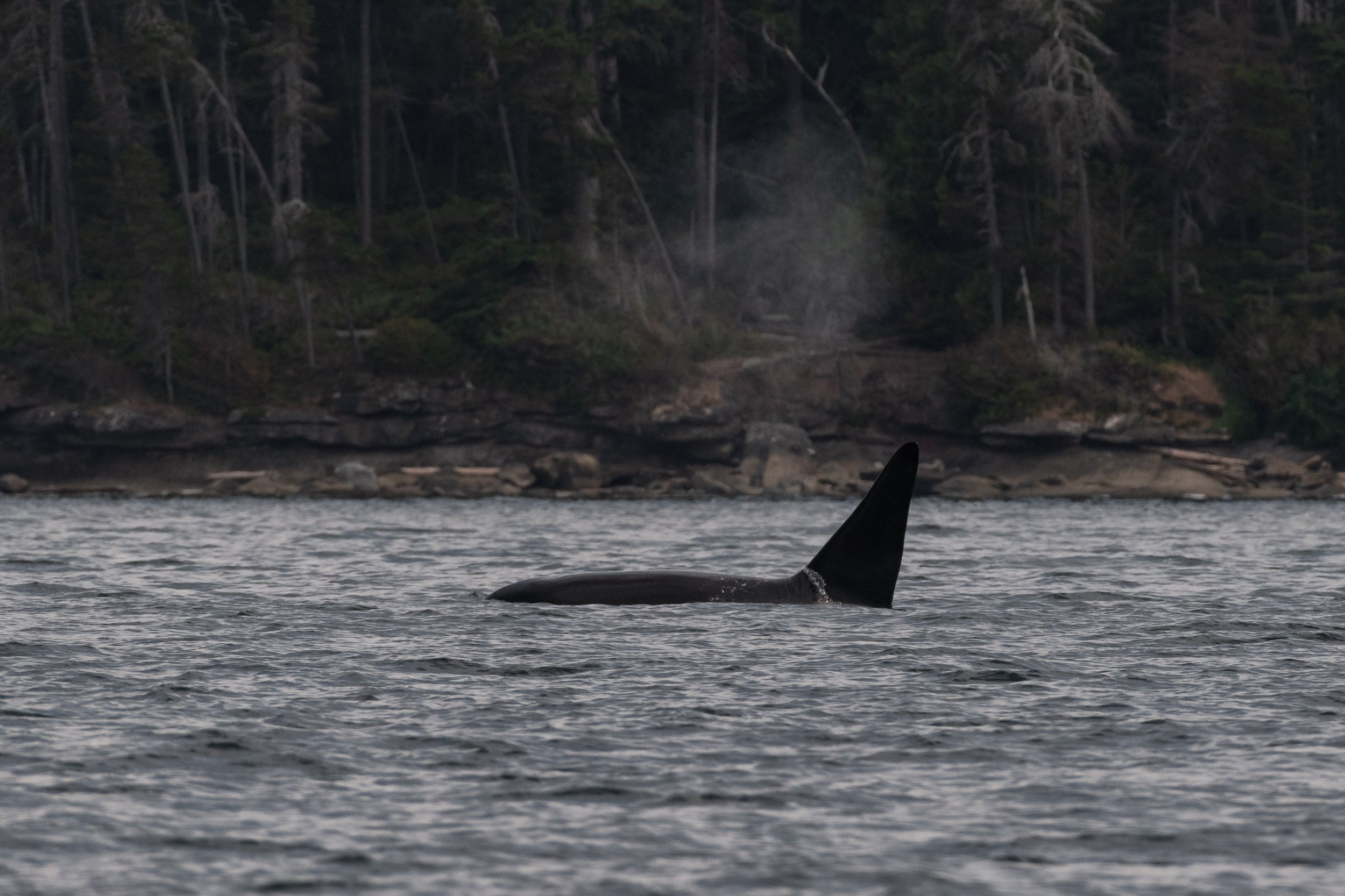
T002C1 Rocky surfacing along Gabriola Island. Photo by Hayleigh Hilbert.
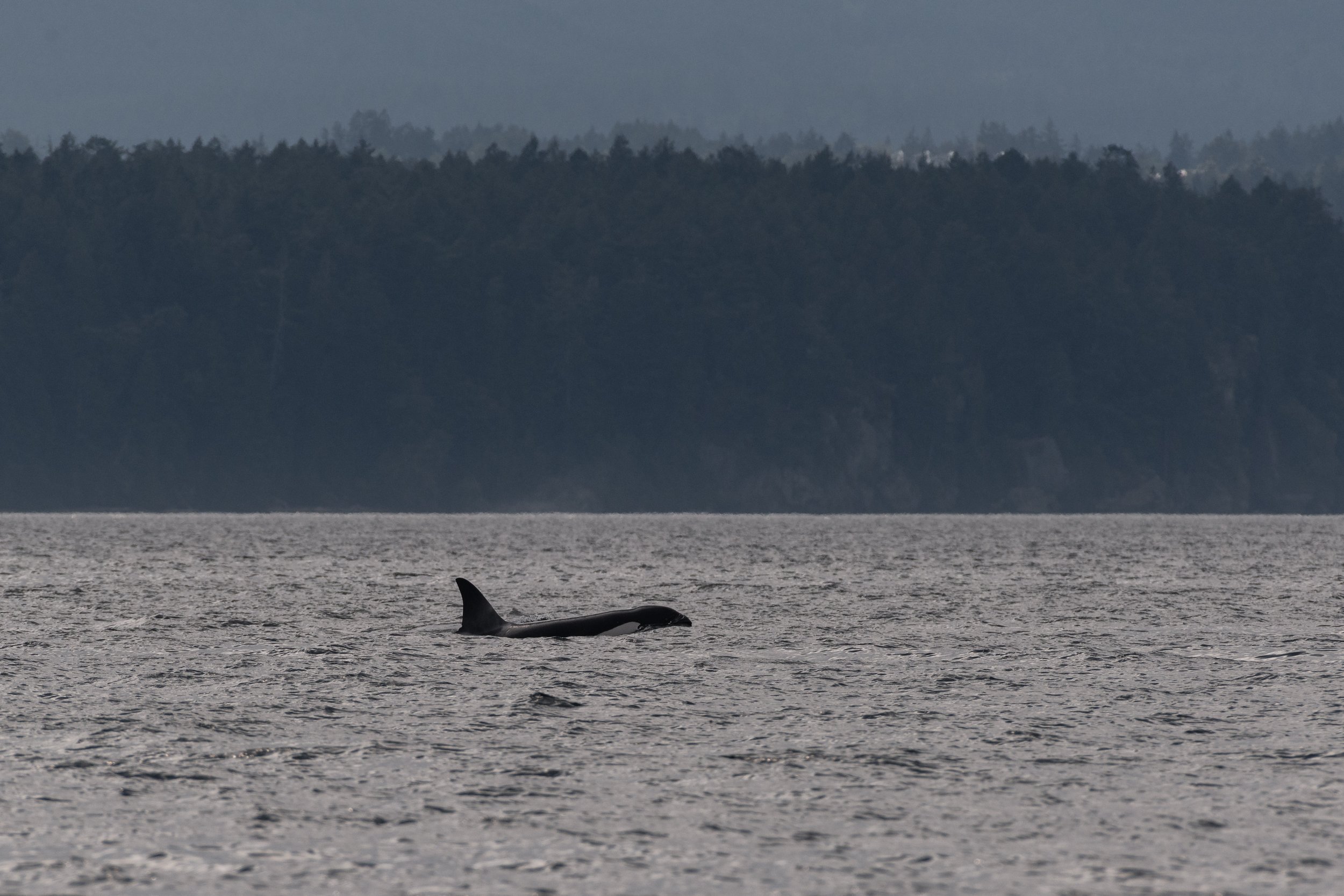
A nice look at T002C Tasu as she surfaces. Photo by Hayleigh Hilbert.
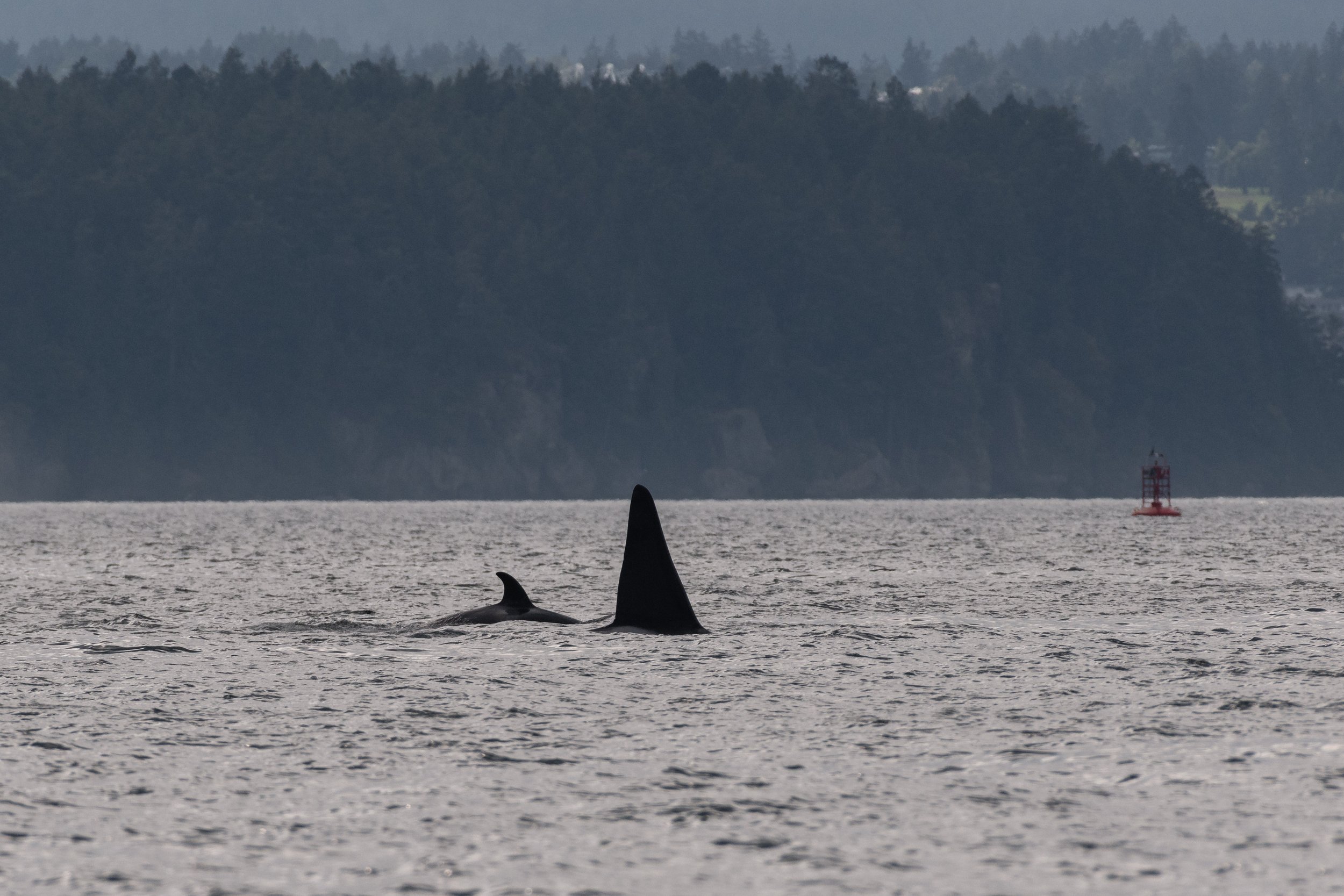
T002C6 Yukon travelling with big brother T002C1 Rocky. Photo by Hayleigh Hilbert.
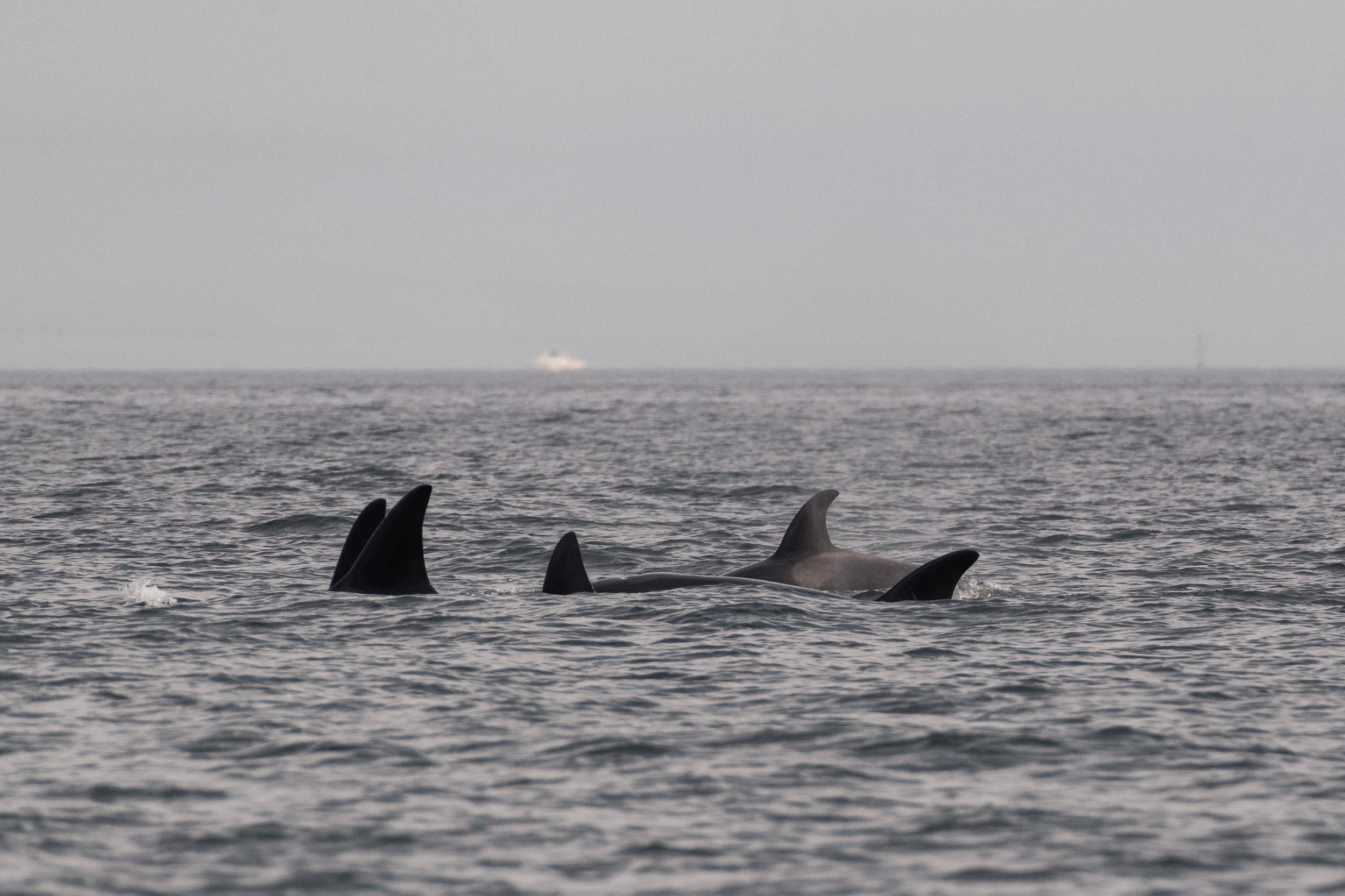
A T002C family photo. Photo by Hayleigh Hilbert.
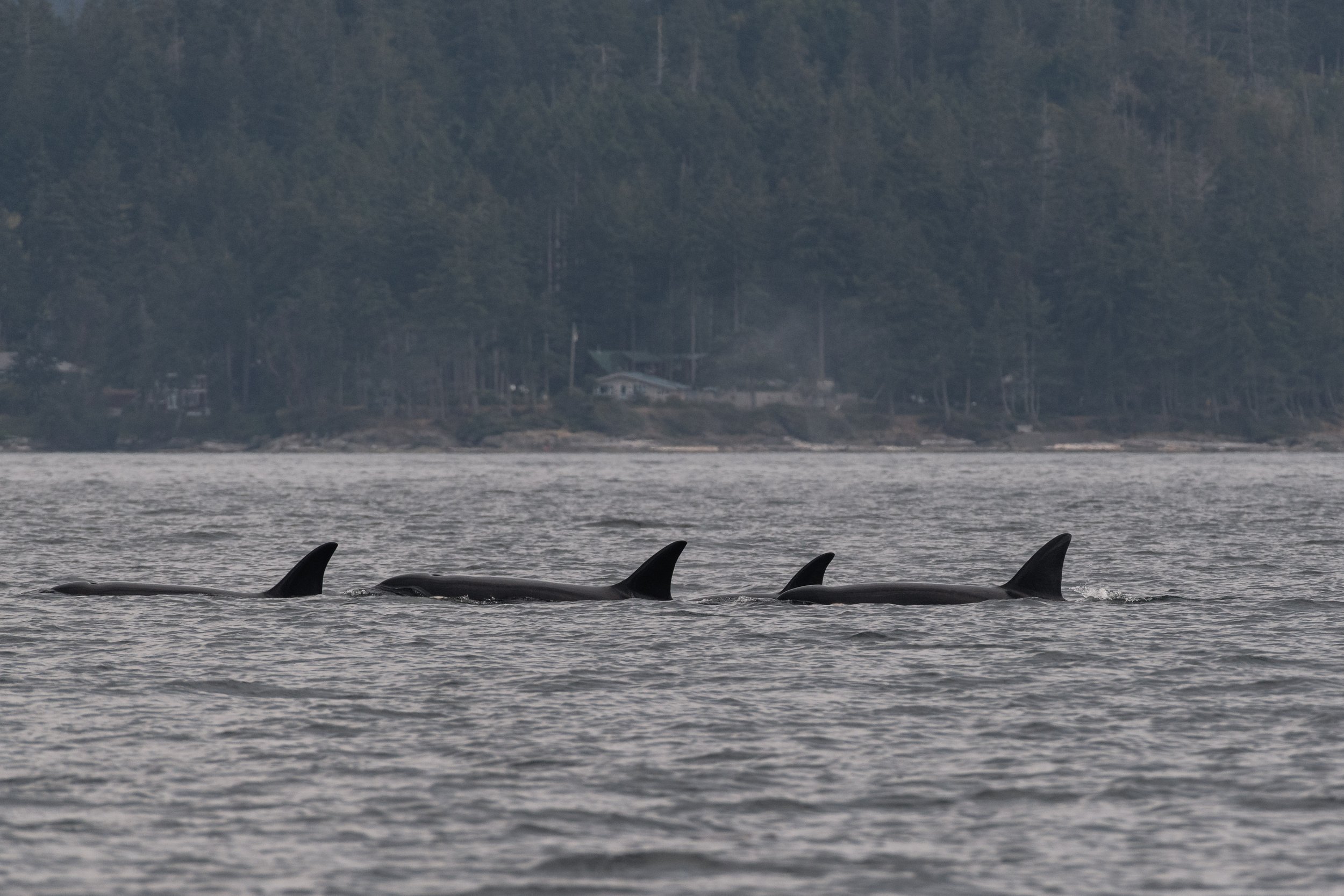
T002C Tasu, T002B pedder, T002C5 Guardian, and T002C3 Lucy surfacing together. Photo by Hayleigh Hilbert.
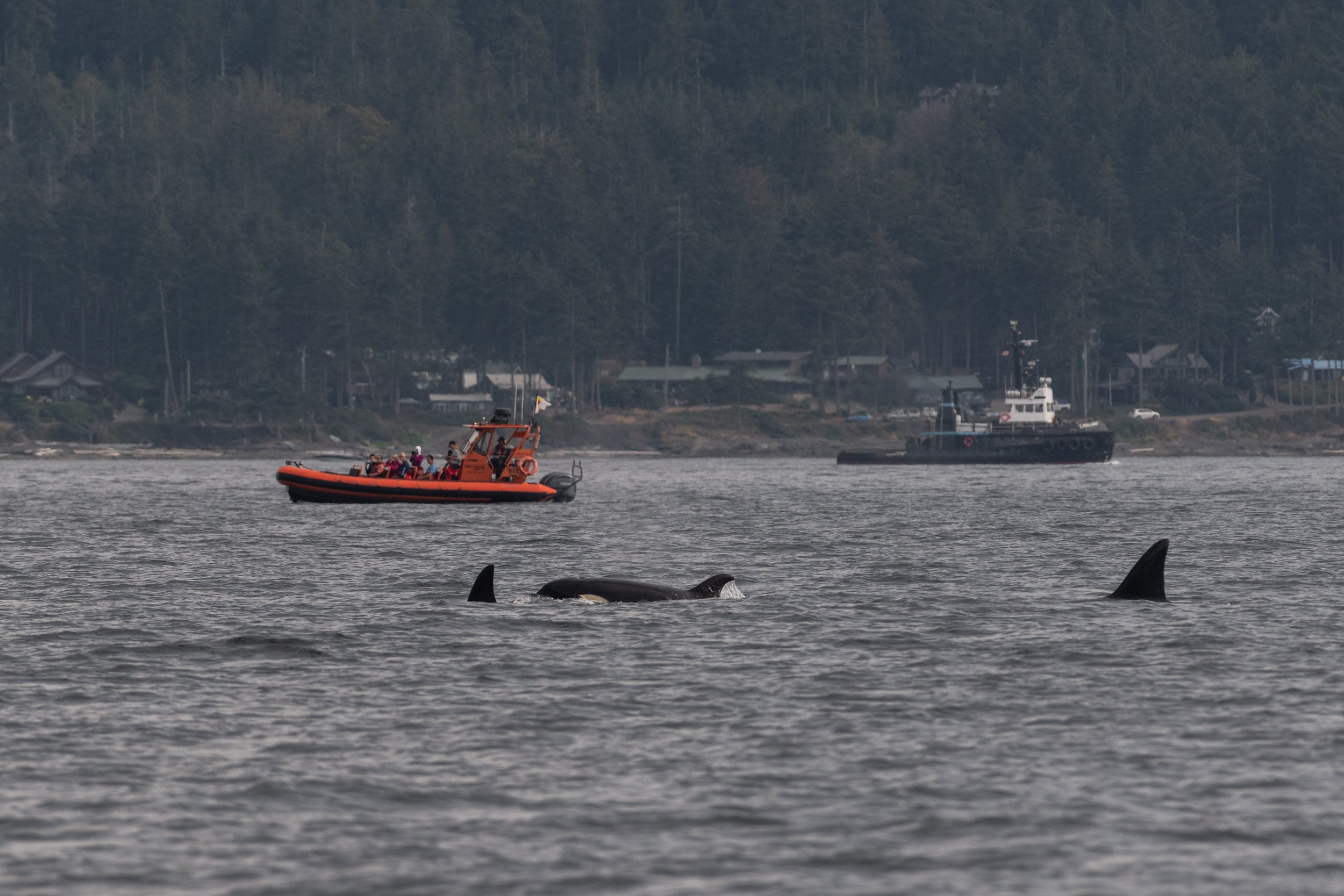
T002C6 Yukon and T002C3 Lucy with guests on Keta watching from the other side of them. Photo by Hayleigh Hilbert.
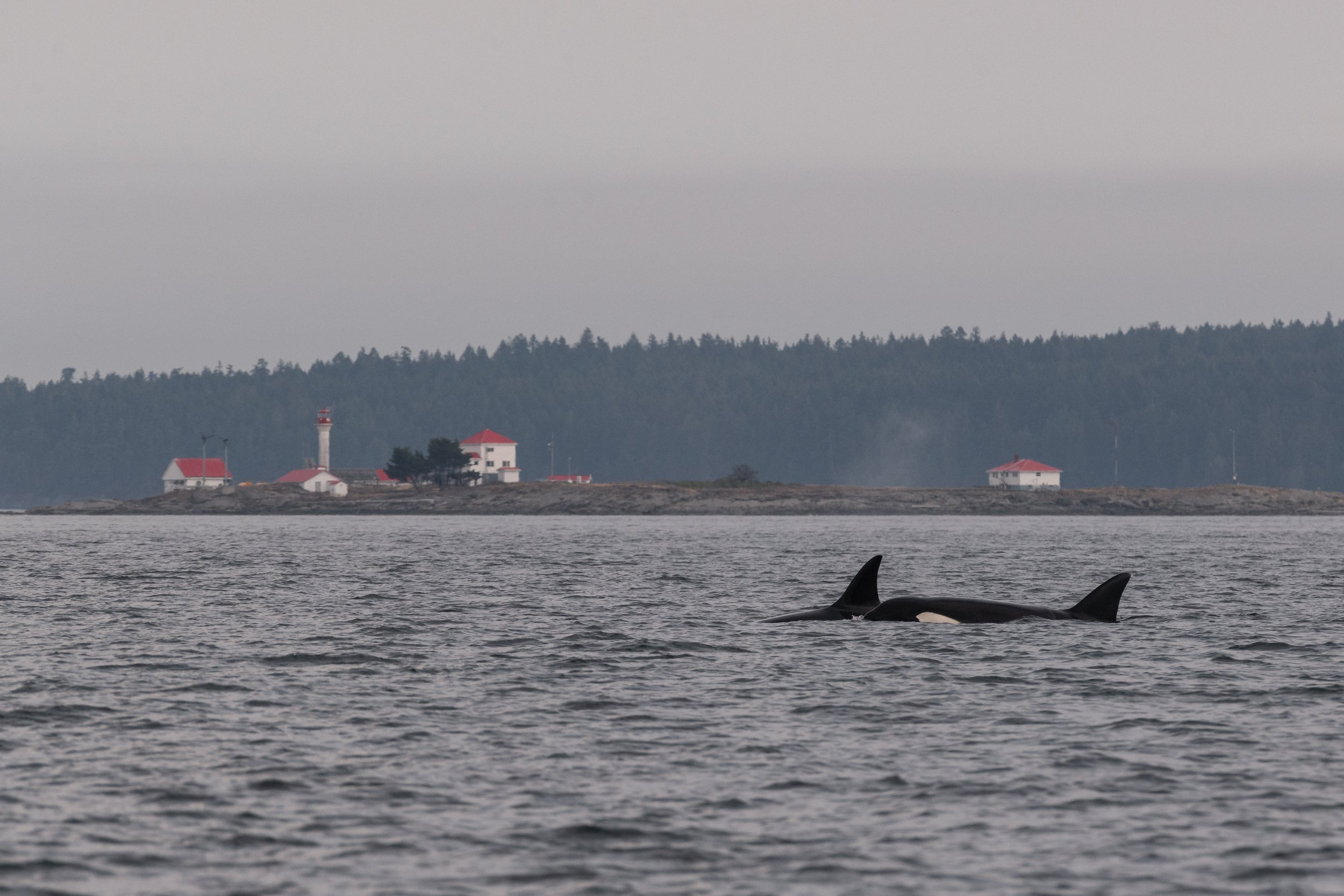
T002B Pedder surfacing alongside T002C3 Lucy with Entrance Island Lighthouse behind them. Photo by Hayleigh Hilbert.
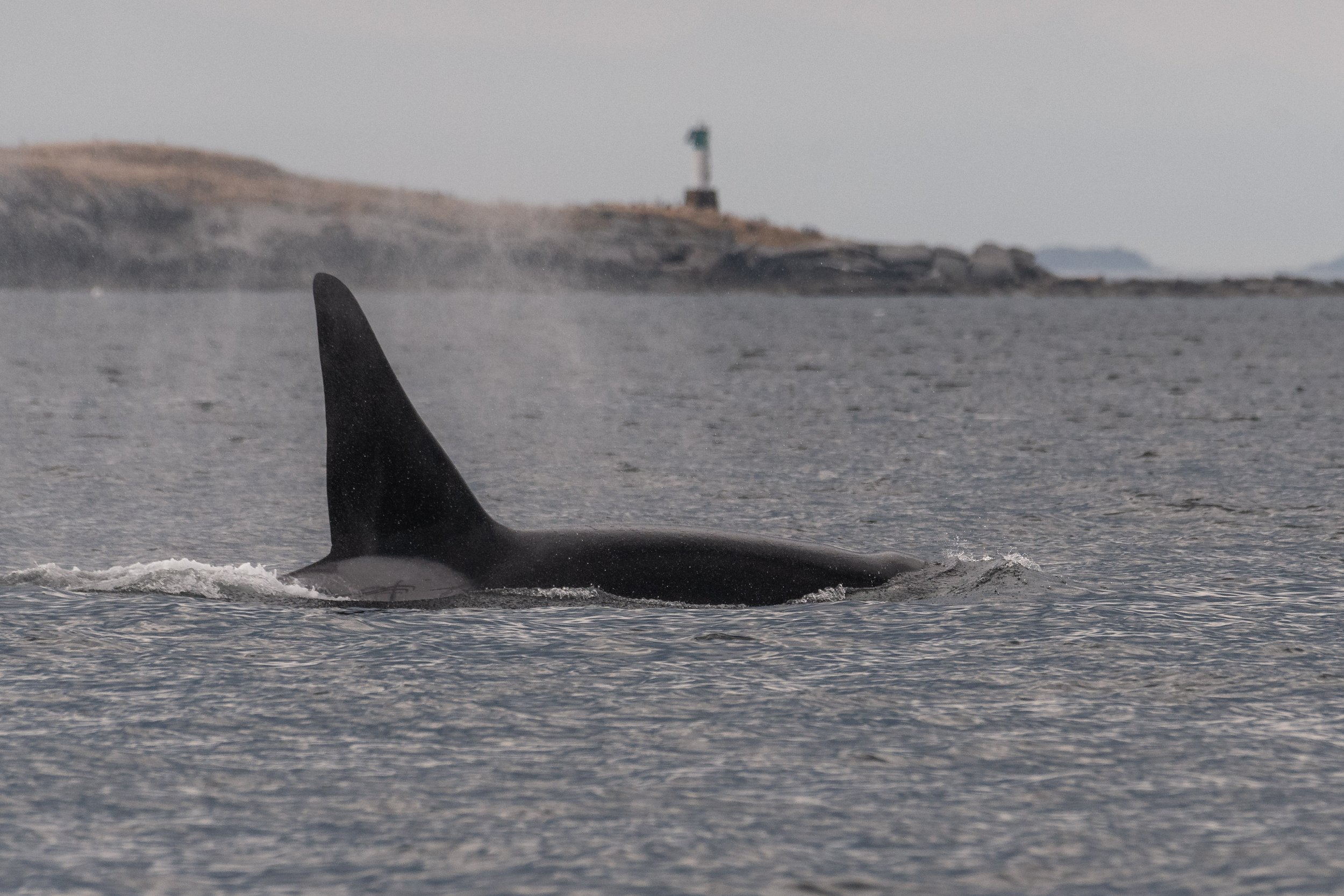
T002C1 Rocky surfacing high and showing off his scarred saddle patch. Photo by Evan Hessels.
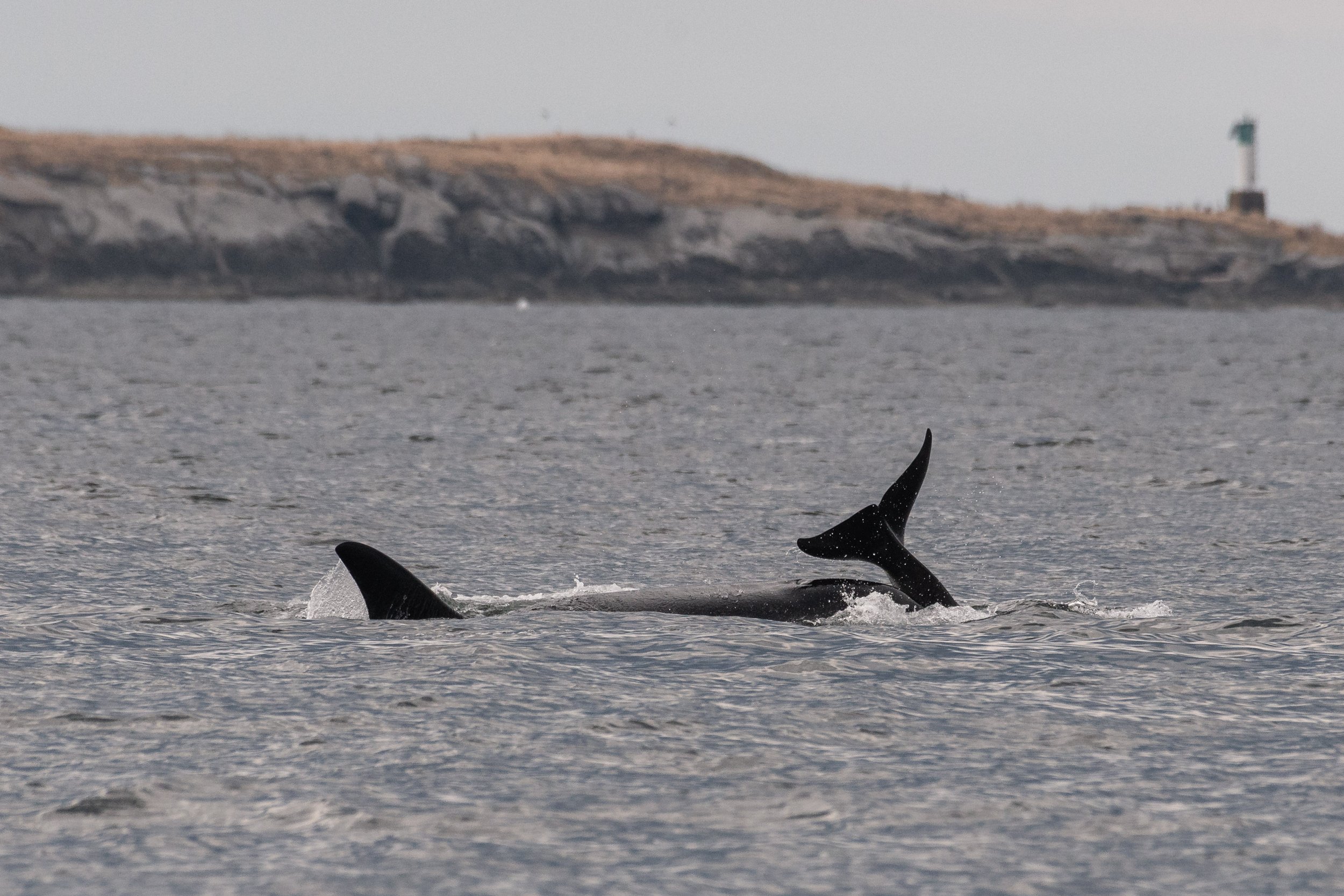
A lovely tail slap from one of the T002Cs with T002C Tasu surfacing behind them. Photo by Evan Hessels.
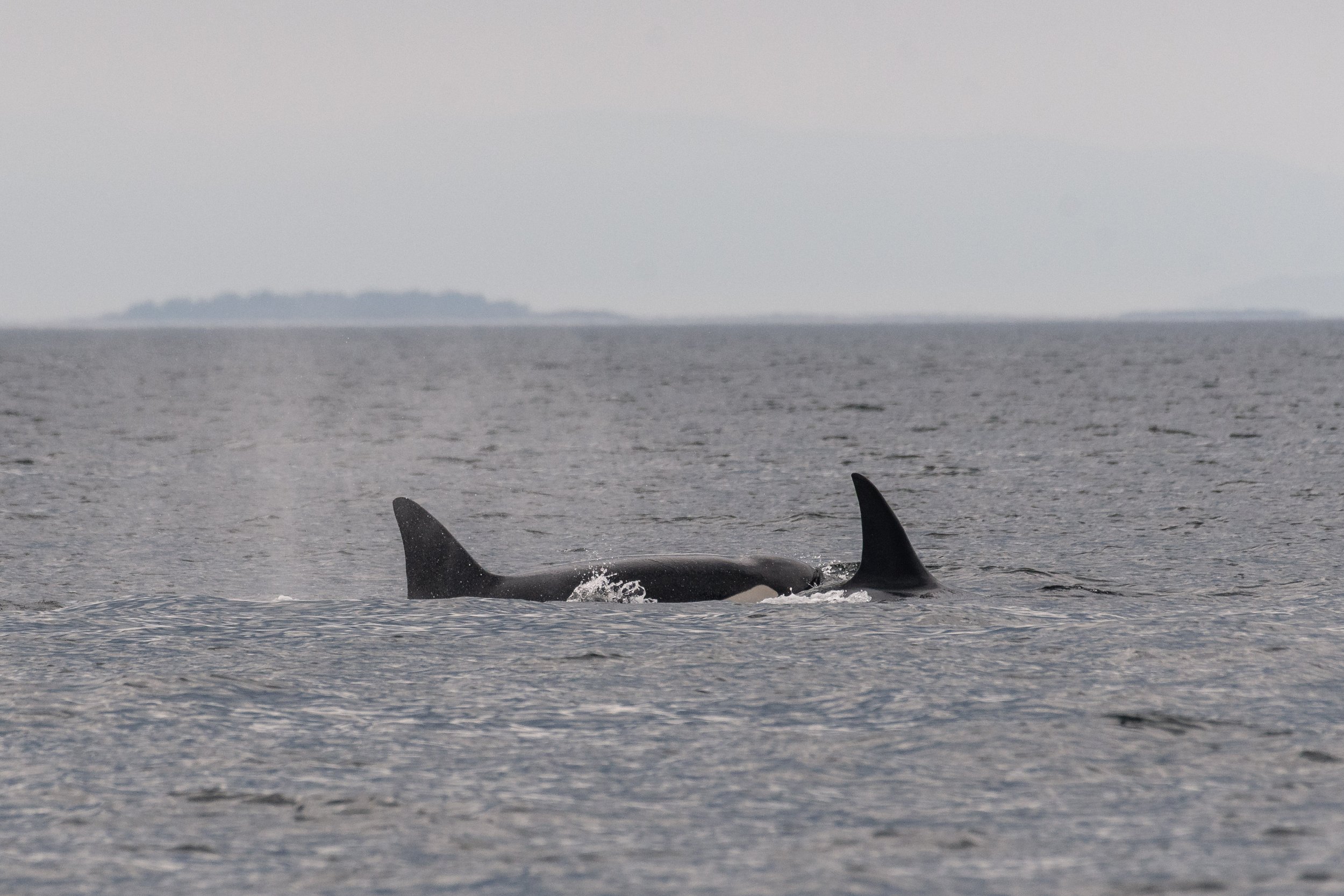
T002B Pedder and T002C3 Lucy surfacing together. Photo by Evan Hessels.
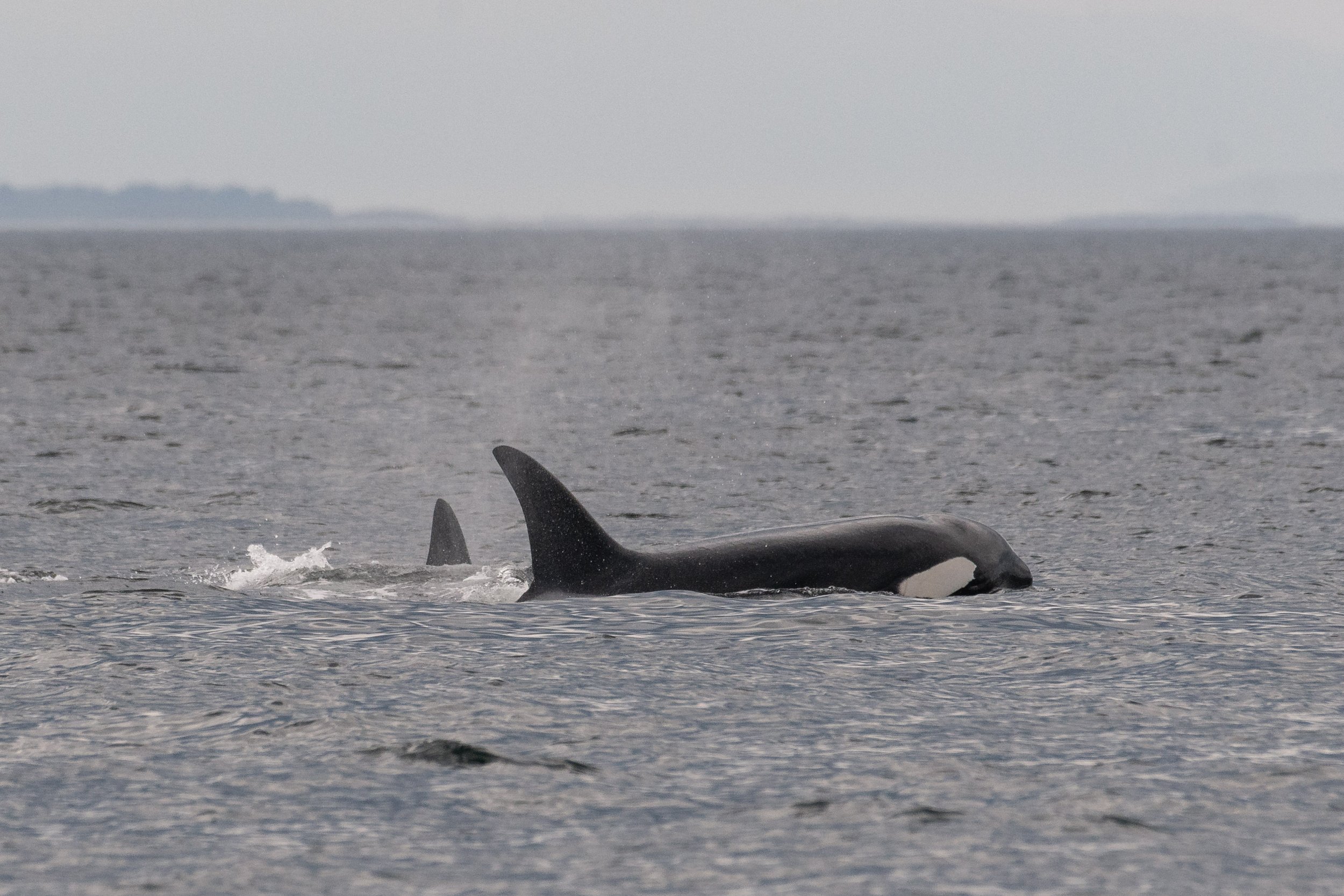
A lovely look at T002C Tasu’s eye patch. Photo by Evan Hessels.
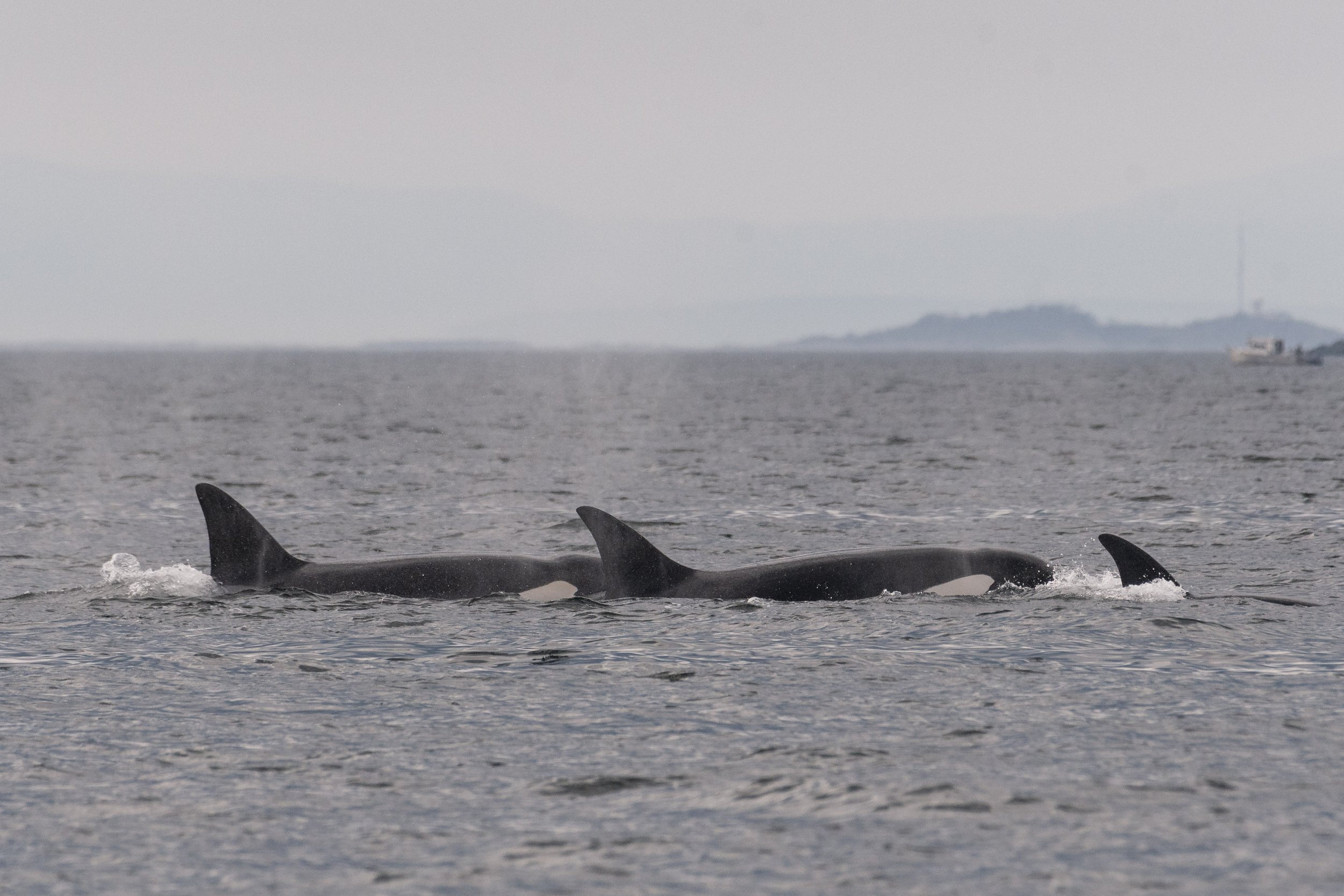
T002C3 Lucy, T002B Pedder, and T002C5 Guardian surfacing together. Photo by Evan Hessels.
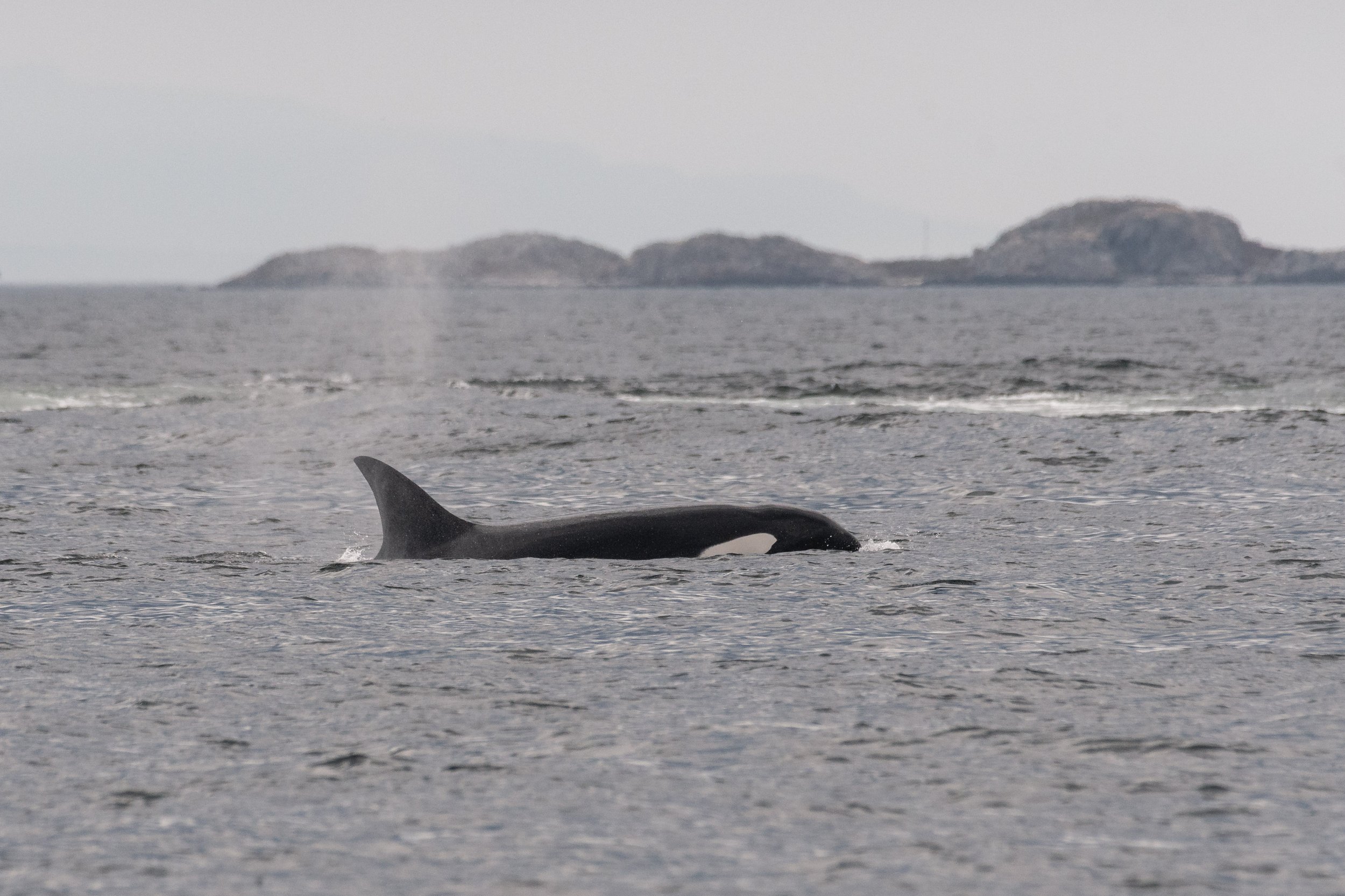
T002B Pedder surfacing with Five Finger Island in the background. Photo by Evan Hessels.
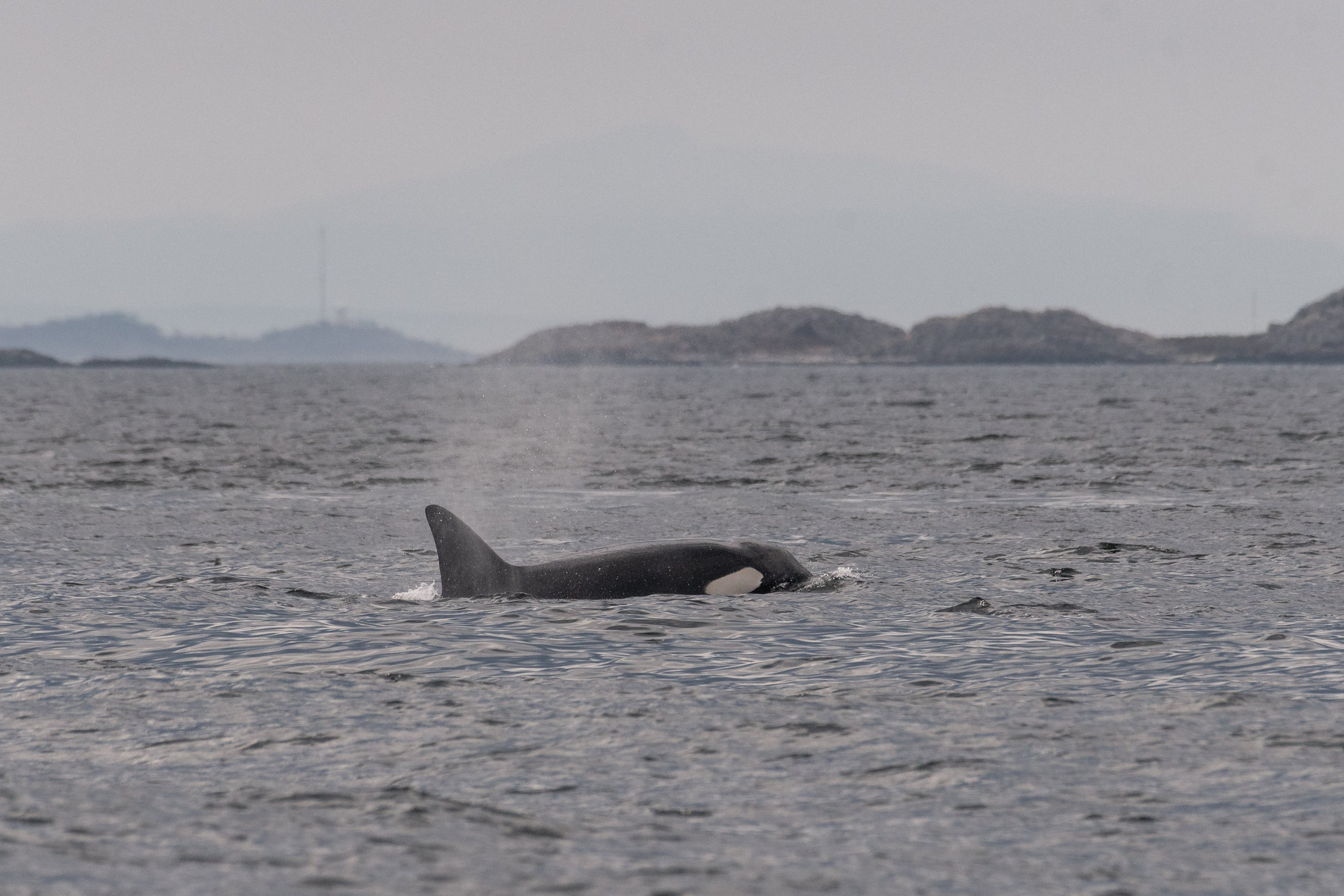
T002C3 Lucy showing off her eye patch. Photo by Evan Hessels.
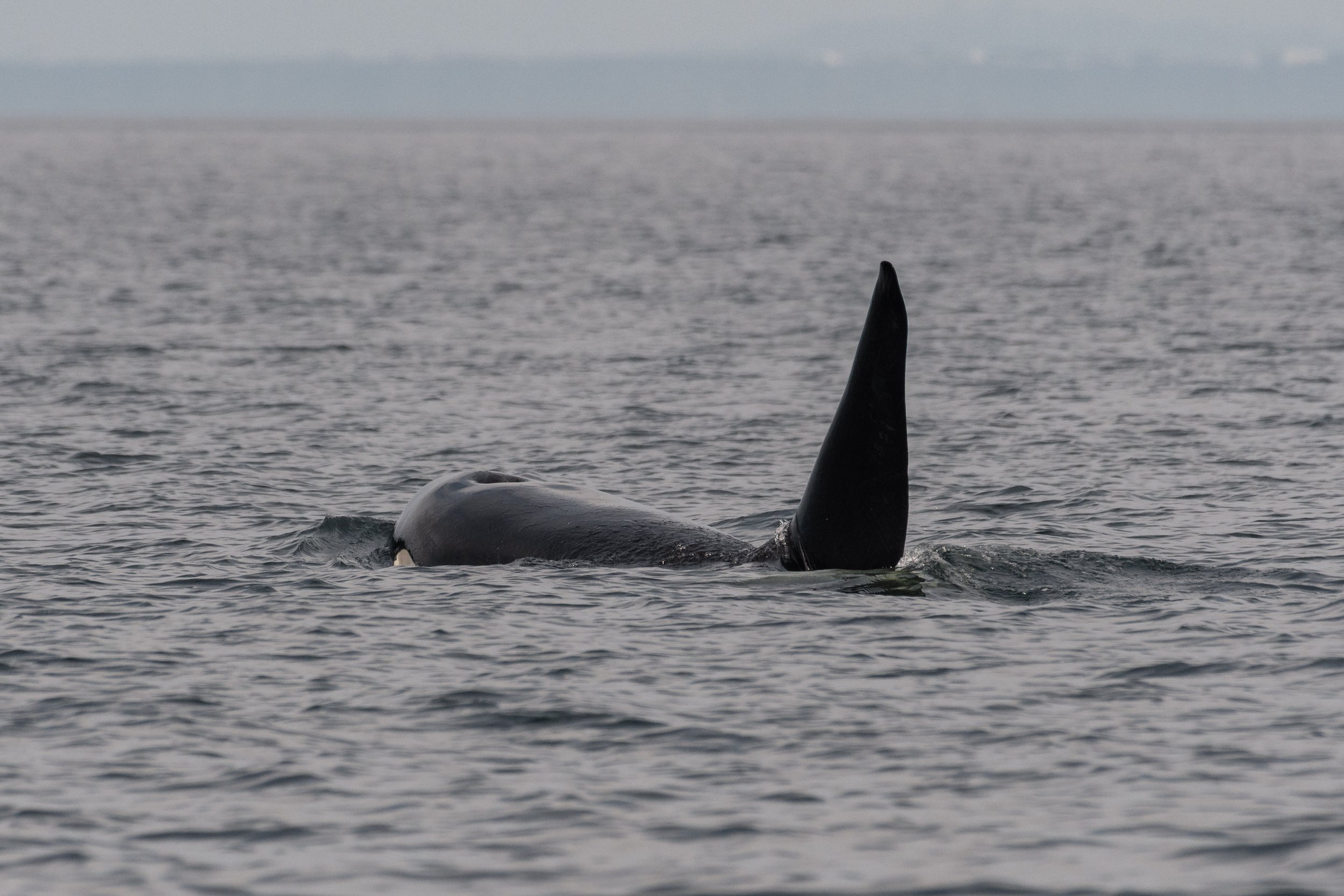
T002C1 Rocky surfacing. Photo by Evan Hessels.
The White Islets
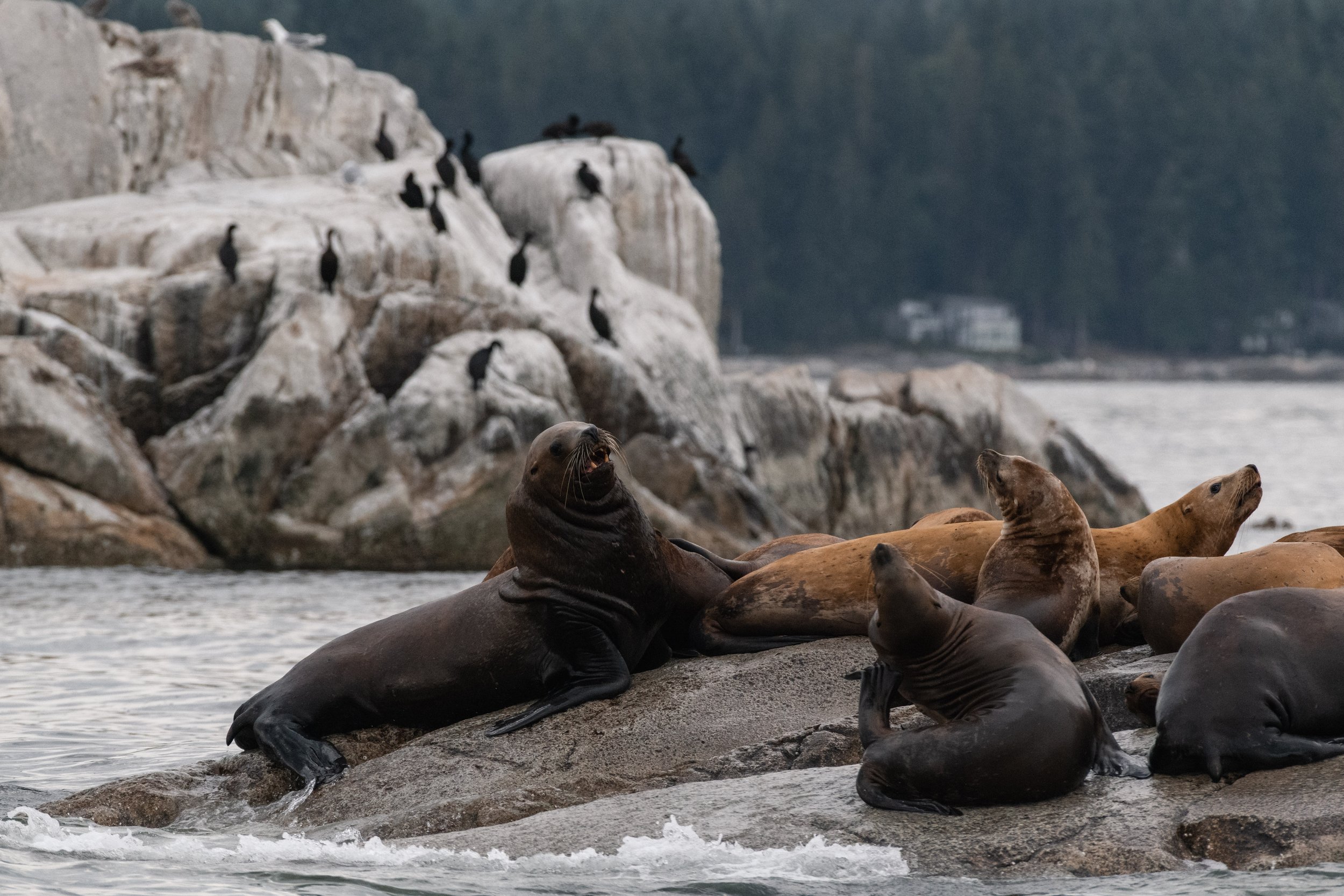
Steller Sea Lions drying off on the White Islets. Photo by Hayleigh Hilbert.
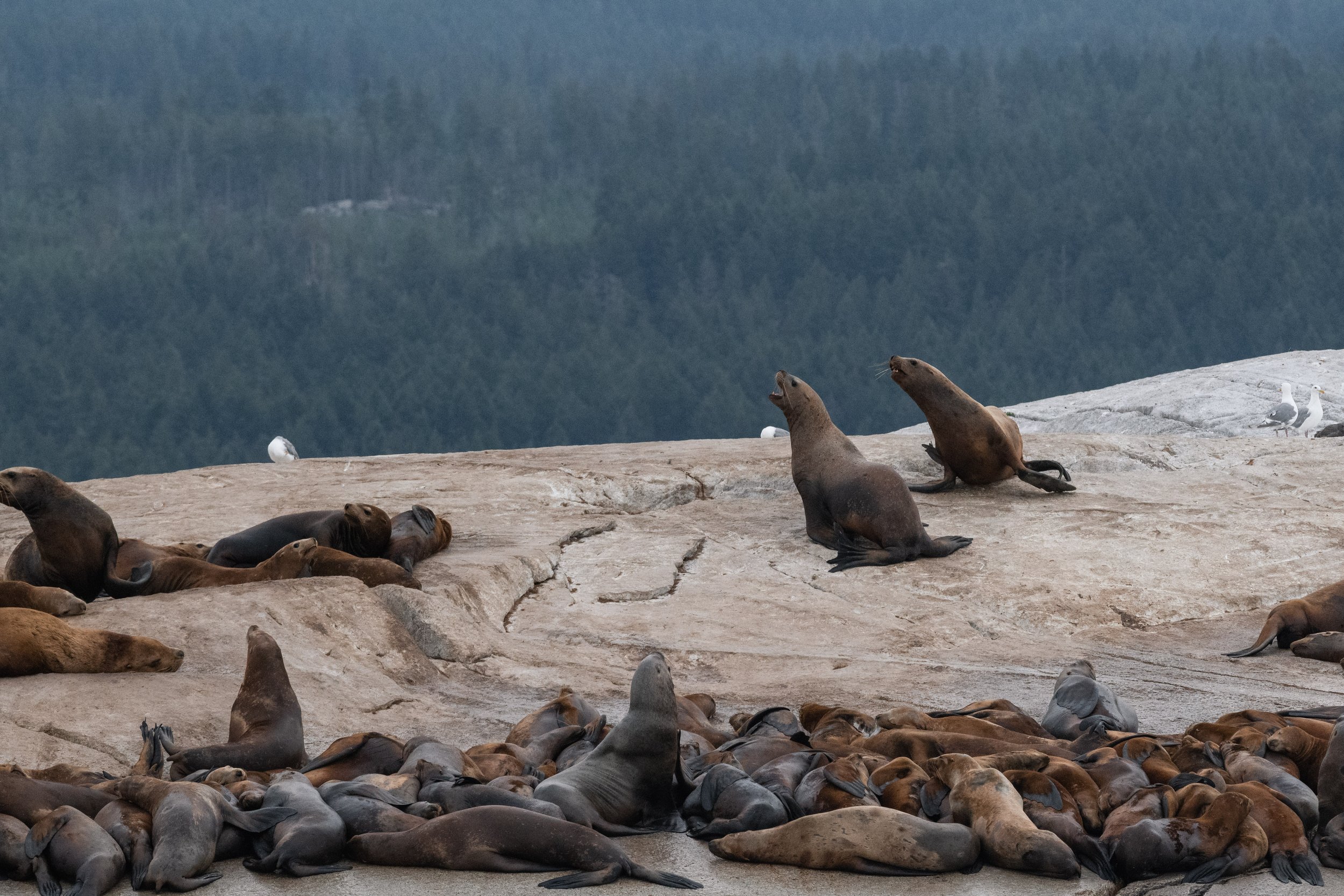
The Steller Sea Lions causing a commotion on the rocks. Photo by Hayleigh Hilbert.
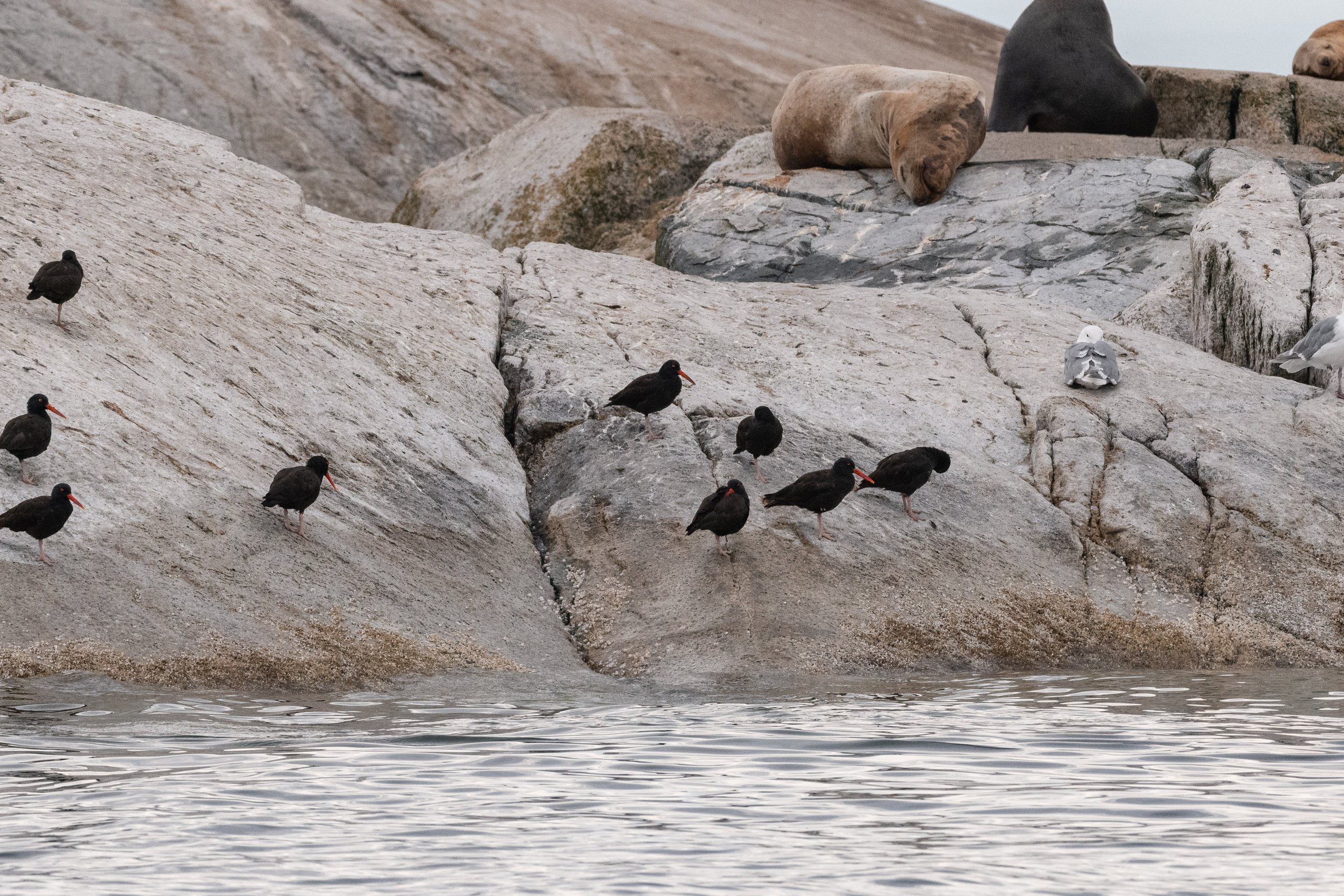
Black Oystercatchers on the rocks. Photo by Hayleigh Hilbert.
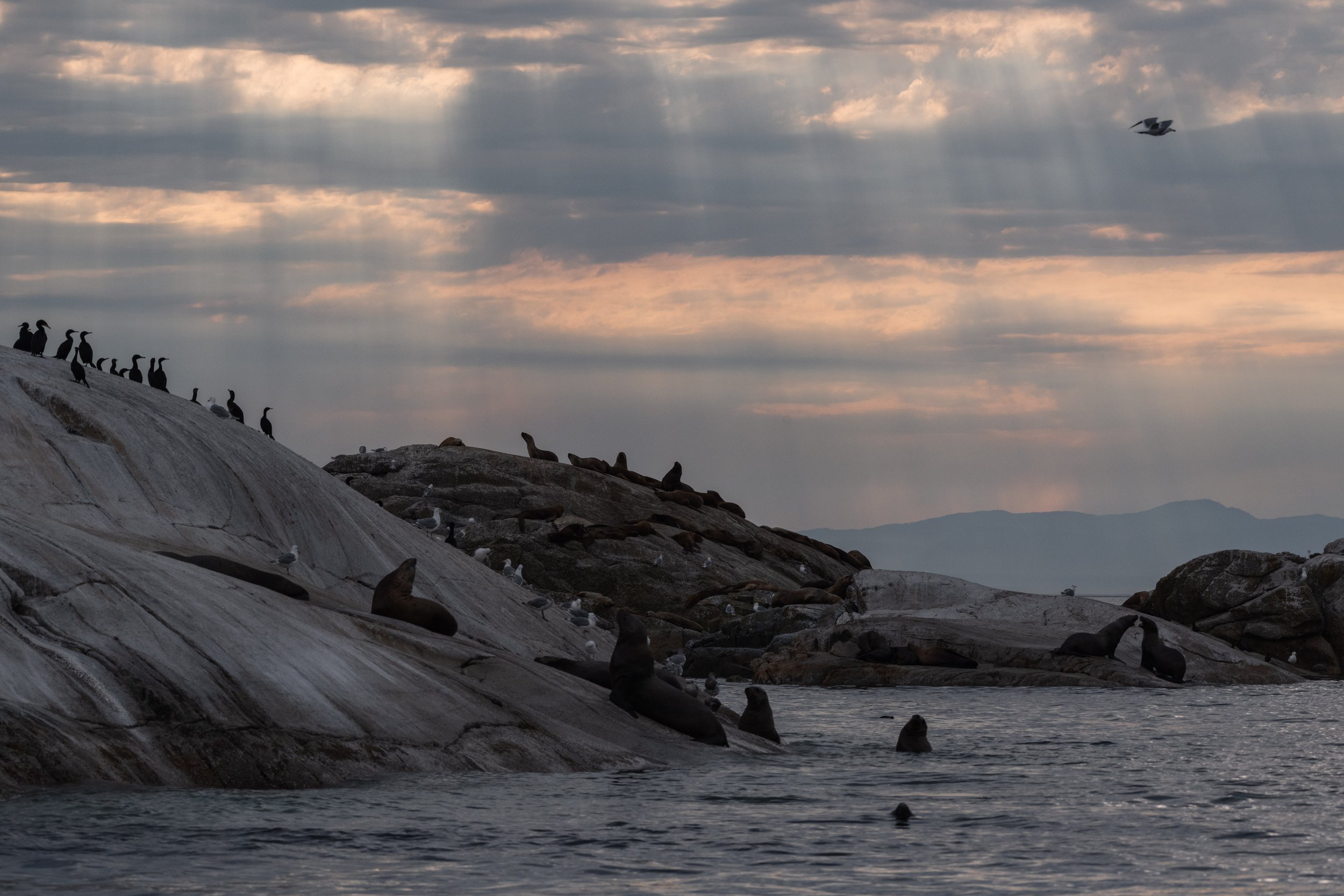
A beautoful photo of the wildlife at the White Islets. Photo by Hayleigh Hilbert.
Zig Zag and Olympus
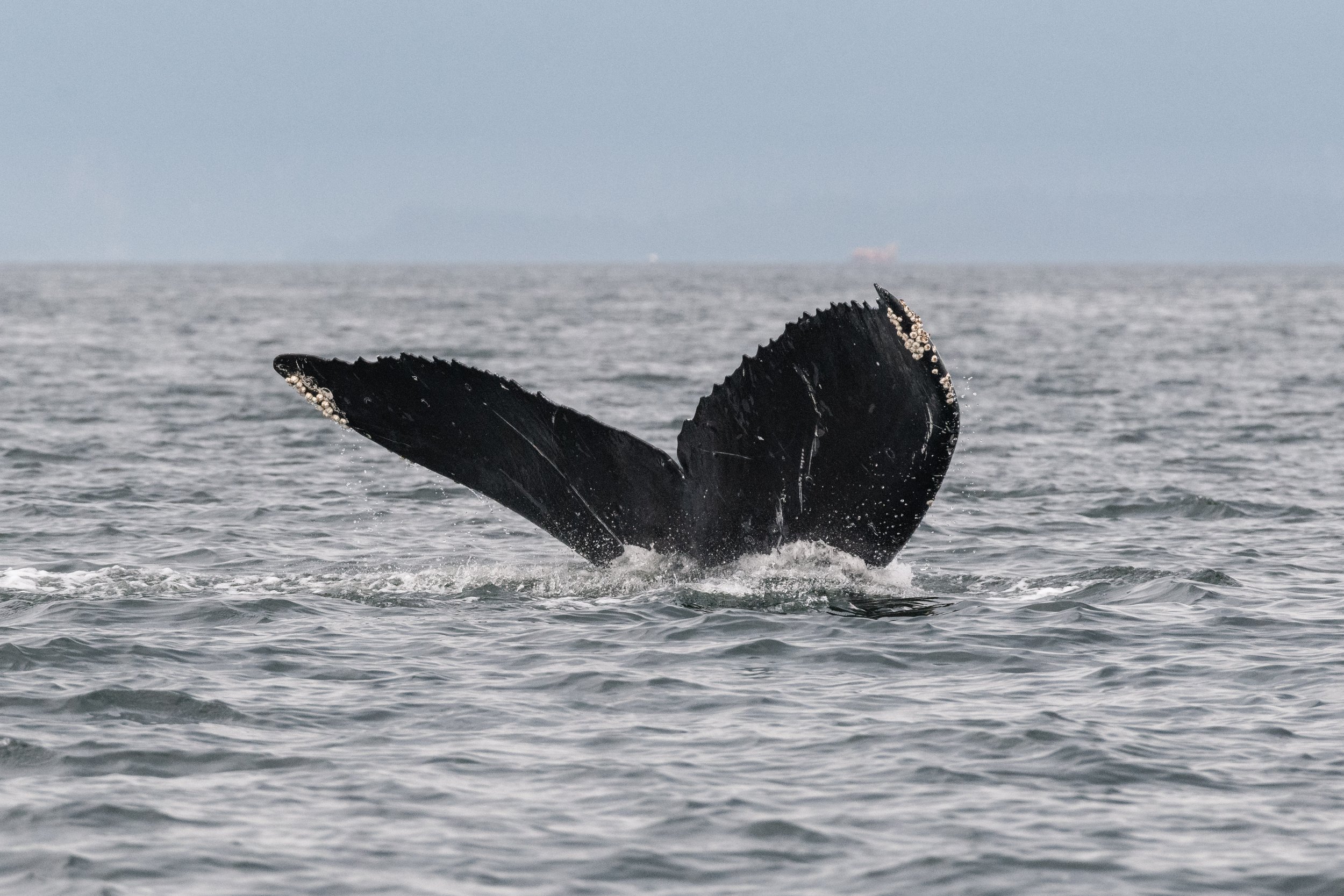
The underside of Olympus’ tail as she goes for a dive. Photo by Hayleigh Hilbert.
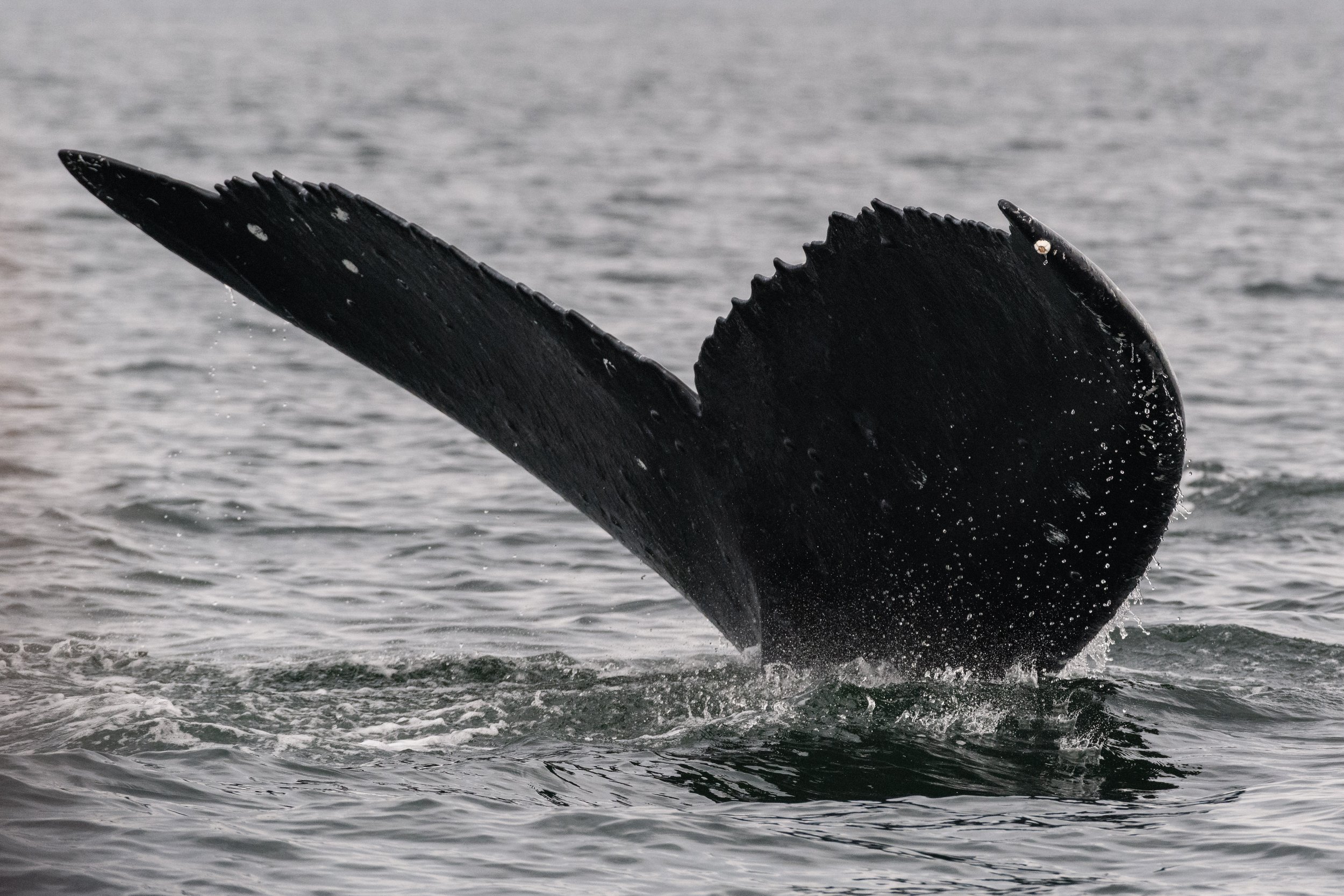
A lovely look at the scars on Zig Zag’s tail as she dives. Photo by Hayleigh Hilbert.
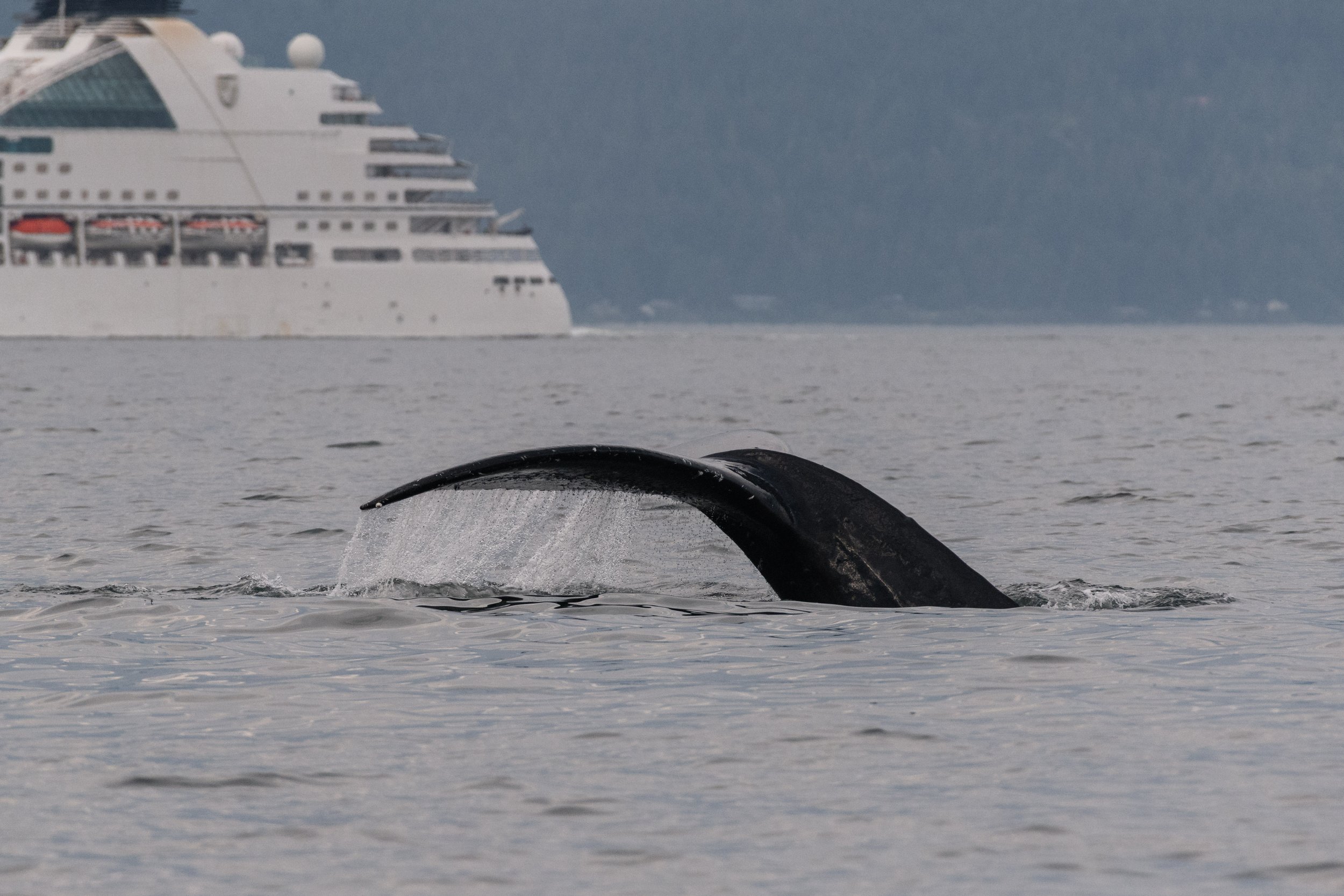
A lovely fluke waterfall from Zig Zag as she dives. Photo by Hayleigh Hilbert.
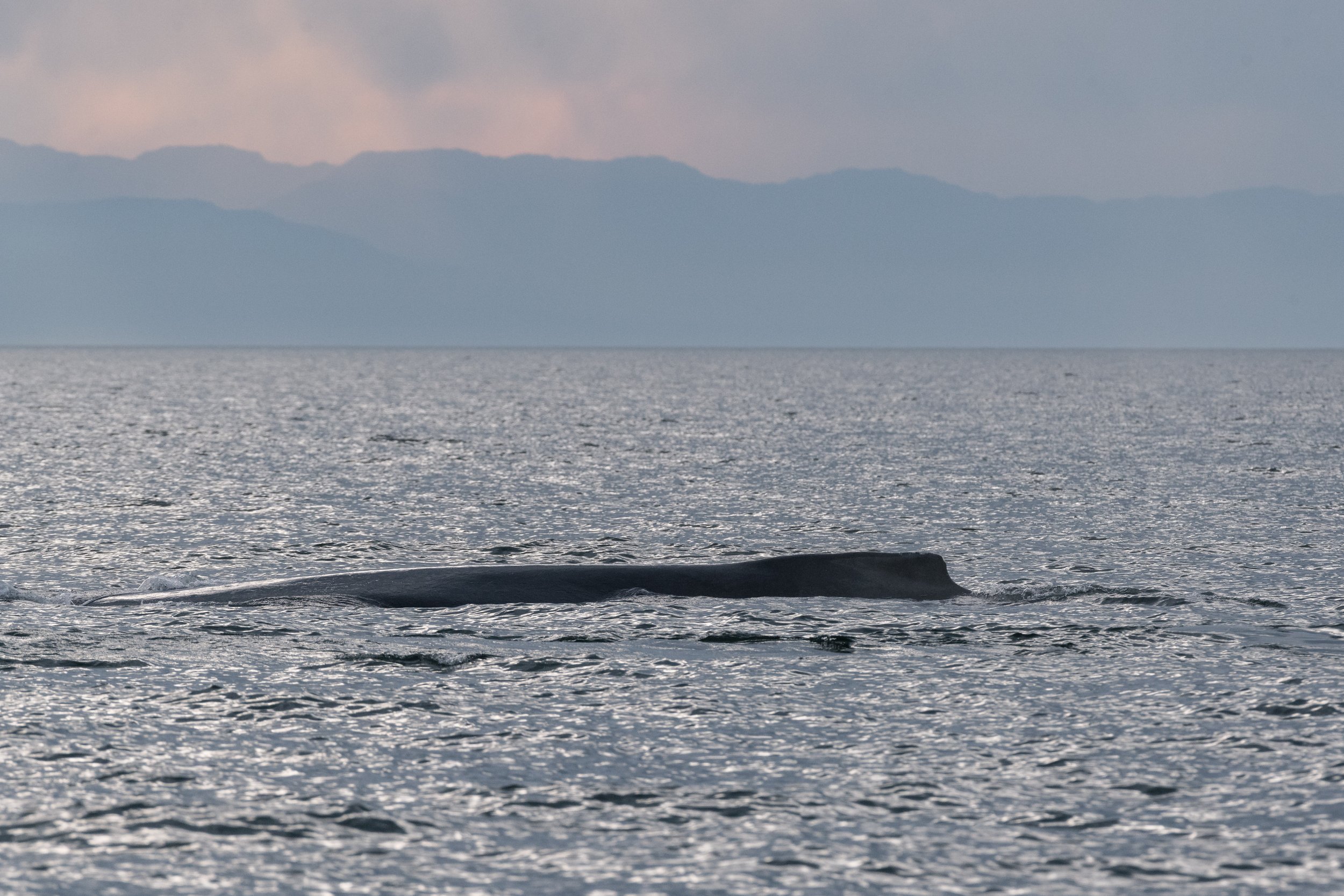
Zig Zag’s distinctly indistinct dorsal fin. Photo by Hayleigh Hilbert.
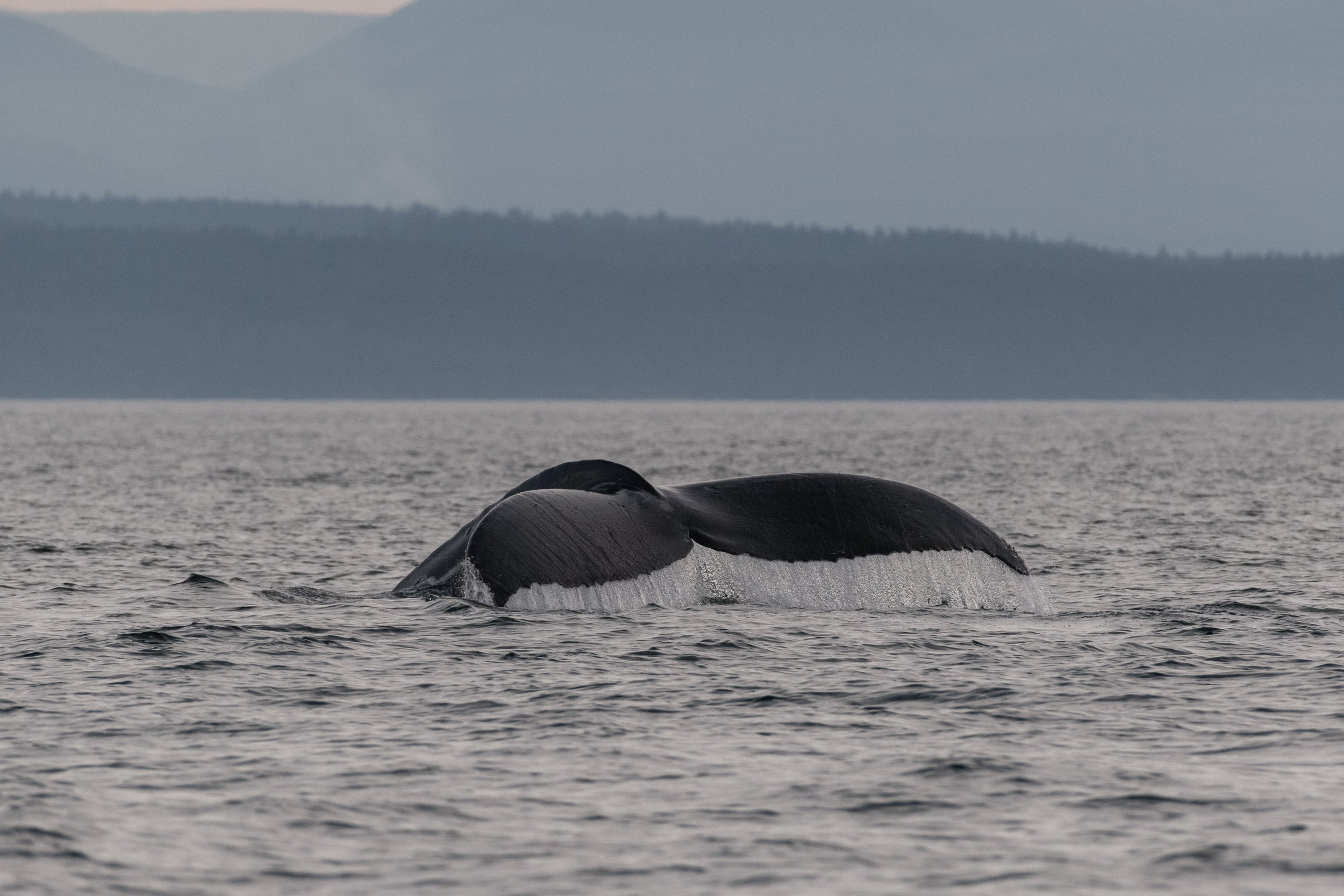
A lovely fluke waterfall from Olympus in the sunset. Photo by Hayleigh Hilbert.
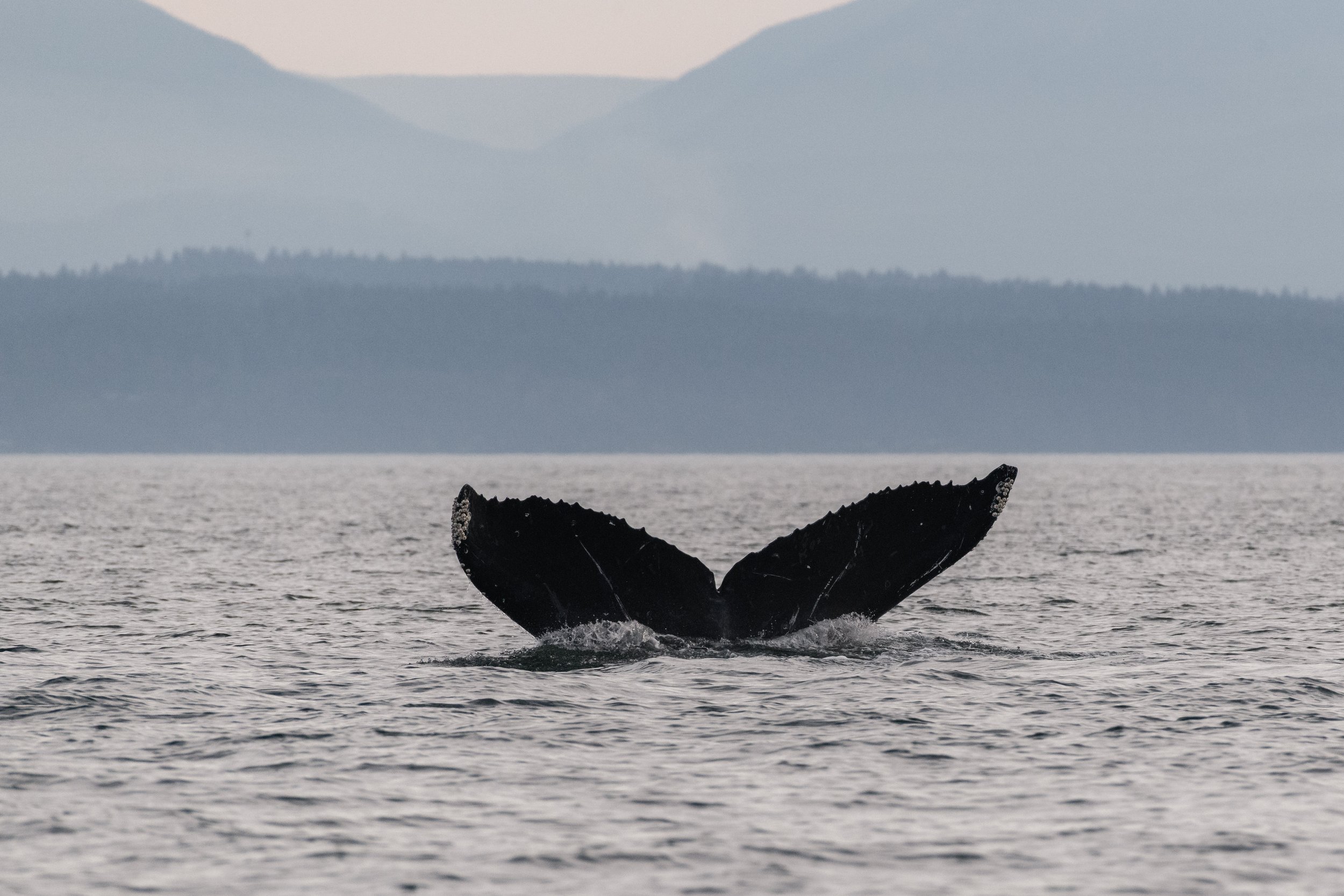
Bye Olympus! Photo by Hayleigh Hilbert.
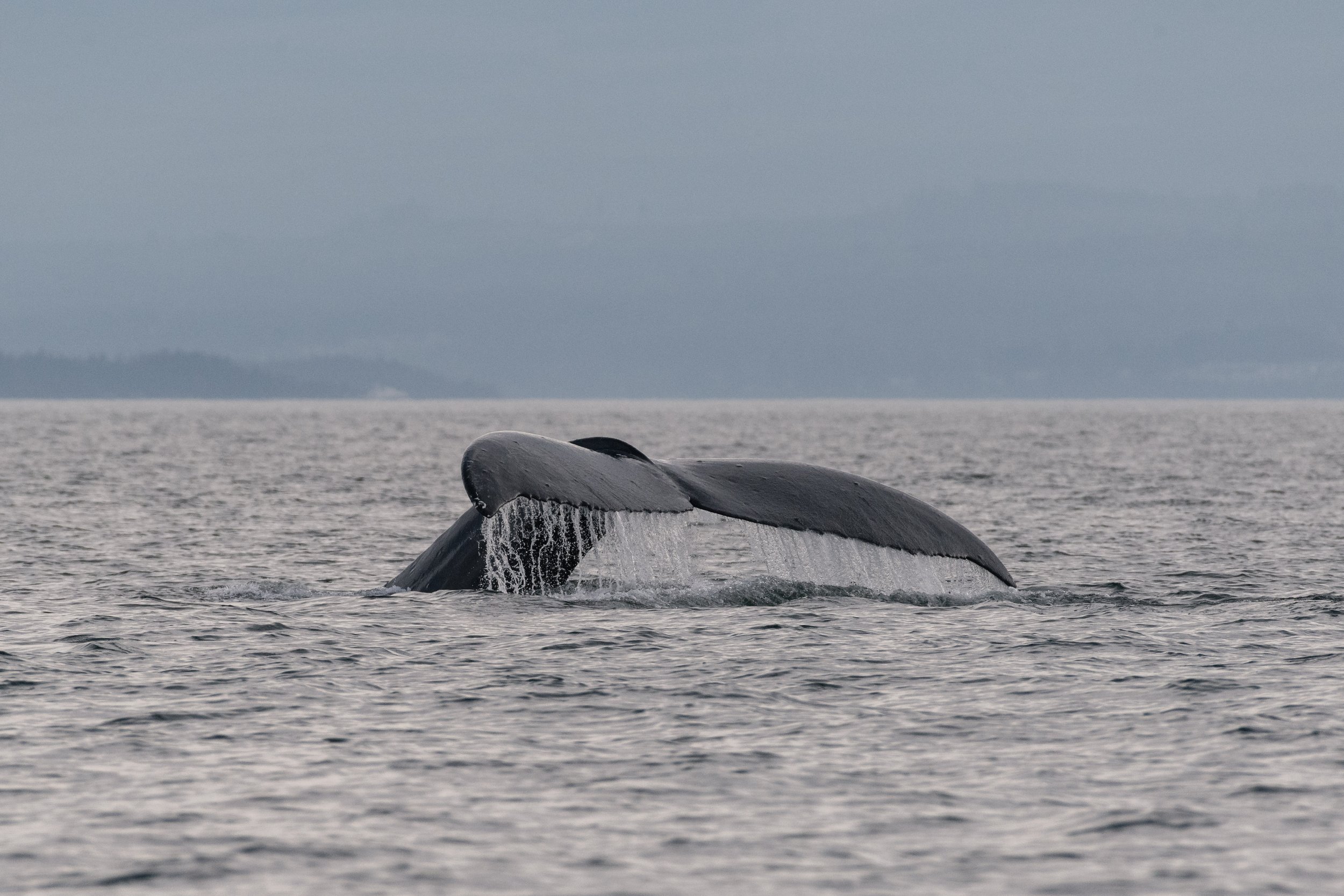
A fluke waterfall from Zig Zag in the Sunset. Photo by Hayleigh Hilbert.
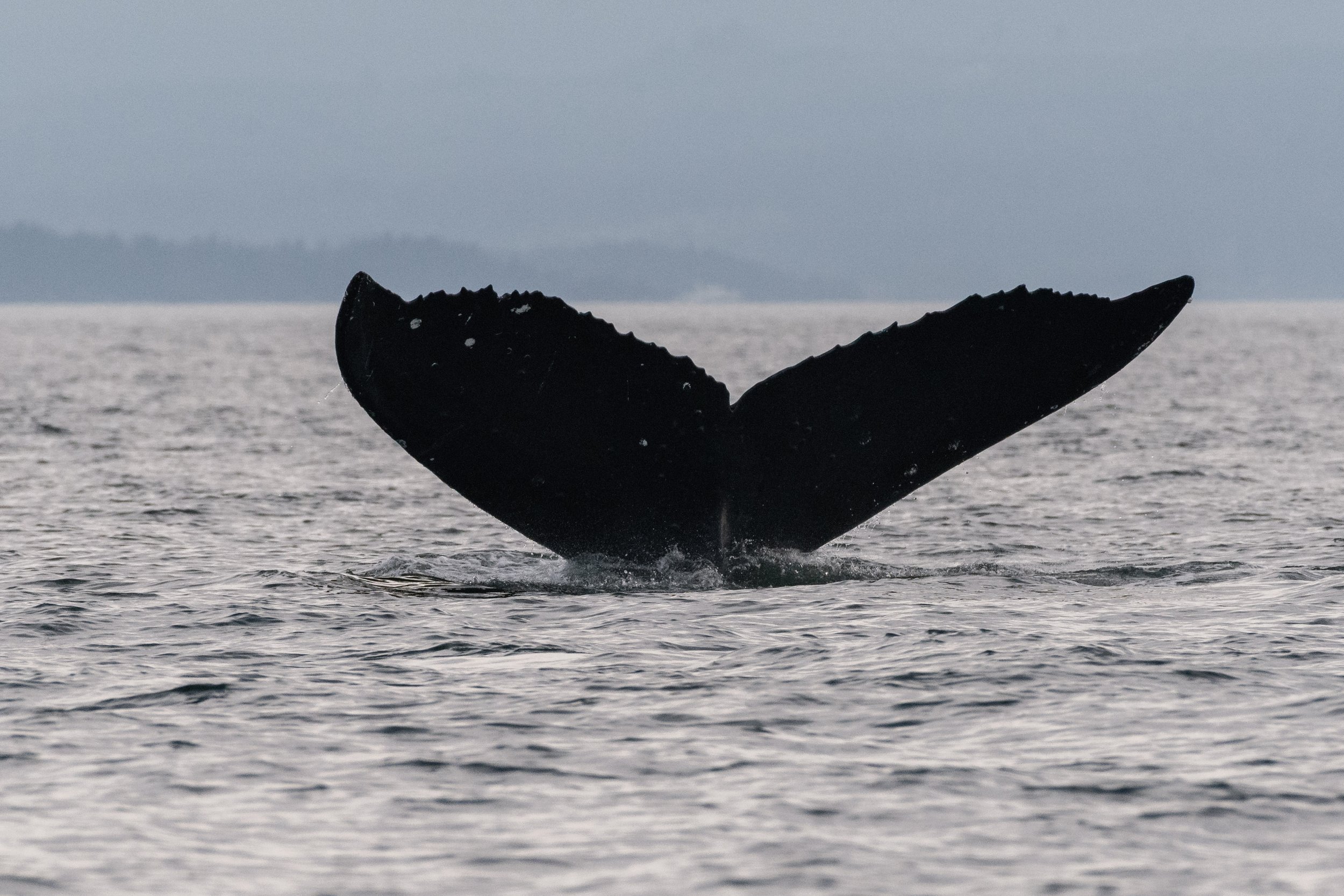
Goodbye Zig Zag! Photo by Hayleigh Hilbert.
Kaju, Vector, and Crackle
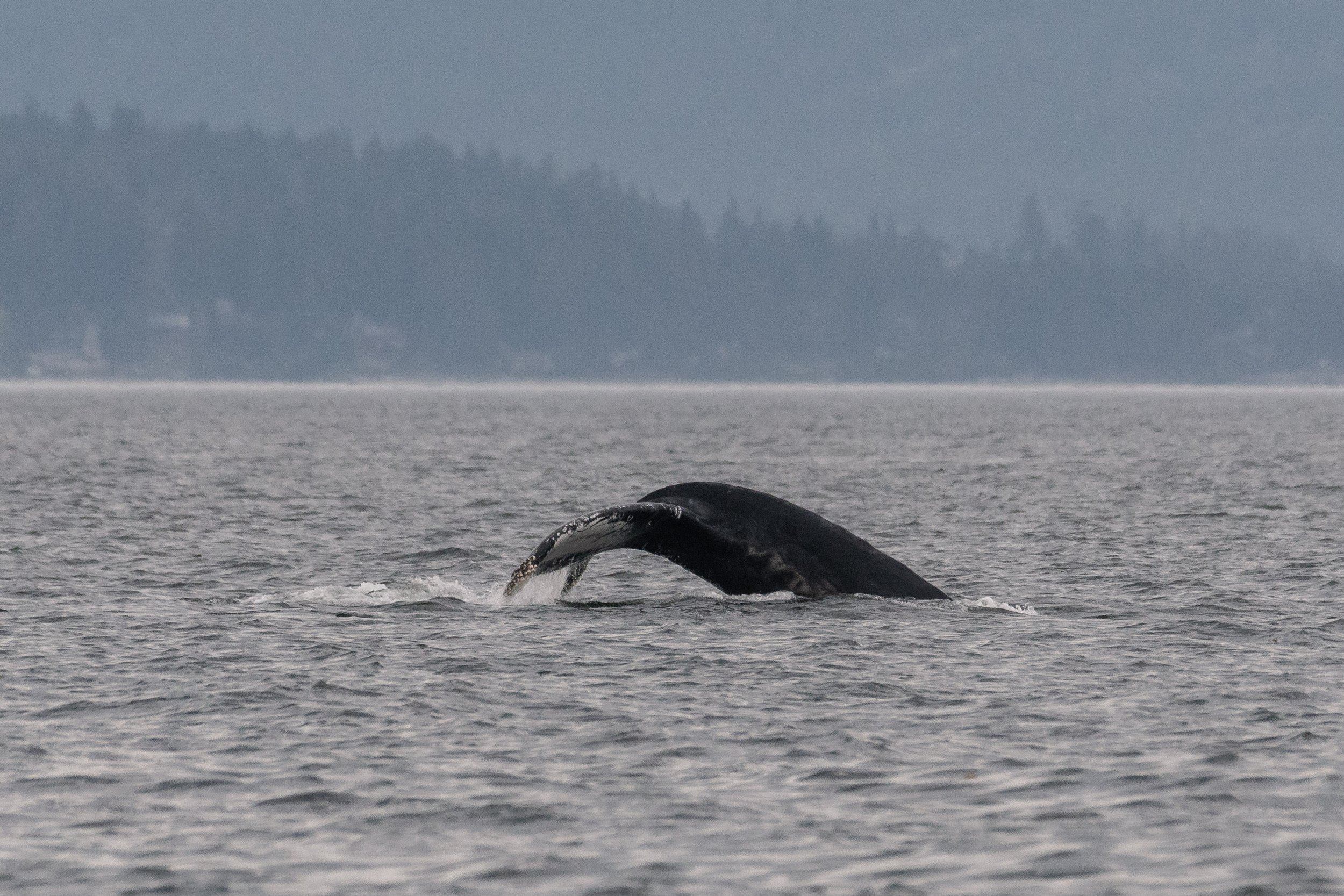
Kaju going for a dive. Photo by Evan Hessels.
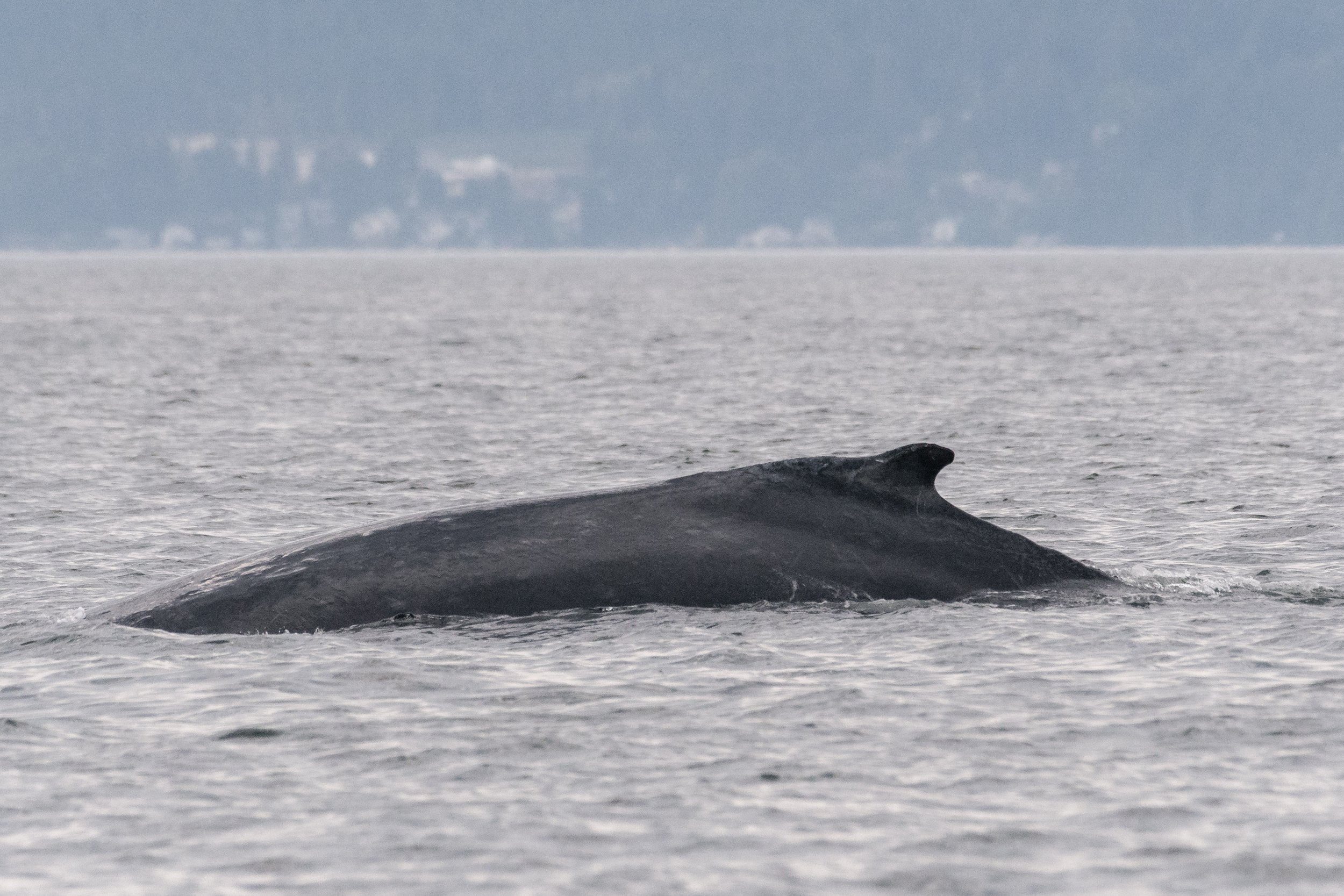
Crackle showing off their dorsal fin. Photo by Evan Hessels.
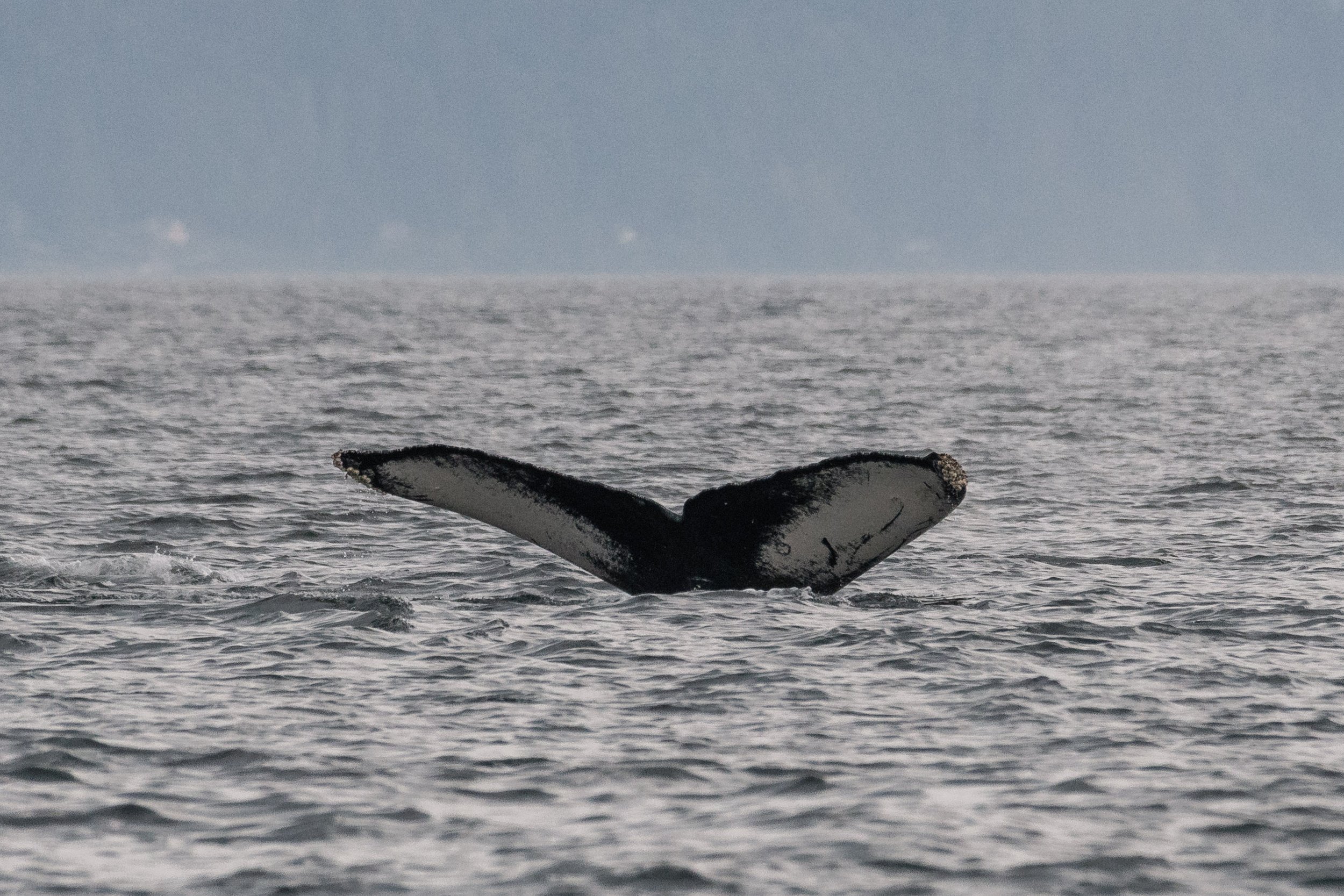
The lovely underside of Kaju’s tal as they dive. Photo by Evan Hessels.
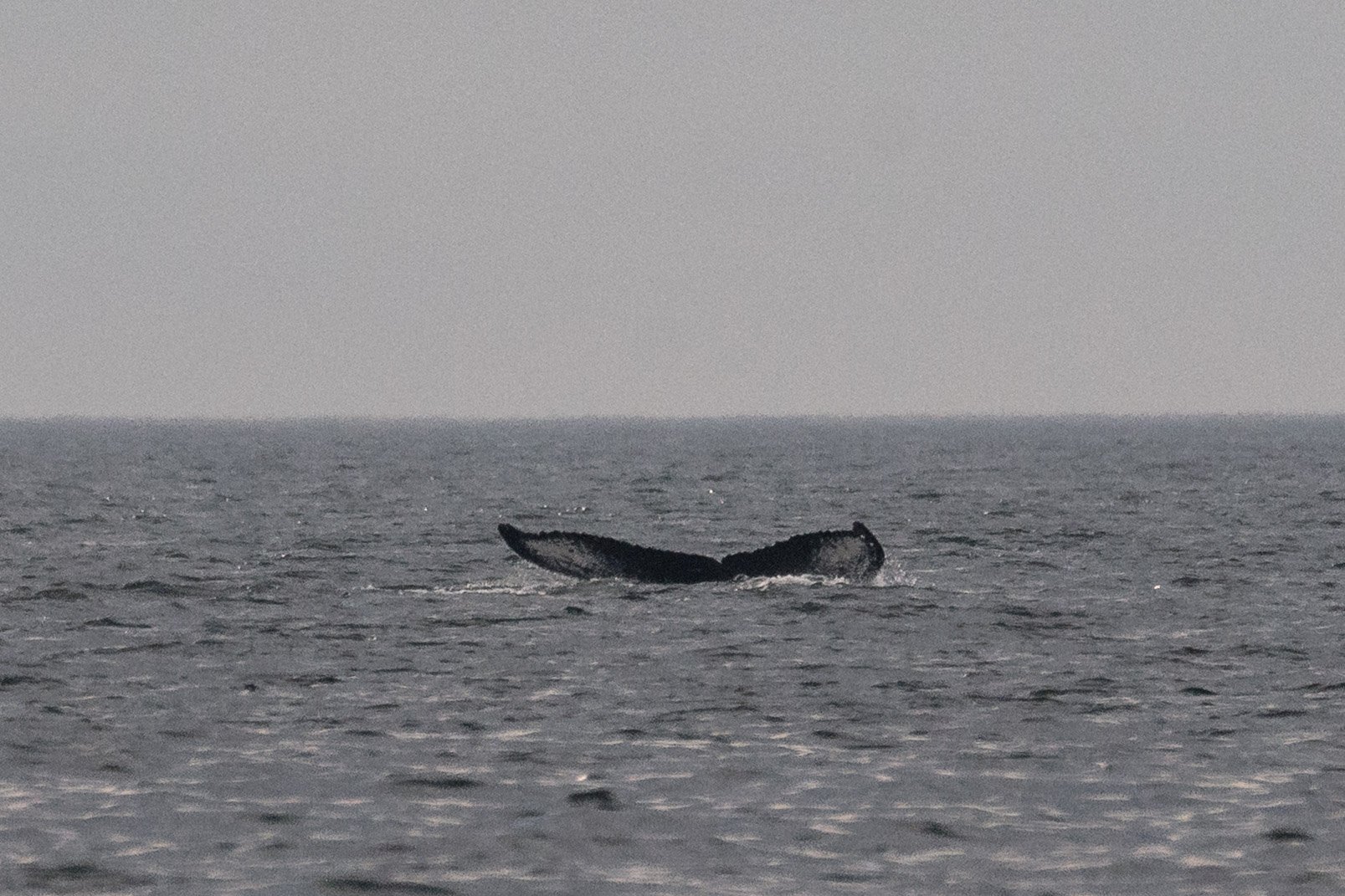
Crackle going for a dive. Photo by Evan Hessels.
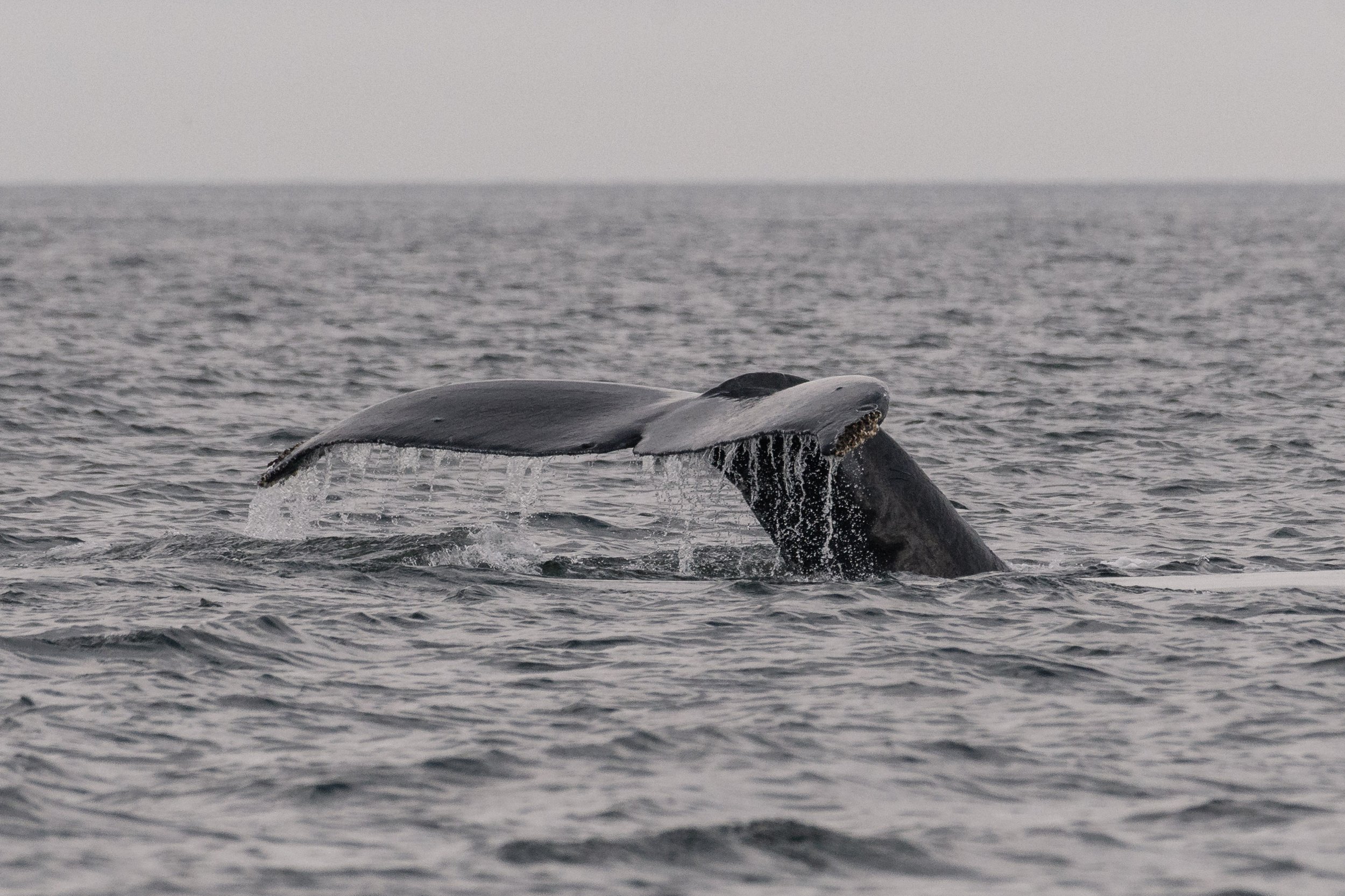
A lovely fuke waterfall from Kaju. Photo by Evan Hessels.
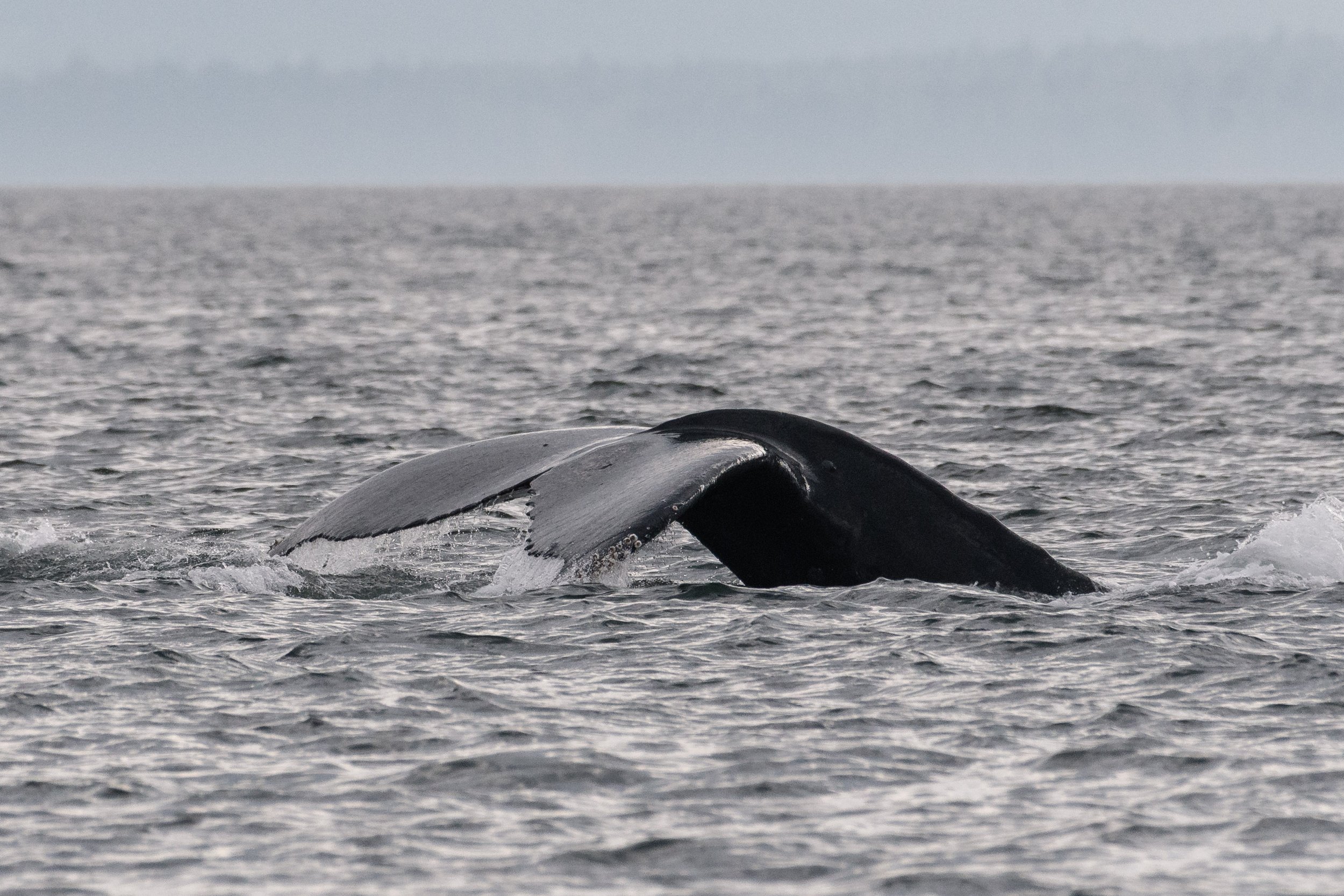
Vector going for a dive. Photo by Evan Hessels.
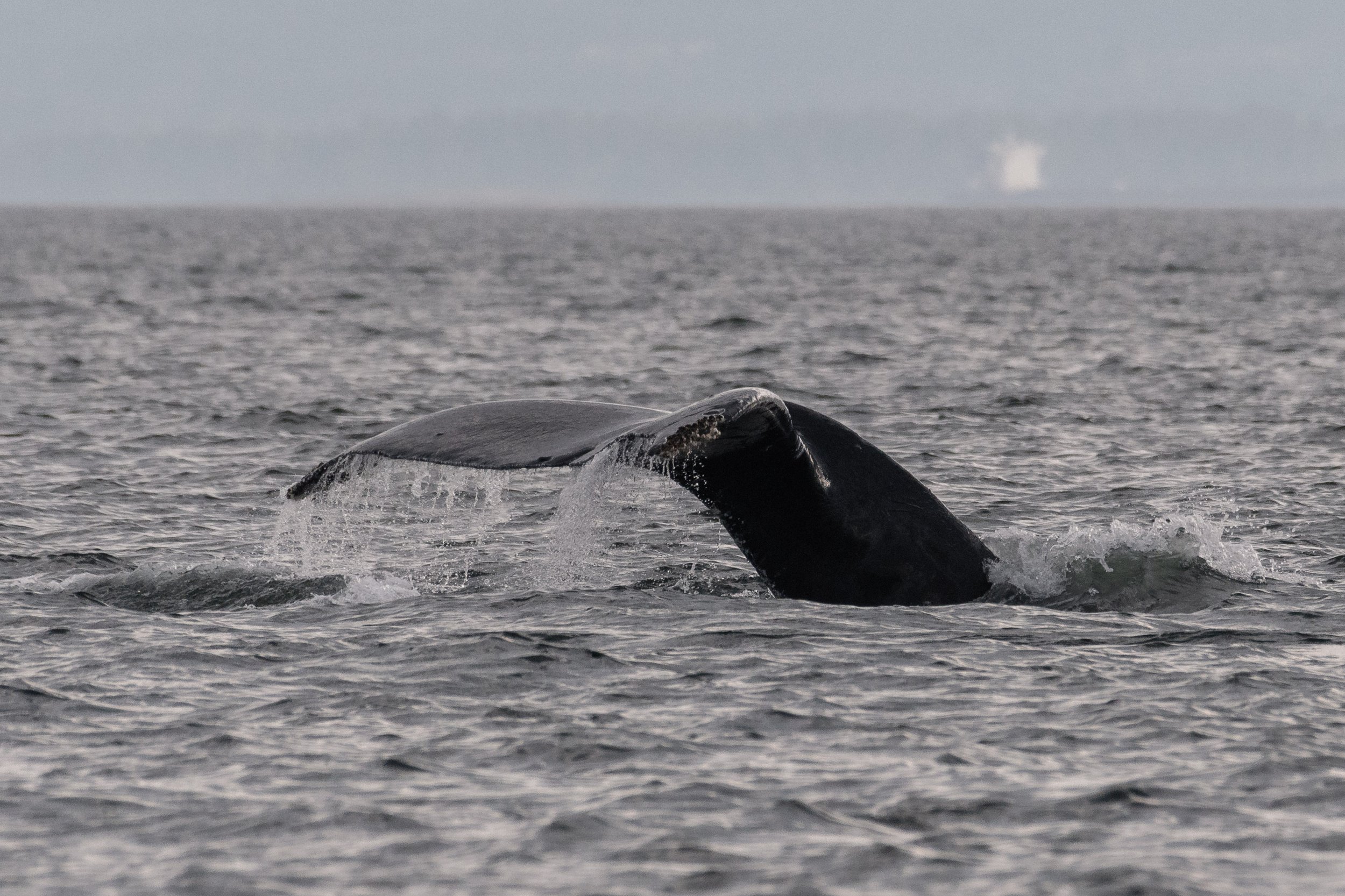
Kaju going for a dive with water cascading off their tail. Photo by Evan Hessels.
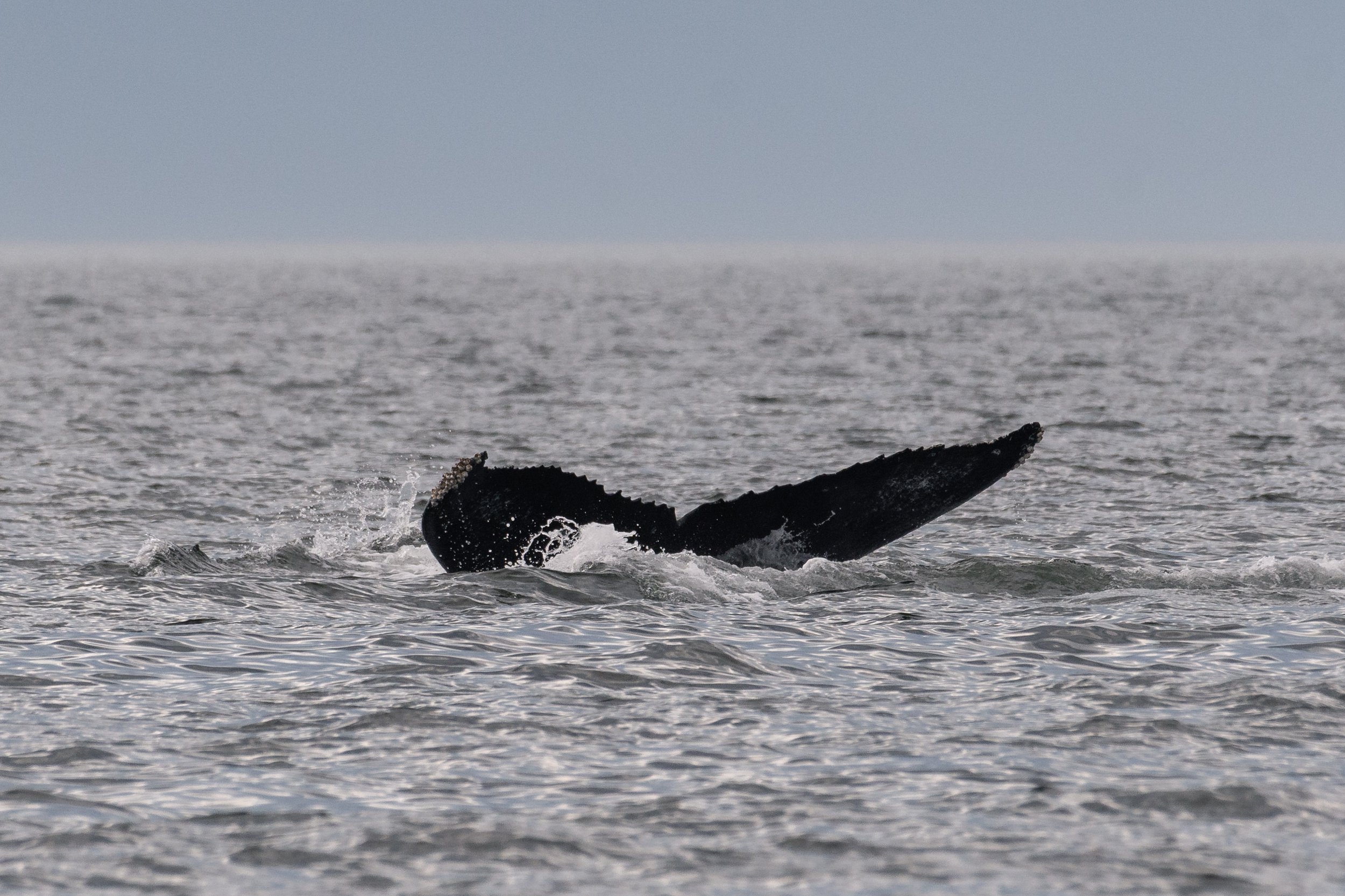
The underside of Vector’s tail as they dive. Photo by Evan Hessels.
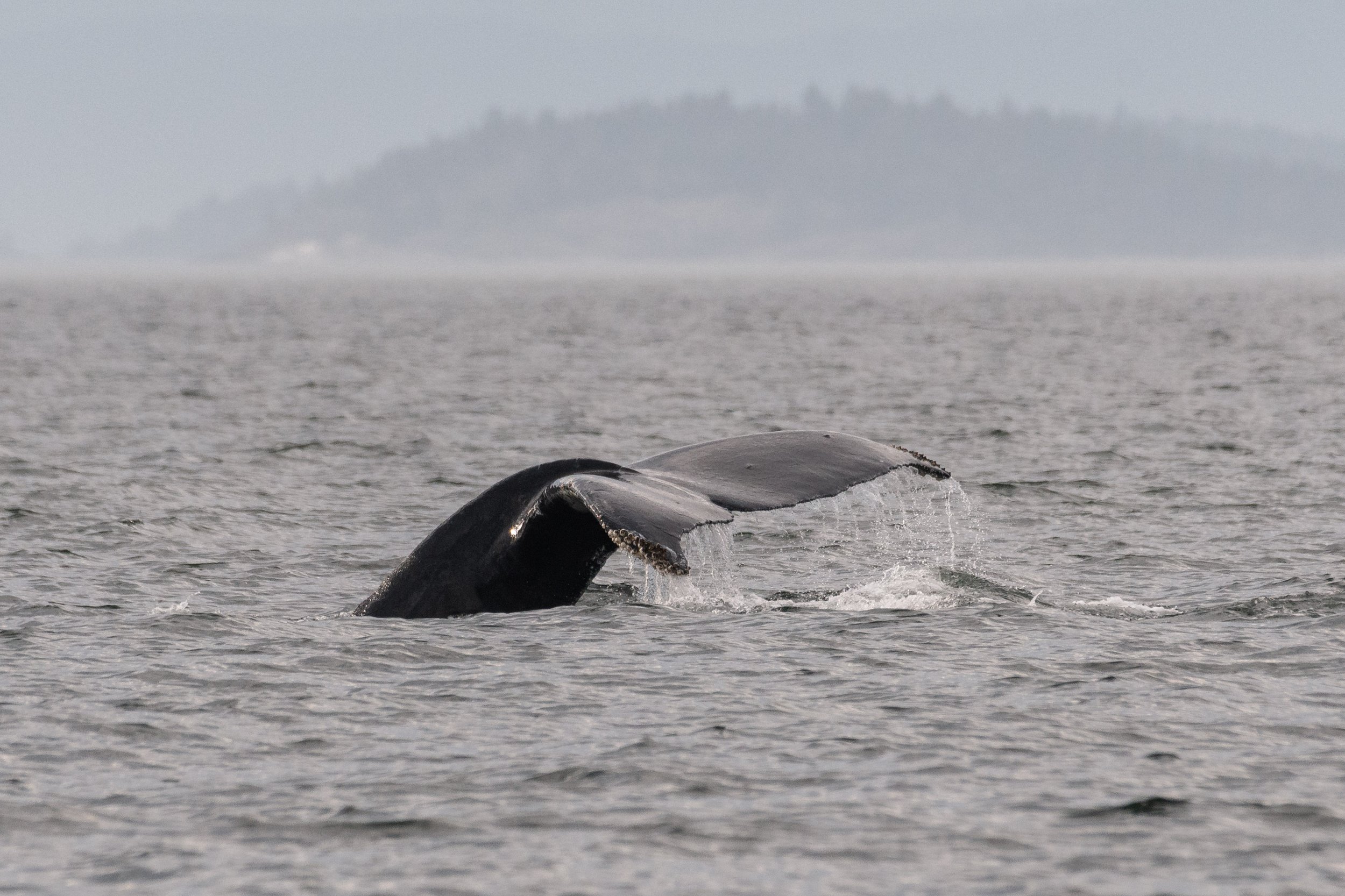
A lovely fluke waterfall from Kaju as they head for a dive. Photo by Evan Hessels.
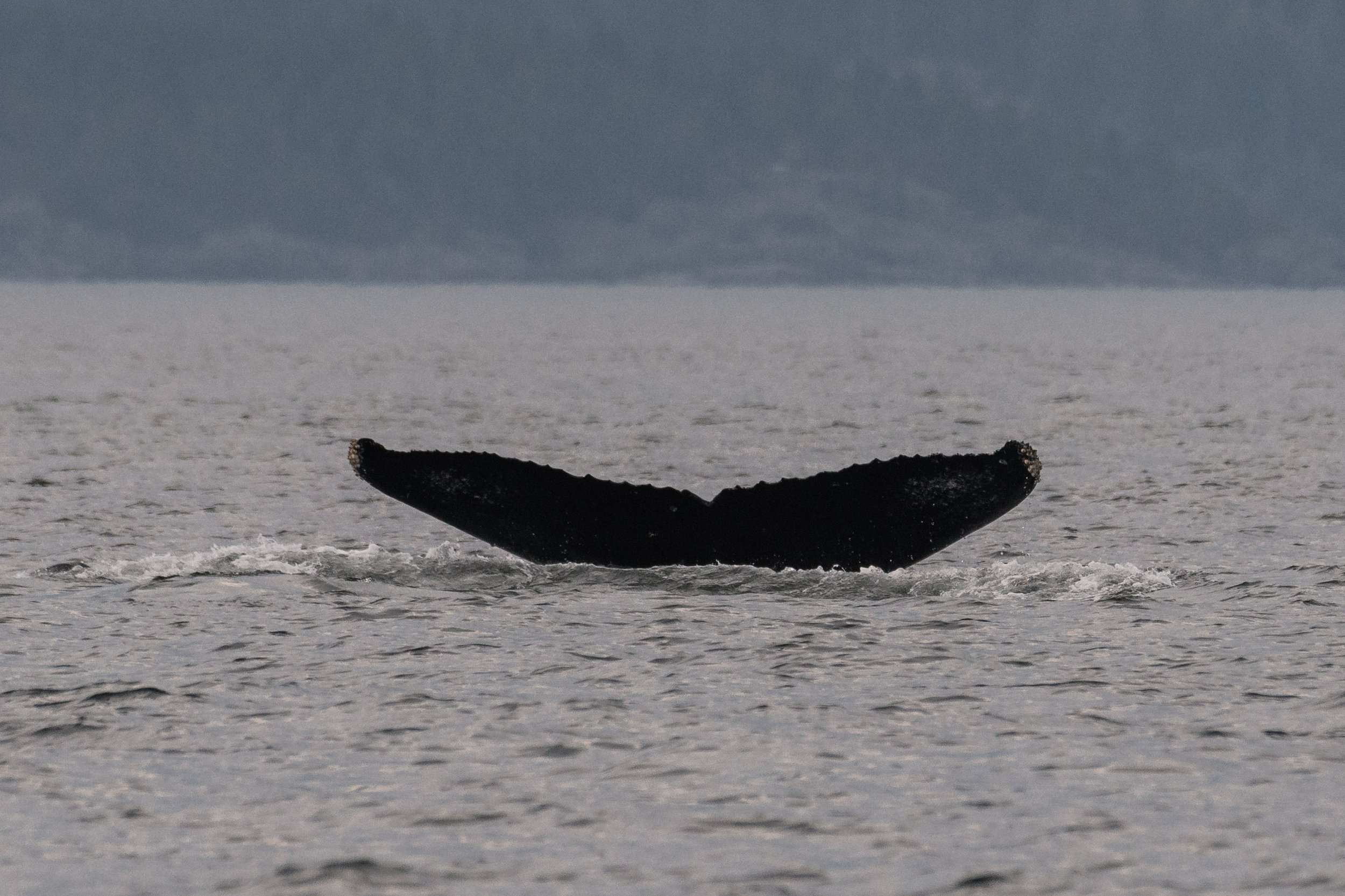
The underside of Vector’s tail. Photo by Evan Hessels.
The Halibut Bank ODAS Buoy
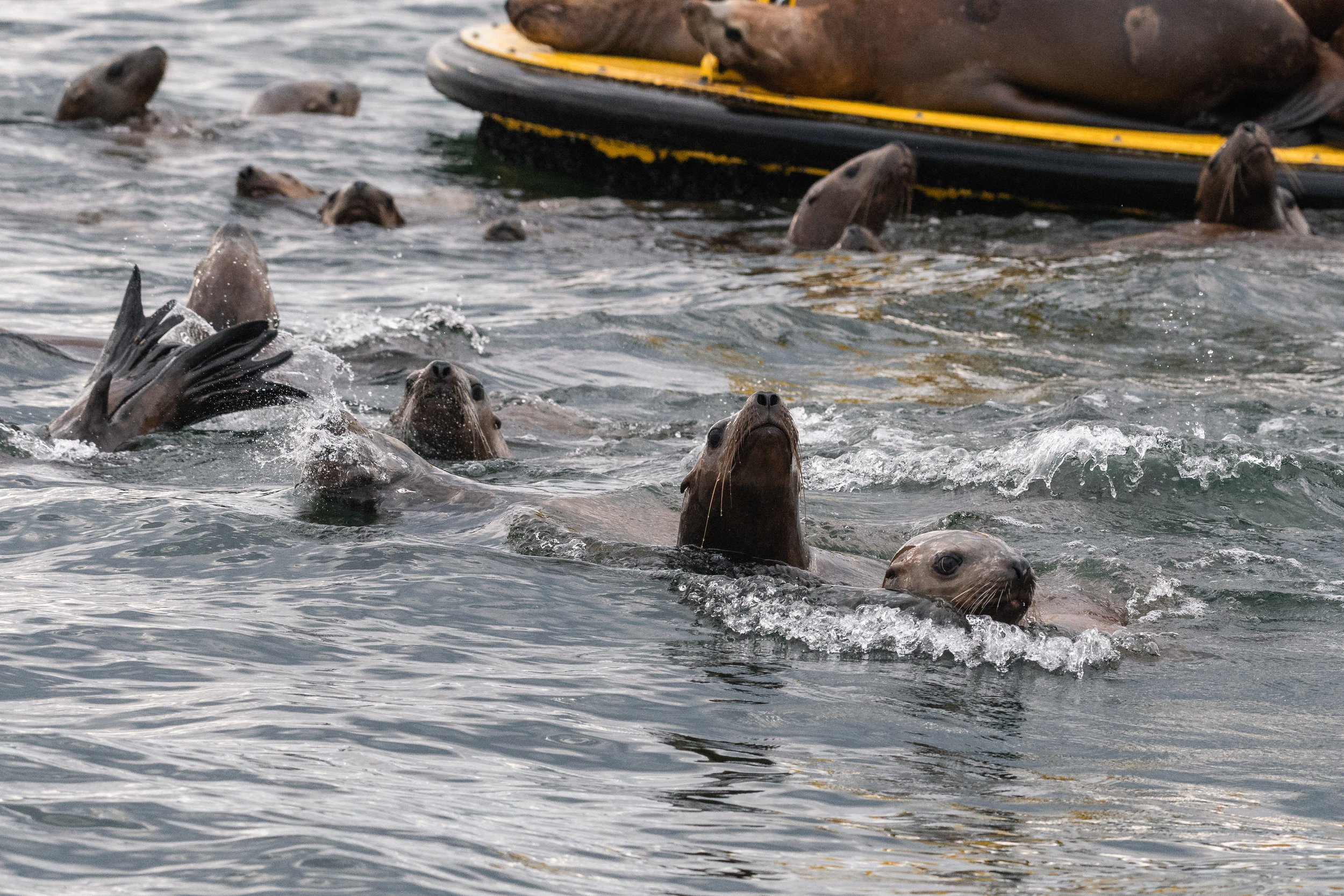
Some curious Sea Lions at the ODAS Buoy. Photo by Evan Hessels.
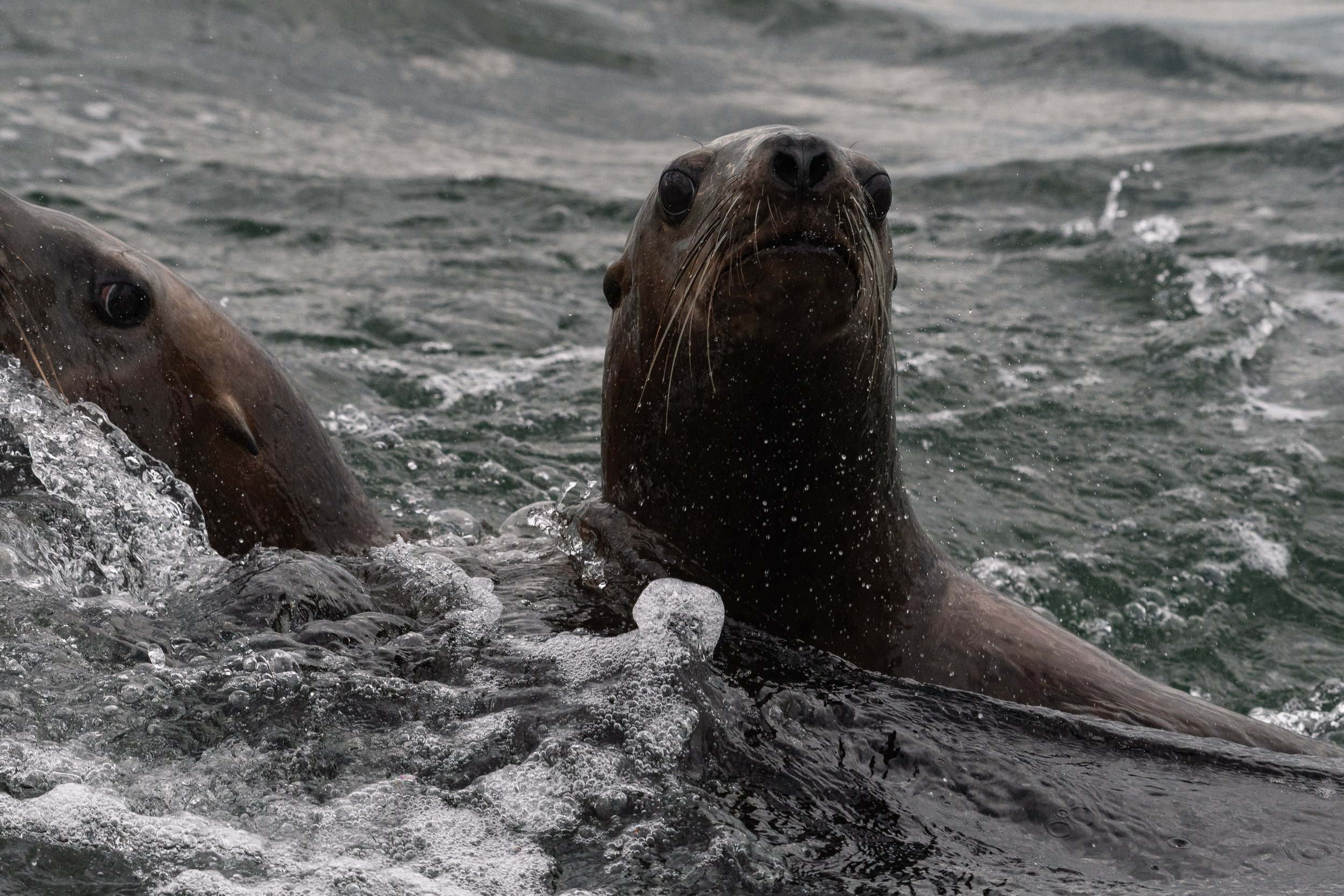
Just look at those long whiskers on the Steller Sea Lion. Photo by Evan Hessels.
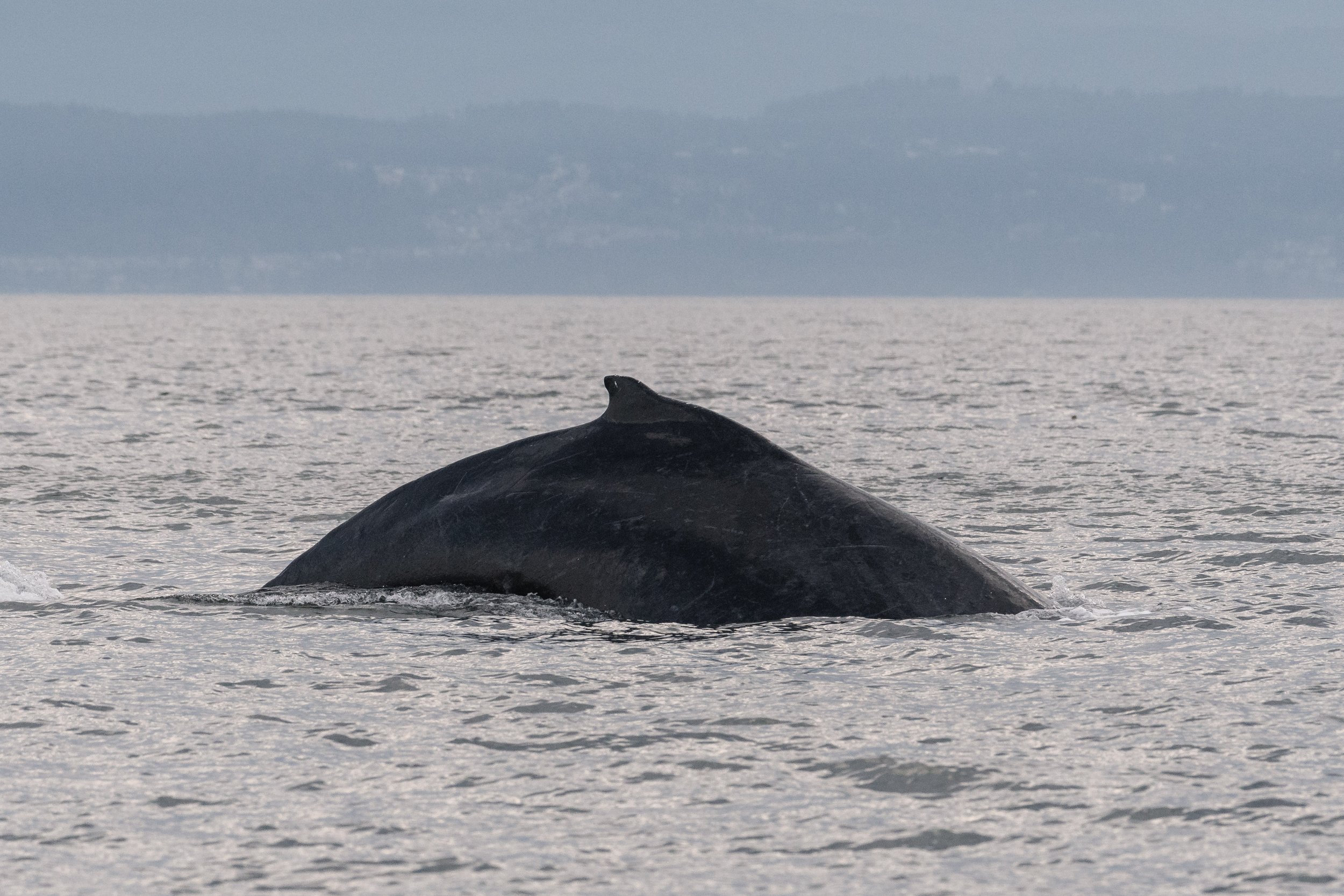
Graphite arching for a dive. Photo by Evan Hessels.
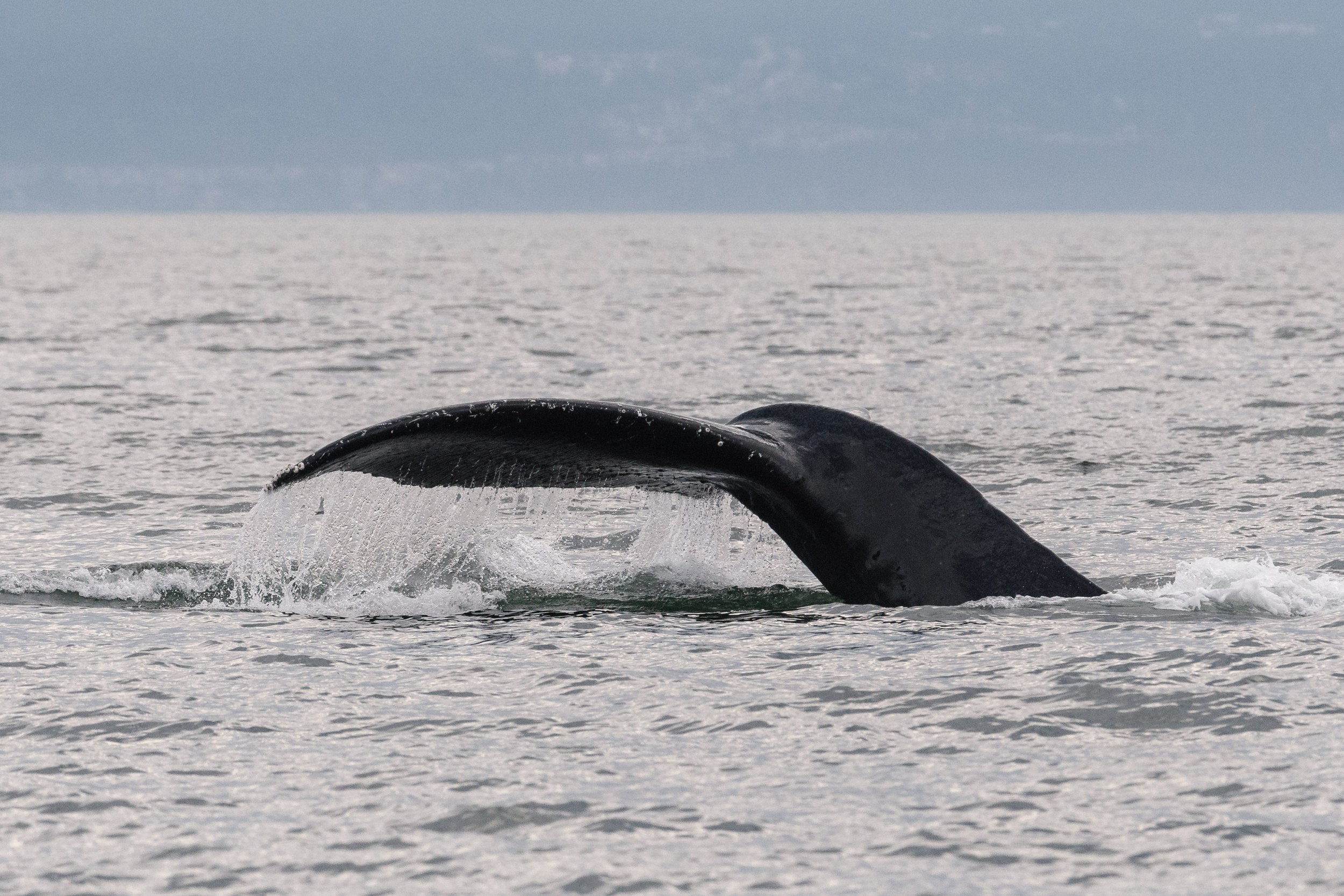
A lovely fluke waterfall from Graphite. Photo by Evan Hessels.