
August 26, 2026, 10:30 AM - A fun time with Humpback Whales
The morning started with a little wind, but that did little to dampen the excitement as we left Nanaimo and began our search. With the water moving beneath us, we headed south through Dodd Narrows and into the Southern Gulf Islands, keeping our eyes on the surrounding waters as we searched for signs of wildlife.
From the islands, we eventually made our way through Porlier Pass and out into the Strait of Georgia. The conditions were wavy, but the humpback whales we found made every splash well worth it.
We came across two humpback whales that were spending a remarkable amount of time at the surface. Pectoral fins broke the water as they slapped the surface, massive bodies rolled through the waves, and every so often one of the whales launched itself into the air in a breach. For animals that spend so much of their time diving below the surface, seeing this much activity was something special.
After watching them for a while, we identified the pair as Crater/Mensa (BCX1565) and Corona/Phi (BCX1416) travelling together.
Humpback whales spend much of their time in British Columbia's coastal waters feeding, and for good reason. These enormous animals need a tremendous amount of energy to support their bodies, migrations, and daily activities. Their feeding strategies can involve long dives beneath the surface as they search for concentrations of prey such as small schooling fish and krill.
That made watching these two whales repeatedly launch themselves out of the water all the more remarkable. Breaching and pectoral-fin slapping require considerable effort, particularly for an animal that can weigh tens of thousands of kilograms. While we cannot always know exactly why a humpback performs a particular surface behaviour, seeing so much energetic activity gave us an incredible glimpse of the strength and power these animals pack.
Humpbacks are also remarkably well adapted to a life spent between the surface and the depths. Their enormous pectoral fins help them manoeuvre through the water, while their powerful tails provide the propulsion needed to move their massive bodies. At the surface, those same fins can become highly visible as the whales roll, slap, and interact with the water around them.
Eventually, it was time to leave Corona/Phi and Crater/Mensa and continue our search. Not too far away, we found another pair of humpback whales, Arial (BCY0767) and BCX2316.
The contrast between the two encounters was fascinating. While our first pair had been particularly active at the surface, BCX2316 and Arial were engaged in more typical feeding behaviour, moving through the waves as they searched for and pursued prey.
Feeding humpbacks can be surprisingly difficult to follow. A whale may disappear beneath the surface for several minutes before reappearing some distance away, and its next surfacing can reveal very little about what happened below. A sudden change in direction, a series of quick dives, or a visible change in behaviour can all provide clues about what the whale might be doing beneath the surface.
Watching BCX2316 and Arial work through the waves gave us a chance to see this quieter side of humpback behaviour. Rather than the dramatic breaches of our first encounter, these whales were focused on the task that occupies so much of their time here: finding food.
After spending some time with BCX2316 and Arial, we continued toward Stinky Rock. The wildlife sightings did not stop with the humpbacks. Steller Sea Lions gathered in the area, while harbour seals could be seen closer to the water. Above and around them, seabirds added another layer of activity to the scene.
Places like Stinky Rock can be especially productive for wildlife because the complex coastline and surrounding currents create different habitats within a relatively small area. Fish and other marine life move through these waters, attracting predators from both above and below the surface. A single stop can therefore offer a glimpse at several different parts of the coastal food web.
As we began making our way back through the islands, the landscape itself became part of the experience. The route brought us toward the Gabriola Bluffs, where towering sandstone cliffs rise along the shoreline. The exposed rock faces are not only striking, but also provide important habitat for coastal birds.
Cormorants can be seen nesting on the cliffs, taking advantage of the steep surfaces and their position above the water. From the boat, the cliffs offered a final reminder that the wildlife of these waters is closely connected to the landscape surrounding it.
By this point, the wind and waves that had greeted us that morning had become just another part of the story. From energetic breaches and pectoral-fin slaps to whales quietly feeding through the waves, Steller Sea Lions near Stinky Rock, Harbour seals, seabirds, and the nesting cormorants of Gabriola Bluffs, the morning had taken us through several different pieces of the Southern Gulf Islands ecosystem.
With the sandstone cliffs behind us, we turned toward Nanaimo and made our way home, carrying with us a morning that had offered a little bit of everything the coastal waters can provide. Please enjoy the photos below, taken throughout the tour by the Marine Naturalists Jordan Robinson, Evan Hessels, and Aly Kohlman.
Corona/Phi & Crater/Mensa
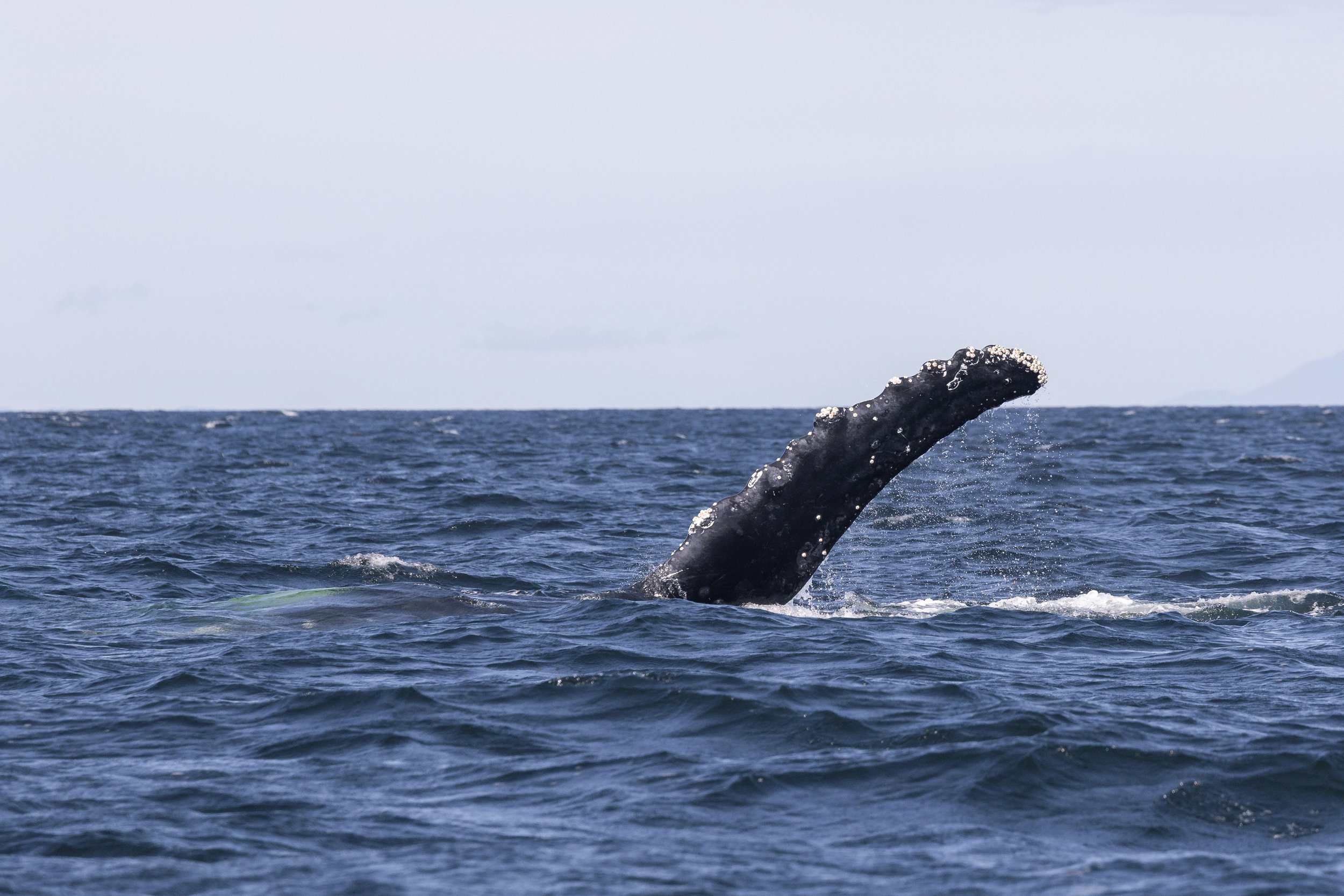
Corona/Phi with her pectoral fin in the air. Photo by Jordan Robinson.
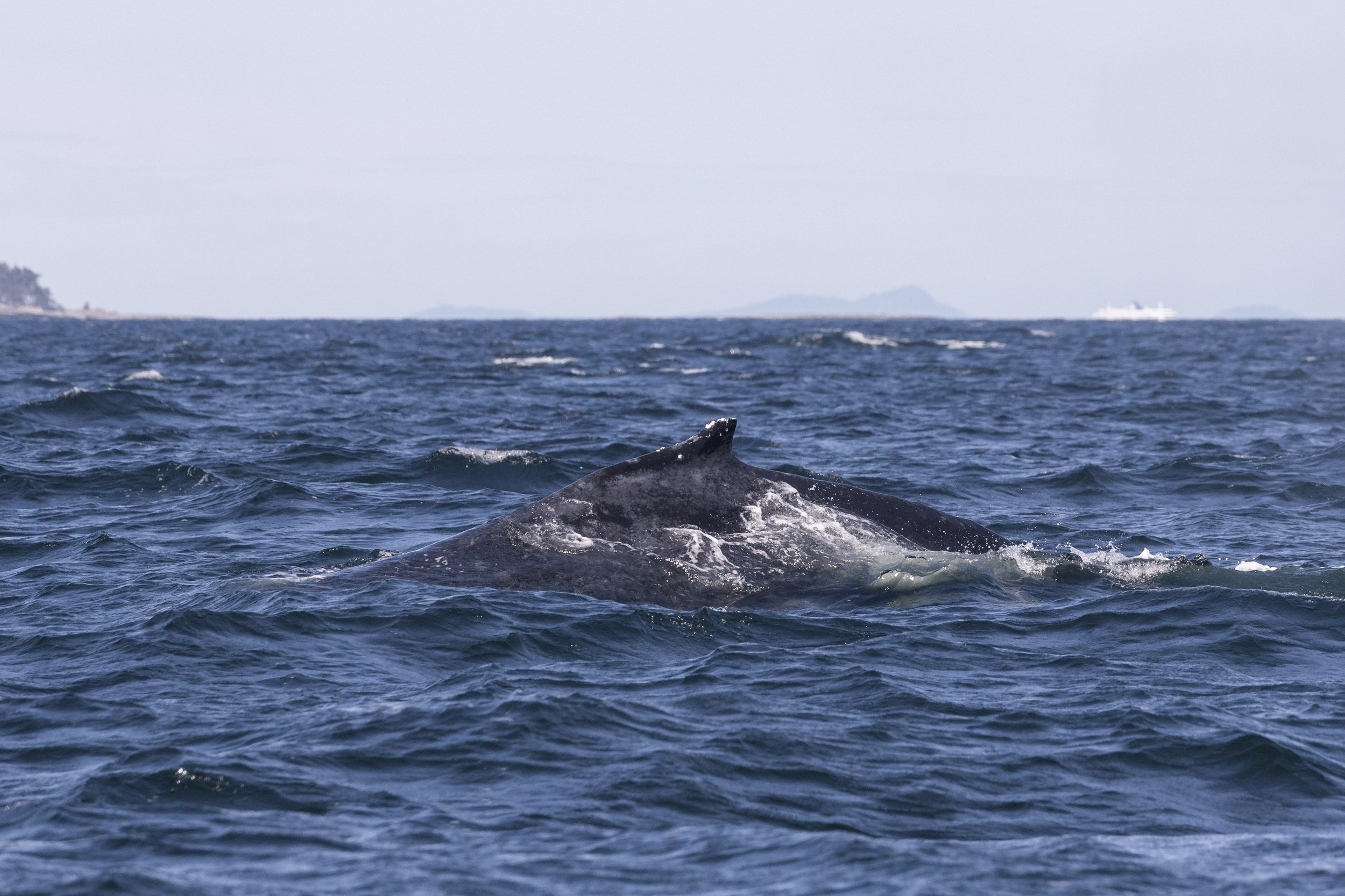
Corona/Phi’s distinct dorsal fin. Photo by Jordan Robinson.
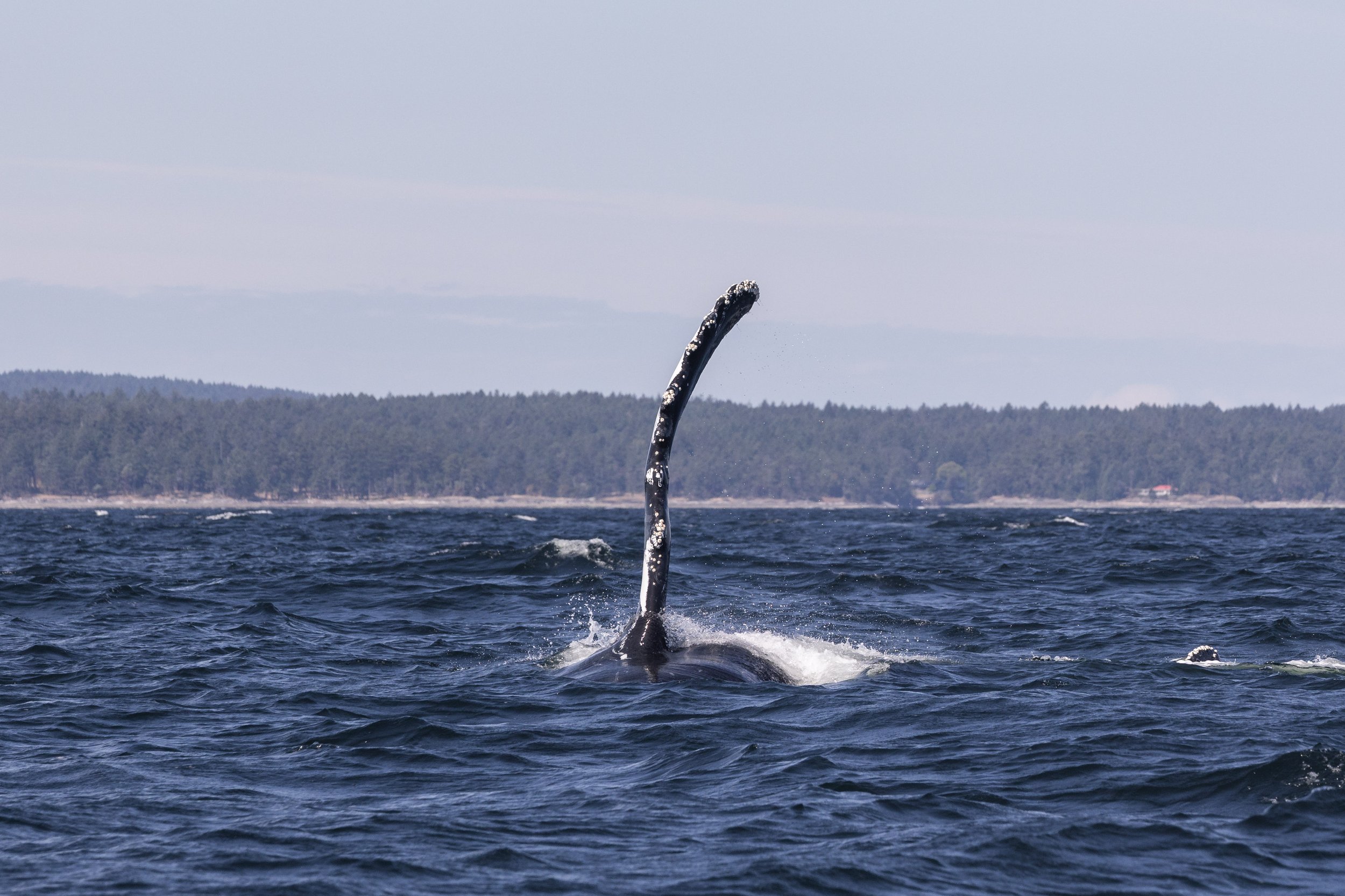
A lovely side on look at Corona/Phi with her pectoral fin in the air. Photo by Jordan Robinson.
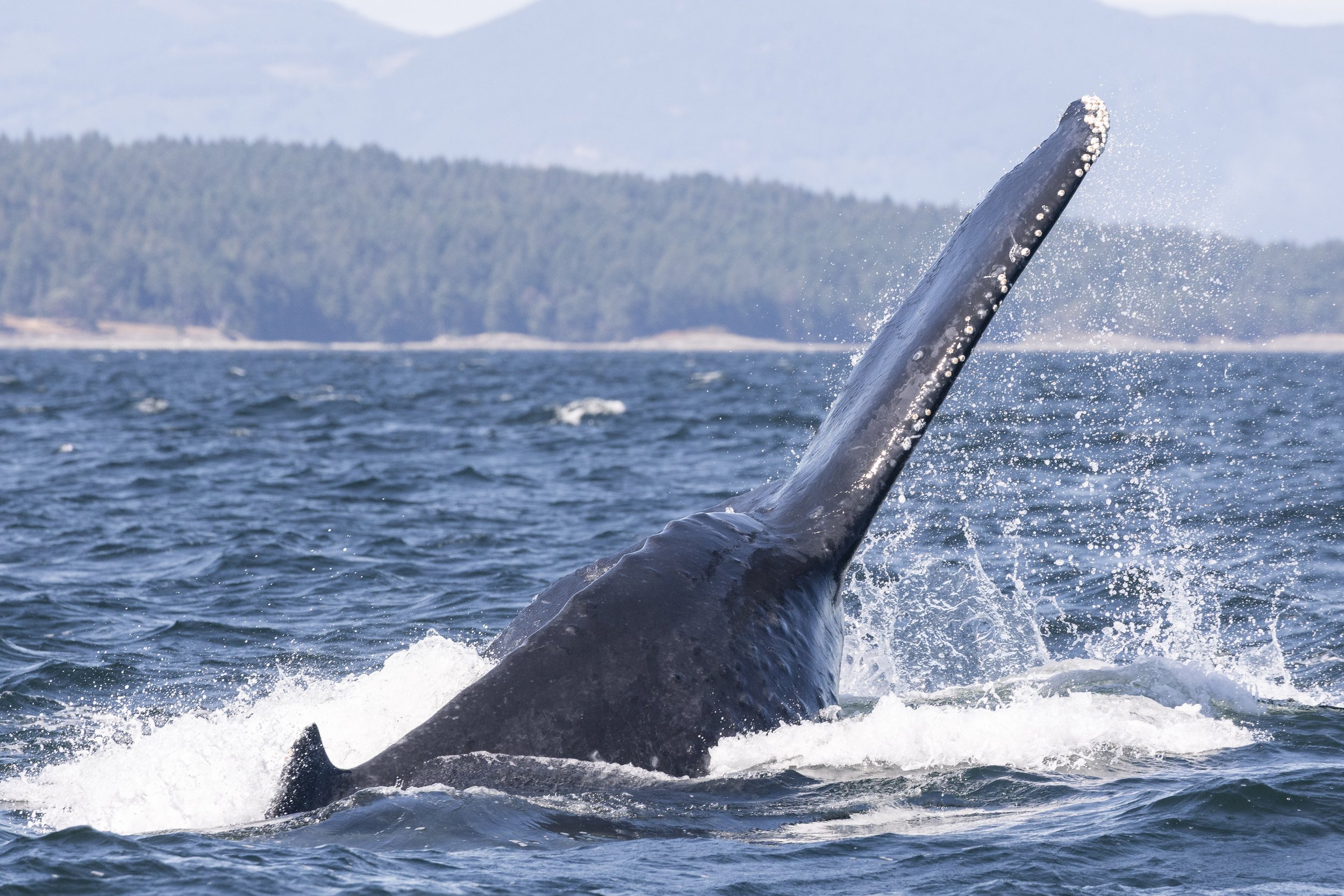
Corona/Phi doing a mini-cartwheel. Photo by Jordan Robinson.
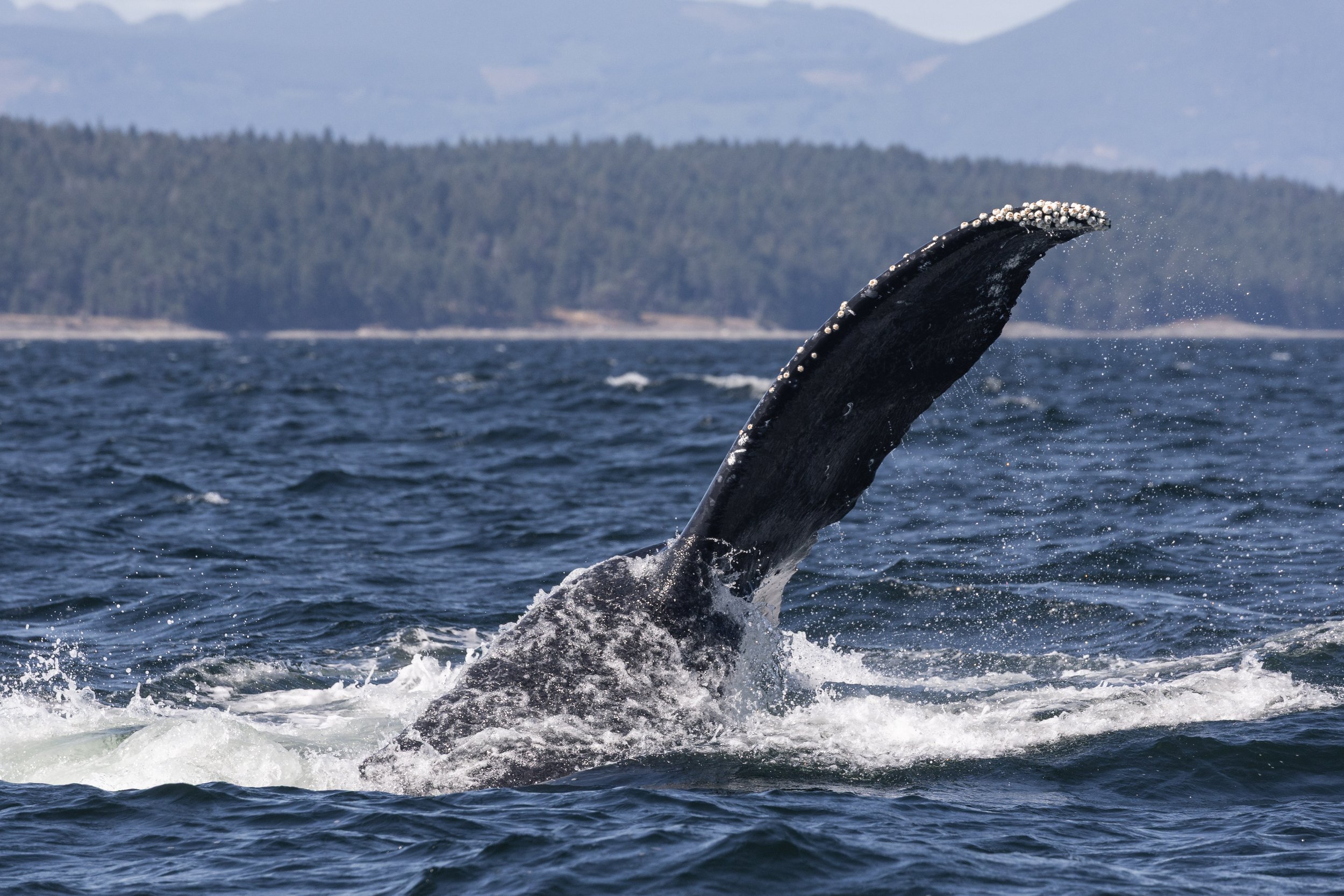
A nice look at Corona/Phi with her tail sideways out of the water. Photo by Jordan Robinson.
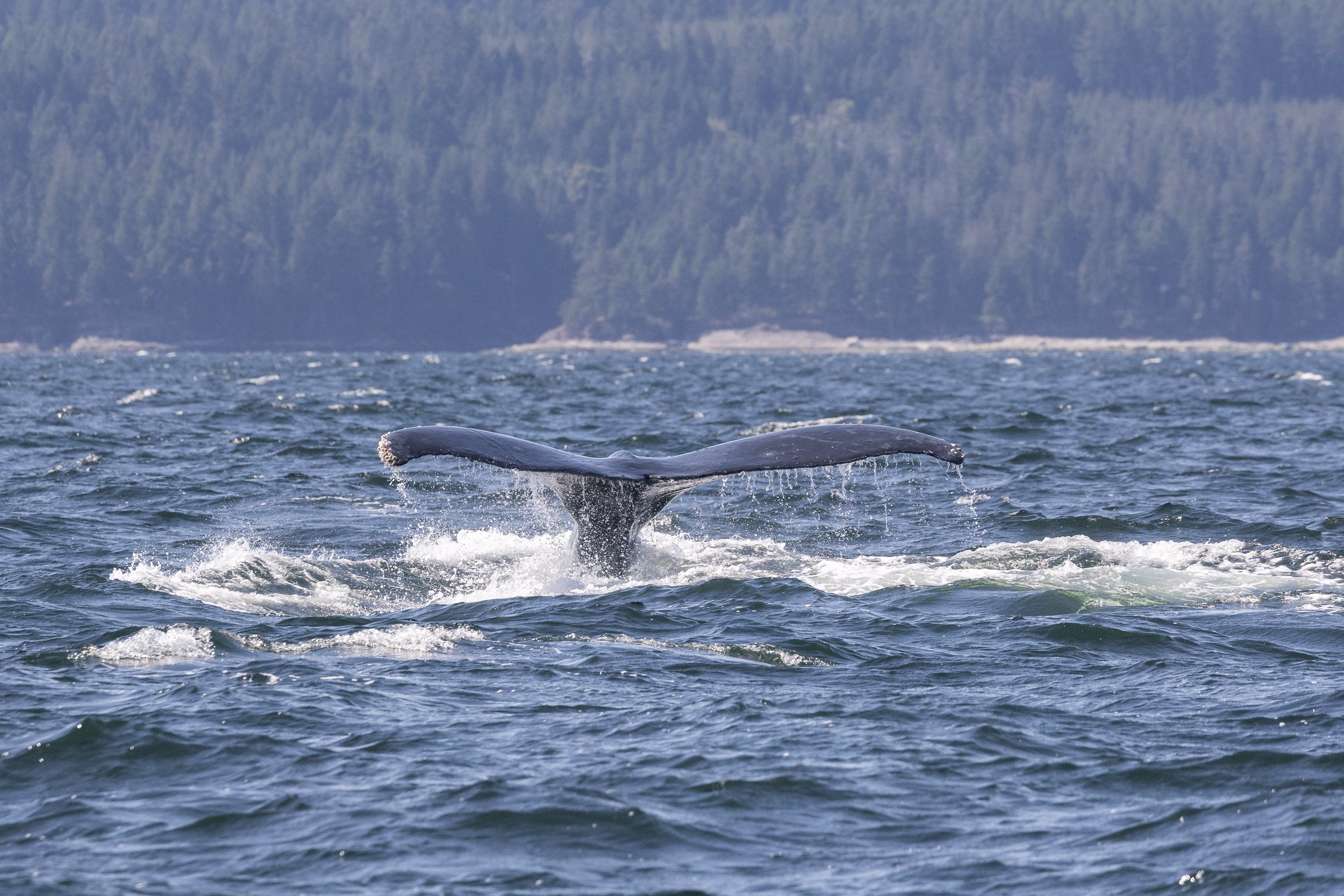
Crater/Mensa going for a dive. Photo by Jordan Robinson.
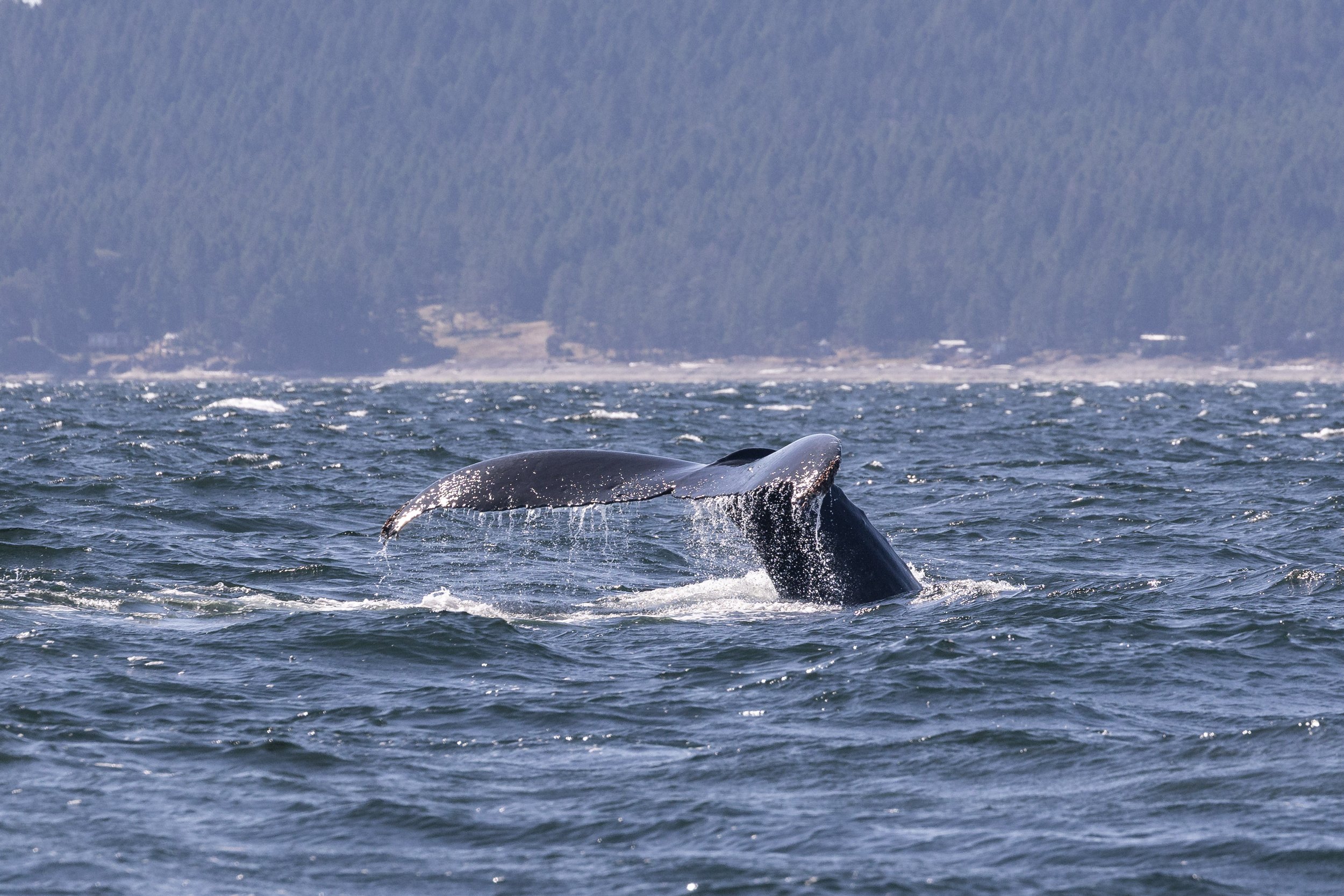
Corona/Phi giving a fluke waterfall as she prepares to dive. Photo by Jordan Robinson.
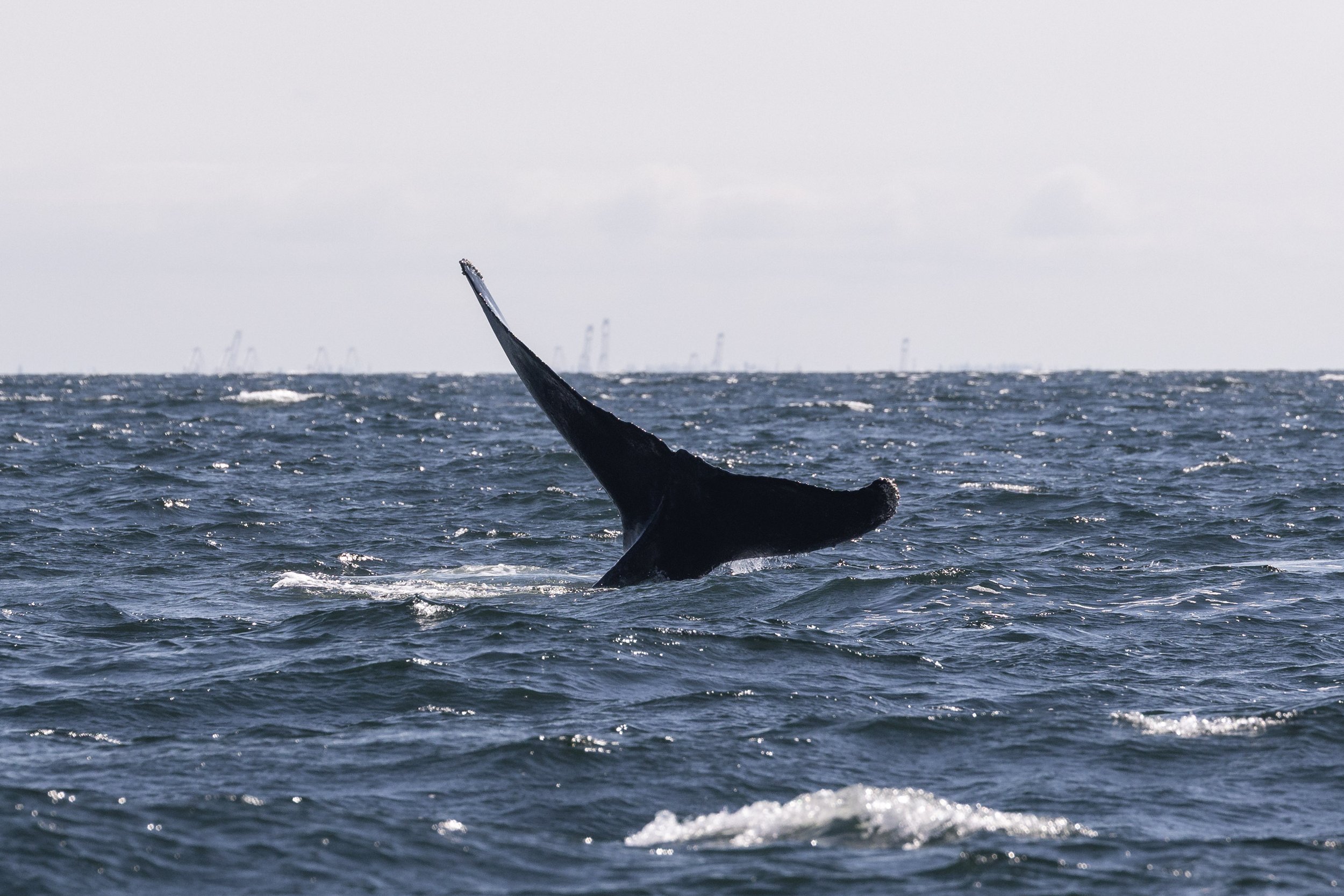
Corona/Phi flicking her tail at the surface. Photo by Jordan Robinson.
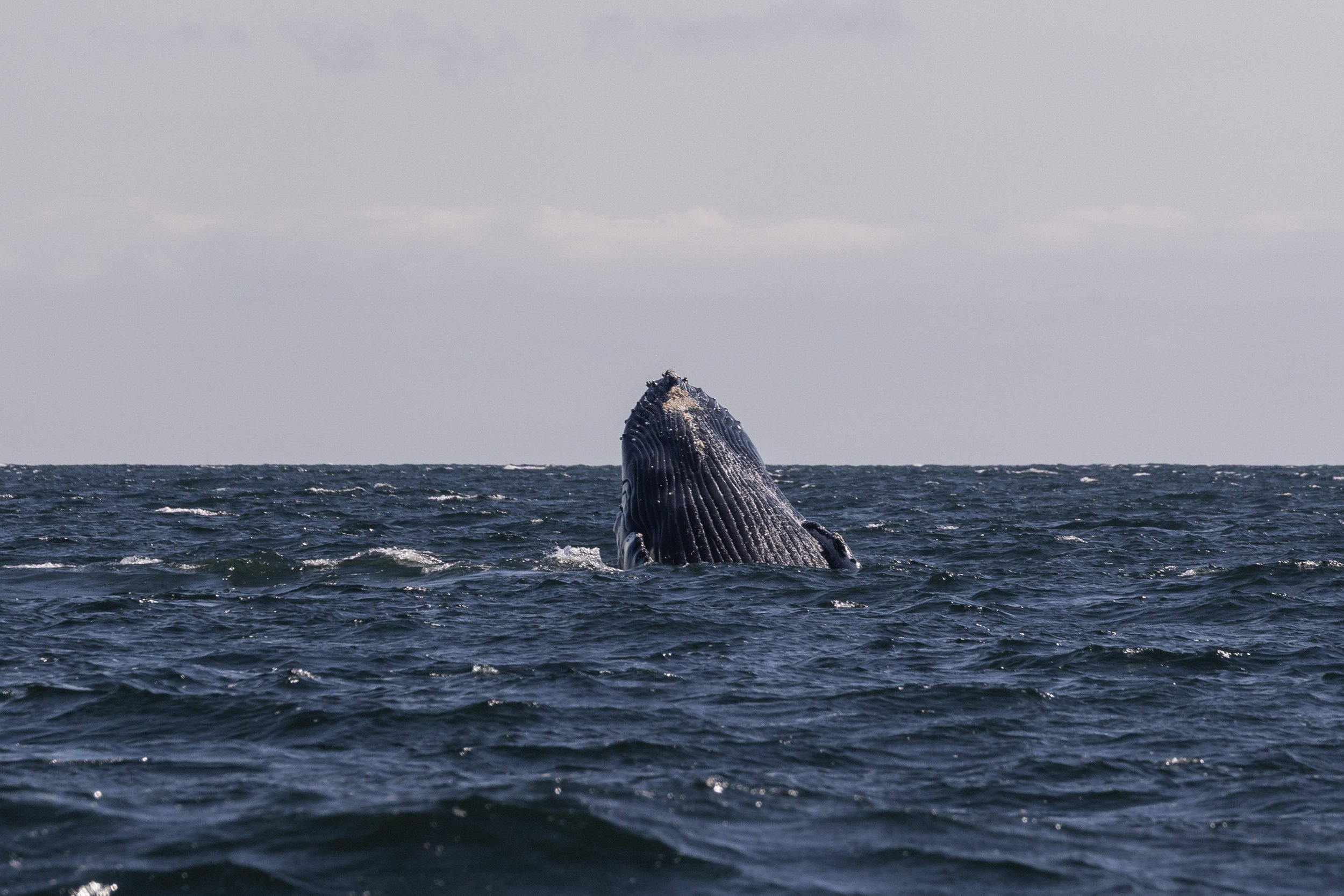
A backdive from Corona/Phi. Photo by Jordan Robinson.
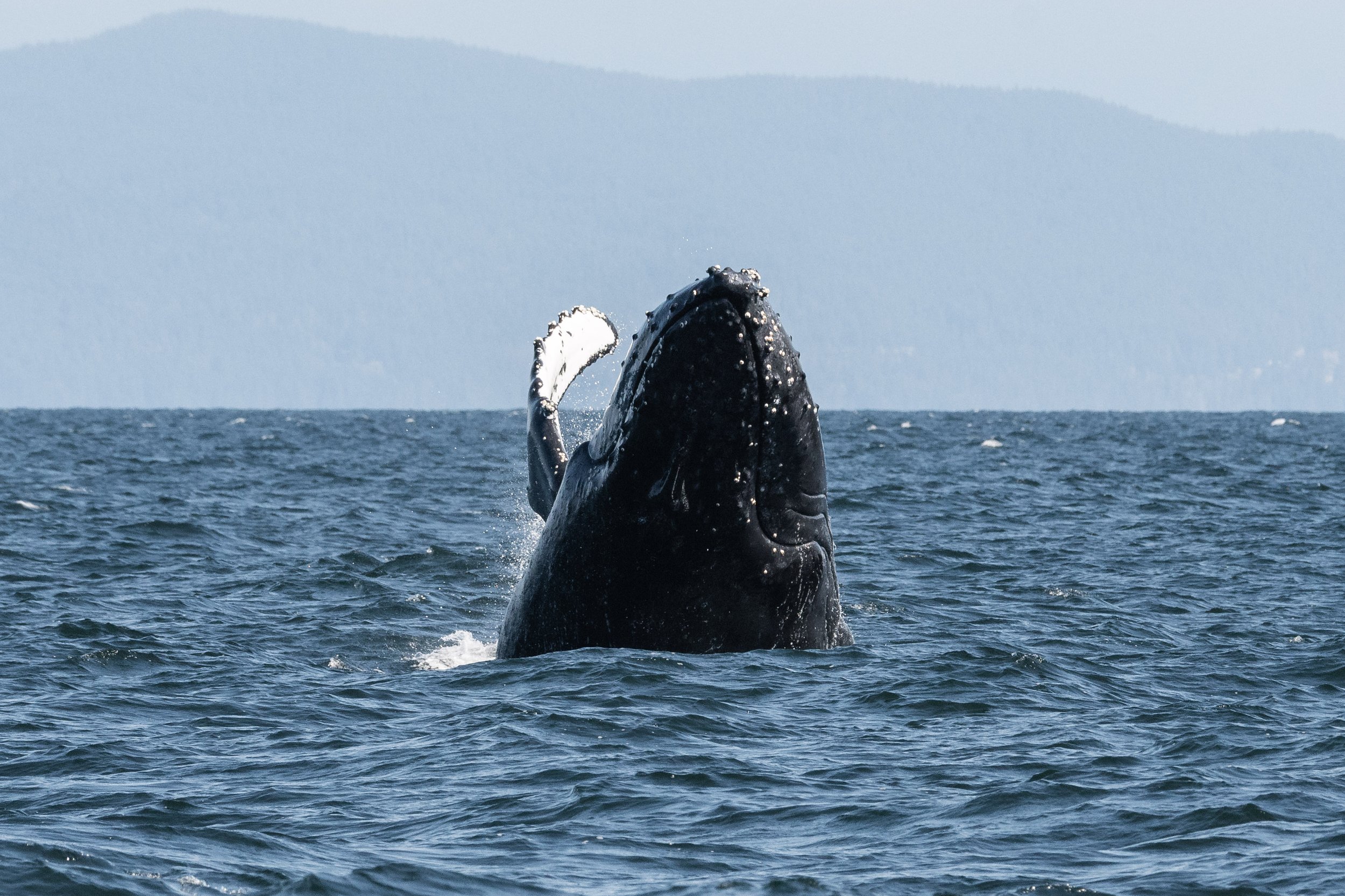
A little breach from Corona/Phi. Photo by Evan Hessels.
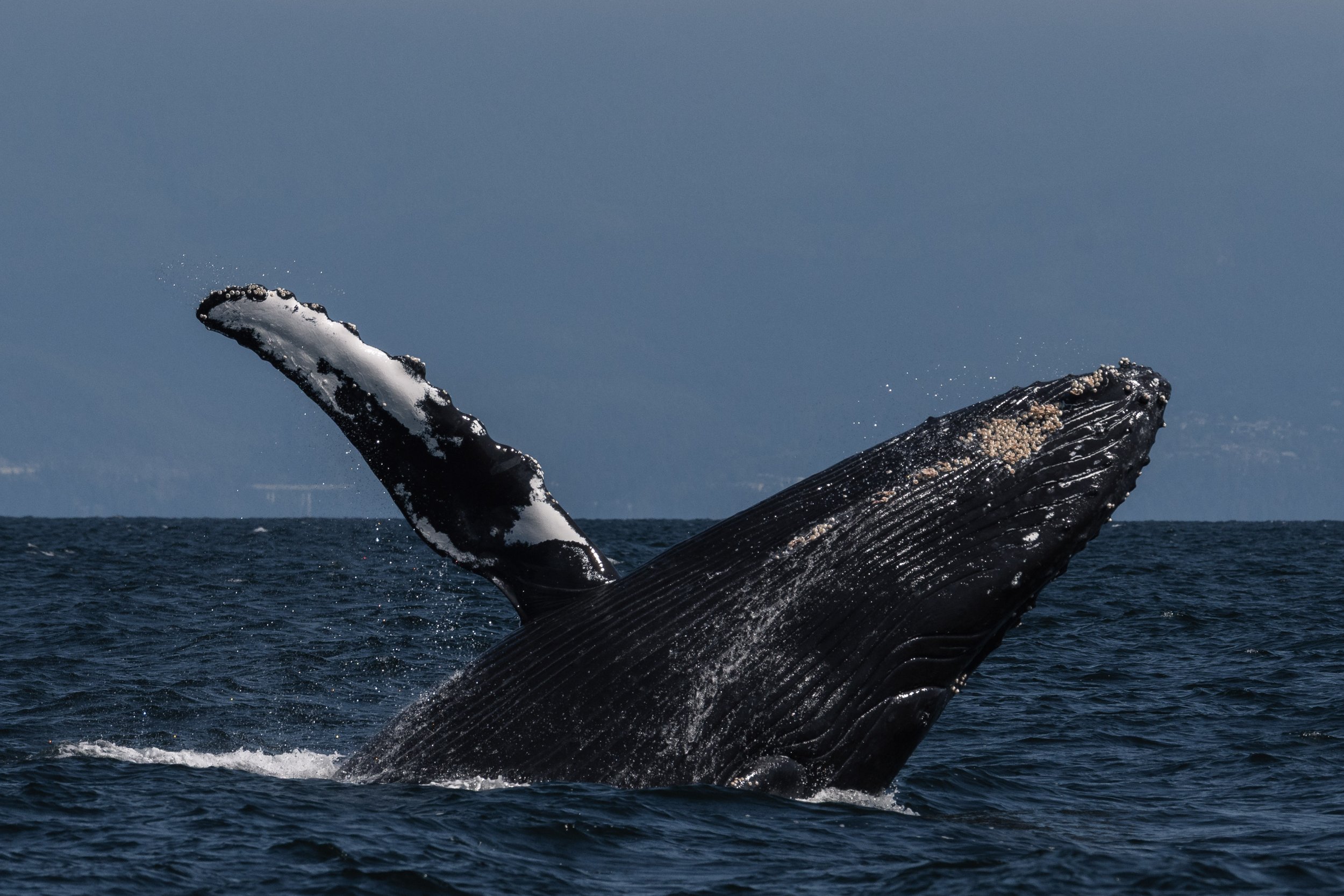
Corona/Phi doing a backdive. Photo by Evan Hessels.
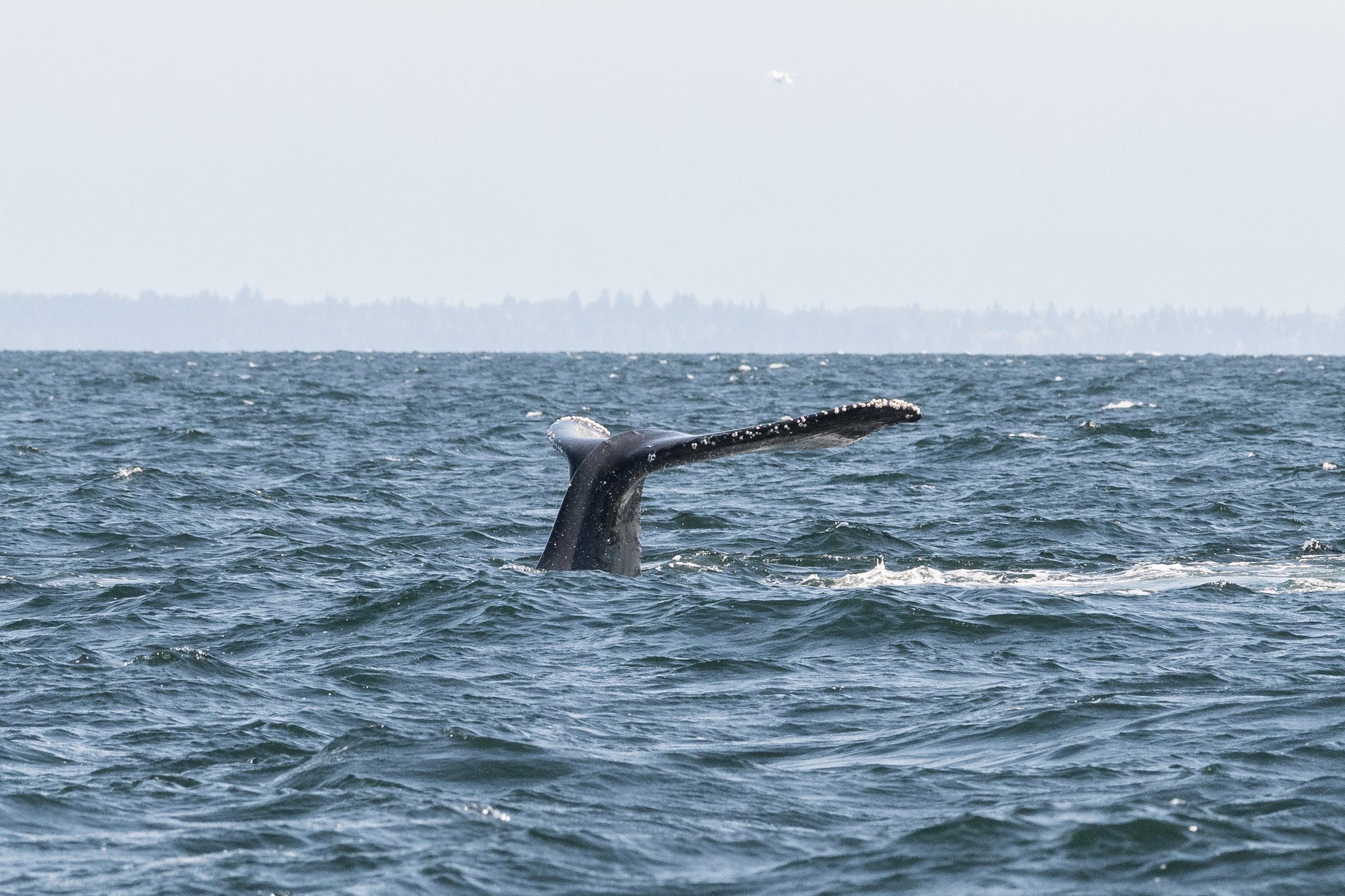
Corona/Phi with her tail in the air. Photo by Evan Hessels.
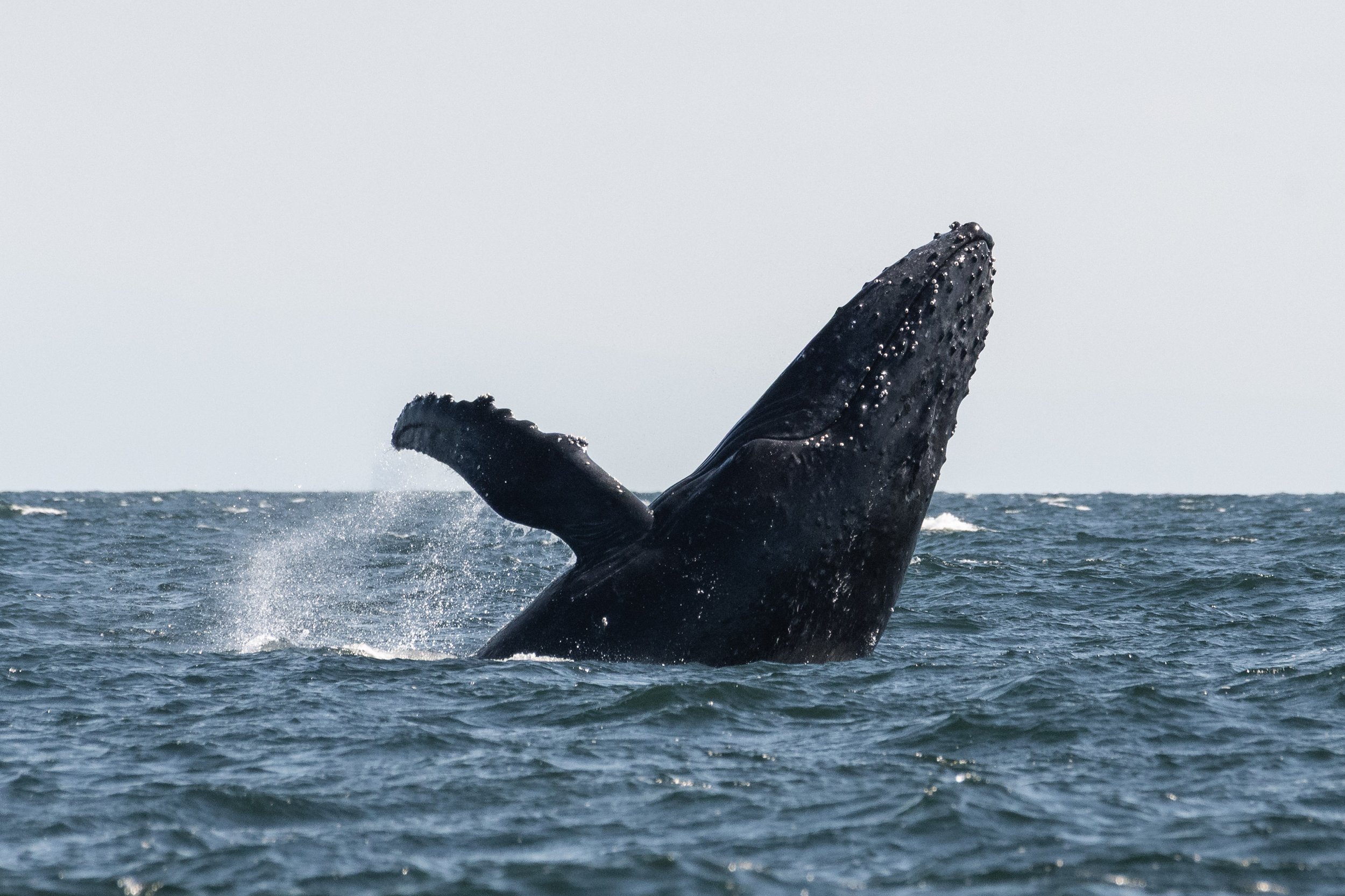
Can you spot all the barnacles on Corona/Phi as she breaches? Photo by Evan Hessels.
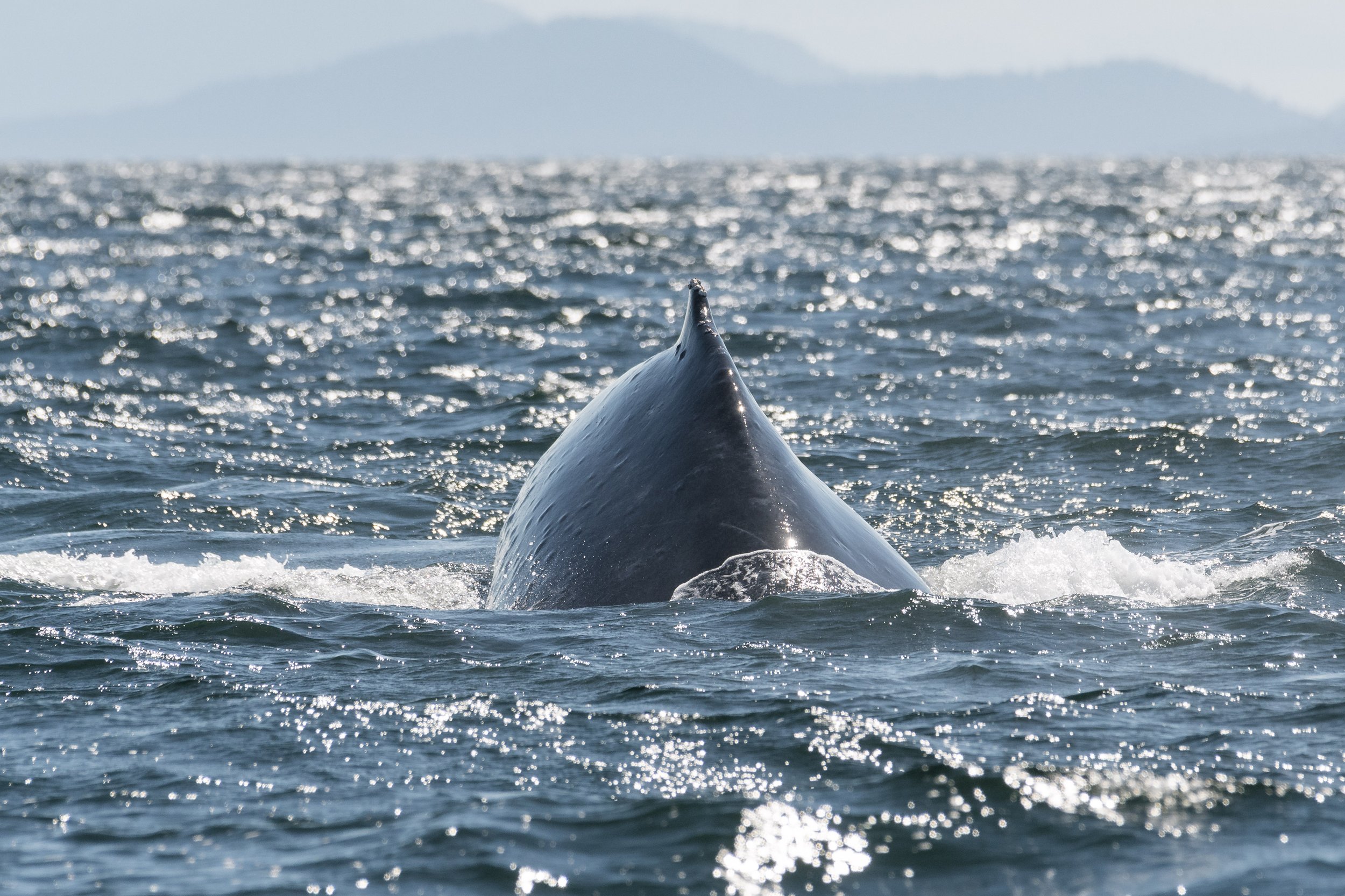
Corona/Phi heading towards us in the waves. Photo by Evan Hessels.
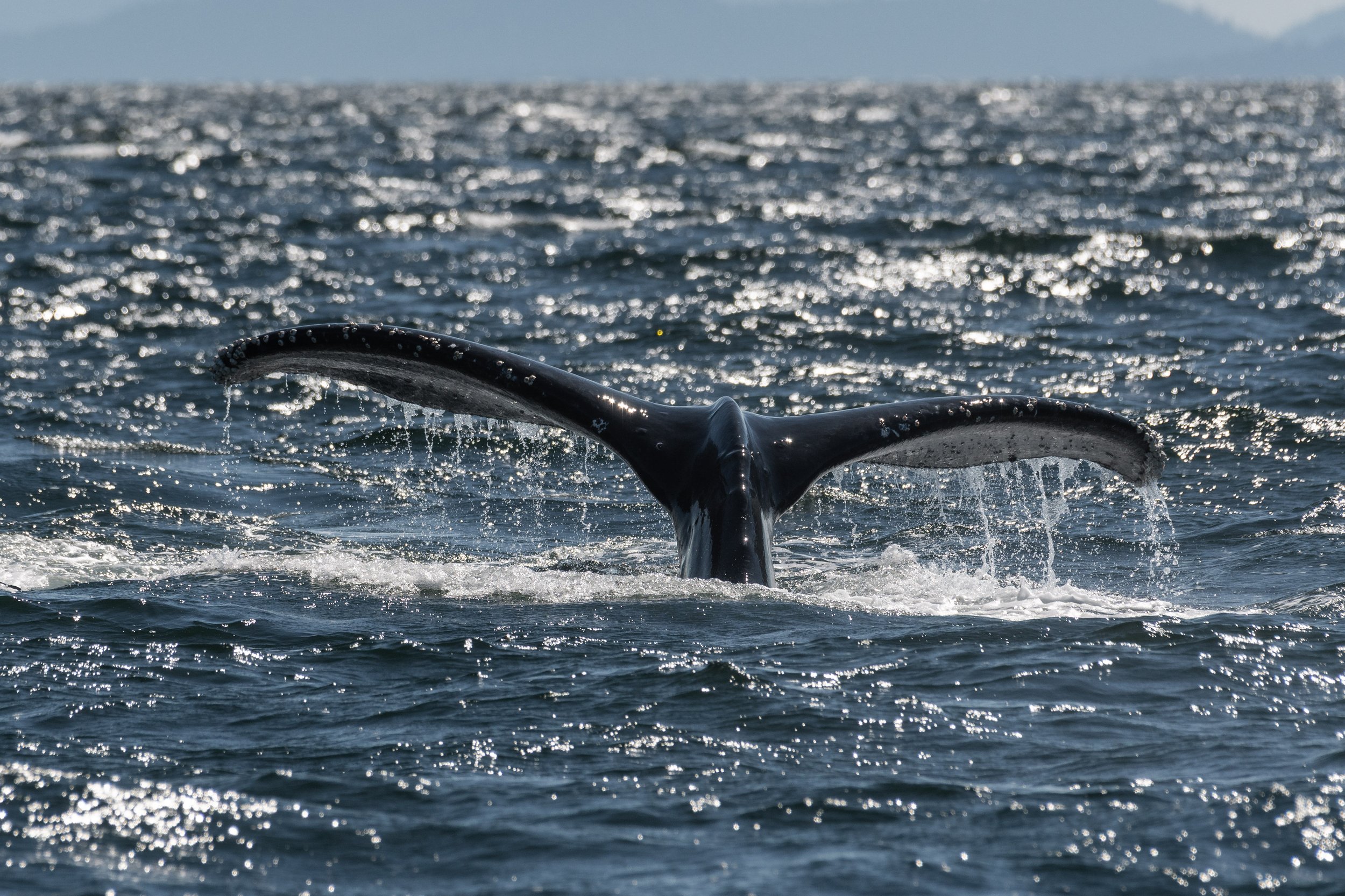
A lovely fluke waterfall in the sun. Photo by Evan Hessels.
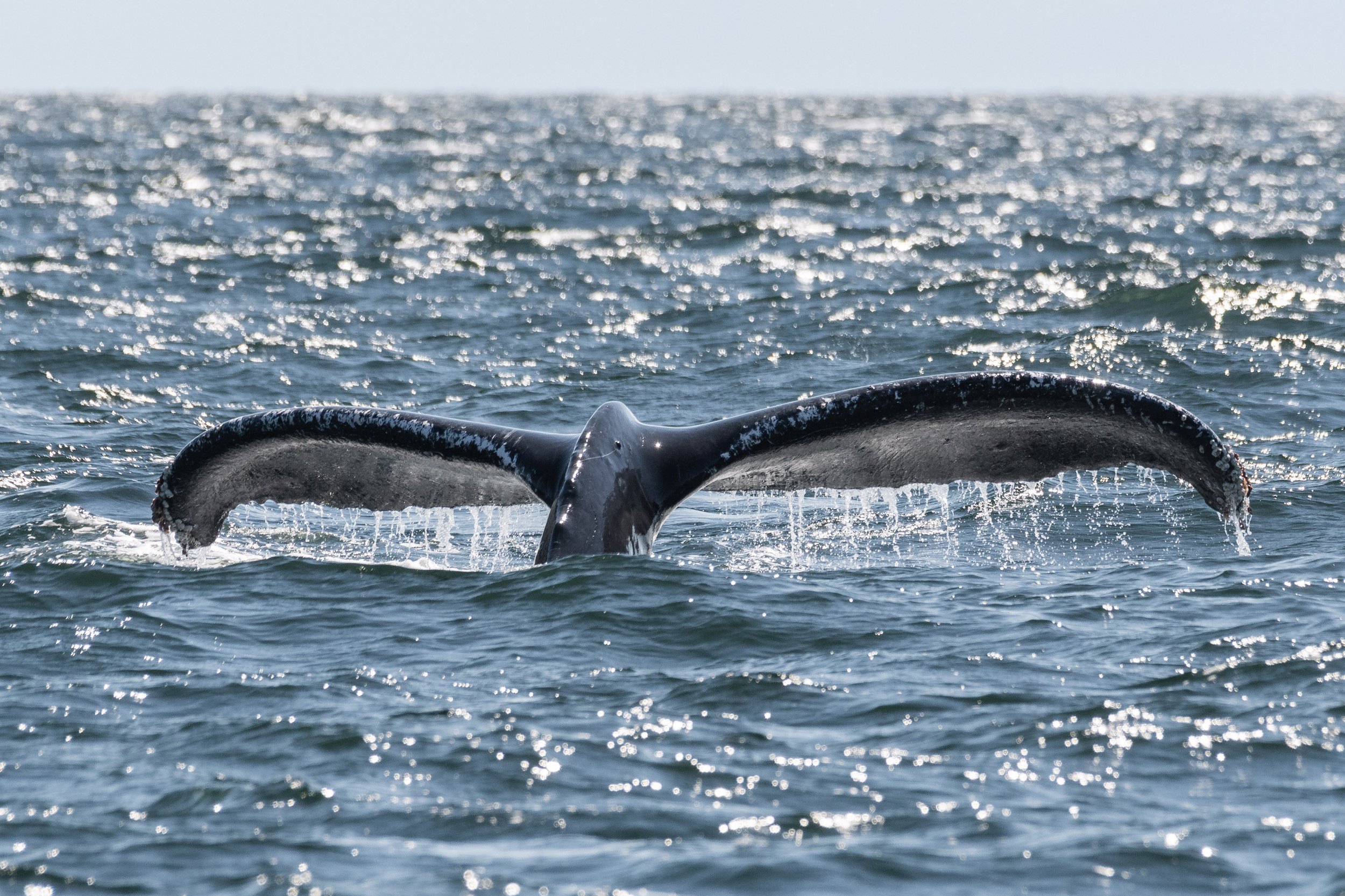
Another fluke waterfall from one of the whales. Photo by Evan Hessels.
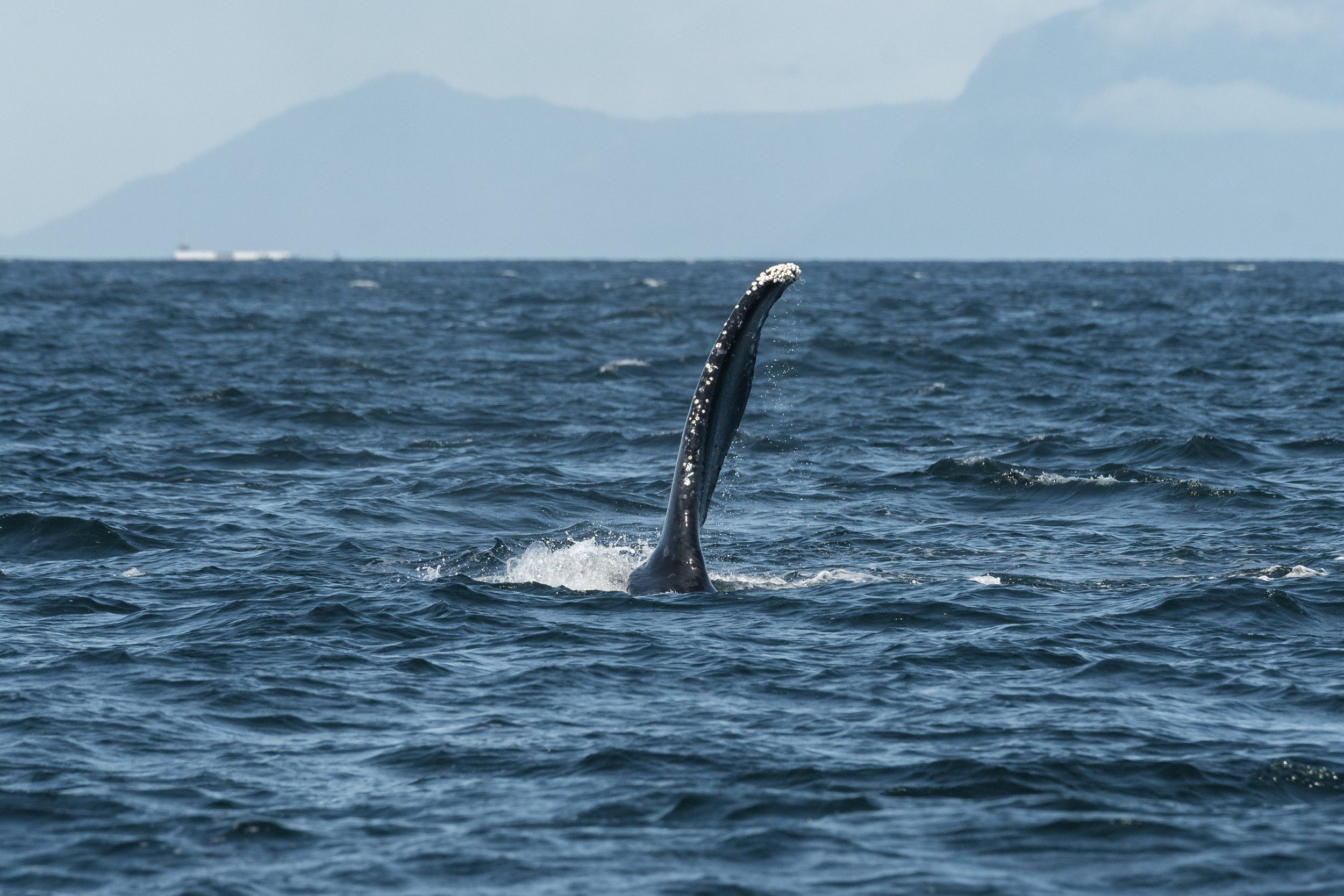
Corona/Phi with her tail sideways in the water. Photo by Evan Hessels.
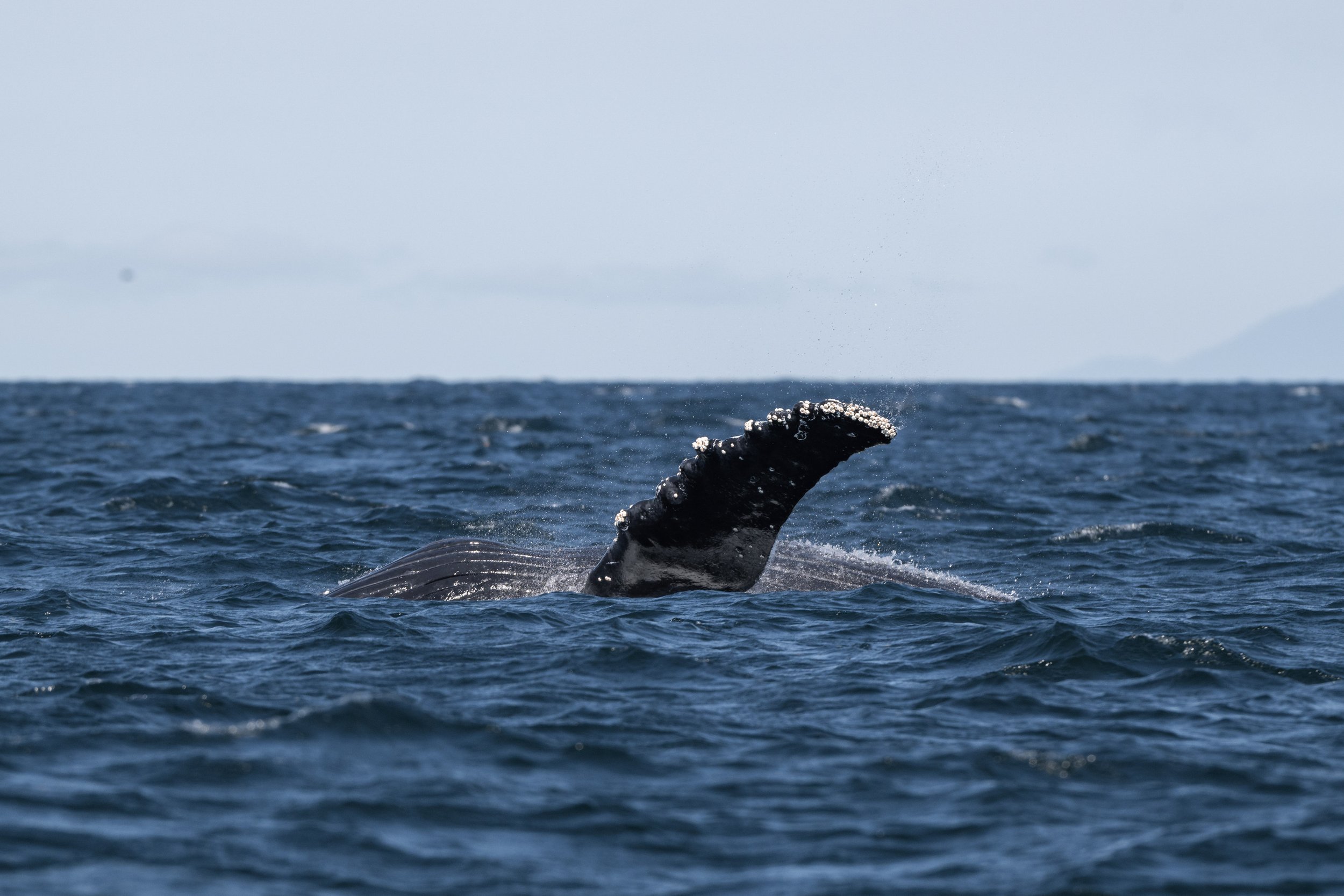
Corona/Phi showing off her rorqual groove. Photo by Aly Kohlman.
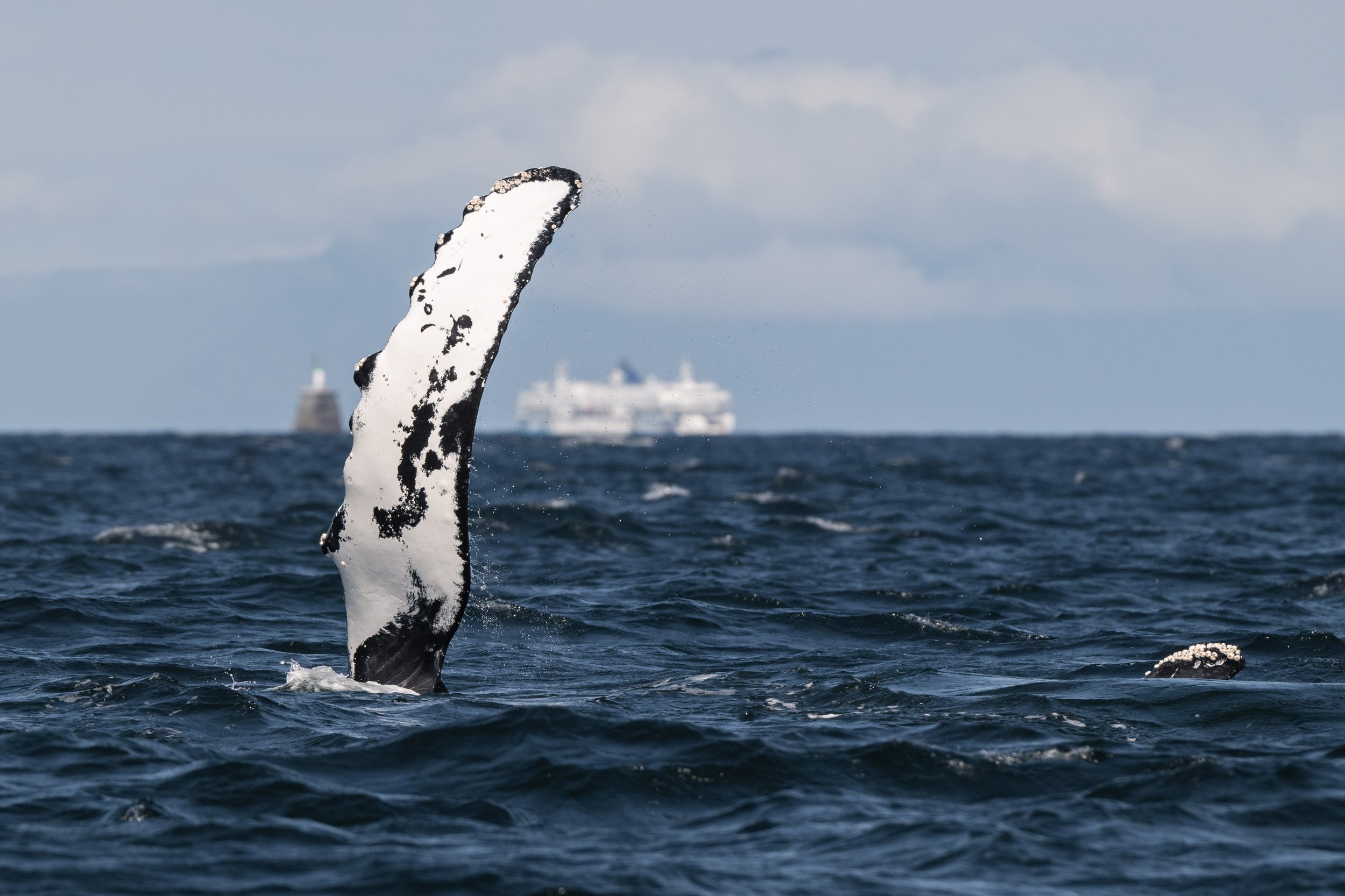
Corona/Phi swimming sideways in the waves. Photo by Aly Kohlman.
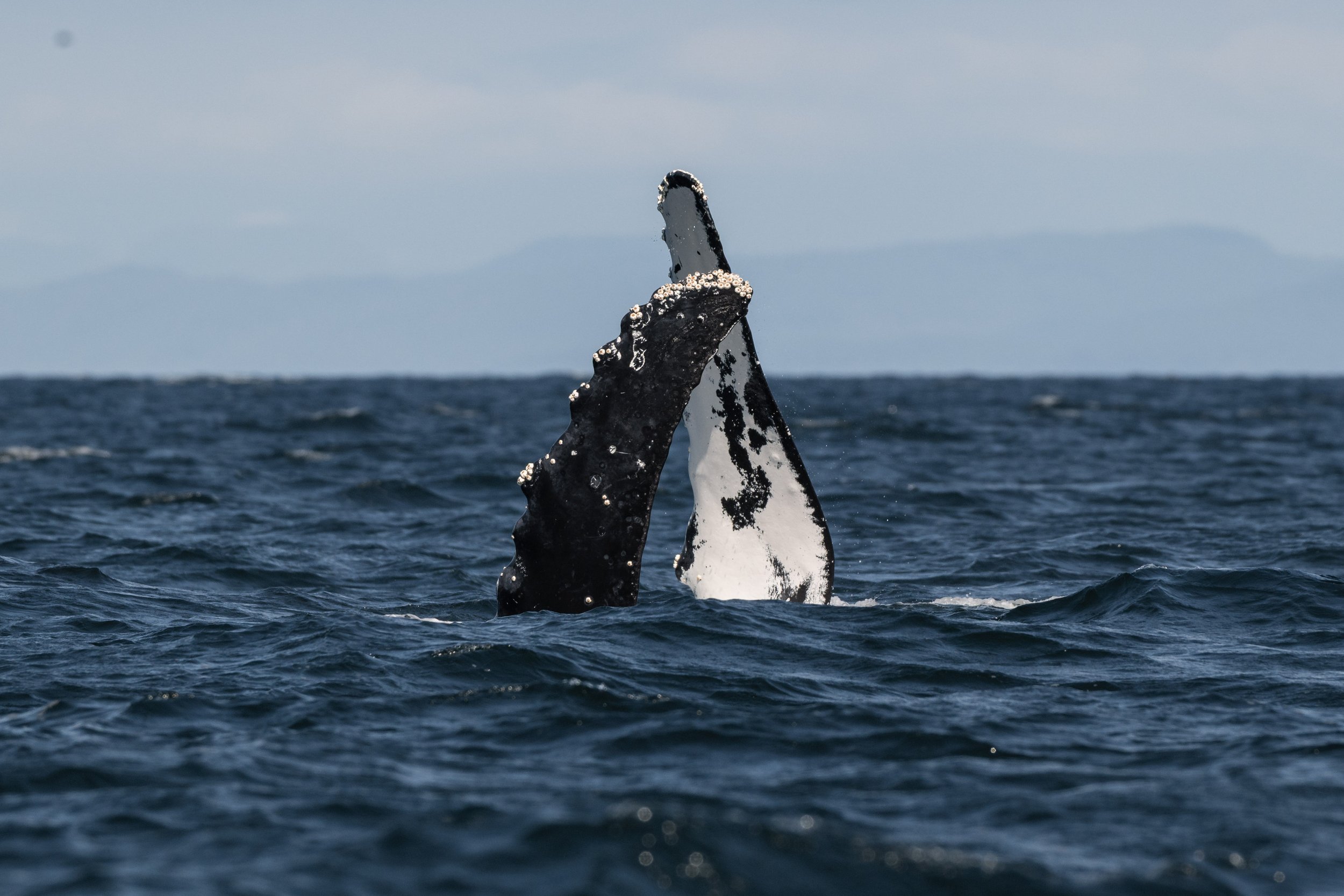
Corona/Phi swimming upside down. Photo by Aly Kohlman.
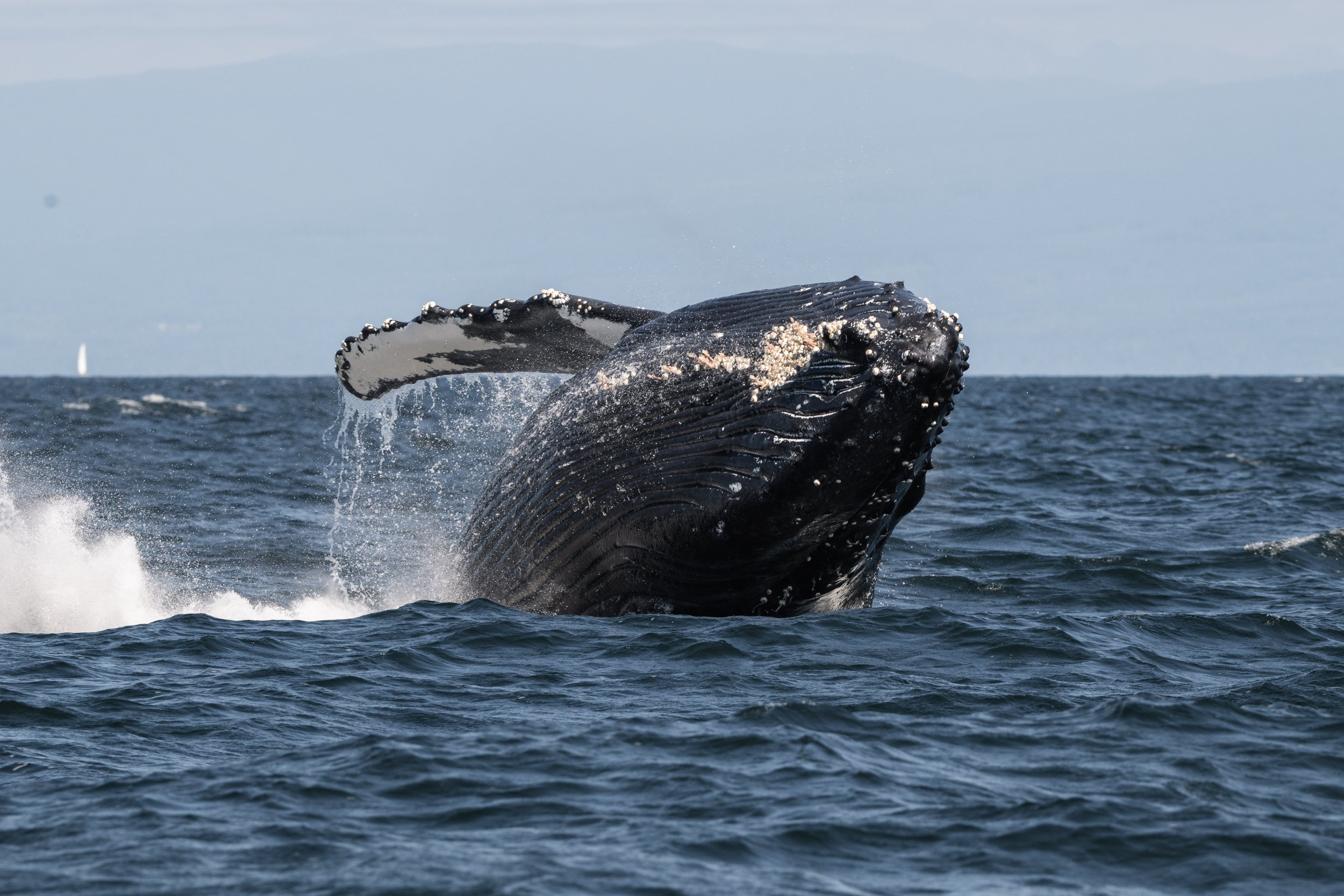
Corona doing a mini-breach. Photo by Aly Kohlman.
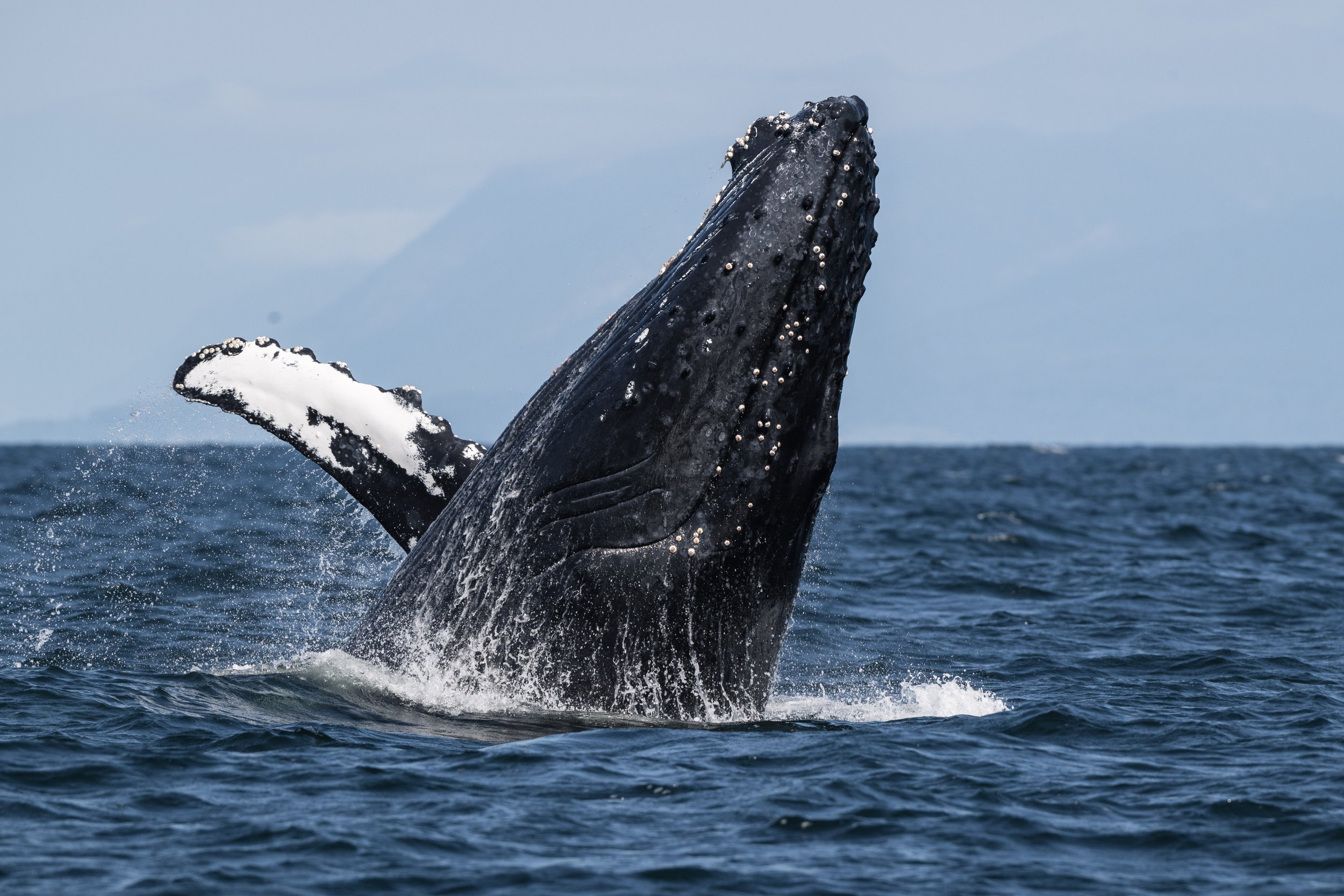
A lovely breach from Corona/Phi. Photo by Aly Kohlman.
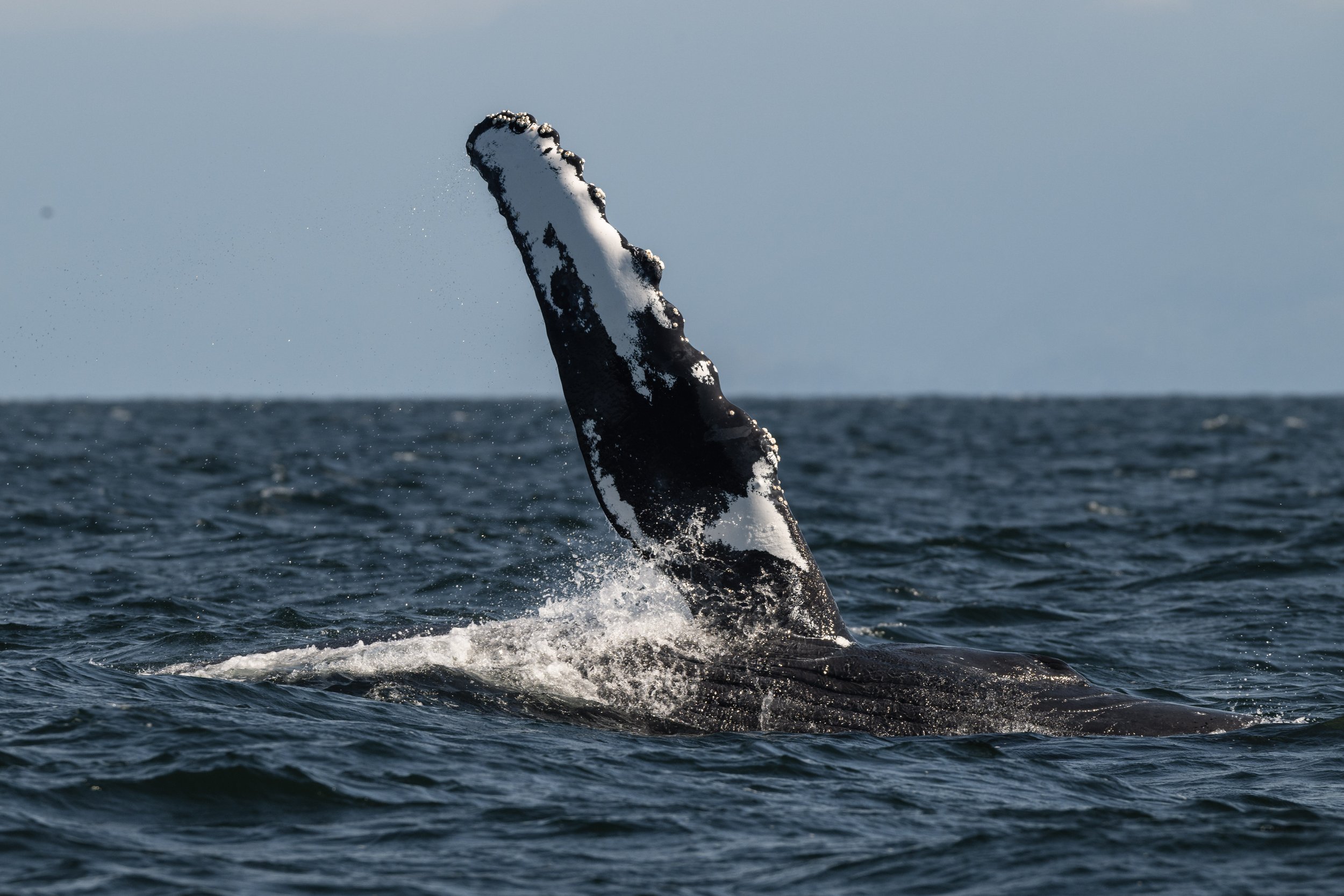
A lovely look at Corona/Phi’s pectoral fin in the air. Photo by Aly Kohlman.
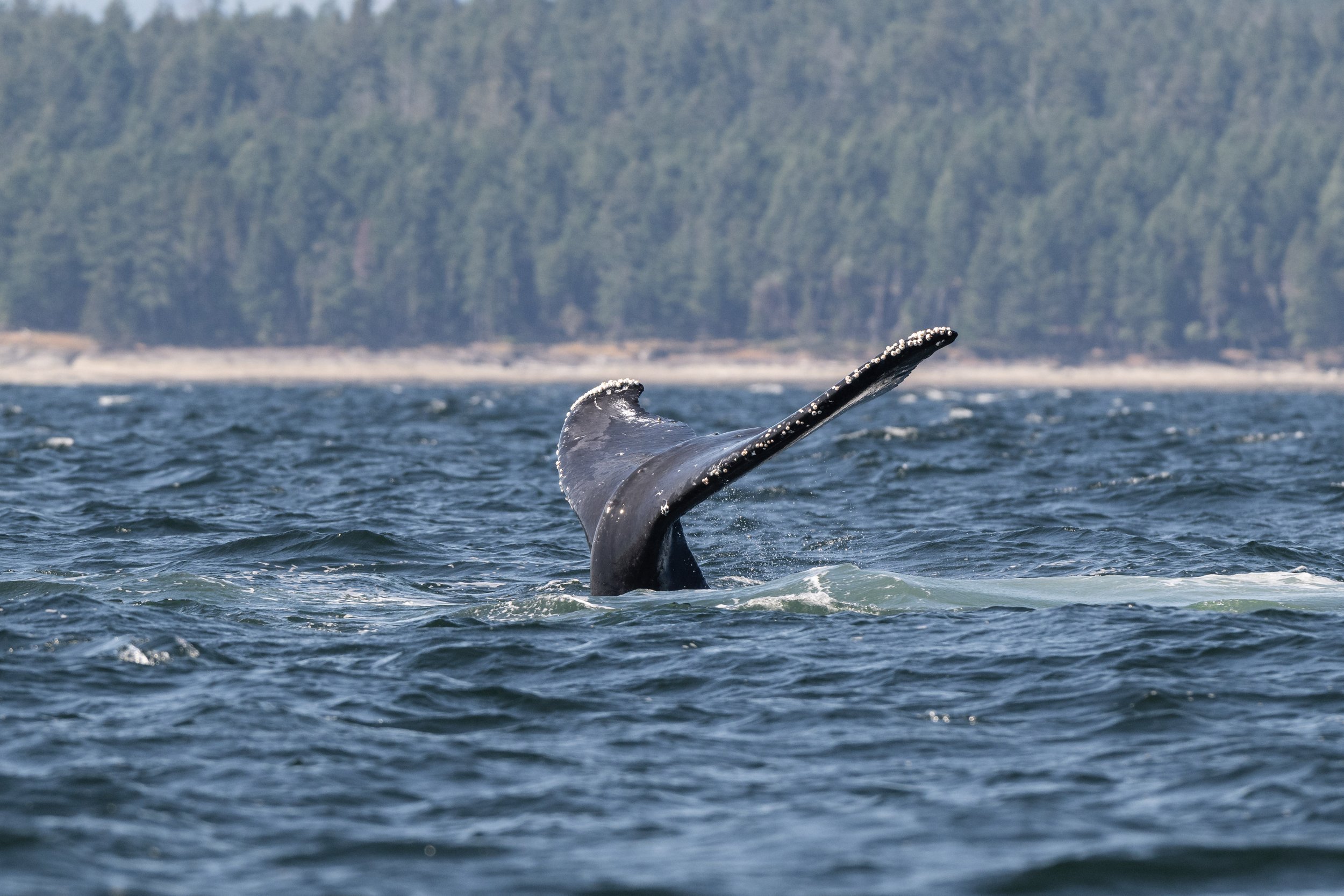
Corona/Phi with her tail in the air. Photo by Aly Kohlman.
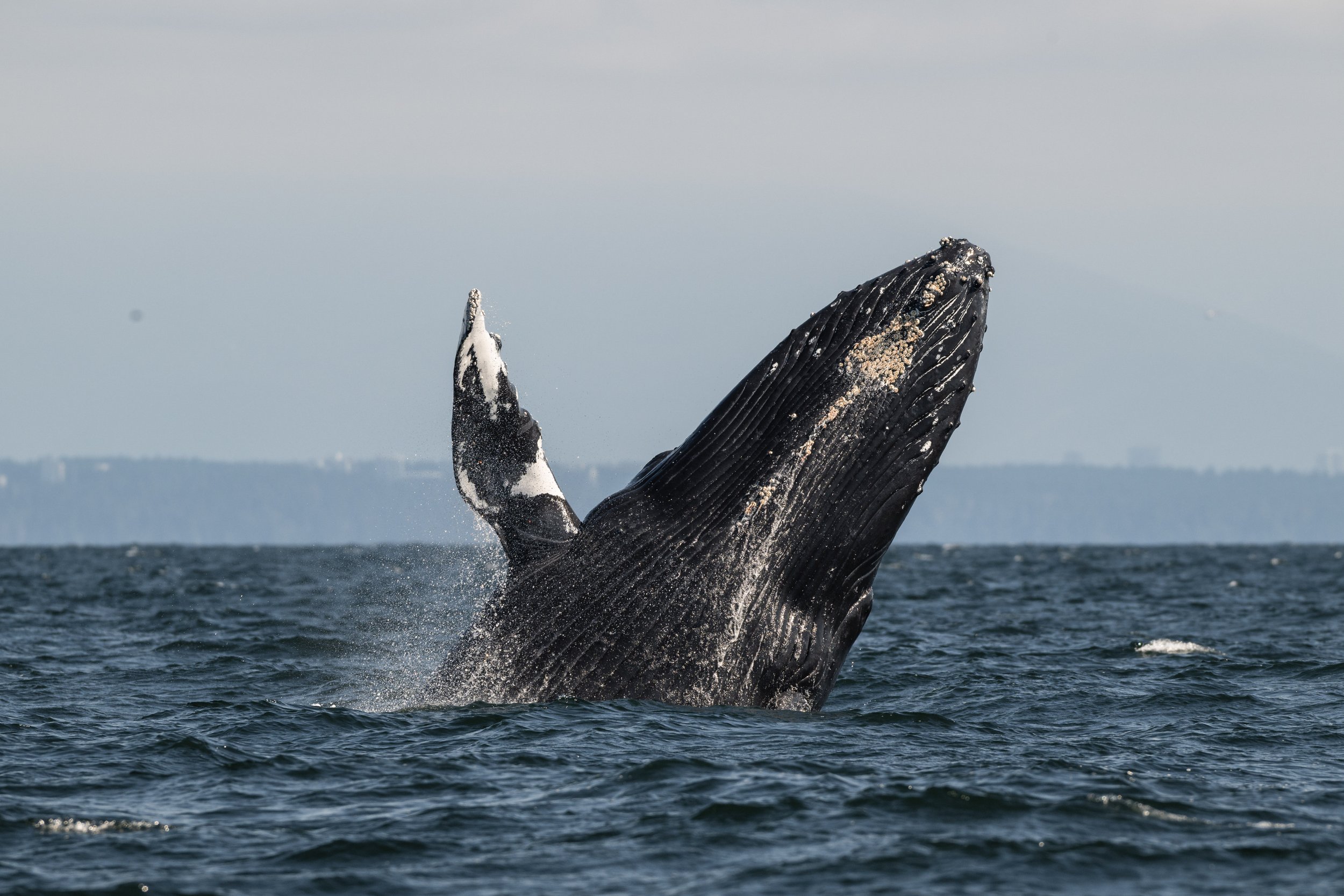
Corona/Phi breaching. Photo by Aly Kohlman.
BCX2316 & Arial
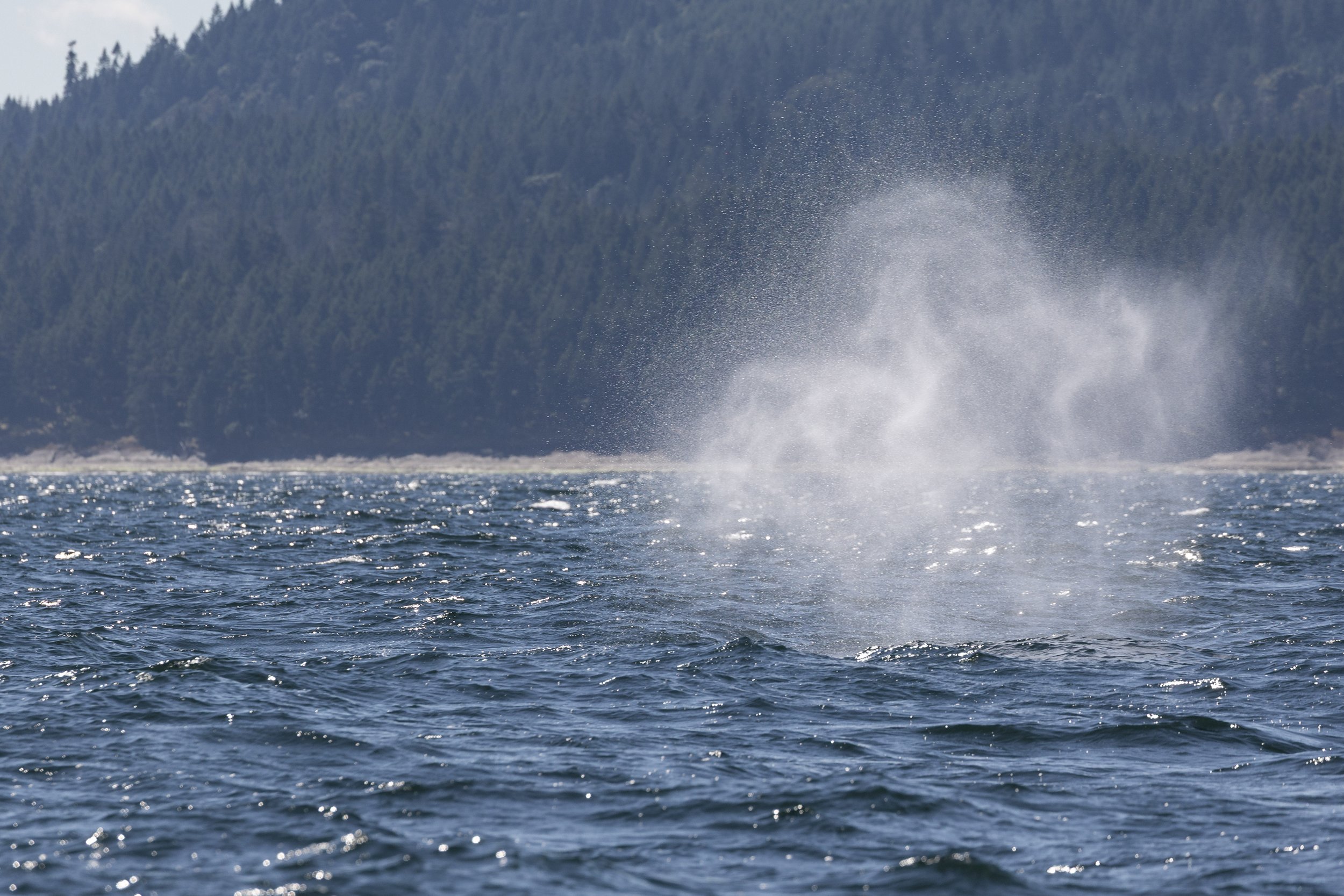
A big blow from one of the whales in the waves. Photo by Jordan Robinson.
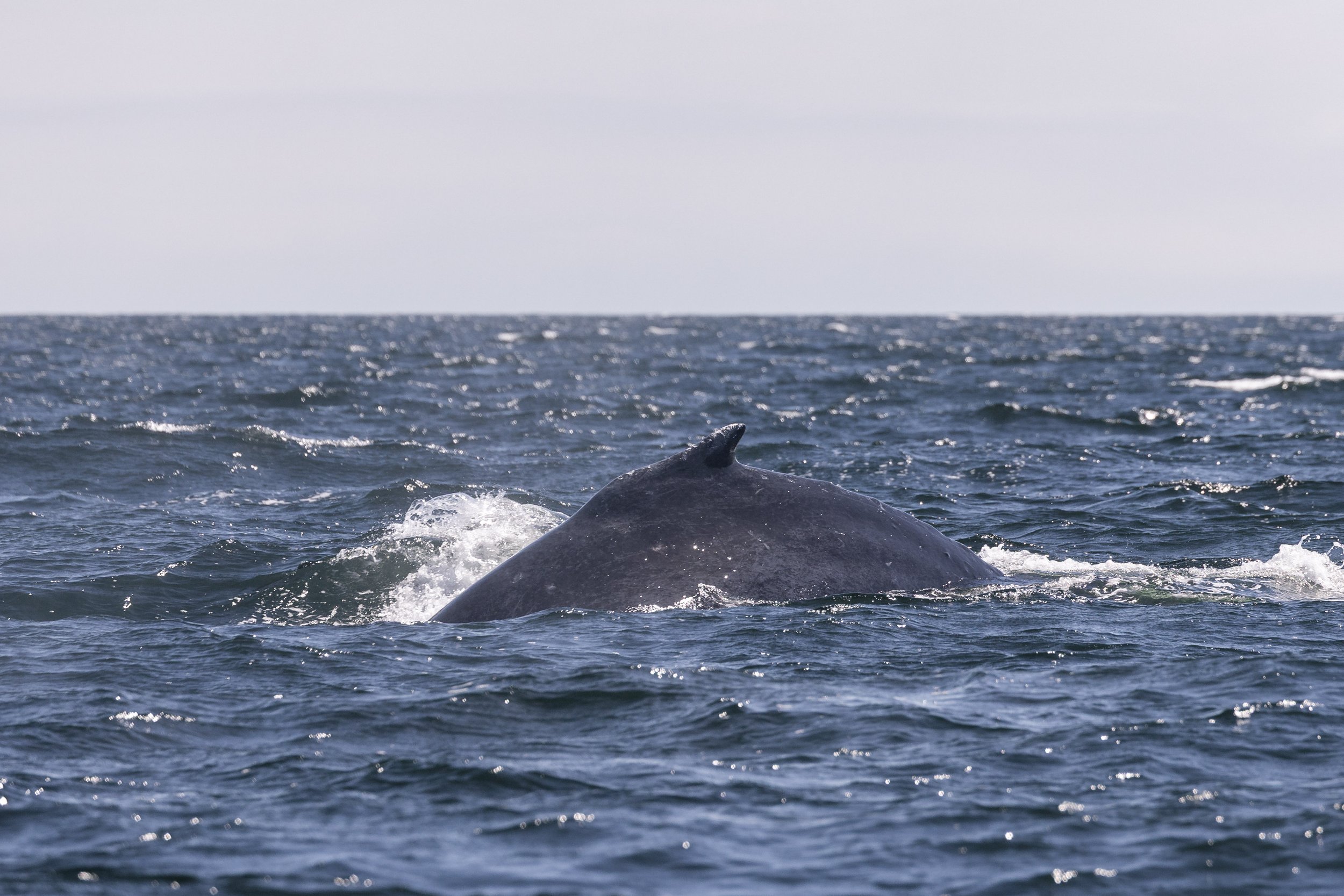
BCX2316 surfacing in the waves. Photo by Jordan Robinson.
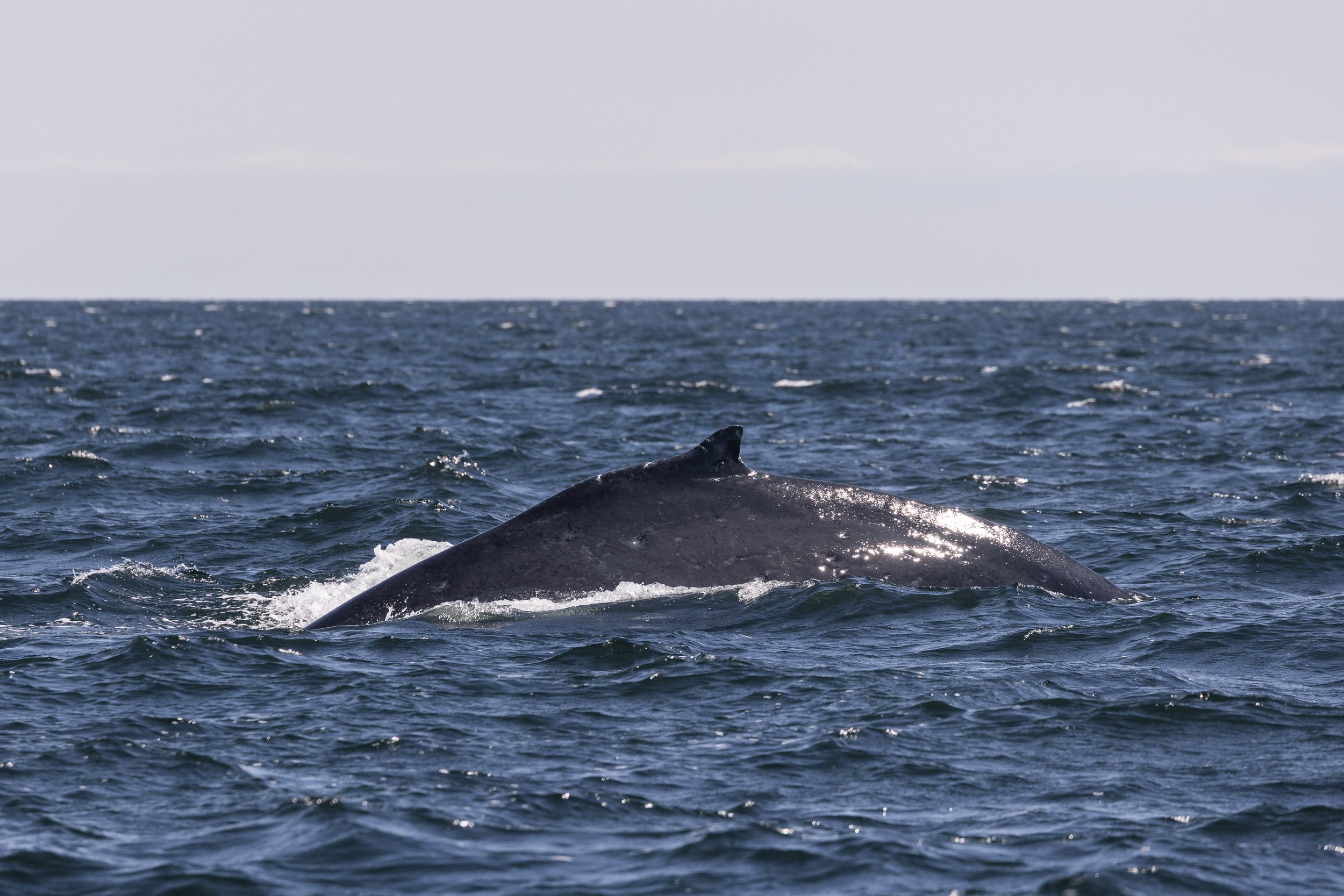
Arial’s distinct dorsal fin as he surfaces in the waves. Photo by Jordan Robinson.
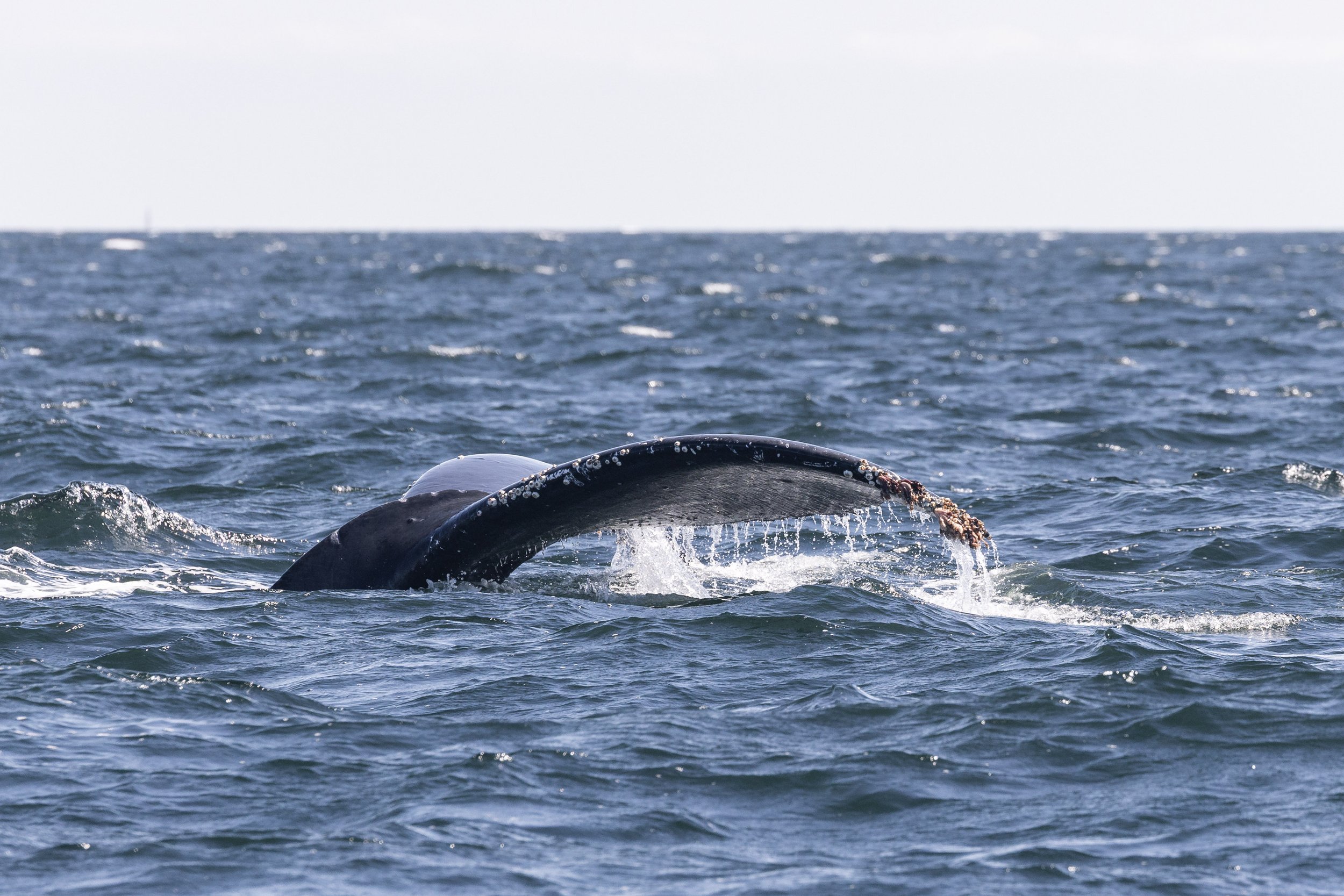
Arial going for a dive. Photo by Jordan Robinson.
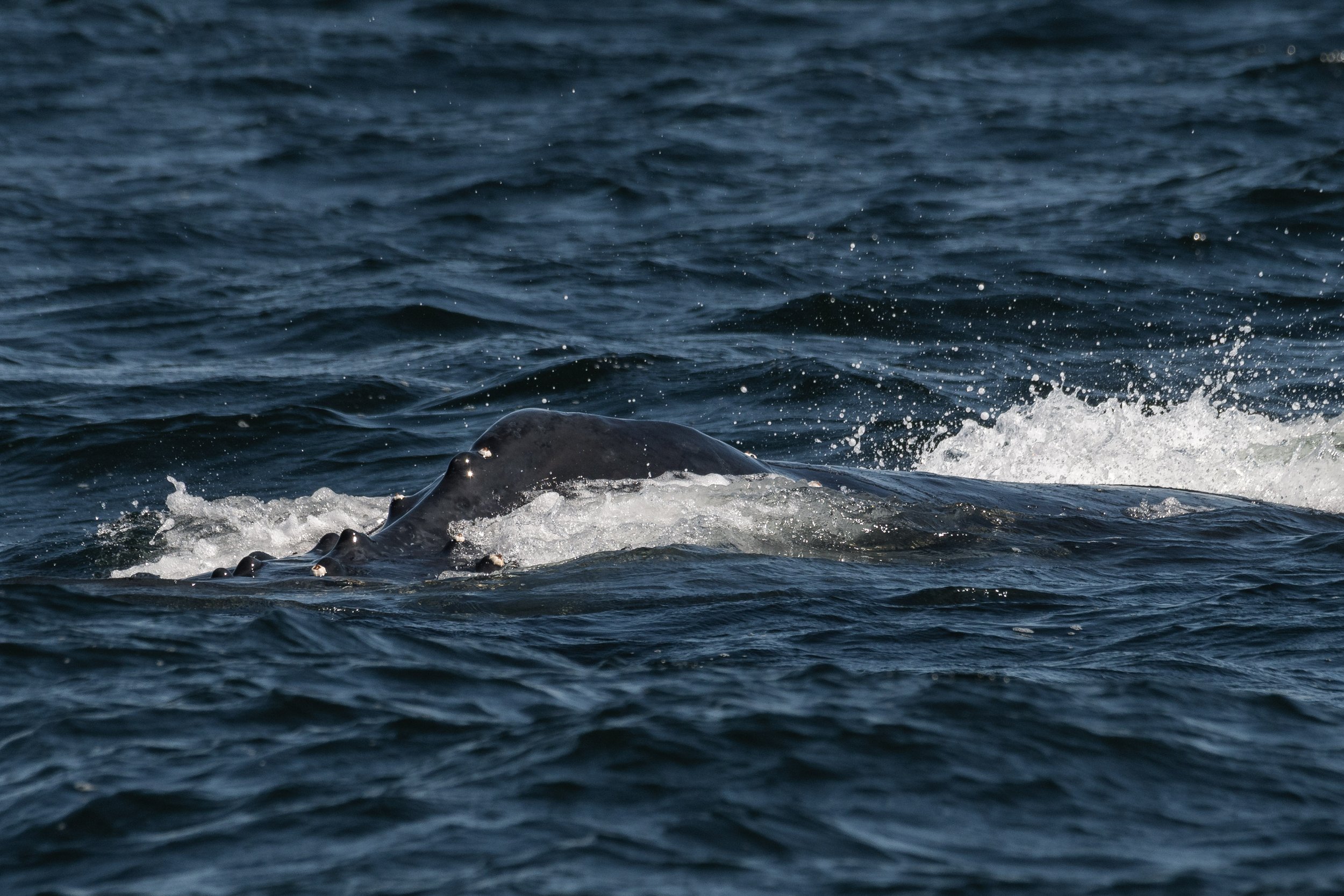
A great look at this whales rostrum. Photo by Evan Hessels.
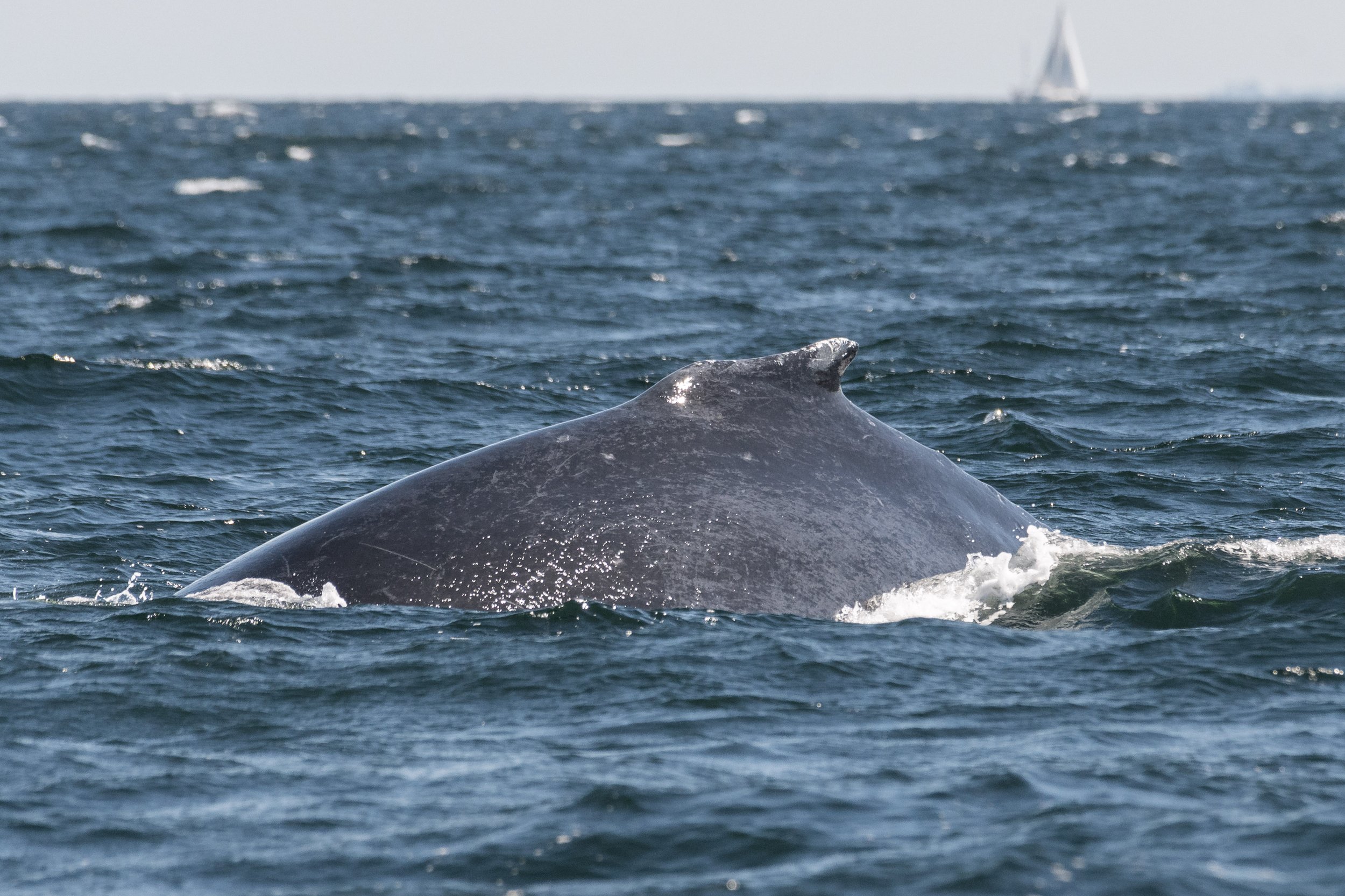
BCX2316 surfacing in the waves showing off their unique dorsal fin. Photo by Evan Hessels.
Stinky Rock
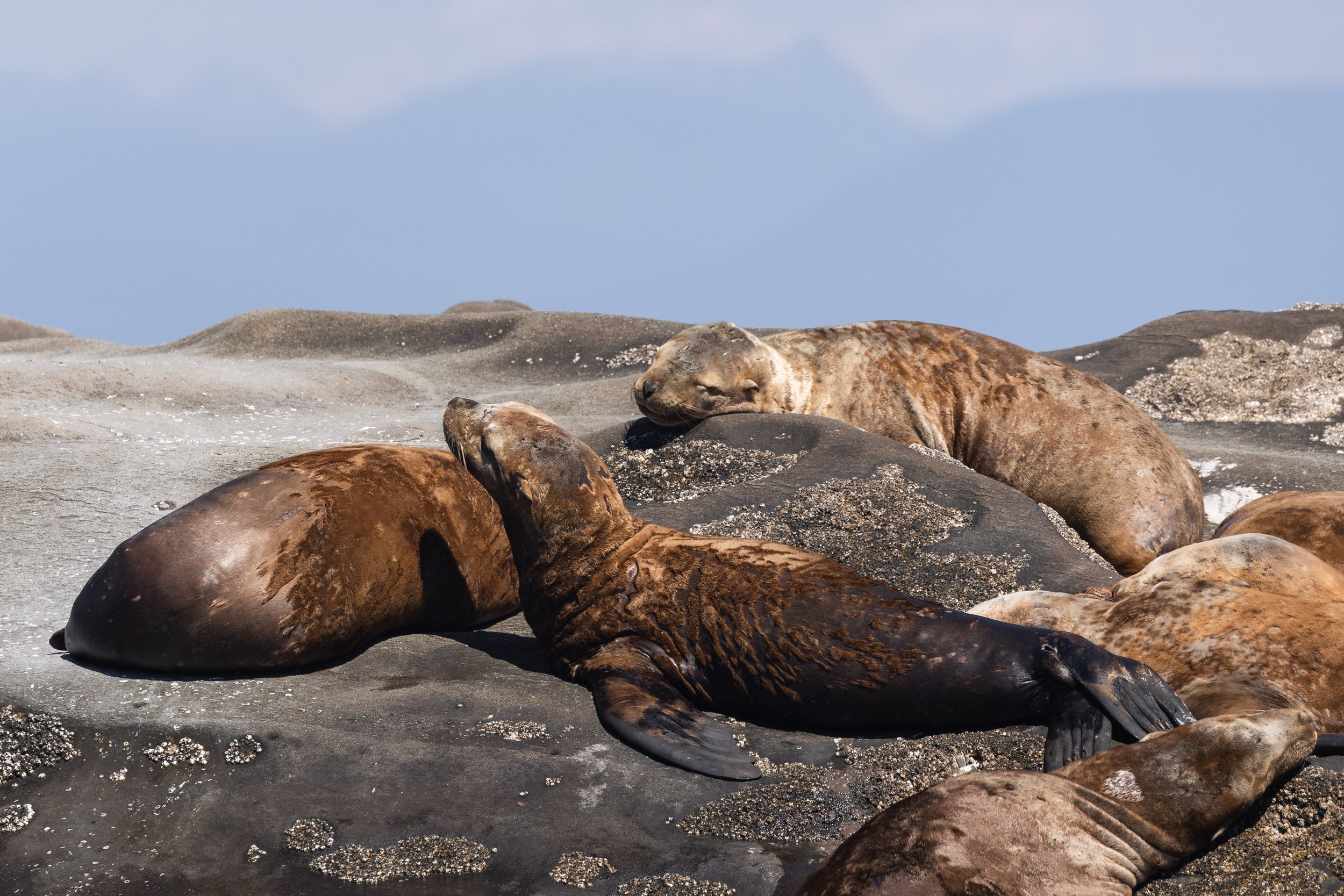
A Sea Lion relaxing on Stinky Rocks. The fur looks strange since some of it is wet from the water spray. Photo by Jordan Robinson.
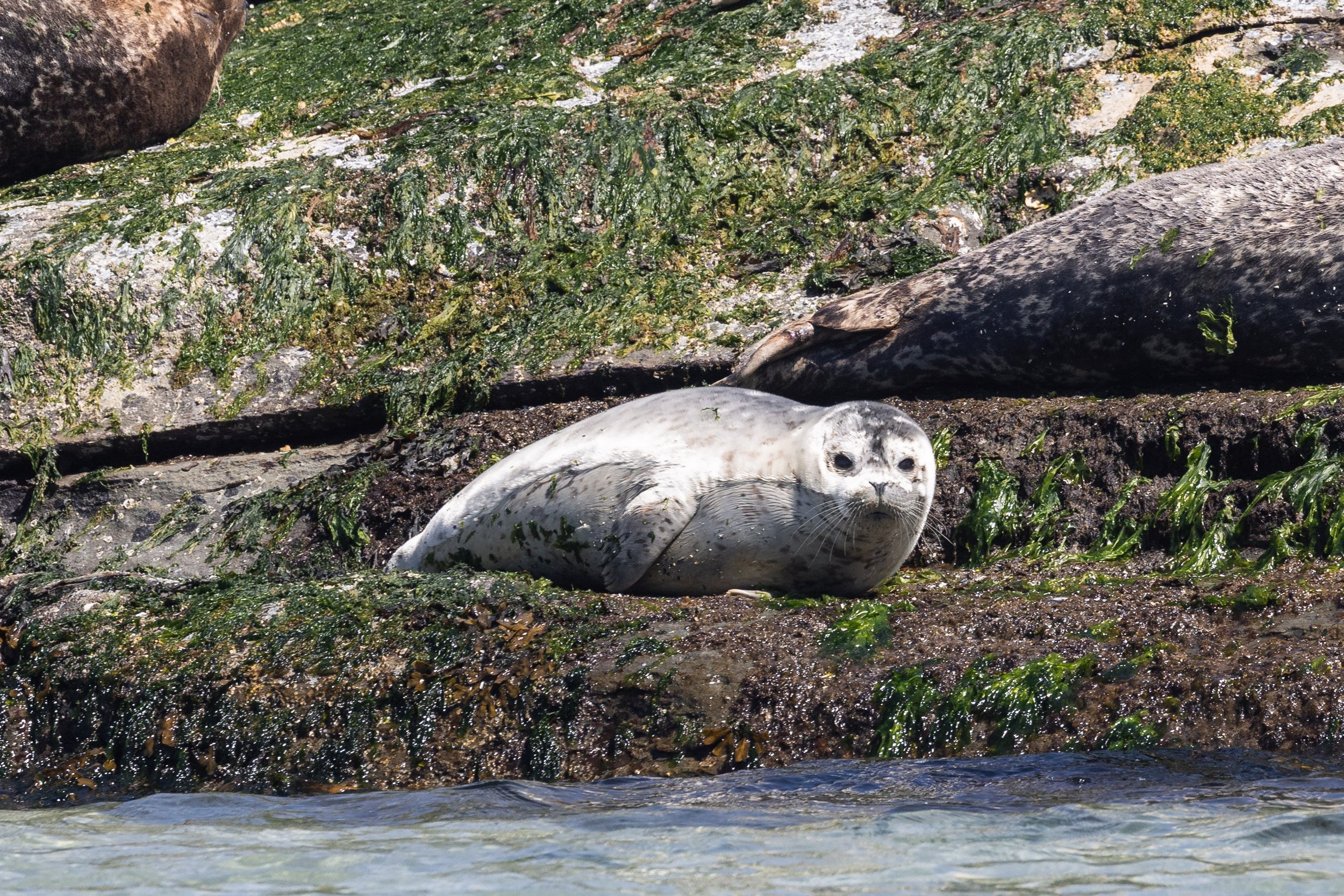
So cute, but maybe plotting our demise? Photo by Jordan Robinson.
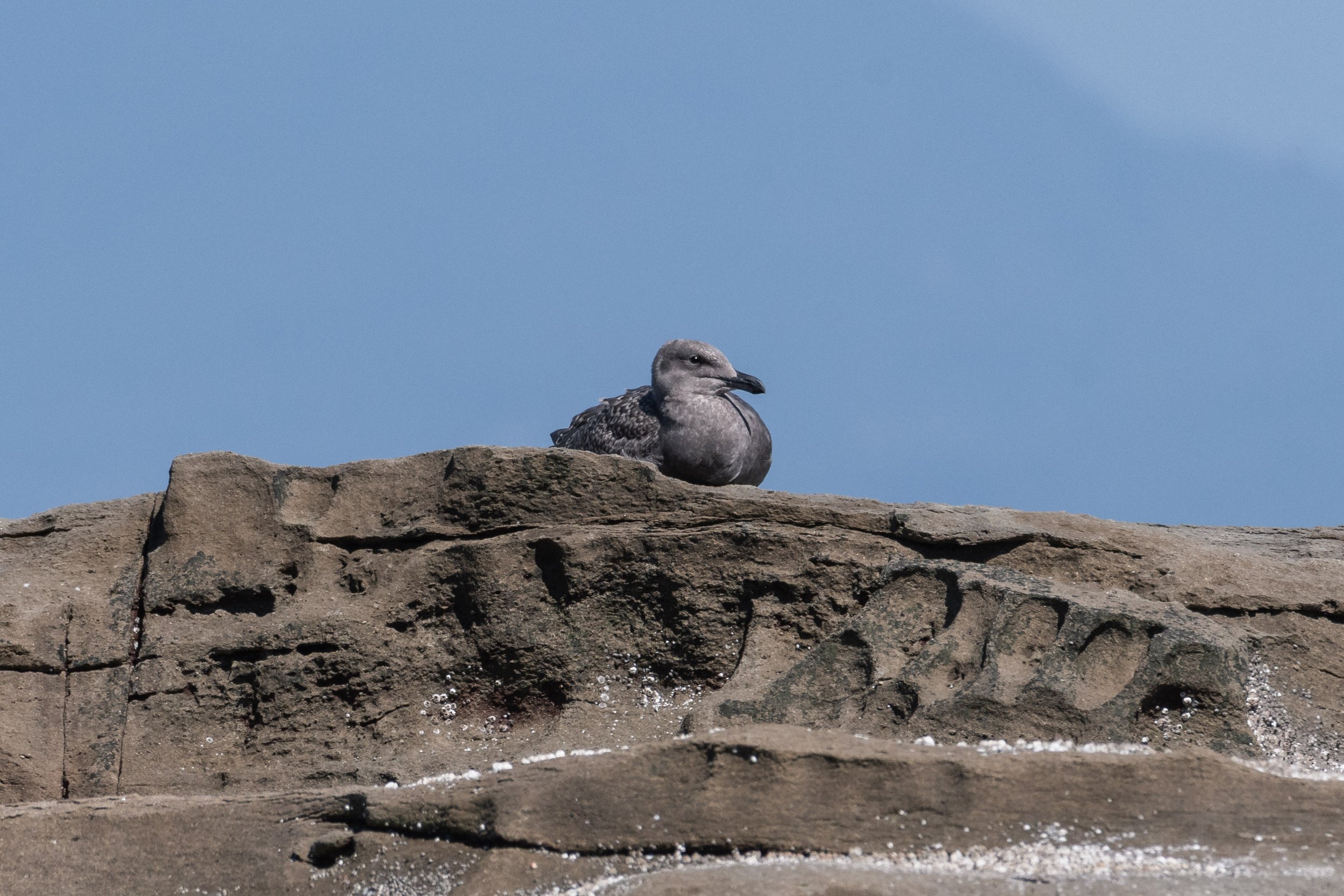
A juvenile gull looking cozy on the rocks. Photo by Evan Hessels.
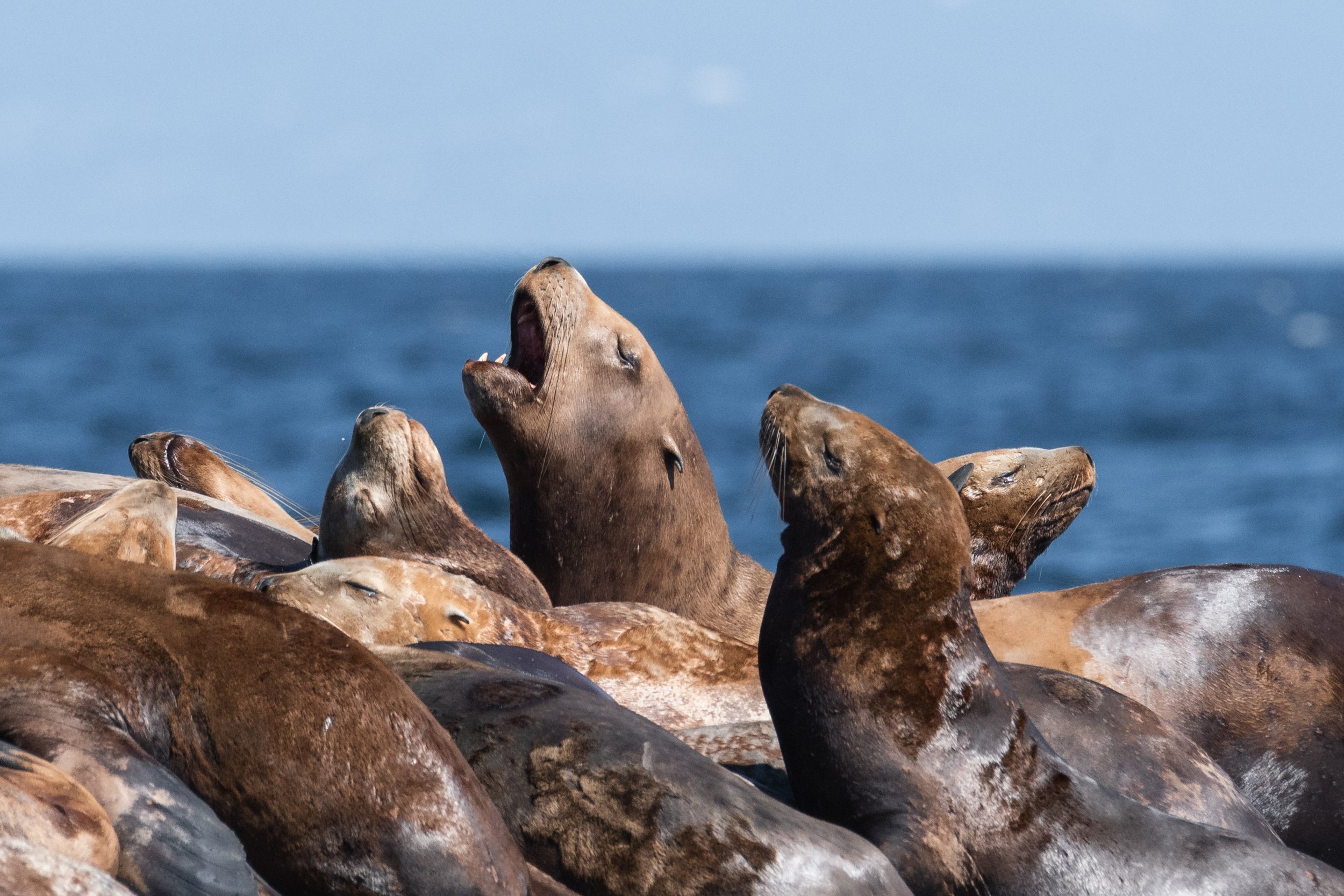
A great look at the Steller Sea Lions at Stinky Rock. Photo by Evan Hessels.
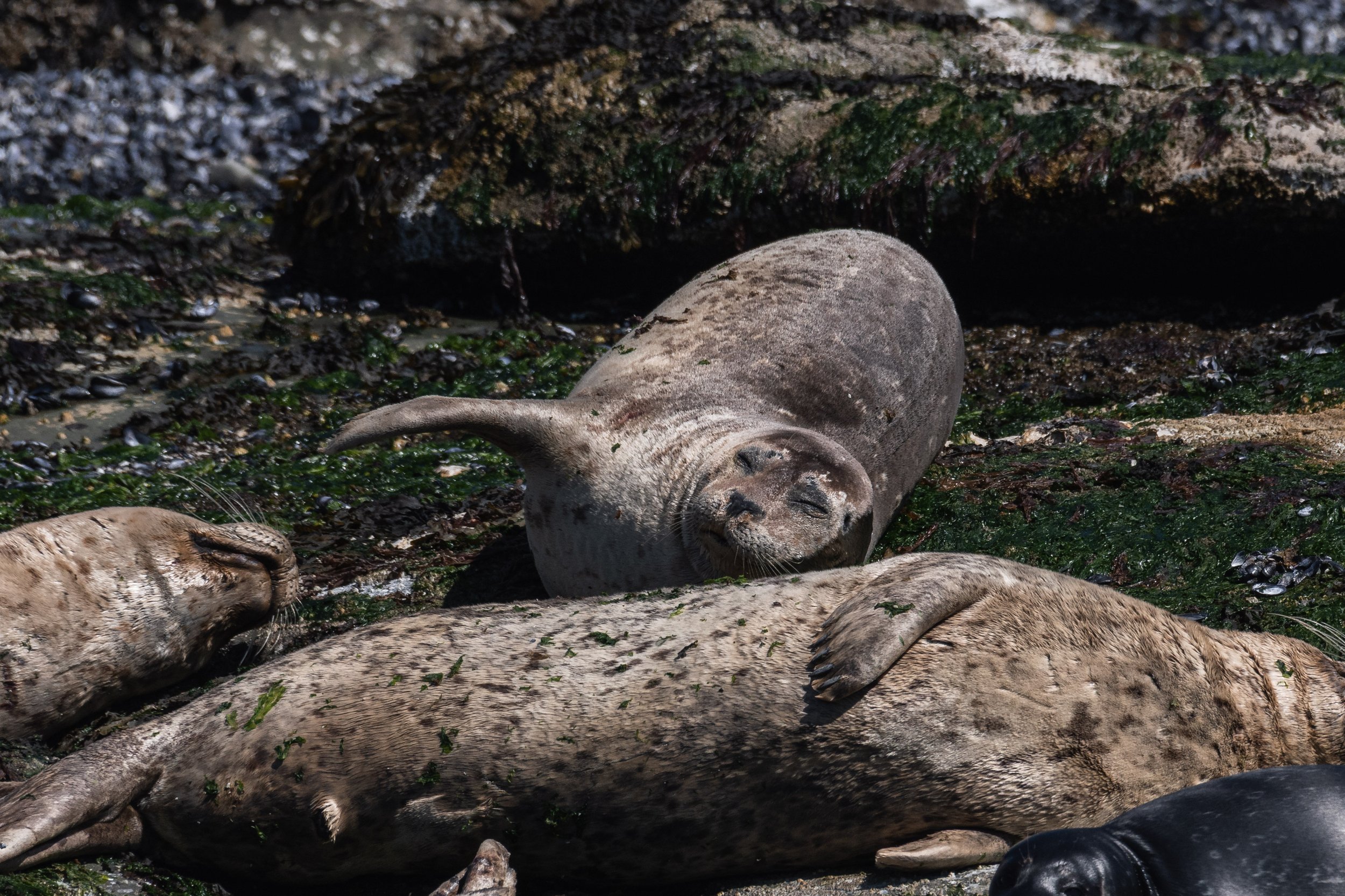
A cute bunch of Harbour Seals relaxing together. Photo by Evan Hessels.
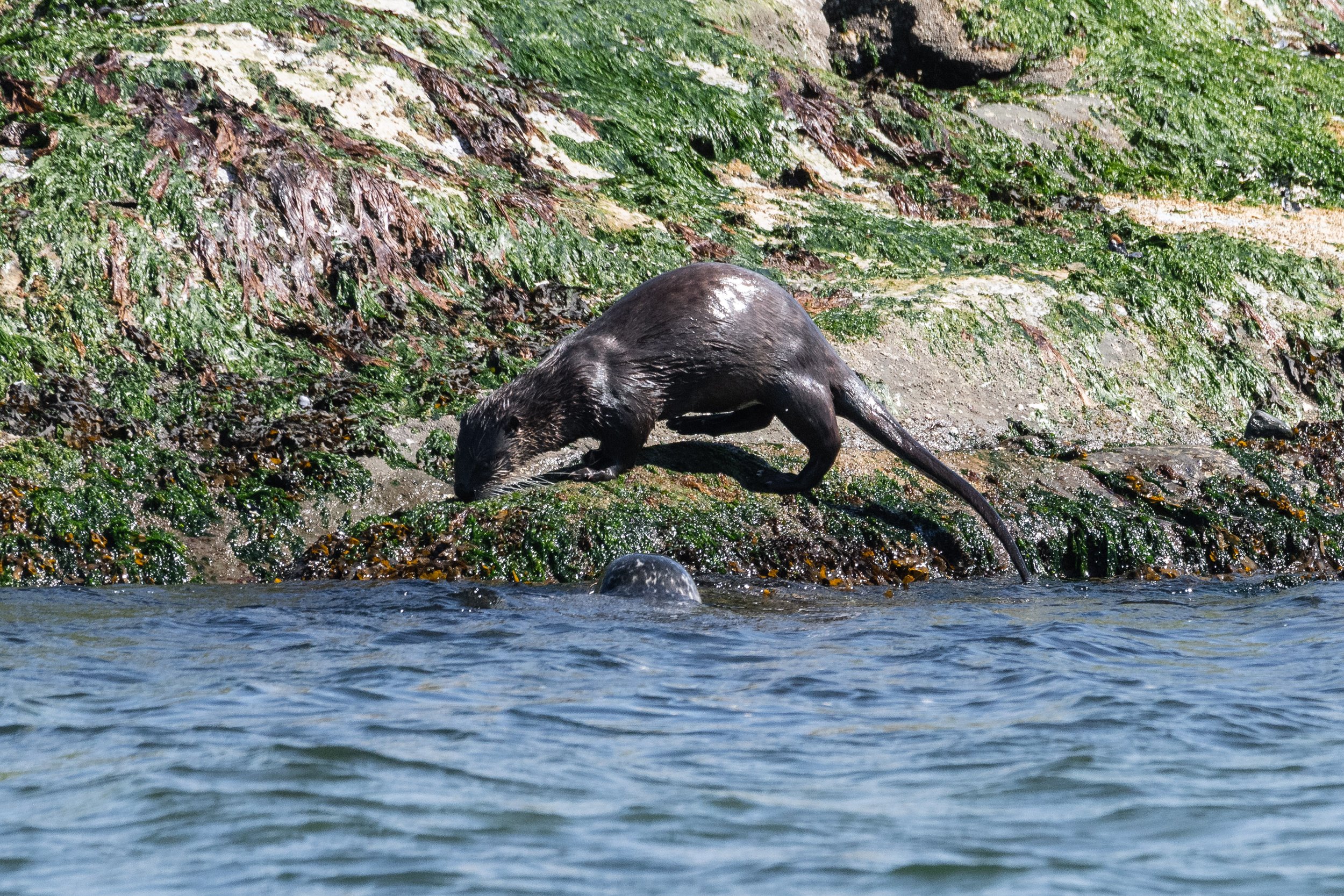
A River Otter and a Harbour Seal in the same photo. Photo by Evan Hessels.
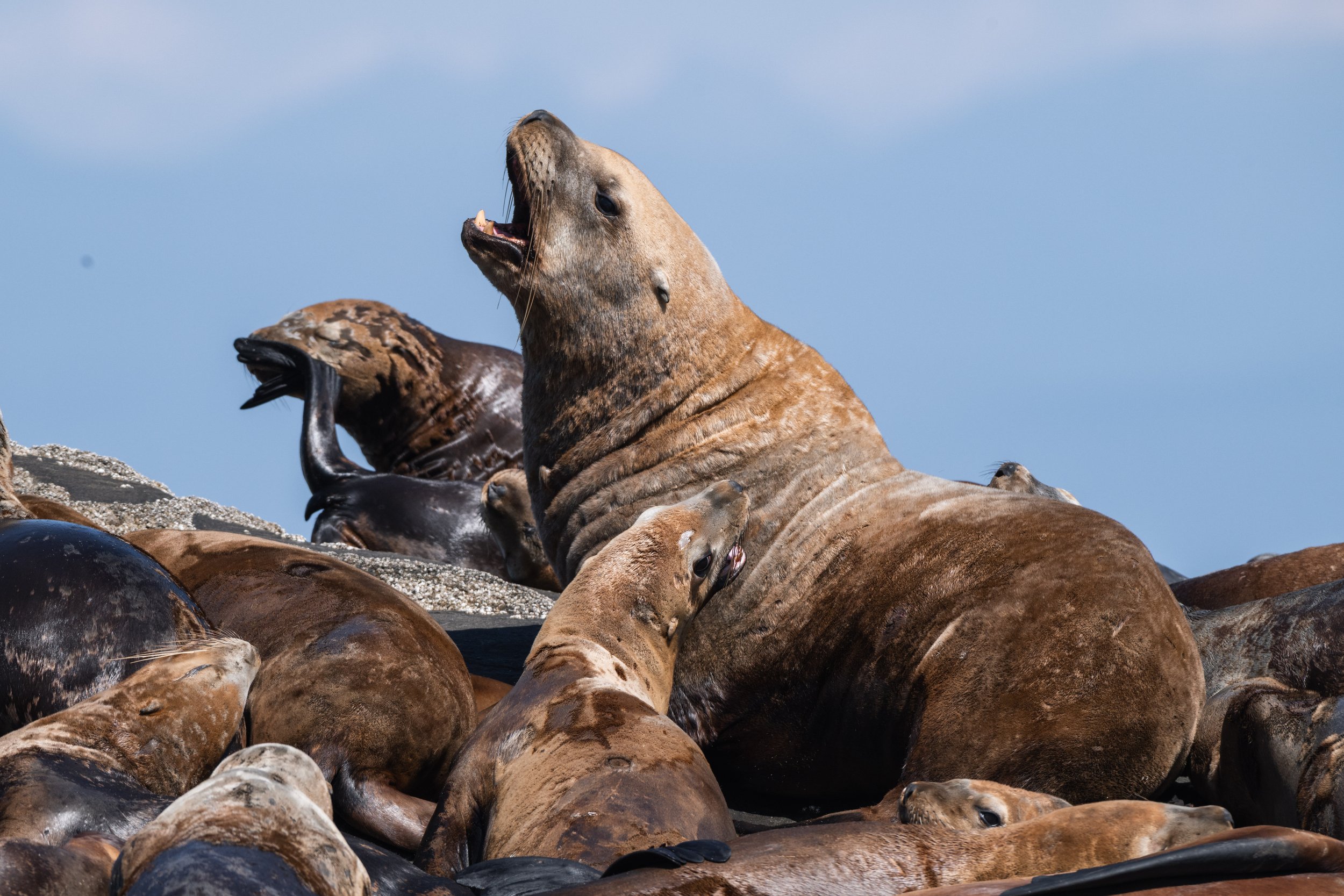
A chunky Steller Sea Lion on Stinky Rock. Photo by Aly Kohlman.
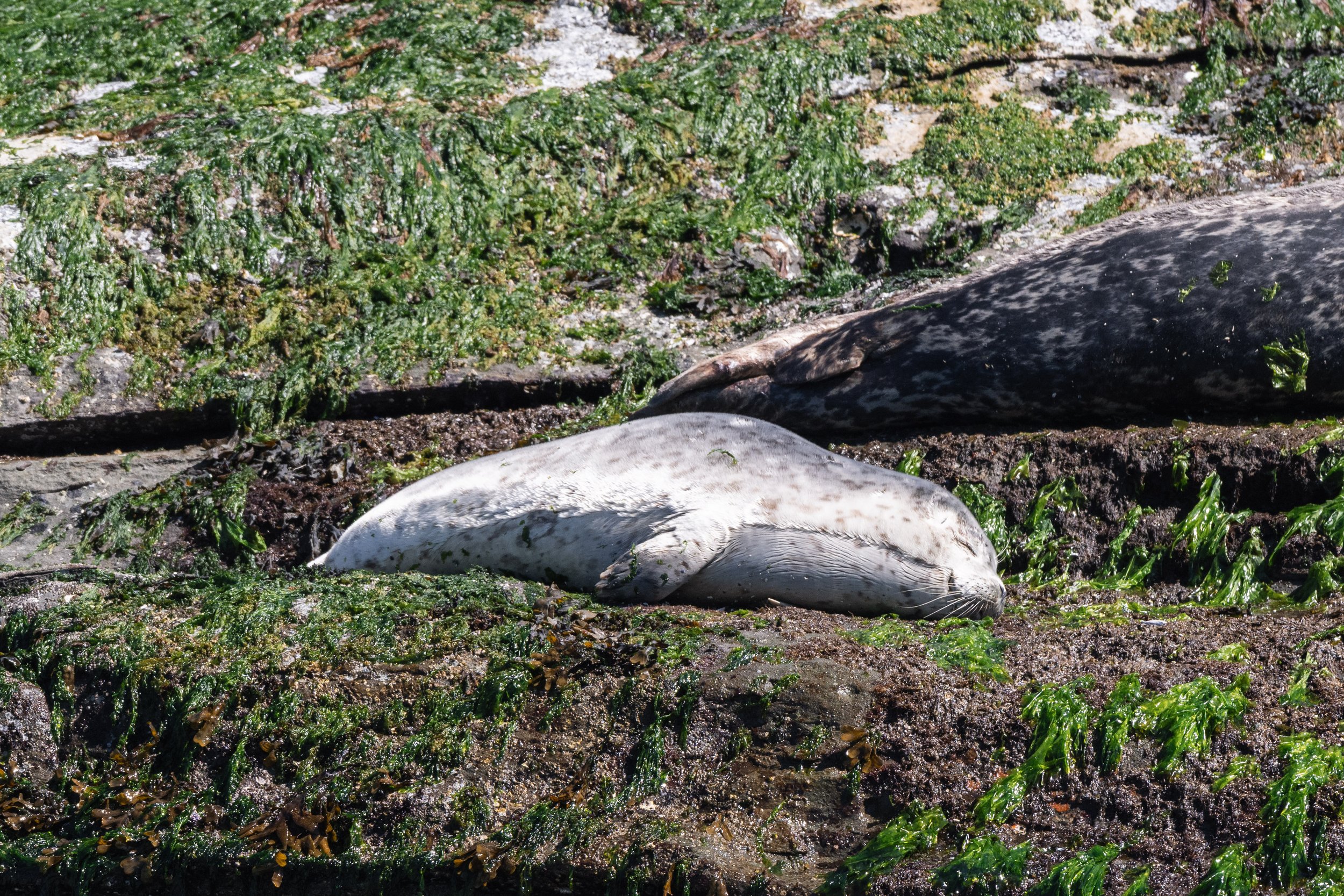
A super cute Harbour Seal pup on Stinky Rock. Photo by Aly Kohlman.
The Gabriola Bluffs
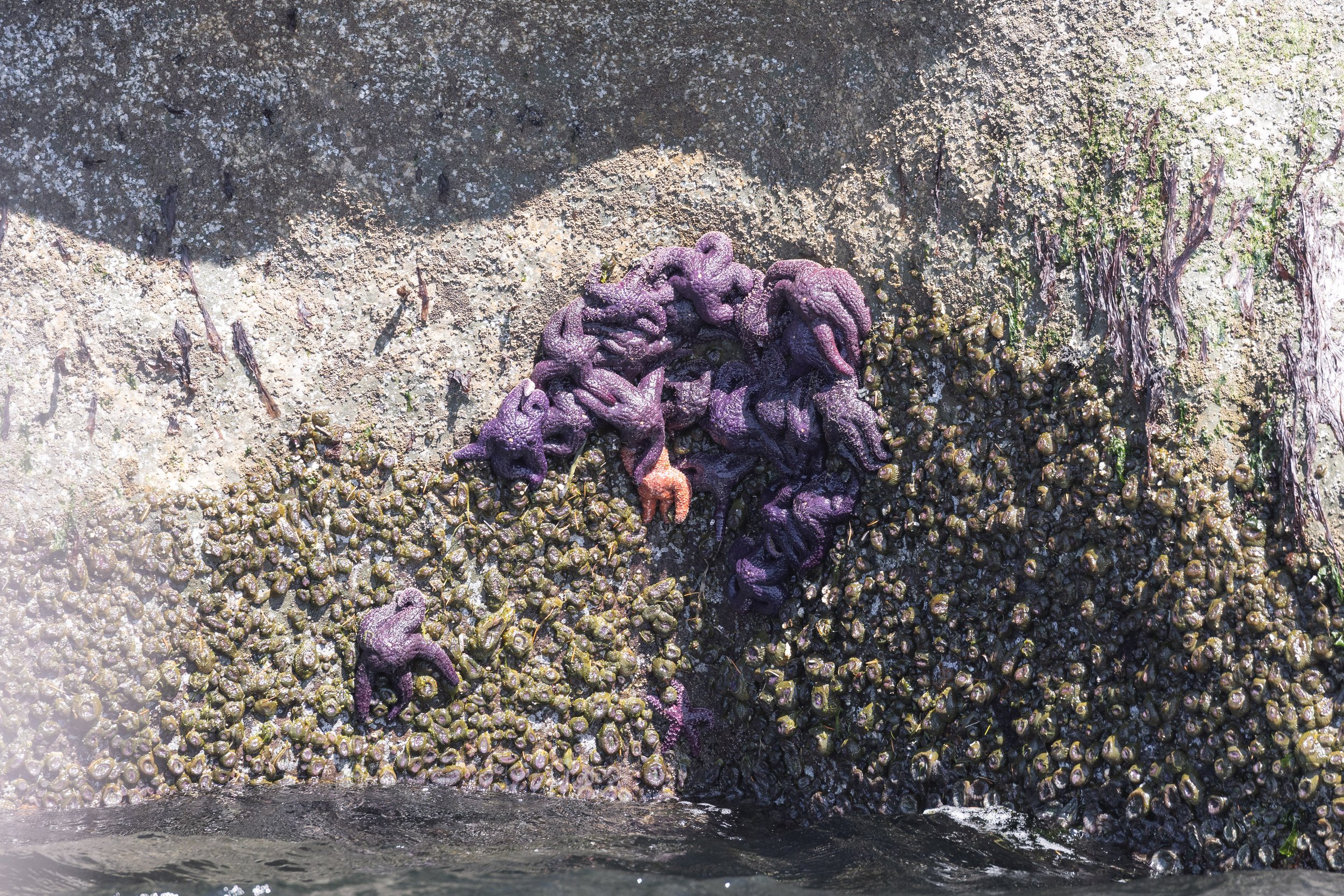
A nice look at the intertidal creatures: Sea Anemones and Starfish. Photo by Jordan Robinson.
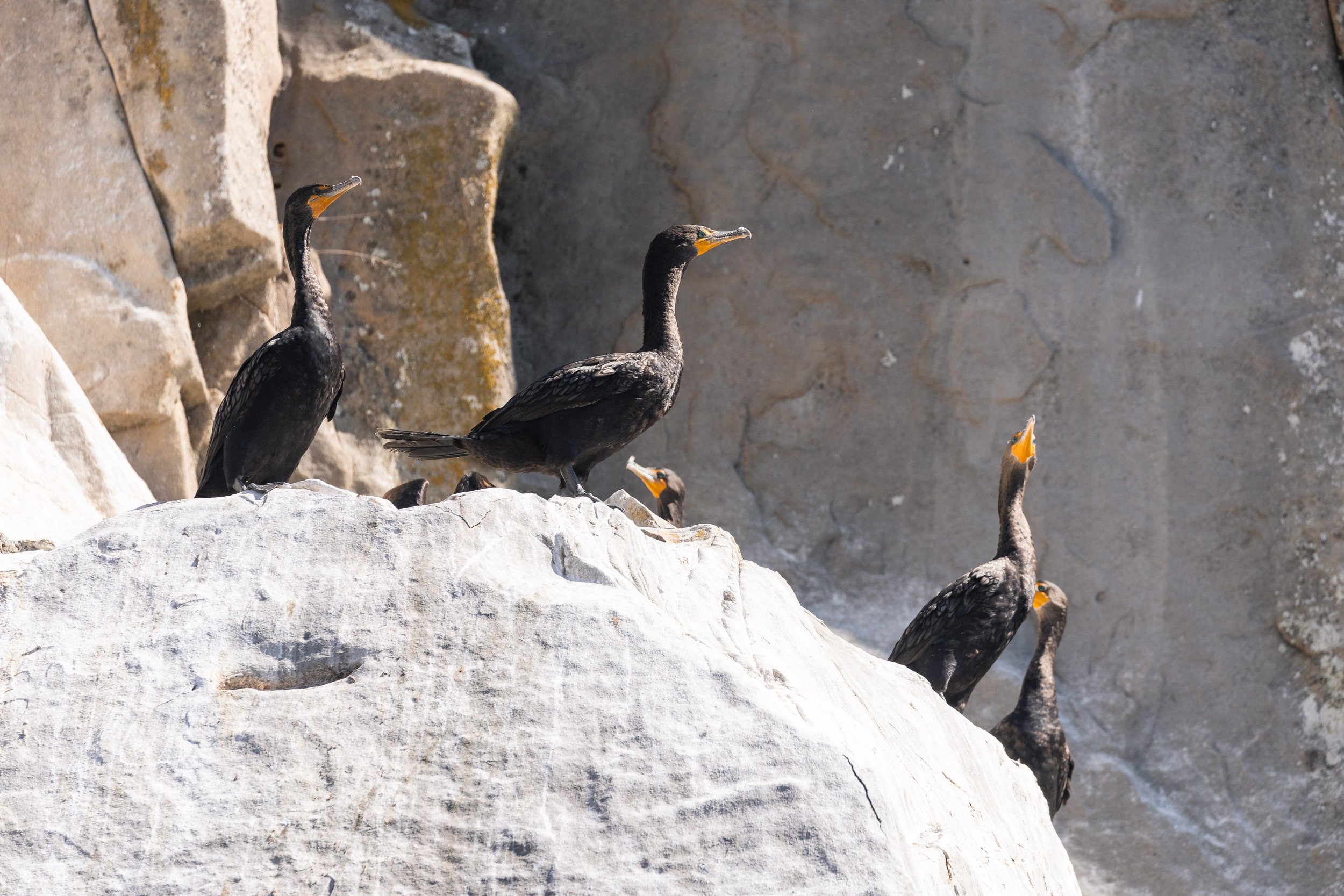
Cormorants on the bluffs. Photo by Jordan Robinson.
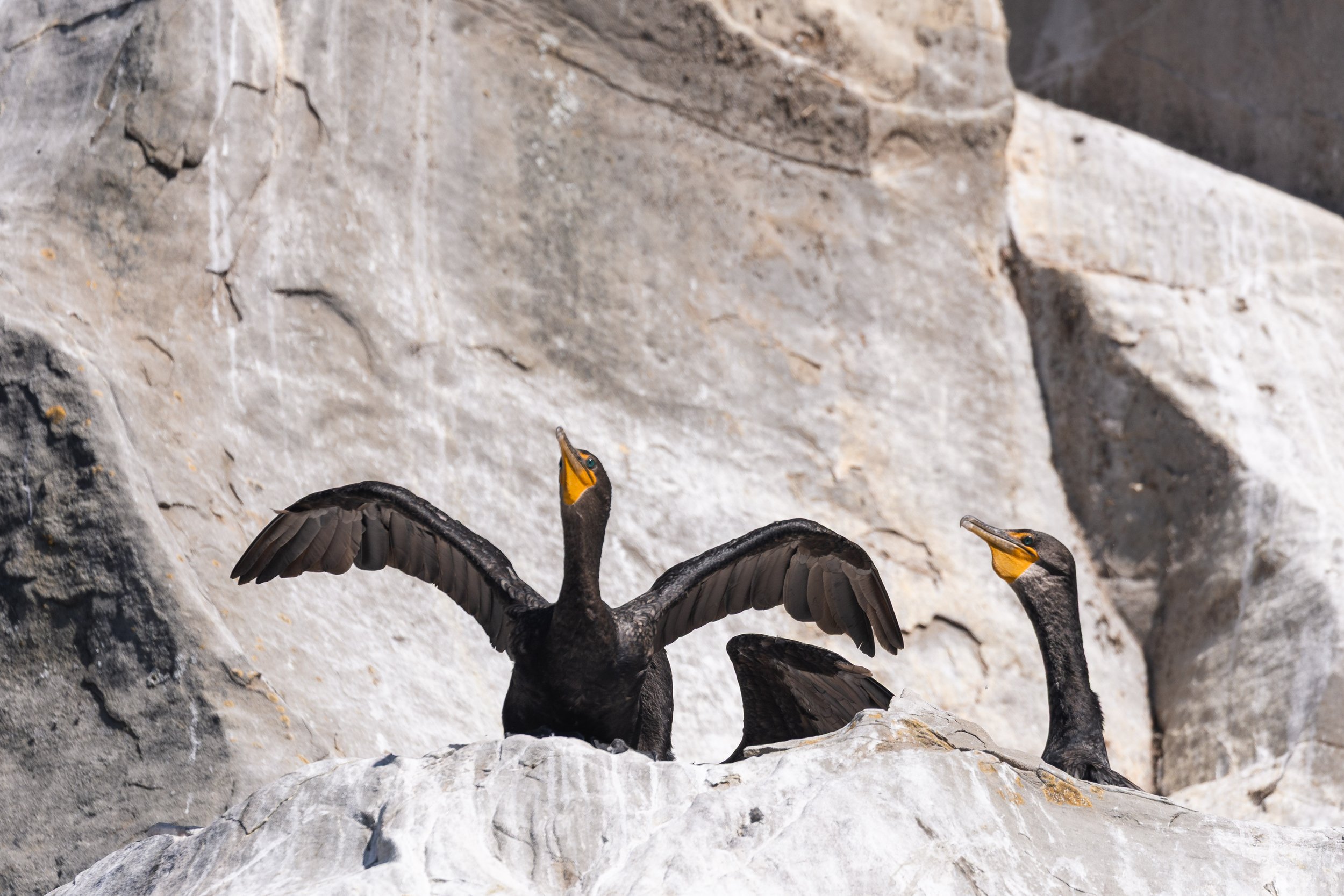
A comorant preparing to launch. Photo by Jordan Robinson.
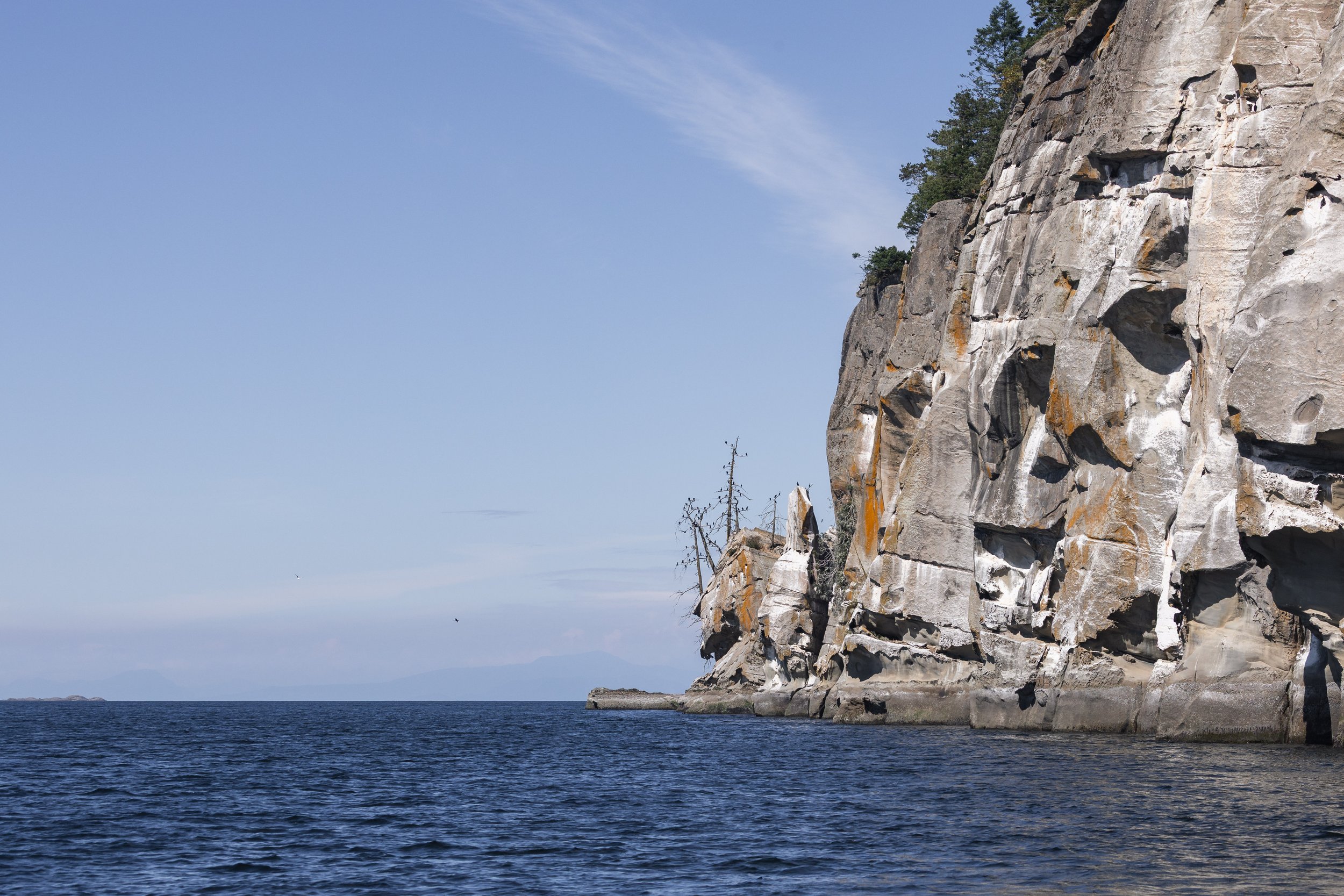
A great look at the Gabriola Bluffs. Photo by Jordan Robinson.
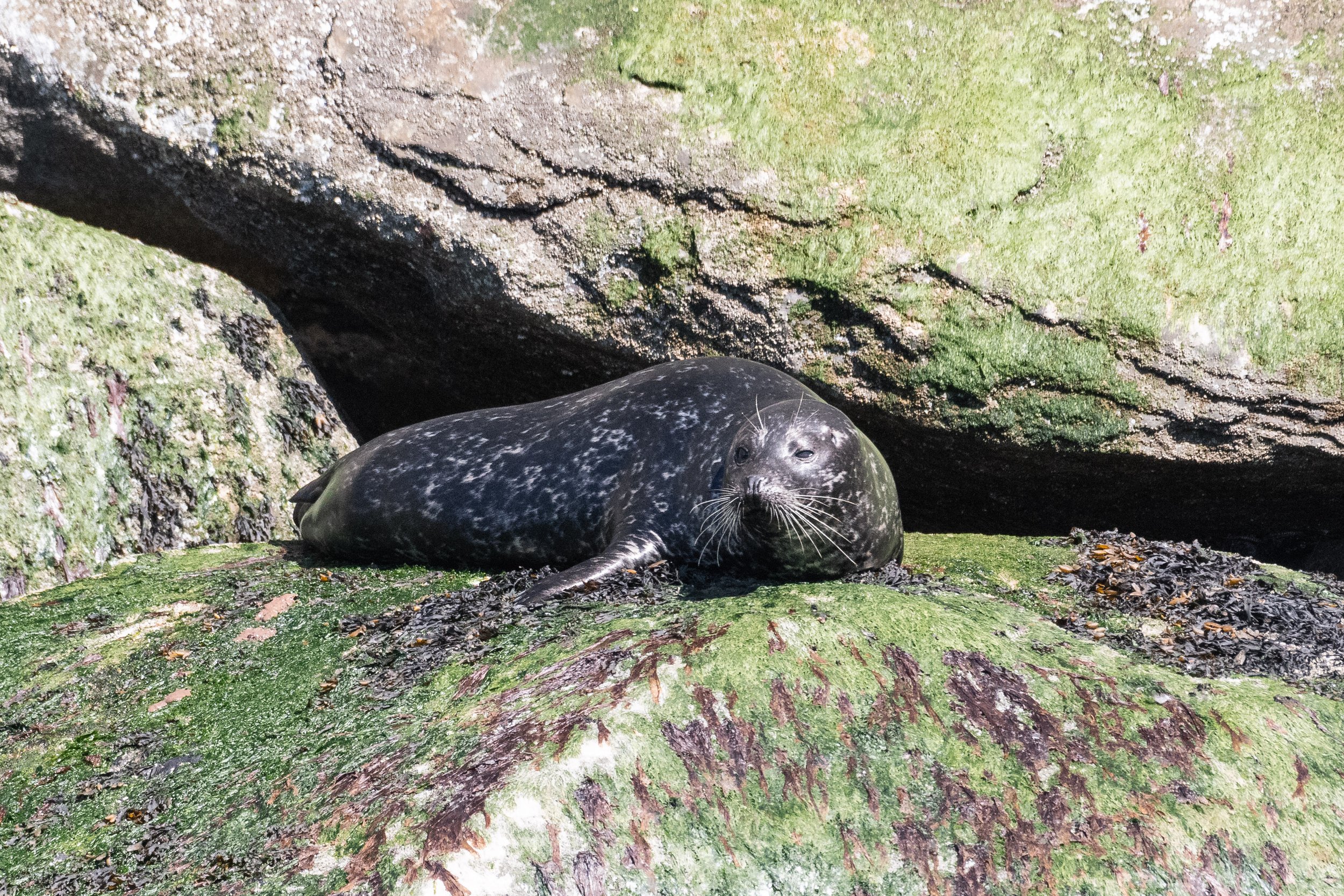
A cute Harbour Seal at the Gabriola Bluffs. Photo by Evan Hessels.
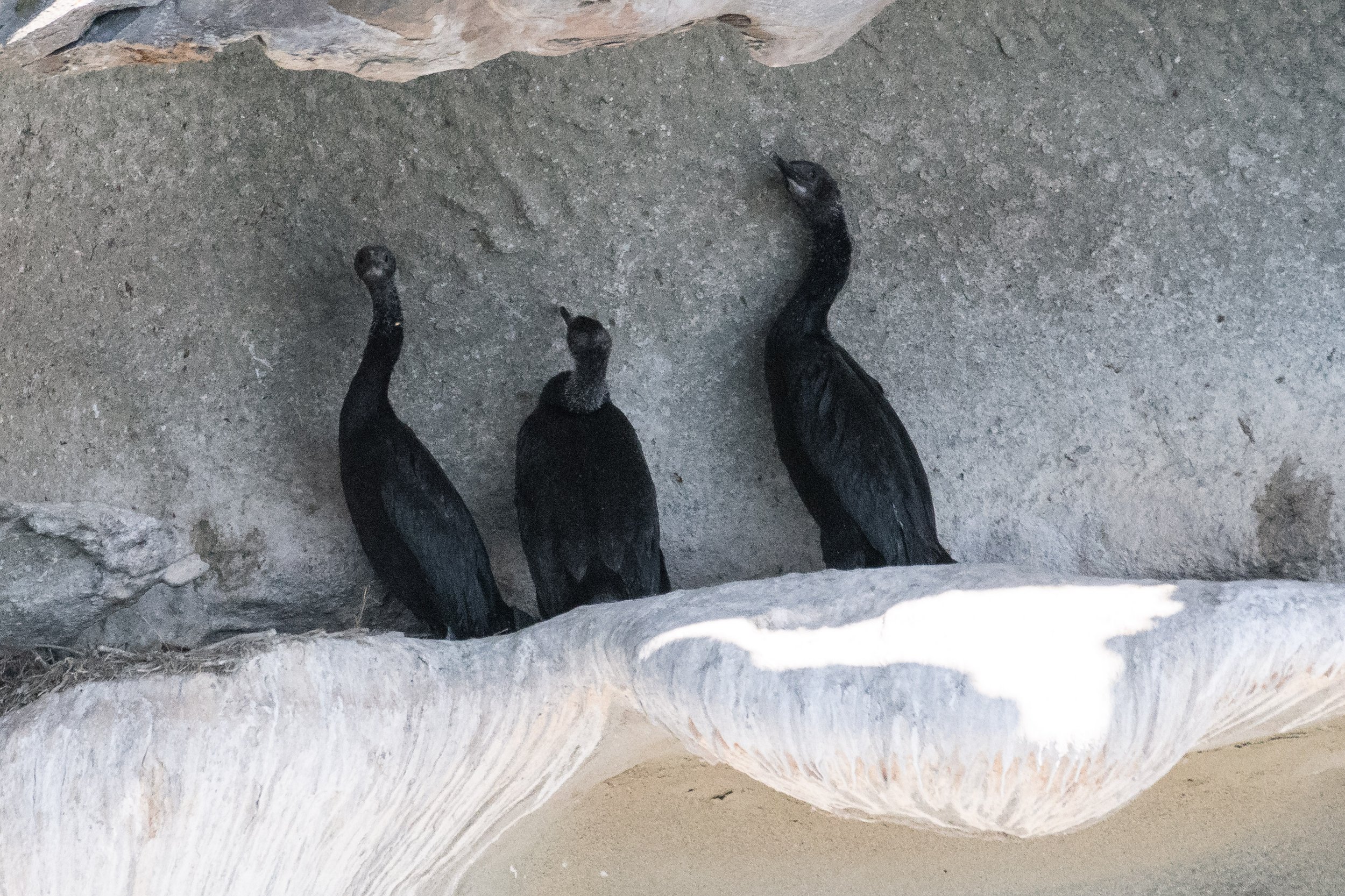
Some ugly cormorants on the Gabriola Bluffs. Photo by Evan Hessels.